
Reviewed · HANOI TOURS
15-Day Tour to Explore Vietnam
Halong Bay’s limestone towers, Sapa’s rice terraces, and the Mekong Delta’s early-morning floating market give this 15-day private tour a strong sweep from north to south. You get Vietnam’s major sights without having to stitch together hotels, vehicles, flights, and guides yourself.
I like the mix of structured sightseeing and free time, especially the chance to explore Hanoi, Hue, Hoi An, and Ho Chi Minh City at your own pace. I also like the personal transport and local guides, with Ben specifically praised for helping make the journey memorable. The tradeoff is a busy schedule, with several long transfers, flights, early starts, and only short stays in some places.
In This Review
- Key things to know before booking
- A practical Vietnam route from Hanoi to Ho Chi Minh City
- Hanoi: a gentle first look at Vietnam
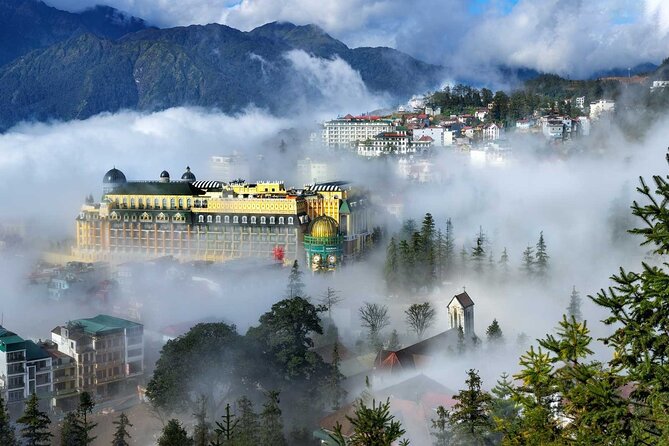
- Sapa: rice terraces and village walks
- Returning to Hanoi, then sailing Halong Bay
- Hue: history with a motorbike twist
- Hai Van Pass and Hoi An’s old streets
- Cycling through Hoi An’s countryside
- Ho Chi Minh City: a modern southern change
- Cu Chi Tunnels and the difficult wartime story
- The Mekong Delta by private boat
- Cai Rang floating market at daybreak
- What $1,490 gets you
- The pace, fitness level, and service style
- Should you book this 15-day Vietnam tour?
- FAQ
- Where does the tour begin?
- Where does the tour end?
- Is this a private tour?
- Which destinations are included?
- Does the tour include domestic flights?
- How physically demanding is the tour?
- Is accommodation included?
- Can I cancel for a full refund?
Key things to know before booking
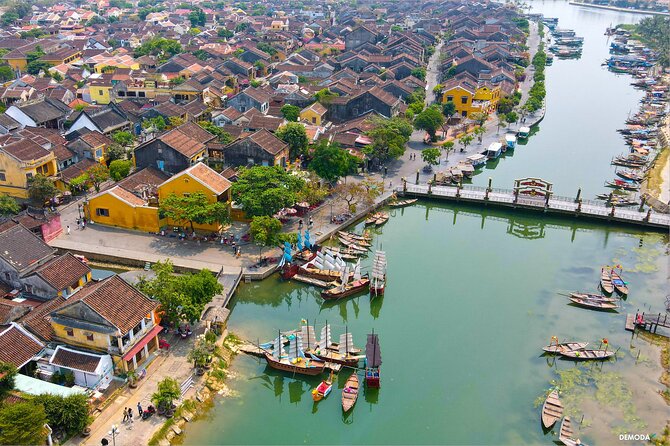
- A full north-to-south route: Visit Hanoi, Sapa, Halong Bay, Hue, Hoi An, Danang, Ho Chi Minh City, and the Mekong Delta in one trip.
- Private transport throughout: Your group travels in a private, air-conditioned vehicle, which makes the many road journeys easier.
- Sapa requires real walking: Expect two trekking days through rice terraces and hill villages, with a moderate fitness level needed.
- Halong Bay includes an overnight cruise: The cruise is one of the trip’s main scenic highlights, with meals and onboard time included.
- Local experiences add variety: Ride on the back of a motorbike in Hue, cycle through Hoi An’s countryside, and travel by boat in the Mekong Delta.
- The price covers major logistics: At $1,490, the value comes from combining accommodation, guides, some meals, road transport, and domestic flights.
A practical Vietnam route from Hanoi to Ho Chi Minh City
This tour is designed for you if you want to see a lot of Vietnam in two weeks without arranging each leg yourself. It begins at Noi Bai Airport in Hanoi at 1:00 p.m. and finishes with a transfer to the airport in Ho Chi Minh City on day 15.
You travel with your own group rather than joining a large coach party. That matters in Vietnam, where traffic, weather, road conditions, and changing daily plans can affect the rhythm of a trip. A private vehicle also gives you a little more breathing room during the long moves between regions.
The schedule is active. You will trek in Sapa, cruise Halong Bay, take flights between northern and central Vietnam and between central Vietnam and the south, walk through historic districts, cycle in the countryside, and rise early for the Mekong Delta. You do receive free time, but this is not a sit-by-the-pool holiday.
A few more Hanoi departures worth weighing up
- Hanoi Jeep Tour: Food, Culture and Fun by Vietnam Army Jeep
★ 5.0 · 15,222 reviews - Full-Day Ninh Binh Highlights Tour from Hanoi
★ 5.0 · 7,761 reviews - Hanoi: Ha Long Bay Day Cruise – Swimming, Meal, Kayaking
★ 4.7 · 7,415 reviews
Hanoi: a gentle first look at Vietnam
Your guide meets you at the airport, gives you a briefing on the journey, and takes you to your hotel. The first day is intentionally light, with time to check in and begin finding your way around the capital.
The following day brings a city tour through Hanoi’s broad, tree-lined streets, French colonial buildings, lakes, and old pagodas. This is a useful introduction to the country because Hanoi does not fit into one neat category. It has grand colonial avenues, quiet religious sites, busy city streets, and small local corners close together.
I like beginning here rather than rushing straight into the countryside. You have a chance to adjust to the traffic, food, and pace before the long sequence of transfers begins. The city tour lasts about five hours, leaving some room for your own plans.
The first hotel night and city touring are included in the overall arrangements, but the exact hotel names are not provided. If your room location matters, ask before booking.
Sapa: rice terraces and village walks
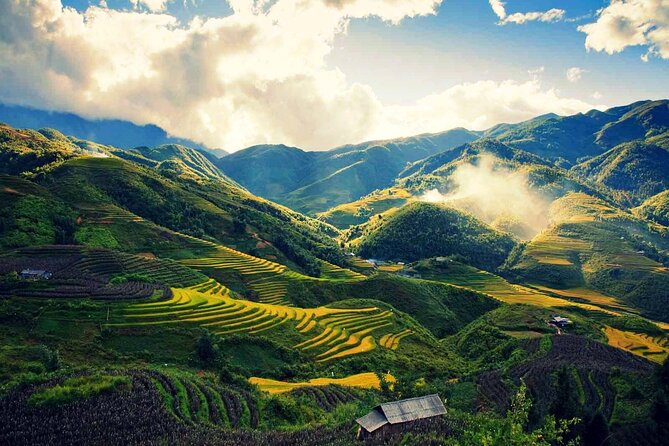
Sapa brings a sharp change of scenery. On day three, you take a two-hour walk through terraced rice fields to Cat Cat and Sin Chai villages. The focus is not only on views. You also learn about local traditions and daily life in the villages.
The next day is a longer trek, lasting about six hours. You continue through rice terraces and tribal villages, stopping for views and local encounters. The route gives you more than a quick roadside photo stop, but it also demands comfortable walking shoes and a reasonable level of fitness.
You should expect uneven paths and a full day on your feet. The tour asks for moderate physical fitness, and Sapa is the clearest reason why. Weather can also change the feel of the walk, especially when the hills are wet or cloudy.
Sapa is one of the strongest sections for anyone who wants time outdoors and contact with rural communities. It is less suited to you if you prefer easy sightseeing from a vehicle. The itinerary also includes a stay with a host family before you return to Sapa and then Hanoi, adding a more personal rural element to the route.
Returning to Hanoi, then sailing Halong Bay
After breakfast on day five, you say goodbye to the host family, walk to a nearby village, and board a bus back to Sapa. You then continue by bus toward Hanoi, passing through quiet countryside on the way.
This is a transfer-heavy day. It gives you another look at rural Vietnam, but you should not expect much free time until you reach Hanoi. The reward is that the next major stop, Halong Bay, follows immediately.
On day six, you drive about two and a half hours to Halong Bay, a UNESCO World Heritage Site known for thousands of limestone islands rising from the sea. The cruise lets you see the rock formations from the water rather than from a single viewpoint.
You spend the night aboard the boat. Meals are included on the cruise, and the second morning begins with a sunrise and a light breakfast, or brunch on some boats, while the vessel returns toward shore. The sundeck is the place to be for open views of the limestone formations.
Halong Bay is an important value point in the package because it combines transport, accommodation, scenery, and meals in one organized segment. Boat standards and cabin details are not specified, so you should ask what cruise category is used if that affects your decision.
Same part of the north, a completely different day out:
- Hanoi: Water Puppet Show Tickets
★ 4.6 · 7,029 reviews - Hanoi Motorbike Tour: Food, Culture and Fun by Vintage Motorbike
★ 5.0 · 6,699 reviews - Hanoi: Guided Food Tour with Train Street Visit
★ 4.9 · 6,239 reviews - Hanoi Cooking Class: Culture, Local Market & Meaning CSR Impact
★ 5.0 · 5,147 reviews
Hue: history with a motorbike twist
After disembarking at Halong Bay, you meet your driver and travel to Noi Bai Airport for a flight to Hue. A local guide and driver meet you at Hue airport, then take you to your hotel for free time.
That sequence makes day seven another long travel day. You are moving from northern Vietnam to the central region, so the free evening is useful. You can rest rather than trying to fit another formal tour into an already packed schedule.
Day eight is a full-day motorbike excursion known as the Top Gear Tour. You sit on the back of a motorbike while the ride heads through the peaceful Hue countryside, with stops at local markets and rural areas.
This is one of the more distinctive parts of the trip. Instead of seeing Hue only through imperial sites and city streets, you get a view of everyday life beyond the center. The motorbike format also makes the journey feel more open and direct than a standard minibus excursion.
You should be comfortable riding as a passenger before choosing this tour. The supplied information does not explain helmet standards, route length by motorbike, or what happens in poor weather, so those are sensible questions to ask.
Hai Van Pass and Hoi An’s old streets
On day nine, you leave Hue after breakfast and drive toward Hoi An over the Hai Van Pass. This road is known for its coastal and mountain views, making the transfer part of the sightseeing rather than merely a way to get from one hotel to another.
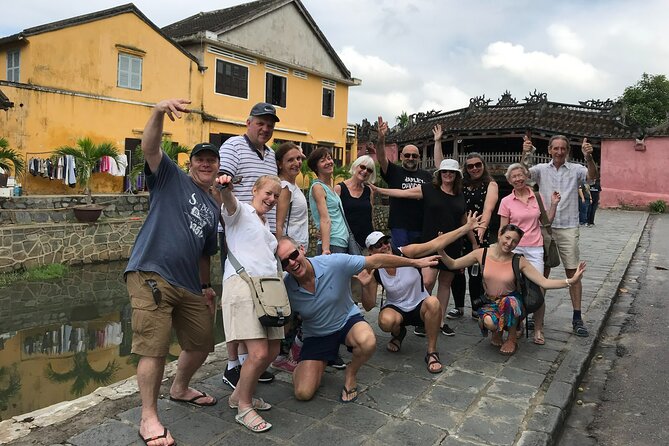
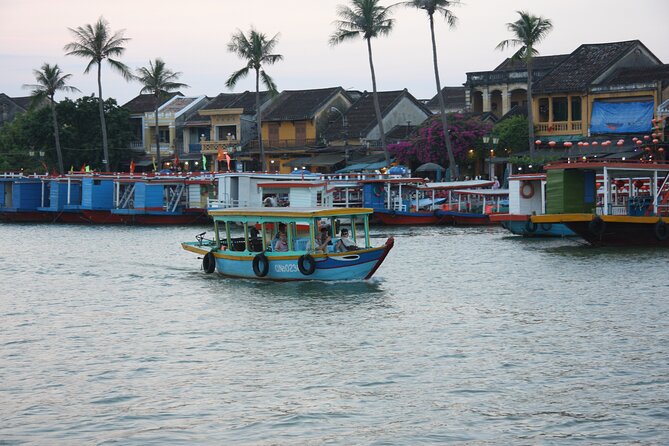
After lunch, you take a walking tour through Hoi An’s narrow streets and old town. Hoi An is a good place to slow the pace for a day. Its compact center is easy to explore on foot, and the walking tour helps you understand the layout before you have free time to wander.
The drive from Hue to Hoi An is scenic, but it still takes time. If you dislike moving hotels often, note that the route changes location several times. If you enjoy seeing how different parts of Vietnam connect, the journey gives you a useful contrast between northern mountains, central coast, and historic towns.
Cycling through Hoi An’s countryside
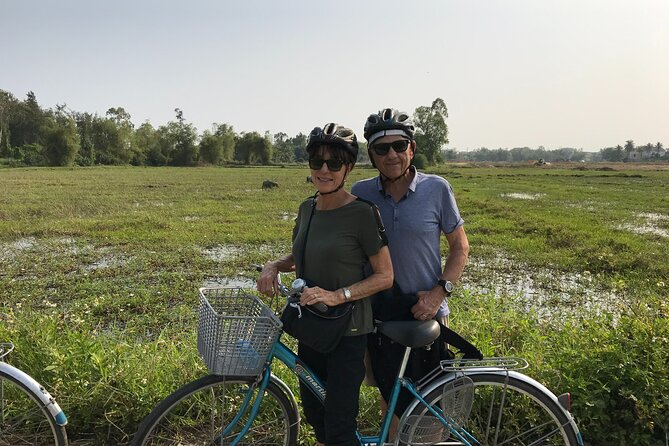
Day ten shifts away from the old town. You cycle from the hotel into the countryside with local guides, visiting vegetable-growing areas and farms. The route includes time talking with people working on the land and seeing water buffalo.
The cycling excursion lasts about three hours, so it is more approachable than a full-day ride. It also gives you something that a standard town tour cannot: a look at the working countryside around Hoi An.
I like this pairing of old-town walking and rural cycling. One shows you Hoi An as a historic destination, while the other shows the communities and farms beyond its central streets. Ask about bicycle fit and route conditions if you have concerns, since the information provided does not give those details.
Ho Chi Minh City: a modern southern change
Day eleven begins with free time before your group is transferred to the airport for the flight to Ho Chi Minh City, also called Saigon. After landing, a guide meets you and takes you to your hotel.
The city is described as modern and dynamic, and it provides a clear contrast with Hanoi. You have time to settle in, then a guided city experience follows on the next day as part of the visit to Cu Chi Tunnels.
The flight saves a great deal of overland time. It also means day eleven is mainly a travel day, so do not count it as a full sightseeing day in Ho Chi Minh City. That is a common pattern on this itinerary: you cover more ground, but some days are built around getting from one region to another.
Cu Chi Tunnels and the difficult wartime story
Day twelve takes you to Cu Chi Tunnels, the underground network used by the Viet Cong during the Vietnam War. The visit explains how the tunnels functioned as a base and how they figured in the fighting around Saigon, including the Tet Offensive.
This stop adds important context to the modern history of the country. It is not simply a photo stop. You are seeing a physical system built for survival, movement, and military operations.
The excursion takes about seven hours, including the drive. That makes it a substantial day, but the length gives the guide time to explain the setting and the tunnel network. If you prefer travel that focuses only on food, scenery, and old buildings, this will feel more serious. I see it as an essential counterpoint to the lighter countryside excursions.
The Mekong Delta by private boat
On day thirteen, you leave Ho Chi Minh City for the Mekong Delta. The drive takes you through peaceful countryside, then you board a private boat to explore the smaller waterways and tributaries.
The day includes a visit to a local market and an introduction to local industries. That helps you understand how people live and work around the river, rather than treating the delta as a quick boat ride and a set of staged stops.
The private boat is a useful feature here. Your group can move at its own pace, and the experience should feel less crowded than being folded into a large boat party, though exact boat arrangements are not specified.
Cai Rang floating market at daybreak
Day fourteen starts early. After breakfast, you travel by motorized boat to Cai Rang floating market, one of the Mekong Delta’s best-known sights.
The early departure is necessary because the market visit is built around morning activity. You continue by boat to fruit orchards, sample fresh exotic fruit, and see more of the delta before returning to collect your belongings and drive back to Ho Chi Minh City.
This is a long but rewarding final excursion. The floating market, orchards, and waterways give you a final regional contrast after the cities and central coast. You have the rest of the day back in Ho Chi Minh City, which is valuable because it provides a last chance to explore independently or simply rest before flying home.
What $1,490 gets you
At $1,490 for about 15 days, the cost is best judged as a package rather than a simple daily tour price. You are paying for private air-conditioned road transport, airport pickups and transfers, local guides, accommodation, some meals, domestic flights, the Halong Bay cruise, and several organized excursions.
The private format is the main value. Planning this route yourself would require arranging multiple hotels, ground transfers, internal flights, guides, boat trips, and rural excursions. You also avoid the uncertainty of finding transport after long flights or at remote stops.
The price does not mean every meal, entrance fee, or personal expense is covered. The information specifically identifies some admission tickets as included, while many days show no separate admission charge. Ask for a written list of inclusions before paying, especially for hotel standards, meals outside Halong Bay, flights, and entrance fees.
The pace, fitness level, and service style
The private format gives you personal service, but it does not make the trip slow. You move from Hanoi to Sapa, back to Hanoi, to Halong Bay, then fly to Hue, drive to Hoi An, fly to Ho Chi Minh City, and continue to the Mekong Delta.
I would book this if you want a broad first look at Vietnam and prefer a guide handling the complicated parts. It suits couples, families, and small groups who value private vehicles and a planned route.
I would hesitate if you want several unplanned days in each city. The trip includes free time, but the core schedule is full. You should also be ready for trekking, cycling, a motorbike ride as a passenger, boat transfers, and early mornings.
A previous weather change required one planned outing to be adjusted, which is a useful reminder that Vietnam’s conditions can affect the schedule. The operator can offer another date or a full refund if bad weather cancels the experience, and the minimum number of participants also applies.
Should you book this 15-day Vietnam tour?
Book it if your priority is seeing Vietnam’s main regions in one organized journey, with private transport and local support from arrival in Hanoi to departure from Ho Chi Minh City. The strongest parts are the Sapa treks, overnight Halong Bay cruise, Hue countryside motorbike ride, Hoi An cycling, and Mekong Delta boats.
Think twice if you want a relaxed holiday or dislike frequent hotel changes. This is a full-on route, but it gives you a useful balance of major sights, rural experiences, guided history, and personal time. At 15 days and $1,490, it offers solid value for you if the included logistics match your needs.
FAQ
Where does the tour begin?
The tour begins at Noi Bai Airport in Hanoi, Vietnam. The stated start time is 1:00 p.m.
Where does the tour end?
The tour ends in Ho Chi Minh City, with a morning transfer to the airport on day 15 for your departure flight or onward plans.
Is this a private tour?
Yes. Only your group participates, and transportation is provided in a private, air-conditioned vehicle.
Which destinations are included?
The route includes Hanoi, Sapa, Halong Bay, Hue, Hoi An, Danang, Ho Chi Minh City, and the Mekong Delta, including Can Tho and Cai Rang floating market.
Does the tour include domestic flights?
The itinerary includes flights from Hanoi to Hue and from Danang to Ho Chi Minh City. Ask for the full booking inclusions before purchase.
How physically demanding is the tour?
A moderate level of physical fitness is recommended. Sapa includes a two-hour trek and a longer trek of about six hours, while other activities include cycling, boat rides, and a motorbike excursion.
Is accommodation included?
Yes, the tour includes hotel stays and a host-family stay in the Sapa section. Specific hotel names and categories are not provided.
Can I cancel for a full refund?
You can receive a full refund if you cancel at least six full days before the local start time. Cancellations two to six full days before the start may receive a 50 percent refund, while cancellations less than two full days before the start are not refunded.
Just added around Hanoi
- Full day Boat Tour Lan Ha Bay – Ha Long Bay: Kayak, Beach Hopping★ 5.0 · 9 reviews
- Cat Ba National Park, Lan Ha Bay 2 Days 1 Night Adventure★ 4.8 · 9 reviews
- Ha Giang Loop 2 Days High quality Small Group +Private Room★ 5.0 · 9 reviews
- Half Day Sapa Cat Cat Explore Waterfall, Workshop, H’mong Local★ 5.0 · 9 reviews
- Sapa 1 Day Trekking★ 5.0 · 9 reviews
- Sapa Open Air Jeep Half Days Off the Beaten Track, Backroad★ 4.9 · 9 reviews
- Halong 2 days 1 night with Cozy Classic Cruise from Hanoi★ 4.5 · 9 reviews
- Fansipan Mount Trekking 1 Day★ 5.0 · 9 reviews
Hanoi Tours, compared.
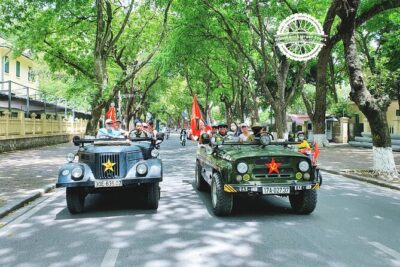
Hanoi Jeep Tour: Food, Culture and Fun by Vietnam Army Jeep
Read our review →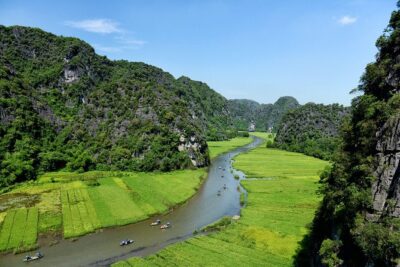
Full-Day Ninh Binh Highlights Tour from Hanoi
Read our review →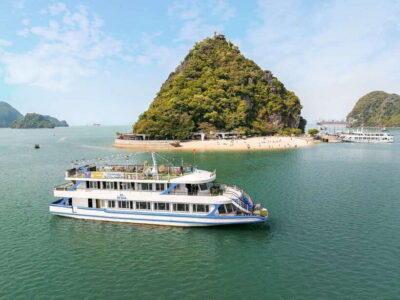
Ha Long Bay Day Cruise – Swimming, Meal, Kayaking
Read our review →
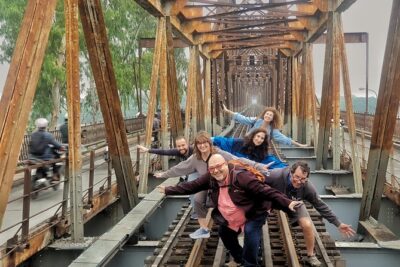
Hanoi Motorbike Tour: Food, Culture and Fun by Vintage Motorbike
Read our review →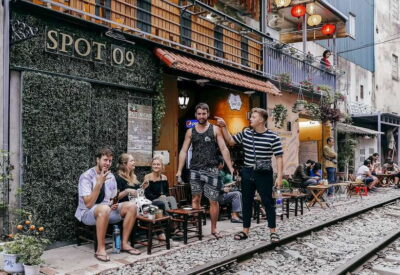
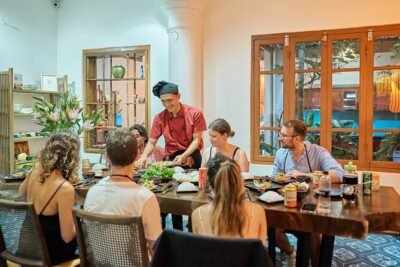
Hanoi Cooking Class: Culture, Local Market & Meaning CSR Impact
Read our review →