Reviewed · HANOI TOURS
Half-Day Mindfulness Meditation Retreat in Hanoi
The most unusual part of this Hanoi experience is its full path through Buddhist practice. You do not simply sit quietly for an hour. You chant sutras, study Buddhist teachings, practice qigong and breathing, walk mindfully, speak with monks, and take part in rituals centered on compassion and gratitude.
I like the way the retreat connects meditation with daily ethics, rather than treating it as a stand-alone relaxation class. I also like the chance to speak with monks about renunciation, Buddhist doctrine, and the noble life they have chosen. The included vegetarian lunch gives the morning a simple, communal finish.
The main consideration is its serious spiritual focus. This is not a sightseeing stop with a few minutes of meditation added on. You will be asked to follow pagoda rules, chant solemn sutras, and take part in Buddhist rituals, so it suits an open and respectful learner more than someone seeking a casual wellness activity.
In This Review
- Key points to know before you book
- Starting at the pagoda with Buddhist rules
- Chanting sutras and studying Buddhist teachings
- Qigong and mindful breathing for a physical reset
- Walking meditation and the art of touching peace
- Speaking with monks about Buddhist life
- Releasing animals and sharing a grateful vegetarian meal
- Gift exchange and a quiet farewell
- What $60 means for the value
- Who will get the most from this retreat
- Practical points for your morning
- Should you book the Hanoi meditation retreat?
- FAQ
- How long does the mindfulness meditation retreat last?
- Where does the experience take place?
- Is lunch included?
- Is transportation included?
- What activities are included in the retreat?
- How much does the retreat cost?
Key points to know before you book
- Four hours at a Hanoi pagoda: The retreat uses a half-day schedule to move from formal Buddhist practice to meditation, conversation, food, and farewell rituals.
- Chanting comes first: You begin with solemn sutras containing Buddha’s teachings, so the experience starts with participation rather than observation.
- Meditation has several forms: Expect instruction in meditation methods, mindful breathing, qigong, and walking meditation.
- Time with monks is a central feature: You can ask about Buddhist doctrine, monastic life, and the choice to give up worldly pleasures.
- Compassion is practiced through action: Releasing animals and sharing a grateful meal connect Buddhist ideas with ritual and everyday conduct.
- The $60 price includes lunch: A vegetarian meal is provided, while an air-conditioned vehicle is not included.
Starting at the pagoda with Buddhist rules
Your four-hour retreat begins at a pagoda in Hanoi. The guide explains the rules in the first lesson, an important step because this is a place of worship as well as a setting for a booked activity.
That opening helps you understand how to behave during chanting, meditation, conversation, and meals. It also signals the tone of the morning. You are not being rushed from one attraction to another. The program asks you to slow down and pay attention to what you are doing.
The pagoda setting matters. Meditation in a religious space has a different feel from a hotel room or a city studio. You may find the formal surroundings helpful if you want a clearer sense of Buddhist practice, though someone looking only for a quiet break may find the rituals more demanding than expected.
A few more Hanoi departures worth weighing up
- Hanoi Half-day with Food + Fun + Culture By Russian Jeep
★ 5.0 · 1,243 reviews - Hanoi City Tour: Private Half-Day Customized with Train Street
★ 5.0 · 455 reviews - Hanoi City Half-Day Private Tour: Train Street And All Highlights
★ 5.0 · 298 reviews
Chanting sutras and studying Buddhist teachings
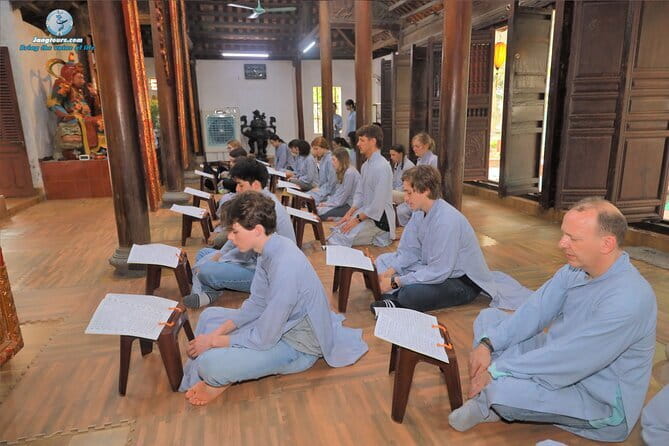
The first activity is chanting solemn sutras. These texts contain the teachings of Buddha, and the chanting gives the retreat a formal beginning. Even if you are new to Buddhist practice, the activity lets you take part in a ritual instead of simply hearing a guide describe one.
You should expect the tone to be respectful and focused. This is not presented as entertainment, and the chanting may feel unfamiliar at first. That unfamiliarity is part of the value for a curious visitor, but it also means you should arrive ready to listen, follow instructions, and treat the ceremony seriously.
After chanting, the guide explains Buddhist doctrines and lessons that can be applied to ordinary life. The themes include ethics, gratitude, loving-kindness, and compassion. I like this part because it gives the retreat a practical purpose. Meditation is linked to how you treat other people, how you respond to life, and how you build a more grateful outlook.
The teaching may be especially useful if you want more than a short breathing exercise. You are introduced to the ideas behind the practices, not only the physical steps. At the same time, the information provided does not identify the exact doctrines or the length of the teaching session, so you should expect a general introduction rather than an academic Buddhist studies course.
Qigong and mindful breathing for a physical reset
The retreat then shifts from chanting and study to qigong and mindful breathing. These activities bring movement into a morning that also includes seated attention and discussion.
Qigong is presented as a practice for good health, while mindful breathing helps settle the mind. This combination can be useful if sitting still for long periods is difficult for you. Gentle movement gives your body a role in the process and may help you focus before the main meditation session.
The breathing work also creates a bridge between Buddhist ideas and something you can use after the retreat. You do not need to treat meditation as a formal ritual every time you practice it. Paying attention to breath can become a simple way to pause during a busy day.
Still, the program does not provide details about the specific qigong movements or the physical demands. If you have movement concerns, approach the activity at a comfortable level and follow the guide’s instruction. The retreat is built around mindfulness, not athletic performance.
Walking meditation and the art of touching peace
The meditation portion includes both walking meditation and a lesson described as the art of touching peace. These two parts give you different ways to focus your attention.
Walking meditation can be easier to understand than seated meditation because the movement gives you a clear point of attention. Instead of treating walking as a way to get somewhere, you focus on the act itself. The practice asks you to move with awareness and notice the present moment.
The later lesson covers meditation methods and focuses the mind as a path toward true happiness. That wording points to a traditional Buddhist view: peace is not simply something you buy or collect, but something developed through attention and conduct.
I appreciate that the retreat presents meditation as a skill to learn rather than a mood to chase. You are given a method and a reason for practicing it. The tradeoff is that four hours can feel long if you have never tried meditation and are expecting constant activity. The program includes several changes of pace, but its central purpose remains quiet concentration.
Same part of the north, a completely different day out:
- Hanoi Jeep Tour: Food, Culture and Fun by Vietnam Army Jeep
★ 5.0 · 15,222 reviews - Full-Day Ninh Binh Highlights Tour from Hanoi
★ 5.0 · 7,761 reviews - Hanoi: Ha Long Bay Day Cruise – Swimming, Meal, Kayaking
★ 4.7 · 7,415 reviews - Hanoi: Water Puppet Show Tickets
★ 4.6 · 7,029 reviews
Speaking with monks about Buddhist life
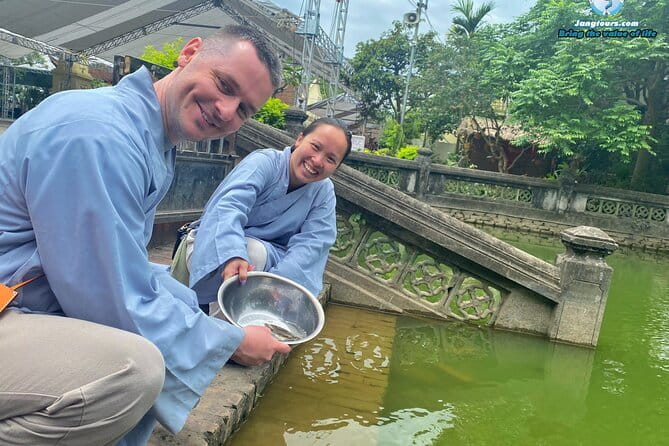
The conversation with monks is likely to be the most distinctive part of the retreat. You can ask about Buddhist doctrine, the noble life of those who have renounced worldly pleasures, and the ideals that guide that life.
This creates a direct human connection to the teachings introduced earlier. You hear about Buddhist ideas in the setting where they are practiced, then have a chance to ask questions about monastic life. For many people, this exchange will be more memorable than a general explanation from a guide.
Keep your questions respectful and focused. The supplied information does not list the monks’ names, the language used, or the exact amount of time available for conversation, so you should not expect a guaranteed private interview or a set list of topics. What is clear is that conversation is a planned part of the experience, not an accidental encounter.
This section also gives you a chance to compare your own daily life with the ideals of renunciation and compassion. You do not need to become a Buddhist or agree with every teaching to find the discussion worthwhile. A respectful, curious attitude is enough.
Releasing animals and sharing a grateful vegetarian meal
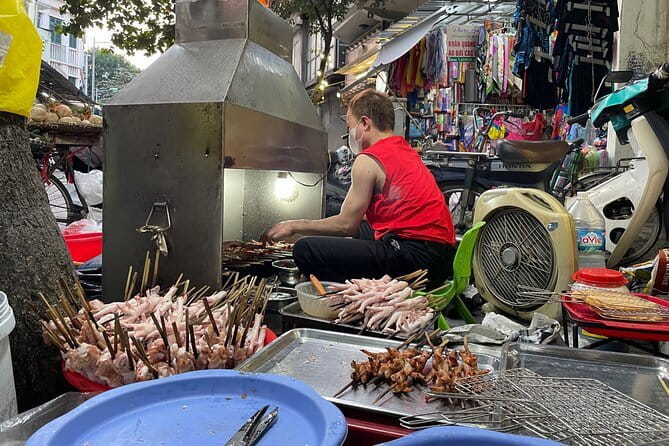
The retreat turns compassion into a ritual through the release of animals. This activity reflects the Buddhist concern for living beings and gives the morning a practical expression of loving-kindness.
The exact animals and release location are not specified, so you should not book this expecting a particular species or wildlife setting. The important point is the meaning of the act: compassion is treated as something you practice, not just something you discuss.
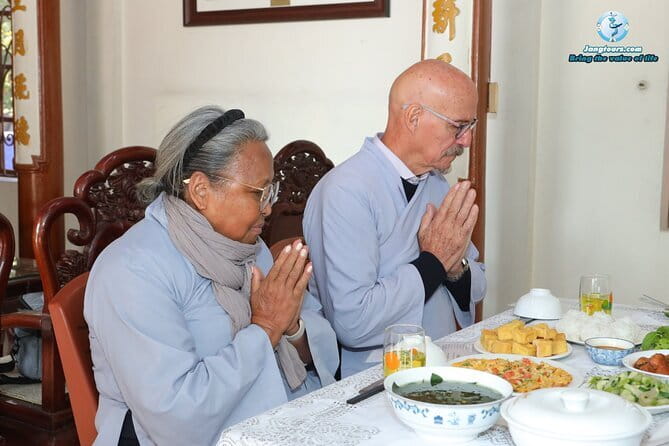
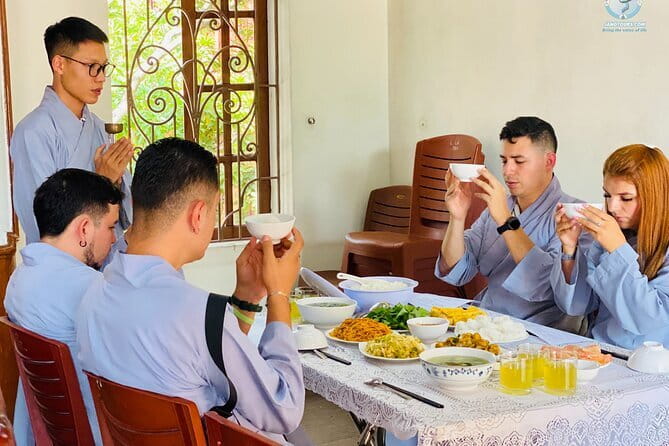
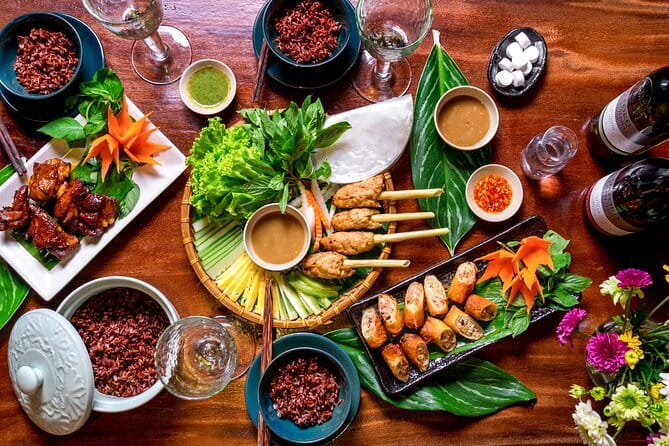
Afterward, you share a grateful vegetarian lunch. Food is included in the $60 price, and the meal completes the retreat in a fitting way. The menu is not provided, but you can expect vegetarian food rather than a choice of meat dishes.
A shared meal can make the experience feel more grounded. After chanting, teaching, breathing, and meditation, eating gives you time to settle and reflect. It also reinforces the retreat’s themes of gratitude and mindful living.
If food preferences or allergies matter to you, the available information does not confirm menu substitutions or special dietary arrangements. The safe assumption is simply that a vegetarian lunch is included.
Gift exchange and a quiet farewell

The final stage includes exchanging gifts and saying goodbye. It is a small detail, but it gives the retreat a clear ending instead of letting the experience dissolve after lunch.
Gift exchange also fits the program’s emphasis on gratitude and connection. The retreat begins with rules and ritual, moves through study and practice, and closes with a personal gesture of goodwill.
Do not expect a shopping session or a major souvenir. The details of the gifts are not stated. Think of this as a symbolic farewell tied to the spirit of the morning.
What $60 means for the value

At $60 per person, this is not the cheapest way to spend four hours in Hanoi. Its value depends on what you want from the morning.
If you only want to sit quietly or learn basic breathing, you may find a shorter meditation class better suited to your budget. This retreat includes much more than meditation, but that also means you are paying for a structured cultural and spiritual experience: Buddhist chanting, teaching, qigong, mindful breathing, walking meditation, monk conversation, animal release, a vegetarian lunch, and a gift exchange.
The vegetarian lunch is included, which adds practical value, though the menu is not described. The price does not include an air-conditioned vehicle. That matters in Hanoi, especially if you need transport to the pagoda or are trying to manage a busy sightseeing schedule. The experience provides a mobile ticket, but no vehicle is included in the stated price.
The fact that it is booked, on average, 47 days ahead suggests you should not leave planning until the last minute if your dates are fixed. That figure does not tell you the group size or guarantee a specific atmosphere, but it does point to advance interest in the experience.
Who will get the most from this retreat
I would choose this retreat if you want direct contact with Buddhist practice rather than a tour that only explains temples from the outside. It suits a person who is comfortable with quiet time, formal rituals, reflective teaching, and respectful questions.
It may also work well if your Hanoi plans are mostly built around food, architecture, and city walks and you want one slower morning. Four hours gives you enough time to shift gears without taking an entire day away from the city.
The retreat is less suitable if you want a flexible schedule, a fast-moving cultural tour, or a purely secular wellness class. It includes beliefs, rituals, and a conversation about monastic life. You should be willing to participate with care, even if you are approaching Buddhism as a visitor rather than a follower.
Families and groups should consider the patience required for chanting, meditation, and walking meditation. The available information does not specify age limits or group size, so you would need to confirm those details before booking for children or a large party.
Practical points for your morning
Plan around four hours, but remember that the schedule includes several different activities. You will need enough time to arrive at the pagoda, receive the opening instructions, take part in formal practice, and finish the meal and farewell.
An air-conditioned vehicle is not included. You should account for your own transport when comparing the total cost with other Hanoi activities. The tour has a mobile ticket, which makes entry paperwork simpler, but the ticket does not replace transportation.
Dress and behave as you would for a religious site. The exact dress rules are not provided, so follow the guide’s instructions at the pagoda. The first lesson covers the rules, and listening closely will help you avoid awkward mistakes during chanting or meditation.
Bring an attitude of patience. The strongest parts of the experience depend on your willingness to slow down, listen, and participate. If you spend the morning checking the clock, you may miss what makes the retreat different from a standard sightseeing tour.
Should you book the Hanoi meditation retreat?
Book it if you want a thoughtful, structured introduction to Buddhist practice in Hanoi, with chanting, meditation, qigong, monk conversation, compassion rituals, and a vegetarian lunch all in one half-day. The $60 price is reasonable for that wide range of activities, provided you value the spiritual and cultural content.
Skip it if you want only relaxation, sightseeing, or a casual yoga-style class. The retreat asks for attention and respect, and the lack of included transportation adds one practical cost to consider.
For the right person, this is a meaningful change of pace from Hanoi’s busy streets. You leave with meditation methods, Buddhist ideas about compassion and gratitude, and a clearer sense of how ritual can shape daily life.
FAQ
How long does the mindfulness meditation retreat last?
The retreat lasts approximately four hours.
Where does the experience take place?
It takes place at a pagoda in Hanoi, Vietnam.
Is lunch included?
Yes. A vegetarian lunch is included in the price.
Is transportation included?
No. An air-conditioned vehicle is not included.
What activities are included in the retreat?
The program includes Buddhist chanting, lessons about Buddhist doctrines, qigong, mindful breathing, meditation, walking meditation, conversation with monks, releasing animals, a vegetarian meal, gift exchange, and farewell.
How much does the retreat cost?
The listed price is $60 per person.
Just added around Hanoi
- Cat Ba National Park, Lan Ha Bay 2 Days 1 Night Adventure★ 4.8 · 9 reviews
- Full day Boat Tour Lan Ha Bay – Ha Long Bay: Kayak, Beach Hopping★ 5.0 · 9 reviews
- Ha Giang Loop 2 Days High quality Small Group +Private Room★ 5.0 · 9 reviews
- Half Day Sapa Cat Cat Explore Waterfall, Workshop, H’mong Local★ 5.0 · 9 reviews
- Sapa 1 Day Trekking★ 5.0 · 9 reviews
- Sapa Open Air Jeep Half Days Off the Beaten Track, Backroad★ 4.9 · 9 reviews
- Halong 2 days 1 night with Cozy Classic Cruise from Hanoi★ 4.5 · 9 reviews
- Fansipan Mount Trekking 1 Day★ 5.0 · 9 reviews
Hanoi Tours, compared.

Hanoi Jeep Tour: Food, Culture and Fun by Vietnam Army Jeep
Read our review →
Full-Day Ninh Binh Highlights Tour from Hanoi
Read our review →
Ha Long Bay Day Cruise – Swimming, Meal, Kayaking
Read our review →
Hanoi Motorbike Tour: Food, Culture and Fun by Vintage Motorbike
Read our review →
Hanoi Cooking Class: Culture, Local Market & Meaning CSR Impact
Read our review →