
Reviewed · TRAIN STREET EXPERIENCES
Hanoi: All-in-One Walking Tour Through a Train Street
Hanoi’s story makes the most sense when you walk it in layers. This tour links the old capital of Thang Long, French-era landmarks, market life, and the famous railway lane in one 210-minute route. You get temples, an ancient communal house, Long Bien Bridge, Dong Xuan Market, and Train Street rather than a single postcard stop.
I like two things here. The private format lets the route breathe, so your guide can adjust the pace or add a stop when needed. I also like the practical local advice, from crossing Hanoi’s traffic to choosing egg, salt, or coconut coffee. The main drawback is the amount of ground covered: this is a serious walk, and the mix of traffic, uneven streets, and tight timing will not suit everyone.
In This Review
- Key points at a glance
- Why this route works as a first look at Hanoi
- Ly Thai To Monument and the lake-side beginning
- Ngoc Son Temple and Hanoi’s legends
- Kim Ngan Communal House and Thanh Ha Street
- Long Bien Bridge, Hanoi’s great steel landmark
- Dong Xuan Market and the everyday city
- Coffee, snacks, and useful food advice
- Hanoi Train Street, the headline finish
- The guide makes the difference
- Is $34 a good value?
- Pace, comfort, and practical limits
- Who should book this Hanoi walk?
- Should you book this tour?
- FAQ
- How long does the Hanoi walking tour last?
- What sights are included?
- Is hotel pickup included?
- Is the tour private?
- What language does the guide speak?
- Are food and drinks included?
- Is an entrance ticket included?
- What should I bring?
- Who should not join this tour?
Key points at a glance
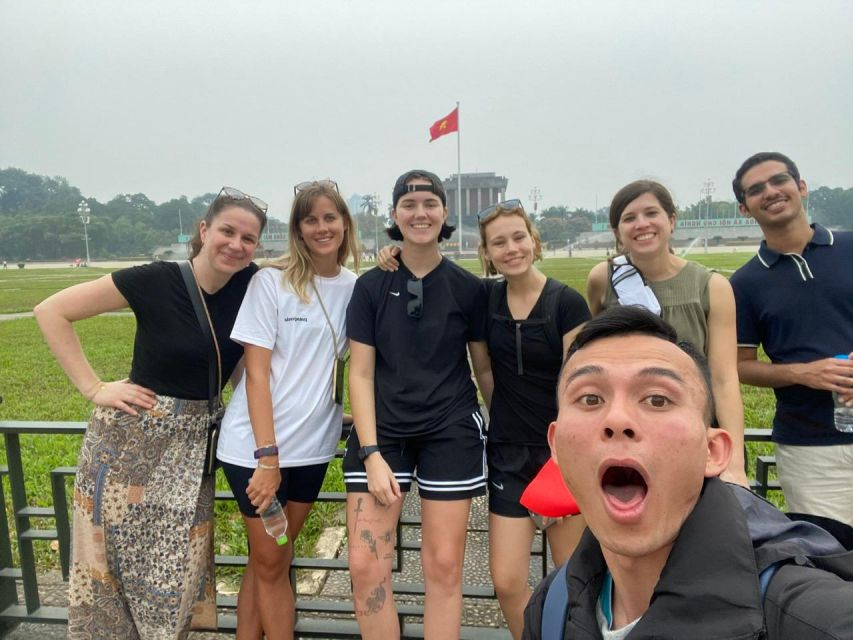
- A three-and-a-half-hour introduction to Hanoi: Move from the Ly Thai To monument and Ngoc Son Temple to old houses, markets, bridges, and Train Street.
- Private English-speaking guidance: Your guide can answer questions and adjust the pace more easily than a large group tour.
- Coffee is part of the cultural lesson: Egg coffee, salt coffee, or coconut coffee may be recommended, but drinks and food cost extra.
- Long Bien Bridge adds a strong visual pause: See one of Hanoi’s best-known historic structures and learn how the city changed around it.
- The route includes quieter cultural stops: Kim Ngan Communal House and Thanh Ha Street offer more than the standard lake circuit.
- Plan for walking and city traffic: Comfortable shoes are required, and the tour is not suitable for pregnant people, those with mobility limitations, or children under 120 centimeters.
Why this route works as a first look at Hanoi
The clever idea here is the timeline. You begin with Vietnam’s older political and spiritual traditions, move through the Old Quarter’s trading streets, then finish among railway tracks and modern city life.
That gives you a useful frame for later sightseeing. Instead of seeing Ngoc Son Temple, an old house, a market, and Train Street as unrelated stops, you can understand them as parts of one changing city. Hanoi is not presented as a museum. It is a place where old customs, French engineering, family businesses, street food, and new cafés share the same few blocks.
I would book this early in your stay. Several people used it as their first day in Hanoi and found it helpful for getting their bearings. One practical bonus is learning how to cross the streets. That sounds minor until you meet Hanoi’s steady flow of motorbikes. A guide who shows you how to read the traffic can make the rest of your visit feel less intimidating.
The tour lasts 210 minutes, or three and a half hours. That is long enough for a useful overview without turning into an all-day march. Still, it is not a gentle sightseeing stroll. You should expect frequent walking, short stops, city noise, and changes in pavement.
More Train Street visits:
- Hanoi: Guided Food Tour with Train Street Visit
★ 4.9 · 6,239 reviews - Hanoi: Street Food Tour with Train Street & Hidden Alleyways
★ 5.0 · 2,831 reviews - Hanoi: Guided Street Food Tour with Train Street Experience
★ 4.9 · 2,479 reviews
Ly Thai To Monument and the lake-side beginning
The route starts at the Emperor Ly Thai To Monument, with pickup depending on the option you choose. Hotel pickup and drop-off are included, and you are asked to wait in your hotel lobby.
Ly Thai To is an important figure in Hanoi’s story because he moved the capital to Thang Long, the city that later developed into Hanoi. The monument gives your guide a natural place to explain the city’s early importance before you move toward Hoan Kiem Lake.
Allow about 15 minutes here. It is a short introduction rather than a long museum visit, but that is appropriate at the start. You get context without spending your best walking time in one place.
Ngoc Son Temple and Hanoi’s legends

Next comes Ngoc Son Temple, with about 30 minutes for a guided visit and photographs. Sitting on a small island in Hoan Kiem Lake, the temple is one of Hanoi’s most recognizable sights.
This stop helps explain Vietnamese religious customs, local legends, and the symbolic importance of the lake. Your guide can do more than point out the red bridge and temple gates. The value lies in hearing why the site matters to Hanoians and how stories connected with the lake still shape the city’s identity.
Photography is not allowed inside, so bring your camera for the exterior and leave it away during the interior visit. That rule is easy to overlook when the temple is crowded with people taking pictures. Use the stop to look closely at the details, listen to the explanation, and take photographs only where permitted.
Kim Ngan Communal House and Thanh Ha Street
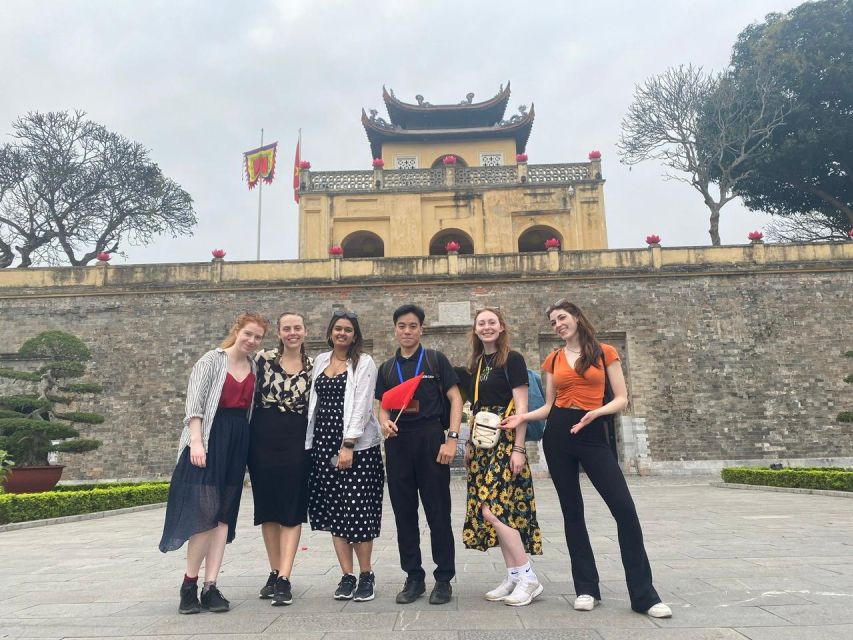
The route then shifts away from the lake to Đình Kim Ngân, also called Kim Ngan Communal House. You spend roughly 30 minutes here.
A communal house is not simply an old building to pass through. It reflects the traditional neighborhood structure, local worship, and the way communities honored their founders and protective spirits. This is one of the stops that gives the tour more substance than a standard list of famous sights.
Thanh Ha Street follows, with around 15 minutes for a visit and photographs. Short stops like this can be surprisingly useful because they show how Hanoi’s old streets work at ground level. You are not only looking at façades. You are seeing a district shaped by commerce, narrow lanes, and long-standing local activity.
The route may also include an ancient house such as Ma May Ancient House or another small cultural stop, depending on the selected plan and the guide’s adjustments. The supplied schedule names Kim Ngan Communal House and Thanh Ha Street, while the wider description also mentions ancient houses and a small house. Ask your guide at the start which version of the route you will follow.
More walking tours in Hanoi:
- [HOT] Hanoi Old Quarter Walking Street Food – Small Group Tour
★ 5.0 · 2,163 reviews - Private Walking Tour of Hanoi City
★ 5.0 · 1,251 reviews - Hanoi: Small-Group Street Food Walking Tour
★ 4.8 · 1,165 reviews - Private Hanoi Street Food Walking Tour With Real Foodie
★ 5.0 · 1,042 reviews
Long Bien Bridge, Hanoi’s great steel landmark
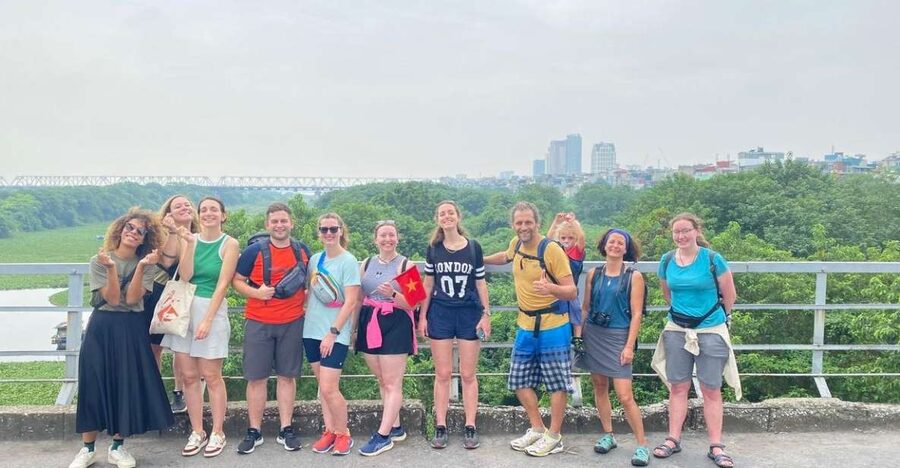
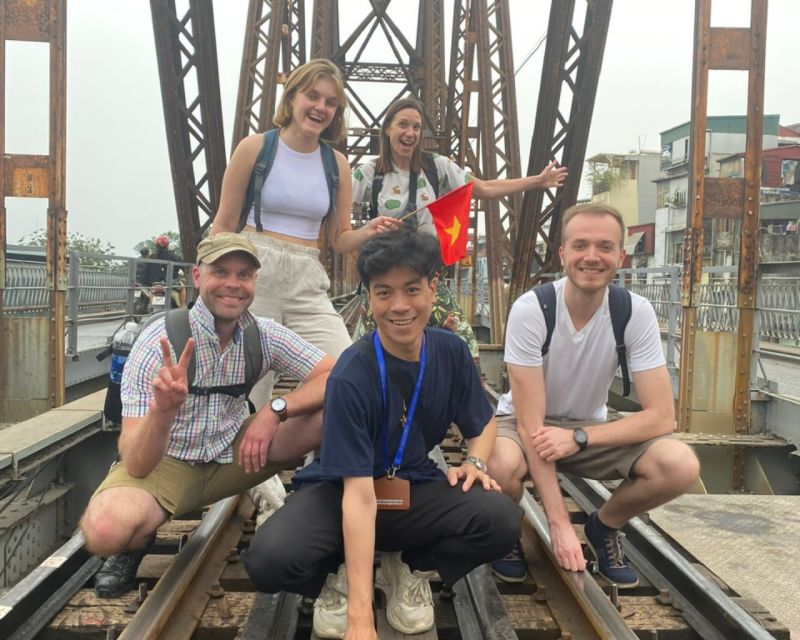
Long Bien Bridge receives about 30 minutes. This is one of the tour’s strongest transitions, taking you from old neighborhood culture to French-era engineering and the physical growth of modern Hanoi.
The bridge is famous for its age and distinctive steel structure. It also offers a very different view of the city from the temples and lanes. You can stop for photographs and hear how the bridge fits into Hanoi’s past and present.
Do not expect a long bridge expedition. Thirty minutes is enough for a look, an explanation, and photographs, but not for lingering in every section. The appeal is the contrast: a major piece of infrastructure appears beside a city that still operates through small shops, local markets, and narrow streets.
This stop may also be affected by weather and traffic. One advantage of a private tour is that your guide can decide how long to stay and how to keep the day moving.
Dong Xuan Market and the everyday city
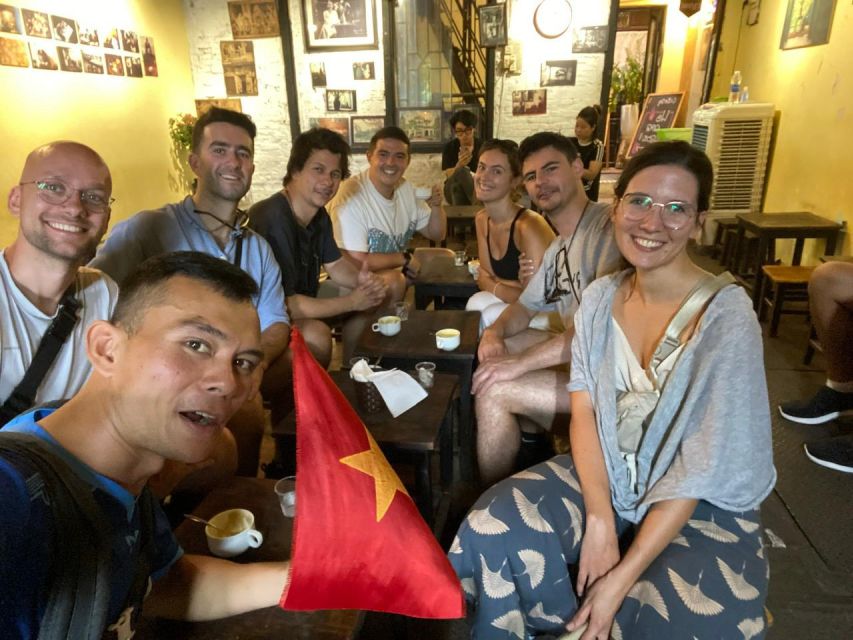
Dong Xuan Market is scheduled for around 30 minutes. It is a useful counterpoint to the formal sites earlier in the day.
Here, the focus turns to trade, food, household goods, and the practical rhythm of Hanoi. You get a better sense of what people buy and how the Old Quarter functions beyond its cafés and souvenir shops. A guide can explain local customs and point out things you might miss when walking alone.
You should treat this as an orientation visit, not a dedicated shopping trip. Thirty minutes passes quickly, especially if the market is busy. If you see something you want to buy, keep an eye on the group and the time. The private format may make a short stop easier, but the tour still has Train Street ahead.
Coffee, snacks, and useful food advice
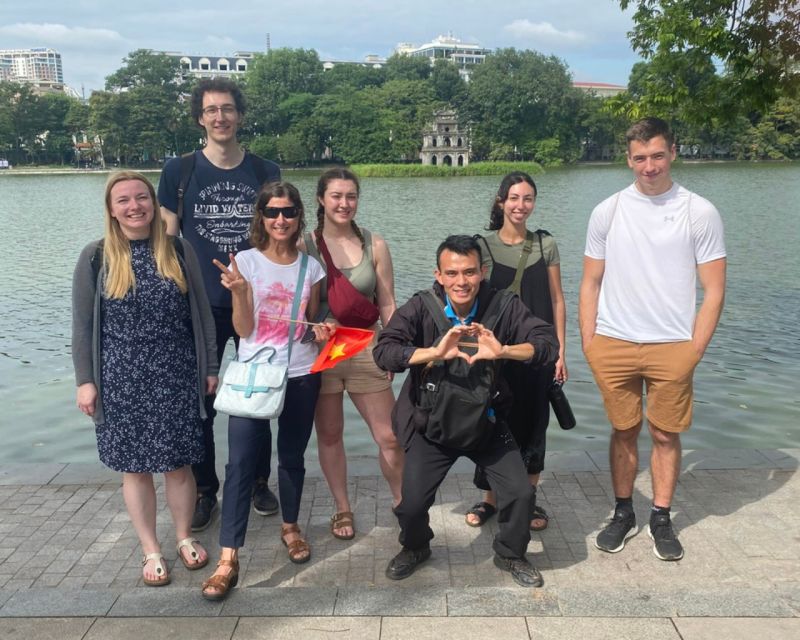
Coffee is one of the tour’s most appealing cultural details. Depending on your choice and the guide’s recommendations, you may try egg coffee, salt coffee, or coconut coffee. Food and drinks are not included, so carry money for anything you order.
Egg coffee is the best-known option, with a creamy topping that makes it feel closer to a dessert than a plain cup of coffee. Salt coffee offers a different balance, while coconut coffee suits anyone who prefers a cooler, sweeter drink. The point is not just to order a fashionable café item. Your guide can explain how these drinks fit into Hanoi’s café culture and suggest what else to eat.
Past stops and food advice also include local snacks and Vietnamese doughnuts. If you have dietary restrictions, tell your guide before ordering. The supplied information does not promise a fixed food tasting menu, so think of the café stop as a recommendation and opportunity to buy a drink, not an included meal.
Hanoi Train Street, the headline finish
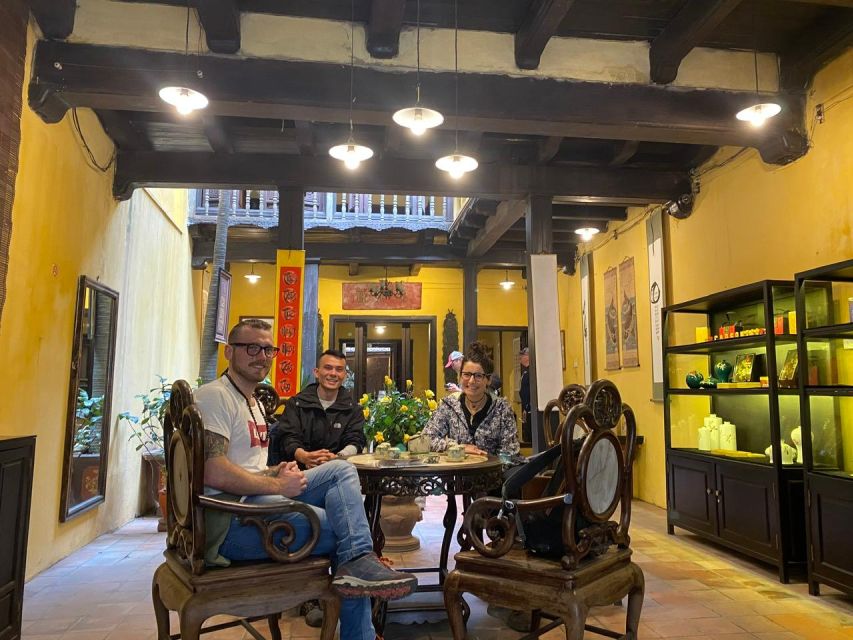
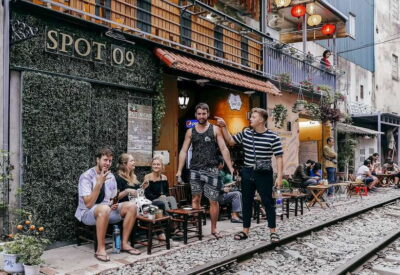
The final major stop is Hanoi Train Street, scheduled for about 30 minutes. This narrow railway corridor has become one of the city’s most talked-about places because trains pass close to homes, cafés, and walls.
Your guide can help you understand why the area attracts so much attention and how it fits into present-day Hanoi. The stop is more meaningful when you treat it as a lived-in neighborhood rather than just a dramatic photo backdrop.
Timing matters. The exact train passage is not guaranteed by the tour information, but one private outing used a taxi when necessary to arrive in time to see the train. That tells you something important: the guide may need to adjust the route or transport plan to match the schedule. If seeing a train pass is your top priority, ask about timing when you book.
Keep your expectations sensible. Train Street is a popular attraction, and the area may feel more visitor-focused than the quieter communal house or market. It is still a memorable way to end the route, especially after you have learned about Hanoi’s older neighborhoods.
The guide makes the difference
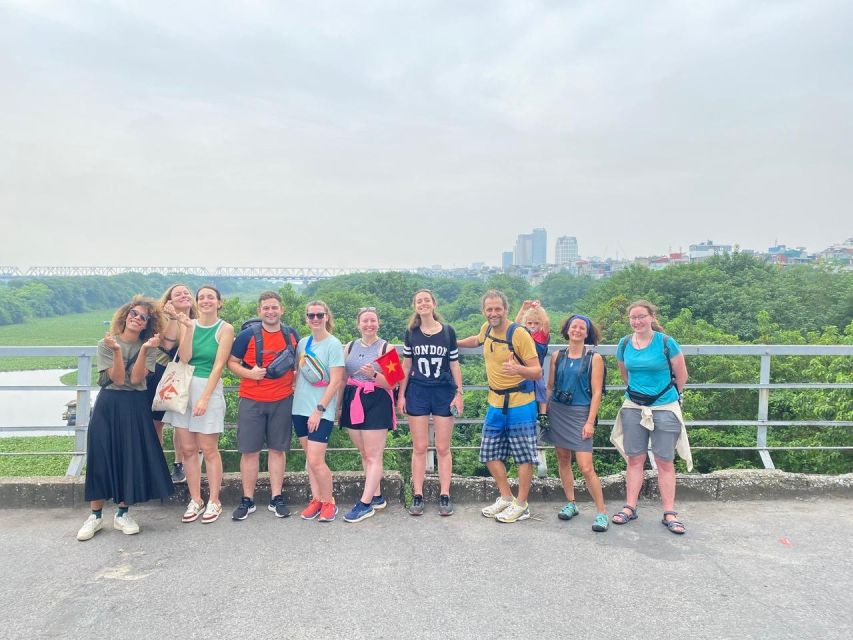
The guide roster varies, so you should not assume a particular person will lead your tour. Names praised for clear English, local insight, and a friendly manner include Tee, Khoi, Mark, Min, Minh, Nathan, Sarah, Mr. Son, James, Nam, and Ming.
The repeated strength is not a scripted speech. It is the ability to explain history in plain language, answer questions, and connect places with daily life. Some guides have adjusted routes because of city events, rain, health concerns, or the group’s pace. One person even helped a guest arrange a taxi home after feeling unwell.
That flexibility is valuable in Hanoi. A fixed route can look neat on paper, but traffic, rain, crowds, and train times do not always cooperate. Several outings also used taxis when walking would have caused a delay. Transport is not listed as a standard included feature beyond pickup and drop-off, so confirm any extra cab costs with your guide.
A small caution: one person found the guide’s pace a little fast. If you are in your seventies, recovering from a long flight, or simply prefer time for photographs, say so at the beginning. The private group setup gives you a better chance of getting a comfortable pace.
Is $34 a good value?
At $34 per person, this tour offers solid value if you want a broad introduction rather than a single focused attraction. The price includes hotel pickup and drop-off, an entrance ticket, and an English-speaking guide in a private group.
You are paying mainly for structure and interpretation. Hanoi’s Old Quarter is easy to wander, but it is not always easy to understand. A guide can connect the statue, temple, communal house, bridge, market, and railway line into a coherent story. You also save time working out directions and deciding where to stop for coffee.
Food and drinks are extra, as are tips for the guide. That keeps the base price clear, but budget for your café stop. The tour is less attractive if you only want an inexpensive walk through the Old Quarter and are happy to explore without explanations.
The private format improves the value for couples, families with older children, and small groups who want questions answered. It may be especially worthwhile on your first day, when local advice can shape the rest of your Hanoi visit.
Pace, comfort, and practical limits
Wear comfortable shoes. You will walk through streets, markets, and areas where pavement may be uneven or crowded.
The tour is not suitable for pregnant women, people with mobility impairments, or anyone under 120 centimeters tall. That restriction matters because the route includes several walking sections and does not promise a fully accessible path.
The activity is offered in English. Cancellation is free up to 24 hours before the start, and you can reserve now and pay later, which helps if your Hanoi plans are still shifting. Check the available start times before booking, especially if Train Street is important to you.
Photography is not allowed inside certain sites. Follow your guide’s instructions rather than assuming every temple or heritage building permits indoor photos.
Who should book this Hanoi walk?
I would recommend it to first-time visitors who want history, local customs, coffee advice, and the city’s major Old Quarter sights in one outing. It also suits solo visitors who want a private guide without committing to a full-day tour.
Book it if you like asking questions, walking through ordinary streets, and seeing how famous attractions connect with daily life. It is also a good fit if crossing Hanoi’s traffic feels daunting. Your guide can help you gain confidence before you explore alone.
I would choose another activity if you need a slow, accessible route, dislike city traffic, or want a specialist tour focused only on food, architecture, or wartime history. This outing covers many subjects. That variety is its strength, but it means no single stop receives a very long visit.
Should you book this tour?
Book it if you want a practical first look at Hanoi that combines famous sights with smaller cultural stops. The strongest parts are the private guidance, the flexible pace, the communal house, Long Bien Bridge, market, and the chance to finish near Train Street with coffee and local food advice.
Just remember what you are buying: a fast-moving city walk, not a relaxed café afternoon or a detailed museum tour. Tell your guide your walking pace, interests, and Train Street priorities at the start. At $34, it is a sensible introduction for visitors who want Hanoi to make sense before setting off on their own.
FAQ
How long does the Hanoi walking tour last?
The tour lasts 210 minutes, or three and a half hours.
What sights are included?
The route includes the Ly Thai To Monument, Ngoc Son Temple, Kim Ngan Communal House, Thanh Ha Street, Long Bien Bridge, Dong Xuan Market, and Hanoi Train Street.
Is hotel pickup included?
Yes. Pickup and drop-off at your hotel are included. You should wait in the hotel lobby.
Is the tour private?
Yes. The activity is offered as a private group tour.
What language does the guide speak?
The live tour guide speaks English.
Are food and drinks included?
No. Food and drinks are not included. The guide can recommend egg coffee, salt coffee, coconut coffee, and places to eat and drink.
Is an entrance ticket included?
Yes. An entrance ticket is included.
What should I bring?
Bring comfortable shoes because the experience includes substantial walking.
Who should not join this tour?
The tour is not suitable for pregnant women, people with mobility impairments, or people under 120 centimeters tall. Photography inside is also not allowed.
Just added around Hanoi
- Cat Ba National Park, Lan Ha Bay 2 Days 1 Night Adventure★ 4.8 · 9 reviews
- Full day Boat Tour Lan Ha Bay – Ha Long Bay: Kayak, Beach Hopping★ 5.0 · 9 reviews
- Ha Giang Loop 2 Days High quality Small Group +Private Room★ 5.0 · 9 reviews
- Half Day Sapa Cat Cat Explore Waterfall, Workshop, H’mong Local★ 5.0 · 9 reviews
- Sapa 1 Day Trekking★ 5.0 · 9 reviews
- Sapa Open Air Jeep Half Days Off the Beaten Track, Backroad★ 4.9 · 9 reviews
- Halong 2 days 1 night with Cozy Classic Cruise from Hanoi★ 4.5 · 9 reviews
- Fansipan Mount Trekking 1 Day★ 5.0 · 9 reviews
Train Street Experiences, compared.
Street Food Tour with Train Street & Hidden Alleyways
Read our review →
Guided Street Food Tour with Train Street Experience
Read our review →
Hanoi City Tour Highlight, Train Street Combine visit Countryside
Read our review →
Hanoi Jeep City Highlight, Backstreet, Train Street, Countryside
Read our review →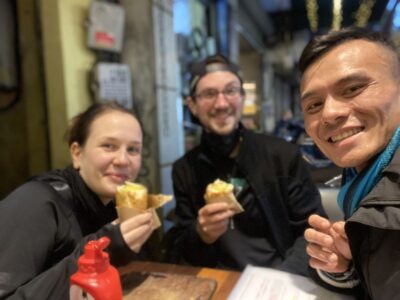

Guided Hanoi Food Tour With Train Street 8 Different Food Tasting
Read our review →
Walking Street Food Tour in Hanoi and Train Street
Read our review →Browse the lists this tour appears in