Reviewed · HANOI TOURS
Hanoi: War Site Museums Tour
Hanoi’s war story comes into sharp focus when you move from the cells of Hoa Lo Prison to the wreckage of a B-52 beside Huu Tiep Lake. This is not a light sightseeing stroll. It asks you to think about imprisonment, independence, air warfare, and the human cost behind the exhibits.
I like the way the guide connects separate sites into one story, rather than leaving you to read labels alone. I also like the practical setup: entry tickets, taxi or car transport, hotel pickup, and a drink are included. The main drawback is scheduling. Several key museums close on Mondays and Fridays, and a full visit can stretch from three and a half hours to eight hours.
In This Review
- Key points to know before booking
- Why this Hanoi war tour works
- Entering Hoa Lo Prison
- Understanding Ho Chi Minh’s role
- Vietnam Military History Museum and its large collection
- B-52 Victory Museum and the wreck at Huu Tiep Lake
- The route, transport, and pace
- Getting good value from the $30 price
- Museum closures can change the experience
- Who should book this experience?
- Final decision: a strong choice for history-focused visitors
- FAQ
- How long does the Hanoi War Site Museums Tour last?
- What sites are included?
- Are the museums open every day?
- Is hotel pickup available?
- How will I recognize the guide?
- What language is the tour offered in?
- Is transportation included?
- Are tips included in the price?
- What should I wear or bring?
- Can I cancel or pay later?
Key points to know before booking

- Hoa Lo Prison gives the tour its most personal stop, with cells and corridors that make the past feel close.
- The B-52 wreck at Huu Tiep Lake is an unusually direct wartime relic, not just an object behind glass.
- Minh, Mark, Tee, Nathan, and other English-speaking guides have earned strong praise for clear explanations and patient answers.
- The route can be adjusted with additional sites, so the day may be much longer than the basic 210-minute option.
- Monday and Friday closures matter: the Ho Chi Minh Museum, B-52 Victory Museum, and Vietnam Military History Museum are closed on those days.
- At $30 per person, the tour is good value if you want context, transport, and admission handled for you.
Why this Hanoi war tour works
This experience is best understood as a guided history walk with car transfers, not as a standard museum hop. You visit places tied to French colonial rule, Vietnamese independence, the American War, and the bombing of Hanoi. The subject is serious, but the format stays manageable because you move between indoor displays, open-air sites, and a coffee stop.
I especially like the human scale of the route. Hoa Lo Prison is about people who lived under confinement. The Ho Chi Minh Museum presents the political life of the country’s most influential modern leader. The military museums then widen the view to weapons, aircraft, pilots, and national strategy.
Your guide makes a major difference. Minh is repeatedly praised for excellent English, patient answers, and careful explanations. Mark is described as clear and easy to follow, while Tee and Nathan are also noted for making the subject approachable. Nam has been especially effective with visitors who wanted more than exhibit labels could provide.
The experience is not simply a presentation of one country’s official story. A good guide can explain how the sites are framed, answer questions about competing perspectives, and help you understand why these places matter in Vietnam today. That is especially useful if your earlier knowledge of the war is limited or based mostly on Western accounts.
More museums and sites in Hanoi:
- (Private) MUSEUM TOUR in HANOI
★ 5.0 · 262 reviews - Hanoi Hoa Lo Prison and War museums Tour
★ 5.0 · 24 reviews
Entering Hoa Lo Prison
Hoa Lo Prison is the emotional anchor of the tour. You walk through corridors, cells, and surviving sections of the prison complex, seeing the setting where people were held under harsh conditions. The place is often known by its wartime nickname, the Hanoi Hilton, but that name can distract from the prison’s longer story.
Your guide helps place the building in the wider history of Vietnam. You can expect attention to the lives of prisoners, their endurance, and the changing role of the site over time. The exhibits are more affecting when you understand who was confined there and why the prison became such a powerful symbol.
The physical remains do much of the work. A photograph or paragraph can describe confinement, but walking through a narrow corridor gives you a better sense of scale. You may find the visit unsettling, particularly when you see the cells and imagine daily life in such restricted spaces.
One practical caution is that the original prison complex is no longer intact. A hotel now occupies much of the former prison area, which can feel disappointing if you expect a fully preserved site. The remaining section is still worthwhile, but keep your expectations realistic. You are seeing a preserved portion, not the entire historic compound.
I would allow time to pause here rather than rushing through. The prison is not a place to treat as a quick photo stop. Its value comes from the stories attached to the walls, and those stories are easier to absorb when you are not hurrying toward the next museum.
Understanding Ho Chi Minh’s role
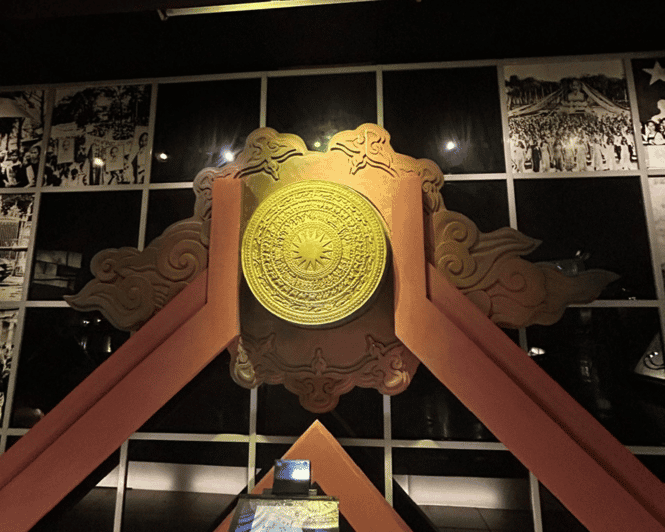
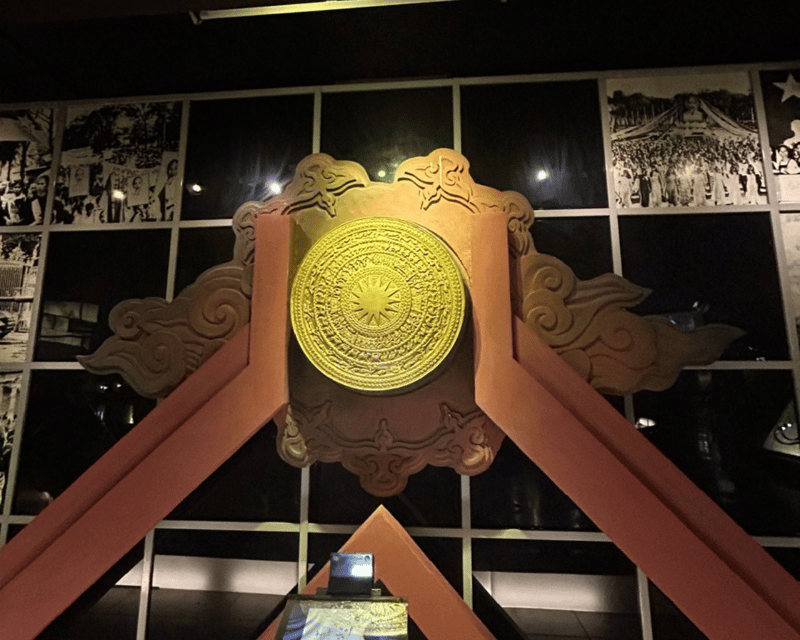
The Ho Chi Minh Museum shifts the focus from imprisonment to national leadership and independence. It is dedicated to Ho Chi Minh’s life and political work, helping you consider how his ideas shaped Vietnam’s long campaign for self-rule and unity.
For a first visit to Hanoi, this stop gives essential political context. You see why Ho Chi Minh remains such a central figure in Vietnamese public life and why his legacy reaches far beyond military history. The displays are best approached with an open mind and with your guide ready to explain references that may not be familiar.
The museum can become crowded, and a large group may make the visit harder to follow. A strong guide can adapt, as Minh did when a large Chinese group was present, and keep the explanation useful despite the noise and movement.
This is also the point where some visitors may wish they had started with a general introduction to Vietnam’s history. The tour moves quickly into war-related material. If you know little about the country’s earlier political history, you may want to read a short overview before arriving or ask your guide to slow down and define key terms.
That is not a flaw in the museum itself. It is a reminder that this tour assumes a fair amount of interest. It gives you more value when you ask questions instead of simply following the group from display to display.
Vietnam Military History Museum and its large collection
The Vietnam Military History Museum provides the broadest look at the country’s armed conflicts. Its collection includes military objects and displays that help explain the equipment, campaigns, and forces involved in Vietnam’s wartime past.
This is where a guide is particularly useful. You can read labels on your own, but it is harder to understand how separate objects fit into a sequence of events. Your guide can point out what matters, explain unfamiliar military terms, and connect the exhibits with the prison and air-war sites you have already seen.
Expect a substantial collection rather than a small, tightly edited museum. That can be a strength if you want detail, but it can also feel like a lot to take in. The tour’s duration varies widely, from 210 minutes to as long as eight hours, depending on the selected option and added stops.
I would ask at booking how much time is planned for this museum and which additional sites are included. Someone with a serious interest in military history may welcome the longer format. If you prefer a compact introduction, the shorter option may be more comfortable.
The museum also helps correct a common mistake: thinking of the war only through famous battles or American equipment. Vietnam’s military story includes local decisions, national leadership, logistics, sacrifice, and a long struggle for independence. The displays make more sense when your guide explains those connections.
A few more Hanoi departures worth weighing up
- Hanoi Jeep Tour: Food, Culture and Fun by Vietnam Army Jeep
★ 5.0 · 15,222 reviews - Full-Day Ninh Binh Highlights Tour from Hanoi
★ 5.0 · 7,761 reviews - Hanoi: Ha Long Bay Day Cruise – Swimming, Meal, Kayaking
★ 4.7 · 7,415 reviews - Hanoi: Water Puppet Show Tickets
★ 4.6 · 7,029 reviews
B-52 Victory Museum and the wreck at Huu Tiep Lake
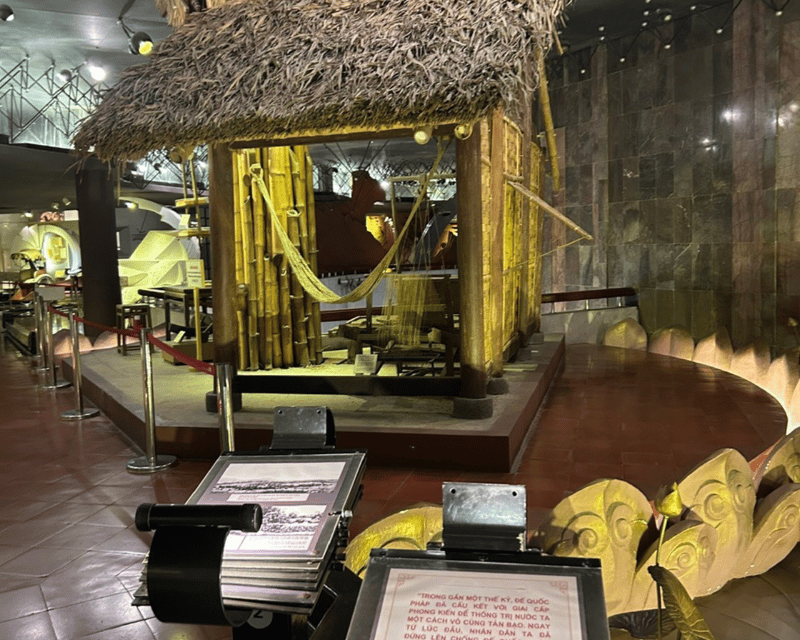
The B-52 Victory Museum gives the tour a focused look at air warfare. You see aircraft-related displays and learn about the pilots and machines involved in Hanoi’s aerial campaigns. The subject can feel technical, but the guide’s job is to explain why the aircraft mattered and how air power affected the city.
The nearby B-52 wreck at Huu Tiep Lake is the most striking outdoor stop. Remains of the bomber sit by the lake, offering a direct physical link to the bombing campaign. You are not looking at a model or a diagram. You are looking at the remains of an aircraft connected with a specific period of conflict.
That makes the stop powerful, but it also needs context. Without explanation, a wreck can become just another object for a photograph. Your guide helps connect it with the campaign’s wider significance and with the Vietnamese response to the attacks.
There is usually time for a coffee or drink near the B-52 site. This small break is useful after the heavier museum material. Egg coffee is mentioned as a good choice at the lake, though the included refreshment is described more generally as a coffee or drink, so do not assume a particular beverage is guaranteed.
The stop combines reflection with ordinary Hanoi street life. You may walk through narrow alleyways and see the lake in a neighborhood setting rather than at a formal memorial complex. That contrast is part of its appeal. The war is not sealed away in a distant park. Its remains sit within the living city.
The route, transport, and pace
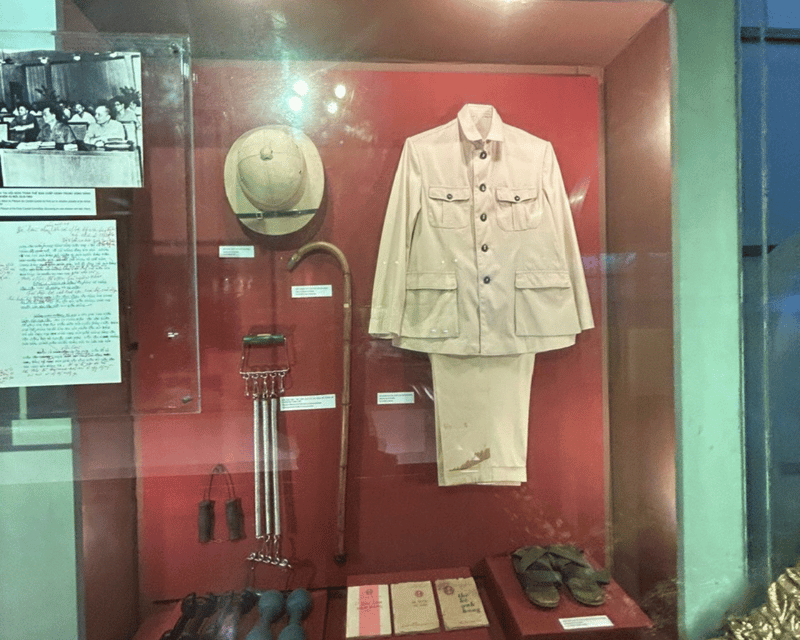
The standard guided portion in Hanoi lasts about four hours, but the published duration range is broad: 210 minutes to eight hours. The difference depends on the option you choose and any extra sites added to the route.
Hotel pickup is optional. If you select it, wait in the lobby five minutes before the agreed time. For the meeting point, look for a guide holding a red flag of Vietnam. Transport is by taxi or car, which saves you from working out several cross-town journeys on your own.
That transport is a real part of the tour’s value. Hanoi traffic can make a museum day tiring, especially when you are trying to reach several sites in sequence. A car or taxi transfer keeps the day moving and gives you a chance to rest between visits.
The tour ends with drop-off options in Hanoi, including Hanoi Train Street. That can be handy if you want to continue sightseeing or find food nearby. The experience includes a guide, admission tickets, transport, and coffee or another drink. Tips are not included.
Small groups are available. Group size affects the experience most at the museums, where it is easier to ask questions and stay close to the guide when there are fewer people. If you care strongly about discussion and personal attention, select the small-group option when available.
Wear comfortable shoes. You will walk through museum grounds, corridors, and city streets, and the full version can last most of a day. Alcohol and drugs are not allowed, which is unsurprising for a museum and memorial-focused excursion.
Getting good value from the $30 price
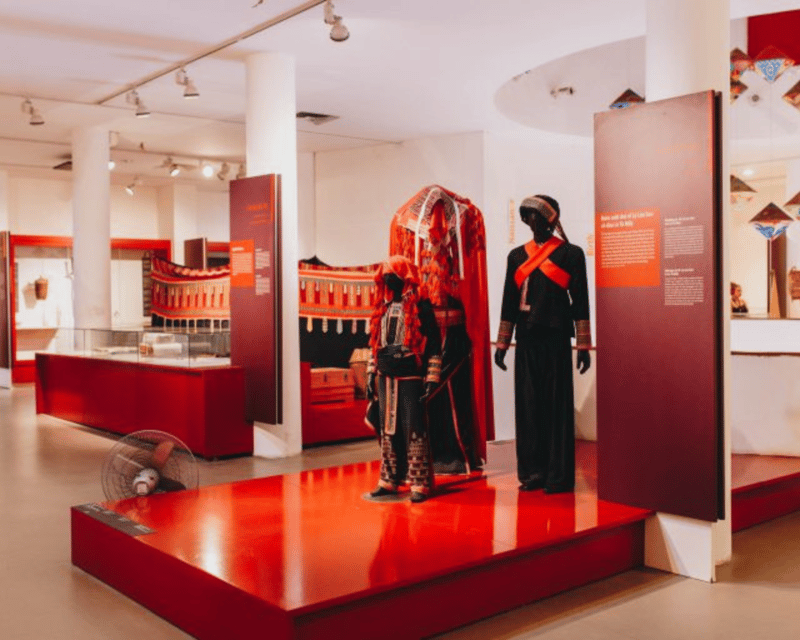
At $30 per person, the tour is priced sensibly for a guided day built around several museums and historic sites. Admission tickets alone do not give you the connections between them. The included transport also matters, since moving around Hanoi by separate taxis can add cost and hassle.
The best value comes if you want explanation rather than a quick look. A guide such as Minh, Mark, or Tee can translate the exhibits into plain English, answer questions, and explain local culture along the way. One guide even added suggestions about local food, which can turn a formal history outing into a fuller day in Hanoi.
The price is less compelling if you plan to spend only a short time at one museum. Independent visitors may prefer choosing a single site and moving at their own pace. This tour makes more sense when you want several locations handled in one outing.
There is also a $10 surcharge on New Year, Tet, Liberation Day or Reunification Day on April 30, International Workers’ Day on May 1, and National Day on September 2. Factor that into your budget if your visit falls on one of those dates.
Free cancellation is available up to 24 hours before the start time, and you can reserve now and pay later. Those terms are useful when your Hanoi schedule is still changing, but you should still check the exact start time and museum opening arrangements before booking.
Museum closures can change the experience
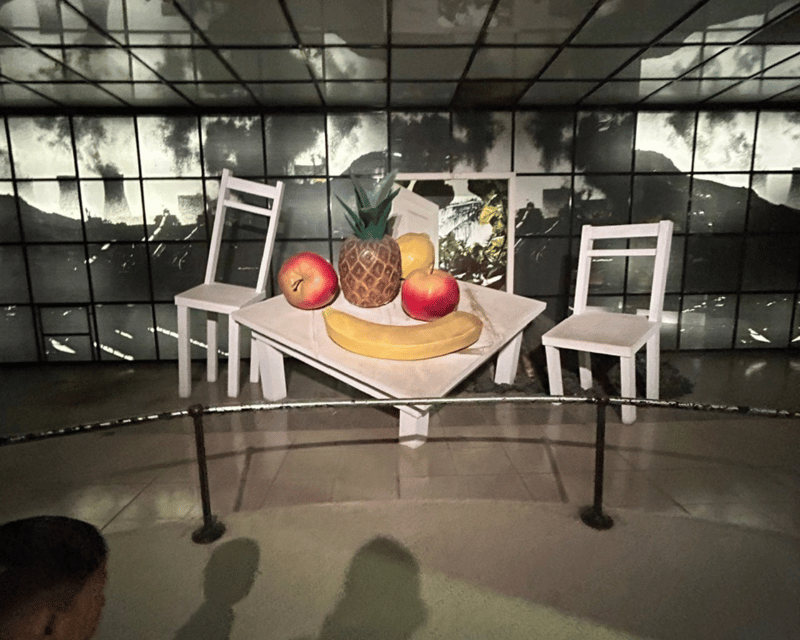
The most important planning detail is the weekly closure schedule. The Ho Chi Minh Museum, B-52 Victory Museum, and Vietnam Military History Museum are closed every Monday and Friday.
If you book for one of those days, the tour will go outside the museum campuses instead. That means you may see exterior areas and related sites, but you should not expect the full indoor collections. Hoa Lo Prison is not included in that specific closure warning, but you should confirm the exact route when selecting your date.
I would avoid Monday and Friday if the museums are your main reason for booking. A different day gives you the best chance of getting the complete indoor program. This is especially important for anyone choosing the long version of the tour.
Also watch for national holiday surcharges and altered opening arrangements. The experience provider gives the closure information, but museum schedules can be worth confirming shortly before you go.
Who should book this experience?
I recommend this tour to you if you want a serious introduction to Hanoi’s wartime past and prefer a guide to explain what you are seeing. It suits first-time visitors who want the major war-related sites in one day, as well as people with a personal or academic interest in Vietnam.
It is also a good choice for families with older children and teenagers who ask many questions. One guide handled detailed questions from a 14-year-old particularly well, which suggests the format can work for curious young people when the guide is engaged.
You should think twice if you want a relaxed, general city tour. The subject is heavy, and the itinerary moves into political and military history quickly. If you need a broad introduction first, spend some time learning the basic timeline of Vietnam before you arrive.
The tour is not suitable for people over 95, according to the stated restrictions. Comfortable shoes are important for everyone else.
Final decision: a strong choice for history-focused visitors
I would book this experience if I had several days in Hanoi and wanted to understand the city beyond food, temples, and street life. Hoa Lo Prison gives the tour emotional weight, the Ho Chi Minh Museum adds political context, and the military and B-52 sites show how the conflict was fought and remembered.
The strongest reason to choose it is the guide. Minh, Mark, Tee, Nathan, and Nam are all specifically praised for clear English, patience, and enthusiasm for Vietnamese history. That personal explanation is what turns a series of museums into a connected story.
Book on a day other than Monday or Friday, choose the small-group option if discussion matters to you, and ask exactly which museums and extra sites your selected duration includes. At $30, with tickets, transport, a guide, and a drink covered, this is a practical and worthwhile outing for anyone who wants Hanoi’s wartime story explained rather than simply displayed.
FAQ
How long does the Hanoi War Site Museums Tour last?
The available duration ranges from 210 minutes to eight hours. Check the selected option for the exact length and starting time.
What sites are included?
The experience can include Hoa Lo Prison, the Ho Chi Minh Museum, Vietnam Military History Museum, B-52 Victory Museum, and the B-52 wreck beside Huu Tiep Lake. Additional sites may be available depending on the option selected.
Are the museums open every day?
No. The Ho Chi Minh Museum, B-52 Victory Museum, and Vietnam Military History Museum are closed on Mondays and Fridays. On those days, the tour goes outside the museum campuses.
Is hotel pickup available?
Yes. Pickup is optional, and you should wait in your hotel lobby five minutes before the agreed pickup time.
How will I recognize the guide?
The guide will be holding a red flag of Vietnam at the meeting point.
What language is the tour offered in?
The live tour guide speaks English.
Is transportation included?
Yes. Transportation by taxi or car is included, along with all entry tickets and a coffee or drink.
Are tips included in the price?
No. Tips are not included.
What should I wear or bring?
Bring comfortable shoes because the tour includes walking through museums, historic sites, and Hanoi streets.
Can I cancel or pay later?
You can cancel up to 24 hours in advance for a full refund. You can also reserve now and pay later, subject to the booking terms.
Just added around Hanoi
- Cat Ba National Park, Lan Ha Bay 2 Days 1 Night Adventure★ 4.8 · 9 reviews
- Full day Boat Tour Lan Ha Bay – Ha Long Bay: Kayak, Beach Hopping★ 5.0 · 9 reviews
- Ha Giang Loop 2 Days High quality Small Group +Private Room★ 5.0 · 9 reviews
- Half Day Sapa Cat Cat Explore Waterfall, Workshop, H’mong Local★ 5.0 · 9 reviews
- Sapa 1 Day Trekking★ 5.0 · 9 reviews
- Halong 2 days 1 night with Cozy Classic Cruise from Hanoi★ 4.5 · 9 reviews
- Fansipan Mount Trekking 1 Day★ 5.0 · 9 reviews
- Sapa Open Air Jeep Half Days Off the Beaten Track, Backroad★ 4.9 · 9 reviews
Hanoi Tours, compared.
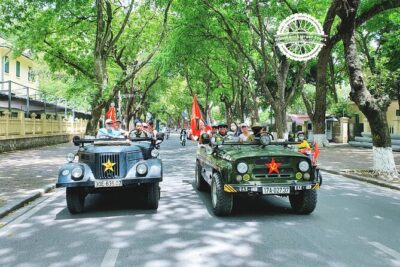
Hanoi Jeep Tour: Food, Culture and Fun by Vietnam Army Jeep
Read our review →
Full-Day Ninh Binh Highlights Tour from Hanoi
Read our review →
Ha Long Bay Day Cruise – Swimming, Meal, Kayaking
Read our review →

Hanoi Motorbike Tour: Food, Culture and Fun by Vintage Motorbike
Read our review →

Hanoi Cooking Class: Culture, Local Market & Meaning CSR Impact
Read our review →