Reviewed · HANOI TOURS
Southeast Asia 23-day: Vietnam, Cambodia & Thailand
The great appeal here is the range: in 23 days, you move from Hanoi’s old streets and Ha Long Bay to Hoi An, the Mekong Delta, Angkor Wat, Bangkok, and the mountain country around Chiang Mai. Private guides and transfers take much of the daily guesswork out of a complicated, three-country trip.
I especially like the two-night bay cruise, which gives you sunrise as well as the main afternoon views, and the generous free time in Hoi An, Hanoi, and Chiang Mai. The organizers also keep in touch by WhatsApp or phone, and coordinator Tran Son is repeatedly praised for quick replies and careful planning.
The main drawback is the pace. You cover a lot of ground, with early starts, flights, long road journeys, and several full sightseeing days. At $3,129 per person, the value is strong if you want one organized package, but less so if you prefer to arrange hotels and transport yourself.
In This Review
- Key points to know before booking
- What $3,129 buys you
- Hanoi begins with room to breathe
- Hue and Hoi An bring Vietnam’s imperial and trading past together
- Ho Chi Minh City and the Mekong Delta add modern energy
- Cambodia moves from Phnom Penh to Angkor
- Bangkok and Ayutthaya pack in the monuments
- Northern Thailand gives the trip a slower final act
- How the organization works in practice
- Who will get the most from this trip
- Should you book it?
- FAQ
- Where does the tour start?
- Where does the tour finish?
- How long is the experience?
- What countries are included?
- Are flights included?
- How many people can join the tour?
- What meals are included?
- Can I cancel for a full refund?
Key points to know before booking

- Three countries in 23 days: Vietnam, Cambodia, and Thailand are joined by private transfers, domestic flights, and a speedboat from Chau Doc to Phnom Penh.
- A small maximum of 10 people: You get a more personal setup than on a large coach tour, with private rooms and local guides.
- Ha Long and Lan Ha bays overnight: The cruise includes a sunset gathering, spring-roll lesson, Tai Chi, and a visit to Dark and Bright Cave.
- Angkor gets serious attention: Angkor Thom, Ta Prohm, Angkor Wat, Koh Ker, and Beng Mealea are all included.
- Meals and sightseeing fees are covered: Breakfast is provided for all 23 days, along with 18 lunches, two dinners, and entrance fees.
- You can request itinerary changes after booking: This is useful if you want more rest, different sightseeing priorities, or adjustments for weather.
What $3,129 buys you

The price covers a private room, breakfast every day, 18 lunches, two dinners, air-conditioned vehicles, guides, listed entrance fees, and domestic flights. It also includes the less glamorous but costly parts of a multi-country trip: airport transfers, city-to-city transport, and local arrangements.
That makes the price easier to judge. You are not paying only for sightseeing. You are paying for a coordinator who links together Vietnam, Cambodia, and Thailand, plus a series of local guides and drivers. Several named staff members appear in the trip arrangements, including Nguyen Duong Nghia, Nguyen Quang Trung, Vinh Vo Hong, Son, and Ben in Vietnam, with local teams changing as you cross borders.
I would compare this price with the total cost of booking 22 nights of accommodation, several flights, a Ha Long cruise, Angkor tours, Mekong excursions, and private vehicles on your own. For a first visit to Southeast Asia, that convenience can be worth a great deal.
The package does not include tips, alcoholic drinks, soft drinks, or personal expenses. You should also note that not every meal is covered, so budget for dinners and some lunches on your own.
A few more Hanoi departures worth weighing up
- Hanoi Jeep Tour: Food, Culture and Fun by Vietnam Army Jeep
★ 5.0 · 15,222 reviews - Full-Day Ninh Binh Highlights Tour from Hanoi
★ 5.0 · 7,761 reviews - Hanoi: Ha Long Bay Day Cruise – Swimming, Meal, Kayaking
★ 4.7 · 7,415 reviews
Hanoi begins with room to breathe
Day one is intentionally light. You are picked up at Hanoi and taken to your hotel, then left with free time. That is a sensible start after an international flight, especially since Hanoi’s traffic and street layout can take a little getting used to.
On day two, you leave Hanoi around 8:15 to 8:45 in the morning for Tuan Chau Marina. A short break is planned on the way. From the marina, a tender carries you to La Pandora Cruises for the overnight portion of the trip.
The cruise then moves through Lan Ha Bay, a quieter section near Ha Long Bay with tall limestone formations rising from the water. The schedule includes a sunset gathering on deck and a cooking demonstration focused on spring rolls. These small activities matter because they give the cruise some character beyond sitting and taking photographs.
The next morning begins at 6:00 with sunrise and Tai Chi. Breakfast follows, then a visit to Dark and Bright Cave. The early start is not for everyone, but it is the best part of a bay cruise for many people. The water is calmer, the light is softer, and you get one more substantial morning before returning toward Hanoi.
Weather can affect this section. One family had its plans adjusted during a typhoon and still managed a shorter Ha Long cruise at the last moment. That tells you something useful: flexibility matters here, and poor weather can change the cruise program.
Back in Hanoi, you visit the Temple of Literature and National University, Vietnam’s first university and one of the city’s most atmospheric historic sites. You then walk around Hoan Kiem Lake, visit Ngoc Son Temple, and see the Vietnam Museum of Ethnology.
The balance is good. You get organized sightseeing without losing all your free time. Still, the day is full, so use your free hour on day three for a quiet meal or an early night rather than trying to see every corner of Hanoi.
Hue and Hoi An bring Vietnam’s imperial and trading past together
Day five takes you to Hue, with stops at Thien Mu Pagoda, the Imperial Citadel, the Hue Royal Antiques Museum, Dong Ba Market, and the tombs of Minh Mang and Khai Dinh. The route also includes a village where people make incense sticks and conical hats before continuing to Hoi An.
This is one of the most rewarding cultural days, but it is also one of the busiest. The pagoda is known for its seven-story Phuoc Duyen tower, while the royal tombs show two very different styles of imperial architecture. Minh Mang’s tomb is set in formal grounds, while Khai Dinh’s is more ornate and enclosed.
The inclusion of Dong Ba Market and the craft village helps keep the day from becoming a string of monuments. You see how local work and daily commerce fit alongside royal sites.
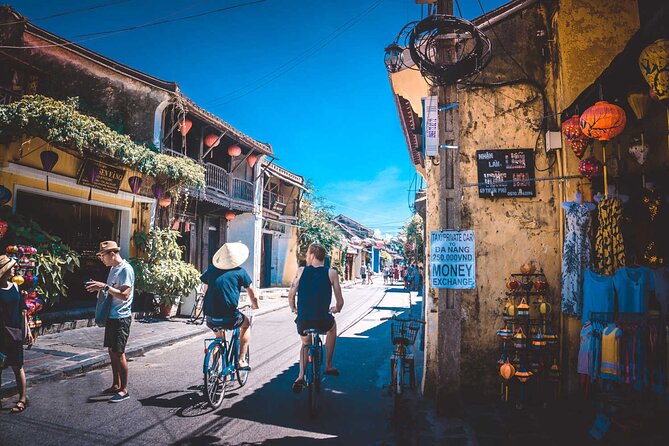
On day six, My Son Sanctuary gives you a look at the remains of the Cham civilization. In the afternoon, you walk through Hoi An’s colorful market and old town, including Tan Ky Ancient House and the Fujian Assembly Hall.
I like the decision to give Hoi An another full free day on day seven. You can walk the old streets, shop, rest, or simply slow down. After the packed Hue day, that pause is welcome. It also makes the tour more appealing to people who do not want every hour filled with scheduled stops.
Ho Chi Minh City and the Mekong Delta add modern energy
On day eight, you fly from central Vietnam to Ho Chi Minh City and have a free afternoon after hotel check-in. Day nine combines several major sights, including Reunification Palace and the former Notre Dame Cathedral area, along with the Cu Chi Tunnels.
The Cu Chi visit is more than a historical stop. The tunnels show how people lived and fought underground during the Vietnam War, while Reunification Palace places the end of that conflict in a formal political setting. Expect a full day with a serious subject, not a light sightseeing outing.
Day ten heads toward Ben Tre in the Mekong Delta. The boat ride includes time on the Mekong and a visit to a family-run business. This gives you a closer look at river life and small-scale production than a standard city tour does.
Day eleven starts early, around 6:30, at Cai Rang Floating Market. That timing is important. The market is at its busiest in the morning, and arriving late would miss much of its purpose. You then move through smaller channels before continuing to Chau Doc near the Cambodian border.
This part of the trip rewards people who enjoy seeing how communities work, not just checking off monuments. The tradeoff is early mornings and road time. The schedule can feel demanding if you need long, lazy breakfasts.
Same part of the north, a completely different day out:
- Hanoi: Water Puppet Show Tickets
★ 4.6 · 7,029 reviews - Hanoi Motorbike Tour: Food, Culture and Fun by Vintage Motorbike
★ 5.0 · 6,699 reviews - Hanoi: Guided Food Tour with Train Street Visit
★ 4.9 · 6,239 reviews - Hanoi Cooking Class: Culture, Local Market & Meaning CSR Impact
★ 5.0 · 5,147 reviews
Cambodia moves from Phnom Penh to Angkor
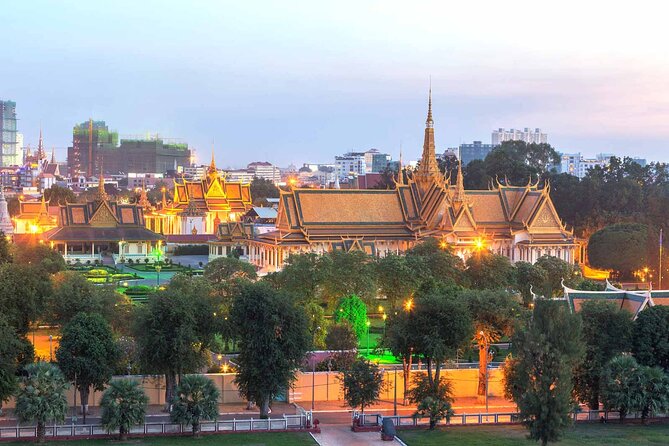
From Chau Doc, you take a speedboat to Phnom Penh, arriving around 2:00 in the afternoon. The rest of the day is free, which gives you a useful chance to recover after the early Mekong visit and border crossing.
The following day covers Phnom Penh’s Royal Palace and Silver Pagoda. You also have the option to visit the Khmer Rouge Killing Fields and Tuol Sleng Genocide Museum. These sites are difficult, but they are essential for understanding Cambodia’s recent past. If you choose both, expect an emotionally heavy morning.
The Royal Palace offers a sharp contrast, with Khmer roofs, gilded details, and the Silver Pagoda on its southern side. The day works best when you allow time to process the darker history rather than treating it as just another stop.
Day fourteen is the headline day at Angkor. You visit Angkor Thom, Ta Prohm, and Angkor Wat. Angkor Thom introduces the former Khmer capital, Ta Prohm is known for trees and vegetation growing through the temple ruins, and Angkor Wat provides the grandest scale of all.
The schedule divides the day between these sites, then includes a sunset activity. Two hours at Angkor Wat is enough for a first look, but not enough to see everything. If temple architecture is your main reason for booking, ask about adjusting the plan after booking. The stated flexibility could allow you to trade another stop for more time at Angkor.
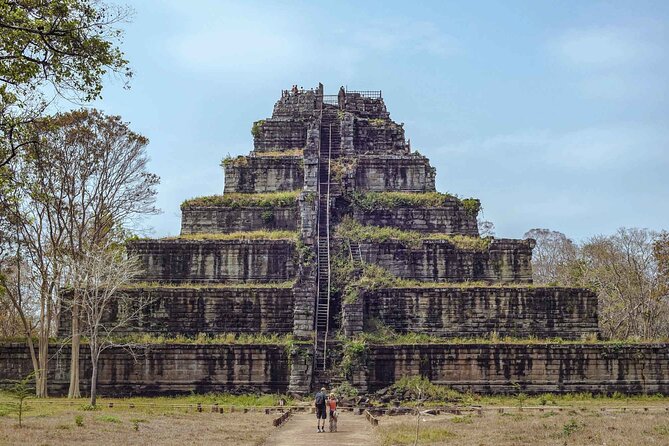
Day fifteen goes farther afield to Koh Ker, a former Khmer capital in a remote, forested setting. Its main temple is a seven-tiered structure, and the site feels very different from Angkor’s better-known compounds. You also visit Prasat Neang Khmau, Prasat Pram, and Beng Mealea.
This is a long day on the road, but it is one of the tour’s most distinctive additions. Beng Mealea has an overgrown, partly ruined quality, while Koh Ker offers a quieter setting and a sense of distance. If you prefer only the major Angkor temples, this day may feel too ambitious. If you like less predictable historical sites, it is a real strength.
Day sixteen begins at the National Museum of Cambodia, then continues to Tonle Sap Lake before an afternoon flight to Bangkok. The museum gives useful context before your next temple-heavy stretch, while Tonle Sap adds a major natural feature to the Cambodian portion.
Bangkok and Ayutthaya pack in the monuments
You leave Bangkok at 6:15 on day seventeen for Ratchaburi and a boat trip at Damnoen Saduak Floating Market. You also visit a handicraft home industry and continue toward the Kwai River and Tiger Temple area in Kanchanaburi.
Damnoen Saduak is now a well-established tourist attraction, so do not expect a purely local market. Its value is visual and practical: boats, canals, produce, and a clear picture of how the market operates. The early departure helps you reach it before the day becomes hotter and busier.
Day eighteen goes to Ayutthaya, with Bang Pa-In Summer Palace and Wat Mahathat. You also visit Wat Phra Si Sanphet, described in the schedule as the largest and most important temple in the old city.
Ayutthaya makes a good counterpoint to Bangkok. The ruins are spread through a former royal capital, and the pace feels less compressed than a city temple circuit. Bang Pa-In adds a palace setting beside the Chao Phraya River, while Wat Mahathat is known for its old temple remains.
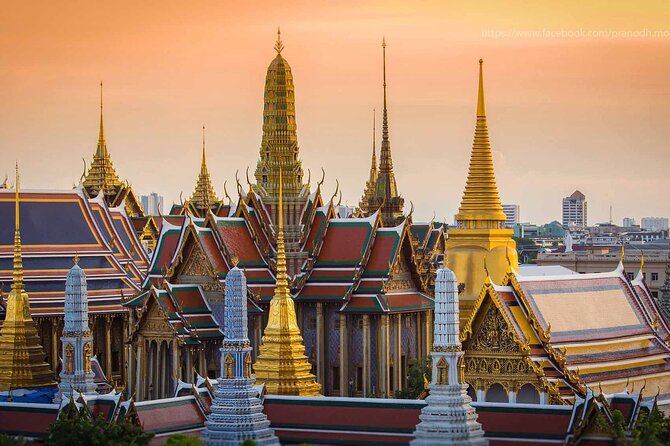
Day nineteen covers Bangkok’s Golden Buddha Temple, Wat Pho, and Wat Benjamabophit before an afternoon flight to Chiang Mai. Wat Traimit’s gold Buddha is a major highlight, with a statue weighing 5.5 tons. This is another full day, so the included lunch is useful and the flight transfer keeps the route moving.
Northern Thailand gives the trip a slower final act
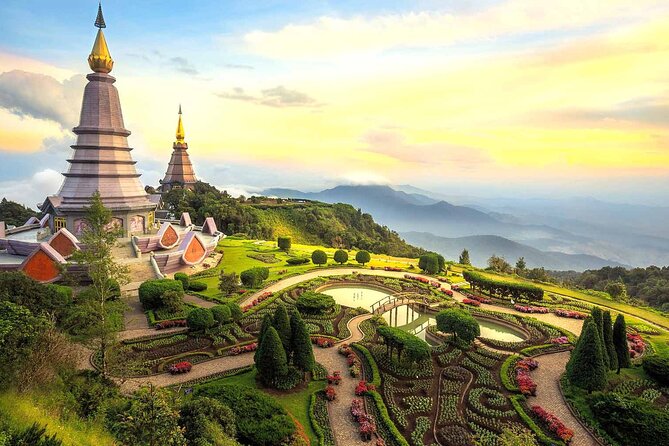
Day twenty travels to Doi Inthanon National Park, Thailand’s highest mountain area. You visit the King and Queen Chedis, a Karen hill tribe village, and Wachirathan Falls.
The day shifts the focus from royal and religious buildings to mountain scenery. The park stop and waterfall give you a needed change of pace after the urban sightseeing in Bangkok. The schedule still starts early and involves road travel, so pack light and wear practical shoes.
Day twenty-one visits Lampang and Lamphun. In Lampang, you see Wat Phra That Lampang Luang, walk through the old streets, and visit Kad Kong Ta Street Market. You then continue to Wat Phra That Hariphunchai in Lamphun.
This is a particularly good day for people who want more than Thailand’s most famous cities. Lampang’s market and old streets offer a different feel from Bangkok and Chiang Mai, while the Lanna-style temple compound gives the day a clear architectural focus.
The final full sightseeing day reaches farther north. You stop at Mae Khachan Hot Spring, Wat Rong Khun, also called the White Temple, Chiang Saen, and the Golden Triangle. Wat Phrathat Pukhao provides a viewpoint toward the meeting point of Thailand, Laos, and Myanmar.
The Golden Triangle stop is mainly about geography and river views. The White Temple is highly recognizable and visually unusual, while the hot spring works as a roadside break on the journey from Chiang Mai toward Chiang Rai. It is a long day, but a memorable final outing.
Day twenty-three leaves you free in Chiang Mai until your airport transfer. That free morning is well judged. You can revisit a favorite area, shop, rest, or simply prepare for the flight home.
How the organization works in practice
The trip is limited to 10 people, though the arrangements described by past customers also include private vehicles and changing local guides. That combination can be useful: you get personal transport and local help without being tied to one guide for three countries.
Communication is a major part of the service. You can contact the organizers through WhatsApp or by phone, and Tran Son is specifically praised for answering questions quickly and helping with changes. That matters when weather affects Ha Long Bay, flights shift, or you need clarification about a pickup.
The transport mix is sensible but active. You use air-conditioned vehicles, domestic flights, a speedboat from Vietnam to Cambodia, and a cruise boat in the bay. You should be comfortable with early pickups, hotel changes, airport routines, and several long days.
The package requires a minimum number of people. If that minimum is not met, a different date or experience, or a full refund, is offered. You can cancel for a full refund up to 24 hours before the start time, while weather cancellations offer a new date or full refund.
Who will get the most from this trip
I would choose this tour if you want to see the major sights of three countries but do not want to solve every transfer yourself. It is especially well suited to couples, families, and first-time visitors who value private rooms, quick support, and a clear route.
It also suits you if you like a mixture of famous sights and less common stops. Angkor Wat, Bangkok, Ha Long Bay, and Hoi An supply the headline moments, while Koh Ker, Beng Mealea, Lampang, the Mekong channels, and My Son add variety.
I would hesitate if you want a slow, resort-style holiday. You have 23 days, but the route covers a large area. The early starts at Cai Rang, Damnoen Saduak, Ayutthaya, and northern Thailand are part of the deal.
Ask about adjustments after booking if you want more rest or more time at a particular place. The ability to alter the plan is one of the most useful features here, though any changes should be agreed with the organizer before you arrive.
Should you book it?
Book this 23-day Vietnam, Cambodia, and Thailand tour if convenience, coverage, and personal support matter more to you than complete independence. The strongest features are the careful country-to-country planning, private transport, included sightseeing fees, daily breakfast, and a healthy amount of free time in places such as Hanoi, Hoi An, Phnom Penh, and Chiang Mai.
The price is fair for what is included, especially once you count hotels, flights, guides, meals, vehicles, and entrance fees. Just go in ready for early mornings and a few tiring travel days. If you want one well-supported Southeast Asia trip with both major icons and quieter historical stops, this is a practical choice.
FAQ
Where does the tour start?
The tour starts in Hanoi, Vietnam. You are picked up on arrival and transferred to your hotel.
Where does the tour finish?
The tour finishes in Chiang Mai, Thailand. On day twenty-three, you have free time before a transfer to the airport for your departure flight.
How long is the experience?
The tour lasts approximately 23 days.
What countries are included?
The route includes Vietnam, Cambodia, and Thailand.
Are flights included?
Domestic flights are included. The schedule specifically includes flights to Ho Chi Minh City, Bangkok, and Chiang Mai.
How many people can join the tour?
The maximum group size is 10 people.
What meals are included?
Breakfast is included for all 23 days. The package also includes 18 lunches and two dinners.
Can I cancel for a full refund?
Yes. You can cancel at least 24 hours before the local start time for a full refund. Changes or cancellations made less than 24 hours before the start time are not accepted for a refund.
Just added around Hanoi
- Cat Ba National Park, Lan Ha Bay 2 Days 1 Night Adventure★ 4.8 · 9 reviews
- Full day Boat Tour Lan Ha Bay – Ha Long Bay: Kayak, Beach Hopping★ 5.0 · 9 reviews
- Ha Giang Loop 2 Days High quality Small Group +Private Room★ 5.0 · 9 reviews
- Half Day Sapa Cat Cat Explore Waterfall, Workshop, H’mong Local★ 5.0 · 9 reviews
- Sapa 1 Day Trekking★ 5.0 · 9 reviews
- Sapa Open Air Jeep Half Days Off the Beaten Track, Backroad★ 4.9 · 9 reviews
- Halong 2 days 1 night with Cozy Classic Cruise from Hanoi★ 4.5 · 9 reviews
- Fansipan Mount Trekking 1 Day★ 5.0 · 9 reviews
Hanoi Tours, compared.
Hanoi Jeep Tour: Food, Culture and Fun by Vietnam Army Jeep
Read our review →
Full-Day Ninh Binh Highlights Tour from Hanoi
Read our review →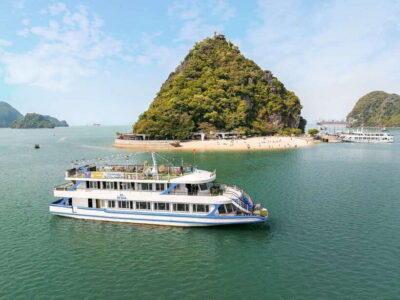
Ha Long Bay Day Cruise – Swimming, Meal, Kayaking
Read our review →
Hanoi Motorbike Tour: Food, Culture and Fun by Vintage Motorbike
Read our review →
Hanoi Cooking Class: Culture, Local Market & Meaning CSR Impact
Read our review →