
Reviewed · HANOI TOURS
Ultimate Hanoi Photography Tour
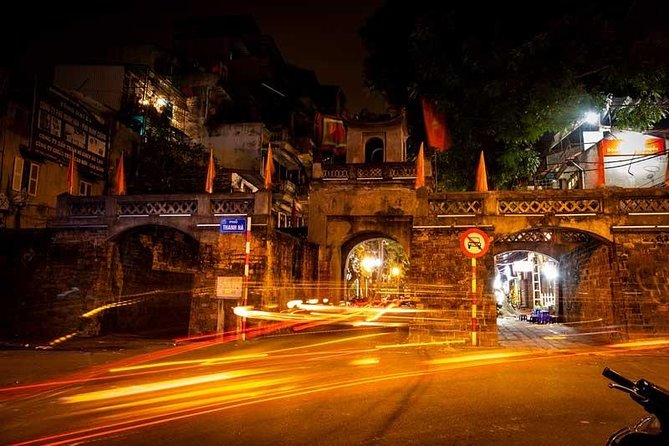
Hanoi is at its most photogenic before breakfast, when train tracks, tai chi groups, market stalls, and quiet streets give way to village workshops and night markets. This 16-hour private photography tour follows that changing rhythm from 5:30 am until after dark, with photographers such as Brian and Tung helping you work on exposure, composition, and timing.
I like the mix of ordinary local life and unusual photo settings, especially the early train street area, Reunification Park, and the vermicelli-making village of Cu Da. I also like the small group limit of five, private car, breakfast, and lunch. The drawback is simple: this is a long, demanding day, and the $359 price is high for anyone who only wants a quick Hanoi sightseeing outing.
In This Review
- Key points before you book
- Why this Hanoi photo day feels different
- 5:30 am at Duờng Tau and Reunification Park
- Cu Da village and the road south to Ứng Hòa
- A hotel break before Hanoi after dark
- Night markets and everyday Hanoi after dark
- The photography instruction you actually receive
- Is $359 a fair price?
- Who should book this day?
- The final call for photo-minded visitors
- FAQ
- What time does the tour begin?
- How long does the experience last?
- How many people can join?
- Are meals included?
- Is transportation provided?
- Can I cancel for a full refund?
Key points before you book
- Five travelers maximum: You get more direct help with camera settings and composition than on a large group tour.
- A 5:30 am start: The day begins with dawn photography, so an early night before the tour matters.
- Four distinct photo settings: Train tracks and city exercise lead to a craft village, then back to Hanoi for night scenes.
- Hands-on instruction: Brian and Tung are known for working directly with exposure, angles, composition, and timing.
- Meals and private transport included: Breakfast, lunch, and the long drive south are built into the day.
- A full day plus evening return: You leave time to refresh at your hotel before the 7:30 pm night pickup.
Why this Hanoi photo day feels different
Many Hanoi tours give you a quick look at famous sights. This one is built around changing light and daily routines. You begin before sunrise, leave the city for a traditional village, return for a break, then head out again after dark.
That structure gives you more than a list of stops. You can photograph Hanoi at several speeds: quiet and thoughtful at dawn, active in the morning, work-focused in the countryside, and atmospheric at night. The day also gives your guide time to teach instead of simply pointing out landmarks.
The tour is private, but not necessarily one-on-one. The maximum is five people, which is still a small working group for photography. That matters when you need help with exposure or want to ask why one angle works better than another.
You should also know what this is not. It is not a relaxed café-and-temple outing. The 5:30 am start, four-hour opening section, one-hour drive each way to the village area, and evening return make this a serious photography day. You need the energy to keep looking for pictures long after the first coffee.
A few more Hanoi departures worth weighing up
- Hanoi Private Photoshoot – Iconic Spots & Hidden Gems
★ 5.0 · 118 reviews - Hanoi Explorer Photo Tour
★ 5.0 · 40 reviews - Hanoi On the Tracks Photo Tour
★ 5.0 · 33 reviews
5:30 am at Duờng Tau and Reunification Park
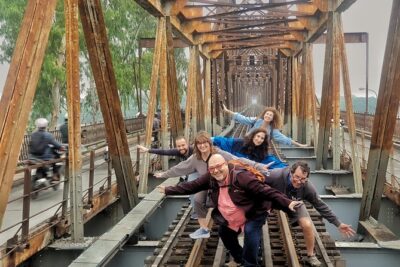
The first section begins at dawn around Duờng Tau, a lesser-known part of Hanoi’s train street area. Train tracks make strong photographs, but the real appeal here is the combination of narrow urban space, early light, and people beginning their day.
Your guide can help you think about exposure and composition while the light is still changing. One especially useful detail from the tour feedback is that Brian timed the arrival well for the train street setting. That timing matters because dawn gives you softer light and a better chance to photograph the area before the day becomes more crowded and harsh.
Train street is also a place where you need to behave with care. The supplied information does not promise a specific train passage, so you should not book this tour expecting a guaranteed dramatic train photograph. The value is the setting and the chance to work with morning scenes under a guide’s direction.
From there, the morning continues at Reunification Park, where people practice tai chi and aerobics. This is a useful change of subject. Instead of static buildings, you can work with movement, repeated gestures, groups, and the relationship between people and open public space.
Tai chi can reward patience and careful timing. Aerobics offers faster motion and more obvious action. Your guide can help you decide when to use a faster shutter speed, how to place a subject in the frame, and how to avoid clutter behind the action. Even if you already know your camera, these are practical skills that become easier when someone is watching the scene with you.
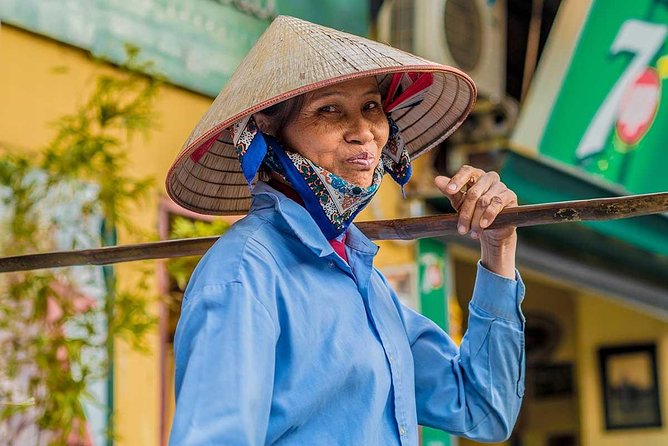
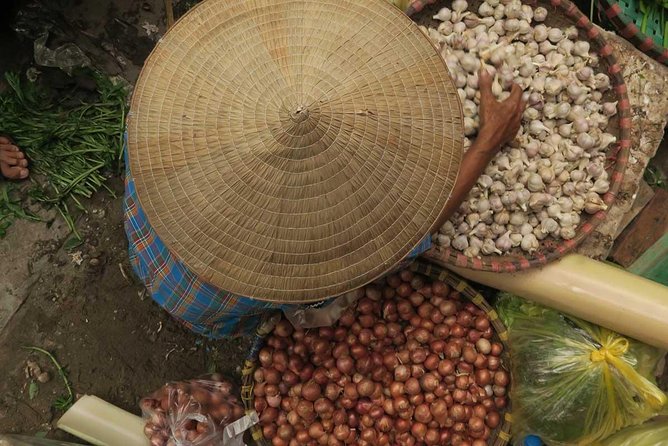
The morning also includes Hanoi’s Thieves Market. The unusual name alone makes it an appealing stop, but the key photographic benefit is variety. You move from exercise and rail tracks to market activity, where small objects, faces, hands, and transactions can give you close-up subjects.
The opening block lasts about four hours and has no separate admission charge. It is a strong start, but it is also early and active. If you are not comfortable working quickly in public places, tell your guide what kind of help you want. The small group format should make it easier to get direct advice.
Cu Da village and the road south to Ứng Hòa
After the city morning, you get into a private car for the drive south toward Cu Da village in the Ứng Hòa area. The trip takes about an hour each way, and the village portion is listed as roughly eight hours. That makes this the largest part of the day.
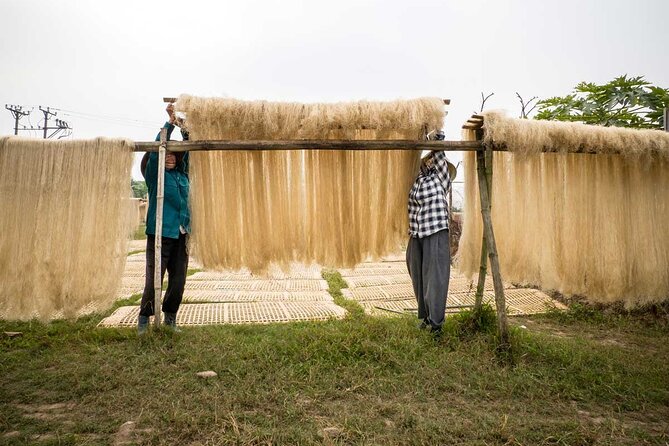
Cu Da is described as one of the best-preserved ancient villages within reach of central Hanoi. Its specialty is vermicelli noodles, so the photographic subject changes from public city life to food production and village work.
This is where the tour gains much of its sense of place. You are not simply photographing an old street. You are looking at how a local product is made, with the chance to focus on processes, textures, tools, drying areas, and people at work. The information provided does not specify every stage you will see, so you should treat the visit as a working village encounter rather than expect a fixed demonstration.
A related craft stop mentioned in the tour experience is an incense village, including a factory visit and a look at the production process. If that stop is part of your final route, it adds another useful set of colors, lines, repeated shapes, and handmade work. Since the supplied itinerary does not give a full stop-by-stop schedule for the village day, confirm the exact craft locations when you book.
The private car is important here. A public group transfer would make a long village outing less flexible, while private transportation gives the guide and small group a practical base between locations. It also helps after a very early start, when a one-hour drive can provide a needed rest.
Lunch is included, as is breakfast earlier in the day. That helps with the tour’s value, though meals alone do not make $359 inexpensive. The stronger argument for the price is the combination of a private vehicle, a professional photographer guide, a maximum of five people, and nearly a full day of instruction.
The village section may be the best fit for photographers who prefer human stories over postcard views. You can photograph work, craft, architecture, and rural life in the same area. It also gives you a break from Hanoi’s dense streets without turning the day into a standard countryside sightseeing trip.
There are tradeoffs. Eight hours is a long time for a single general itinerary block, and the drive reduces the time available for shooting. If you want only Hanoi city scenes, the trip south may feel like too much. If you enjoy craft photography and want to understand how a place works, the distance is easier to justify.
A hotel break before Hanoi after dark
The tour returns to Hanoi after the village portion. You are dropped at your hotel to refresh, have dinner, and prepare for the evening pickup at 7:30 pm.
I like this built-in pause. Without it, the tour would run continuously from dawn into the night, which would be exhausting even for an enthusiastic photographer. The hotel break also lets you change clothes, charge batteries, download images, and switch lenses if needed.
The break is not a separate night tour booking. It is part of the same long day, so plan your evening around the 7:30 pm departure. You should also keep your camera batteries and memory cards organized before leaving in the morning. A full day of shooting can use more storage than expected.
Same part of the north, a completely different day out:
- Hanoi Jeep Tour: Food, Culture and Fun by Vietnam Army Jeep
★ 5.0 · 15,222 reviews - Full-Day Ninh Binh Highlights Tour from Hanoi
★ 5.0 · 7,761 reviews - Hanoi: Ha Long Bay Day Cruise – Swimming, Meal, Kayaking
★ 4.7 · 7,415 reviews - Hanoi: Water Puppet Show Tickets
★ 4.6 · 7,029 reviews
Night markets and everyday Hanoi after dark
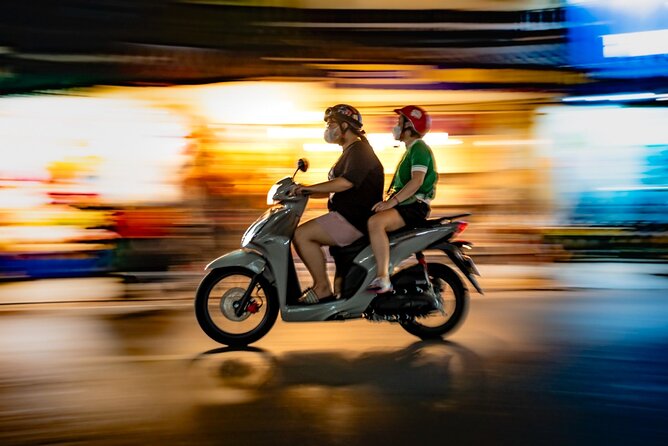
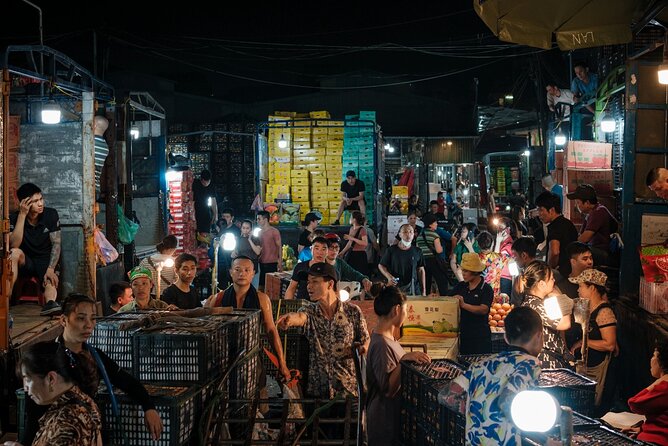
The final four-hour section returns to Hanoi for night photography. The exact route can vary, but the supplied details point to night market scenes and ordinary public life.
Night work asks different things of you than dawn photography. Light is lower and less even. Signs, shop lights, vehicle lights, and moving people can all compete for attention. This is a good place to apply the morning lessons on exposure and timing, now under more difficult conditions.
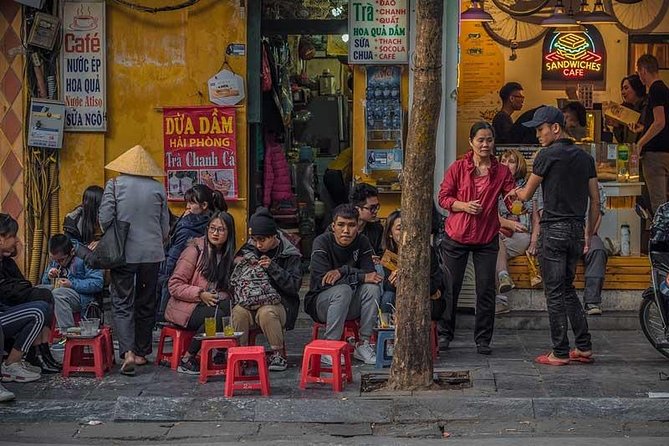
The city after dark also gives you a different way to photograph people. You might find strong images in gestures, groups, reflections, street activity, and small moments rather than famous monuments. Your guide’s role is especially useful here because local familiarity can help you spend less time wandering and more time watching.
Brian and Tung receive the strongest praise in the supplied material. Tung is described as combining photography instruction with local culture and history, while Brian is repeatedly linked with careful timing and practical help. Other feedback names two experienced photographer guides working together on one full-day outing. Your assigned guide may depend on availability, so do not assume that one specific person is guaranteed unless the operator confirms it.
The night section is also where the tour becomes a good choice for anyone who wants more than technical lessons. You are not just practicing settings in isolation. You are using the camera to notice how Hanoi changes after sunset.
The photography instruction you actually receive
This tour is not limited to taking you to photo spots. The stated focus is to explore new techniques and photographic situations at each location. That can include exposure, composition, angles, and timing, all of which appear in the supplied accounts of the experience.
The teaching should be most useful if you arrive with a few clear goals. You might ask for help with:
- Balancing bright skies and darker subjects at dawn
- Freezing motion during tai chi or aerobics
- Finding clean compositions in a crowded market
- Photographing work processes without losing the human story
- Handling low light and movement at night
You do not need to be a specialist to take part. The information says most people can participate and lists no health restrictions. Still, photography ability and physical stamina are separate matters. The tour may be open to most people, but its length and early start call for reasonable fitness and patience.
Bring the camera you know how to use. A simple camera handled confidently is more useful than unfamiliar equipment. Since the tour includes several settings and a long day, carry spare batteries and enough memory, but the supplied details do not state that equipment is provided.
Is $359 a fair price?
At $359 per person, this is a premium day tour. You are paying more than you would for a basic group sightseeing route, but the comparison is not quite fair.
The package includes breakfast, lunch, private transportation, and a professional photographer guide. The group is capped at five, and the schedule covers around 16 hours, including dawn, the countryside, a hotel break, and evening photography. For someone serious about improving a portfolio or making better travel images, that can be reasonable value.
The price is harder to justify if your main goal is simply to see Hanoi. You would be paying for instruction and access to varied photo settings, not just transportation between attractions. A casual sightseer may prefer a shorter city tour and keep the savings.
Group discounts are available, which may help if you are traveling with friends or family. The tour is typically booked about 26 days ahead, so I would not leave it until the last minute if your Hanoi dates are fixed.
Who should book this day?
I would choose this tour if you want to photograph people, work, markets, and changing light, and if you value direct guidance from someone who understands both cameras and Hanoi.
It is especially suited to:
- Amateur photographers who want hands-on help
- Couples or small groups with similar photo interests
- Visitors who prefer local routines to a checklist of landmarks
- Anyone interested in craft production and village life
- Photographers who want dawn and night images in one day
I would think twice if you dislike early starts, long car rides, or extended time on your feet. The itinerary is packed. You do get a hotel break, but this is not a slow-paced day.
Cancellation is flexible up to 24 hours before the 5:30 am start for a full refund. Changes or cancellations made less than 24 hours ahead are not accepted for a refund.
The final call for photo-minded visitors
Book it if photography is one of the main reasons you came to Hanoi. The strongest features are the small group, the full range of light from dawn to night, the private car, and guides such as Brian or Tung who can help with both technique and local context.
Skip it if you only want a broad introduction to the city or if $359 feels too high for a single day. For the right person, this is less a sightseeing tour than a long working session with Hanoi as your subject. That is its appeal, and also its demand.
FAQ
What time does the tour begin?
The start time is 5:30 am.
How long does the experience last?
The tour lasts approximately 16 hours.
How many people can join?
The activity has a maximum of five participants.
Are meals included?
Yes. Breakfast and lunch are included.
Is transportation provided?
Yes. Private transportation is included, including the trip from Hanoi to the Cu Da village area and back.
Can I cancel for a full refund?
Yes. You can cancel at least 24 hours before the local start time for a full refund. Cancellations or changes made less than 24 hours before the start are not accepted for a refund.
Just added around Hanoi
- Full day Boat Tour Lan Ha Bay – Ha Long Bay: Kayak, Beach Hopping★ 5.0 · 9 reviews
- Cat Ba National Park, Lan Ha Bay 2 Days 1 Night Adventure★ 4.8 · 9 reviews
- Ha Giang Loop 2 Days High quality Small Group +Private Room★ 5.0 · 9 reviews
- Half Day Sapa Cat Cat Explore Waterfall, Workshop, H’mong Local★ 5.0 · 9 reviews
- Sapa 1 Day Trekking★ 5.0 · 9 reviews
- Sapa Open Air Jeep Half Days Off the Beaten Track, Backroad★ 4.9 · 9 reviews
- Halong 2 days 1 night with Cozy Classic Cruise from Hanoi★ 4.5 · 9 reviews
- Fansipan Mount Trekking 1 Day★ 5.0 · 9 reviews
Hanoi Tours, compared.
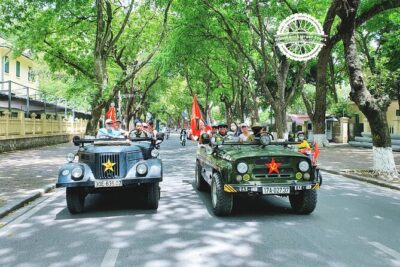
Hanoi Jeep Tour: Food, Culture and Fun by Vietnam Army Jeep
Read our review →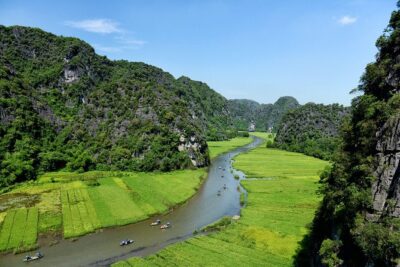
Full-Day Ninh Binh Highlights Tour from Hanoi
Read our review →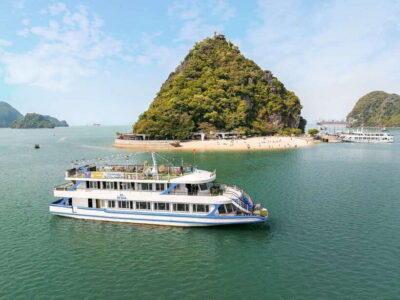
Ha Long Bay Day Cruise – Swimming, Meal, Kayaking
Read our review →
Hanoi Motorbike Tour: Food, Culture and Fun by Vintage Motorbike
Read our review →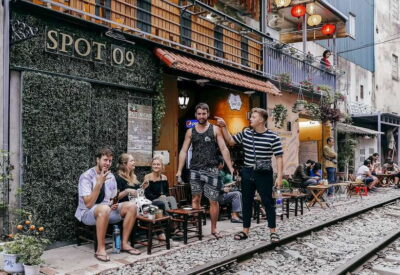
Hanoi Cooking Class: Culture, Local Market & Meaning CSR Impact
Read our review →
5 Traditional Dishes Hanoi Cooking Class with Market Trip
Read our review →Browse the lists this tour appears in