Reviewed · HANOI TOURS
Vietnam War: Uncovering Hanoi’s Untold Stories
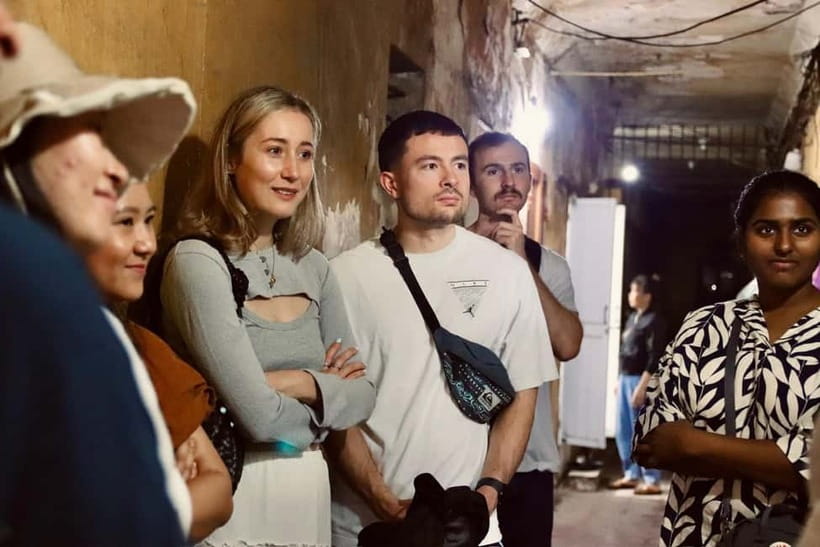
Hanoi’s wartime story comes alive far from the city’s grand monuments. This 2.5-hour walk takes you to Kham Thien’s B52 memorial, the old Cho Gioi black market, and the Hanoi Train Street community, using local neighborhoods to explain how war, divided politics, and the planned economy shaped daily life.
I like the relaxed coffee conversation at the start, which gives you useful background before you begin walking. I also like the small maximum group of 10 and the chance to hear personal stories from guides such as Dung, Kien, and Thomas. The main drawback is that the subject is serious, and the tour offers less sightseeing polish than a standard city walk.
In This Review
- Key points to know before booking
- Why this Hanoi war tour takes a different route
- Starting at Chùa Vua with coffee and a history lesson
- Duờng Tau and the stories of local people
- Kham Thien’s B52 memorial and the civilian cost of war
- Cho Gioi, Hanoi’s former black market
- Hanoi Train Street and the city that followed the war
- A small group makes the discussion better
- Is $37 a fair price?
- Who should book this experience?
- Should you book Vietnam War: Uncovering Hanoi’s Untold Stories?
- FAQ
- How long does the Vietnam War: Uncovering Hanoi’s Untold Stories tour last?
- Where does the tour begin?
- Where does the tour end?
- Which places are included?
- Is transportation included?
- How large is the group?
- What is the cancellation policy?
Key points to know before booking
- The tour begins with coffee and context: Start at 24B Chùa Vua with a sit-down conversation about Vietnam’s history, war, culture, and unification.
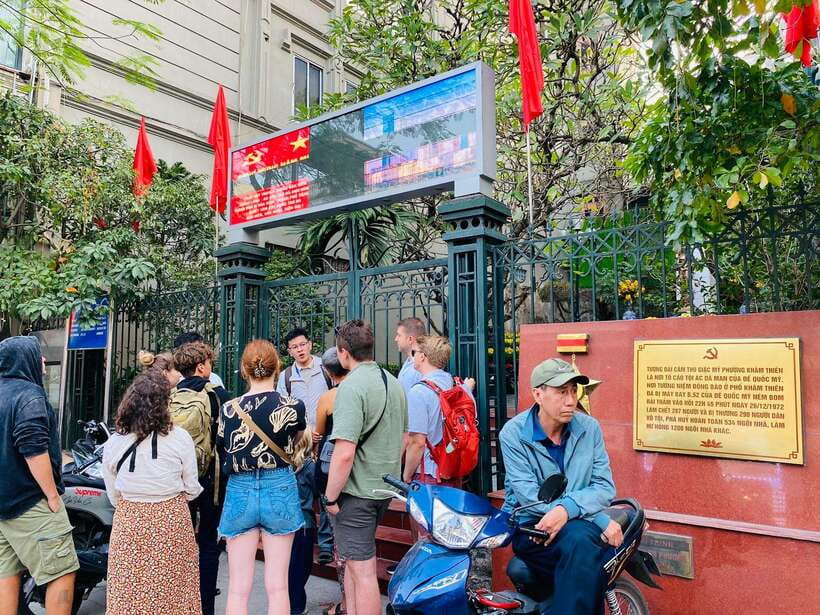
- Kham Thien puts civilian suffering at the center: The B52 memorial is a brief but powerful stop focused on the human cost of bombing.
- Cho Gioi explains survival after the war: The historic black market shows how local ingenuity helped people cope with shortages under the planned economy.
- Train Street adds present-day perspective: The railway community connects wartime memories with the way Hanoi neighborhoods function now.
- A short taxi ride breaks up the walk: Private transportation is included, useful in a city where heat and traffic can wear you down.
- It suits curious history-minded people: Guides aim for a conversation rather than a formal lecture, with room for questions and personal stories.
Why this Hanoi war tour takes a different route
Many Hanoi tours focus on famous political sites, museums, and broad accounts of the Vietnam War. This experience takes another path. It asks how ordinary people lived through war, division, shortages, and the difficult years that followed reunification.
That focus matters. The Vietnam War is often presented through military campaigns and famous leaders. Here, you spend time with the less polished parts of the city: a former black market, a neighborhood memorial, and a railway community. These places help explain what history felt like on the ground.
The tour also looks at Vietnam from more than one angle. It addresses the North and South, the country’s communist and anti-communist divisions, and the way unification unfolded during the Cold War. You should expect a Vietnamese viewpoint, with local stories and cultural context rather than a presentation built only around familiar Western accounts.
The tone is intended to be open and conversational. That makes the tour a good choice if you want to ask questions or test your understanding as you go. It may be less suitable if you prefer a tightly scripted route with long visits inside major museums.
A few more Hanoi departures worth weighing up
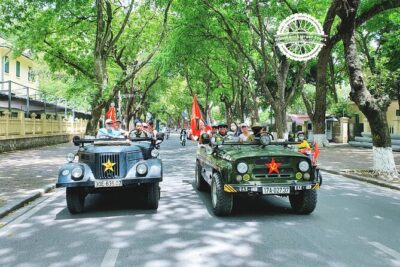
- Hanoi Jeep Tour: Food, Culture and Fun by Vietnam Army Jeep
★ 5.0 · 15,222 reviews - Full-Day Ninh Binh Highlights Tour from Hanoi
★ 5.0 · 7,761 reviews - Hanoi: Ha Long Bay Day Cruise – Swimming, Meal, Kayaking
★ 4.7 · 7,415 reviews
Starting at Chùa Vua with coffee and a history lesson
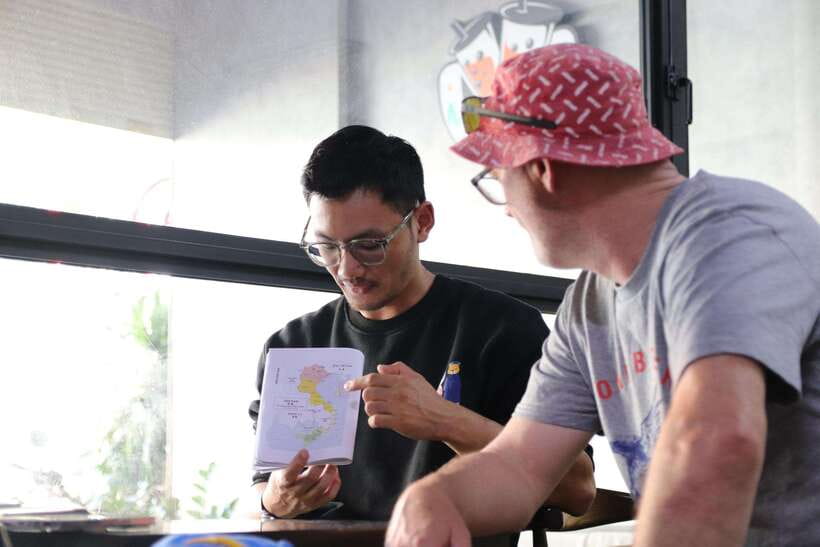
The meeting point is 24B Chùa Vua, in the Phố Huế area of Hai Bà Trưng. The experience begins indoors, over coffee or tea, rather than with an immediate march through city streets.
This opening half hour is one of the smartest parts of the plan. Vietnam’s modern story can become confusing quickly. French colonial rule, the First Indochina War, division between North and South, the Cold War, the American war, and reunification all overlap. A short introduction gives you a framework for the places that follow.
You can expect the guide to discuss more than battles. The conversation covers local culture, traditions, life under the planned economy, and the experiences of people on different sides of the political divide. The guides named in the feedback include Dung, Kien, and Thomas, and the strongest praise centers on their ability to explain complicated subjects in a friendly, personal way.
The coffee stop also sets the pace. You are not rushed from one photo stop to the next. For visitors arriving in Hanoi with only a general idea of the war, this is valuable preparation. For history specialists, it creates a chance to ask focused questions before the route reaches its most difficult subjects.
One practical point: the tour is not designed as a long museum visit. The emphasis is on discussion, streets, memorials, and neighborhood life. If you want detailed displays of weapons, aircraft, or military documents, pair this walk with one of Hanoi’s formal museums.
Duờng Tau and the stories of local people
The first listed stop is Duờng Tau, a historic part of Hanoi connected with stories from veterans and local residents. You spend about 30 minutes here, with time to rest while the guide explains how the area fits into the city’s wartime story.
The value of this stop is its human scale. Instead of treating history as something that happened only in government buildings or battle zones, the tour connects it with homes, streets, work, and family life. The guide may explain how people from different sides experienced the conflict and what changed after the country was unified.
Because this is a neighborhood setting, the experience may feel less visually dramatic than a grand memorial. That is part of the trade-off. You are coming for interpretation and local context, not a large monument or a polished attraction.
The stop also helps break up the heavier material. The description presents it as a place to rest after a substantial amount of history, which suggests a measured pace rather than a nonstop lecture. You should still expect walking on city streets and a moderate level of physical activity.
Kham Thien’s B52 memorial and the civilian cost of war
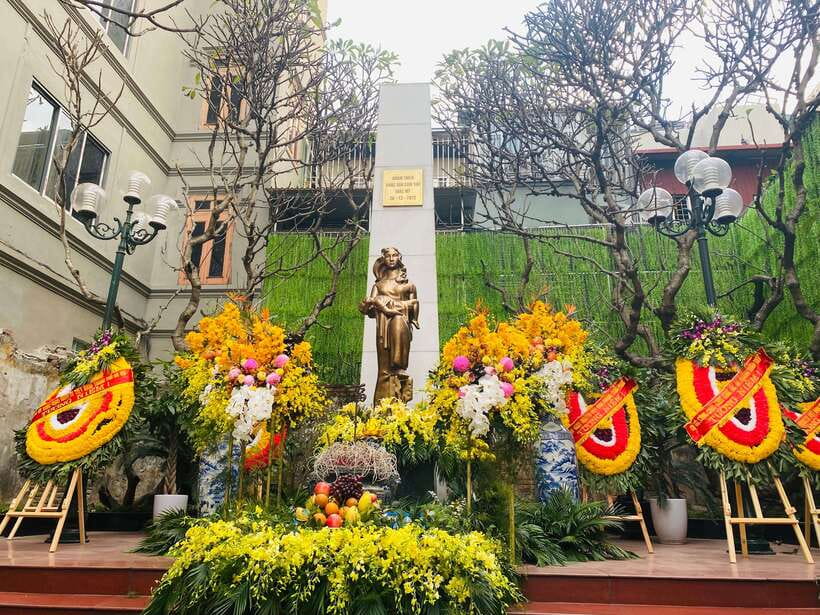
The Kham Thien B52 Memorial is a short stop of about 15 minutes, but its small time allocation does not mean it is unimportant. This memorial marks the destruction caused by bombing in the Kham Thien area and shifts attention toward civilians caught in the conflict.
The guide uses the site as a lesson in remembrance. You are encouraged to think about what happened to local people, not only what military planners intended. This is one of the places where the tour’s local viewpoint becomes especially clear.
Allow yourself time to pause. Fifteen minutes can pass quickly if you are trying to photograph the memorial, listen to the guide, and process the subject at once. The stop is free, and the experience does not appear to require an admission ticket or a long queue.
Kham Thien also gives the broader history a physical location. Terms such as bombing campaign and civilian casualties can become abstract in a classroom. Standing in a neighborhood memorial helps connect those words with people and streets.
The tone here is respectful, not theatrical. If you want a light sightseeing outing, this may feel heavy. If you want to understand how the war affected Hanoi beyond military targets, it is an essential part of the route.
Same part of the north, a completely different day out:
- Hanoi: Water Puppet Show Tickets
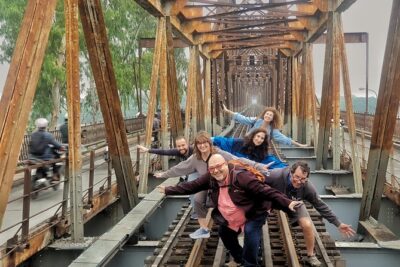
★ 4.6 · 7,029 reviews - Hanoi Motorbike Tour: Food, Culture and Fun by Vintage Motorbike
★ 5.0 · 6,699 reviews - Hanoi: Guided Food Tour with Train Street Visit
★ 4.9 · 6,239 reviews - Hanoi Cooking Class: Culture, Local Market & Meaning CSR Impact
★ 5.0 · 5,147 reviews
Cho Gioi, Hanoi’s former black market
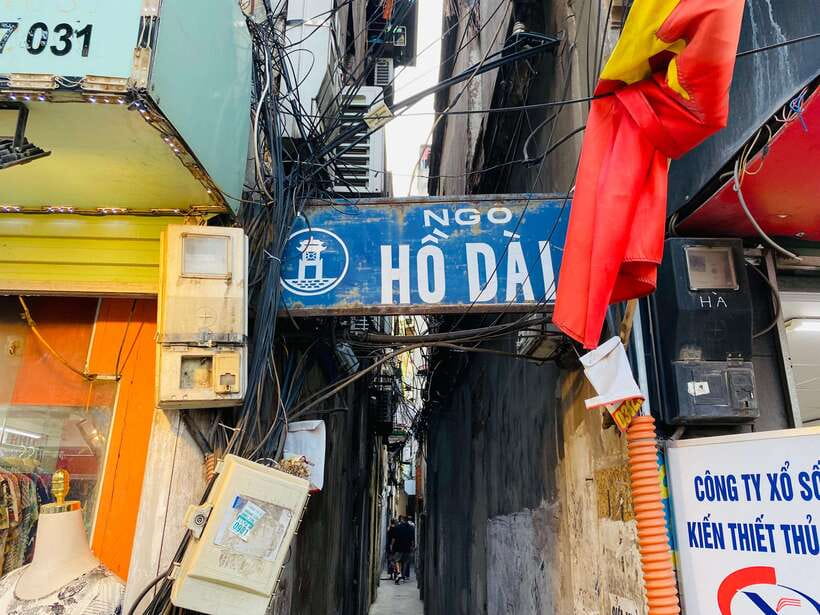
About an hour is devoted to Cho Gioi, also known as the historic black market. This is the longest stop and one of the tour’s most unusual choices.
The market helps explain the years after the war, when Vietnam operated under a planned economy and many everyday goods were difficult to obtain. The tour presents Cho Gioi as a place where local ingenuity and a secret economy became tools for survival.
That story adds an important layer to the war itself. Reunification did not instantly make life easy. People still had to find goods, repair objects, trade, and support their families in a restricted economic system. A market such as Cho Gioi gives you a way to understand those pressures through a real part of Hanoi rather than through economic terms alone.
You should not expect a traditional market tour built around food samples or shopping. The emphasis is on the market’s history and social role. The interest comes from seeing how a place associated with informal trade fits into the city’s recent past.
This is also where a local guide can add the most value. The physical setting may not explain itself to an outsider. Without context, you could simply see a busy commercial area. With a guide, you can connect it to shortages, survival, and the everyday choices made by people living under the planned economy.
The stop is long enough for questions, but an hour in a market area can feel demanding if you dislike crowded streets or have limited stamina. Comfortable footwear, water, and attention to traffic are sensible. The tour lists a moderate physical fitness level, so it is not meant to be a completely effortless ride.
Hanoi Train Street and the city that followed the war
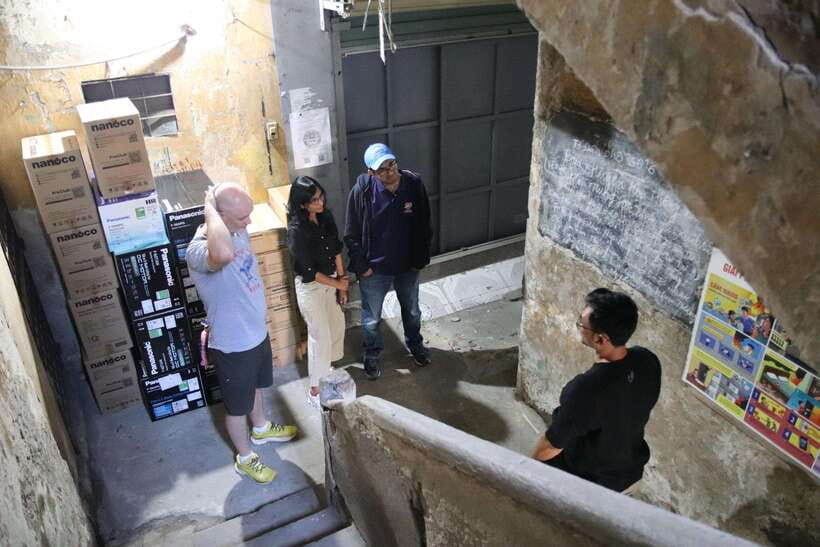
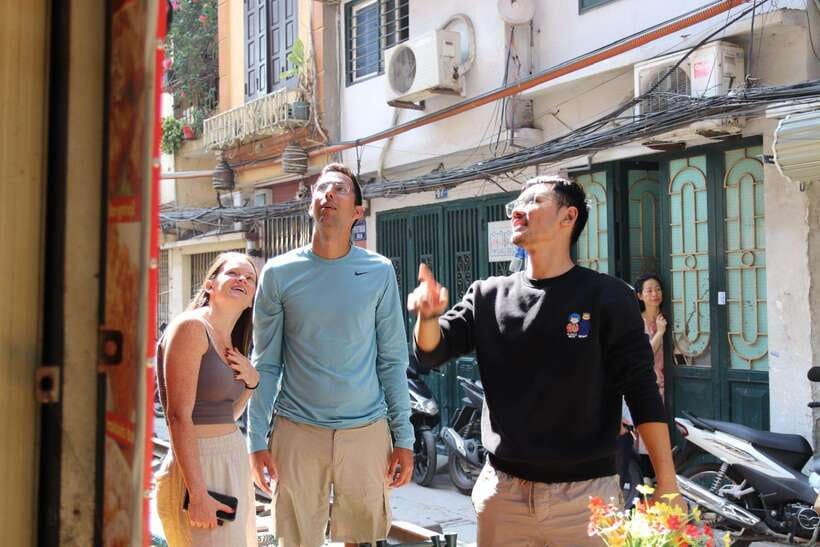
The route includes the Hanoi Train Street community, described in the schedule as Duờng Tau. This is a place where railway life and residential life meet, and it gives the tour a present-day neighborhood setting after the memorial and market stops.
The train line is famous among visitors, but this experience approaches it through community and history rather than treating it only as a photo opportunity. You learn about the people who live and work around the railway and how the area forms part of Hanoi’s daily life.
The Train Street section is useful because it keeps the tour from becoming fixed entirely in the past. Hanoi is not a war museum. It is a living city, and its neighborhoods continue to adapt to new pressures while carrying older memories.
You should follow the guide’s instructions closely here. The supplied details do not specify train schedules, viewing rules, or how close you will stand to the tracks, so do not build your plans around a guaranteed train arrival. The experience is the community and the explanation, not a promise of a particular railway spectacle.
A short taxi ride takes place halfway through the outing. Private transportation is included, which should make the route easier on your feet and help connect areas that are not best linked by a simple walk. The tour ends on Phố Khâm Thiên, and you can walk back toward Hanoi’s Old Quarter from there.
A small group makes the discussion better
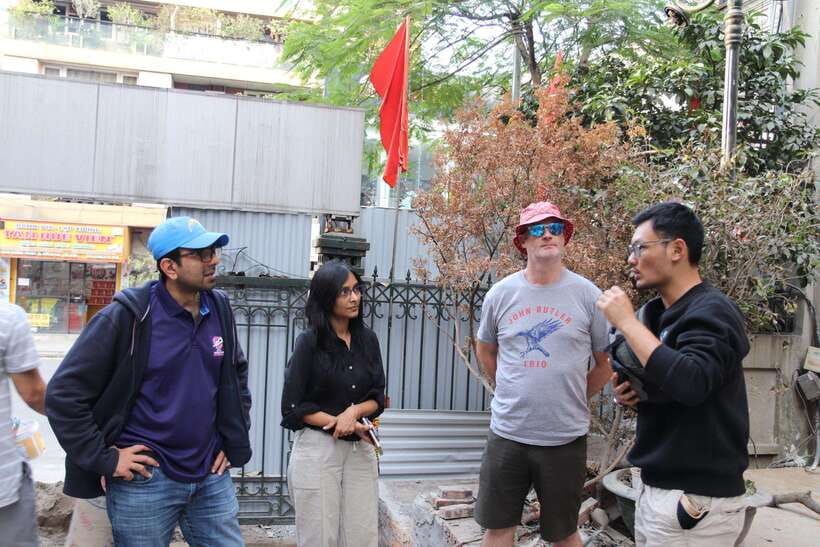
The group is limited to 10 people. That is a useful size for a subject that needs questions and conversation. You are more likely to hear the guide clearly, ask about sensitive topics, and stay connected while moving through local streets.
The experience is presented as a conversation rather than a lecture. That distinction matters. A formal lecture can give you facts quickly, but a discussion lets you pause over questions such as how North and South Vietnamese families viewed the conflict, how unification affected daily life, and how war memories remain part of modern identity.
The guides named in the available information include Dung, Kien, and Thomas. Their approach is described as friendly and personal, with first-hand experiences and strong cultural knowledge. You should still remember that guide assignments can vary, so the individual style may not be identical each time.
The best fit is someone who enjoys interpretation more than simple sightseeing. Families with older children can also find it worthwhile. One family with children aged 13 to 20 particularly valued the combination of history, local culture, and unusual city areas. Younger children may find the subject matter and two-and-a-half-hour format harder to follow.
Is $37 a fair price?
At $37 per person, the value depends on what you want from a Hanoi outing. You are not paying for major entrance tickets, a long vehicle tour, or a full meal. You are paying for a small-group guide, a focused route, coffee or tea, and private transportation for part of the journey.
That is a fair price if you value local explanation and access to places you would probably pass without understanding. Cho Gioi and Kham Thien are not simply interchangeable with Hanoi’s main tourist sights. Their importance comes from the stories attached to them, and a good guide is central to making those stories clear.
The value is also stronger for repeat visitors. If you have already seen the Old Quarter and major city attractions, this route offers a different side of Hanoi. It can also work well early in your stay, since the opening history lesson gives you context for later visits to museums and monuments.
The price is less compelling if your main goal is entertainment, food, or a long list of photo stops. There are only a few locations, and some of the most meaningful moments involve listening and reflecting. That is a strength for history-minded visitors, but a limitation for anyone seeking a fast-paced city tour.
Twenty percent of the profit is donated to the Vietnam Association for Victims of Agent Orange/Dioxin and Blue Dragon’s Children Foundation. That does not replace the need to judge the tour on its own quality, but it gives the purchase a clear social purpose.
Who should book this experience?
I would choose this walk if you want to understand how war shaped ordinary life in Hanoi, especially after the fighting ended. It is a strong match for history buffs, repeat visitors, families with teenagers, and anyone who prefers local neighborhoods to a standard monument circuit.
You should also book it if you like guides who explain culture along with politics. The experience covers traditions, the planned economy, survival, community life, and the divisions between North and South. That wider frame is what makes the route useful.
Think twice if you want a gentle, purely scenic stroll. The subject includes bombing, political conflict, shortages, and the effects of war on civilians. The physical effort is moderate, and the market and railway areas may be less comfortable than a quiet museum.
The tour has free cancellation up to 24 hours before the start time. Service animals are allowed, public transportation is nearby, and confirmation is provided at booking. The mobile ticket keeps the practical side simple, though you should still arrive at the stated Chùa Vua meeting point and allow enough time to find it.
Should you book Vietnam War: Uncovering Hanoi’s Untold Stories?
Book it if you want more than a standard account of the Vietnam War. The strongest part is the link between major political events and everyday places: a memorial in Kham Thien, a market shaped by scarcity, and a railway community that remains part of modern Hanoi.
The tour does not promise a polished attraction at every stop. Instead, it gives you a local guide, a small group, a short taxi ride, and a thoughtful route through parts of the city that many visitors miss. At $37, that is good value for curious visitors who want history explained in the streets where its effects were felt.
FAQ
How long does the Vietnam War: Uncovering Hanoi’s Untold Stories tour last?
The tour lasts approximately 2 hours and 30 minutes.
Where does the tour begin?
It begins at 24B P. Chùa Vua, Phố Huế, Hai Bà Trưng, Hanoi, Vietnam.
Where does the tour end?
The tour ends on Phố Khâm Thiên in the Khâm Thiên area of Đống Đa. You can walk back toward Hanoi’s Old Quarter from there.
Which places are included?
The experience includes Duờng Tau and the Hanoi Train Street community, the Kham Thien B52 Memorial, Cho Gioi historic black market, and the opening conversation at Chùa Vua.
Is transportation included?
Yes. Private transportation is included, with a short taxi ride halfway through the walk. Coffee and tea are also included.
How large is the group?
The tour accepts a maximum of 10 people.
What is the cancellation policy?
You can cancel at least 24 hours before the experience start time for a full refund. Cancellations or changes made less than 24 hours before the start time are not accepted for a refund.
Just added around Hanoi
- Cat Ba National Park, Lan Ha Bay 2 Days 1 Night Adventure★ 4.8 · 9 reviews
- Full day Boat Tour Lan Ha Bay – Ha Long Bay: Kayak, Beach Hopping★ 5.0 · 9 reviews
- Ha Giang Loop 2 Days High quality Small Group +Private Room★ 5.0 · 9 reviews
- Half Day Sapa Cat Cat Explore Waterfall, Workshop, H’mong Local★ 5.0 · 9 reviews
- Sapa 1 Day Trekking★ 5.0 · 9 reviews
- Sapa Open Air Jeep Half Days Off the Beaten Track, Backroad★ 4.9 · 9 reviews
- Halong 2 days 1 night with Cozy Classic Cruise from Hanoi★ 4.5 · 9 reviews
- Fansipan Mount Trekking 1 Day★ 5.0 · 9 reviews
Hanoi Tours, compared.
Hanoi Jeep Tour: Food, Culture and Fun by Vietnam Army Jeep
Read our review →
Full-Day Ninh Binh Highlights Tour from Hanoi
Read our review →
Ha Long Bay Day Cruise – Swimming, Meal, Kayaking
Read our review →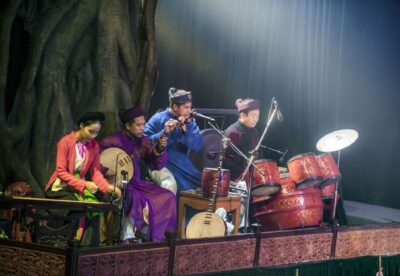
Hanoi Motorbike Tour: Food, Culture and Fun by Vintage Motorbike
Read our review →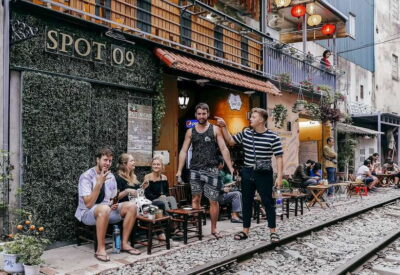

Hanoi Cooking Class: Culture, Local Market & Meaning CSR Impact
Read our review →