
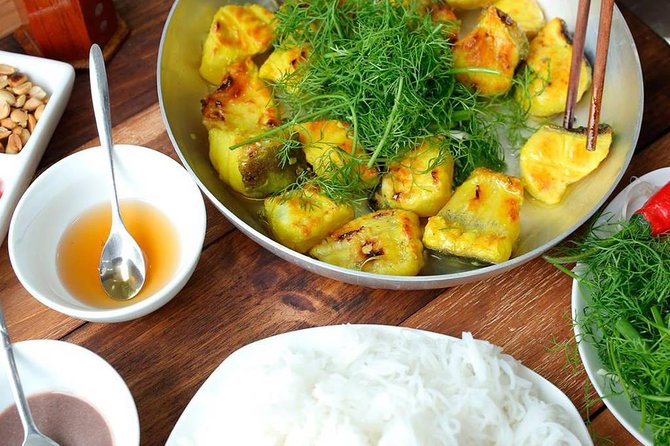
Reviewed · VIETNAMESE COOKING CLASSES
DIY: Vietnamese Cooking Class
The best part of this Hanoi experience is the market visit before the cooking begins. You see the herbs, vegetables, fish, meat, and other ingredients that give Vietnamese food its fresh, sharp character, then use those same ingredients at the stove. It is a useful link between daily life in Hanoi and the food on your plate.
I like the fully hands-on format, especially the chance to prepare dishes such as pho, bun cha, and nem rather than simply watch a chef work. I also like the small maximum group of eight, hotel pickup, and the meal at the end with local wine, coffee, tea, and food prepared by the professional cook.
The main consideration is the menu. The exact dishes can vary between the listed options, so you may not prepare every famous Vietnamese dish in one class. Pickup is also centered on hotels in Hanoi’s central area, so confirm the arrangement if you are staying farther out.
In This Review
- Key points at a glance
- Hanoi food begins at the market
- Choosing between the morning and afternoon class
- What you may cook in the kitchen
- A hands-on class with a meal at the end
- The flavors make sense after you cook them
- Is $50 a fair price?
- Small details that make the day easier
- Who will enjoy this class most?
- Should you book the Vietnamese Cooking Class?
- FAQ
- Where does the Vietnamese cooking class take place?
- How long does the cooking class last?
- Is hotel pickup included?
- What dishes can I learn to cook?
- Is there a vegetarian menu?
- Can the class accommodate allergies or food preferences?
- What is included in the $50 price?
- How many people can join the class?
Key points at a glance
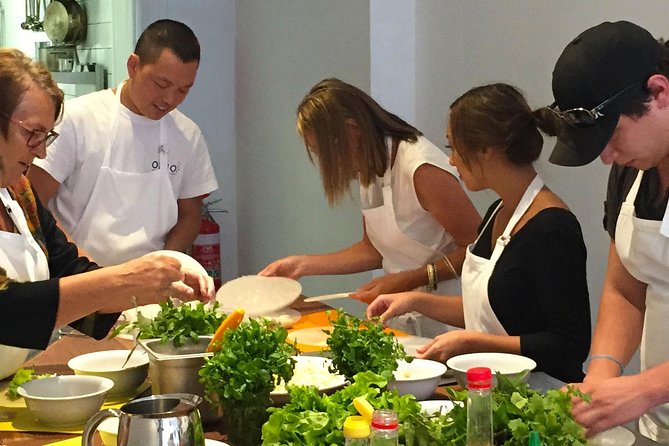
- Local market first: Shop for herbs, vegetables, and other ingredients before cooking, giving you a closer look at everyday Vietnamese food.
- Real cooking, not a demonstration: You take part in preparing the dishes and eat what your group makes.
- Several menu choices: Options can include bun cha, nem, salads, pho, grilled fish, and vegetarian dishes.
- Small group size: The class accepts a maximum of eight people, which should leave more room for instruction and kitchen work.
- Easy five-hour schedule: Choose a morning class from 9:00 to 13:30 or an afternoon class from 15:30 to 20:00.
- Good practical value: At $50 per person, the price includes transport, market shopping, instruction, food, drinks, and the meal.
Hanoi food begins at the market
Vietnamese cooking makes more sense once you see the ingredients in their everyday setting. The market portion gives you that context before you pick up a knife or turn on a burner.
You can expect to look at the herbs, vegetables, meat, seafood, and other staples used in Vietnamese meals. The point is not simply to buy groceries. It is to notice how much of the cuisine depends on fresh produce, fragrant leaves, fish sauce, noodles, and quick cooking.
I find this kind of market stop more useful than a standard sightseeing walk because it has a clear purpose. When you later prepare a salad, soup, spring roll, or noodle dish, you already know where the ingredients came from and why the chef chose them.
The market can also be the most sensory part of the day. You will encounter the sights, smells, and sounds of a working food market, rather than a polished food hall built for visitors. That means the experience may feel less tidy and predictable, but it also gives you a more honest look at how Hanoi households shop.
Your guide leads this part of the outing, and the guide is also available to explain ingredients and cooking choices. If Bon is teaching your class, you can expect an instructor who has been specifically praised for making both the market walk and the kitchen session informative.
More cooking classes in Hanoi:
- Hanoi Cooking Class: Culture, Local Market & Meaning CSR Impact
★ 5.0 · 5,147 reviews - 5 Traditional Dishes Hanoi Cooking Class with Market Trip
★ 5.0 · 4,890 reviews - Vietnamese Food Cooking Class in Hanoi with Market Experience
★ 5.0 · 778 reviews
Choosing between the morning and afternoon class
The morning schedule runs from 9:00 to 13:30. The afternoon schedule runs from 15:30 to 20:00. Both take about four and a half to five hours, depending on the pace of the market visit and meal.
The morning option works well if you want a cooked lunch and still have most of the afternoon free. It also gives you a useful start to a Hanoi day, especially if food is one of your main reasons for visiting the city.
The afternoon class leads into dinner. That timing can be handy if you want a planned evening meal without arranging another restaurant booking. It also leaves your morning open for museums, walking, or other city sights.
Door-to-door transport is included from a hotel in the central area of Hanoi. This removes the need to find the cooking location on your own, which matters in a city where addresses and traffic can make a short ride feel longer than expected.
If your hotel is outside the central area, tell the operator in advance. The pickup may need to be confirmed or adjusted. Your hotel is the meeting point, and confirmation is provided when you book.
What you may cook in the kitchen
The menu has several paths, so the experience is not limited to one fixed set of recipes. The first listed option centers on bun cha, fried nem, and a salad. Bun cha combines grilled pork, noodles, and fish sauce, while nem gives you practice with wrapping and frying spring rolls.
The salad may be banana flower with chicken or green papaya with dried beef. Both choices fit the fresh, crunchy style of Vietnamese food, though the exact salad appears to depend on the available menu.
A second option focuses on chicken pho, green mango salad with seafood, and grilled fish. Pho gives you the chance to work with the famous noodle soup, while the salad adds a sour, crisp contrast. Grilled fish rounds out the menu with a different cooking method.
You should check the menu you will receive rather than assume you will make every dish mentioned in the general description. Pho, bun cha, and nem are all associated with the class, but the course choices suggest that the actual combination can change.
Vegetarian cooking is also available. The vegetarian menu includes fresh or fried spring rolls, tofu with tomato sauce, eggplant with ginger sauce, and either Che, a traditional Vietnamese dessert, or egg coffee.
That makes the class more useful for people who avoid meat, though you should still give your dietary details ahead of time. Special food requests, allergies, and food preferences can be accommodated when arranged in advance, with substitute ingredients or dishes confirmed before the class.
A hands-on class with a meal at the end
This is not designed as a seat-and-watch demonstration. You take part in the preparation, which can include handling vegetables, assembling spring rolls, preparing herbs, and cooking the chosen dishes.
The hands-on format is the strongest reason to book. A cookbook can tell you what ingredients to use, but it cannot easily show you the feel of a good spring-roll filling, the order in which ingredients go into a dish, or the small adjustments that make a sauce work.
The class takes place in a comfortable home setting outside the worst of the city traffic and noise. That detail matters because the cooking portion is meant to be relaxed and practical, not rushed through a crowded restaurant kitchen.
The group limit of eight is another plus. A tiny class is not guaranteed, but the maximum keeps the activity from becoming a large production. You should have a better chance to ask questions, watch the instructor closely, and get involved in the preparation.
At the end, you eat the food your group has made. The professional cook also prepares other special dishes, so the final meal is not limited to the items you handled yourself.
Lunch is included with the morning course, and dinner is included with the afternoon course. Local wine, a welcome drink, water, tea, coffee, snacks, and a cold towel are also part of the package.
A few more Hanoi departures worth weighing up
- Hanoi: 5 Local Dishes Cooking Class with Meal & Market Visit
★ 5.0 · 420 reviews - Hanoi Cooking Class and Market Tour in Ancient House
★ 5.0 · 379 reviews - Rose Kitchen Hanoi: Market, Cooking & Culture Tour + Free PickUp
★ 5.0 · 342 reviews - Hanoi Maya Kitchen: Traditional Cooking Class & Market Tour
★ 5.0 · 287 reviews
The flavors make sense after you cook them
Vietnamese food is often associated with fresh herbs, crisp vegetables, noodles, grilled meat, seafood, and sauces with a balance of salty, sour, sweet, and savory notes. This class gives you a chance to see how those parts fit together.
Bun cha is especially useful for learning that balance. The grilled pork brings a smoky, savory note, while noodles, herbs, and fish sauce keep the dish from feeling heavy. Nem teaches a different lesson, since texture and careful wrapping matter as much as the filling.
Pho is a larger project in concept, even if the class does not cover every long step of a traditional broth. Preparing chicken pho gives you a practical introduction to the ingredients and assembly of one of Vietnam’s best-known foods.
The salads add a welcome change from cooked dishes. Green papaya, green mango, banana flower, herbs, chicken, seafood, or dried beef can make a dish bright and crunchy. These are the kinds of recipes that may be especially easy to repeat at home once you can find the ingredients.
For vegetarians, tofu, eggplant, tomato, ginger, and spring rolls provide a complete meal rather than a single substitute plate. The inclusion of egg coffee or Che also gives the vegetarian option a proper finish.
Is $50 a fair price?
At $50 per person, the cost is reasonable if you value the full package rather than just the cooking lesson. You are paying for roughly five hours, round-trip hotel transport, a market visit, an English-speaking guide, an experienced instructor, ingredients, a meal, snacks, and drinks.
A cooking class that only includes instruction may be cheaper, but it may also leave you to arrange transport, buy food, and find dinner afterward. Here, the market and meal turn the class into a half-day cultural outing.
The value is strongest for first-time visitors who want a guided introduction to Vietnamese food. You get a sense of the ingredients, learn several techniques, and sit down to eat soon after the work is done.
The value is less clear if you are already an experienced Vietnamese cook or mainly want a formal restaurant meal. The class is about participation, not luxury dining, and the final menu can depend on the selected course and available substitutions.
The maximum group of eight helps the price feel fair. It does not promise private instruction, but it should keep the experience more personal than a large coach-group activity.
Small details that make the day easier
Wear clothes that are comfortable for several hours of walking and cooking. The market visit comes before the kitchen, so you should be ready for both parts of the day rather than treating this as a quick indoor lesson.
Tell the operator about allergies, food restrictions, or preferences before the class. The provider says special requests can be handled, but substitute dishes or ingredients need to be confirmed in advance.
The experience includes a bottle of water and bottled water, plus tea and coffee. A welcome drink, snack, and cold towel are also included, which are useful touches during a long food-focused outing.
Mobile tickets are accepted, and confirmation is provided at booking. Pickup is offered from city-center accommodation, but the central pickup area is important enough to check before paying.
The experience is near public transportation, though return transport to your hotel is included when the pickup arrangement applies. The operator offers free cancellation if you cancel at least 24 hours before the local start time. Changes or cancellations inside that window are not refunded.
Who will enjoy this class most?
I would recommend it to home cooks who want recipes they can try again. The direct work with ingredients is more useful than a passive food tour, especially if you want to recreate spring rolls, salads, tofu, or noodle dishes after returning home.
It also suits couples, families, and small groups who want an activity with a shared meal built in. The cooking gives everyone a task, and the meal gives the group a clear payoff at the end.
Vegetarians should consider it, provided they arrange the request ahead of time. The dedicated vegetarian menu is more reassuring than a vague promise to remove meat from a standard dish.
This may be less suitable if you dislike markets, do not want to cook, or prefer a tightly fixed schedule. The market is central to the experience, and the menu has some flexibility.
Should you book the Vietnamese Cooking Class?
Book it if you want more than a restaurant meal and like the idea of learning through food. The market visit, hands-on preparation, small group limit, and included meal make this a well-rounded Hanoi activity for $50.
Before booking, confirm your hotel is in the central pickup area and ask which menu option will be served. If you have allergies or special food needs, send those details in advance.
I would choose the afternoon class when I wanted dinner included, or the morning class when I wanted the rest of the day free. Either way, this is a practical choice for anyone who wants to understand Vietnamese cuisine by shopping for it, cooking it, and eating it.
FAQ
Where does the Vietnamese cooking class take place?
The experience takes place in Hanoi, Vietnam, with pickup offered from hotels in the city’s central area.
How long does the cooking class last?
The activity takes approximately five hours. The morning class runs from 9:00 to 13:30, and the afternoon class runs from 15:30 to 20:00.
Is hotel pickup included?
Yes. Round-trip transfer from city accommodation is included, with your hotel serving as the meeting point. If your hotel is outside the central area, you should inform the operator in advance.
What dishes can I learn to cook?
Possible dishes include pho, bun cha, nem, banana flower salad with chicken, green papaya salad with dried beef, green mango salad with seafood, grilled fish, and several vegetarian dishes.
Is there a vegetarian menu?
Yes. Vegetarian choices include fresh or fried spring rolls, tofu with tomato sauce, eggplant with ginger sauce, and either traditional Vietnamese Che or egg coffee.
Can the class accommodate allergies or food preferences?
Yes. Special food requests, allergies, and food preferences can be accommodated when provided in advance. Substitute dishes or ingredients must be confirmed.
What is included in the $50 price?
The price includes the hands-on class, round-trip city accommodation transfer, local market tour, welcome drink, cold towel, water, snacks, tea, coffee, local wine, an English-speaking guide, an experienced instructor, and lunch or dinner.
How many people can join the class?
The activity has a maximum of eight participants.
More Workshops in Hanoi
- Hanoi Coffee Workshop: Taste Salt, Coconut and Egg Coffee
★ 5.0 · 1,286 reviews - Hanoi: Salt Coffee Workshop Awake Your Senses With 6 Brews
★ 5.0 · 792 reviews - Hanoi: Handcrafted Wood Carving Workshop with Local Artisan
★ 5.0 · 733 reviews - Hanoi Cooking Class: Pho/Bun Cha/Banh Xeo…+Free Egg/Salt Coffee
★ 5.0 · 267 reviews
Just added around Hanoi
- Cat Ba National Park, Lan Ha Bay 2 Days 1 Night Adventure★ 4.8 · 9 reviews
- Full day Boat Tour Lan Ha Bay – Ha Long Bay: Kayak, Beach Hopping★ 5.0 · 9 reviews
- Ha Giang Loop 2 Days High quality Small Group +Private Room★ 5.0 · 9 reviews
- Half Day Sapa Cat Cat Explore Waterfall, Workshop, H’mong Local★ 5.0 · 9 reviews
- Sapa 1 Day Trekking★ 5.0 · 9 reviews
- Sapa Open Air Jeep Half Days Off the Beaten Track, Backroad★ 4.9 · 9 reviews
- Halong 2 days 1 night with Cozy Classic Cruise from Hanoi★ 4.5 · 9 reviews
- Fansipan Mount Trekking 1 Day★ 5.0 · 9 reviews
Vietnamese Cooking Classes, compared.
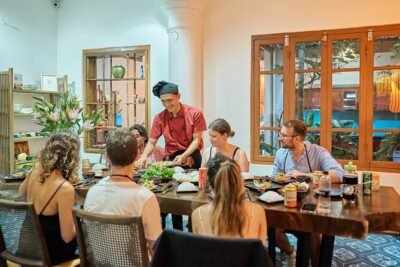
Hanoi Cooking Class: Culture, Local Market & Meaning CSR Impact
Read our review →
5 Traditional Dishes Hanoi Cooking Class with Market Trip
Read our review →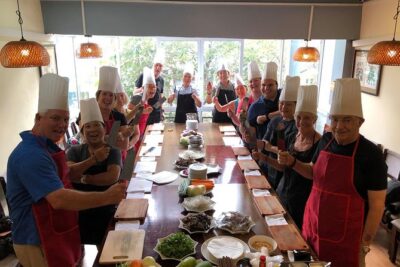
Vietnamese Food Cooking Class in Hanoi with Market Experience
Read our review →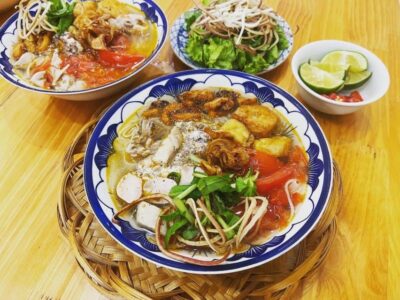
5 Local Dishes Cooking Class with Meal & Market Visit
Read our review →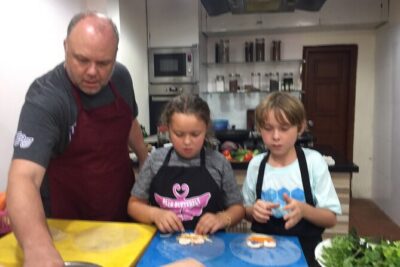
Hanoi Cooking Class and Market Tour in Ancient House
Read our review →
Rose Kitchen Hanoi: Market, Cooking & Culture Tour + Free PickUp
Read our review →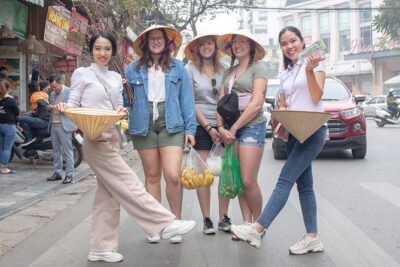
Hanoi Maya Kitchen: Traditional Cooking Class & Market Tour
Read our review →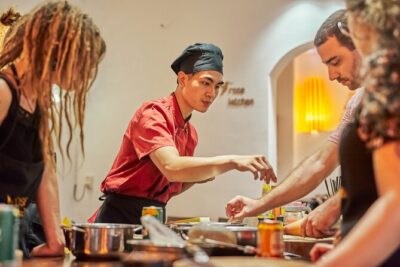
Hanoi Cooking Class: Pho/Bun Cha/Banh Xeo…+Free Egg/Salt Coffee
Read our review →Browse the lists this tour appears in