
Reviewed · EGG COFFEE EXPERIENCES
Hanoi Coffee Workshop: Taste Salt, Coconut and Egg Coffee
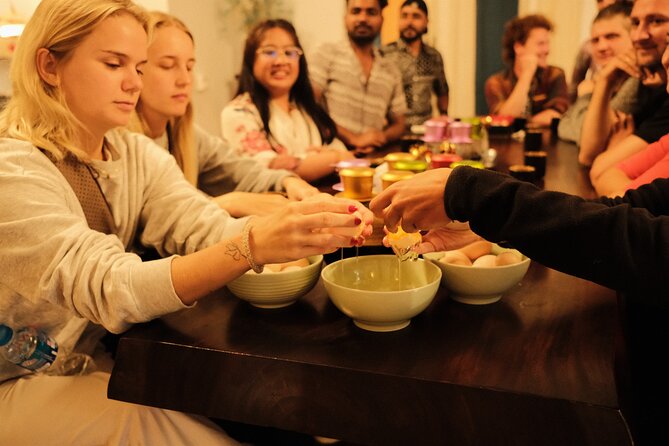
Vietnamese coffee gets far more interesting than condensed milk and ice. At Local Beans Roastery, you make six drinks, including salt, egg, and coconut coffee, then taste them while learning how coffee moved from farm life into everyday Hanoi culture. The coffee cocktail, made with local jam and wine, adds a playful finish.
I like the hands-on format: grinders, filters, and other equipment are supplied, so you can focus on technique instead of packing half a café. I also like the teaching style. Val, Lin, Luka, Giang, and Valerie are praised for making solo visitors feel welcome and for explaining coffee in plain terms.
The main thing to consider is the amount of caffeine and dairy. Six tastings in three and a half hours can be a lot, though vegan and other dietary needs can be accommodated. The workshop also presents robusta as an important part of Vietnam’s coffee story, and some people may prefer a more critical comparison of its flavor and commercial use.
In This Review
- What makes this Hanoi coffee workshop worth your time
- Starting at Local Beans Roastery on Hoang Hoa Tham Street
- Beginning with Vietnam’s coffee story
- Learning roast levels before brewing
- Making the classic phin coffee
- Exploring brown, salt, egg, and coconut coffee
- Finishing with a coffee cocktail and rice wine
- How the teaching style shapes the experience
- What you take home after three and a half hours
- Is $16 a good price for this Hanoi activity?
- Who should book this coffee class?
- Timing, pickup, and cancellation details
- Should you book the Local Beans Roastery workshop?
- FAQ
- How long does the Hanoi coffee workshop last?
- How much does the experience cost?
- Where does the workshop start and end?
- Is hotel pickup available?
- Which coffees will I make?
- Is equipment provided?
- Can vegan visitors and people with dietary restrictions join?
- What is included besides coffee?
- Can I cancel for a full refund?
What makes this Hanoi coffee workshop worth your time
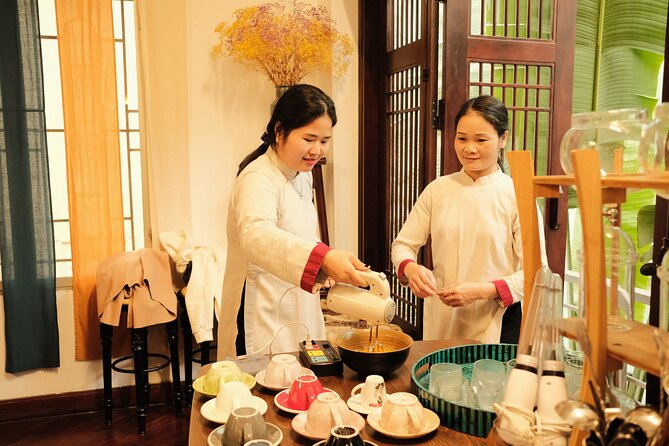
- Six Vietnamese drinks in one session: Make classic phin coffee, brown coffee, salt coffee, egg coffee, coconut coffee, and a coffee cocktail.
- A real hands-on lesson: Use provided filters, grinders, and brewing equipment rather than simply watching a demonstration.
- Stories behind each cup: Learn about Vietnam’s coffee-growing culture, roast levels, and the place of coffee in daily life.
- Friendly individual teaching: Guides including Val, Lin, and Luka involve each person and invite questions.
- Extras beyond coffee: Start with herbal ginger root and peach tea, enjoy snacks, and finish with homemade rice wine.
- Useful take-home material: Receive digital coffee books, a recipe book, and a professional certificate if requested.
Starting at Local Beans Roastery on Hoang Hoa Tham Street
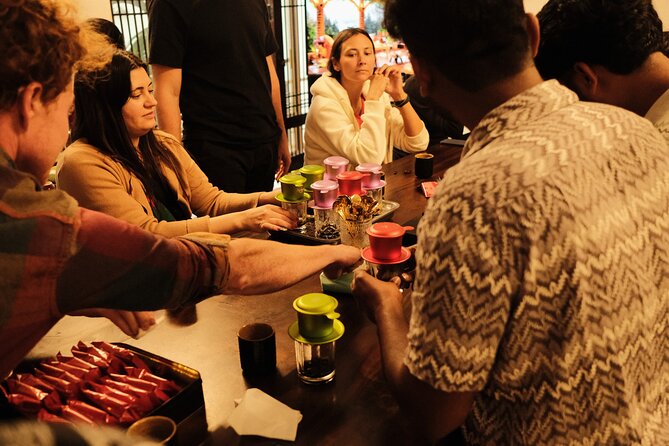
The workshop begins at Local Beans Roastery, at No. 75/173 Hoang Hoa Tham Street in Ba Dinh. The activity returns to this same meeting point, so you do not need to work out a second pickup location at the end.
If your hotel is in Hanoi’s Old Quarter, pickup and drop-off are available. That is useful in a city where a short distance can take patience, especially when you are trying to arrive on time with a clear head and an appetite for coffee.
If you are not using the pickup service, plan your route carefully. The stated meeting point is outside the Old Quarter, and the address should be saved on your phone before you leave. Confirmation arrives when you book, and mobile tickets are accepted.
The workshop lasts about three hours and 30 minutes. That is long enough to explain the ingredients and methods, let you make the drinks, and give you time to taste them instead of rushing from one cup to the next.
More egg coffee and cafe stops:
- Hanoi: Salt Coffee Workshop Awake Your Senses With 6 Brews
★ 5.0 · 792 reviews - Hanoi: Vietnamese Street Food Tour with Egg Coffee
★ 4.9 · 315 reviews - Ha Noi Egg Coffee Class
★ 5.0 · 227 reviews
Beginning with Vietnam’s coffee story
The first part sets coffee in its Vietnamese setting. You learn how coffee became part of local culture and how its path from farms to cafés shaped the drinks you are about to make.
This context matters because Vietnamese coffee is not simply a stronger version of coffee served elsewhere. The use of the phin filter, the popularity of robusta, condensed milk, egg foam, coconut, salt, and local spirits all reflect different habits and ingredients.
The host is described as a Vietnamese barista with a connection to coffee farms and years of experience with the craft. The named instructors vary by session, but Val, Lin, and Luka receive particular praise for clear instruction, humor, organization, and personal attention.
I would ask questions here, especially if you want to understand robusta. One useful point is that robusta is central to Vietnam’s coffee identity, even though it may not suit every palate. A thoughtful tasting should help you notice its role without treating it as automatically superior to other beans.
The class is designed to include each person in the process. That makes it a good choice for a solo visitor who wants a social activity without the pressure of a large sightseeing group. The listed maximum is 100 people, which is a high possible limit, so the actual group size may matter. If a small class is important to you, ask the provider before booking.
Learning roast levels before brewing
You are introduced to roast levels and how they affect aroma and taste. This is one of the most useful parts for anyone who usually buys coffee by label alone.
A darker roast can change the smell, body, bitterness, and overall impression of a drink. The workshop connects those changes to the Vietnamese recipes, helping you understand why one brewing method works with a bold coffee while another needs sweetness, creaminess, or a salty edge.
The lesson is not only about making attractive drinks. You also learn how to distinguish a well-brewed cup from an ordinary one. That basic tasting skill can help you order coffee more confidently at cafés around Hanoi.
The focus remains practical. Equipment such as grinders and filters is supplied, so you do not have to bring anything special. You can pay attention to the coffee itself, the brewing sequence, and the balance of flavors.
Making the classic phin coffee
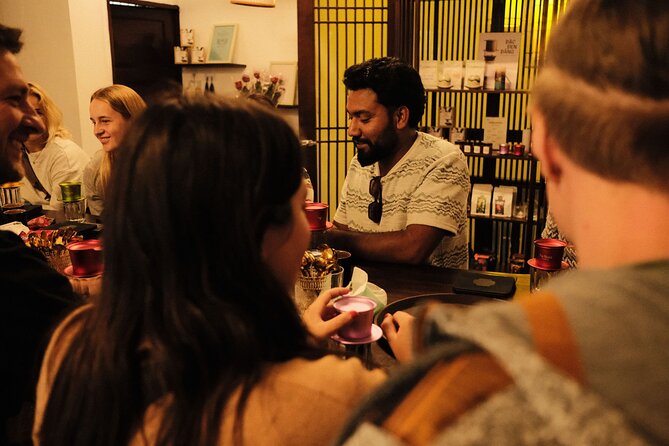
The traditional phin brew is the foundation of the session. This small Vietnamese metal filter sits over the cup and lets coffee drip slowly into it.
You learn the method from the people leading the workshop, then taste the result. The pace of a phin brew is part of its appeal. It is slower than pressing a button, and the drink encourages you to pause while the coffee passes through the filter.
This is the recipe most likely to help you understand everyday Vietnamese coffee. It shows how a simple tool can produce a distinctive drink, especially when paired with the bold coffee style common in Vietnam.
Pay attention to the difference between watching a barista use a phin and using one yourself. The workshop gives you practice, not just a finished sample. That makes the included recipe book more useful once you return home.
A few more Hanoi departures worth weighing up
- Hanoi Coffee Experience: 6 Brews, 9 Recipes & 3 Liquor Tastings
★ 5.0 · 2,945 reviews - Hanoi Cooking Class: Pho/Bun Cha/Banh Xeo…+Free Egg/Salt Coffee
★ 5.0 · 267 reviews - Hanoi Coffee Workshop: Master 6 Signature Vietnamese Coffee
★ 5.0 · 171 reviews - Hanoi French Quarter: Coffee and Stories
★ 5.0 · 170 reviews
Exploring brown, salt, egg, and coconut coffee
The middle of the workshop moves through several famous Vietnamese variations. Each one changes the coffee in a different way.
Brown coffee generally refers to coffee paired with sweetened condensed milk, one of Vietnam’s best-known combinations. The sweetness softens the coffee’s force and gives the drink a thick, dessert-like character.
Salt coffee adds a small but important twist. Salt can sharpen the flavor and balance bitterness when used carefully. It is the kind of drink that may surprise you, especially if you arrive thinking salt belongs nowhere near coffee.
Egg coffee is the most famous Hanoi specialty in this lineup. Its creamy topping turns coffee into something closer to a soft dessert, while the coffee underneath keeps the drink from becoming completely sweet.
Coconut coffee brings another texture and flavor. The coconut element gives the cup a cooler, sweeter profile and makes a useful contrast with the darker, stronger phin brew.
The value here is the comparison. You do not taste one unusual drink in isolation. You move through a set of recipes and notice how sweetness, salt, egg, and coconut change the same basic ingredient.
The workshop can accommodate vegan participants and people with dietary restrictions. Tell the provider about your needs in advance so the recipes can be adjusted appropriately. The supplied information does not specify every substitute, so it is sensible to confirm the details before arriving.
Finishing with a coffee cocktail and rice wine
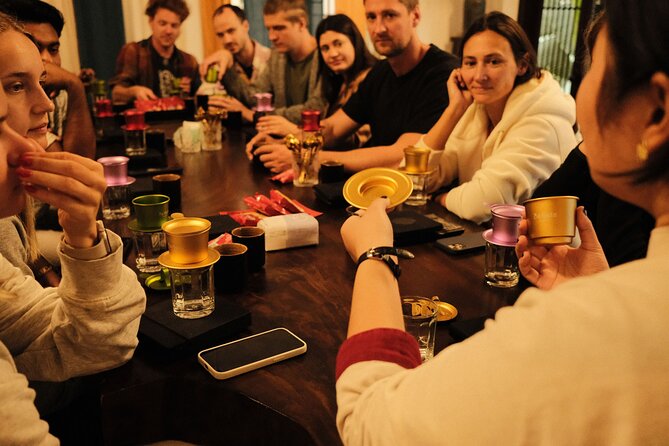
The final coffee recipe is a creative cocktail made with local jam and wine. It moves the session away from traditional café drinks and shows how coffee can work with local ingredients in a more inventive format.
This is also where the workshop becomes less like a standard brewing class. You are not only learning a household recipe. You are seeing how the host interprets Vietnamese flavors through coffee.
A bonus tasting of homemade rice wine follows. It is a small extra, but it gives the workshop another connection to local food and drink culture. If you do not drink alcohol, tell the host. The supplied information confirms dietary accommodations, but it does not state the exact nonalcoholic alternative for the cocktail or rice wine.
You also receive welcome herbal ginger root and peach tea, along with snacks. Those details help break up the coffee tasting and give your palate a rest during a long session.
How the teaching style shapes the experience
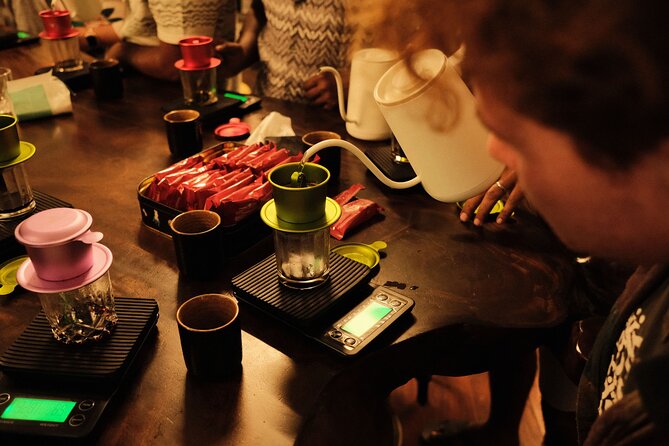
The strongest feature is the teaching. Val is described as funny and well organized, while Lin is praised for involving every person and encouraging questions. Luka is noted for being professional and clear, and Giang and Valerie are credited with making the practical work easier.
The names matter because the session depends on the host. A coffee workshop can become dull if the instructor simply recites facts. Here, the emphasis is on participation, stories, and tasting each drink as it is made.
You should expect a social class rather than a private lesson. That can work well if you like comparing results and meeting people during a shared activity. It may be less appealing if you want quiet, highly technical training focused on advanced espresso skills.
The class is also welcoming to people who are not serious coffee drinkers. One especially useful point is that the recipes are different enough to give non-coffee drinkers several ways into the subject. You might dislike a plain black brew but enjoy egg or coconut coffee.
What you take home after three and a half hours

The practical value continues after the final tasting. A recipe book is provided, and digital copies of coffee books related to the workshop are included.
That makes this more than a one-time tasting. You can try the recipes again at home, provided you can find the ingredients and equipment. The workshop supplies the special tools during class, but the information does not state that a phin, grinder, or coffee beans are included as take-home items.
The professional certificate is available if requested. I would treat it as a keepsake rather than a formal qualification. Its value is personal and practical, especially if you enjoy collecting certificates from food and craft activities.
Some visitors purchase products from the company so they can recreate the drinks at home. Product availability is mentioned in the experience information, but specific prices and items are not provided. Ask about current stock if taking coffee home is important to you.
Is $16 a good price for this Hanoi activity?
At $16 per person, the workshop offers three and a half hours of instruction, six coffee preparations, snacks, welcome tea, rice wine tasting, equipment use, recipes, and digital reading material. That is strong value if you want an activity with real participation rather than a short tasting.
The price also includes guidance from experienced coffee instructors. Pickup and drop-off within the Old Quarter are available, though you should confirm how that service is arranged for your booking.
The value is lower if you mainly want to drink egg coffee once. Hanoi cafés can provide that more cheaply and with less time. This experience earns its price through the range of recipes, the coffee background, and the chance to make the drinks yourself.
Group discounts are available, which may help if you are booking with friends or family. Tips and personal expenses are not included, so keep a little extra money available if you want to tip the host or buy coffee products.
Who should book this coffee class?
I would recommend it to:
- Coffee fans who want to understand Vietnamese brewing rather than simply order a cup.
- Food-focused visitors looking for local flavors, including egg, coconut, salt, jam, wine, ginger, and rice wine.
- Solo visitors who want a structured group activity with an easy way to meet people.
- Non-coffee drinkers who are curious about unusual recipes and sweeter, creamier styles.
- Rainy-day planners who need an indoor Hanoi activity lasting most of an afternoon or morning.
- Home brewers who want recipes and a better sense of how roast and brewing affect taste.
I would be more cautious if you have a low caffeine tolerance, dislike sweet drinks, or expect a formal barista qualification. The course teaches useful brewing skills, but its heart is Vietnamese coffee culture and tasting, not professional espresso training.
Timing, pickup, and cancellation details
The workshop is offered as a mobile-ticket activity, and confirmation is provided at booking. Hotel pickup and drop-off cover the Old Quarter area, while the activity itself starts and ends at Local Beans Roastery.
Service animals are allowed, and the meeting point is near public transportation. The stated maximum is 100 people, though the actual number for your session is not given.
Free cancellation is available if you cancel at least 24 hours before the local start time. Cancellation within 24 hours, or changes made during that period, are not accepted for a refund.
Should you book the Local Beans Roastery workshop?
Book it if you want to understand why Hanoi coffee is more than a strong drink with condensed milk. You will make six distinct recipes, hear the story behind them, and leave with instructions you can use again.
The best reason to choose this class is its range. You move from a traditional phin brew to salt, egg, coconut, and a wine-based cocktail, so you can compare the drinks instead of treating one specialty as the whole story.
Skip it if you only want a quick café stop or if a large possible group size worries you. For most people who have three and a half hours, $16, and an interest in local food culture, this is a practical and enjoyable way to spend part of a Hanoi visit.
FAQ
How long does the Hanoi coffee workshop last?
The workshop lasts approximately three hours and 30 minutes.
How much does the experience cost?
The listed price is $16 per person.
Where does the workshop start and end?
It starts at Local Beans Roastery, No. 75/173 Hoang Hoa Tham Street, Ngoc Ha Ward, Ba Dinh, Hanoi. The activity ends back at the same meeting point.
Is hotel pickup available?
Yes. Hotel pickup and drop-off are available within Hanoi’s Old Quarter area.
Which coffees will I make?
You will make six Vietnamese coffee styles: classic phin coffee, brown coffee, salt coffee, egg coffee, coconut coffee, and a coffee cocktail made with local jam and wine.
Is equipment provided?
Yes. Filters, grinders, and other special coffee-making equipment are provided during the workshop.
Can vegan visitors and people with dietary restrictions join?
Yes. Vegan visitors and people with dietary restrictions can be accommodated. Tell the provider about your needs before the workshop so arrangements can be made.
What is included besides coffee?
The experience includes snacks, welcome herbal ginger root and peach tea, guidance from coffee instructors, a homemade rice wine tasting, a recipe book, and digital coffee books. A professional certificate is available if requested.
Can I cancel for a full refund?
Yes, if you cancel at least 24 hours before the experience start time. Cancellations or changes made less than 24 hours before the start time are not refundable.
More Workshops in Hanoi
- Hanoi Cooking Class: Culture, Local Market & Meaning CSR Impact
★ 5.0 · 5,147 reviews - 5 Traditional Dishes Hanoi Cooking Class with Market Trip
★ 5.0 · 4,890 reviews - Vietnamese Food Cooking Class in Hanoi with Market Experience
★ 5.0 · 778 reviews - Hanoi: Handcrafted Wood Carving Workshop with Local Artisan
★ 5.0 · 733 reviews
Just added around Hanoi
- Cat Ba National Park, Lan Ha Bay 2 Days 1 Night Adventure★ 4.8 · 9 reviews
- Full day Boat Tour Lan Ha Bay – Ha Long Bay: Kayak, Beach Hopping★ 5.0 · 9 reviews
- Ha Giang Loop 2 Days High quality Small Group +Private Room★ 5.0 · 9 reviews
- Half Day Sapa Cat Cat Explore Waterfall, Workshop, H’mong Local★ 5.0 · 9 reviews
- Sapa 1 Day Trekking★ 5.0 · 9 reviews
- Sapa Open Air Jeep Half Days Off the Beaten Track, Backroad★ 4.9 · 9 reviews
- Halong 2 days 1 night with Cozy Classic Cruise from Hanoi★ 4.5 · 9 reviews
- Fansipan Mount Trekking 1 Day★ 5.0 · 9 reviews
Egg Coffee Experiences, compared.
Salt Coffee Workshop Awake Your Senses With 6 Brews
Read our review →

Hanoi Coffee Workshop: Master 6 Signature Vietnamese Coffee
Read our review →
Hanoi Coffee Class learning 5 famous coffee in Hanoi
Read our review →
Mini Hanoi Coffee Workshop: Pick Any Signature Coffee You Like
Read our review →

Browse the lists this tour appears in