
Reviewed · HISTORICAL TOURS
Hanoi: Make 6 Iconic Coffees in a Heritage Home with Locals
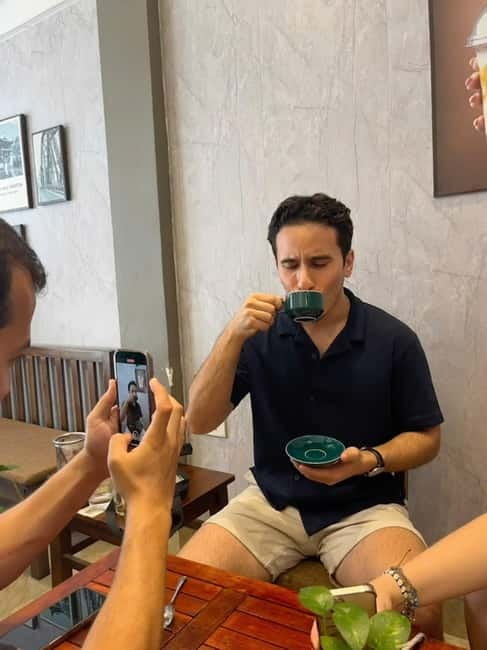
Hanoi’s coffee culture comes alive in a 100-year-old French colonial home, where you make six Vietnamese coffees instead of simply drinking one at a café. The calm rooms, family art, open bar, and local instructors give the session a personal feel. Jade, Jennifer, Jenny, and Mint have each led sessions, explaining the recipes in clear English and sharing stories about coffee in Hanoi.
I like the hands-on format, especially the chance to adjust each cup to your taste while still learning the proper balance. I also like the small groups, capped at 10, and the chance to taste Vietnamese specialty beans along the way. The main consideration is caffeine: six coffees in up to two hours is a lot, even if you only take small tastes.
In This Review
- Key points at a glance
- Entering a quiet Old Quarter home
- Why six coffees make sense in Hanoi
- A hands-on class, not a coffee lecture
- Tasting coffee with all five senses
- The stories behind the recipes
- What you take home besides caffeine
- Is $22 a fair price?
- Who will enjoy this most?
- A few practical points before booking
- Should you book it?
- FAQ
- How long does the coffee workshop last?
- How many coffees will I make?
- Do I need coffee-making experience?
- Who teaches the workshop?
- Where does the activity take place?
- Can I cancel or pay later?
Key points at a glance
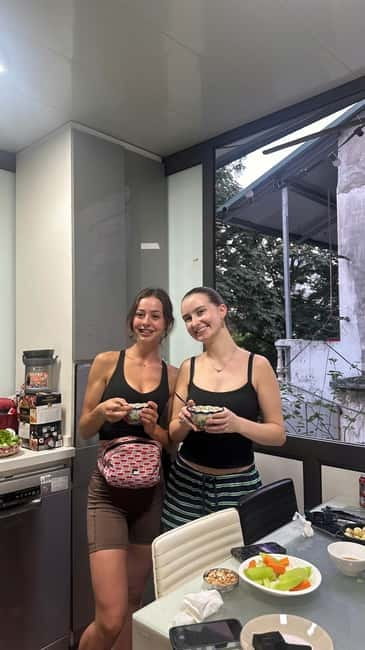
- Six classic Vietnamese coffees: Make egg coffee, coconut coffee, salty coffee, and three other local styles by hand.
- A real family home: Explore rooms filled with old objects, traditional art, and pieces collected by the family over generations.
- Teachers who know Hanoi coffee: Jade, Jennifer, Jenny, and Mint have been praised for patient, clear instruction and useful local advice.
- Small and relaxed: With no more than 10 people, you get close help instead of a rushed demonstration.
- Recipes you can use later: You receive detailed instructions for recreating all six drinks at home.
- Easy for beginners: Ingredients, tools, tea, air conditioning, clean restrooms, and sterilized utensils are provided.
Entering a quiet Old Quarter home
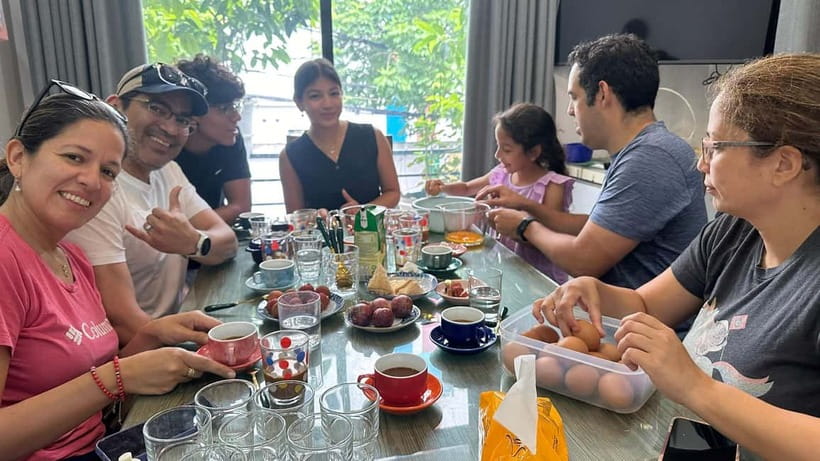
The meeting point is a century-old house tucked into Hanoi’s Old Quarter. That setting matters. You are not walking into a polished cooking school or a busy café packed with tourists. You are entering a family space where coffee sits beside art, household objects, and daily life.
The house is described as peaceful and intimate, a useful contrast to the noise outside. You can look around at traditional pieces collected and preserved by the family over many years. Each object has a story, though the experience is not presented as a formal museum visit. The point is to slow down, notice the surroundings, and let the coffee lesson happen at an unhurried pace.
The open bar keeps the room informal. You can watch the preparation, ask questions, and work through the recipes without feeling that every movement must follow a rigid class schedule. A balcony is also available for taking a break or looking out from the house.
The activity takes place indoors, with air conditioning and clean restrooms. That makes it a sensible plan during Hanoi’s hotter, wetter months, or on a day when you need a break from walking. A pet-friendly garden space is available, and childcare can be arranged, which may help families who want a short activity that does not require a full day of sightseeing.
A few more Hanoi departures worth weighing up
- Ninh Binh Heritage Full Day Tour with Buffet Lunch and Limousine
★ 5.0 · 2,692 reviews - Hanoi Heritage Premium Daily Tour
★ 5.0 · 914 reviews - Halong Heritage Luxury Day Cruise-Buffet lunch&Limousine transfer
★ 5.0 · 846 reviews
Why six coffees make sense in Hanoi
Vietnamese coffee is not one single drink. Hanoi’s café culture includes strong coffee served in different forms, with sweetness, texture, salt, coconut, and egg all changing the character of the cup.
This workshop lets you compare those differences directly. You are not only handed six finished drinks. You help make them, taste them, and adjust them. That gives you a better sense of how each ingredient works.
Egg coffee is the obvious crowd-pleaser. Its creamy topping makes it feel closer to a dessert than a standard cup of black coffee, but the coffee underneath still matters. Making it yourself shows how the texture is built and why the balance between the coffee and the topping is important.
Coconut coffee offers a cooler, sweeter direction, while salty coffee shows how a small amount of salt can change bitterness and bring out other flavors. The remaining styles give you a broader picture of Vietnamese coffee habits, rather than leaving you with only the two best-known drinks.
The exact order and recipes may vary slightly with the instructor and group. The current experience is described as six coffees, while some earlier sessions were described as four or five. If the precise six-drink lineup matters to you, confirm it when booking.
A hands-on class, not a coffee lecture
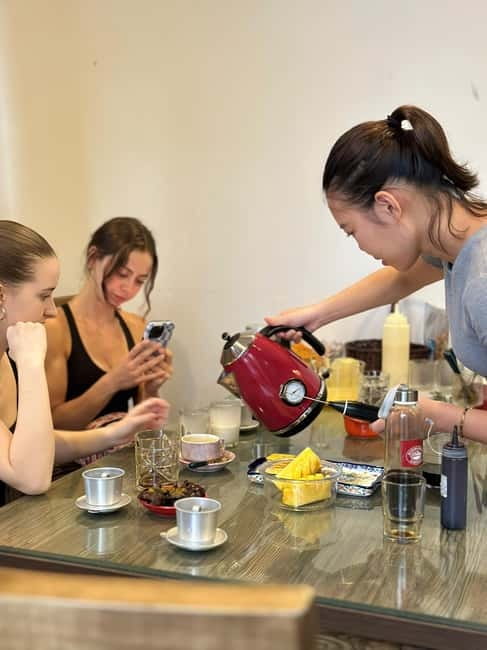
The instructors begin from the basics, so you do not need brewing experience. All ingredients and equipment are supplied, and each step is explained as you work.
That is important for beginners. Vietnamese coffee preparation can look simple from a café table, but small choices affect the result. The instructor shows you how to follow the recipe, then helps you make changes without losing the drink’s traditional character.
You might prefer less sweetness, a stronger coffee flavor, or a lighter topping. The useful part is learning where you can make those changes and where you should keep the proportions steady. This turns the workshop into a practical lesson rather than a tasting session with no follow-up value.
The pace is intentionally relaxed. Past sessions led by Jennifer have been described as step by step, with time for questions about coffee, Vietnamese culture, local history, and places to visit. Mint has also been praised for starting from scratch and not rushing the group. Jade is noted for making egg coffee especially fun, while Jenny has been described as warm and clear in her explanations.
The changing instructor names suggest that you may not get one particular host on your date. That is worth knowing if you are booking because of a specific person. The common thread is local instruction in Vietnamese and English, with an emphasis on patience and conversation.
Tasting coffee with all five senses
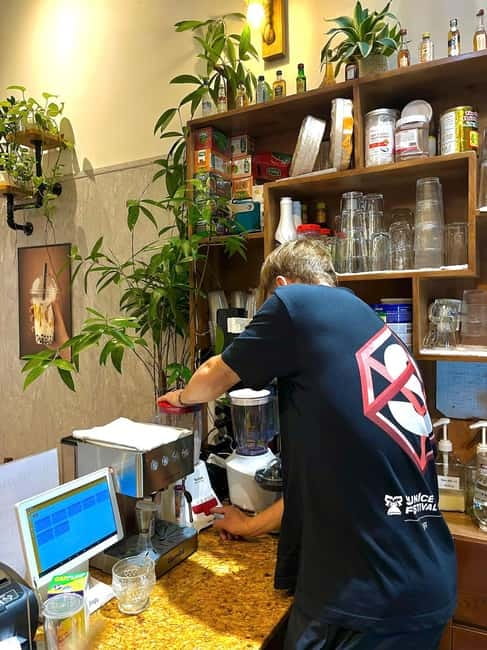
The activity encourages you to use more than taste. You see how each drink is assembled, feel changes in texture, smell the beans and toppings, listen to the story behind each style, and finally judge the cup for yourself.
That approach suits people who want to understand coffee without needing technical coffee vocabulary. You can describe what you like in plain terms. Is the drink too sweet? Is the coffee too strong? Does the topping hide the coffee, or support it? The instructor helps you make sense of those reactions.
The bean tasting adds another useful layer. You try Vietnamese specialty beans collected by the hosts and share your impressions along the way. The experience does not appear to be a formal lesson in roasting or farming, so do not book it expecting a technical coffee certification. Its value is more direct: you taste the ingredient and see how it behaves in several drinks.
Coffee lovers will appreciate the comparison. People who usually drink milk-based or sweet coffee can also take part without feeling out of place. The class is designed around making and tasting, not around already knowing the difference between brewing methods.
Same part of the north, a completely different day out:
- Hanoi Jeep Tour: Food, Culture and Fun by Vietnam Army Jeep
★ 5.0 · 15,222 reviews - Full-Day Ninh Binh Highlights Tour from Hanoi
★ 5.0 · 7,761 reviews - Hanoi: Ha Long Bay Day Cruise – Swimming, Meal, Kayaking
★ 4.7 · 7,415 reviews - Hanoi: Water Puppet Show Tickets
★ 4.6 · 7,029 reviews
The stories behind the recipes
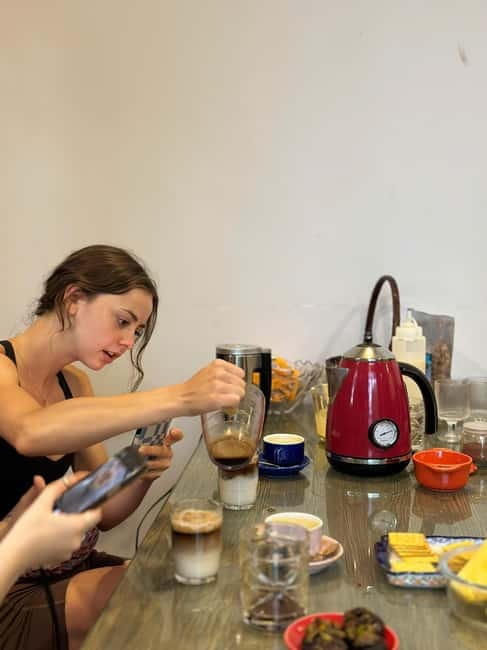
A good food class explains why a dish exists, not only how to assemble it. This workshop connects the drinks to Hanoi’s coffee culture and shares stories about how different styles came into everyday use.
The history is presented through conversation while you work. That keeps the lesson light and social. You are learning about coffee traditions at the same time as you are making them, rather than sitting through a long talk before touching the equipment.
The home setting adds to that sense of continuity. The family’s collected art and household objects place the coffee in a wider cultural setting. You get a look at a lived-in space, not just a recipe card.
The activity should not be treated as a full history of Vietnamese coffee. It is a short food experience, lasting around one to two hours. But for a first introduction, the combination of stories, tasting, and practice gives the drinks more meaning than a quick café stop.
What you take home besides caffeine
The strongest practical benefit is the recipe pack. You receive detailed recipes for all six coffees, along with a skill you can recreate at home.
That makes the $22 price easier to justify. A café crawl could let you taste several drinks, but it would not necessarily show you how to prepare them. Here, you pay for instruction, ingredients, equipment, local context, and the ability to make the drinks again after leaving Vietnam.
The recipes are especially useful if you have access to Vietnamese coffee or similar ingredients at home. You can practice the techniques, adjust the sweetness, and compare your results with what you made during the session.
You also leave with a better idea of what to order elsewhere. After tasting several styles side by side, you can choose egg, coconut, salty, or another Vietnamese coffee with some understanding of what to expect.
Is $22 a fair price?
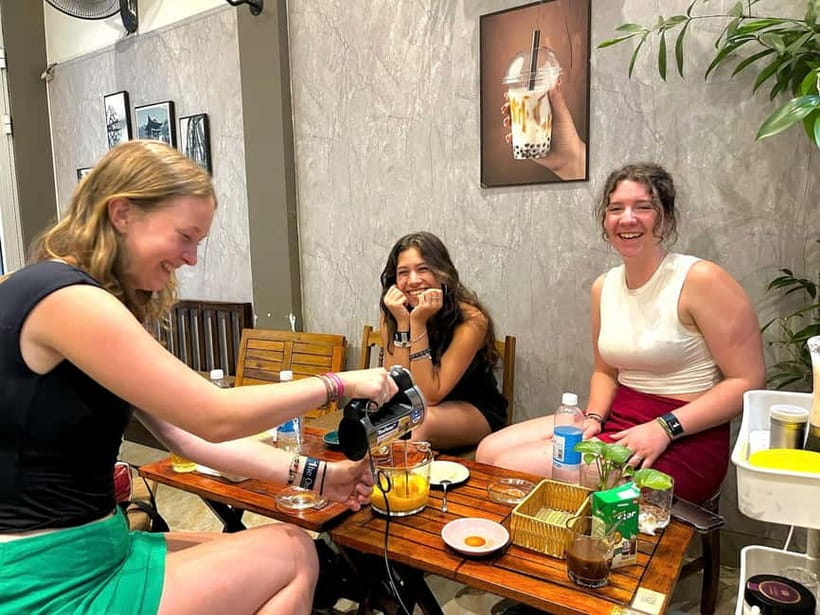
At $22 per person, this is reasonably priced for a small-group activity that includes six coffees, tea, all ingredients, equipment, instruction, and full recipes. The group limit of 10 is important. You are paying for personal help, not only access to a counter.
The value is strongest if you want to make the drinks yourself. If your only goal is to taste egg coffee, a café will cost less and take less time. If you enjoy food preparation, cultural conversation, and practical souvenirs, the workshop offers more.
The price also includes the setting. The old home, balcony, family art, and open-bar layout give the session a sense of place that a standard café table cannot provide. You are still indoors and close to the Old Quarter, so the activity does not demand a full travel day or complicated transport.
For a family, the childcare option and pet-friendly garden space may add useful flexibility. The experience is also wheelchair accessible, according to the supplied details. Since the workshop is indoors, you do not need to plan around weather.
Who will enjoy this most?
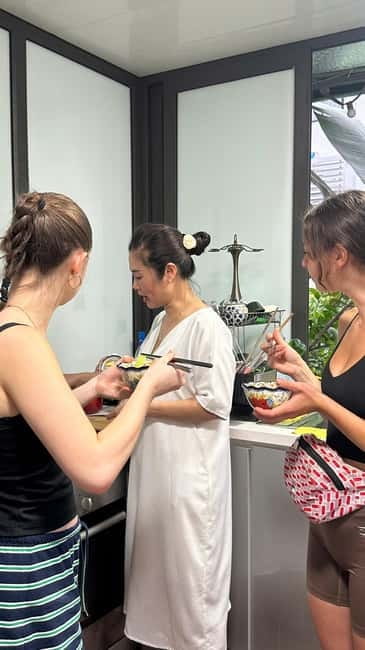
I would recommend this to first-time visitors who want an easy introduction to Hanoi’s coffee culture. It also suits people who like cooking classes but do not want a long or demanding workshop.
Families can consider it because the activity is short, indoors, and supported by childcare availability. The child in a family group may not care about coffee, but the making process and welcoming home setting can still provide a change from temples, museums, and street walking.
Couples and small groups will appreciate the social pace. You can compare your versions of each drink and decide which one deserves a place in your home kitchen.
It is also a good choice for solo visitors. The group is small enough for conversation, and the instructor is present throughout. You will not be left trying to follow a demonstration from the back of a crowded room.
Coffee purists should keep their expectations sensible. This is not described as a professional barista course, and there is no need for previous brewing experience. The focus is Vietnamese coffee styles, family recipes, tasting, and local stories.
A few practical points before booking
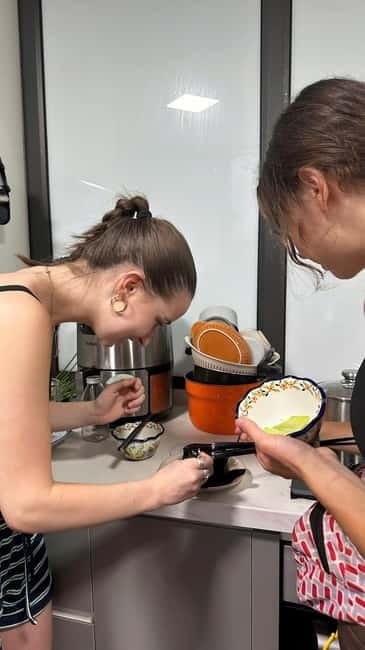
Plan on one to two hours, depending on the starting time and the pace of your group. The activity is conducted indoors, so comfortable clothes are enough. No brewing experience is needed, and the equipment is provided.
English and Vietnamese instruction is available. The hosts have been praised for clear English, especially Jennifer, who has also offered advice about seeing more of Vietnam. Still, instructors can change, so do not assume Jennifer, Jade, Jenny, or Mint will lead every session.
Six drinks can be filling and highly caffeinated. Ask about tasting portions if you are sensitive to caffeine, and pace yourself rather than treating every cup as a full café serving.
Booking is flexible: you can reserve now and pay later, and cancellation is free up to 24 hours before the activity for a full refund. The meeting point is in the Old Quarter, but the house itself is described as tucked away and peaceful, so allow a little time to locate it.
Should you book it?
Book this coffee workshop if you want more than a photograph of egg coffee. You will learn how several Vietnamese drinks are made, taste specialty beans, hear local stories, and leave with recipes you can use.
I would skip it only if you dislike sweet coffee, want a formal barista qualification, or prefer spending your limited Hanoi time outdoors. For most visitors who enjoy food, culture, and a relaxed change of pace, $22 is a fair price for a personal activity in a memorable home setting.
FAQ
How long does the coffee workshop last?
The activity lasts between one and two hours. Starting times vary, so check availability when booking.
How many coffees will I make?
The experience is designed around making six iconic Vietnamese coffees, including egg coffee, coconut coffee, and salty coffee.
Do I need coffee-making experience?
No. Beginners are welcome, and all necessary ingredients and equipment are provided.
Who teaches the workshop?
The activity is led by local Vietnamese instructors who speak Vietnamese and English. In past sessions, instructors have included Jade, Jennifer, Jenny, and Mint.
Where does the activity take place?
It takes place indoors in a peaceful, 100-year-old home in Hanoi’s Old Quarter. The house includes traditional art, family-collected objects, an open bar, and a balcony.
Can I cancel or pay later?
Yes. You can reserve now and pay later. Cancellation is free up to 24 hours in advance for a full refund.
Just added around Hanoi
- Cat Ba National Park, Lan Ha Bay 2 Days 1 Night Adventure★ 4.8 · 9 reviews
- Full day Boat Tour Lan Ha Bay – Ha Long Bay: Kayak, Beach Hopping★ 5.0 · 9 reviews
- Ha Giang Loop 2 Days High quality Small Group +Private Room★ 5.0 · 9 reviews
- Half Day Sapa Cat Cat Explore Waterfall, Workshop, H’mong Local★ 5.0 · 9 reviews
- Sapa 1 Day Trekking★ 5.0 · 9 reviews
- Sapa Open Air Jeep Half Days Off the Beaten Track, Backroad★ 4.9 · 9 reviews
- Halong 2 days 1 night with Cozy Classic Cruise from Hanoi★ 4.5 · 9 reviews
- Fansipan Mount Trekking 1 Day★ 5.0 · 9 reviews
Historical Tours, compared.

Ninh Binh Heritage Full Day Tour with Buffet Lunch and Limousine
Read our review →

Halong Heritage Luxury Day Cruise-Buffet lunch&Limousine transfer
Read our review →
Heritage Binh Chuan 2 Days 1 Night discovery in Lan Ha Bay
Read our review →Lan Ha Bay 3D/2N Discovery on Heritage Cruises Binh Chuan
Read our review →
Old Quarter Hanoi Street Foods and Heritage Road Tour by Walking
Read our review →
Discover Trang An Natural World Heritage, Bich Dong Pagoda, Cycling Day Tour
Read our review →
Coffee, History, and Architecture of the French Quarter
Read our review →Browse the lists this tour appears in