
Reviewed · COFFEE EXPERIENCES
Vietnamese Coffee 101 Workshop
Vietnamese coffee is not just strong coffee with condensed milk. In this three-hour workshop in Dong Bac, you learn why the phin filter drips so slowly, how Vietnamese beans differ, and how five very different drinks come from the same basic ingredient. You also make your own coffee, which turns a café stop into a skill you can repeat at home.
I like the mix of coffee history and hands-on work, and I like that the $22 price includes premium beans, fresh ingredients, recipes, digital coffee books, and a certificate if you request one. The main consideration is the location and timing: pickup outside Hanoi’s Old Quarter costs extra, and the exact starting time depends on availability.
In This Review
- Key points at a glance
- Why Vietnamese coffee deserves three hours
- The opening lesson: beans, roasting, and Vietnam’s coffee story
- Brewing with the traditional phin filter
- Five drinks, five different views of Vietnamese coffee
- Original Vietnamese brown coffee
- Vietnamese coconut coffee
- Pour-over coffee
- Vietnamese egg coffee
- Coffee cocktail
- The hands-on portion is where the value shows
- What the $22 price really covers
- Timing, pickup, and access
- Who will enjoy this workshop most
- A few practical tips before you go
- Should you book the Vietnamese Coffee 101 Workshop?
- FAQ
- How long does the Vietnamese Coffee 101 Workshop last?
- Where does the workshop take place?
- How much does the workshop cost?
- What language is the workshop conducted in?
- Is the workshop wheelchair accessible?
- Which coffee drinks are included?
- Will I learn to use a phin filter?
- Are coffee beans and brewing equipment included?
- Can I cancel the workshop or pay later?
Key points at a glance
- Five distinct coffee styles: Try coconut coffee, brown coffee, pour-over, egg coffee, and a coffee cocktail.
- The phin filter takes center stage: Learn the traditional Vietnamese method, then brew your own cup.
- A useful three-hour format: There is enough time for history, tasting, instruction, and practice without turning the class into a rushed demonstration.
- Good take-home value: You receive recipes and digital coffee books, with optional coffee beans and brewing equipment available to buy.
- English instruction and wheelchair access: The workshop is designed for English-speaking participants and is listed as wheelchair accessible.
- Flexible booking: You can reserve now and pay later, with free cancellation up to 24 hours before the activity.
Why Vietnamese coffee deserves three hours
Vietnam is closely associated with bold coffee, sweetened condensed milk, and the small metal phin filter. Yet the country’s coffee culture has more range than the familiar iced brown coffee served in a tall glass.
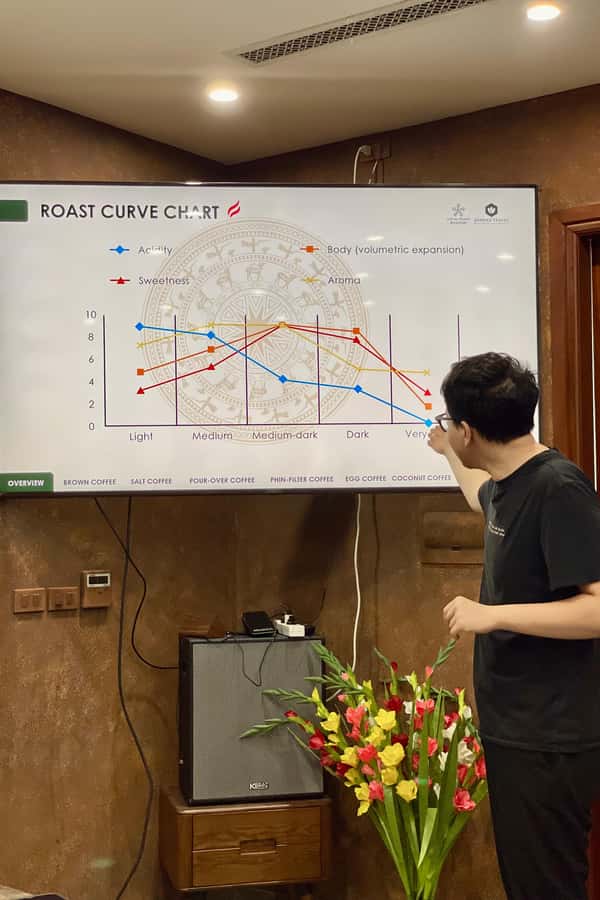
This class gives you the useful backstory first. You learn about coffee’s origins, its arrival in Vietnam, the main bean varieties, and the role of roasting in the final taste. That context matters because the same brewing method can produce a very different cup depending on the bean, roast, grind, water, and sweetener.
I like this approach for first-time visitors. You do not need to arrive with coffee vocabulary or any brewing experience. The guide explains the process in plain terms, then lets you taste the result instead of asking you to remember a lecture.
The workshop also treats coffee as part of daily Vietnamese life. Coffee shops are places to pause, talk, work, and watch the street. A class like this helps you understand why coffee appears in so many forms, from a concentrated black brew to a dessert-like egg coffee.
A few more Hanoi departures worth weighing up
- Hanoi Coffee Experience: 6 Brews, 9 Recipes & 3 Liquor Tastings
★ 5.0 · 2,945 reviews - Hanoi Coffee Workshop: Taste Salt, Coconut and Egg Coffee
★ 5.0 · 1,286 reviews - Hanoi: Salt Coffee Workshop Awake Your Senses With 6 Brews
★ 5.0 · 792 reviews
The opening lesson: beans, roasting, and Vietnam’s coffee story
The first portion sets up the tasting. You look at different coffee beans and learn how their characteristics affect aroma, strength, acidity, and body. The supplied information does not name the precise farms or bean varieties used in each session, so you should not expect a farm visit or a detailed regional field tour.
You will, however, get a working explanation of cultivation, roasting, and grind size. That is valuable when you buy coffee later in Vietnam. A dark, finely ground coffee intended for a phin behaves differently from a lighter roast prepared as pour-over.
The guide also explains the coffee-to-water ratio. This is one of the most useful details for home brewing because small changes can make the drink bitter, thin, or overly heavy. You will learn to connect the taste in your cup with the steps that produced it.
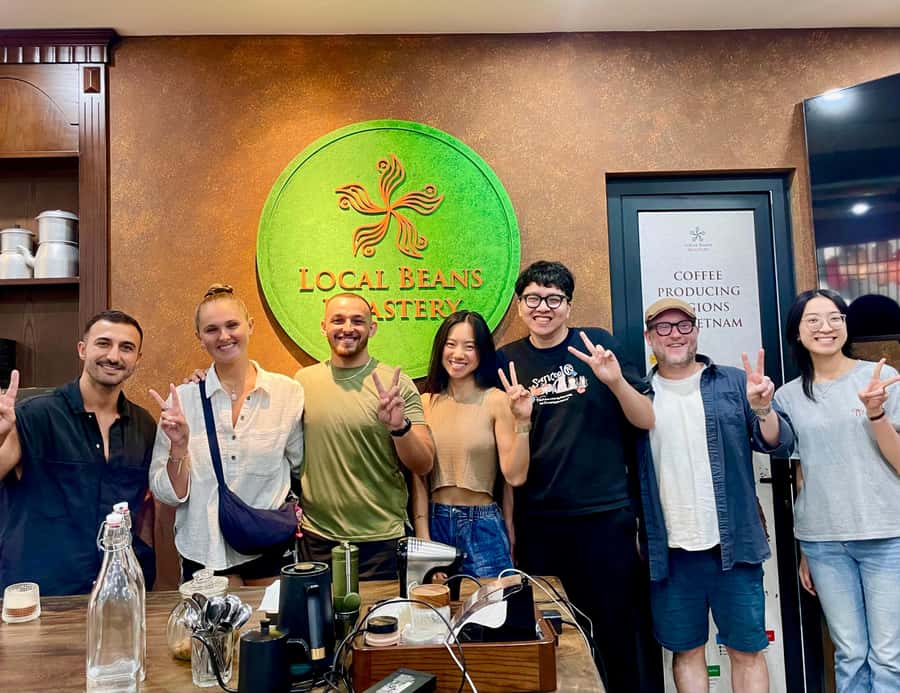
The class is led in English by a coffee guide with experience in coffee history, roasting, and brewing. Individual guide names are not provided, but the format calls for direct instruction rather than a prerecorded presentation.
Brewing with the traditional phin filter
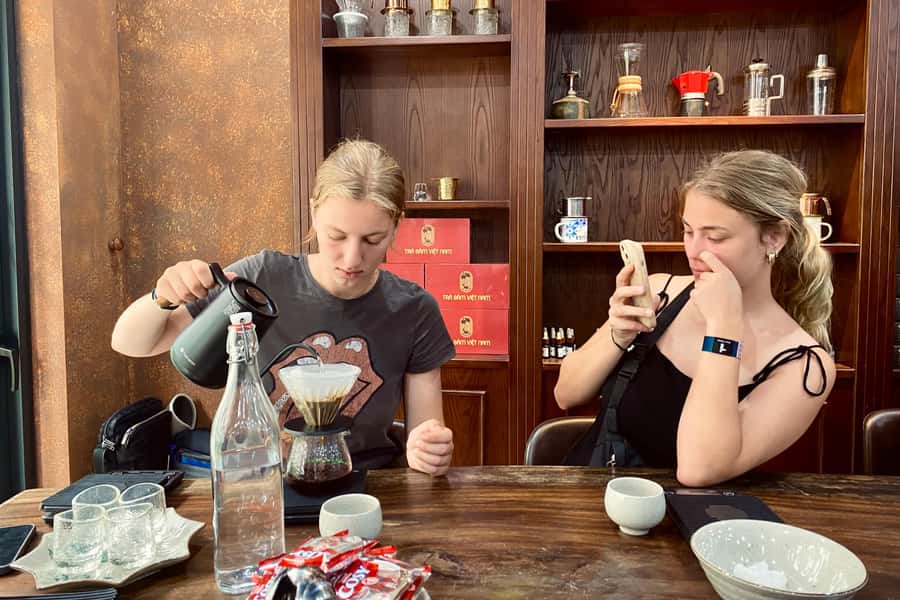
The phin is the heart of the workshop. This compact metal filter sits on top of your glass or cup. You add ground coffee, place the small press inside, and pour hot water over it. The coffee drips slowly, producing a concentrated brew.
You get to use the method yourself instead of simply watching someone else prepare it. The guide can show you how grind size, coffee quantity, water, and pressure affect the drip. The process is slow by design, so this is a good moment to understand why Vietnamese coffee culture rewards patience.
The classic result is original Vietnamese brown coffee, made with the strong phin brew and condensed milk. It can be served hot or iced. The iced version is the familiar choice on a warm Hanoi day, while the hot version lets you notice the coffee’s strength and sweetness more clearly.
I especially like that you make your own cup. The first attempt may not be perfect, but that is the point. You leave with a repeatable method and a better sense of what to adjust next time.
The phin also gives you a practical souvenir option. Coffee beans and brewing equipment are not included, but the provider offers roasted beans and phin filters for purchase. If you want to bring the method home, buying the equipment after you have tried it makes more sense than guessing in a shop.
Five drinks, five different views of Vietnamese coffee
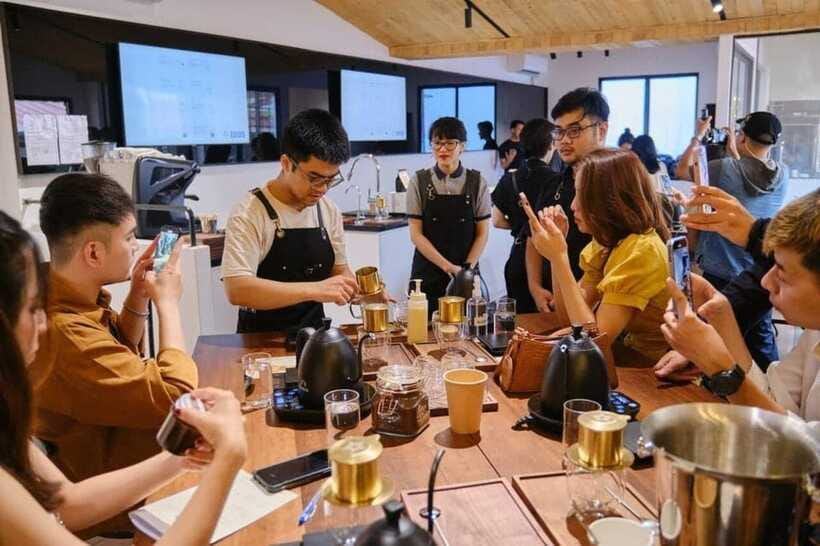
The tasting menu is the workshop’s most enjoyable section. It moves from traditional drinks to modern combinations, showing how coffee functions as both a daily beverage and a base for creative recipes.
Same part of the north, a completely different day out:
- Hanoi Jeep Tour: Food, Culture and Fun by Vietnam Army Jeep
★ 5.0 · 15,222 reviews - Full-Day Ninh Binh Highlights Tour from Hanoi
★ 5.0 · 7,761 reviews - Hanoi: Ha Long Bay Day Cruise – Swimming, Meal, Kayaking
★ 4.7 · 7,415 reviews - Hanoi: Water Puppet Show Tickets
★ 4.6 · 7,029 reviews
Original Vietnamese brown coffee
This is the essential starting point. A strong phin brew meets condensed milk, either hot or over ice. The condensed milk softens the coffee’s bitterness and adds a thick sweetness.
If you normally drink mild coffee, this may taste intense. I suggest taking a small sip before stirring so you notice the concentrated brew on its own, then mixing it to see how much the condensed milk changes the balance.
Vietnamese coconut coffee
Coconut coffee combines coffee with creamy coconut milk. It has a tropical character and feels lighter and more refreshing than the classic brown coffee, although the actual sweetness can vary with the recipe.
This is a useful comparison because it shows how local ingredients reshape the coffee without hiding it completely. If you enjoy sweet iced drinks, this is likely to be one of your favorites.
Pour-over coffee
Pour-over preparation emphasizes the bean’s natural flavor rather than relying on condensed milk or a rich topping. The result is intended to be cleaner and more balanced.
This part is particularly helpful if you are trying to understand the beans themselves. You can compare the same coffee culture through two different brewing styles: the slow, concentrated phin and the more measured pour-over.
The workshop also covers modern methods such as espresso. The listed menu specifically includes pour-over, while espresso appears as part of the broader brewing lesson, so the exact espresso preparation may depend on the session.
Vietnamese egg coffee
Egg coffee is one of Hanoi’s best-known specialties. It combines strong coffee with a creamy mixture made with egg yolk, producing a thick, sweet topping that feels almost like a dessert.
The drink can surprise you. It looks rich, and it is, but the coffee underneath keeps it from becoming simply a sweet cream. The class explains how the topping is made and gives you a chance to appreciate why this drink became such a distinctive part of Hanoi’s café culture.
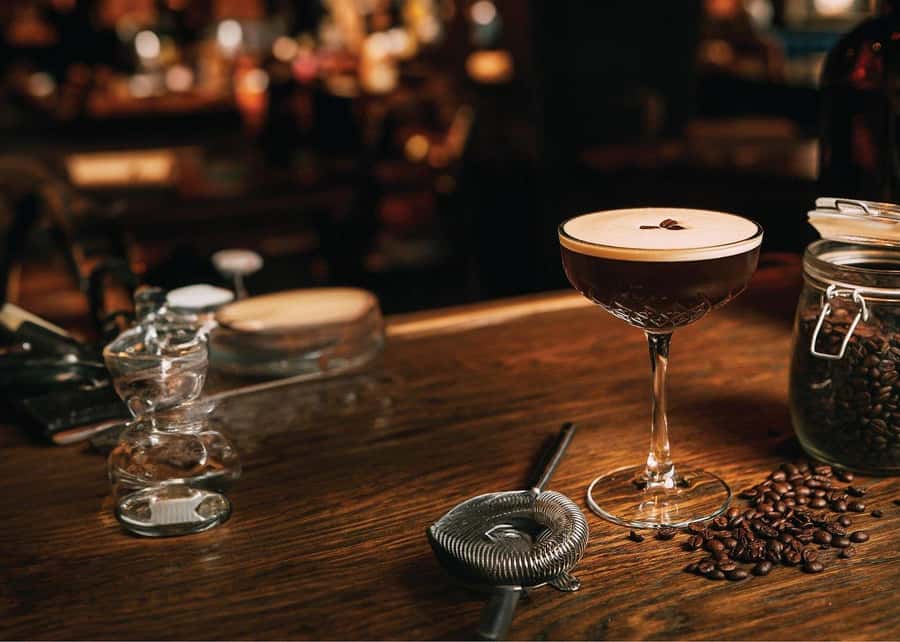
Coffee cocktail
The final style adds spirits to premium coffee. It is a playful way to show that Vietnamese coffee can work beyond breakfast or an afternoon café stop.
Because alcohol is involved, you should treat this as a tasting option rather than a reason to book if you do not drink. The supplied information does not specify the spirits used, so ask the guide about ingredients if that matters to you.
A session has also included local wines as an extra treat. That is not listed as a guaranteed part of the core menu, so consider it a possible bonus rather than something to count on.
The hands-on portion is where the value shows
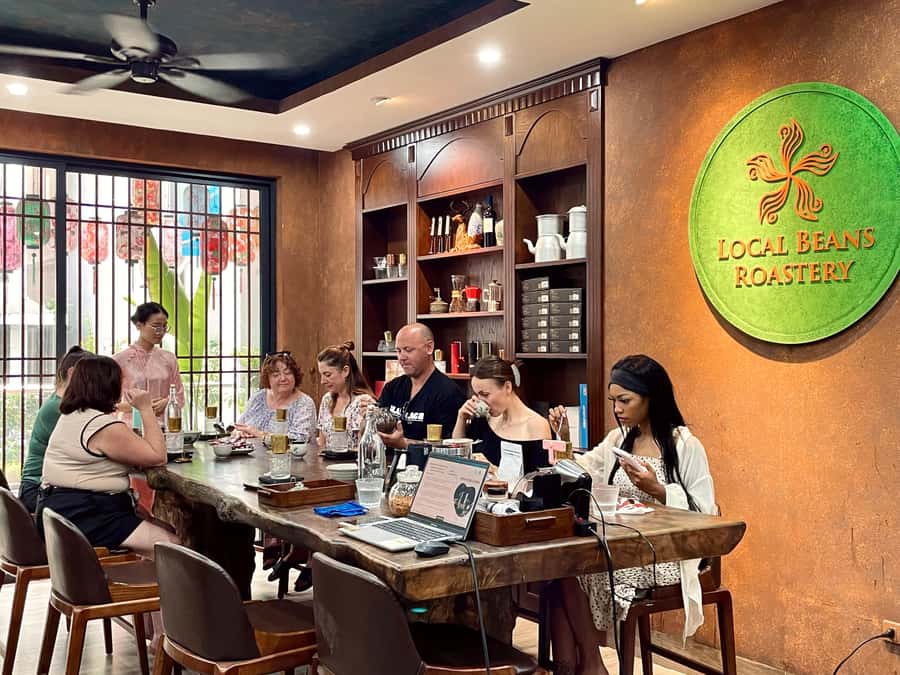
A demonstration alone would make this a pleasant introduction. The hands-on work makes it more useful.
You experiment with brewing methods and flavors, prepare your own coffee, and learn basic coffee art and latte art. The details of the latte art practice are not specified, so you should expect an introduction rather than professional barista training.
The three-hour length works well here. It gives the guide time to explain the technique, let you try it, and correct small mistakes. You are not simply moving from one sample to the next with no chance to ask questions.
The workshop is also suitable for couples, friends, and curious solo visitors who enjoy food-focused activities. It could work for families with older children, but the provider does not give a minimum age, so check before booking if you are traveling with young children.
What the $22 price really covers
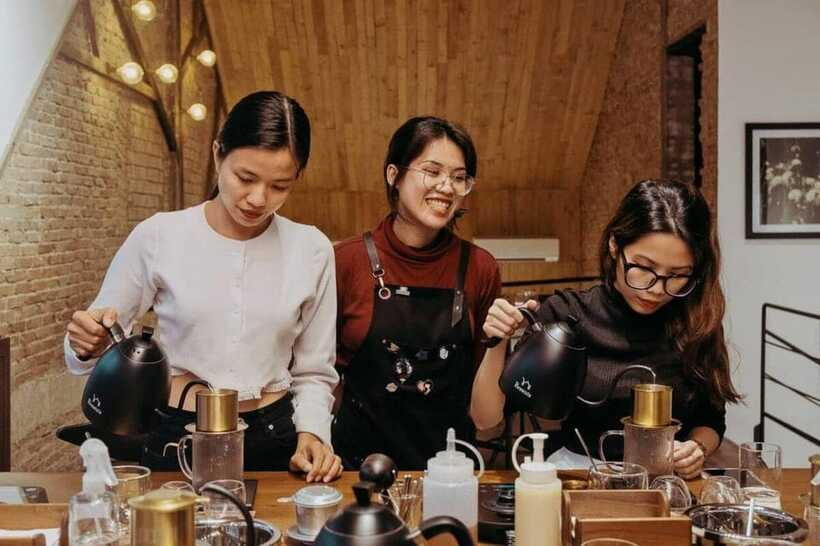
At $22 per person, this is a strong value if you plan to drink Vietnamese coffee during the rest of your trip or want to recreate it at home.
The price includes:
- An English-speaking coffee guide
- Premium Vietnamese coffee beans
- Fresh ingredients
- Hands-on phin and modern brewing practice
- Tastings from the workshop menu
- A recipe book
- Digital copies of coffee books related to the workshop
- A professional certificate if requested
The recipe book is the most practical extra. Digital reading material is useful too, though its value depends on how much you want to continue studying coffee after your visit.
Coffee beans and brewing tools cost extra. That is fair, since not every participant wants to shop, and you can decide after testing the beans and phin method. Personal spending is also separate.
A coffee tasting tour through historic Hanoi cafés, a private class, and coffee bean shopping are available as optional add-ons. These may suit you if you want a more tailored session, but the standard workshop already covers the main brewing lesson and tasting.
Timing, pickup, and access
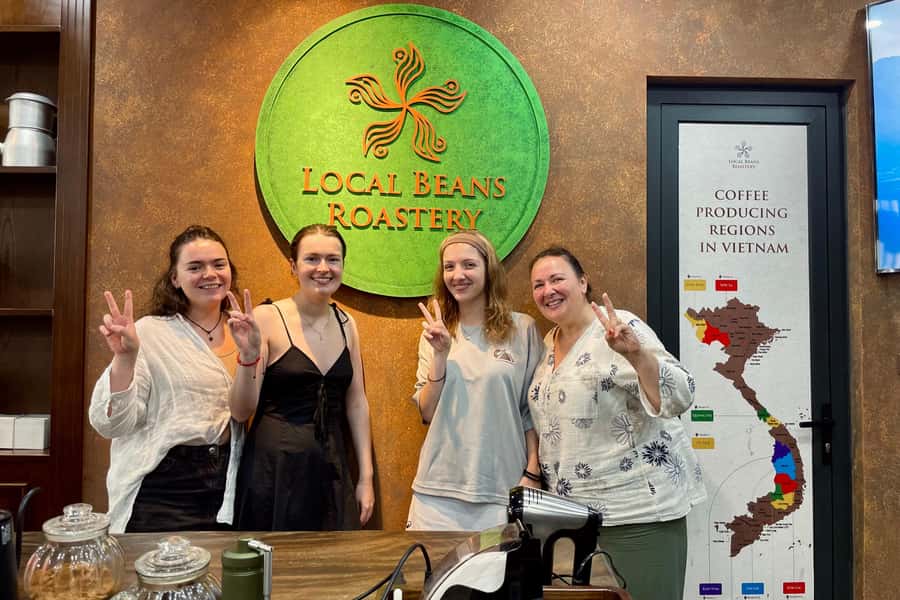
The activity lasts three hours, but the start time is not fixed in the supplied details. You need to check availability for the session that fits your day.
That matters in Hanoi, where a morning class can fit neatly before sightseeing, while an afternoon session may work better after visiting museums or markets. You should avoid placing a tight appointment immediately afterward. Coffee tasting, questions, and hands-on brewing are more enjoyable when you are not watching the clock.
The meeting location is in Dong Bac, Vietnam. Additional pickup fees apply if your position is outside the Old Quarter area. Confirm the pickup arrangement and total cost before you book if you are staying farther away.
The activity is listed as wheelchair accessible. If you need a specific access arrangement, it is still sensible to confirm the details with the provider before arrival.
Booking is flexible: you can reserve now and pay later, and cancellation up to 24 hours in advance qualifies for a full refund. Those terms are helpful when your Hanoi plans are still changing.
Who will enjoy this workshop most

I would choose this workshop for you if you:
- Want an activity that connects food with local culture
- Drink coffee and want to understand Vietnamese preparation
- Prefer learning by doing instead of only sightseeing
- Plan to buy beans or a phin filter
- Enjoy tasting several styles in one sitting
- Have a free three-hour block in Hanoi
It is less suitable if you dislike sweet drinks, cannot consume dairy or eggs, or want a serious professional barista qualification. The menu includes condensed milk, coconut milk, egg coffee, and a cocktail, so ask about ingredients and substitutions if you have allergies or dietary restrictions.
The certificate is available on request, but it should be viewed as a memento of participation, not a professional coffee credential.
A few practical tips before you go
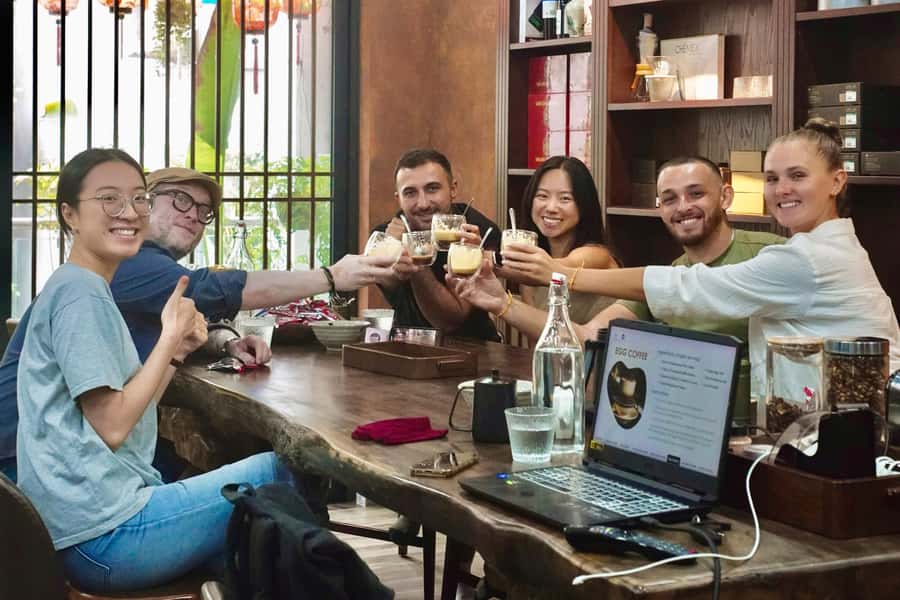
Arrive ready to taste several drinks, not just one cup of black coffee. The menu includes sweet, creamy, concentrated, clean, and alcoholic styles, so the variety is part of the experience.
Wear something comfortable for a class where you will handle coffee, milk, and other ingredients. The provider does not state a dress code, but practical clothing is sensible for any hands-on food activity.
If you want to bring coffee home, wait until after the tasting to choose beans. Your guide can explain which roast and grind suit a phin or pour-over method. The same advice applies to equipment: try the filter first, then decide if it fits your kitchen routine.
Finally, tell the guide if you are new to coffee. The workshop covers basic ideas such as ratios and grind size, so you do not gain anything by pretending to know more than you do. The questions you ask may be the most useful part of the class.
Should you book the Vietnamese Coffee 101 Workshop?
Yes, if you want a reasonably priced Hanoi activity with real participation rather than another seated tasting. For $22, you receive three hours of instruction, several coffee styles, hands-on brewing, recipes, digital books, and optional certification.
The best reason to book is the phin lesson. Once you understand that small filter, Vietnamese coffee shops and menus make more sense, and you can reproduce the experience at home. The egg coffee, coconut coffee, pour-over, and cocktail add welcome variety.
Think twice if your schedule is tight, if you are staying outside the Old Quarter and do not want a pickup fee, or if you have dietary restrictions that make much of the menu unsuitable. Otherwise, this is an easy choice for coffee drinkers who want a cultural activity with useful skills attached.
FAQ
How long does the Vietnamese Coffee 101 Workshop last?
The workshop lasts three hours. Starting times vary, so you need to check availability when booking.
Where does the workshop take place?
The workshop takes place in Dong Bac, Vietnam. Pickup fees may apply if your location is outside Hanoi’s Old Quarter area.
How much does the workshop cost?
The price is $22 per person.
What language is the workshop conducted in?
The instructor teaches in English.
Is the workshop wheelchair accessible?
Yes, the activity is listed as wheelchair accessible.
Which coffee drinks are included?
The menu includes Vietnamese coconut coffee, original Vietnamese brown coffee, pour-over coffee, signature Vietnamese egg coffee, and a coffee cocktail.
Will I learn to use a phin filter?
Yes. The workshop teaches traditional Vietnamese brewing with the phin filter, and you get hands-on brewing time.
Are coffee beans and brewing equipment included?
No. Coffee beans and brewing instruments, including phin filters, are available to purchase separately.
Can I cancel the workshop or pay later?
Yes. You can reserve now and pay later, and you can cancel up to 24 hours in advance for a full refund.
Just added around Hanoi
- Cat Ba National Park, Lan Ha Bay 2 Days 1 Night Adventure★ 4.8 · 9 reviews
- Full day Boat Tour Lan Ha Bay – Ha Long Bay: Kayak, Beach Hopping★ 5.0 · 9 reviews
- Ha Giang Loop 2 Days High quality Small Group +Private Room★ 5.0 · 9 reviews
- Half Day Sapa Cat Cat Explore Waterfall, Workshop, H’mong Local★ 5.0 · 9 reviews
- Sapa 1 Day Trekking★ 5.0 · 9 reviews
- Halong 2 days 1 night with Cozy Classic Cruise from Hanoi★ 4.5 · 9 reviews
- Fansipan Mount Trekking 1 Day★ 5.0 · 9 reviews
- Sapa Open Air Jeep Half Days Off the Beaten Track, Backroad★ 4.9 · 9 reviews
Coffee Experiences, compared.
Hanoi Coffee Experience: 6 Brews, 9 Recipes & 3 Liquor Tastings
Read our review →
Hanoi Coffee Workshop: Taste Salt, Coconut and Egg Coffee
Read our review →
Salt Coffee Workshop Awake Your Senses With 6 Brews
Read our review →
Hanoi Cooking Class: Pho/Bun Cha/Banh Xeo…+Free Egg/Salt Coffee
Read our review →
Hanoi Coffee Workshop: Master 6 Signature Vietnamese Coffee
Read our review →
Browse the lists this tour appears in