
Reviewed · OLD QUARTER WALKING TOURS
Bat trang Pottery Ceramics Class in Hanoi’s Old Quarter | VN
Making pottery in a shop above Hanoi’s Old Quarter is a fine way to spend three hours, especially if you want more than another quick photo stop. This class brings the craft of Bat Trang village into central Hanoi, giving you an electric wheel, plenty of clay, and patient help from local instructors.
I like two things right away: you can make as many pieces as time allows, and one piece is included for glazing and firing. The instructors also show you how to make bowls, plates, cups, vases, and other shapes, so you are not locked into one basic project.
The main catch is timing. Glazing and firing normally take two to three days, and the finished pottery becomes smaller in the kiln. If Hanoi is only one stop on your trip, arrange shipping or book this early in your stay.
In This Review
- Key points at a glance
- A Bat Trang craft lesson without leaving Hanoi
- What happens during the three-hour class
- The instructors make the difference
- Choosing your pieces and colors
- Collecting, shipping, and the timing trap
- Is $33 good value?
- Who should book this activity?
- Morning or afternoon?
- My practical verdict
- Should you book the Bat Trang pottery class?
- FAQ
- Where does the pottery class take place?
- How long does the class last?
- What time does the afternoon class start?
- Do I need previous pottery experience?
- What language is spoken during the class?
- How many pottery pieces can I make?
- How many pieces are included for glazing and firing?
- How long does glazing and firing take?
- Can the studio ship my pottery?
Key points at a glance
- Central Old Quarter address: Meet at 115 Hang Gai Street, Hoan Kiem, close to Hanoi’s main shopping and sightseeing streets.
- Three hours at the wheel: Morning sessions run from 8:30 to 11:30, with afternoon sessions from 14:00 to 17:00.
- Good for complete beginners: English and Vietnamese speaking instructors guide you through centering, shaping, correcting mistakes, and adding form.
- Unlimited practice: Make several pieces during the class, then choose which ones you want to keep and finish.
- One finished piece included: One item is glazed, fired, and prepared for you at no extra charge. Extra pieces cost more.
- Plan your departure carefully: Standard finishing takes two to three days. White glaze may be available in one to two days, or the studio can ship later for a fee.
A Bat Trang craft lesson without leaving Hanoi
Bat Trang ceramics have been part of Vietnamese culture for generations. The village, located outside central Hanoi, is known for handmade and hand-painted pottery made by artisans who pass skills from one generation to the next.
This workshop is run by Authentic Bat Trang at 115 Hang Gai Street. That location matters. You do not need to spend most of a day arranging transport to the village, and you can fit the class between Old Quarter walks, market visits, and meals.
You still get a connection to Bat Trang itself. The instructors come from the ceramics village and explain the basic history and working methods behind the craft. It is not a museum lecture or a formal art-school course. It is a hands-on lesson where the clay explains plenty on its own.
The studio is above a pottery shop, so you can browse finished ceramics before or after your class. That gives you a useful look at the difference between a first attempt and a piece made by someone who has spent years at the wheel.
More Old Quarter walks:
- [HOT] Hanoi Old Quarter Walking Street Food – Small Group Tour
★ 5.0 · 2,163 reviews - Private transfer between Hanoi Airport (HAN) and Hanoi Old Quarter
★ 5.0 · 850 reviews - Hanoi Food Tours in Hanoi Old Quarter (Small Group/Private)
★ 5.0 · 657 reviews
What happens during the three-hour class
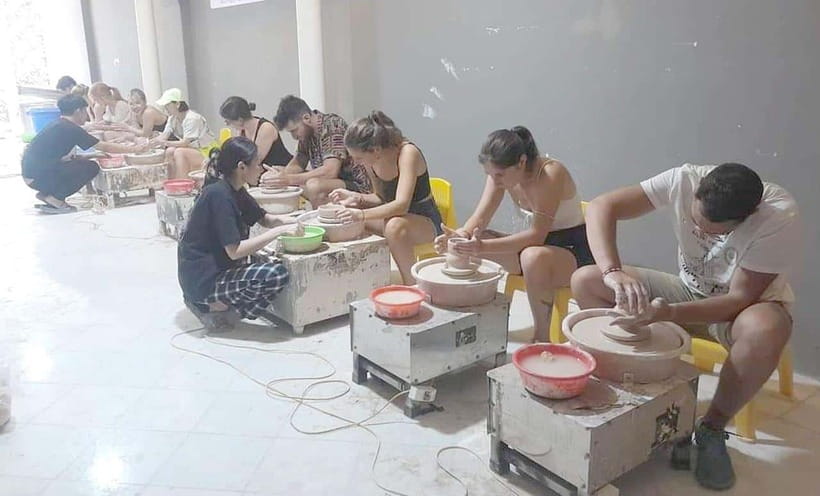
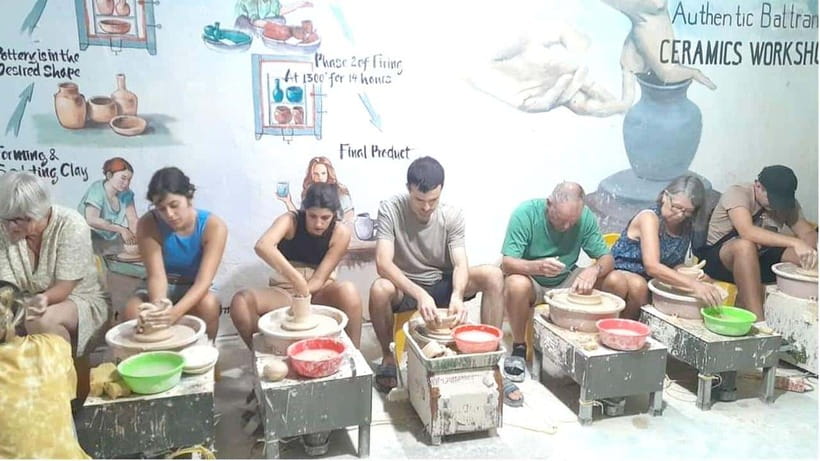
The class uses electric pottery wheels throughout. That makes the session easier for beginners than learning on a traditional wheel, since the speed can be controlled while you focus on your hands and the clay.
You begin with an explanation of the basic technique. The instructor demonstrates how to position your hands, shape the clay, and build a stable form. The practical point is structural integrity. A bowl may look simple, but uneven pressure or a weak base can cause it to collapse.
Then you try. Your first piece may wobble, spread, or fall apart. That is normal. The instructors help you correct the shape, remove failed attempts, and start again. Several people with no previous pottery experience managed to produce multiple pieces during the session, but you should expect a learning curve rather than instant success.
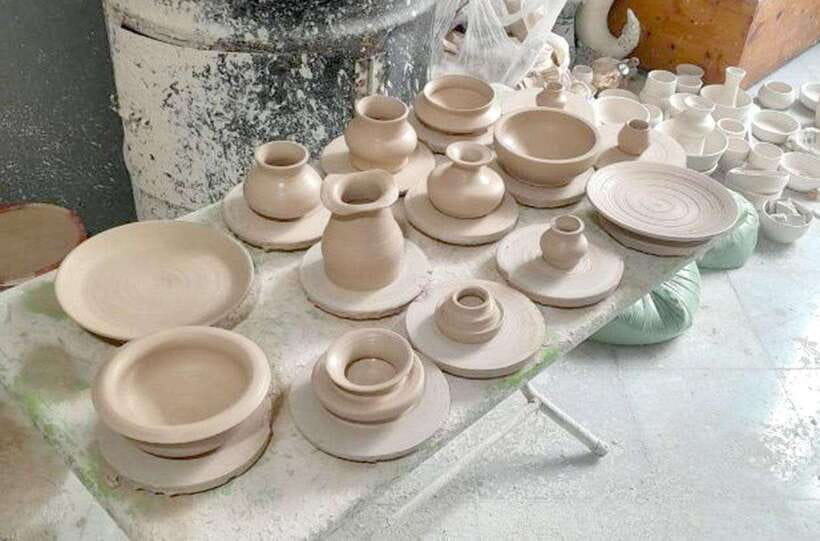
The class allows you to experiment with different designs. You might make a small bowl, cup, plate, vase, or a more personal shape such as a heart-shaped dish. You are not limited to one item, and that is one of the strongest features of the session. You can spend the whole time refining one form, or use the clay to try several ideas.
The three-hour slot is generous for a first lesson. One beginner completed four pieces, while other participants produced five or six. Your final number depends on how quickly you learn the wheel and how much time you spend correcting each piece.
The room has fans and a cooling area, a welcome detail during Hanoi’s hot months. One practical complaint is the seating. The small chairs may become uncomfortable during a three-hour class, especially if you are tall or need more back support. Wear clothes you can get dirty in, since clay work is hands-on and messy.
The instructors make the difference
The most consistent strength here is the teaching. Instructors such as Han and Hang have been praised for their patience, clear explanations, and willingness to guide each person individually. Tuan Vu has also been noted for giving useful advice about hand placement while shaping pieces.
You are not simply shown the wheel and left alone. The instructor checks your progress, helps when the clay starts to lose its shape, and demonstrates how to improve a form. That support is important because pottery can feel difficult in the first few minutes.
The teaching style suits families, couples, and solo participants. A parent and 10-year-old child were able to take part together, and groups with children enjoyed the activity. Couples have also used it as a date activity because it gives you something to do side by side without requiring artistic talent.
English instruction is available, though communication may vary by instructor. Most of the teaching is visual and practical, so you can follow hand movements even when an explanation is brief. Still, if you are unsure where to wait or how the collection process works, ask clearly before leaving the shop.
Class size can vary. A morning session may be quiet, while an afternoon class can have around 12 people. Additional instructors may be brought in for larger groups, which helps preserve one-to-one attention.
Choosing your pieces and colors
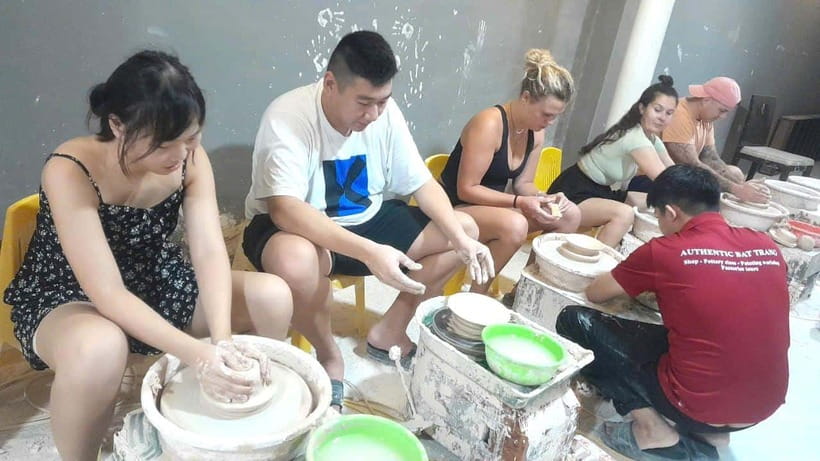
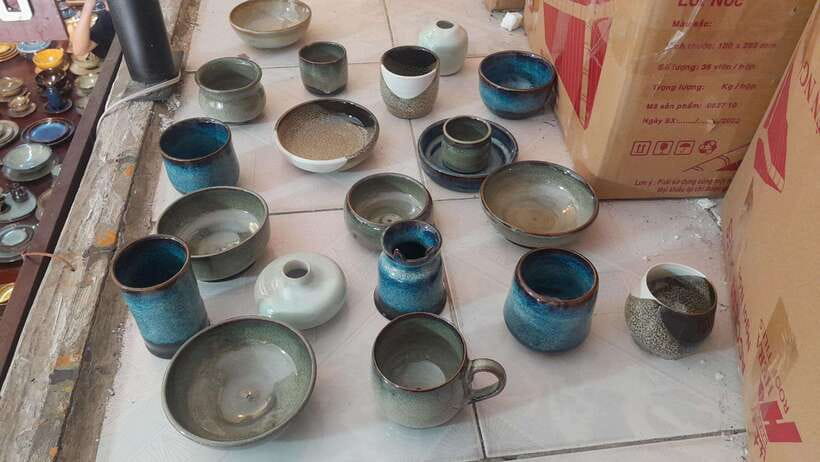
After making several items, you decide which pieces are worth keeping. One product is included in the class price for glazing and firing. You can choose the color for that item, giving you a say in the final appearance.
The finished result will not look exactly like the wet clay piece. Pottery shrinks during firing, with one participant estimating a reduction of about 20 percent. A dinner plate may return more like a side plate. Keep this in mind when deciding how large to make your piece.
The shrinkage is not a flaw, but you should know about it before shaping your work. A thick or oversized form may not turn out as expected, and delicate pieces can be more difficult to handle. The instructor can help you make a practical choice.
Extra pieces may be glazed and fired for an additional fee. The exact amount should be confirmed at the studio, though one recent booking reported about $5 per extra piece. You can also make several pieces simply for practice, then choose only the strongest ones to finish.
The pottery shop itself has finished pieces for sale and browsing. This helps put your own work in context. You may leave with a charming, slightly uneven bowl rather than a professional vase, but that is part of the fun. You made it yourself, and the small irregularities are part of its story.
More craft village visits from Hanoi:
- Incense Village, Hat Making & Lacquer Artisan Small Group Hanoi
★ 5.0 · 1,266 reviews - Incense Village, Conical Hat, Lacquer Art, SMALL GROUP From Hanoi
★ 5.0 · 1,170 reviews - Hanoi: Incense Village, Hat, and Lacquer Artisanal Tour
★ 4.6 · 1,005 reviews - Incense Village Small Group of 9 Tour From Hanoi to Ninh Binh
★ 5.0 · 626 reviews
Collecting, shipping, and the timing trap
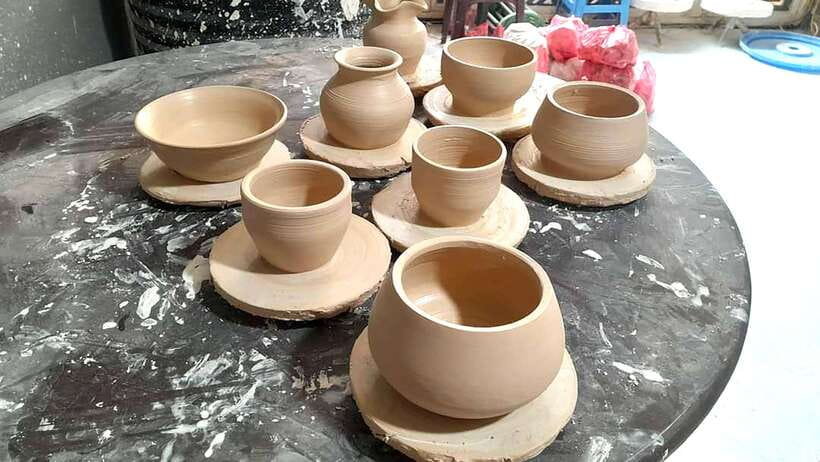
The finishing process is the part most likely to affect your schedule. Standard glazing and firing take two to three days. You should book this class near the beginning of your Hanoi stay if you want to collect your pottery in person.
If you have only one or two days left, ask about the faster option. White glaze may be completed in one to two days. The supplied information also indicates that the studio may offer alternative shop items or ship your pottery later, but shipping is not included in the class price.
Shipping can add a noticeable cost. One participant estimated about $30 for sending a piece to the United States. The final amount depends on the destination and package, so confirm the charge before choosing several large or heavy pieces.
You may also arrange delivery to a later stop in Vietnam. That can help if you are moving on before the pottery is finished. Pack space is another concern. Even small ceramic pieces take room and need careful protection, so shipping is often easier than carrying several items in your luggage.
Tet, the Lunar New Year, can affect firing schedules and shop hours. A holiday-related misunderstanding was resolved successfully, but the lesson is simple: ask for the exact completion date if your visit falls near a major holiday.
Is $33 good value?
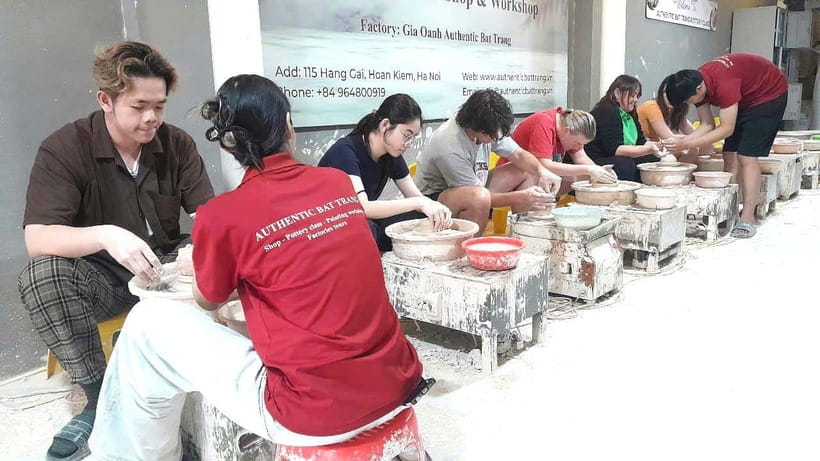
At $33 per person, this is not the cheapest activity you will find in Hanoi. It is still a fair price if you value instruction, materials, three hours of practice, and a finished ceramic souvenir.
The price includes the electric wheel, clay and other materials, an English or Vietnamese speaking instructor, color selection, and one product glazed and fired. The unlimited practice is especially useful. Many craft workshops charge by the item or give you only one short attempt, while this class lets you keep trying during the session.
The value is strongest for beginners. You are paying for a guided introduction, not just access to a wheel. If you have already taken pottery classes, you may find the teaching basic, but the chance to make several forms and connect the craft to Bat Trang still gives the session appeal.
Budget for possible extras. Additional items cost more to fire and glaze, and shipping is separate. If you want to take home six finished pieces, the class price will not be your final cost.
Who should book this activity?
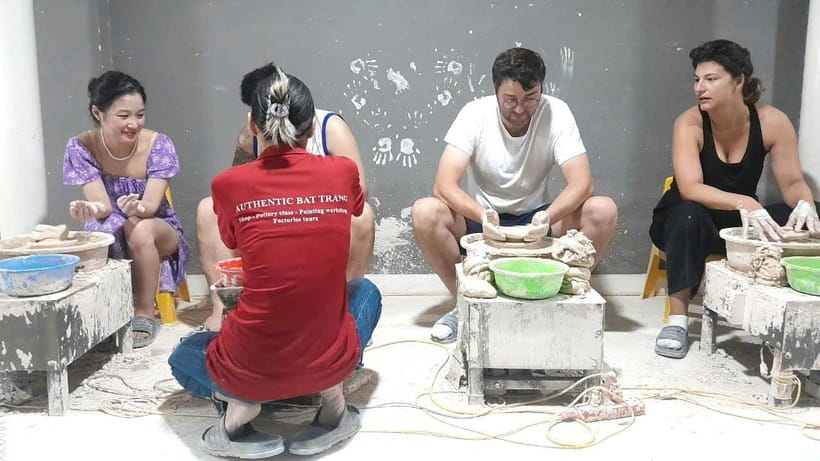
I would recommend it to first-time potters, families with older children, couples, and anyone who wants a creative break from sightseeing. It is also a good rainy-day plan and offers relief from Hanoi’s afternoon heat.
This is a particularly good choice if you have already seen the Old Quarter and want to do something active rather than simply walk another street. You get a local craft connection without giving up a full day for an excursion.
It may be less suitable if you have limited mobility or dislike sitting on a small chair for a long session. The class involves repeated work at a low pottery wheel, and seating comfort may be an issue.
It is also a poor last-day booking if you want to carry the finished pottery home. You can ask about shipping, but that brings extra cost and a little more planning.
Morning or afternoon?
The morning class runs from 8:30 to 11:30. The afternoon class runs from 14:00 to 17:00.
A morning session may offer a quieter start, especially if you prefer more space and a calmer pace. The afternoon class can work well after breakfast and an Old Quarter walk, and the cooling room with a fan helps during hot weather.
Class size changes by date, so neither time is guaranteed to be quiet. If you are booking for a group, confirm the session details and mention the number of participants.
Allow time after the class for choosing glaze colors and confirming collection or shipping arrangements. Do not rush away immediately at 17:00 if you need to clarify which items are included and which carry an extra charge.
My practical verdict
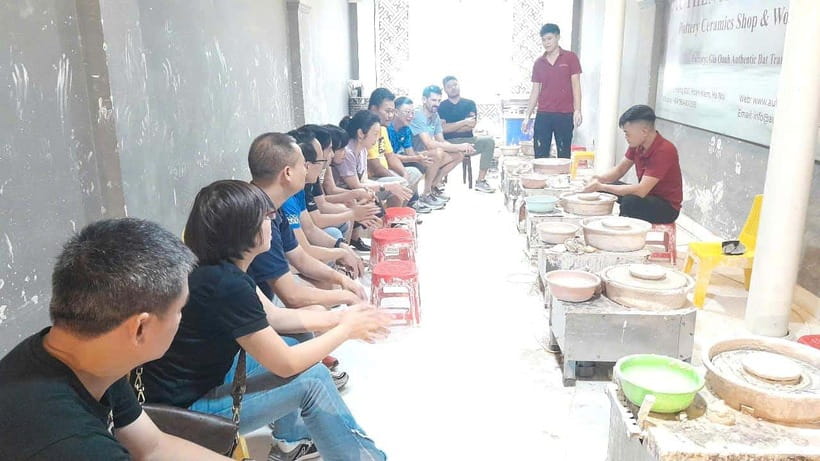
I like this pottery class because it gives you room to fail. That sounds minor, but it is the key to enjoying pottery. You can try a bowl, lose it, try again, and eventually make something worth keeping without paying for every failed attempt.
The instructors are the other major reason to book. Their patience turns a frustrating first lesson into a manageable one, and the connection to Bat Trang gives the activity a stronger cultural link than a generic craft session.
The drawbacks are clear: small seating, possible communication confusion at the start, extra charges for more finished pieces, and a two to three day wait for standard glazing and firing. None of these ruins the class, but you should plan around them.
Should you book the Bat Trang pottery class?
Book it if you want a relaxed, hands-on Hanoi activity and like the idea of bringing home something made by your own two muddy hands. The $33 price is reasonable for three hours, unlimited practice, local instruction, materials, and one finished piece.
Book early in your Hanoi stay, choose your best piece carefully, and ask about the completion date before you leave. If you have only a short visit, confirm the white-glaze or shipping option first.
Skip it if you want a polished professional souvenir immediately or dislike messy, repetitive practice. For everyone else, this is a memorable way to connect with Bat Trang ceramics while staying in the heart of Hanoi.
FAQ
Where does the pottery class take place?
The meeting point is 115 Hang Gai Street, Hoan Kiem, in Hanoi’s Old Quarter.
How long does the class last?
The class lasts three hours. Morning sessions run from 8:30 to 11:30, and afternoon sessions run from 14:00 to 17:00.
What time does the afternoon class start?
The afternoon session starts at 14:00 and finishes at 17:00.
Do I need previous pottery experience?
No. The class is designed for beginners, and the instructors guide you through the process step by step.
What language is spoken during the class?
Instruction is available in English and Vietnamese.
How many pottery pieces can I make?
You can make as many pieces and designs as you can during the three-hour session.
How many pieces are included for glazing and firing?
One product is included for glazing and firing. Additional products can be finished for an extra fee.
How long does glazing and firing take?
Standard glazing and firing usually take two to three days. White glaze may be available within one to two days.
Can the studio ship my pottery?
The studio can ship pottery later, but the shipping fee is not included. You should confirm the cost and delivery arrangements before leaving Hanoi.
More Workshops in Hanoi
- Hanoi Cooking Class: Culture, Local Market & Meaning CSR Impact
★ 5.0 · 5,147 reviews - 5 Traditional Dishes Hanoi Cooking Class with Market Trip
★ 5.0 · 4,890 reviews - Hanoi Coffee Workshop: Taste Salt, Coconut and Egg Coffee
★ 5.0 · 1,286 reviews - Hanoi: Salt Coffee Workshop Awake Your Senses With 6 Brews
★ 5.0 · 792 reviews
Just added around Hanoi
- Cat Ba National Park, Lan Ha Bay 2 Days 1 Night Adventure★ 4.8 · 9 reviews
- Full day Boat Tour Lan Ha Bay – Ha Long Bay: Kayak, Beach Hopping★ 5.0 · 9 reviews
- Ha Giang Loop 2 Days High quality Small Group +Private Room★ 5.0 · 9 reviews
- Half Day Sapa Cat Cat Explore Waterfall, Workshop, H’mong Local★ 5.0 · 9 reviews
- Sapa 1 Day Trekking★ 5.0 · 9 reviews
- Sapa Open Air Jeep Half Days Off the Beaten Track, Backroad★ 4.9 · 9 reviews
- Halong 2 days 1 night with Cozy Classic Cruise from Hanoi★ 4.5 · 9 reviews
- Fansipan Mount Trekking 1 Day★ 5.0 · 9 reviews
Old Quarter Walking Tours, compared.
![[HOT] Hanoi Old Quarter Walking Street Food – Small Group Tour](https://9.thehanoitraveler.com/wp-content/uploads/hot-hanoi-old-quarter-walking-street-food-small-group-tour-400x267.jpg)
[HOT] Hanoi Old Quarter Walking Street Food – Small Group Tour
Read our review →
Hanoi Food Tours in Hanoi Old Quarter (Small Group/Private)
Read our review →
Hanoi Old Quarter Private Walking Tour with Student Guide
Read our review →

Hanoi old quarter sightseeing & street food eating by Motorcycle
Read our review →
Private Street Food Tour – Walking Hanoi Old Quarter
Read our review →
Bat trang Pottery Class in Hanoi Old Quarter/Handmade experience
Read our review →
Old Quarter Market Tour and Cooking Class with Meal
Read our review →Browse the lists this tour appears in