
Reviewed · SAPA TOURS
Canyoning Tour from Sapa Vietnam
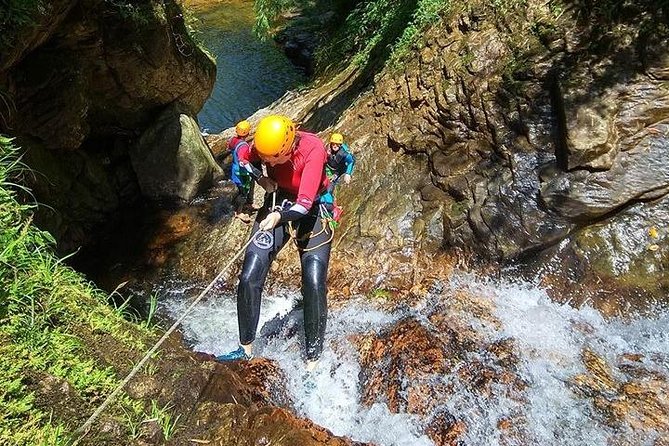
The best part of this Sapa canyoning tour is the setting: you work your way through the waterfalls of Hoang Lien National Park, combining jungle trekking, rock work, swimming, and abseiling in one half-day outing. The route begins with a proper briefing and practice session, not a quick safety speech before sending you over a cliff.
I like two things in particular. The group is capped at eight, which gives the guides room to help nervous beginners. I also like the gradual start, with practice at smaller falls before the main waterfall. The catch is the price: at $1,414 as supplied, this is a very costly four-hour activity, so confirm exactly what that figure covers before paying.
In This Review
- Key points at a glance
- From Sapa to Love Waterfall
- Thirty minutes to learn the ropes
- Smaller falls before the main waterfall
- What the four-hour outing feels like
- Safety, fear, and fitness
- The guides are a major part of the value
- Is $1,414 good value for four hours?
- Weather and cancellation details
- Who should book this Sapa adventure?
- My verdict on canyoning near Sapa
- FAQ
- Where does the canyoning tour take place?
- Where is the meeting point?
- What time does the tour start?
- How long does the activity last?
- What equipment is provided?
- Is hotel pickup included?
- Is lunch included?
- Can I join if I cannot swim or fear heights?
Key points at a glance
- Love Waterfall is the launch point: The activity begins near one of Sapa’s best-known waterfalls in Hoang Lien National Park.
- Thirty minutes of training comes first: You practise basic techniques before entering the canyon.
- The kit is serious: Harness, helmet, life jacket, ropes, carabiners, figure-eight device, and wetsuit are supplied.
- The main challenge comes after a gradual warm-up: The route may include smaller falls before the larger waterfall.
- Small groups matter: No more than eight people are allowed, with a possible $40 surcharge if you go alone and no one else joins.
- Transfers are optional: A private two-way car from central Sapa costs $15 per person, while lunch is not included.
From Sapa to Love Waterfall
The day is built around Love Waterfall, reached from Sapa and set within Hoang Lien National Park. The meeting point is 558 Đường Điện Biên Phủ in central Sapa, and the stated start time is 9:30 am.
There is a timing detail worth checking. Pickup information says collection from your hotel begins at 8:30 am, while the formal activity start is listed as 9:30 am. If you add the private car transfer, confirm the exact pickup time with the operator. The drive described by one participant took about 45 minutes, giving you a useful idea of the journey to the waterfall.
The optional transfer costs $15 per person for a two-way private car from central Sapa. That is reasonable if you want a simple morning and do not want to arrange transport yourself. If you are already comfortable reaching the meeting point, you can avoid that extra charge.
The route to the waterfall is part of the appeal. You are not simply dropped beside a platform, clipped to a rope, and sent down. The activity uses the forest and waterfalls as its setting, with a reported jungle trek of about two kilometres before or around the canyon section. Exact route length can vary, so treat that figure as a guide rather than a promise.
More Sapa escapes from Sapa:
- Sapa 2 Days 1 Night From Hanoi – Overnight in Ta Van Village
★ 5.0 · 2,669 reviews - Hanoi – Sapa 2 Days 1 Night Overnight At Homestay
★ 5.0 · 899 reviews - Sa Pa: Muong Hoa Valley Trek and Local Ethnic Villages
★ 4.6 · 864 reviews
Thirty minutes to learn the ropes
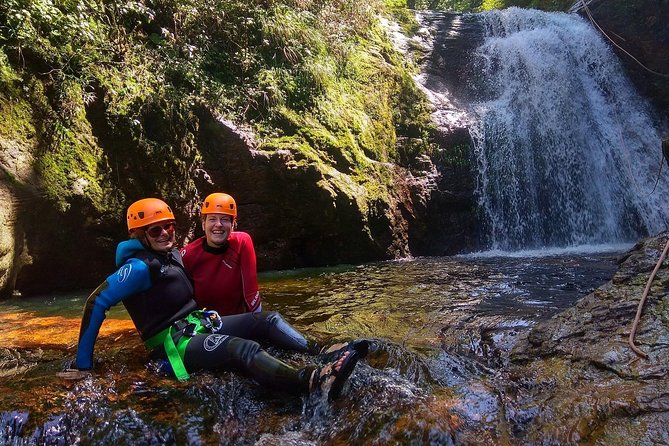
Before the wet section begins, you receive specialist equipment. The supplied kit includes a harness, life jacket, helmet, ropes, carabiners, a figure-eight device, and wetsuit. This is the right basic arrangement for an activity involving moving water and abseiling.
The training lasts about 30 minutes. You practise the basic techniques with the guide, including how to use the rope system and how to position yourself. That practice time is especially useful if this is your first canyoning trip or your first time abseiling.
I would pay close attention here, even if you have used a harness before. Water, slippery rock, and a moving group make this different from a dry climbing wall. You need to understand the signals, keep your body position controlled, and follow the guide’s instructions rather than trying to rush.
The guides are repeatedly described as friendly, careful, and focused on safety. Names attached to the guiding team include Dong, Phau, and Dinh. The activity also uses a French trainer or instructor, described as professional and involved in the practice session. The available information does not give that instructor’s name, but the added training is a useful feature.
Smaller falls before the main waterfall
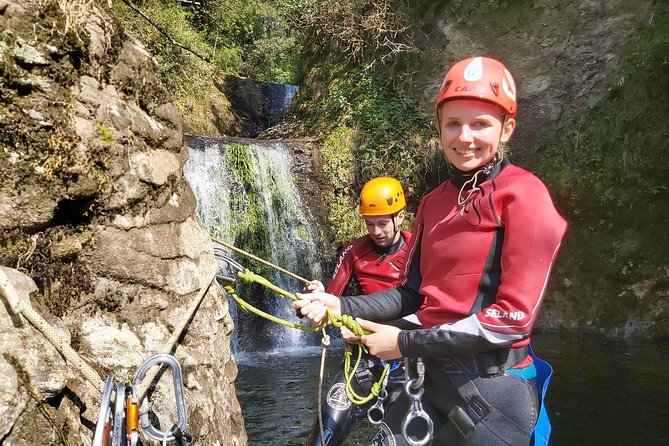
The route appears to build in stages. After the briefing, you trek into the jungle and practise at smaller falls before reaching the main one. That progression makes sense. It lets you get used to the rope, water, and rock before facing the most demanding section.
You may be asked to combine several techniques during the route. Canyoning here brings together abseiling, rock-climbing movements, water activity, and walking through the canyon. It is not a sightseeing walk with one optional rappel. You should expect to get wet and use your whole body.
The natural setting does much of the work. Waterfall walls, forest, wet rock, and the sound of falling water create a more memorable setting than an artificial adventure park. At the same time, the forest route means footing may feel uneven, and the wet surfaces require care.
The exact number of descents, jumps, swims, or climbs is not specified. I would not book this expecting a fixed sequence of stunts. The route and conditions can affect how the guides run the day, particularly since the activity requires good weather.
What the four-hour outing feels like
The full activity lasts about four hours. That includes transport if arranged separately, equipment, training, trekking, and the canyon section, so the time actually spent on each waterfall will not be four full hours.
A likely rhythm is straightforward:
- Meet in Sapa or arrange pickup.
- Travel to Love Waterfall.
- Put on the supplied equipment.
- Complete the safety talk and roughly 30 minutes of practice.
- Trek through the jungle toward the waterfall route.
- Start with smaller sections, then work toward the main fall.
- Return to the meeting point in Sapa.
The tour ends back at the meeting point. Lunch is not included. You can plan a meal afterward in Sapa, or ask about adding lunch at your own cost. Since the activity ends around midday if timing runs as planned, having food arranged afterward is sensible.
The small group limit is one of the strongest practical features. With no more than eight people, the guide can spend time with anyone who is slow or uncertain. One first-time participant said she moved slowly, which is a useful reminder that canyoning is not a race. A smaller group gives the whole outing a better chance of staying calm and orderly.
Same part of the north, a completely different day out:
- Sapa: Fansipan Cable, Cat Cat Village & Moana Instagram Tour
★ 5.0 · 777 reviews - From Hanoi: 2-Day Sapa Trekking Trip with Homestay & Meals
★ 4.8 · 704 reviews - Sapa 3 Days 2 Nights Trekking Tour (1 Night In Ta Van Village, 1 Night In Hotel)
★ 5.0 · 699 reviews - Sapa: Eco Adventure Terrace Fields and Local Villages Trek
★ 4.9 · 636 reviews
Safety, fear, and fitness
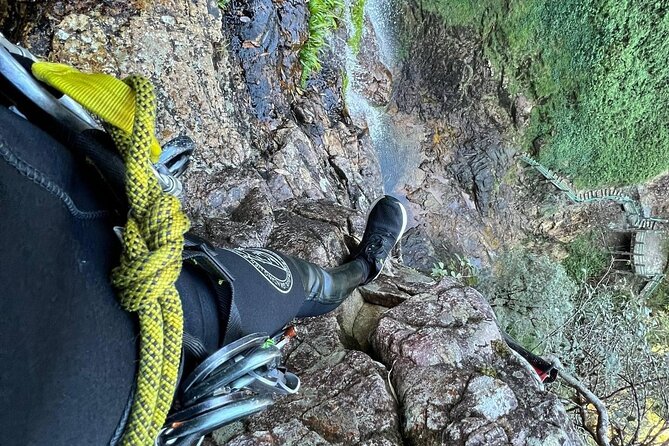
This is not a casual walk. You need a moderate level of physical fitness, and you should be comfortable with heights. The activity is not recommended if you do not know how to swim or if you have a strong fear of high places.
The life jacket does not remove the need to be comfortable around water. You should tell the guide about your swimming ability before the route begins. If you are anxious, the training session and smaller practice falls give you a chance to decide how you feel before continuing.
The supplied equipment list is reassuring, but equipment alone does not make an activity risk-free. The important part is using it correctly and following the guide’s instructions. Keep both hands and feet where you are told, wait for the person ahead, and do not treat the route as a contest.
I would choose this for an active day in Sapa, not as a recovery activity after a long trek. If you have just completed demanding mountain walking, consider how your legs and shoulders feel before adding ropes and wet rock.
The guides are a major part of the value
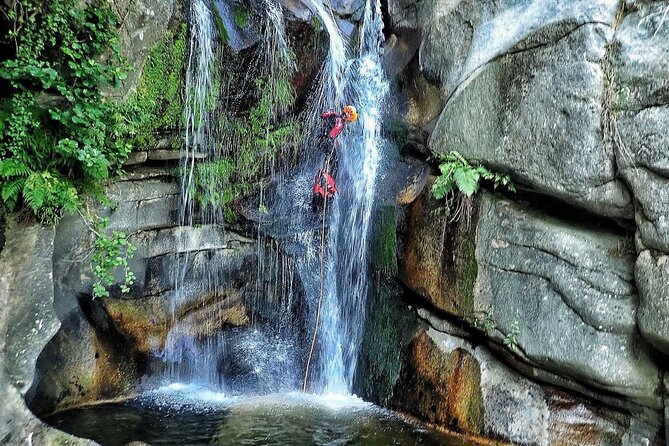
The strongest praise attached to this activity concerns the guiding. The guides are described as enthusiastic, caring, funny, and serious about safety. That combination matters. A guide who only jokes can make a beginner uneasy, while a guide who only gives commands can make the outing feel tense.
Names connected with the operation include Dong, Phau, and Dinh. If they are leading your group, you can expect a team-based approach rather than a self-guided route. The French instructor is also described as helping with the training and abseiling practice.
Some of the equipment is described as imported from France. That detail may sound impressive, but I would focus less on its origin and more on its condition, fit, and correct use. Before leaving the training area, check that your helmet, harness, life jacket, and wetsuit fit comfortably and securely.
The guides also appear willing to give extra help. That is particularly important for a first attempt, when getting your feet into the right position on a rope can feel awkward. A patient guide can turn a frightening first descent into a manageable one.
Is $1,414 good value for four hours?
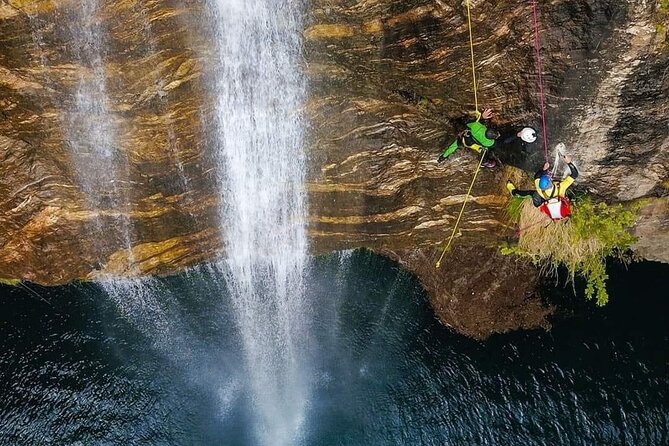
The stated price is $1,414, which deserves careful attention. For a four-hour group activity, that is an unusually high amount, and I would not assume it is the final per-person cost without checking the booking details.
The supplied terms say the price applies to a group of two people. If you book alone and no other participant joins, you must pay a $40 surcharge. That suggests the displayed price may depend on group size or booking conditions, but the information provided does not explain the figure clearly enough.
Ask these questions before confirming:
- Is $1,414 the total for two people or the price per person?
- Is the amount shown in US dollars?
- Does it include transport, or is the $15 per person transfer charge separate?
- Is lunch available, and what does it cost?
- What happens if you are the only person booked?
The value is easier to defend if the quoted amount covers a private guide, transport, full equipment, and a small group. It is much harder to justify if $1,414 is a per-person charge for the canyoning alone. This is the one part of the booking I would clarify in writing.
The activity itself includes canyoning, while lunch and pickup are excluded. The equipment and instruction are part of the core outing, but the supplied inclusion list is brief. Good price checking is not fussiness here. It protects you from a very expensive surprise.
Weather and cancellation details
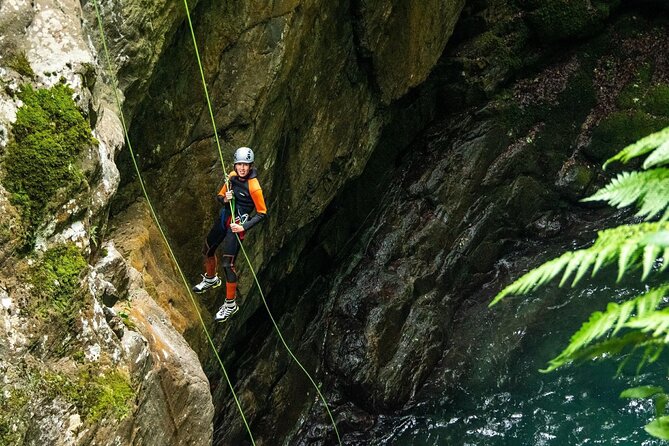
The route requires good weather. That is sensible for a waterfall activity, where rain can affect water levels, rock conditions, and safety. If poor weather cancels the outing, you should be offered another date or a full refund.
You can cancel for a full refund up to 24 hours before the local start time. Cancellations or changes made less than 24 hours ahead are not refunded or accepted. The activity also requires a minimum number of participants, so if that minimum is not met, you should be offered another date or experience, or a full refund.
I would keep the day after canyoning flexible if possible. Mountain weather can change, and a little room in your Sapa schedule makes a rescheduled activity less disruptive.
Who should book this Sapa adventure?
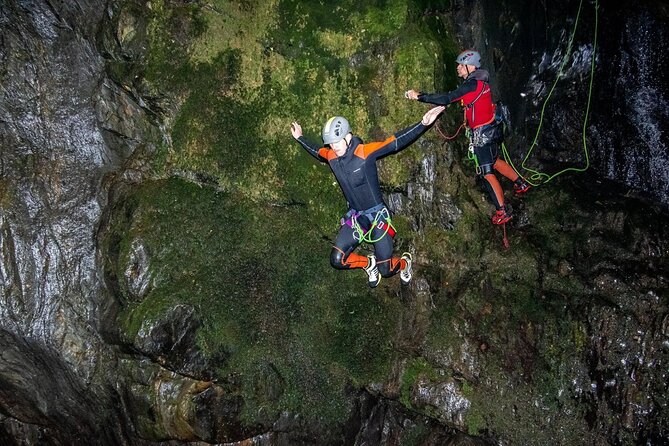
I would recommend it to you if you want more than viewpoints and village walks, and you enjoy active experiences with a clear element of height and water. It suits first-time canyoners who are willing to listen, practise, and move at a steady pace.
It is also a good fit for a pair or small group. The maximum of eight people keeps the group manageable, and the supplied terms are built around at least two participants.
I would hesitate if you cannot swim, dislike heights, or want a dry and gentle morning. The tour includes a moderate physical requirement, wet conditions, rope work, and uneven ground. You may still be able to take part if you are simply nervous, but a serious fear of heights is a clear warning sign.
Solo booking requires special care. One solo participant completed the activity despite being new and slow at first, but the terms state that a $40 surcharge applies if no other participants join. Confirm that cost and the group situation before booking.
My verdict on canyoning near Sapa
This is an appealing way to see Hoang Lien National Park from inside its waterfalls rather than from a distant viewpoint. The 30-minute training session, gradual move from smaller falls to the main waterfall, good equipment list, and eight-person limit all work in its favor.
The guiding also appears to be a real strength, with Dong, Phau, and Dinh named among the team and a French instructor involved in training. You should still keep your expectations practical: the exact water sections are not specified, lunch costs extra, transport costs extra, and the four-hour duration includes more than the descents themselves.
Book it if you want a serious, wet, half-day adventure and you are comfortable with heights and water. Do not book until you have confirmed the meaning of the $1,414 price, especially if you are booking for only one or two people. Once that point is clear, this can be a memorable change from Sapa’s usual trekking routes.
FAQ
Where does the canyoning tour take place?
The activity takes place at the waterfalls of Hoang Lien National Park near Sapa, beginning at Love Waterfall.
Where is the meeting point?
The stated meeting point is 558 Đường Điện Biên Phủ, TT. Sa Pa, Sa Pa, Lào Cai 330000, Vietnam. The tour ends back at this meeting point.
What time does the tour start?
The formal start time is 9:30 am. Pickup information states that hotel collection begins at 8:30 am, so confirm your exact pickup time if you add the transfer.
How long does the activity last?
The canyoning experience lasts approximately four hours.
What equipment is provided?
The supplied equipment includes a harness, life jacket, helmet, ropes, carabiners, a figure-eight device, and wetsuit.
Is hotel pickup included?
Pickup is optional and costs $15 per person for a private two-way car from central Sapa. It is not included in the canyoning price.
Is lunch included?
No. Lunch is not included, though an option to add lunch at your own cost is available.
Can I join if I cannot swim or fear heights?
The activity is not recommended for people who do not know how to swim or who fear heights. A moderate level of physical fitness is also required.
Just added around Sapa
- Half Day Sapa Cat Cat Explore Waterfall, Workshop, H’mong Local★ 5.0 · 9 reviews
- Sapa 1 Day Trekking★ 5.0 · 9 reviews
- Sapa Open Air Jeep Half Days Off the Beaten Track, Backroad★ 4.9 · 9 reviews
- Fansipan Mount Trekking 1 Day★ 5.0 · 9 reviews
- Sapa: Motorbike Tour to Hidden Villages & Terraced Fields★ 5.0 · 9 reviews
- Sapa 3 Day Trekking with 2 Nights Homestay★ 5.0 · 9 reviews
- SaPa: 2-Day Villages,Rice Fields, Love Waterfall Hiking Tour★ 5.0 · 9 reviews
- 8-Day Discover Northern Vietnam Highlight: Hanoi – Ninh Binh – Sapa – Halong Bay★ 5.0 · 9 reviews
Sapa Tours, compared.
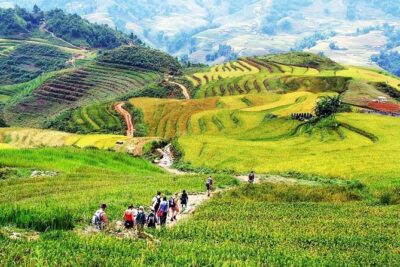
Sapa 2 Days 1 Night From Hanoi – Overnight in Ta Van Village
Read our review →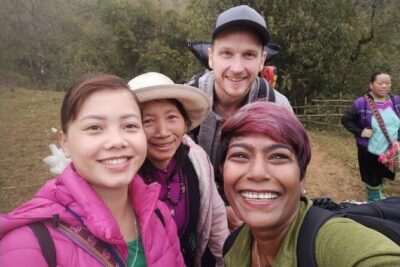

Muong Hoa Valley Trek and Local Ethnic Villages
Read our review →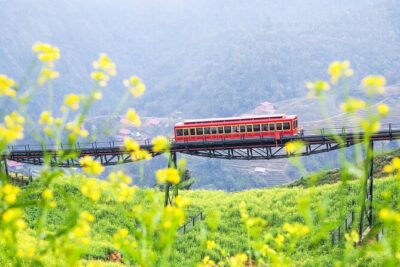
Fansipan Cable, Cat Cat Village & Moana Instagram Tour
Read our review →

Sapa 3 Days 2 Nights Trekking Tour (1 Night In Ta Van Village, 1 Night In Hotel)
Read our review →
Eco Adventure Terrace Fields and Local Villages Trek
Read our review →
3-Day Trekking Adventure of Sapa from Hanoi – Stay Ta Van Village
Read our review →Browse the lists this tour appears in