

Reviewed · SAPA TOURS
From Hanoi: 2-Day Overnight Sapa Tour by Luxury Van Limousine
Sapa’s real reward begins after you leave town. This tour takes you down steep paths through rice terraces and villages linked with Black Hmong and Dzay communities, where guides such as Ai, Lilly, May, Su, and Rua explain local life along the way. I especially like the small group limit of 14 and the chance to choose between a hotel and a homestay.
I also like that the $117 price covers the long-distance limousine, accommodation, entrance fees, four meals, and a local English-speaking guide. The main catch is the five-to-six-hour road journey each way, plus muddy, slippery trails that can be far harder than the short description suggests.
In This Review
- Key points to know before booking
- The long road from Hanoi to Sapa
- Choosing your Sapa overnight stay
- Cat Cat Village: scenic, accessible, and touristy
- Y Linh Ho, Lao Chai, and Ta Van are the main attraction
- Giang Ta Chai offers a different second day
- Meals are included, but keep expectations practical
- How much value do you get for $117?
- Weather, fitness, and what to pack
- Communication is the main weak spot
- Who should book this Sapa tour?
- Should you book it?
- FAQ
- How long does the trip from Hanoi to Sapa take?
- Where does pickup take place in Hanoi?
- Which villages does the tour visit?
- What accommodation choices are available?
- Are meals included?
- Is the trekking difficult?
Key points to know before booking
- A long but comfortable road transfer: The limousine van includes rest stops, but traffic and road conditions can make the ride tiring.
- Two very different trekking days: Cat Cat is short and touristy, while Y Linh Ho, Lao Chai, and Ta Van offer the more scenic walk.
- Your accommodation changes the route: Hotel guests generally visit Cat Cat on day one, while bungalow, private homestay, and dorm guests begin with the longer valley trek.
- Local guides make the difference: Guides including Ai, Lilly, May, Mu, Su, Zua, and Rua have been praised for adjusting walks and explaining Hmong culture.
- Bring proper footwear and cash: Mud, steep slopes, village shopping, and unreliable banking make hiking shoes and Vietnamese dong practical essentials.
- Best for fit hikers with limited time: This is a useful two-day introduction, but it is not a gentle sightseeing trip.
The long road from Hanoi to Sapa
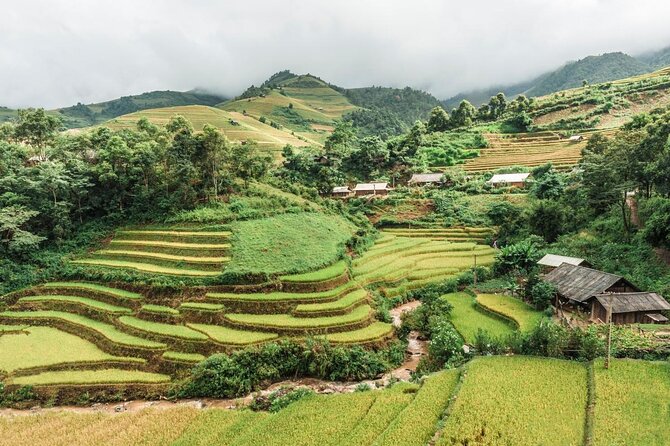
Pickup begins around 6:00 to 7:10 in Hanoi’s Old Quarter, depending on your accommodation choice. The published meeting time is 6:30 am, so keep your phone nearby and expect the driver to contact you with the exact pickup details.
The road to Sapa covers more than 250 kilometers and usually takes five to six hours. Two breaks are commonly made along the way, which helps, but this is still a serious chunk of your two-day trip. Traffic leaving Hanoi can delay the start, and the return ride may feel bumpy or slow.
The limousine van is more spacious than a standard coach and is designed for the mountain route. Still, do not read the word luxury too literally. Vehicle quality can vary, and some passengers have found the air conditioning or suspension disappointing. If you are tall, note the stated limit: this tour is not recommended for people over 190 centimeters.
The ride matters because it shapes the whole trip. You get a quick Sapa visit without arranging trains, transfers, hotels, meals, entrance tickets, and a local guide yourself. But you give up time and control. If you dislike long road journeys, add a separate Sapa stay rather than trying to see the region in two rushed days.
More 2-Day Trips in Sapa
- Sapa 2 Days 1 Night From Hanoi – Overnight in Ta Van Village
★ 5.0 · 2,669 reviews - Hanoi – Sapa 2 Days 1 Night Overnight At Homestay
★ 5.0 · 899 reviews - From Hanoi: 2-Day Sapa Trekking Trip with Homestay & Meals
★ 4.8 · 704 reviews
Choosing your Sapa overnight stay
The tour offers four accommodation categories: a dormitory, private homestay, bungalow, or three-star or four-star hotel. This choice is not only about your bed. It also affects which villages you visit on each day.
With the three-star or four-star hotel option, you normally visit Cat Cat Village on day one. Day two then brings the longer route through Y Linh Ho, Lao Chai, and Ta Van.
With the bungalow, private homestay, or dormitory option, you normally visit Y Linh Ho, Lao Chai, and Ta Van on day one. On day two, the route changes to Giang Ta Chai Village.
That distinction is important. If the famous rice terraces are your main reason for coming, the longer valley trek is the prize. If you want a more relaxed first afternoon after the drive, the hotel option and short Cat Cat walk may be easier.
The hotel standard can be uneven. Some stays, including Sapa Charm Hotel and Sapa Vista, have been described as comfortable, spacious, and well located for the price. Other accommodation experiences have included hard beds, limited English from staff, and meals below the expected four-star level.
A homestay gives you a closer look at rural life, but it is not a guaranteed social evening. Facilities and family interaction vary. You may share a simple setting with other people, and communication can be limited. Choose it for the setting and local connection, not for hotel-style service.
Cat Cat Village: scenic, accessible, and touristy
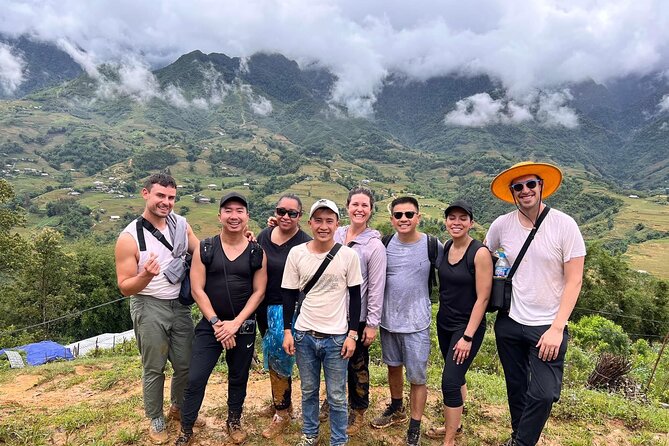
Cat Cat is the shorter and easier walk, generally lasting about three hours. It is close to Sapa and includes mountain views, local architecture, waterfalls, traditional music, dance, and plenty of photo stops.
The village is also the most commercial part of the trip. It has been developed for tourism, and you may see costume rentals, souvenir stalls, and vendors offering handmade goods. That does not make it worthless, but it does mean Cat Cat is less representative of everyday village life than the quieter routes farther down the valley.
The path includes slopes and steps. Even the short walk can leave you tired after the morning drive from Hanoi. In wet weather, stone and earth sections may become slick, so shoes with a strong grip still matter.
I would treat Cat Cat as an introduction rather than the main event. It works well if you want a compact first walk, a waterfall, and a sense of Sapa’s mountain setting without committing to a full afternoon on rural trails. If you want the most natural scenery and least commercial setting, save your energy for the next day.
Y Linh Ho, Lao Chai, and Ta Van are the main attraction
The longer trek through Y Linh Ho, Lao Chai, and Ta Van is the strongest part of this tour. Depending on the group and accommodation choice, it lasts around four to five and a half hours, with sustained uphill and downhill walking.
You move through terraced rice fields, narrow village paths, and mountain scenery. The walk is not a flat stroll. Muddy slopes, uneven ground, heat, and occasional slippery sections can make it strenuous, particularly after rain. One guide helped an older participant take an alternate route, but you should not rely on a last-minute adjustment if you have walking problems.
The scenery changes with the season. Rice terraces may look full and dramatic at one time of year, while at another they can appear partly empty after harvest. The views remain appealing, but expectations should match the farming calendar.
Lao Chai and Ta Van offer more of the cultural contact many people hope for in Sapa. You see homes, paths, cultivated slopes, and local people going about daily work. The guide is essential here. A good guide can explain the differences between local communities, answer questions about farming and family life, and help you understand what you are seeing instead of reducing the walk to photo stops.
This is where guides such as Ai, Lilly, May, Mu, Su, Zua, and Rua have made a strong impression. Several are from local ethnic communities themselves. Lilly has been praised for her clear English and personal insight, while May adjusted the route for a participant who could not manage the steep ground. Ai has also been noted for adapting the walk to fitness and weather.
Guide quality can vary, and not every guide will offer the same level of historical or cultural detail. If that matters to you, ask at the start for more explanation about Hmong and Dzay customs, local architecture, farming, and the villages you pass through.
More Sapa escapes from Hanoi:
- Sa Pa: Muong Hoa Valley Trek and Local Ethnic Villages
★ 4.6 · 864 reviews - Sapa: Fansipan Cable, Cat Cat Village & Moana Instagram Tour
★ 5.0 · 777 reviews - Sapa 3 Days 2 Nights Trekking Tour (1 Night In Ta Van Village, 1 Night In Hotel)
★ 5.0 · 699 reviews - Sapa: Eco Adventure Terrace Fields and Local Villages Trek
★ 4.9 · 636 reviews
Giang Ta Chai offers a different second day

The bungalow, private homestay, and dormitory versions generally visit Giang Ta Chai on day two. The walk lasts about three hours and begins after breakfast prepared by the host family.
This route gives you another village setting rather than repeating the exact same valley walk. It suits people who want a village-based overnight stay and a shorter second trek. As with every route in Sapa, the actual feel depends on weather, trail conditions, and the pace of your group.
You may encounter local sellers along the village paths. Handmade bracelets, scarves, bags, hair bands, wall hangings, and clothing are common purchases. Buying can support local makers, but you do not need to buy something simply because someone walks beside you. A friendly but firm no thanks is useful, since some sellers may continue following you.
Meals are included, but keep expectations practical
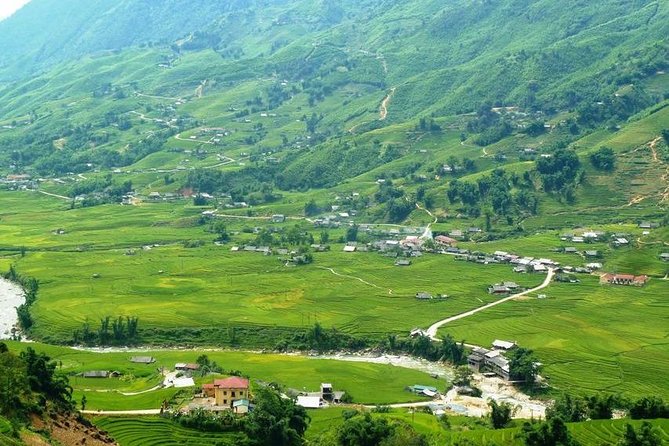
The price includes two lunches, dinner, and breakfast. That makes budgeting easier, especially since the route leaves little time to hunt for meals between transfers and treks.
Food is generally simple Vietnamese group dining. Rice, vegetables, tofu, chicken, hot pot, and other shared dishes may appear. Some meals have been warmly received, particularly hot pot and hotel dinners. Other meals have been considered sparse or basic, with breakfast occasionally falling below the standard promised by the accommodation category.
You can still eat independently in Sapa. Some people prefer to skip an included dinner and choose a restaurant in town, but that means paying again. Drinks are not included, so budget for water, coffee, soft drinks, and any alcohol.
Bring Vietnamese dong. The banking system in Sapa can be unreliable, and cash is useful for snacks, drinks, taxis, and handmade goods. US dollars, euros, and Australian dollars are also accepted in Sapa, but local currency is the simpler choice.
How much value do you get for $117?

At $117 per person, this is good value if you want convenience. The price includes round-trip transport from Hanoi’s Old Quarter, accommodation, meals, entrance fees, and a guide. Arranging all of that separately would take time, and a private version would cost much more.
The value drops if you expect a polished luxury product. The van is better than a crowded standard bus, but delays and vehicle differences are possible. Hotel quality may not match the advertised star level, and the group dining is functional rather than special.
I see the price as paying for access and organization, not luxury. You are buying a practical bridge from Hanoi to Sapa, plus local guiding and village routes that would be difficult to arrange confidently on your own. The tour works best when you accept some flexibility.
Weather, fitness, and what to pack

Sapa weather changes quickly. From September through March, cold conditions are common, and fog is especially possible in December, January, February, and March. Pack layers rather than relying on one heavy coat.
You should bring:
- Trekking shoes or boots with good grip
- Warm clothes, a scarf, and a hat
- Sunglasses and sun cream
- Insect repellent
- Vietnamese dong
- Any medicine you may need
The tour involves several hours of walking on both days, with steep and muddy sections. Good weather makes the route far more enjoyable, but rain can turn it into a slippery test of balance. If you have limited mobility, tell the operator before departure and ask exactly how the route can be shortened.
Most people can participate, but the description understates the physical demand for anyone expecting an easy walk. The longest route may reach about 11 kilometers, and downhill sections can be harder on knees than uphill sections.
Communication is the main weak spot
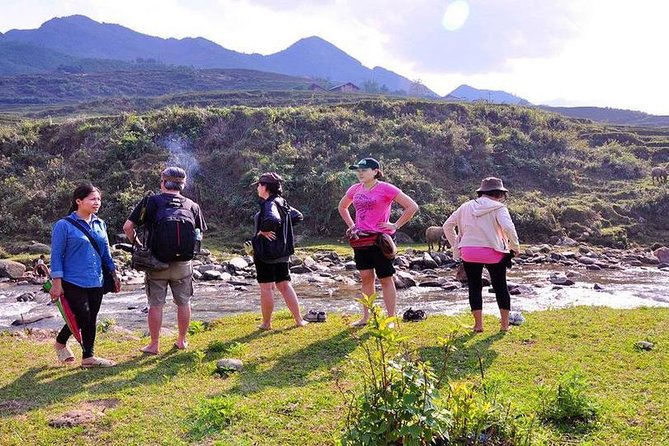
The local guides are often the tour’s strongest part, but communication before and between stages can be patchy. Pickup details, hotel arrangements, group changes, and village transfers may not always be explained clearly.
The driver may not speak English, and once you reach Sapa, several different vans or local transfers may be involved. Keep your phone charged, save the tour operator’s contact details, and confirm the next meeting point before leaving each stop.
Do not panic if the schedule shifts. This is a flexible Vietnam group tour, not a tightly timed European coach trip. Still, you deserve clear instructions. If a vehicle is late or a hotel does not have your name, contact the operator promptly rather than trying to solve everything alone.
The experience provider, Crossing Vietnam Tour, offers free cancellation up to 24 hours before the start time. Changes or cancellations inside that window are not accepted, and the tour requires a minimum number of participants. Pickup and drop-off are limited to hotels in Hanoi’s Old Quarter.
Who should book this Sapa tour?
I would choose this tour if you have only two days, want a local guide, and prefer someone else to handle the transport and village access. It suits fit walkers who enjoy mountain scenery, simple meals, flexible schedules, and a bit of uncertainty.
It is also a good choice for people who want to meet guides from local ethnic communities. Ask for a guide who can explain culture and history, not just point out photo locations. Ai, Lilly, May, Mu, Su, Zua, and Rua are names associated with especially strong guiding, though specific assignments cannot be guaranteed.
I would think twice if you need firm timing, high-end accommodation, quiet private transport, or an easy walk. The road ride is long, the trails can be dangerous in rain, and the word luxury describes the vehicle type more than a premium standard.
Should you book it?
Book it if the main goal is seeing Sapa’s terraces and villages without spending days planning the details. The longer trek through Y Linh Ho, Lao Chai, and Ta Van is worth prioritizing, and a strong local guide can turn a tiring walk into a meaningful look at mountain life.
Choose the hotel option if you want a conventional room and Cat Cat on the first afternoon. Choose a homestay or bungalow if the rural setting matters more than predictable service. Either way, pack for mud, carry cash, and arrive ready to adjust your pace and schedule.
FAQ
How long does the trip from Hanoi to Sapa take?
The limousine journey usually takes about five to six hours each way. The route covers more than 250 kilometers and includes rest stops.
Where does pickup take place in Hanoi?
Pickup and drop-off are offered at hotels in Hanoi’s Old Quarter only. The published start time is 6:30 am, with pickup windows varying by accommodation choice.
Which villages does the tour visit?
The routes may include Cat Cat, Y Linh Ho, Lao Chai, Ta Van, and Giang Ta Chai. Your accommodation choice determines which villages are generally visited on each day.
What accommodation choices are available?
You can choose a dormitory, private homestay, bungalow, three-star hotel, or four-star hotel option. The standard and experience can vary by property.
Are meals included?
Yes. The tour includes breakfast, dinner, and two lunches. Beverages and personal expenses are not included.
Is the trekking difficult?
The walks range from short treks to four or five and a half hours, and one route may reach about 11 kilometers. Trails can be steep, muddy, slippery, and tiring, so trekking shoes are strongly advised.
More 2-Day Experiences in Hanoi
- Amanda Cruise – Ha Long, Lan Ha Bay – All Inclusive 2D1N & 3D2N
★ 5.0 · 4,358 reviews - Lan Ha – Ha Long Bay – Dau Be island 2D/1N from Cat Ba in less touristy areas.
★ 5.0 · 3,460 reviews - Hanoi: 2-Day Halong & Lan Ha Bay 5-Star Cruise with Balcony
★ 4.8 · 3,300 reviews - Halong Bay – Le Journey Cruises – All Inclusive 2D1N and 3D2N
★ 5.0 · 2,500 reviews
Just added around Hanoi
- Cat Ba National Park, Lan Ha Bay 2 Days 1 Night Adventure★ 4.8 · 9 reviews
- Full day Boat Tour Lan Ha Bay – Ha Long Bay: Kayak, Beach Hopping★ 5.0 · 9 reviews
- Ha Giang Loop 2 Days High quality Small Group +Private Room★ 5.0 · 9 reviews
- Half Day Sapa Cat Cat Explore Waterfall, Workshop, H’mong Local★ 5.0 · 9 reviews
- Sapa 1 Day Trekking★ 5.0 · 9 reviews
- Sapa Open Air Jeep Half Days Off the Beaten Track, Backroad★ 4.9 · 9 reviews
- Halong 2 days 1 night with Cozy Classic Cruise from Hanoi★ 4.5 · 9 reviews
- Fansipan Mount Trekking 1 Day★ 5.0 · 9 reviews
Sapa Tours, compared.

Sapa 2 Days 1 Night From Hanoi – Overnight in Ta Van Village
Read our review →

Muong Hoa Valley Trek and Local Ethnic Villages
Read our review →
Fansipan Cable, Cat Cat Village & Moana Instagram Tour
Read our review →

Sapa 3 Days 2 Nights Trekking Tour (1 Night In Ta Van Village, 1 Night In Hotel)
Read our review →
Eco Adventure Terrace Fields and Local Villages Trek
Read our review →
3-Day Trekking Adventure of Sapa from Hanoi – Stay Ta Van Village
Read our review →Browse the lists this tour appears in