
Reviewed · SAPA TOURS
From Hanoi: 2-Day Sapa, Fansipan, and Muong Hoa Valley Tour
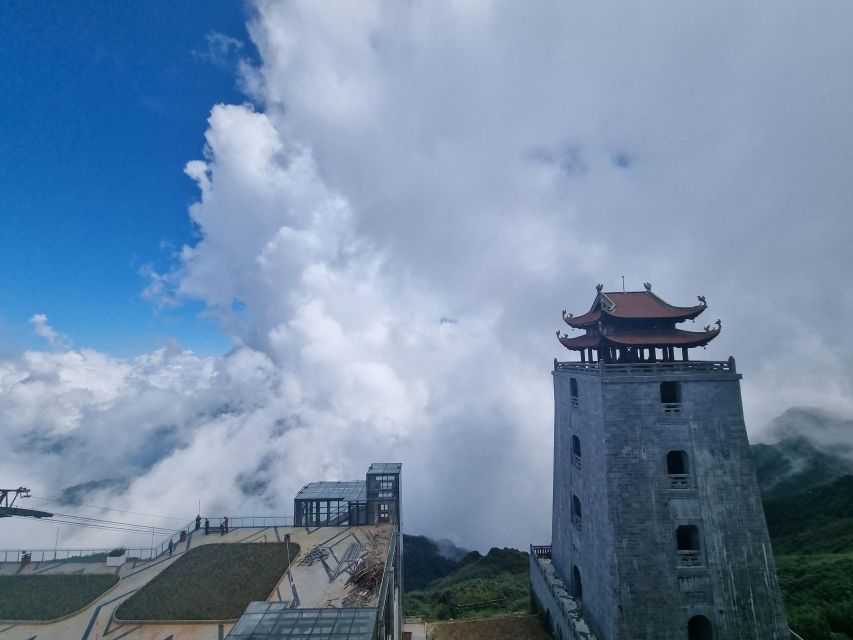
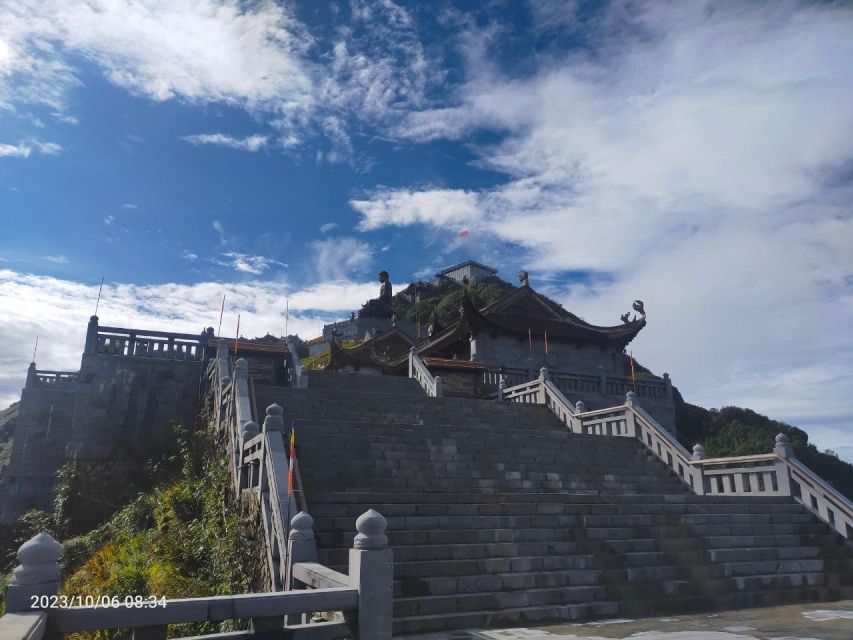
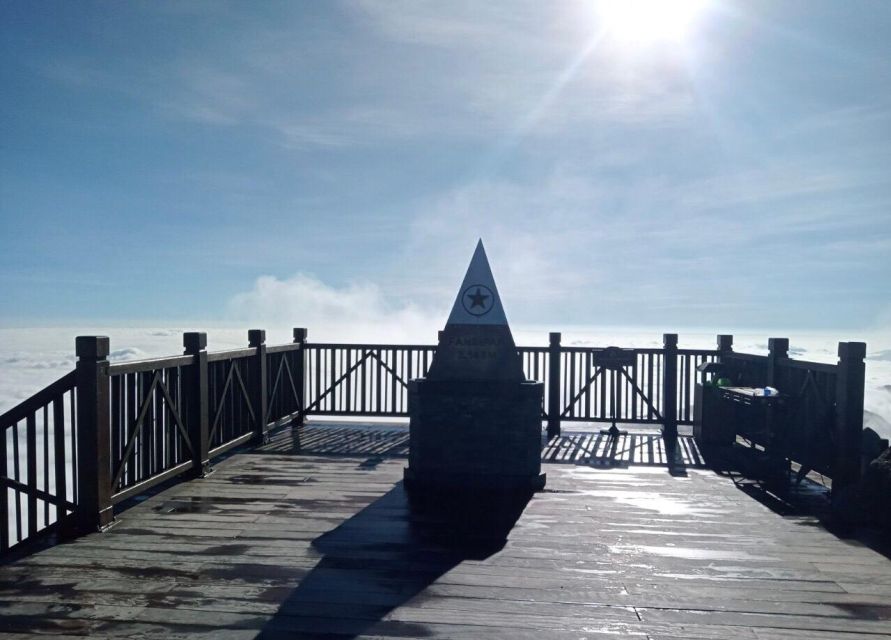
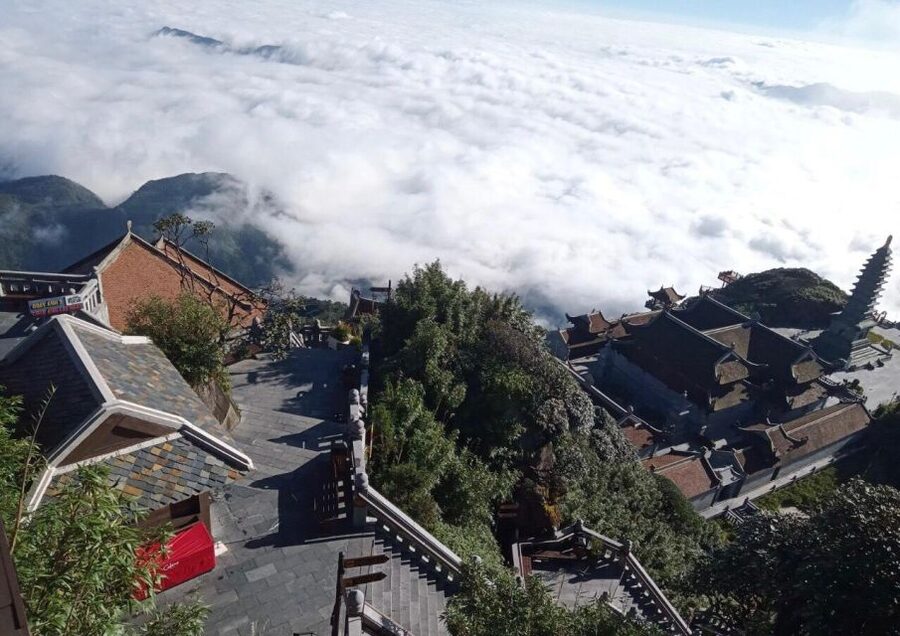
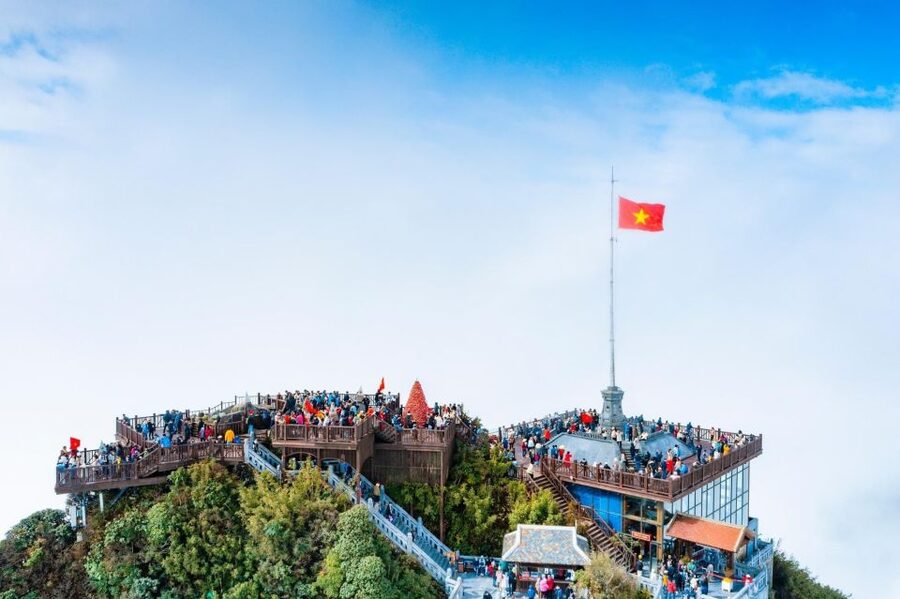
Fansipan is the star here. You ride a cable car high into the Hoang Lien Son mountains, then climb about 600 steps to Vietnam’s highest summit, known as the Roof of Indochina. On a clear day, the views are superb. On a cloudy one, you may get mist, stone stairways, and a mountain mood instead.
I like the smart two-part plan: Fansipan on day one, followed by the rice terraces and villages of Muong Hoa Valley on day two. I also like the small group, capped at 10 people, and the local guides Sue and Chai, who bring useful detail about rice farming, clothing, and village life.
The main drawback is the pace. You spend many hours on the road, and the return to Hanoi begins at 2:30 pm on day two, leaving little spare time in Sapa. The village walk can take more than three hours and become muddy, while some buses and hotels may fall short of the deluxe promise.
In This Review
- Key points at a glance
- From Hanoi to Sapa by limousine bus
- Reaching Fansipan after lunch
- What one night in Sapa really gives you
- Walking the Muong Hoa Valley
- Lao Chai, Ta Van, and a village lunch
- The tight return to Hanoi
- Is the $169 price good value?
- Who will enjoy this Sapa tour?
- Should you book it?
- FAQ
- How long does the tour last?
- Where does pickup take place?
- Is Fansipan reached by cable car?
- Does the tour include accommodation?
- What villages are visited?
- Is the trek suitable for all fitness levels?
- What happens if the weather is bad?
Key points at a glance

- Fansipan by cable car: Ride for about 25 minutes, then tackle roughly 600 steps to the summit.
- Muong Hoa Valley trek: Walk through rice terraces to Lao Chai and Ta Van, with a lighter or harder route available.
- Black Hmong and Dzay culture: Visit Hmong and Dzay villages, homes, and a local school with a Sapa-based guide.
- Small-group format: The group is limited to 10, though the first day may feel nearly private if demand is low.
- Useful inclusions: Return Hanoi to Sapa bus, one Sapa hotel night, breakfast, lunch, cable car, local transport, and guide are covered.
- A demanding schedule: You leave Hanoi early, reach Fansipan after lunch, trek the next morning, and return to Hanoi the same evening.
From Hanoi to Sapa by limousine bus
The tour begins around 6:30 am with pickup from Hanoi’s Old Quarter or your Old Quarter hotel. The bus follows the Hanoi to Lao Cai highway, with mountain views appearing as you get closer to Sapa. Arrival is planned for around 12:30 pm, not midnight, followed by hotel check-in and a short break.
This transfer makes the tour easy to book as a package. You do not need to arrange separate transport, a Sapa hotel, a Fansipan ticket, and a valley guide. That convenience matters on a two-day trip, since independent planning can eat up much of your limited time.
Still, the bus ride is a real part of the experience, not a minor transfer. One journey was delayed by about 45 minutes, and a tall passenger found the back middle seat especially cramped and rough. Another return ride felt too fast and caused some passengers to feel sick. I would ask for a comfortable seat when possible, keep water and medication handy, and expect traffic or road conditions to affect the timetable.
Food and drinks are listed among the items not allowed, so check the current operating instructions before departure. The supplied information also says soft drinks are not included. Since the bus ride is long, clarify what refreshments are permitted and where breaks are planned.
More 2-Day Trips in Sapa
- Sapa 2 Days 1 Night From Hanoi – Overnight in Ta Van Village
★ 5.0 · 2,669 reviews - Hanoi – Sapa 2 Days 1 Night Overnight At Homestay
★ 5.0 · 899 reviews - From Hanoi: 2-Day Sapa Trekking Trip with Homestay & Meals
★ 4.8 · 704 reviews
Reaching Fansipan after lunch
After a short rest in Sapa, you head to the cable car station around 2:00 pm. The cable car journey takes about 25 minutes and carries you to roughly 2,800 meters. This is the easy part of the summit day, but the altitude and remaining climb still deserve respect.
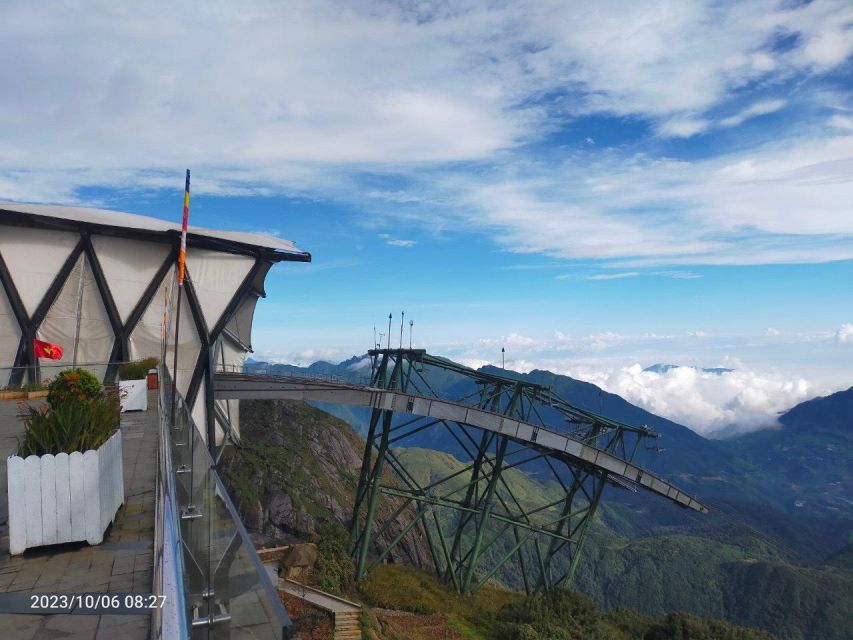
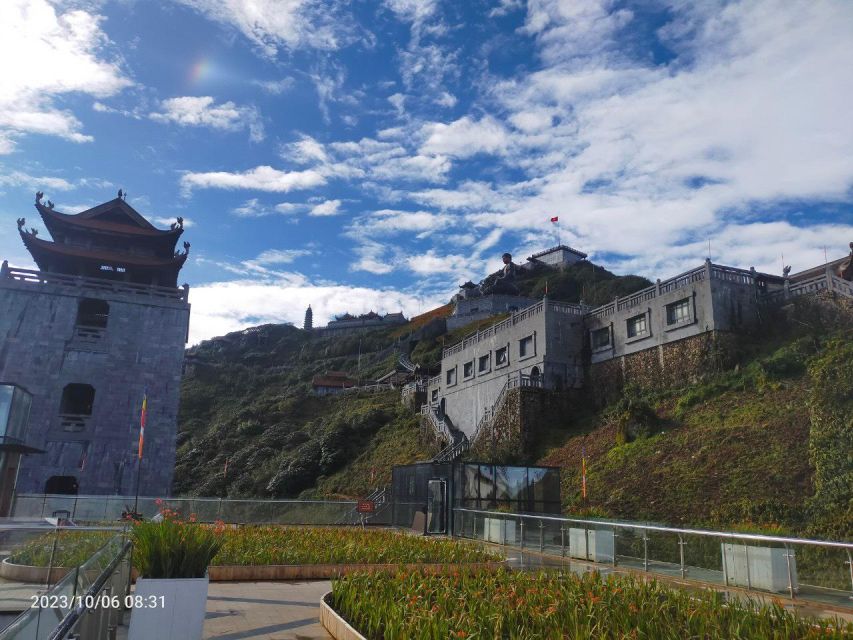
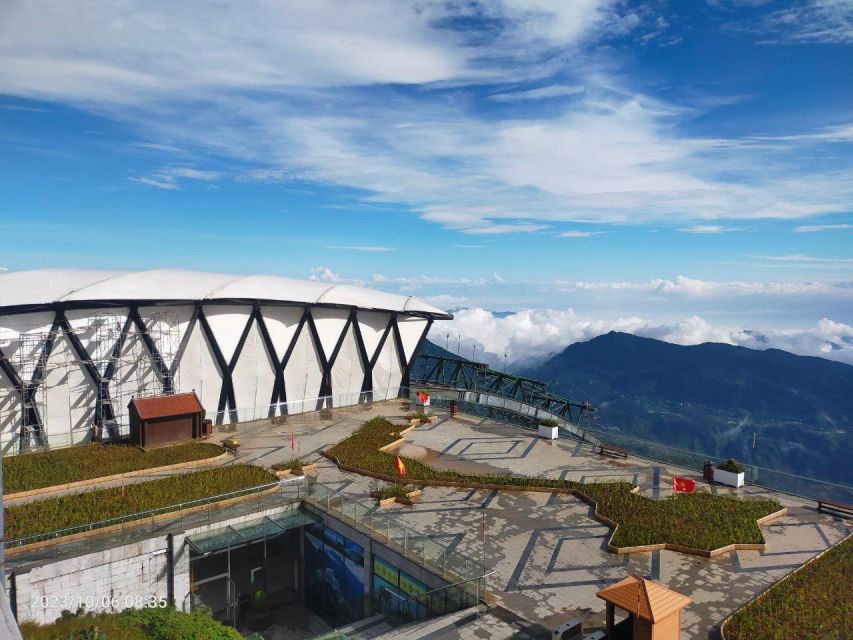
At the upper station, you have time for photographs and visits to pagodas and other spiritual sites. The final ascent involves about 600 steps. It is not a technical mountain climb, but it is a serious stair walk at high altitude, especially after a long morning on the road.
Fansipan weather changes fast. Clear skies can open dramatic views over the peaks and valleys, while fog can hide almost everything. One lucky departure had clouds lift enough to reveal beautiful views, but the weather is never guaranteed. The trek to the summit may be delayed or cancelled in poor conditions.
I like that the cable car lets you see Fansipan without committing to a long full-day climb. You still get the satisfaction of reaching the top, but the stairs require good health and steady legs. This part is not suitable for people with heart problems, high blood pressure, or acrophobia. It is also not designed for wheelchair users.
The optional monorail and funicular tickets are not included. You may choose to pay for them separately, but the listed price covers the return cable car only. Ask your guide what each extra ride covers before paying, since the 600-step section is central to the summit visit.
What one night in Sapa really gives you
The package includes a deluxe double, twin, or triple room in a three-star hotel in Sapa. Breakfast is included the following morning. This gives you a useful base between the two major activities, and a private room is welcome after the long trip from Hanoi.
Hotel quality may vary. One stay included a pleasant hotel with friendly service and a good breakfast. Another had an old, dingy feel and a leaking toilet. I would treat the room as a practical overnight stop rather than a reason to book the tour. If comfort matters greatly, confirm the hotel name and room standard before paying.
The schedule does not leave much time for Sapa after Fansipan. You may have a little room to walk around town before the evening, but the main purpose of this trip is the mountain and valley combination. The Hanoi hotel at the end of day two is not included, despite the return arriving around 7:30 pm. Plan and budget for that night yourself.
Walking the Muong Hoa Valley
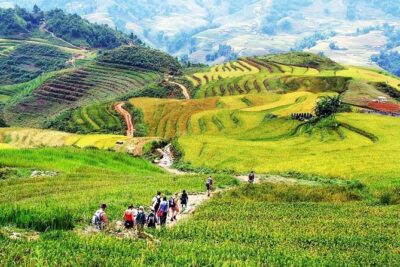
Day two starts with breakfast and a trek through Muong Hoa Valley. The route visits Lao Chai, a village associated with the Black Hmong, and Ta Van, home to the Dzay people. You walk beside rice terraces, pass local homes and a school, and have chances to speak with people who live in the valley.
This is where the tour feels most connected to local life. The terraces are not just scenic backdrops. Your guide can explain rice harvesting, village routines, and the natural methods used to make and dye clothing. Sue, one of the guides working on this route, has been especially good at linking what you see in the fields to everyday life.
You can choose a lighter or harder trek based on your fitness. That flexibility is useful, but do not mistake the light option for a flat stroll. The route can involve steep slopes, uneven ground, and wet paths. After early rain, the rice-field trails may turn very slippery. One person found tennis shoes had too little grip, while trail shoes would have been a better choice.
The walk can last more than three hours, and some versions of the route reach five hours. Guides such as Chai, also spelled Chia in some tour details, have helped people across muddy paths and steep terrace sections. Good local support makes a large difference, especially when the ground is slick.
I would wear hiking shoes with deep tread, not casual trainers. Bring sunscreen, insect repellent, comfortable clothing, and personal medication. A passport or identity card is also required. You should be ready to get muddy, even if the forecast looks fine.
More Sapa escapes from Hanoi:
- Sa Pa: Muong Hoa Valley Trek and Local Ethnic Villages
★ 4.6 · 864 reviews - Sapa: Fansipan Cable, Cat Cat Village & Moana Instagram Tour
★ 5.0 · 777 reviews - Sapa 3 Days 2 Nights Trekking Tour (1 Night In Ta Van Village, 1 Night In Hotel)
★ 5.0 · 699 reviews - Sapa: Eco Adventure Terrace Fields and Local Villages Trek
★ 4.9 · 636 reviews
Lao Chai, Ta Van, and a village lunch
Lao Chai gives you a first look at Hmong village life and the working rice terraces. Ta Van feels like the more substantial cultural stop, with time at local homes and lunch in a Dzay village house. The included meal is simple local food, and it gives you a chance to pause before the return transfer.
The plan also allows time to wander or swim in the Muong Hoa stream. Treat swimming as optional and dependent on conditions, since the available information does not promise a particular swimming spot or water level. The strongest part of the stop is the chance to slow down and talk with your guide about what you have seen.
An optional motorbike outing has also been offered by a guide, including a valley ride and lunch at her home with freshly prepared salmon and sturgeon. This is not part of the basic package, so you should confirm availability, cost, and safety details directly at the meeting point. It may appeal to you if you prefer seeing more of the valley by road rather than spending the full day on foot.
The cultural contact is best approached with curiosity and restraint. Visit homes and the school as part of the organized route, listen to your guide, and ask before taking close-up photographs. The tour’s value is greater when you see the valley as a lived-in place, not just a photo stop.
The tight return to Hanoi
A van brings you back from the village to Sapa town, where you have some free time. At around 2:30 pm, you transfer back to Hanoi and are expected to arrive around 7:30 pm. That timing makes this a two-day tour, but not a relaxed one.
You will not have an extra afternoon for shopping or a long café stop in Sapa. The valley walk must finish on time, and the return journey may take longer if traffic causes delays. This is one reason I would avoid booking an important flight or train immediately after the planned Hanoi arrival.
The schedule works best if you want a compact mountain introduction. It gives you Fansipan, rice terraces, village visits, and an overnight stay without requiring a third day. The trade-off is that every delay squeezes the next activity.
Is the $169 price good value?
At $169 per person, the tour covers a great deal: round-trip Hanoi to Sapa transport, the return Fansipan cable car, a Sapa hotel night, breakfast, one lunch, the valley entry fee, local transport, and an English-speaking guide. For a small group of up to 10, that is a reasonable package price if you value convenience.
The cable car ticket is a major part of the cost, and arranging the Fansipan visit independently can require extra planning. You also avoid finding your own way to the valley, negotiating village transport, and arranging a guide who can explain Hmong and Dzay culture.
The price is not the final amount. A 10 percent government tax is excluded. Travel insurance, soft drinks, monorail and funicular rides, and your Hanoi hotel after the return are also extra. French-language guiding costs an additional $15 per person, and a Lunar New Year surcharge of $30 per person applies from January 26 to February 2, 2025, according to the supplied conditions.
The hotel is the biggest value variable. If you receive a clean, comfortable three-star room, the package looks stronger. If the room is worn or poorly maintained, the included stay feels more like basic logistics. Confirm the room arrangement, especially if you are traveling alone or need a specific bed type.
Who will enjoy this Sapa tour?
I would choose this trip if you have only two days and want the major Sapa sights in one efficient package. It suits people who want a cable car-assisted summit, a guided walk through rice terraces, and direct contact with local village life.
It also suits active families and couples who can manage uneven paths and a long day outside. The lighter trekking option helps, while the small group allows the guide to slow down when someone struggles. Sue and Chai have been praised for being attentive, patient, friendly, and good at explaining local customs.
I would think twice if you dislike long bus journeys, need a slow schedule, or want predictable hotel quality. People with heart conditions, high blood pressure, serious altitude concerns, or a fear of heights should not book this experience. It is not suitable for wheelchair users or people over 95, and the Fansipan portion depends on safe weather.
For the best chance of good views, keep your expectations flexible. Fansipan can be magnificent under a clear sky and almost completely hidden by fog the next day. The valley walk remains worthwhile in changing weather, but rain makes the terraces harder and more tiring.
Should you book it?
Book this tour if you want maximum Sapa coverage in minimum time and are comfortable with an early start, a long bus ride, steep steps, and muddy trails. The combination of Fansipan and Muong Hoa Valley is strong, and the local guides can add real meaning to the villages and rice fields.
Skip it if you want a restful mountain break or a polished luxury experience. Before booking, confirm the current hotel, bus seating, included taxes, and weather policy. Bring proper trail shoes, and leave room in your schedule after the 7:30 pm Hanoi arrival.
FAQ
How long does the tour last?
The tour lasts two days. Pickup from Hanoi is around 6:30 am on day one, and arrival back in Hanoi is planned for around 7:30 pm on day two.
Where does pickup take place?
Pickup is available from hotels in Hanoi’s Old Quarter or from a meeting point in the Old Quarter.
Is Fansipan reached by cable car?
Yes. The return cable car ticket is included. The ride takes about 25 minutes and reaches an altitude of roughly 2,800 meters before the final climb of about 600 steps to the summit.
Does the tour include accommodation?
Yes. One night in a deluxe double, twin, or triple room at a three-star hotel in Sapa is included. Accommodation for the night after returning to Hanoi is not included.
What villages are visited?
The trek visits Lao Chai village of the Black Hmong and Ta Van village of the Dzay people. The route can also include local homes and a local school.
Is the trek suitable for all fitness levels?
You can choose a light or hard trek, but the route may be muddy, steep, and uneven. Hiking shoes are recommended. Fansipan is not suitable for people with heart problems, high blood pressure, or acrophobia.
What happens if the weather is bad?
The Fansipan trek may be cancelled or delayed in bad weather. Mountain views are also dependent on conditions, so clear skies are not guaranteed.
More 2-Day Experiences in Hanoi
- Amanda Cruise – Ha Long, Lan Ha Bay – All Inclusive 2D1N & 3D2N
★ 5.0 · 4,358 reviews - Lan Ha – Ha Long Bay – Dau Be island 2D/1N from Cat Ba in less touristy areas.
★ 5.0 · 3,460 reviews - Hanoi: 2-Day Halong & Lan Ha Bay 5-Star Cruise with Balcony
★ 4.8 · 3,300 reviews - Halong Bay – Le Journey Cruises – All Inclusive 2D1N and 3D2N
★ 5.0 · 2,500 reviews
Just added around Hanoi
- Full day Boat Tour Lan Ha Bay – Ha Long Bay: Kayak, Beach Hopping★ 5.0 · 9 reviews
- Cat Ba National Park, Lan Ha Bay 2 Days 1 Night Adventure★ 4.8 · 9 reviews
- Ha Giang Loop 2 Days High quality Small Group +Private Room★ 5.0 · 9 reviews
- Half Day Sapa Cat Cat Explore Waterfall, Workshop, H’mong Local★ 5.0 · 9 reviews
- Sapa 1 Day Trekking★ 5.0 · 9 reviews
- Sapa Open Air Jeep Half Days Off the Beaten Track, Backroad★ 4.9 · 9 reviews
- Halong 2 days 1 night with Cozy Classic Cruise from Hanoi★ 4.5 · 9 reviews
- Fansipan Mount Trekking 1 Day★ 5.0 · 9 reviews
Sapa Tours, compared.
Sapa 2 Days 1 Night From Hanoi – Overnight in Ta Van Village
Read our review →

Muong Hoa Valley Trek and Local Ethnic Villages
Read our review →
Fansipan Cable, Cat Cat Village & Moana Instagram Tour
Read our review →

Sapa 3 Days 2 Nights Trekking Tour (1 Night In Ta Van Village, 1 Night In Hotel)
Read our review →
Eco Adventure Terrace Fields and Local Villages Trek
Read our review →
3-Day Trekking Adventure of Sapa from Hanoi – Stay Ta Van Village
Read our review →Browse the lists this tour appears in