
Reviewed · SAPA TOURS
Half-Day Hometrek from Sapa with Hmong Sister House
The best part of this Sapa trek is the route itself: you walk an old Hmong path from the hills toward the market, passing rice terraces and several villages before reaching a family homestay. I like the local Hmong guide and the chance to hear about village life from someone who lives it. I also like the flexible pickup time, which can suit an early riser or a slower morning.
The main thing to consider is the footing. Muddy paths and steep sections can make this harder than the half-day label suggests, especially in wet weather. March may also offer fewer active rice-field scenes, so your views and photos can depend on the season.
In This Review
- Key points before you book
- Why this old Hmong route is worth your time
- Starting in Sapa and getting onto the trail
- Y Linh Ho, the first real stretch of countryside
- Lao Chai and the wide rice-terrace views
- Ta Van, where the stories take over
- Hau Thao and the family homestay finish
- How difficult is the walk?
- What the $25 price really covers
- Who will enjoy this Sapa trek most?
- Should you book the Hmong Sister House trek?
- FAQ
- Where does the trek start?
- Where does the tour end?
- How long does the experience last?
- Is the tour private?
- Which villages are included?
- Is lunch included?
- Is dinner included?
- Is the tour suitable for most people?
- What happens if the weather is poor?
- Can I cancel for a full refund?
Key points before you book
- A four-village route: Walk through Y Linh Ho, Lao Chai, Ta Van, and Hau Thao rather than stopping at one viewpoint.
- Hmong-led storytelling: Guides such as Ku explain local culture, village life, and the history of the path in English.
- Flexible Sapa pickup: Choose a pickup point in Sapa town and a start time between 6:00 AM and 2:30 PM.
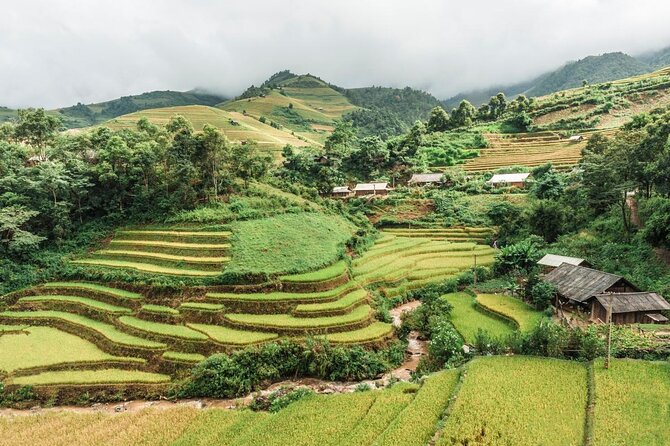
- Rice-terrace views: The route includes broad views over paddies and mountain valleys, with time for photographs.
- Homestay finish: The walk ends at Zizi Mekhoo Sapa Homestay in Ban Pho village, about 9 kilometers from Sapa.
- Small shared group: The maximum group size is 15 people, but this is not a private tour.
Why this old Hmong route is worth your time
Sapa is full of signs advertising village walks, but the route matters more than the label. This one follows a path once used by Hmong people traveling from their villages to the Sapa market. That detail gives the walk a human purpose. You are not simply moving between photo stops. You are following a local connection between mountain communities and the town.
I like that the route links several villages instead of keeping you near Sapa’s center. Y Linh Ho, Lao Chai, Ta Van, and Hau Thao each offer a different view of the valley, rice paddies, and daily life. Your guide can also explain the story behind the path, rather than leaving you to guess what you are seeing.
The price is $25 per person, which is fair if you value transport coordination, lunch, bottled water, and a local English-speaking guide. It is especially useful if you want to finish at a homestay rather than return to Sapa. You are paying for a guided route and local context, not simply a walk in the hills.
This is a shared outing, with up to 15 people. That keeps the cost down, but you should not expect the quiet rhythm of a private hike. The start time is flexible, from 6:00 AM to 2:30 PM, so confirm the exact plan when booking. The advertised duration is about four and a half hours, while the listed stops add up to roughly five hours. Treat the schedule as approximate.
More Sapa escapes from Sapa:
- Sapa 2 Days 1 Night From Hanoi – Overnight in Ta Van Village
★ 5.0 · 2,669 reviews - Hanoi – Sapa 2 Days 1 Night Overnight At Homestay
★ 5.0 · 899 reviews - Sa Pa: Muong Hoa Valley Trek and Local Ethnic Villages
★ 4.6 · 864 reviews
Starting in Sapa and getting onto the trail
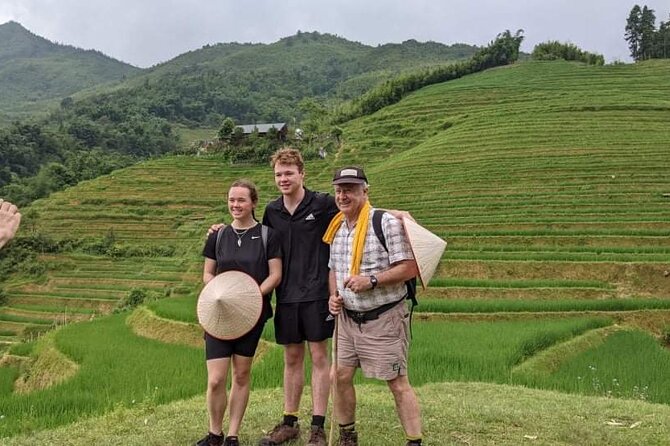
Your guide meets you somewhere in Sapa town. You can provide a hotel, bus arrival point, or another convenient place. A driver can take your luggage ahead to the homestay, which is a useful touch if you are carrying bags or planning to stay there afterward.
The first section lasts about 40 minutes and includes leaving Sapa and reaching the walking route. This transition matters because Sapa itself can feel busy and built up, while the trail quickly takes you toward quieter village roads and hillside paths.
You can start early or later in the morning. An early departure gives you more time for the full route and may make the walk feel cooler. A later start can work well if you arrived in Sapa by night bus and need sleep. Since the tour runs within a broad time window, ask clearly about pickup time, expected finish, and luggage arrangements.
The service is shared, but the maximum group size is 15. That is small enough for a guide to offer help on uneven sections, though the pace may still depend on the group.
Y Linh Ho, the first real stretch of countryside
The route reaches Y Linh Ho for about an hour. This is where the old market path becomes the focus of the walk. You begin to see the area as a network of village routes rather than a collection of isolated tourist stops.
The appeal here is space. The path gives you views toward the valley and rice paddies, while your Hmong guide explains the local setting and the way people have used these routes. The walk is more rewarding when you pause to listen, not just hurry toward the next viewpoint.
This section can be muddy. One person on the route had to cut the walk short after twisting an ankle shortly before starting, and the guide helped arrange a motorbike back. That shows the practical value of having local support, but it also tells you to take the terrain seriously. Wear shoes with a firm grip and avoid treating this as a paved village stroll.
The weather policy is important here. The outing requires good weather, and heavy rain can change or cancel the plan. If that happens, you are offered another date or a full refund.
Lao Chai and the wide rice-terrace views
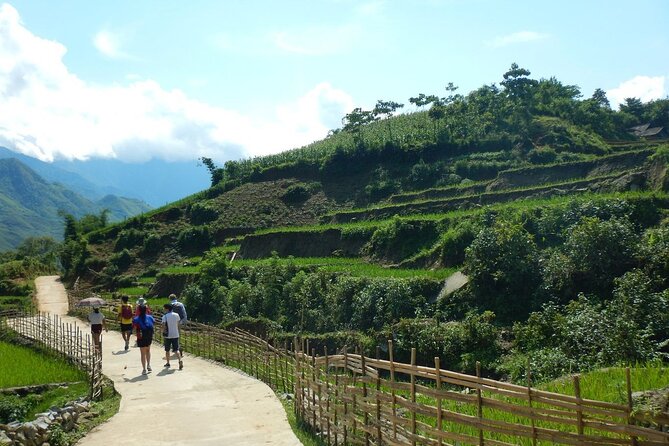
The Lao Chai portion takes about an hour and a half, making it the longest stop. It is also where the scenery gets its strongest billing. You walk through rice paddies and reach a good photo location with a broad view of the surrounding communities.
This is the section for people who choose Sapa for its terraces and mountain views. From the route, you can look across several settlements rather than seeing only the path immediately in front of you. The views change with weather and farming season, so keep your expectations sensible. Rice fields do not look the same all year.
Season matters more than many booking pages make clear. In March, the fields may not offer the most dramatic activity or color. You can still get mountain scenery and village walking, but the agricultural scene may feel quieter. If terraces are your main reason for booking, ask about current conditions before you commit.
Your guide also adds value here. Ku, one of the guides associated with the experience, is described as a local Hmong woman with very good English. A guide who belongs to the culture can explain what you are seeing with more care than someone who has only memorized a few facts. That does not remove the need for respectful behavior, but it can make the walk feel more grounded.
Lunch and bottled water are included. Since the route lasts several hours, that saves you from arranging food during the walk. Other drinks and personal expenses are not included, so bring money if you expect to buy anything along the way.
A few more Sapa departures worth weighing up
- Sa Pa: Half-Day Cat Cat Village Hike to Meet H’mong People
★ 3.7 · 72 reviews - Sapa Dragon Cloud Glass Bridge and Silver Waterfall Half-Day Tour
★ 5.0 · 25 reviews - Sapa Half-Day Motorbike Tour: Villages & Rice Fields
★ 5.0 · 22 reviews - Private Half-Day Tour of Villages, Terrace Rice Fields by Car
★ 5.0 · 16 reviews
Ta Van, where the stories take over
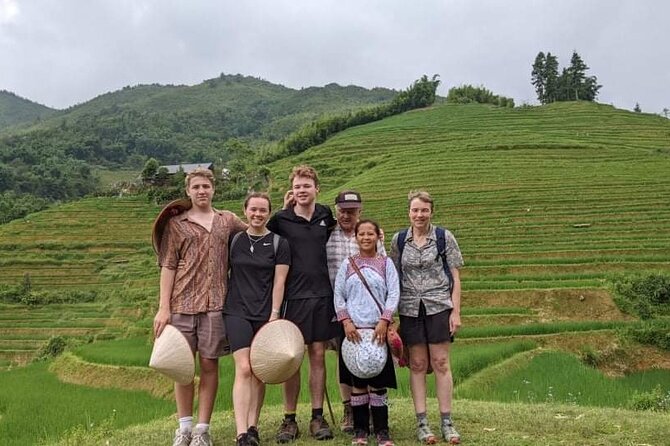
Ta Van Village receives about an hour of the route. Here, the emphasis shifts from long views and walking time to village stories. Your Hmong guide talks about the history of the village, daily life, and Hmong culture.
This is the part I would value most if you want more than scenery. Rice terraces photograph well, but the explanation of how people live in the villages gives the route meaning. Ask questions as you go. The experience is designed around conversation, and the guide is there to explain the culture rather than simply lead you from one turn to the next.
The village stop also breaks up the physical effort. After the longer Lao Chai stretch, Ta Van gives you time to slow down and take in the setting. Still, the overall route remains a walk, not a village tour reached by car. If you dislike uneven paths or extended downhill sections, this may not be the best choice.
The guides are also praised for helping people on muddy paths. That is reassuring, but do not assume assistance makes the route easy. Your own balance and footwear still matter.
Hau Thao and the family homestay finish
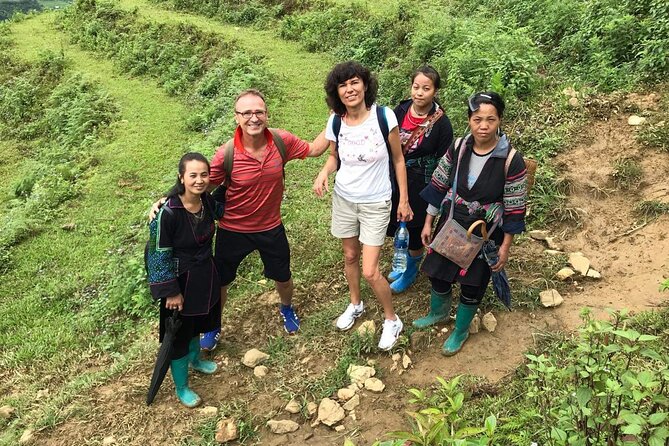
The final stop is Hau Thao, planned for about 30 minutes. You arrive at the area where Zizi’s family lives and finish at Zizi Mekhoo Sapa Homestay in Ban Pho village. The homestay is about 9 kilometers from Sapa town, so this is not a loop back to your original pickup point.
That ending changes the feel of the outing. Instead of returning straight to town after the views, you reach a family setting where you can take in the mountains and explore the village. You can also join the family for dinner prepared by Zizi Homestay if you want to extend the visit. Dinner is optional, not part of the included lunch.
Check the ending carefully before booking. If you have a bus, train, or hotel reservation in Sapa later that day, you need enough time for the journey back from the homestay. If you are staying at the homestay, the finish is convenient. If not, confirm how you will continue from Ban Pho.
The supplied details refer to Hau Thao and also give Ban Pho as the homestay address. These are connected points in the end section, but you should confirm the exact drop-off location so there is no surprise at the finish.
How difficult is the walk?
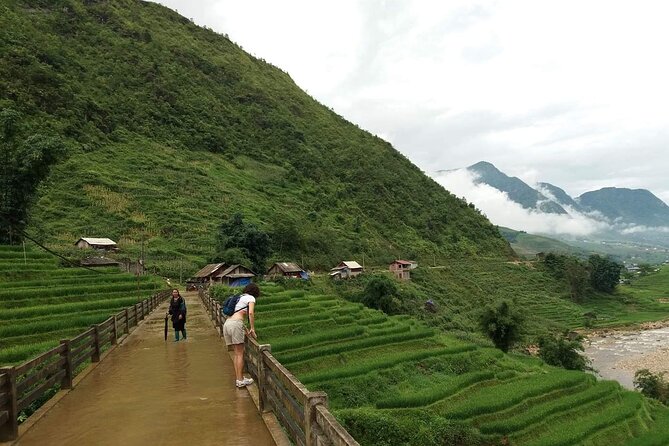
The tour is described as suitable for most people, but that does not mean it is effortless. The route includes village paths, forest sections, rice paddies, hills, and muddy ground. The experience is best for someone comfortable walking for several hours on uneven terrain.
Good weather will make a large difference. In dry conditions, the path should be easier to manage, while rain can turn slopes into a slow, careful walk. Bring shoes that can get dirty. A walking stick may also be useful, although one is not listed as included.
A twisted ankle forced one participant to stop after about three and a half hours, but the guide helped arrange a motorbike back. That is a useful safety net, not a reason to ignore the physical demands. If you have a current injury or poor balance, ask questions before booking.
Service animals are allowed, and the activity is near public transportation. Most people can take part, but the practical challenge remains the trail itself.
What the $25 price really covers
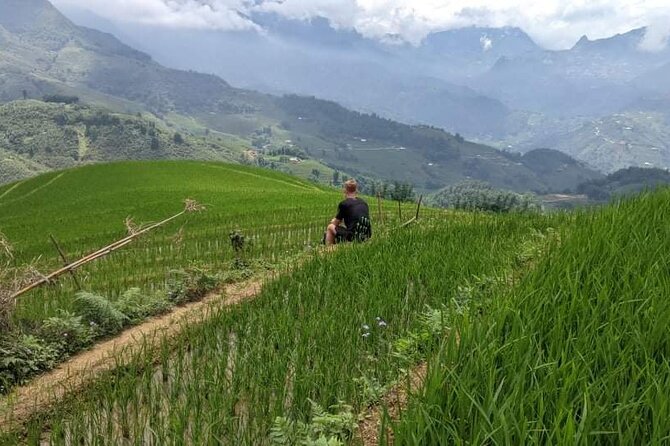
At $25, this is a low-cost way to connect Sapa town with several valley villages. The value comes from the combination of a local guide, lunch, bottled water, pickup coordination, and luggage transfer to the homestay.
A private guide would give you more control over pace and conversation, but this is a shared group. For many people, the shared format is a sensible trade-off. You get the core route and cultural explanation without paying private-tour prices.
The optional family dinner adds a useful choice. You can finish after the village visit, or stay longer for a home-cooked meal. Since other drinks and personal expenses are separate, keep a little extra cash with you.
The tour is booked, on average, about six days ahead. That suggests you should not leave it until the last minute if your Sapa dates are fixed, especially if you want a particular guide or start time. Confirmation is provided at booking.
Who will enjoy this Sapa trek most?
I would choose this for you if you want three things in one outing: mountain views, a physical walk, and direct contact with a local Hmong guide. It suits people who would rather see villages on foot than spend the day taking short vehicle stops.
It is also a good choice if you want to finish outside Sapa town. The homestay ending gives you the option of adding dinner or staying overnight, though you need to arrange your own plans around that location.
You may want another option if you need a perfectly fixed schedule, a paved route, or a return to Sapa at the end. The shared group and changing weather add some uncertainty. March visitors should also expect a quieter agricultural setting than the most dramatic terrace photographs suggest.
Free cancellation is available up to 24 hours before the start time. Changes or cancellations inside that window are not accepted for a refund, and weather cancellations offer either a new date or a full refund.
Should you book the Hmong Sister House trek?
Book it if the idea of walking an old village route with a Hmong guide appeals to you more than checking off a single viewpoint. The strongest features are the connected route through four communities, the rice-paddy scenery, and the chance to finish with Zizi’s family at the homestay.
Before paying, confirm three things: your exact start time, the final drop-off point, and current trail conditions. Then bring grippy shoes, allow extra time after the advertised four and a half hours, and keep your afternoon flexible.
For $25, this is a strong value for a shared Sapa outing. It is not the easiest walk in the region, and seasonal scenery can vary, but the local guide and village-to-village route give it more substance than a quick photo stop.
FAQ
Where does the trek start?
The trek starts in Sa Pa, Lao Cai, Vietnam. Pickup can be arranged from a hotel, bus arrival point, or another convenient location in Sapa town.
Where does the tour end?
The tour ends at Zizi Mekhoo Sapa Homestay in Ban Pho village, about 9 kilometers from Sapa town.
How long does the experience last?
The approximate duration is four hours and 30 minutes. The start time is flexible between 6:00 AM and 2:30 PM, and the individual stop times indicate that the exact schedule can vary.
Is the tour private?
No. It is a shared tour with a maximum of 15 participants.
Which villages are included?
The route includes Y Linh Ho, Lao Chai, Ta Van, and Hau Thao.
Is lunch included?
Yes. Lunch and bottled water are included. Other beverages and personal expenses are not included.
Is dinner included?
No. You may join Zizi Homestay’s family dinner, but dinner is optional and separate from the included lunch.
Is the tour suitable for most people?
The tour states that most people can participate, but the route includes muddy and uneven paths. Good walking shoes are important.
What happens if the weather is poor?
The activity requires good weather. If it is canceled because of poor weather, you can choose another date or receive a full refund.
Can I cancel for a full refund?
Yes, if you cancel at least 24 hours before the experience start time. Cancellations or changes made less than 24 hours ahead are not refunded.
Just added around Sapa
- Half Day Sapa Cat Cat Explore Waterfall, Workshop, H’mong Local★ 5.0 · 9 reviews
- Sapa 1 Day Trekking★ 5.0 · 9 reviews
- Sapa Open Air Jeep Half Days Off the Beaten Track, Backroad★ 4.9 · 9 reviews
- Fansipan Mount Trekking 1 Day★ 5.0 · 9 reviews
- Sapa: Motorbike Tour to Hidden Villages & Terraced Fields★ 5.0 · 9 reviews
- Sapa 3 Day Trekking with 2 Nights Homestay★ 5.0 · 9 reviews
- SaPa: 2-Day Villages,Rice Fields, Love Waterfall Hiking Tour★ 5.0 · 9 reviews
- 8-Day Discover Northern Vietnam Highlight: Hanoi – Ninh Binh – Sapa – Halong Bay★ 5.0 · 9 reviews
Sapa Tours, compared.

Sapa 2 Days 1 Night From Hanoi – Overnight in Ta Van Village
Read our review →

Muong Hoa Valley Trek and Local Ethnic Villages
Read our review →
Fansipan Cable, Cat Cat Village & Moana Instagram Tour
Read our review →

Sapa 3 Days 2 Nights Trekking Tour (1 Night In Ta Van Village, 1 Night In Hotel)
Read our review →
Eco Adventure Terrace Fields and Local Villages Trek
Read our review →
3-Day Trekking Adventure of Sapa from Hanoi – Stay Ta Van Village
Read our review →Browse the lists this tour appears in