
Reviewed · EGG COFFEE EXPERIENCES
Hanoi Coffee Workshop Crafting the Perfect Brew
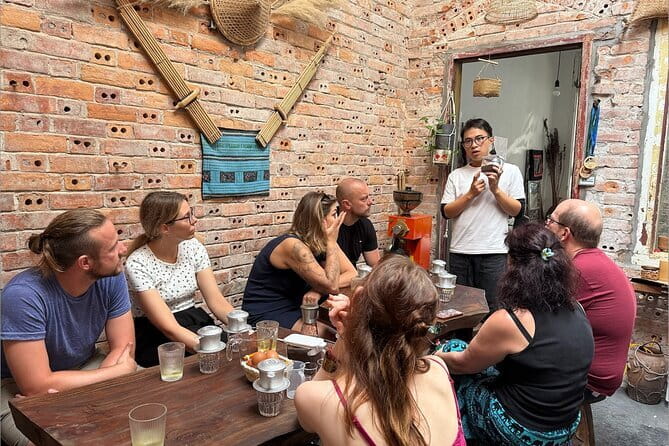
Vietnamese coffee is more than a strong morning drink. In this two-hour workshop, you learn how the small metal phin filter turns robusta beans into a concentrated brew, then use it as the base for sweet, creamy, salty, and tropical coffee drinks. Egg coffee and salt coffee are the stars for many people.
I like two things right away: you make the drinks yourself, rather than simply watching a demonstration, and the instructor adds useful background about coffee and Vietnamese culture. The chance to taste as many as six styles, then adjust them to your liking, gives the session real value at $17.73.
The main consideration is caffeine. Four to six coffee drinks in two hours can be a lot, especially if you are sensitive to strong coffee. The exact number of styles may also vary, since the experience is described as covering four to six coffees.
In This Review
- Key points at a glance
- Starting with Hanoi’s phin filter
- Black coffee shows the true coffee base
- Brown coffee balances bitterness with condensed milk
- Egg coffee is the workshop’s dessert in a cup
- Coconut coffee brings a cooler, tropical note
- Salt coffee is the unexpected favorite
- Latte art adds a playful finish
- The instructors shape the experience
- Why the two-hour format works
- Is $17.73 good value?
- Location, meeting details, and cancellation
- Who should book this Hanoi coffee workshop?
- Should you book it?
- FAQ
- Where does the Hanoi Coffee Workshop begin?
- How long does the coffee workshop last?
- Which Vietnamese coffee styles will I make?
- Is an English-speaking instructor included?
- What is included in the price?
- What is the cancellation policy?
Key points at a glance
- Six classic styles may be included: Black, brown, white, egg, coconut, and salt coffee are all part of the workshop menu.
- The phin filter is the common thread: You learn the traditional Vietnamese brewing method behind the bold coffee base.
- Egg and salt coffee offer the biggest surprises: One tastes like a creamy dessert, while the other balances coffee, milk foam, and sea salt.
- English-speaking instructors lead the class: Dat, Devin, Claire, David, and Ashley are among the instructors named for different sessions.
- You receive recipes to take home: The practical value continues after the class, since you can recreate the drinks for friends and family.
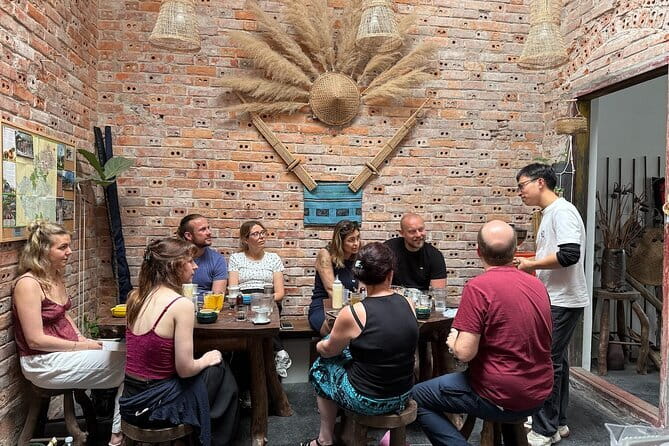
- The class is small enough for hands-on work: Group size is capped at 15 people, and the activity returns to its starting café.
Starting with Hanoi’s phin filter
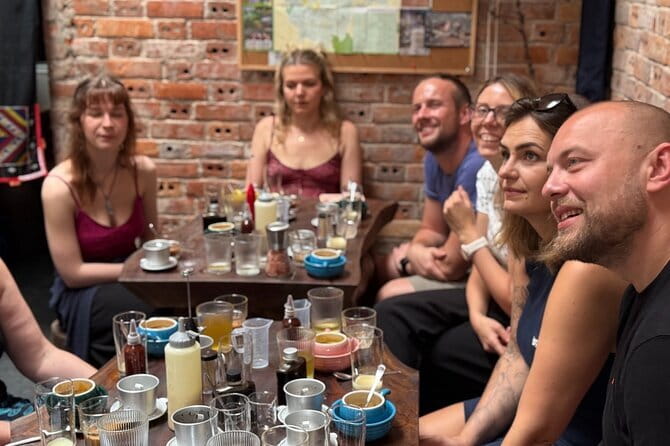
The workshop begins at GẠO CAFE, at 10 P. Chợ Gạo in the Hàng Buồm area of Hoàn Kiếm. This puts you in Hanoi’s Old Quarter, a handy location for fitting the class around sightseeing, meals, and an evening walk.
The first useful lesson is the phin, Vietnam’s compact metal drip filter. Unlike a paper filter or espresso machine, it sits directly over your cup and lets coffee drip slowly through a small chamber. The result is thick, concentrated, and often more forceful than visitors expect.
You learn the basic mechanics, including how the coffee sits in the filter and how water passes through it. That matters because a phin is simple, portable, and inexpensive, but small changes in the amount of coffee, water, and pressure affect the final cup.
The beans introduced in the class include robusta and arabica. Vietnamese coffee is strongly associated with robusta, which often brings a bold, bitter flavor and plenty of body. Arabica can offer a softer profile, so tasting the difference helps you understand why Vietnamese coffee works so well with sweet and creamy ingredients.
This opening section is valuable even if you already drink coffee. You are not just learning a recipe. You are learning why the coffee is brewed in this particular way and why condensed milk, egg foam, coconut, and salt can balance its strength.
More egg coffee and cafe stops:
- Hanoi Coffee Workshop: Taste Salt, Coconut and Egg Coffee
★ 5.0 · 1,286 reviews - Hanoi: Salt Coffee Workshop Awake Your Senses With 6 Brews
★ 5.0 · 792 reviews - Hanoi: Vietnamese Street Food Tour with Egg Coffee
★ 4.9 · 315 reviews
Black coffee shows the true coffee base
The black coffee is the clearest way to taste the phin brew without added milk or sugar. It is strong and concentrated, so it may not resemble a standard American drip coffee or a light European roast.
I recommend taking a small sip first instead of drinking quickly. Look for the coffee’s bitterness, weight, and aroma before moving on to the sweeter styles. Since this cup gives you the base flavor, it helps you understand what the other recipes are changing.
This part may be less exciting for someone who prefers sweet drinks, but it is an important reference point. Without the black coffee, the brown, egg, coconut, and salt versions can seem like separate beverages rather than variations built from one traditional method.
The workshop’s tasting format also lets you compare your own preferences. You might find that you like the boldness of black coffee, or you may decide that the sweetness of condensed milk makes the brew more approachable.
Brown coffee balances bitterness with condensed milk
Brown coffee is the familiar Vietnamese combination of strong black coffee and condensed milk. The milk adds sweetness, creaminess, and a smooth texture, while the coffee keeps enough force to prevent the drink from tasting like plain dessert.
You get to prepare the balance yourself. That is one of the better features of this class, since sweetness is personal. Some people want only a little condensed milk, while others prefer a thick, dessert-like cup.
The lesson also shows why this drink is so closely tied to everyday Vietnamese café culture. Condensed milk is practical and shelf-stable, and it provides a useful counterpoint to robusta coffee. The pairing has become one of the country’s most recognizable coffee traditions.
For first-time visitors, brown coffee is often the safest starting point. It is still distinctly Vietnamese, but the milk softens the sharper edge of the black brew. If you are buying coffee beans or condensed milk later, the recipe gives you a clear way to repeat the experience at home.
Egg coffee is the workshop’s dessert in a cup
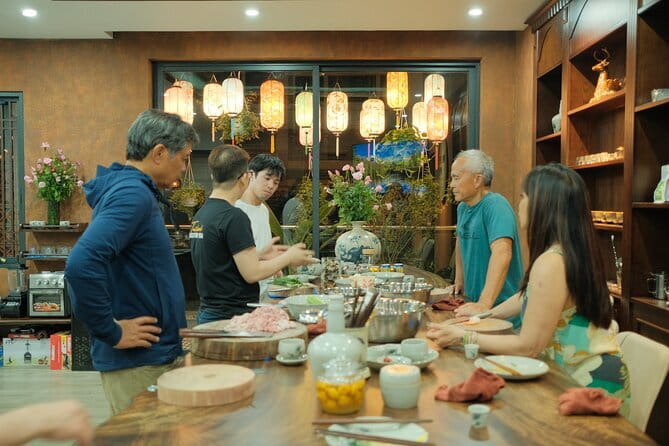
Egg coffee is the most theatrical drink on the menu. It combines strong coffee with a creamy egg mixture that gives the cup a custard-like texture. The foam is sweet, dense, and indulgent, so the drink feels closer to a dessert than a normal morning coffee.
You learn how to make the creamy topping and combine it with the coffee. The technique matters because the pleasure comes from the contrast: bitter, hot coffee underneath and soft, sweet foam above it.
Several instructors make a point of explaining the background of the different coffees, and egg coffee is a natural place for that discussion. Its unusual ingredients also show how local café traditions developed through adaptation and creativity.
I would save this one for the middle or end of the tasting. It is more filling than black or brown coffee, and its sweetness can cover some of the coffee’s character. Still, if you want one signature Hanoi drink to remember, this is a strong candidate.
A few more Hanoi departures worth weighing up
- Hanoi Coffee Experience: 6 Brews, 9 Recipes & 3 Liquor Tastings
★ 5.0 · 2,945 reviews - Hanoi Cooking Class: Pho/Bun Cha/Banh Xeo…+Free Egg/Salt Coffee
★ 5.0 · 267 reviews - Ha Noi Egg Coffee Class
★ 5.0 · 227 reviews - Hanoi Coffee Workshop: Master 6 Signature Vietnamese Coffee
★ 5.0 · 171 reviews
Coconut coffee brings a cooler, tropical note
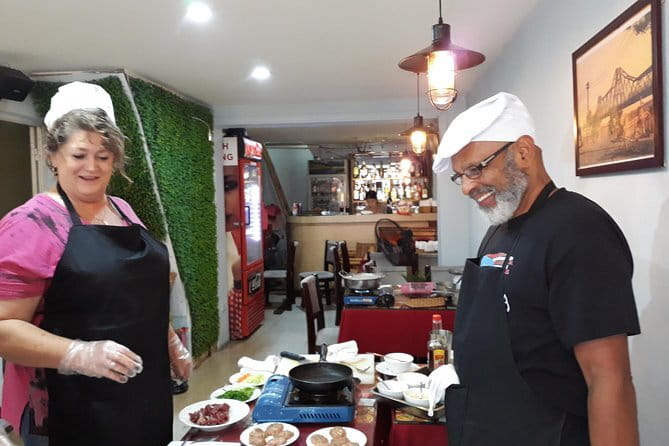
Coconut coffee changes the mood. It combines strong coffee with creamy coconut, bringing a tropical flavor and a softer texture to the cup.
The coconut element can make the coffee feel more refreshing, especially after the stronger black and brown versions. It also gives you another lesson in balance. The coffee must remain noticeable, while the coconut adds body and sweetness without taking over completely.
This is a good choice for people who find traditional Vietnamese coffee too bitter. It still uses the phin coffee base, so you taste the local method, but the coconut makes the drink gentler and more approachable.
The class does not appear to be a full food pairing experience. Additional food and drinks are not included, so plan to eat separately if you need more than the coffee samples. The workshop itself is centered on preparation, tasting, and recipes.
Salt coffee is the unexpected favorite
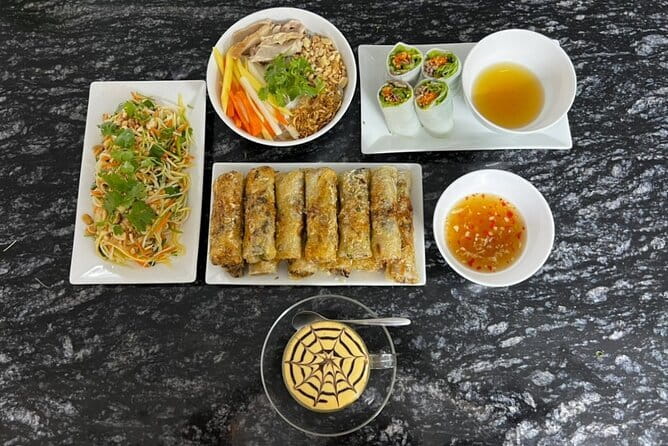
Salt coffee sounds odd until you taste the parts together. The recipe combines coffee with milk foam and sea salt, creating a sweet, salty, and bitter mix.
The salt is not meant to make the drink taste savory. Used in a small amount, it can soften bitterness and sharpen the sweetness of the milk foam. This is the style I would pay close attention to because it offers the most surprising lesson in flavor balance.
You make the drink under guidance, then can adjust it to your taste. That flexibility is useful. Too much salt would overwhelm the cup, but a restrained amount can make the coffee taste rounder and less harsh.
Many people who take this class single out salt coffee as a favorite. It is also the recipe most likely to impress friends at home, since it is unusual without requiring hard-to-find equipment. The phin, milk foam, coffee, and salt are the main ideas you need to recreate it.
Latte art adds a playful finish
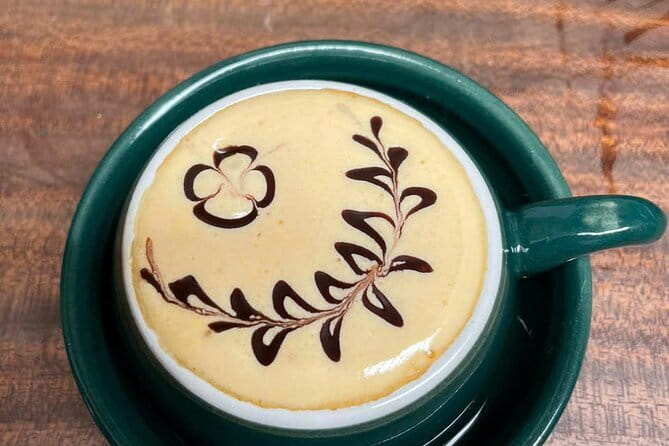
The workshop includes a chance to try simple coffee designs. This is not presented as a professional barista course, so you should think of the latte art as a fun skill rather than a full lesson in milk chemistry or café service.
Still, it gives the class a hands-on finish. You can practice shaping the foam, take photos, and make your final drink feel personal. Claire is specifically noted for helping with photos during a session, which is useful if you want a record of the process without constantly stepping away to use your phone.
Your final personalized coffee creation is where the separate lessons come together. You can use the parts you liked best and change the sweetness, foam, or flavor balance. That makes the ending more satisfying than simply drinking six fixed samples.
The instructors shape the experience
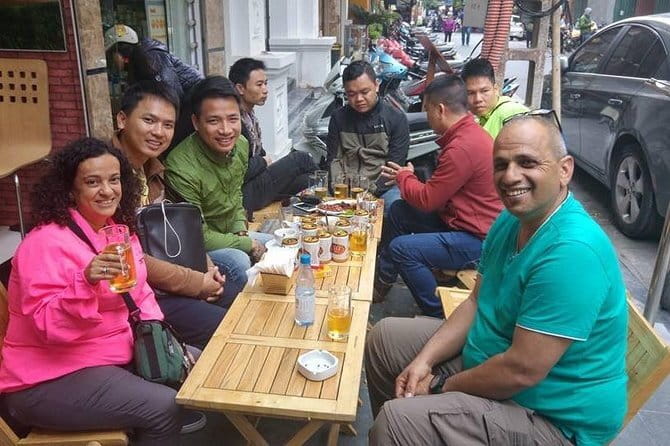
The instructor is important here because the class combines recipes with cultural context. Dat is described as engaging and especially good at explaining the history connected to each coffee. Devin is noted for clear, patient instruction and for sharing coffee background along with suggestions for places to visit in Vietnam.
Claire is described as helpful with both technique and photos. Ashley is noted for fluent English, organization, and a friendly approach. David is described as enthusiastic and passionate about coffee.
These names indicate that the instructor can vary by session. You should not book expecting one specific person unless the booking details confirm it. The consistent feature is an English-speaking guide who demonstrates the recipes, answers questions, and helps you adjust the drinks.
A group limit of 15 people keeps the class from becoming a lecture in a large room. It is still possible for a full group to feel active and a little crowded around the work area, but the cap supports the hands-on format better than a large sightseeing group would.
Why the two-hour format works
Two hours is enough time to cover several drinks without turning the class into an all-day commitment. The format appears to move from coffee background and phin brewing into several recipes, tasting, coffee art, and your own final creation.
The tradeoff is pace. If six styles are offered, you will sample and prepare a lot in a short period. You may not spend a long time perfecting one recipe, and the session is better suited to broad exposure than advanced coffee training.
That is not a flaw for most visitors. Hanoi has plenty to see, and a two-hour workshop fits neatly into a morning or afternoon. You can take what you learn and continue exploring the Old Quarter afterward.
The class also works well for couples, friends, and families. The activity is described as suitable for all ages, though the coffee itself contains caffeine and may not suit every child. Young participants can still enjoy the mixing, foam, tasting, and design elements, but parents should use their judgment.
Is $17.73 good value?
At $17.73 per person, the price is fair for a guided, hands-on introduction to several Vietnamese coffee styles. Your fee covers the ingredients, the instructor, and recipes for each coffee. You are paying for instruction and tasting, not just for one café drink.
The strongest value comes from the variety. A single café visit might let you try egg coffee or coconut coffee, but it would not normally show you how black, brown, white, egg, salt, and coconut versions relate to one another.
The recipes also add lasting value. You can repeat the drinks at home, compare your results, and share the technique with family and friends. That is a better souvenir than another quick beverage, especially if you enjoy cooking or making drinks.
There are limits. Additional food and drinks cost extra, and tips are not included. You also need to be comfortable consuming several coffee samples, or at least plan to taste rather than finish every cup.
Location, meeting details, and cancellation
You meet at GẠO CAFE, 10 P. Chợ Gạo, Hàng Buồm, Hoàn Kiếm, Hanoi. The experience ends at the same place, so there is no transport segment to complicate your schedule.
A mobile ticket is provided, and confirmation is sent when you book. The café is near public transportation, and service animals are allowed.
The activity requires good weather and a minimum number of participants. If poor weather or low enrollment causes a cancellation, you can choose another date or experience, or receive a full refund. You can cancel for a full refund up to 24 hours before the start time. Cancellations or changes within 24 hours are not accepted for a refund.
Who should book this Hanoi coffee workshop?
I would choose this class if you want a short cultural activity with real participation. It suits coffee fans, curious first-time visitors, couples, friends, and families looking for something beyond temples, markets, and walking tours.
It is especially good for you if egg coffee or salt coffee has caught your attention but you want to understand how these drinks are made. The session also helps if you plan to buy Vietnamese coffee and a phin filter later, since you will have a working recipe rather than only a vague memory of the flavor.
You may want to skip it if you dislike strong coffee, avoid caffeine, or want a serious barista qualification. The workshop focuses on Vietnamese styles and home preparation, not espresso extraction, roasting, or advanced café skills.
Should you book it?
Book this workshop if you want to taste Hanoi through its coffee habits, not just order a cup and move on. The phin lesson, egg coffee, salt coffee, coconut coffee, simple latte art, and take-home recipes make $17.73 a sensible spend.
My practical advice is to schedule it early in your Hanoi stay. You can use the coffee tips during the rest of your visit, compare café versions, and return home with recipes you can actually make. Just allow for the caffeine, confirm the session timing, and remember that the instructor may be Dat, Devin, Claire, Ashley, David, or another English-speaking member of the team.
FAQ
Where does the Hanoi Coffee Workshop begin?
The workshop begins at GẠO CAFE, 10 P. Chợ Gạo, Hàng Buồm, Hoàn Kiếm, Hanoi 100000, Vietnam.
How long does the coffee workshop last?
The experience lasts approximately two hours.
Which Vietnamese coffee styles will I make?
The workshop may cover four to six styles. The listed options are black coffee, brown coffee with condensed milk, egg coffee, white coffee, coconut coffee, and salt coffee.
Is an English-speaking instructor included?
Yes. An English-speaking instructor is included. Instructors named for different sessions include Dat, Devin, Claire, David, and Ashley.
What is included in the price?
The price includes the ingredients used to make the coffees and recipes for each type of coffee.
What is the cancellation policy?
You can cancel at least 24 hours before the start time for a full refund. Cancellations or changes made less than 24 hours before the start time are not refunded or accepted. If poor weather or insufficient enrollment cancels the activity, you can receive a full refund or choose another option.
More Workshops in Hanoi
- Hanoi Cooking Class: Culture, Local Market & Meaning CSR Impact
★ 5.0 · 5,147 reviews - 5 Traditional Dishes Hanoi Cooking Class with Market Trip
★ 5.0 · 4,890 reviews - Vietnamese Food Cooking Class in Hanoi with Market Experience
★ 5.0 · 778 reviews - Hanoi: Handcrafted Wood Carving Workshop with Local Artisan
★ 5.0 · 733 reviews
Just added around Hanoi
- Cat Ba National Park, Lan Ha Bay 2 Days 1 Night Adventure★ 4.8 · 9 reviews
- Full day Boat Tour Lan Ha Bay – Ha Long Bay: Kayak, Beach Hopping★ 5.0 · 9 reviews
- Ha Giang Loop 2 Days High quality Small Group +Private Room★ 5.0 · 9 reviews
- Half Day Sapa Cat Cat Explore Waterfall, Workshop, H’mong Local★ 5.0 · 9 reviews
- Sapa 1 Day Trekking★ 5.0 · 9 reviews
- Sapa Open Air Jeep Half Days Off the Beaten Track, Backroad★ 4.9 · 9 reviews
- Halong 2 days 1 night with Cozy Classic Cruise from Hanoi★ 4.5 · 9 reviews
- Fansipan Mount Trekking 1 Day★ 5.0 · 9 reviews
Egg Coffee Experiences, compared.
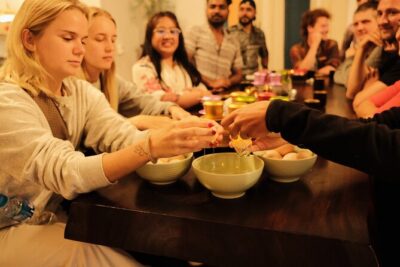
Hanoi Coffee Workshop: Taste Salt, Coconut and Egg Coffee
Read our review →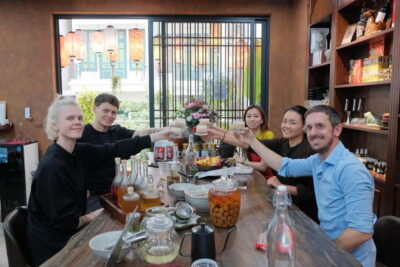
Salt Coffee Workshop Awake Your Senses With 6 Brews
Read our review →
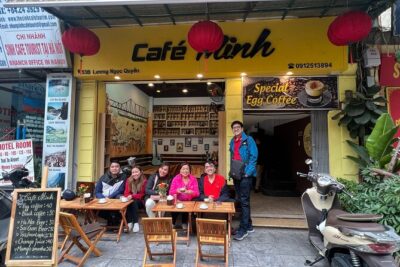

Hanoi Coffee Workshop: Master 6 Signature Vietnamese Coffee
Read our review →
Hanoi Coffee Class learning 5 famous coffee in Hanoi
Read our review →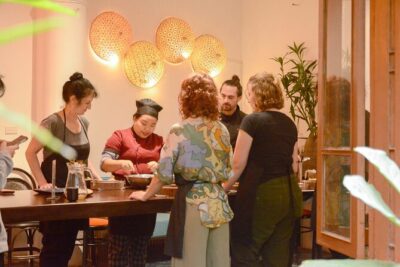
Mini Hanoi Coffee Workshop: Pick Any Signature Coffee You Like
Read our review →
Browse the lists this tour appears in