
Reviewed · TREKKING TOURS IN SAPA
Number one top rated ethical cultural trekking and homestay by ETHOS
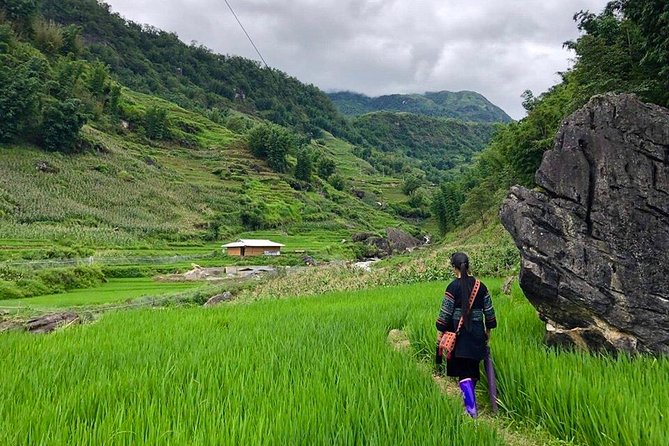
Sapa’s best moments often happen away from the town center, on footpaths linking rice terraces, bamboo forests, and Hmong and Dao villages. This private two-day trek pairs that scenery with a night in a local family home, so you get more than a quick walk and a few photographs.
I like the genuine contact with village families, and I like the flexible second day, which lets you adjust the distance and challenge. The main catch is the first day’s roughly 14-kilometer route, including a steep two-kilometer climb. You need moderate fitness, and wet weather can affect the plans.
In This Review
- Key points to know before booking
- Why this Sapa trek feels different
- Starting at ETHOS in Sapa at 8:30 a.m.
- Day one: 14 kilometers through terraces and villages
- Sharing dinner and a night with a village family
- Day two: choose your own walking pace
- What the $93.34 price really covers
- Fitness, weather, and practical limits
- Who will get the most from this experience
- Is this ETHOS trek worth booking?
- FAQ
- Where does the Sapa cultural trek begin?
- What time does the trek start?
- How long is the experience?
- How far is the first day’s hike?
- Is the trek private?
- What meals are included?
- What happens if bad weather cancels the trek?
Key points to know before booking
- A real village homestay: Spend the night with a host family among the rice paddies, with dinner and breakfast included.
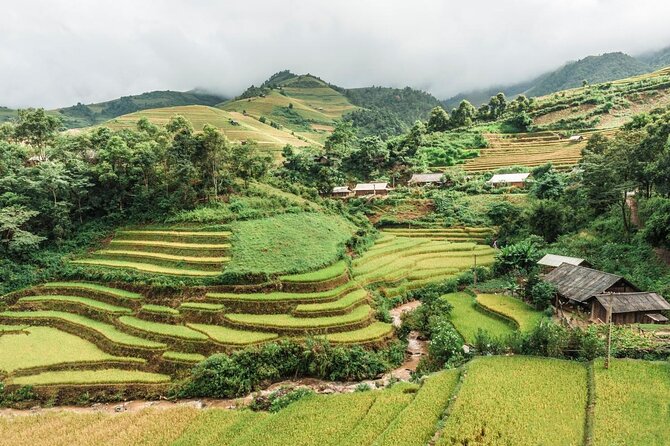
- A full first day on foot: The opening route covers about 14 kilometers through terraces, villages, and bamboo forest.
- Local guides make the difference: Guides including Cha, Ha, Ker, My, and Kae explain daily life, plants, family traditions, and local culture.
- A flexible second morning: Choose a shorter or more demanding walk before a taxi returns you to Sapa.
- Private means personal: Only your own group takes part, with a minimum booking size of two people.
- Good value for a two-day outing: The $93.34 price includes private transportation, two lunches, dinner, breakfast, water, refreshments, and the homestay.
Why this Sapa trek feels different
Sapa has plenty of quick viewpoint stops and short walks. This experience asks you to slow down. Instead of seeing village life from a road or a tour bus, you walk between communities and spend the night with a family.
That matters because the cultural side is not tacked onto the end of the day. Your guide can explain local customs, plants, family life, and the traditions of the Hmong and Dao communities as you move through the valley. Several guides have been praised by name, including Cha, Ha, Ker, My, and Kae. The exact guide depends on your booking, but the format puts local knowledge at the center.
The private setup is another plus. You are not trying to match the pace of a large group, and your guide can adjust the second day to suit your energy. That makes the trip a better fit for couples, friends, or families who want a more personal outing.
Still, this is not a soft countryside stroll. The route covers about nine miles on the first day, with undulating ground at the start and a steep climb later. You should be comfortable walking for several hours on uneven paths.
More Trekking Tours in Sapa
- Sa Pa: Muong Hoa Valley Trek and Local Ethnic Villages
★ 4.6 · 864 reviews - From Hanoi: 2-Day Sapa Trekking Trip with Homestay & Meals
★ 4.8 · 704 reviews - Sapa 3 Days 2 Nights Trekking Tour (1 Night In Ta Van Village, 1 Night In Hotel)
★ 5.0 · 699 reviews
Starting at ETHOS in Sapa at 8:30 a.m.
You meet at ETHOS, Spirit of the Community, at 79 Nguyen Chi Thanh Street in Sapa. The start time is 8:30 a.m., giving you a clear morning departure rather than a rushed pre-dawn start.
The meeting point is in town, and the activity includes private transportation. You should arrive ready to walk, with suitable shoes and clothing for changing mountain weather. The supplied information does not specify luggage arrangements, so ask ETHOS in advance how much you should carry and what happens to larger bags during the trek.
The introduction matters. One guide, Hoa, is specifically praised for explaining the background before the walk begins. That sort of briefing helps you understand the people and places you are about to visit instead of treating the villages as scenery alone.
You may also want to ask about the day’s route before setting off. The first day is described clearly as about 14 kilometers, but the second morning is intentionally flexible. A quick conversation with your guide can help you plan the right finish.
Day one: 14 kilometers through terraces and villages
The first six kilometers pass over relatively easy but undulating ground. This is a pleasant way to settle into the walk, though the repeated rises and falls still require steady effort.
The route leads through rice terraces and traditional villages. Sapa’s terraces are the visual heart of the trip, but the walking gives them scale. From a roadside viewpoint, you see patterns cut into the hills. On foot, you feel the changing grade and watch paths thread between homes and fields.
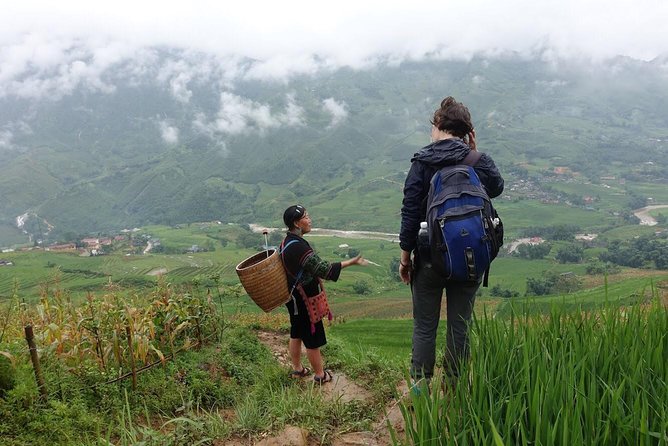
The villages are important for another reason. This is where your guide can explain local ways of life and introduce you to families. Guide My, for example, is described as showing the real life of the villages, including meetings with local families and time spent living with them. That is the kind of contact this tour is built around.
The route then includes a steep climb of around two kilometers before a stop. The available description does not give the exact elevation gain or the name of the stop, so you should think of this as a demanding section rather than a technical climb. Good shoes and a steady pace will help.
This is also where a private guide is useful. You are not locked into the speed of a large group, and your guide can help manage pauses. The tour includes water and refreshments, plus lunch, but carry enough water for your own comfort and ask what is supplied at each stage.
Lunch is part of the cultural exchange. You stop to cook and share a meal with your host family, rather than simply eating at a standard restaurant. Two lunches are included across the trip, one for each day, along with the first evening’s dinner and the next morning’s breakfast.
The route is described as passing through bamboo forests as well as terraces and villages. Bamboo changes the feel of the walk, giving you a more enclosed stretch after the open views of the paddies. The mix keeps the day from becoming a single repeated scene.
Sharing dinner and a night with a village family
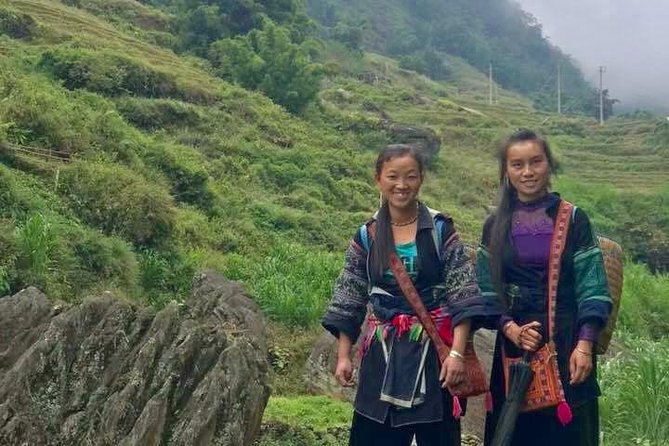
The homestay is the emotional center of the trip. You spend the night with a host family in a village set among rice paddies, with dinner and breakfast included.
This is not simply a cheaper form of lodging. It gives you time around a family and a chance to notice ordinary details that a daytime visit misses. The cultural value comes from staying, eating, and talking rather than arriving for a short photo stop.
Guides such as Cha and Ker have been singled out for making the family connection especially meaningful. Ker is described as both guide and host, while Cha is praised for insight into local life and for making the overnight stay comfortable. You should not assume a particular guide or family, but these examples show the role your guide is expected to play.
The homestay may not suit everyone. If you need a private hotel room, a predictable urban setting, or full control over your evening, this is the wrong choice. The product information does not specify room arrangements, bathroom facilities, or bedding, so ask ETHOS directly if those details matter to you.
It is also wise to approach the stay with respect. You are entering someone’s home, not checking into a resort. Follow your guide’s advice about meals, household customs, and photographs.
More Sapa escapes from Sapa:
- Sapa 2 Days 1 Night From Hanoi – Overnight in Ta Van Village
★ 5.0 · 2,669 reviews - Hanoi – Sapa 2 Days 1 Night Overnight At Homestay
★ 5.0 · 899 reviews - Sapa: Fansipan Cable, Cat Cat Village & Moana Instagram Tour
★ 5.0 · 777 reviews - Sapa: Eco Adventure Terrace Fields and Local Villages Trek
★ 4.9 · 636 reviews
Day two: choose your own walking pace
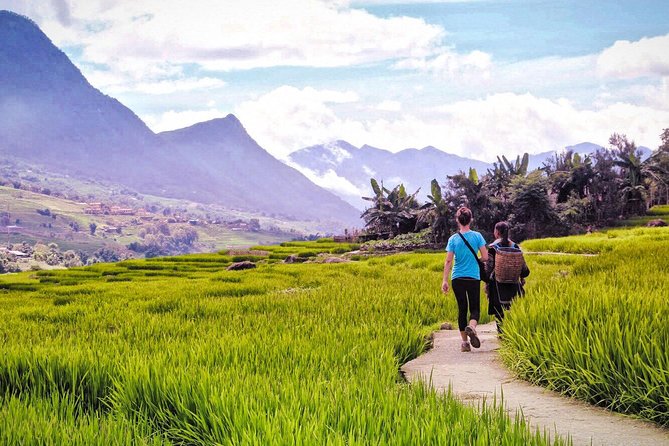
The second morning is deliberately less fixed. You continue trekking, but the distance and challenge can be adjusted. That is a strong design choice after a demanding first day.
If your legs feel good, you can ask for a longer or harder route. If the previous day’s 14 kilometers was enough, you can choose a gentler outing. The available details do not name the possible destinations, so treat the second day as a planning conversation with your guide rather than a fixed sightseeing checklist.
The walking continues through the Sapa Valley, with more opportunities for village paths, terraces, and forest scenery. Kae is praised for leading people along steep paths to places they would not easily find without a local guide. That is useful context: the attraction is not just reaching a famous viewpoint, but moving through less obvious routes.
The flexible morning also gives you room to focus on culture rather than mileage. You might spend more time learning about plants, family life, or local traditions. One guide, Ha, is praised for explaining plants and ways of life during the walk. Ask questions as you go. This is an experience where conversation adds real value.
A taxi brings you back to Sapa in the afternoon. Private transportation is included, so you do not need to arrange your own return from the village. The activity ends back at the ETHOS meeting point.
Because the return is planned for the afternoon, keep the rest of your schedule loose. The exact timing can depend on the chosen route, weather, and walking pace.
What the $93.34 price really covers
At $93.34 per person, this is not the cheapest way to see Sapa. You are paying for a private two-day experience rather than a basic guided walk.
The price includes:
- One night of homestay accommodation
- Dinner and breakfast
- Two lunches
- Private transportation
- Water and refreshments
- A private guide and private group format
That package makes the cost easier to judge. You are covering meals, lodging, guiding, and the return taxi in one price. You also get a full first day and a flexible second morning, not just a few hours on a trail.
The community focus adds another part of the value. ETHOS presents the trek as a way to support local livelihoods and create respectful contact between visitors and village families. You should still ask how the cost is shared with the host community if that is important to your booking decision, but the format is clearly built around local participation rather than a standard hotel-based excursion.
The minimum group size is two people. Solo visitors cannot book this particular option unless they join with another person, based on the stated requirements. Since the tour is private, the per-person price may work best for couples or small groups who value control over the pace.
Fitness, weather, and practical limits
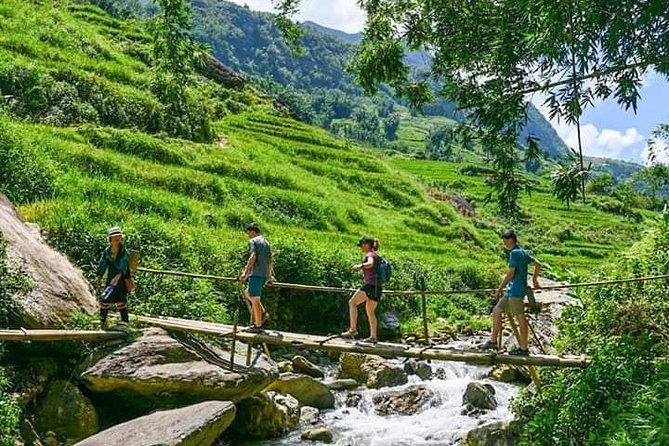
You should have a moderate level of physical fitness. The 14-kilometer first day, uneven terrain, undulating opening section, and steep two-kilometer climb are the main demands.
This is not described as a technical hike, but the route can still be tiring. Wear shoes with reliable grip, and pack light. Sapa’s paths can feel very different in dry and wet conditions, so bring layers and rain protection suitable for mountain weather.
The activity requires good weather. If poor conditions force a cancellation, you are offered a different date or a full refund. You can cancel for a full refund if you do so at least three full days before the local start time. Late cancellations and changes are not accepted, so avoid booking this too close to your departure if your schedule is uncertain.
The tour is listed as near public transportation, but it begins and ends at the ETHOS office. Private transportation is part of the experience, including the taxi return on day two.
Who will get the most from this experience
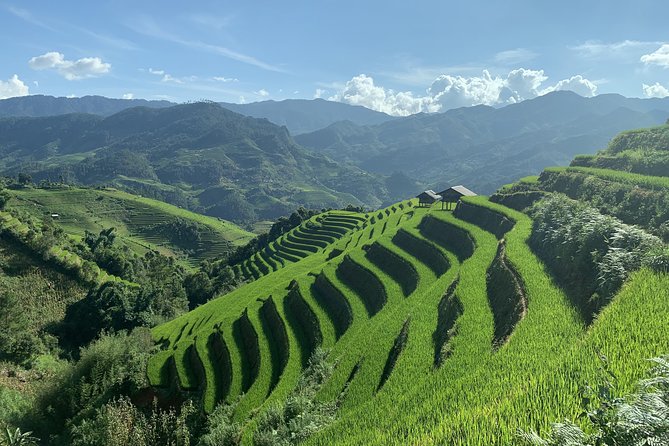
I would choose this trek if you want Sapa to be more than a scenic stop. It suits you if you enjoy walking, asking questions, sharing meals, and adapting to local conditions.
It is particularly good for:
- Couples and friends who want a private route
- People interested in Hmong and Dao culture
- Hikers who want a full day outdoors
- Visitors who value a village homestay over a hotel night
- Anyone who wants flexibility on the second morning
I would be more cautious if you dislike steep walking, have limited mobility, or need detailed accommodation standards in advance. The route is not marketed as easy, and the homestay details are not fully specified.
It may also be a poor fit if you want a tightly timed sightseeing program. The second day is intentionally open, and the experience depends on conversation and local contact rather than a long list of formal attractions.
Is this ETHOS trek worth booking?
For the right person, yes. The strongest parts are the private format, the village overnight stay, and the chance to learn directly from guides such as Cha, Ha, Ker, My, and Kae. The two-day length gives the experience time to breathe, while the flexible second morning helps prevent the trek from becoming a test of endurance.
Book it if you want authentic village contact and can handle a demanding first day. Before paying, confirm the homestay setup, likely route, luggage arrangements, and expected return time with ETHOS. If you do that and arrive ready for uneven paths, shared meals, and a little uncertainty, this offers strong value at $93.34.
FAQ
Where does the Sapa cultural trek begin?
It begins at ETHOS, Spirit of the Community, at 79 Nguyen Chi Thanh Street in Sapa, Vietnam.
What time does the trek start?
The stated start time is 8:30 a.m.
How long is the experience?
The experience lasts approximately two days, including one night at a village homestay.
How far is the first day’s hike?
The first day covers approximately 14 kilometers, or about nine miles.
Is the trek private?
Yes. Only your own group participates, and a minimum group size of two is required for booking.
What meals are included?
The price includes one dinner, one breakfast, and two lunches.
What happens if bad weather cancels the trek?
Because the experience requires good weather, a cancellation caused by poor conditions gives you the choice of a different date or a full refund.
More Treks Within Reach
- 3-Day Trekking Adventure of Sapa from Hanoi – Stay Ta Van Village
★ 5.0 · 611 reviews - 2-Day Sa Pa Ethnic Homestay Tour & Trek with Limousine Bus
★ 4.8 · 440 reviews - From Sapa: 1-Day Guided Trek to Lao Chai & Ta Van with Lunch
★ 4.9 · 416 reviews - Sa Pa Full Day Trekking Tour
★ 5.0 · 414 reviews
Just added around Sapa
- Half Day Sapa Cat Cat Explore Waterfall, Workshop, H’mong Local★ 5.0 · 9 reviews
- Sapa 1 Day Trekking★ 5.0 · 9 reviews
- Sapa Open Air Jeep Half Days Off the Beaten Track, Backroad★ 4.9 · 9 reviews
- Fansipan Mount Trekking 1 Day★ 5.0 · 9 reviews
- Sapa: Motorbike Tour to Hidden Villages & Terraced Fields★ 5.0 · 9 reviews
- Sapa 3 Day Trekking with 2 Nights Homestay★ 5.0 · 9 reviews
- SaPa: 2-Day Villages,Rice Fields, Love Waterfall Hiking Tour★ 5.0 · 9 reviews
- 8-Day Discover Northern Vietnam Highlight: Hanoi – Ninh Binh – Sapa – Halong Bay★ 5.0 · 9 reviews
Trekking Tours in Sapa, compared.

Muong Hoa Valley Trek and Local Ethnic Villages
Read our review →

Sapa 3 Days 2 Nights Trekking Tour (1 Night In Ta Van Village, 1 Night In Hotel)
Read our review →
Eco Adventure Terrace Fields and Local Villages Trek
Read our review →
3-Day Trekking Adventure of Sapa from Hanoi – Stay Ta Van Village
Read our review →
2-Day Sa Pa Ethnic Homestay Tour & Trek with Limousine Bus
Read our review →
1-Day Guided Trek to Lao Chai & Ta Van with Lunch
Read our review →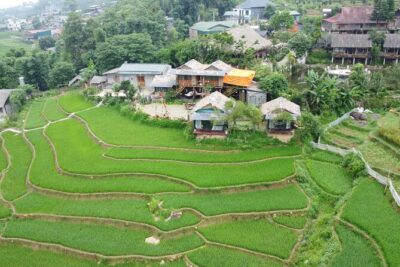
Browse the lists this tour appears in