
Reviewed · MOTORBIKE AND SCOOTER TOURS
Sapa Motorbike Tour 1 Day| See All Of Rice Fields & Valleys in One Day
Sapa’s best scenery lies beyond the town center, and this private motorbike tour gets you there quickly. In about six and a half hours, you pass through five ethnic-minority villages, see the broad Muong Hoa Valley, and reach rice terraces that are difficult to appreciate from a town hotel or standard street tour. The ride itself is part of the attraction, with mountain roads and frequent stops for views and photographs.
I like the local Hmong connection and the efficient route. Your guide explains Hmong marriage traditions, farming, house building, and daily work while you move through Hmong, Giay, and Red Dao communities. I also like the clear inclusions: lunch, entry fees, petrol, a driver, a small bottle of water, and a private group booking.
The main consideration is comfort. You sit on the back of a motorbike for much of the day, and the roads can be rough. You need moderate physical fitness, a willingness to ride in mountain conditions, and sensible expectations about weather. The tour is also listed with both an 8:40 am and a 9:00 am start, so confirm the exact pickup time.
In This Review
- Key points to know before booking
- Why a motorbike is a smart way to see Sapa
- Y Linh Ho and the first view of Muong Hoa Valley
- Lao Chai and Hmong terrace farming
- Ta Van Village and the meeting of cultures
- Hau Thao and Giang Ta Chai among the terraces
- What the ride feels like on mountain roads
- Lunch, drinks, and the real cost of the tour
- The guides and the value of local knowledge
- Timing, meeting point, and weather planning
- Who will get the most from this Sapa tour
- Should you book the Sapa Motorbike Tour?
- FAQ
- Where does the Sapa motorbike tour start?
- What time does the tour begin?
- How long does the tour last?
- Which villages does the tour visit?
- Which ethnic communities do you learn about?
- Is lunch included?
- Are village entry fees and petrol included?
- Is this a private tour?
- Can you cancel for a full refund?
Key points to know before booking
- Five villages in one day: Visit Y Linh Ho, Lao Chai, Ta Van, Hau Thao, and Giang Ta Chai.
- Three local cultures: Learn about Hmong, Giay, and Red Dao customs, work, homes, and traditions.
- Motorbike access: Ride beyond central Sapa to viewpoints and valleys that make sense from the road.
- Private experience: Only your group takes part, with a local guide and motorbike driver.
- Good value inclusions: Lunch, village entry fees, petrol, a small bottle of water, and transportation are covered.
- Weather matters: Poor conditions can lead to a new date or a full refund.
Why a motorbike is a smart way to see Sapa
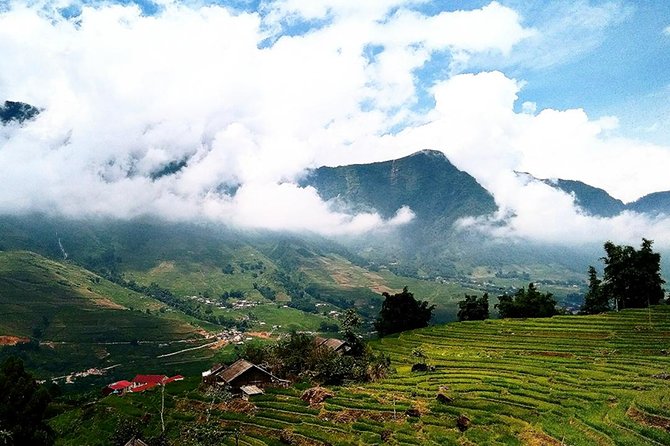
Sapa town is convenient, but it is not the best place to understand the region. Shops, hotels, and tour traffic fill the center. The rice terraces and minority villages are outside town, spread through steep valleys and mountain roads.
A motorbike gives you a useful middle ground. You cover more ground than on foot, but you still travel slowly enough to stop at viewpoints and notice homes, fields, and village paths. You are not locked inside a car window, and the changing views are close at hand.
This is a passenger tour, not a self-drive rental. A motorbike driver takes you, while the guide explains what you are seeing. At the start, the riding team explains how to sit and how to keep safe on the back of the bike. That short briefing matters, especially if you do not often ride on winding roads.
The experience is private, so your group does not have to follow the pace of a large bus. You can ask questions and stop for photographs within the tour’s schedule. The tradeoff is that the route still covers a lot in a single day, so this is more of a broad regional tour than a slow village stay.
More Motorbike Tours in Sapa
- Sapa Motorbike Tour With Local Guide 1 Day – Waterfalls, Villages
★ 5.0 · 254 reviews - Motorbike 1 Day Off The Beaten Track, Hidden Villages, rice field
★ 5.0 · 203 reviews - Sapa: Motorbike Tour 1 Day Visit Waterfalls & Local Villages
★ 5.0 · 112 reviews
Y Linh Ho and the first view of Muong Hoa Valley
The day begins in Sapa at around 8:40 or 9:00 am, depending on the confirmed arrangement. Pickup is offered from your hotel in town, or you can meet in front of Sapa’s main church. From there, the ride heads toward Y Linh Ho, a village associated with the Black Hmong.
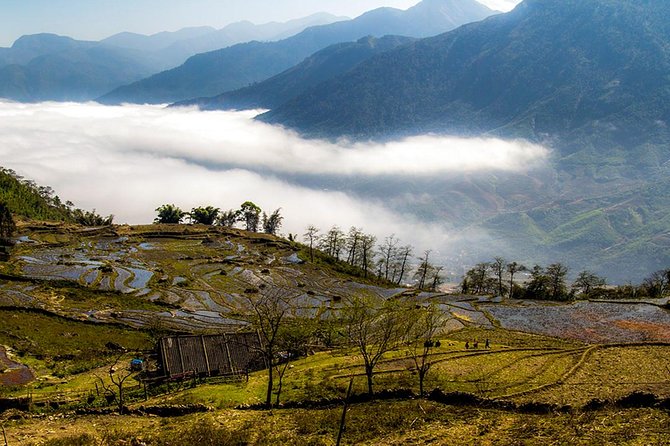
Y Linh Ho is an early highlight because it opens the view across Muong Hoa Valley. You see rice paddies arranged along the mountain slopes, with the valley stretching below and ridges rising around it. The scenery changes with the season, but the terraces remain the main visual reason to come.
Your guide’s role is important here. Instead of simply stopping at a lookout, you can ask how the terraces are farmed and how village life fits into such steep terrain. The tour places the scenery alongside local knowledge, which makes the view more meaningful than a quick photo stop.
The exact time at the village is not stated, so expect the stop to fit into a tightly planned morning. If photography is a priority, tell your guide early. Weather and light can also affect how much detail you see in the valley.
Lao Chai and Hmong terrace farming
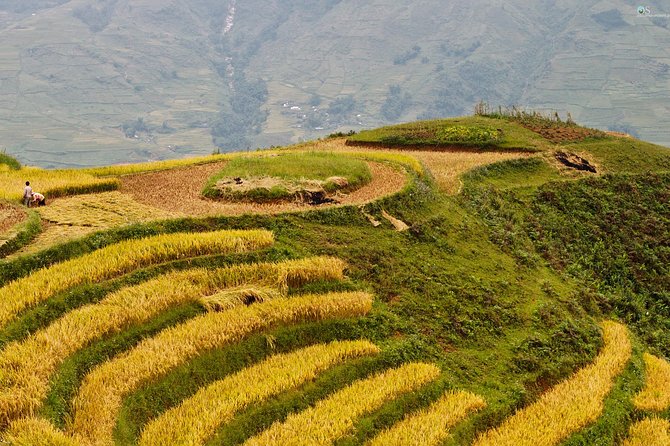
The next listed stop is Lao Chai, another traditional Hmong village. The route from Y Linh Ho gives you another broad view of the valley and its terraced fields, but the emphasis shifts toward how people work the land.
The guide is expected to explain rice farming, field work, and the practical techniques used in the area. You can also learn about house building and the way local homes relate to the surrounding fields. These details help you see the terraces as working farmland, not simply as a scenic backdrop.
This is one of the strongest parts of the day for anyone interested in rural life. Sapa’s terraces are beautiful, but they demand constant work. The slopes must be cultivated, maintained, and adapted to water and weather. A local guide can connect those visible patterns to the people who depend on them.
The morning itinerary covers about 15 kilometers in roughly three and a half hours, including several stops. That tells you something about the pace: this is not a long trek between villages. You ride between points, get out to look around, and continue by motorbike.
Ta Van Village and the meeting of cultures
Ta Van is one of the best-known villages on the route and a key stop in the day. It is associated with the Giay people, giving you a chance to compare local customs with those of the Hmong communities visited earlier.
The tour focuses on culture rather than a staged performance. You learn about customs, traditions, houses, marriage practices, and work. The discussion of Hmong marriage traditions is a particularly distinctive detail, since it gives you a look at social customs that are not obvious from the road.
A good guide can make this stop much more than a walk through attractive scenery. Guides from the Sapa area have direct familiarity with local communities. The provider’s guides have included Sinh, May, So, and Xur on other Sapa outings, though you should confirm your assigned guide when booking. English ability and guide assignment can vary, so ask if a specific guide is important to you.
Ta Van is also a sensible place to slow down mentally. The ride offers constant movement, but village stops give you time to listen and ask questions. Since this is a private tour, you have a better chance of shaping the conversation around the subjects you care about.
More rides on two wheels around Sapa:
- From Hanoi, Sapa: Premium Tour-3D2N Ha Giang Loop with Easy Rider
★ 5.0 · 81 reviews - Sapa Motorbike Experience: Local Life, Rice Fields & Waterfalls
★ 5.0 · 70 reviews - Ultimate Sapa Motorbike Tour: Villages & Waterfalls
★ 5.0 · 69 reviews - Sapa 2 Days 1 Night with Host Family (Free Motorbike)
★ 5.0 · 67 reviews
Hau Thao and Giang Ta Chai among the terraces
Hau Thao and Giang Ta Chai complete the five-village route. They keep the focus on valley scenery, rice terraces, and local communities rather than returning quickly to Sapa.
Giang Ta Chai is connected with the Red Dao, one of the three ethnic groups highlighted on the tour. This broadens the day beyond a single cultural story. You hear about Hmong life, Giay traditions, and Red Dao customs in the same region, while also seeing how villages occupy different parts of the valley.
The tour description does not assign a precise duration to each of these stops, so you should not expect a long visit at every village. The benefit is range: in a half-day-plus outing, you see several communities and gain a basic map of the area. The limitation is depth. If you want extended conversations, a full trek, or an overnight homestay, a longer program would suit you better.
The route is also described as including Sapa’s biggest river and valley. The supplied schedule does not name the river, so the important point is the scale of the valley environment rather than a specific river attraction. You can expect the guide to point out major natural features as the route unfolds.
What the ride feels like on mountain roads
The motorbike is practical, but it is not a luxury transfer. You ride as a passenger, and the mountain roads may feel rough or exposed. One past description of the roads called them outrageous, which is a useful warning in plain language: expect an active ride, not a smooth city cruise.
The safety instructions at the beginning cover how to sit and how to stay secure. Follow them closely. Keep both hands positioned as instructed, listen when the driver slows or adjusts direction, and avoid shifting suddenly for photographs.
A moderate fitness level is required. You do not need to complete a long trek, but getting on and off the bike, sitting for hours, and handling uneven village areas can be tiring. If you have back, hip, or balance problems, ask the operator for a clear description of the riding conditions before paying.
The tour can be a good choice for people who want more scenery than a walking tour can cover. It may be less suitable for anyone who dislikes motorbikes, feels nervous on mountain roads, or wants a quiet, slow-paced day.
Lunch, drinks, and the real cost of the tour
The price is $97.44 per person. That is not the cheapest way to see Sapa, but the value is reasonable if you want a private outing with transportation and cultural interpretation built in.
The fee includes lunch, vegetarian food if requested, village entry fees, petrol, a local guide, a motorbike driver, and one small bottle of water. These inclusions reduce the small costs that can add up during a full day outside town. You are mainly paying for the local transport, private structure, and access to a guide who can explain the communities you pass through.
Drinks are not included. You pay separately for extra bottled water, beer, or other drinks at a restaurant or homestay. Bring enough cash for those purchases, along with any personal expenses.
Tips are also excluded. Tipping is optional, but you may wish to budget for it if the guide and driver provide strong service. Personal travel insurance is not included either.
Lunch includes vegetarian food, which is helpful if you do not eat meat. The available details do not specify the exact restaurant, menu, or meal time, so tell the operator about dietary needs before the trip rather than assuming every preference is covered.
The guides and the value of local knowledge
The strongest reason to choose this experience is the guide, not just the motorbike. The tour is run by Trekking Tour Sapa, a small local Hmong operation. That local connection can give the explanations more depth than a guide who only memorizes names and photo stops.
The cultural topics are unusually specific. You can learn about Hmong marriage traditions, rice fields, daily work, and house building methods, as well as customs among Giay and Red Dao communities. That is the kind of information you will miss if you only hire a driver to take you to viewpoints.
Past outings connected with the company have included guides named Sinh, May, So, and Xur. Sinh is described as a guide who provided clear local explanations and helped with photo stops, while May is associated with a car tour and local cultural knowledge. So and Xur have led longer motorbike trips, including an overnight stay with a family connection. These names show the company’s local network, but they do not guarantee who will lead your one-day ride.
Ask in advance about the guide’s name, language ability, and whether the person riding with you is the guide or a separate driver. The advertised arrangement includes both a local guide and a motorbike driver, so you may have two local team members supporting your group.
Timing, meeting point, and weather planning
The listed start point is Sapa Church on P. Ham Rong in central Sapa, with the activity ending back there. Pickup from a Sapa town hotel is also offered. Confirmation is provided when you book, and the tour is near public transportation.
There is a small timing mismatch in the supplied details. The itinerary says the guide meets you at 8:40 am, while the meeting information gives a 9:00 am start. Confirm the exact time and pickup place. This is especially important if you are coordinating the tour with a train, bus, or hotel breakfast.
The duration is about six hours and 30 minutes. The morning section is listed as roughly 15 kilometers and three and a half hours, leaving time for lunch and the later villages. The route is busy enough that you should not plan another fixed activity immediately afterward.
Weather can affect the outing. If poor conditions cause cancellation, you are offered another date or a full refund. You can also cancel for a full refund up to 24 hours before the start time. Cancellations or changes made inside that 24-hour window are not refunded or accepted.
Who will get the most from this Sapa tour
I would choose this tour if you have one open day in Sapa and want to see several valleys without committing to an overnight trek. It suits couples, friends, and private family groups who enjoy scenery but also want explanations of local culture.
It is especially useful after arriving in Sapa, when you want to understand the area quickly. The five-village route gives you a broad introduction, and you can use what you learn to decide if you want a longer trek or homestay later.
The tour is less suitable if your main goal is hiking. You may walk around stops, but the motorbike is the main transport. It is also not the best fit for a person seeking a polished, comfortable road transfer. The road conditions are part of the experience.
Photography fans should like the number of viewpoints and the chance to stop in the valleys. Still, Sapa weather can change the view, and mist may hide the terraces. Book with some flexibility rather than treating clear mountain scenery as guaranteed.
Should you book the Sapa Motorbike Tour?
Book it if you want a private, efficient look at Sapa’s villages and rice terraces, and you are comfortable riding pillion on mountain roads. The combination of local cultural explanations, five villages, lunch, entry fees, and included petrol gives the $97.44 price fair value for a full day of regional sightseeing.
Choose a longer trek or overnight homestay if you want more time with one community. Choose a car tour if the motorbike ride sounds uncomfortable. Before booking, confirm the pickup time, guide assignment, language, and road conditions. If those points suit you, this is a practical way to get beyond central Sapa and see the farming valleys that make the region special.
FAQ
Where does the Sapa motorbike tour start?
The meeting point is Sapa Church on P. Ham Rong in central Sapa. Pickup from a hotel in Sapa town is also offered.
What time does the tour begin?
The meeting information lists a 9:00 am start, while the itinerary says the guide meets you at 8:40 am. Confirm the exact time with Trekking Tour Sapa.
How long does the tour last?
The experience lasts approximately six hours and 30 minutes.
Which villages does the tour visit?
The route includes Y Linh Ho, Lao Chai, Ta Van, Hau Thao, and Giang Ta Chai.
Which ethnic communities do you learn about?
The tour covers Hmong, Giay, and Red Dao communities in the Sapa region.
Is lunch included?
Yes. Lunch is included, and vegetarian food is available. Drinks at the restaurant or homestay cost extra.
Are village entry fees and petrol included?
Yes. Village entry fees and motorbike petrol are included in the price.
Is this a private tour?
Yes. Only your group participates in the activity.
Can you cancel for a full refund?
Yes. You can cancel at least 24 hours before the start time for a full refund. Poor weather or failure to meet the minimum number of participants may also lead to an alternative date or a full refund.
More 1-Day Tours in Sapa
- From Sapa: 1-Day Guided Trek to Lao Chai & Ta Van with Lunch
★ 4.9 · 416 reviews - Sapa 1 Day Long Trek: Trek to Hau Thao and Sa Seng Villages
★ 4.6 · 344 reviews - 1-day Authentik trek & Panorama valley views
★ 5.0 · 189 reviews - 1 day Fansipan Trekking
★ 5.0 · 180 reviews
Just added around Sapa
- Half Day Sapa Cat Cat Explore Waterfall, Workshop, H’mong Local★ 5.0 · 9 reviews
- Sapa 1 Day Trekking★ 5.0 · 9 reviews
- Sapa Open Air Jeep Half Days Off the Beaten Track, Backroad★ 4.9 · 9 reviews
- Fansipan Mount Trekking 1 Day★ 5.0 · 9 reviews
- Sapa: Motorbike Tour to Hidden Villages & Terraced Fields★ 5.0 · 9 reviews
- Sapa 3 Day Trekking with 2 Nights Homestay★ 5.0 · 9 reviews
- SaPa: 2-Day Villages,Rice Fields, Love Waterfall Hiking Tour★ 5.0 · 9 reviews
- 8-Day Discover Northern Vietnam Highlight: Hanoi – Ninh Binh – Sapa – Halong Bay★ 5.0 · 9 reviews
Motorbike and Scooter Tours, compared.
Hanoi Motorbike Tour: Food, Culture and Fun by Vintage Motorbike
Read our review →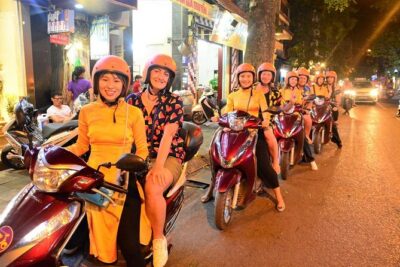
Hanoi Motorbike Tours Led By Women: Hanoi By Night Foodie Motorbike Tours
Read our review →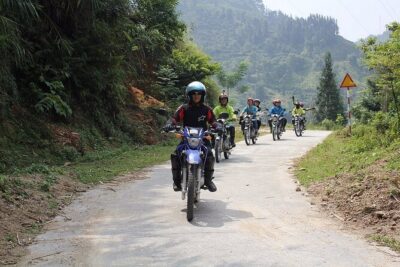
Ha Giang Loop 4 Days 3 Nights Motorbike Tour with easy Rider
Read our review →
Hanoi Motorbike Tours Led By Women: Hanoi City Insight Motorbike Tours
Read our review →
Ha giang loop 3days and 2nights with easy rider
Read our review →
Hanoi Countryside Motorbike Tour: Red River Culture & Daily Life
Read our review →
3-Day Ha Giang Loop Tour (small group with easy rider)
Read our review →Browse the lists this tour appears in