
Reviewed · TREKKING TOURS IN SAPA
1 day Fansipan Trekking
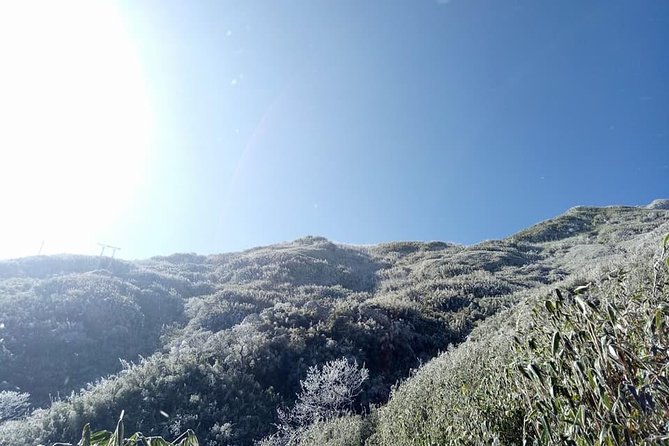
Fansipan is not a gentle hill walk. At 3,143 meters, it is the highest mountain on the Indochina Peninsula, and this private day trek asks you to gain roughly 1,600 to 1,700 meters over about 12 kilometers each way. The reward is a hard-earned summit, mountain forest, streams, flowers, and wide views over Sapa when the clouds cooperate.
I like the private guide service, since you can stop when needed instead of chasing a group. I also like the simple practical setup: hotel pickup, transport to Tram Ton Pass, lunch, 1.5 liters of water, entry fees, insurance, and a certificate with a medal are included. The main drawback is the physical demand. Even fit hikers have found the steep final section tiring, and the full day can stretch to 10 to 13 hours.
In This Review
- Key points to know before you book
- The real challenge is the height gain
- A 6:00 am start from Sapa
- Forest, bamboo, streams, and a changing trail
- Lunch at 2,800 meters
- The final climb to 3,143 meters
- Walking down or taking the cable car
- What the $80 price really covers
- The guide can make or break the day
- Weather, clothing, and preparation
- Who should book this Fansipan trek?
- Should you book this $80 Fansipan day trek?
- FAQ
- How long does the Fansipan trek take?
- What time does the tour start?
- Where does the hike begin?
- How far is the trek?
- How high is Fansipan?
- Is a guide included?
- Is lunch included?
- Is drinking water included?
- Can I take the cable car down?
- What happens if I need to cancel?
Key points to know before you book
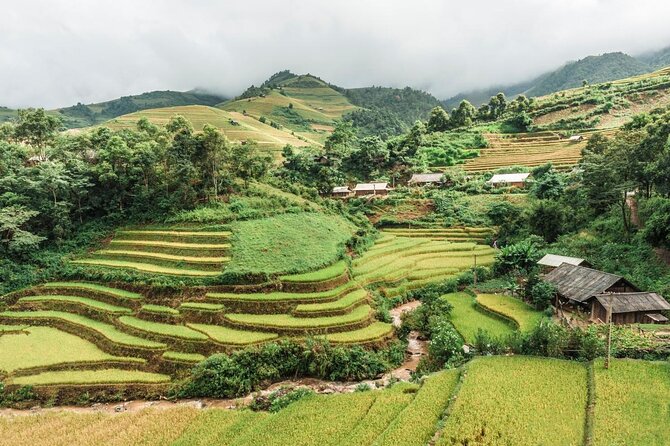
- A serious 24 km mountain day: Expect 10 to 12 hours of trekking and a large elevation gain, not a casual nature stroll.
- Private pacing helps: Your guide can adjust the rhythm to your group, with guides such as Cho, Choo, Sinh, Chi, Ho, and Chay named in past arrangements.
- Tram Ton Pass is the trailhead: Transport leaves Sapa at about 6:00 am for the starting point at roughly 2,000 meters.
- Lunch comes at the 2,800-meter camping site: The picnic meal breaks up the climb and gives you a useful rest before the summit push.
- The cable car is optional: You can descend by the same trail, or buy a separate cable car ticket for the return.
- Good value for strong hikers: At $80 per person, the package covers several costly and useful basics, but cable car tickets and personal spending remain extra.
The real challenge is the height gain
The headline distance is 24 kilometers round trip, but distance alone does not explain this outing. You begin at Tram Ton Pass at about 2,000 meters and climb to 3,143 meters. That means a gain of around 1,600 to 1,700 meters, much of it on uneven, steep ground.
I would treat this as a full mountain expedition compressed into one day. You need strong physical fitness and some comfort with long uphill walks. Several hikers completed the route in about five to seven hours on the way up, while others needed more than seven hours with frequent rests. The advertised total time is about 10 to 12 hours, but weather, fitness, trail conditions, and summit breaks can push the day toward 13 hours.
That range matters. You should not schedule a tight appointment, overnight bus, or train immediately after the trek unless you have a generous buffer. The organizer has helped some people freshen up and reach a bus station afterward, but that kind of extra assistance should be treated as helpful service, not something to build your entire transport plan around.
More Trekking Tours in Sapa
- Sa Pa: Muong Hoa Valley Trek and Local Ethnic Villages
★ 4.6 · 864 reviews - From Hanoi: 2-Day Sapa Trekking Trip with Homestay & Meals
★ 4.8 · 704 reviews - Sapa 3 Days 2 Nights Trekking Tour (1 Night In Ta Van Village, 1 Night In Hotel)
★ 5.0 · 699 reviews
A 6:00 am start from Sapa
The day begins early. You arrange your own breakfast, then leave Sapa at about 6:00 am by car. If you are traveling alone, transport may be by scooter instead. The drive takes you to Tram Ton Pass, where the trail begins at roughly 2,000 meters above sea level.
Hotel pickup and return transport are included, which is a real convenience in Sapa. You do not need to find a taxi before sunrise or work out how to reach the trailhead. The activity is private, so only your party takes part, though the vehicle arrangement can differ for a solo booking.
Your guide leads from the start. Past guides have included Cho, Choo, Sinh, Chi, Ho, Ser, and Chay, and the organizer, Tinh, has handled trip messages and transport for many bookings. The exact guide is not fixed in the information provided, but the key point is that you receive an English-speaking guide rather than simply a trail transfer.
Forest, bamboo, streams, and a changing trail
The first part of the route passes through bamboo and old-tree forest. You can expect colorful flowers, small streams, and stretches where the vegetation gives the climb a cooler, more sheltered feel. This is where a guide adds value beyond navigation. Guides have pointed out plants, wildlife, local details, and changes in the trail as the group climbs.
Do not expect a smooth staircase all the way to the top. The route can be slippery or muddy, and the final third becomes much steeper. One useful piece of advice from the experience is to watch your footing closely and let the guide show you where to place your feet. Sinh, for example, was specifically praised for helping hikers avoid slippery and muddy patches, while other guides were noted for staying patient with slower walkers.
The private format is especially useful here. If your party includes one strong hiker and one person who needs more breaks, you can move at a shared pace without holding up strangers. Guides have taken several hours longer than the fastest groups and continued to encourage hikers without rushing them.
Lunch at 2,800 meters
The planned lunch stop is at a camping site around 2,800 meters. That is high enough to feel like a proper mountain pause, and it arrives before the final push to the summit. The tour includes a picnic lunch, along with 1.5 liters of water per person.
The food has been described as tasty, and vegetarian meals have been arranged when requested. One guide, Chi, was praised for preparing a good lunch, while Chay was noted for serving a traditional meal at the base camp. These details matter because you are spending most of the day on the mountain. A proper break is not a minor extra; it can make the difference between pushing on comfortably and reaching the summit drained.
The included water is useful, but 1.5 liters may not feel generous on a long, steep day, especially in warm conditions. The supplied information does not state that extra water is available along the route, so I would ask the operator before departure if you know you drink heavily. Bottled water is included, but personal snacks and other drinks count as personal expenses.
More Sapa escapes from Sapa:
- Sapa 2 Days 1 Night From Hanoi – Overnight in Ta Van Village
★ 5.0 · 2,669 reviews - Hanoi – Sapa 2 Days 1 Night Overnight At Homestay
★ 5.0 · 899 reviews - Sapa: Fansipan Cable, Cat Cat Village & Moana Instagram Tour
★ 5.0 · 777 reviews - Sapa: Eco Adventure Terrace Fields and Local Villages Trek
★ 4.9 · 636 reviews
The final climb to 3,143 meters
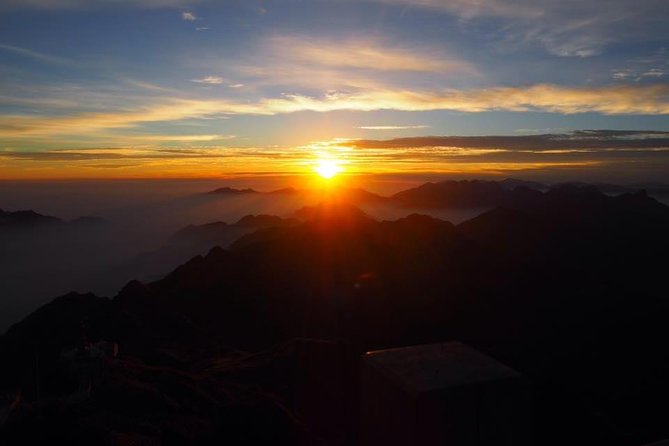
The group usually aims to reach the top around noon or 1:00 pm, depending on pace. The final section is where many hikers feel the real strain. The incline becomes sharp, and high altitude adds another layer of difficulty. Even people with recent marathon experience have found the climb tough.
That does not mean you need to be an elite athlete. It does mean you should be honest about your condition. If you rarely hike uphill, this is a poor choice for a first serious mountain day. If you exercise regularly and are comfortable with long climbs, the private guide and flexible pace give you a better chance of enjoying the effort.
At the summit, you may get views of Sapa and the surrounding mountains. Weather is a major factor. Some outings have reached the top in clear, cool conditions, with temperatures around 7 degrees Celsius. Others have found heavy cloud or fog. Do not book this only for a guaranteed panorama. The mountain experience remains worthwhile in poor weather, but the view cannot be promised.
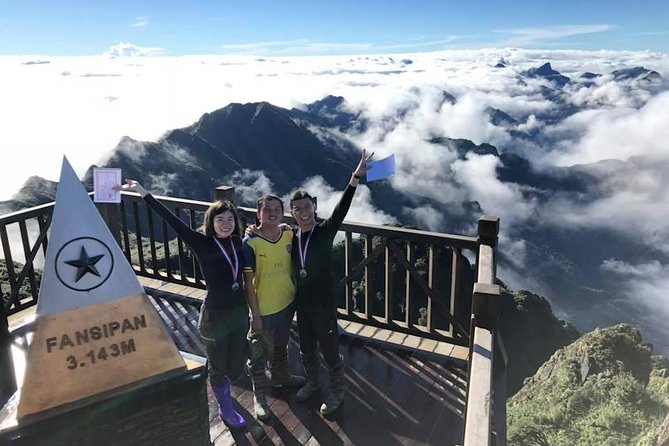
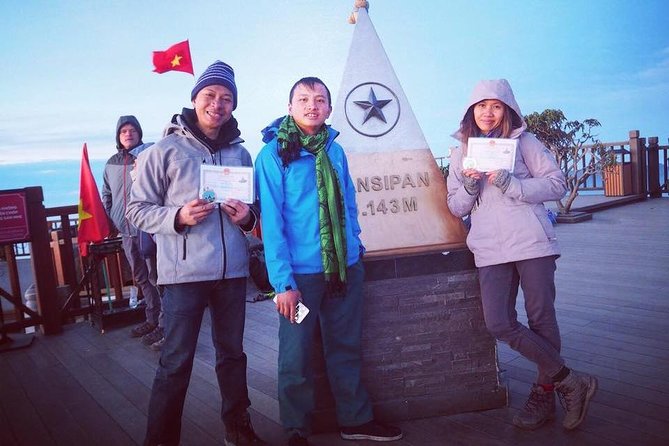
The summit itself is the emotional high point because you have walked there rather than simply taking the cable car. The included entry fee covers access, and the tour also includes a medal and certificate. These are small mementos, but after a 24-kilometer day, you may be glad to have proof of the effort.
Walking down or taking the cable car
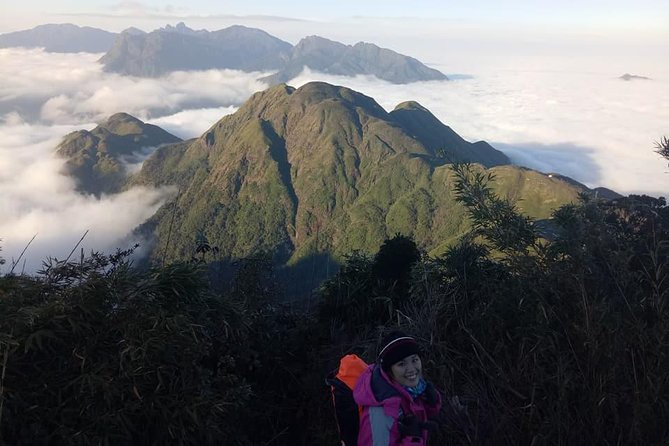
The standard plan is to return via the route you used to climb. That makes the day longer and adds another test for tired knees and legs. Descending is not automatically easy. Loose or muddy ground can demand as much care as the climb, especially when fatigue sets in.
You can instead take the cable car down for an additional fee. The cable car ticket is not included, and the supplied information does not state the price. Some guides have directed hikers to the cable car without trouble, but confirm the current process and cost before you leave.
I see the cable car as a sensible option for people who want the summit achievement but do not want another several hours on steep ground. If you are focused on the complete trek, walking both ways gives you the fullest physical challenge. If your legs are spent, paying for the descent may be the wiser choice rather than turning the final hours into a grim struggle.
The decision also affects your timing. A cable car descent should shorten the return, but you still need to allow time to reach the station and travel back to Sapa. Your included transport returns you to the meeting point at the end of the activity.
What the $80 price really covers
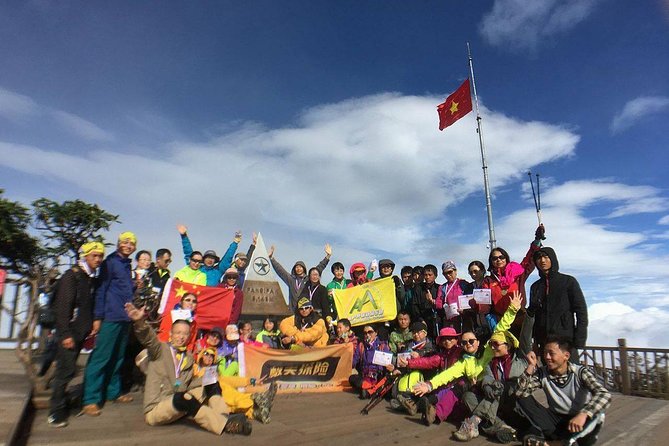
At $80 per person, this is not just a guide standing at the foot of Fansipan. The price includes an English-speaking guide, picnic lunch, 1.5 liters of water, transport from Sapa, the entrance fee, insurance, and the medal and certificate.
That package has good value for a private full-day mountain trip. The hotel transfer removes taxi costs and early-morning hassle. The guide is important because the route is long, steep, and subject to slippery ground. Lunch and water reduce the amount of preparation you need to do yourself.
You still need to budget for the cable car if you choose it, tips for the guide, and personal expenses. Since the return cable car is optional, the base price lets you choose between a cheaper, harder descent and a faster, extra-cost one.
There are also group discounts, but the exact discount is not stated. Ask for the current amount if you are booking more than one person. The activity is private rather than a standard shared group, so the price may make more sense for two or more people who want control over their pace and start-to-finish service.
The guide can make or break the day
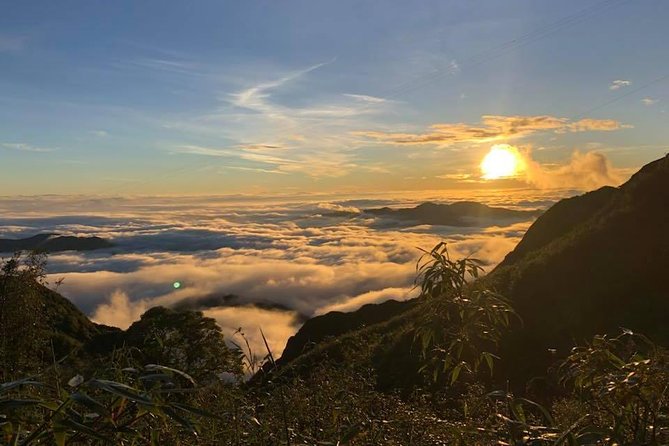
The most praised part of this experience is the guide service. Patience comes up again and again in the practical details. Guides have adjusted their speed, offered encouragement, watched footing, and explained plants, animals, and mountain details along the way.
Cho and Choo were both singled out for being friendly and patient. Sinh was valued for safety advice and encouragement. Ho, a local Hmong guide, was praised for her cheerful manner and information about plants and wildlife. Ser was described as professional and patient with first-time hikers, while Chay prepared lunch and stayed calm during a particularly long ascent.
You should still tell the operator about your fitness, dietary needs, and preferred pace before the start. The tour is private, so this information can help the guide plan for your group. Do not assume that a private trek means an easy trek. It means the service can respond better to your needs while the mountain remains just as steep.
Communication before the outing has also been a strong point. Tinh has sent booking confirmations, reminders, and preparation details quickly. That is useful when you need to know pickup time, clothing, food, and the cable car choice.
Weather, clothing, and preparation
Sapa weather can shift quickly, and Fansipan can be cold, wet, cloudy, or clear. Pack clothing that handles changing conditions, with sturdy footwear suited to mud and uneven ground. A raincoat has been provided on some outings and kept by the hiker, but rain gear is not listed among the formal inclusions, so I would not rely on it without checking first.
Start with breakfast because you arrange that yourself. Bring personal snacks if you like to eat between the provided lunch and summit. Keep your pack light, but include anything you personally need for a long day outside.
Altitude deserves respect. The tour information specifically calls for strong physical fitness, and one participant reported altitude sickness symptoms. I would not treat the climb as a test of willpower if you feel unwell. Ask a medical professional about altitude medication before the trip if that is relevant to you, and tell your guide immediately about serious symptoms.
The early departure is part of the practical design. Starting at 6:00 am gives you the best chance of reaching the summit during daylight and leaving time for the descent. A late start would make this route even harder.
Who should book this Fansipan trek?
I would recommend it to experienced hikers, fit visitors who want a demanding one-day goal, and people who value a private guide over a cheaper shared outing. It also suits pairs with different speeds, since the guide can take breaks and keep the day personal.
It is a good choice if you want to reach Fansipan under your own power but would like transport, food, water, insurance, and entry fees handled for you. The medal and certificate add a pleasant finish, though they should not be the reason you book.
I would think twice if you dislike steep climbs, have limited hiking experience, or need a fixed arrival time back in Sapa. The route is long, and the return on foot can be punishing after the summit. You can buy the cable car down, but that adds cost and does not remove the effort required to reach the top.
Should you book this $80 Fansipan day trek?
Yes, if you want the mountain challenge itself, not just a quick summit photo. The strongest reasons to book are the private format, attentive English-speaking guide, included transport, picnic lunch, water, entry fee, and flexible option to descend by cable car.
I would book only after accepting the hard facts: 24 kilometers, up to 1,700 meters of climbing, 10 to 13 hours, changing weather, and a steep final section. For a fit hiker prepared for a demanding day, $80 is a solid package and a practical way to tackle Fansipan from Tram Ton Pass. For a relaxed mountain outing, take the cable car instead.
Free cancellation is available if you cancel at least 24 hours before the 6:00 am start. Changes or cancellations inside that window are not accepted for a refund.
FAQ
How long does the Fansipan trek take?
The trek takes approximately 10 to 13 hours. The stated trekking time is usually 10 to 12 hours, depending on pace, breaks, weather, and trail conditions.
What time does the tour start?
The activity starts at 6:00 am.
Where does the hike begin?
Transport takes you from Sapa to Tram Ton Pass, which sits at about 2,000 meters above sea level. Tram Ton Pass is the start of the trek.
How far is the trek?
The route is approximately 24 kilometers in total, or about 12 kilometers each way.
How high is Fansipan?
Fansipan reaches 3,143 meters and is the highest mountain on the Indochina Peninsula.
Is a guide included?
Yes. An English-speaking guide is included, and the activity is private for your group.
Is lunch included?
Yes. A picnic lunch is included. Vegetarian food has been arranged for some bookings, so state your dietary needs in advance.
Is drinking water included?
Yes. The tour includes 1.5 liters of water per person.
Can I take the cable car down?
Yes. You may take the cable car back down for an additional fee. Cable car tickets are not included in the tour price.
What happens if I need to cancel?
You can receive a full refund if you cancel at least 24 hours before the experience start time. Cancellations or changes made less than 24 hours before the start are not accepted for a refund.
More 1-Day Tours in Sapa
- Sapa 1 Day Long Trek: Trek to Hau Thao and Sa Seng Villages
★ 4.6 · 344 reviews - Sapa Motorbike Tour With Local Guide 1 Day – Waterfalls, Villages
★ 5.0 · 254 reviews - Motorbike 1 Day Off The Beaten Track, Hidden Villages, rice field
★ 5.0 · 203 reviews - 1-day Authentik trek & Panorama valley views
★ 5.0 · 189 reviews
More Treks Within Reach
- 3-Day Trekking Adventure of Sapa from Hanoi – Stay Ta Van Village
★ 5.0 · 611 reviews - Number one top rated ethical cultural trekking and homestay by ETHOS
★ 5.0 · 456 reviews - 2-Day Sa Pa Ethnic Homestay Tour & Trek with Limousine Bus
★ 4.8 · 440 reviews - From Sapa: 1-Day Guided Trek to Lao Chai & Ta Van with Lunch
★ 4.9 · 416 reviews
Just added around Sapa
- Half Day Sapa Cat Cat Explore Waterfall, Workshop, H’mong Local★ 5.0 · 9 reviews
- Sapa 1 Day Trekking★ 5.0 · 9 reviews
- Sapa Open Air Jeep Half Days Off the Beaten Track, Backroad★ 4.9 · 9 reviews
- Fansipan Mount Trekking 1 Day★ 5.0 · 9 reviews
- Sapa: Motorbike Tour to Hidden Villages & Terraced Fields★ 5.0 · 9 reviews
- Sapa 3 Day Trekking with 2 Nights Homestay★ 5.0 · 9 reviews
- SaPa: 2-Day Villages,Rice Fields, Love Waterfall Hiking Tour★ 5.0 · 9 reviews
- 8-Day Discover Northern Vietnam Highlight: Hanoi – Ninh Binh – Sapa – Halong Bay★ 5.0 · 9 reviews
Trekking Tours in Sapa, compared.

Muong Hoa Valley Trek and Local Ethnic Villages
Read our review →

Sapa 3 Days 2 Nights Trekking Tour (1 Night In Ta Van Village, 1 Night In Hotel)
Read our review →
Eco Adventure Terrace Fields and Local Villages Trek
Read our review →
3-Day Trekking Adventure of Sapa from Hanoi – Stay Ta Van Village
Read our review →
Number one top rated ethical cultural trekking and homestay by ETHOS
Read our review →
2-Day Sa Pa Ethnic Homestay Tour & Trek with Limousine Bus
Read our review →
1-Day Guided Trek to Lao Chai & Ta Van with Lunch
Read our review →Browse the lists this tour appears in