
Reviewed · HIKING & TREKKING
2 Day 1 Night Trek
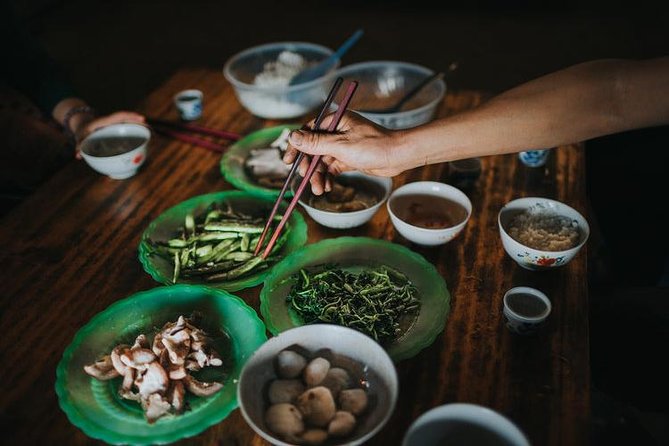
Sapa’s best moments often begin where the paved road ends. This two-day trek leads you through rice terraces, beside Muong Hoa Stream, into Black Hmong and Zay villages, and finally to a local homestay. I especially like the private guide format, which lets you choose an easier, medium, or harder pace, and the chance to spend the night with a family rather than simply photographing rural life from a road.
I also like the focus on local guides such as Giang and Xa, who explain farming, village life, and tribal culture as you walk. The main caution is physical: this is not a gentle city stroll. Mud, uneven paths, hills, and changeable weather can make the trek tiring, and the exact route may feel demanding if you are not used to walking for much of the day.
In This Review
- Key points at a glance
- Starting at 9 a.m. in Sapa
- Day one: terraces, stream, and Black Hmong villages
- The overnight homestay and local welcome
- Day two: Ta Van, bamboo, and waterfalls
- What the private guide adds
- How hard is the trek?
- Is $105 good value?
- Who will enjoy this most?
- Booking and cancellation advice
- Should you book the Sapa Tribal Trekking experience?
- FAQ
- Where does the trek start?
- Where does the activity finish?
- How long does the experience last?
- Is this a private tour?
- What communities do you visit?
- Where do you stay overnight?
- What level of fitness is needed?
- Can the walking route be adjusted?
- Can I cancel for a full refund?
Key points at a glance

- A private trek for your group: You are not placed with strangers, and the route can be adjusted to suit your pace.
- Two days of rural walking: Expect rice terraces, Muong Hoa Stream, bamboo forests, waterfalls, and village paths.
- Black Hmong and Zay culture: The route connects you with two local communities in and around Sapa.
- A genuine homestay night: You can stay in a homestay or local family home, with Wi-Fi, hot showers, and time around an open fire.
- Strong guide-led experience: Giang and Xa are praised for clear English, patience, and detailed explanations.
- Good value at $105: The price covers a private two-day experience, local guiding, and an overnight stay, though you should confirm exactly what meals and extras are included before booking.
Starting at 9 a.m. in Sapa
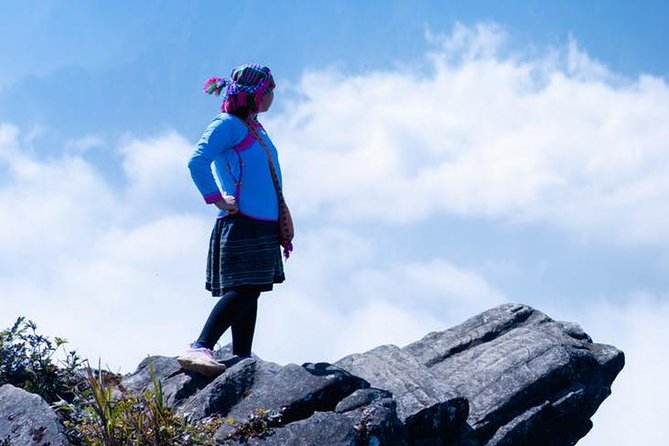
The trek begins at 9 a.m. in Sapa. Your guide meets you at your hotel or homestay, or at Lao Cai train station, the nearest rail connection to Sapa. The stated meeting point is 690 Đường Điện Biên Phủ in central Sapa, and the activity finishes back at the meeting point.
That pickup choice is useful if you arrive by train and are arranging your Sapa visit around Lao Cai. The information provided does not specify a transfer from Lao Cai to Sapa, so ask about that point before you book if the station is your arrival location.
You get a private activity rather than a large group departure. That matters on a trek. A guide can slow down for photographs, adjust the pace, and explain what you are seeing without trying to keep a whole busload of people together. Group discounts are offered, so the $105 price may work better for two or more people sharing the experience.
The tour is designed around flexibility. You can choose a shorter and easier walk, or ask for a more rural route away from the usual tourist paths. This is one of the strongest reasons to discuss your fitness and interests with the operator before departure. A person seeking a relaxed village visit needs a different route from someone hoping for a full day in the hills.
More treks within reach of Hanoi:
- Halong Bay Full Day with Kayaking, Hiking viewpoint, Cave – Deluxe To Luxury
★ 5.0 · 884 reviews - Sa Pa: Muong Hoa Valley Trek and Local Ethnic Villages
★ 4.6 · 864 reviews - From Hanoi: 2-Day Sapa Trekking Trip with Homestay & Meals
★ 4.8 · 704 reviews
Day one: terraces, stream, and Black Hmong villages
The first day takes you through Sapa’s famous rice terraces and along Muong Hoa Stream. The scenery is the main reward, but the walking itself gives you a better sense of how the villages connect. You are not simply stopping at a viewpoint, taking a picture, and returning to town. You move through working countryside at a human pace.
The route reaches a Black Hmong village identified in the itinerary as La, though the supplied details do not give the full village name. The Black Hmong are one of the local communities in the Sapa area, and the guide’s role is important here. A good guide can explain the setting, local customs, and the relationship between village life and the rice terraces without turning the visit into a rushed performance.
Giang is one guide associated with this experience. He is praised for speaking very good English and for explaining the area and its past in a way that makes the walking more meaningful. That kind of commentary is worth having in Sapa, where the terraces can look beautiful but may mean little if you do not understand how villages use the land.
Xa is another guide named in the tour material. Her patient style and willingness to offer easy, medium, and hard choices are especially useful if your group has mixed fitness levels. You can ask for a simpler section when your legs need a break, or take a more challenging path when you still have energy.
The exact difficulty will depend on the route selected and the weather. Sapa’s paths are not presented as paved walking trails, and the requirement for moderate physical fitness should be taken seriously. Wear shoes with a firm grip, keep your hands free if possible, and bring enough water for the walking day.
The overnight homestay and local welcome
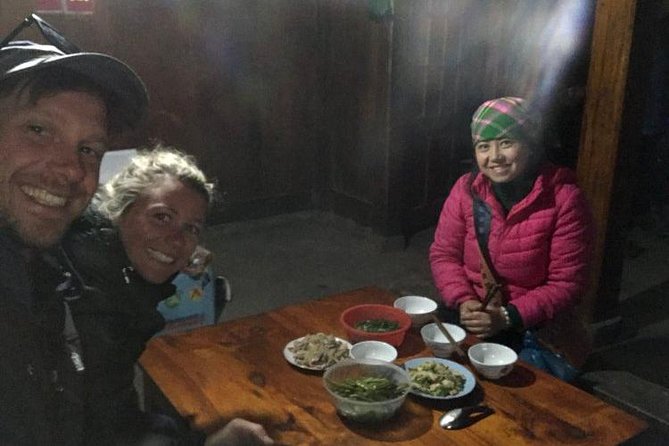
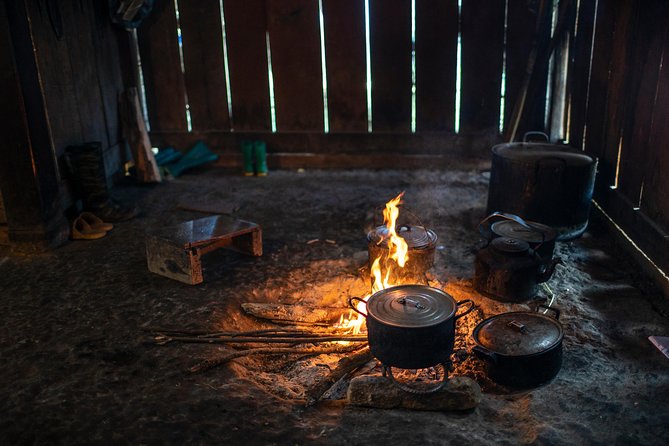
Late on the first day, you stay overnight in a homestay or in a local house with a family. This is more than a practical place to sleep. It gives you time to see a slower side of the region, sit around an open fire, and speak with your hosts instead of leaving the village as soon as the daylight fades.
The accommodation has Wi-Fi and hot showers, according to the tour details. That is reassuring after a long trek. Still, a homestay is not the same as a conventional hotel, and you should expect a simpler setting. The appeal is the contact with local people, not polished resort service.
You may spend time chatting with the host family and learning about daily life. The experience is designed to return money to local residents through fair wages, which gives the overnight stay a practical purpose as well as a cultural one. In an area where much of the population lives below the poverty line, choosing a local homestay can help spread tourism income beyond the larger hotels in Sapa.
One detail I appreciate is that the tour gives you a choice between a standard homestay and staying in a local family home. The difference between those arrangements is not explained in full, so ask what each option includes before you pay. You will also want to clarify sleeping arrangements, meal details, and what to bring for the night.
Day two: Ta Van, bamboo, and waterfalls
Breakfast is scheduled for 8 a.m. on the second morning. After packing and saying goodbye to your hosts, you continue toward Ta Van Village. The day shifts from rice terraces to bamboo forests and waterfall sections, giving the trek a different feel from the first day.
Ta Van is linked with the Zay tribe, and the route gives you a chance to meet and learn about another local community. The guide can help connect the village, forests, and farms into a clearer picture of life around Sapa. The cultural side works best when you remain curious and respectful, especially around homes and family spaces.
The bamboo forest section adds variety to the walk. Instead of seeing the same open terrace views all day, you move through more enclosed woodland before reaching waterfalls. The route then continues through waterfall areas and toward the Zay community.
Lunch takes place in the early afternoon, followed by the later part of the trek and return to the meeting point. The information does not give an exact finishing time. Plan your second day with some flexibility, especially if you have a train, bus, or other fixed departure from Sapa.
The lack of a precise end time is a small planning issue, not necessarily a flaw. Rural walking is affected by weather, path conditions, stops, and the pace of your group. Still, if you must catch transport, ask the operator for a realistic return estimate before setting your schedule.
A few more Hanoi departures worth weighing up
- Sapa 2 Days 1 Night From Hanoi – Overnight in Ta Van Village
★ 5.0 · 2,669 reviews - Hanoi Motorbike Tours Led By Women: Hanoi By Night Foodie Motorbike Tours
★ 5.0 · 1,734 reviews - 2-Days, 1-Night Halong Bay Discovery Cruise from Hanoi
★ 5.0 · 1,156 reviews - From Hanoi: Ha Long – Bai Tu Long Bay 2-Day 1-Night Cruise
★ 4.6 · 1,113 reviews
What the private guide adds
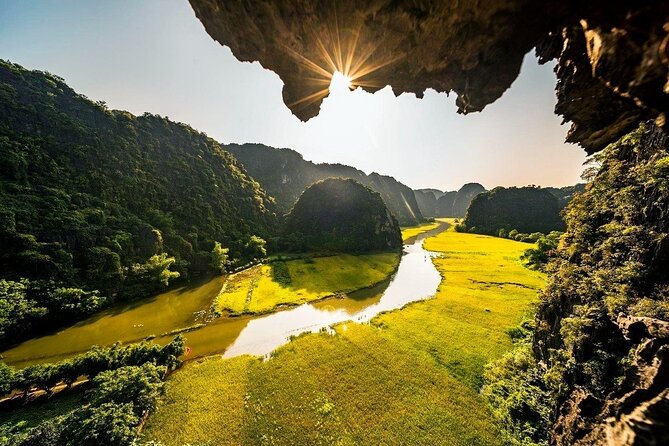
The guide is the heart of this trip. The route includes scenery you can technically reach without a guide, but the experience gains much more from someone who can explain the people, villages, farming, and local past.
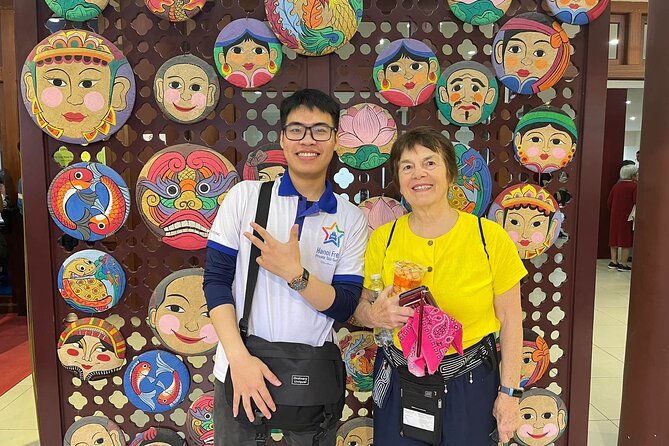
The guides are native to the area and speak English well. Giang receives particular praise for his explanations and for making the journey interesting through stories about Sapa, its surroundings, and local communities. Xa is described as patient and good at giving route choices based on how tired you are.
That flexibility is a real benefit. A fixed group tour often has one speed, which can leave the slowest walkers anxious and the fastest walkers bored. Here, your guide can discuss the route with you and make the day easier or harder within the available choices.
The private format also makes questions easier. You can ask about the Black Hmong village, the Zay community, the terraces, or the homestay without worrying about holding up a large party. If learning about culture matters as much to you as taking photographs, this is a better arrangement than a short scenic stop.
How hard is the trek?
The operator asks for a moderate level of physical fitness. That wording is important. You do not need to be an elite hiker, but you should be comfortable walking for two days on rural paths with hills and uneven ground.
Your guide can provide easier, medium, and harder route choices, which helps. It does not remove the need for sensible preparation. The tour takes place outdoors and requires good weather, so rain can affect the path and make the walking more tiring.
Bring comfortable walking shoes, clothing suitable for changing weather, water, and a small bag for the overnight stay. The supplied information does not provide a packing list, so confirm whether bedding, towels, meals, and transport from Lao Cai are included.
Anyone with a medical problem should consult a doctor before booking. Service animals are allowed, and the activity is near public transportation, but the walking conditions themselves may still be unsuitable for some people.
Is $105 good value?

At $105 per person, this is not the cheapest way to see the Sapa area, but it offers more than a short half-day walk. You receive two days of guiding, a private group experience, an overnight homestay or family stay, and access to rural routes that avoid the busiest tourist paths when requested.
The value depends partly on what is included in the final price. The information confirms the guide and overnight stay, but it does not spell out every meal, transfer, or extra cost. Ask for a clear list before booking so you can compare it fairly with other Sapa treks.
For a couple, family, or small private group, the price becomes more attractive if group discounts apply. You are also directing money toward local residents rather than treating the countryside as a quick backdrop for a town-based tour.
I would choose this experience for the guide access and the homestay, not simply for the number of sights. If your main goal is a luxury night or a precisely timed sightseeing program, the price may not suit you. If you want a slower route and direct contact with local communities, it offers solid value.
Who will enjoy this most?
This trek suits you if you want rural scenery, village contact, and a night away from Sapa’s town center. It is a good match for people who enjoy walking at a steady pace and like having a guide who can explain culture along the way.
It also works well for groups with different fitness levels because the guide can offer route choices. Private departures make it easier to stop, ask questions, and shape the day around your group.
You may want a different experience if you have limited mobility, serious health concerns, or only a few hours available. The tour lasts about two days, requires moderate fitness, and depends on good weather. It is also not the right choice if you want a fully standardized hotel stay with no uncertainty about rural conditions.
Booking and cancellation advice
Confirmation is provided at booking. Free cancellation is available if you cancel at least 24 hours before the local start time, with a full refund. Cancellations or changes made within 24 hours are not accepted for a refund.
Because the activity requires good weather, poor conditions may lead to a different date or a full refund. Keep that in mind when arranging trains and onward transport. The activity returns to the meeting point, but no exact final time is provided.
Should you book the Sapa Tribal Trekking experience?
I would book it if your ideal Sapa trip includes terraces, village paths, a local family stay, and a guide who can adjust the walking to your energy level. The strongest parts are the private format, the cultural explanations from guides such as Giang and Xa, and the chance to support local households through the homestay.
Before paying, confirm the full route, the exact homestay arrangement, meals, Lao Cai pickup details, and expected return time. If those points suit your plans, this is a thoughtful way to see Sapa beyond its main viewpoints. If you need easy, flat walking or strict transport timing, choose a shorter tour instead.
FAQ
Where does the trek start?
The trek starts at 9 a.m. at 690 Đường Điện Biên Phủ in Sapa. Your guide can also meet you at your Sapa hotel or homestay, or at Lao Cai train station.
Where does the activity finish?
The activity ends back at the meeting point in Sapa.
How long does the experience last?
The experience lasts approximately two days and includes one overnight stay.
Is this a private tour?
Yes. Only your group participates in the activity.
What communities do you visit?
The route includes a Black Hmong village on the first day and Ta Van Village, where you meet the Zay tribe, on the second day.
Where do you stay overnight?
You can stay in a homestay or choose to stay in a local house with a local family. The accommodation includes Wi-Fi and hot showers according to the tour details.
What level of fitness is needed?
You should have a moderate level of physical fitness. Anyone with medical problems should consult a doctor before booking.
Can the walking route be adjusted?
Yes. You can choose a short, easier route or a more rural route, and guides can offer easy, medium, and hard walking choices.
Can I cancel for a full refund?
Yes, if you cancel at least 24 hours before the experience start time. Poor weather may also lead to a different date or a full refund.
More 2-Day Experiences in Hanoi
- Amanda Cruise – Ha Long, Lan Ha Bay – All Inclusive 2D1N & 3D2N
★ 5.0 · 4,358 reviews - Lan Ha – Ha Long Bay – Dau Be island 2D/1N from Cat Ba in less touristy areas.
★ 5.0 · 3,460 reviews - Hanoi: 2-Day Halong & Lan Ha Bay 5-Star Cruise with Balcony
★ 4.8 · 3,300 reviews - Halong Bay – Le Journey Cruises – All Inclusive 2D1N and 3D2N
★ 5.0 · 2,500 reviews
Just added around Hanoi
- Cat Ba National Park, Lan Ha Bay 2 Days 1 Night Adventure★ 4.8 · 9 reviews
- Full day Boat Tour Lan Ha Bay – Ha Long Bay: Kayak, Beach Hopping★ 5.0 · 9 reviews
- Sapa 1 Day Trekking★ 5.0 · 9 reviews
- Ha Giang Loop 2 Days High quality Small Group +Private Room★ 5.0 · 9 reviews
- Half Day Sapa Cat Cat Explore Waterfall, Workshop, H’mong Local★ 5.0 · 9 reviews
- Sapa Open Air Jeep Half Days Off the Beaten Track, Backroad★ 4.9 · 9 reviews
- Halong 2 days 1 night with Cozy Classic Cruise from Hanoi★ 4.5 · 9 reviews
- Fansipan Mount Trekking 1 Day★ 5.0 · 9 reviews
Hiking & Trekking, compared.

Halong Bay Full Day with Kayaking, Hiking viewpoint, Cave – Deluxe To Luxury
Read our review →
Muong Hoa Valley Trek and Local Ethnic Villages
Read our review →

Sapa 3 Days 2 Nights Trekking Tour (1 Night In Ta Van Village, 1 Night In Hotel)
Read our review →
Eco Adventure Terrace Fields and Local Villages Trek
Read our review →
3-Day Trekking Adventure of Sapa from Hanoi – Stay Ta Van Village
Read our review →
3D and 2N Lan Ha Bay Cat Ba Island Kayaking & Trekking with Vega
Read our review →
Number one top rated ethical cultural trekking and homestay by ETHOS
Read our review →Browse the lists this tour appears in