
Reviewed · RED RIVER AND COUNTRYSIDE TOURS
2D1N Buffalo trek by Hmong Sister House and Trekking
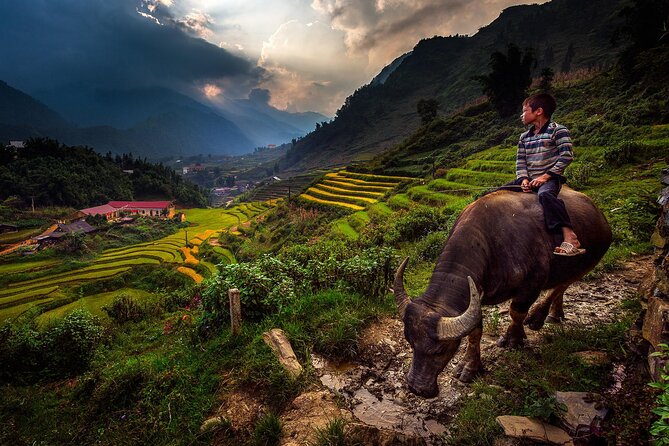
Sapa’s buffalo-house overnight gives you something many short treks miss: a reason to keep walking after the rice-terrace photographs. You follow old paths through Hmong villages and forest to a high mountain home where Zizi’s mother lives, then spend the night with a Hmong family before descending toward Red Dao villages and a waterfall.
I like the way the route links daily life with scenery, especially the livestock, farm work, and family home. I also like the personal guiding. Li, one of the guides, shares stories of her childhood and how Hmong life has changed, which gives the walk a human voice. The main consideration is fitness: this is a real two-day mountain trek, not a gentle village stroll, and weather can affect the plans.
In This Review
- Key points at a glance
- Why the buffalo house changes the trek
- A practical start at 7 a.m. in Sapa
- Day one: Hau Thao, Hmong villages, and forest paths
- The overnight stay with Zizi’s family
- Day two: sunrise, rice fields, and a Red Dao village
- What the guide adds to the walk
- Is $110 good value for two days?
- Who will enjoy this trek most
- Booking details worth checking first
- Should you book the 2D1N Buffalo Trek?
- FAQ
- How long is the Buffalo Trek?
- Where does the trek start and end?
- Is pickup available?
- What accommodation is included?
- How fit do I need to be?
- What happens if the weather is poor?
Key points at a glance
- Sleep in a working Hmong buffalo house: The overnight stop is at the home of Zizi’s mother, giving the trek a direct connection to local family life.
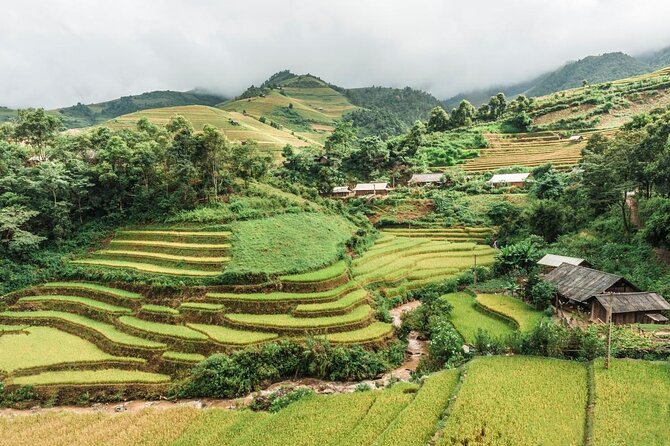
- Follow a less-used mountain route: The path passes through ethnic villages, rice paddies, and forest instead of staying on the most obvious Sapa tracks.
- Meet Hmong life through a local guide: An English-speaking Hmong guide such as Li can explain family customs, childhood memories, farming, and changing village life.
- Start with useful morning support: Pickup from Sapa bus station is arranged around 7 a.m., followed by luggage storage, a hot shower, and breakfast at Zizi’s homestay.
- Finish with Red Dao culture and a waterfall: Day two adds a new ethnic village, early farm work, and a waterfall before returning to the starting point.
- Private format, moderate fitness required: Only your group takes part, but you need to be ready for sustained mountain walking and changing weather.
Why the buffalo house changes the trek
The most memorable part of this trip is not simply reaching a viewpoint. It is reaching a family home used to care for buffalo high in the mountains. The house belongs to Zizi’s mother, so the overnight stop is tied to a real household rather than a purpose-built stop designed only for visitors.
That matters because it gives the route a clear purpose. Hmong families have long moved through the hills to tend animals and work their fields. On this trek, you are following paths connected to that daily routine. You may see animals living close to homes and people working around them, rather than passing through villages as if they were scenery.
The setting also makes the night feel different from a standard Sapa hotel stay. You leave your main luggage at Zizi’s homestay before walking, then carry only what you need for the night. The supplied details do not specify sleeping arrangements or bathroom facilities, so ask for those particulars before booking if comfort matters to you.
More 2-Day Trips in Sapa
- Sapa 2 Days 1 Night From Hanoi – Overnight in Ta Van Village
★ 5.0 · 2,669 reviews - Hanoi – Sapa 2 Days 1 Night Overnight At Homestay
★ 5.0 · 899 reviews - From Hanoi: 2-Day Sapa Trekking Trip with Homestay & Meals
★ 4.8 · 704 reviews
A practical start at 7 a.m. in Sapa
The morning begins with pickup from the bus station at about 7 a.m. A car takes you to Zizi’s homestay, where you can leave your luggage. This is a useful arrangement if you are arriving by bus and do not want to carry a full pack through the mountains.
You also have time for a hot shower and breakfast cooked by Zizi before the trek starts. That small pause is valuable. Early bus arrivals can leave you tired and hungry, and beginning a mountain walk without sorting out your bags or eating properly is a poor bargain.
The meeting point is Hmong Sister House and Trekking in Ta Van, in the Muong Hoa area of Sa Pa. The transport details point to bus-station pickup around 7 a.m., while the listed meeting point is the operator’s base. Confirm the exact pickup place and time when you book, particularly if your bus arrives elsewhere in Sapa.
Day one: Hau Thao, Hmong villages, and forest paths
After breakfast and luggage storage, you begin from Hau Thao village. The first day is about moving through the Hmong mountain area at a steady pace, with traditional villages, farm plots, animals, rice terraces, and forest along the route.
This is where the trek earns its price. You are not simply driven to a viewpoint, given a short walk, and returned to town. The path connects several parts of rural life, and the guide can explain what you are seeing as you go. The animals are not decorative additions. They are part of the household economy and the rhythm of village work.
The route is described as an off-the-beaten-path alternative, but that phrase should not lead you to expect an untouched wilderness walk. You will still be near inhabited villages and working farms. The appeal is the connection between those places, the forest, and the family stop, not total isolation.
Lunch is prepared by the guide. The available details do not give a menu, so tell the operator about dietary needs before departure rather than assuming the guide can adjust at short notice. A meal prepared along the route also means the day is built around the walk, not around finding a restaurant in town.
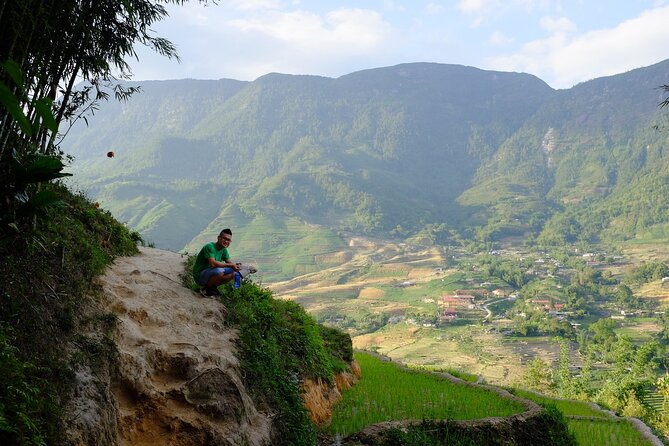
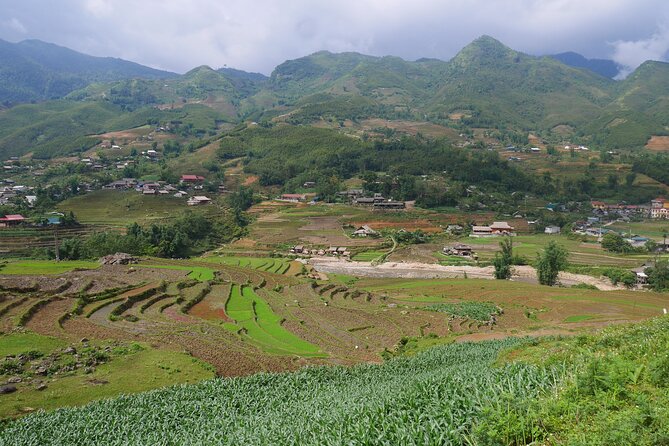
As you gain height, the views open across the Sapa mountains and terraced rice fields. Rice terraces are especially striking when the light and season cooperate, but the route is not dependent on a single perfect viewpoint. The walk offers changing views because you pass through fields, woodland, and settlements.
The overnight stay with Zizi’s family
The night is spent at an authentic Hmong family house, described as the buffalo house where Zizi’s mother lives. This is the part of the trip to approach with the right expectations. You are choosing family hospitality and a closer look at rural life, not a hotel with a polished chain of comforts.
The value comes from time. A short stop in a village gives you a glimpse. Staying overnight lets you notice the house as a living place, meet the family, and understand that the route is tied to people who actually use these mountains.
The guide can add depth here. Li is specifically praised for taking people through her own lands and sharing stories about her childhood and how Hmong people, including herself, lived in the past and live now. That sort of explanation is more useful than a string of dates or broad statements about local culture. It connects the trail to an individual life.
Keep your overnight bag light. Your larger luggage remains at Zizi’s homestay, and you will be walking on mountain paths before and after the overnight stay. Pack only essentials, and ask what bedding and washing facilities are provided if those points affect your decision.
More Trekking Tours in Sapa
- Sa Pa: Muong Hoa Valley Trek and Local Ethnic Villages
★ 4.6 · 864 reviews - Sapa 3 Days 2 Nights Trekking Tour (1 Night In Ta Van Village, 1 Night In Hotel)
★ 5.0 · 699 reviews - Sapa: Eco Adventure Terrace Fields and Local Villages Trek
★ 4.9 · 636 reviews - 3-Day Trekking Adventure of Sapa from Hanoi – Stay Ta Van Village
★ 5.0 · 611 reviews
Day two: sunrise, rice fields, and a Red Dao village
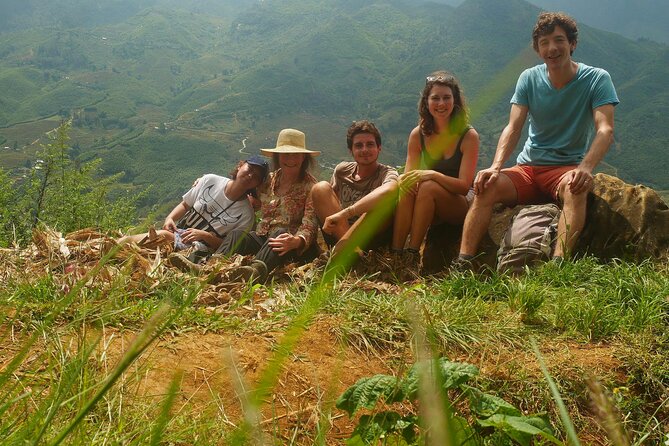
Day two begins slowly with sunrise and breakfast. The morning pace is part of the charm. Instead of rushing straight back to Sapa, you say goodbye to the family and start down through the hills.
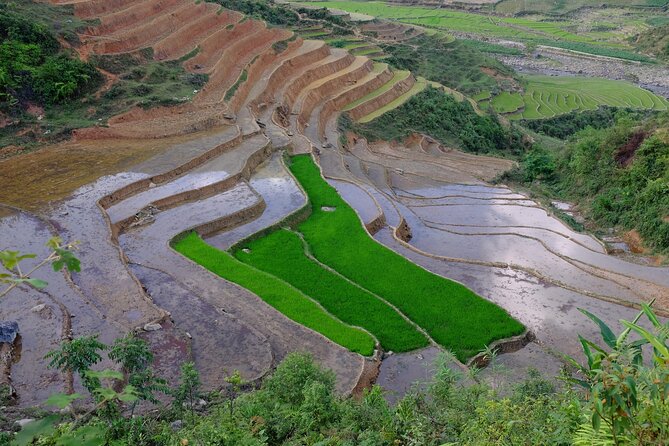
Early in the day, you can see farmers working in the rice fields. This is a useful time to walk because agricultural work is easier to understand when it is happening in front of you. The terraces are not just scenic shapes. They are fields that demand regular labor, careful water management, and long hours.
The descent leads to a Red Dao village, giving the second day a cultural change from the Hmong communities visited earlier. The information provided does not specify the village name or the length of the stop, so do not book this expecting a fixed museum-style visit or a detailed craft program. The strength is the movement between communities along a mountain route.
A waterfall is also part of the second day. It adds a natural destination to a day that already includes farmland and villages. Depending on weather and trail conditions, the waterfall may feel like a welcome rest point, but the route still requires walking downhill and managing uneven ground.
The activity ends back at the meeting point. Exact return time is not stated, so avoid scheduling a tight train, bus, or flight connection immediately afterward.
What the guide adds to the walk
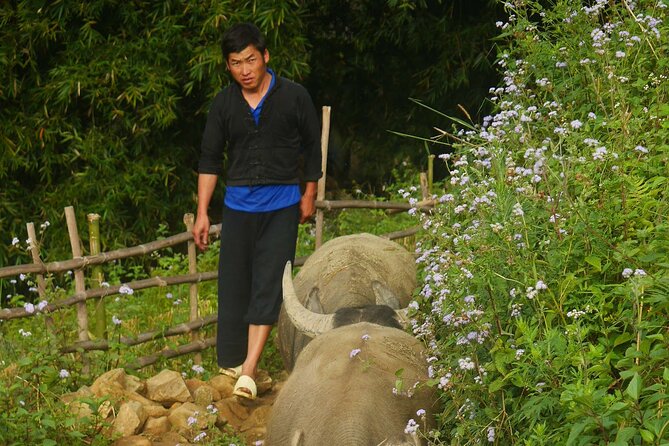
A local English-speaking Hmong guide is central to this trip. The guide does more than lead the way. You get explanations of village life, farming, family customs, and the changes that have shaped Hmong communities.
Li is the named guide in the supplied account, and her personal connection to the area is important. She describes her own childhood and the way people, including herself, lived before and live today. That gives you a chance to ask practical questions about local life instead of receiving only a prepared speech.
Guide availability may vary, so Li should not be treated as guaranteed unless the operator confirms it. The broader point remains: this is a private activity with an English-speaking Hmong guide, and only your group participates. A private format lets you set a more natural pace and ask questions without keeping up with a large group.
It also means the cost is easier to justify for a small party. If you are alone, $110 is a larger personal expense. If two or more people share the private outing, the combination of transport, meals, guiding, and overnight hosting becomes more attractive.
Is $110 good value for two days?
At $110 per person, this is not the cheapest way to walk near Sapa. It is also more than a quick half-day village trip. The better comparison is a two-day private mountain program that includes pickup, breakfast, lunch, a family overnight stay, a second day of trekking, and return to the meeting point.
The price has real value if you want local contact and a route with an overnight purpose. You are paying for time, guiding, food, transport support, and access to a family setting connected to the operator. You are also avoiding the hassle of carrying all your luggage from the bus station.
The value is weaker if your main goal is a comfortable room, a guaranteed viewpoint, or a short walk with little exertion. The overnight facilities are not described in detail, and this is a moderate-fitness trip. Ask questions before booking if you need private sleeping space, specific meals, or a precise daily distance.
The activity is booked well ahead on average, around 85 days before departure. That suggests you should plan early if your Sapa dates are fixed, especially since the tour is private and has limited family-hosting capacity.
Who will enjoy this trek most
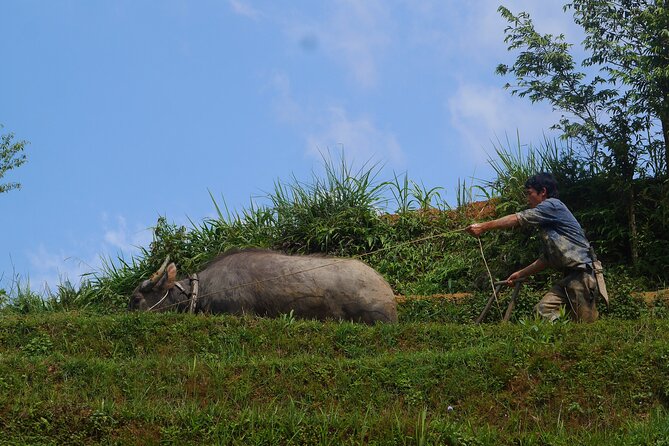
I would choose this for you if you want Sapa to be more than a photo stop. It suits people who enjoy walking through working villages, meeting a local guide, and accepting a simple family overnight in exchange for a closer look at mountain life.
It is also a good fit for couples, families with fit older children, or a small group that wants a private route. Group discounts are offered, so ask how the price changes with your party size.
You should think twice if you dislike uneven mountain paths, need a fully predictable schedule, or want resort-level accommodation. The tour requires moderate physical fitness, and the route includes climbing, descending, and forest walking over two days.
The weather also matters. If poor conditions make the trip unsafe or unsuitable, the operator offers a different date or a full refund. That is helpful, but keep some flexibility in your Sapa schedule.
Booking details worth checking first
Confirmation is received when you book. Pickup is offered, and the day begins around 7 a.m. from the bus station before continuing to Zizi’s homestay.
The activity runs Monday through Sunday during the stated operating period, from August 31, 2024, through December 8, 2026. The published opening hours are 6 a.m. to 2 p.m., but the pickup and return timing should still be confirmed directly.
You can cancel for a full refund up to 24 hours before the start time. Cancellations or changes made within 24 hours are not refunded or accepted. Service animals are allowed.
Should you book the 2D1N Buffalo Trek?
Book it if you want a personal, active introduction to Hmong life and you are comfortable trading hotel comforts for a family stay in the mountains. The buffalo house, the local guide, the forest route, the Red Dao village, and the waterfall give the two days a clear sense of place.
I would not choose it for a relaxed sightseeing schedule or a short introduction to Sapa. But if you have two days, moderate fitness, and curiosity about how people work and live in the hills, this is a strong-value private trek. Confirm the sleeping facilities, food needs, guide availability, pickup point, and return time before paying, then bring a small overnight bag and let the mountain route set the pace.
FAQ
How long is the Buffalo Trek?
The activity lasts approximately two days and one night.
Where does the trek start and end?
The listed meeting point is Hmong Sister House and Trekking in Ta Van, Muong Hoa, Sa Pa. The activity ends back at the meeting point.
Is pickup available?
Yes. A car picks you up from the bus station at around 7 a.m. and takes you to Zizi’s homestay, where you can leave your luggage.
What accommodation is included?
You stay overnight in an authentic Hmong family house, described as the buffalo house where Zizi’s mother lives. The available information does not specify the bedding or bathroom arrangements.
How fit do I need to be?
You should have a moderate level of physical fitness. The trip includes two days of mountain trekking through villages, rice fields, forest, and a descent toward a waterfall.
What happens if the weather is poor?
The experience requires good weather. If it is canceled because of poor weather, you can choose a different date or receive a full refund. Free cancellation is also available when you cancel at least 24 hours before the start time.
More Treks Within Reach
- Number one top rated ethical cultural trekking and homestay by ETHOS
★ 5.0 · 456 reviews - 2-Day Sa Pa Ethnic Homestay Tour & Trek with Limousine Bus
★ 4.8 · 440 reviews - From Sapa: 1-Day Guided Trek to Lao Chai & Ta Van with Lunch
★ 4.9 · 416 reviews - Sa Pa Full Day Trekking Tour
★ 5.0 · 414 reviews
More Red River and Countryside Tours in Sapa
- Hanoi City Tour Highlight, Train Street Combine visit Countryside
★ 5.0 · 925 reviews - Hanoi Countryside Motorbike Tour: Red River Culture & Daily Life
★ 5.0 · 681 reviews - Hanoi Jeep City Highlight, Backstreet, Train Street, Countryside
★ 5.0 · 666 reviews - Hanoi Jeep Tour: Red River Countryside Culture & Daily Life
★ 5.0 · 536 reviews
Just added around Sapa
- Sapa 1 Day Trekking★ 5.0 · 9 reviews
- Half Day Sapa Cat Cat Explore Waterfall, Workshop, H’mong Local★ 5.0 · 9 reviews
- Sapa Open Air Jeep Half Days Off the Beaten Track, Backroad★ 4.9 · 9 reviews
- Fansipan Mount Trekking 1 Day★ 5.0 · 9 reviews
- Sapa: Motorbike Tour to Hidden Villages & Terraced Fields★ 5.0 · 9 reviews
- Sapa 3 Day Trekking with 2 Nights Homestay★ 5.0 · 9 reviews
- SaPa: 2-Day Villages,Rice Fields, Love Waterfall Hiking Tour★ 5.0 · 9 reviews
- 8-Day Discover Northern Vietnam Highlight: Hanoi – Ninh Binh – Sapa – Halong Bay★ 5.0 · 9 reviews
Red River and Countryside Tours, compared.
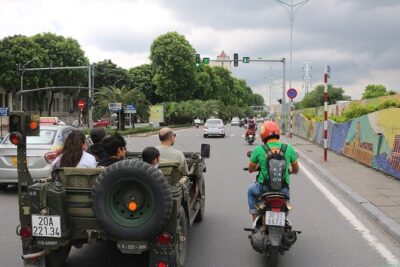
Hanoi City Tour Highlight, Train Street Combine visit Countryside
Read our review →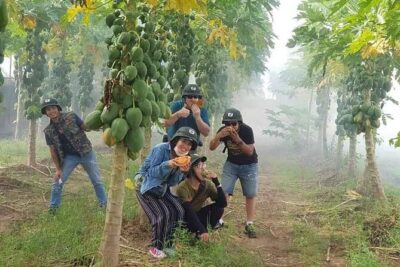
Hanoi Countryside Motorbike Tour: Red River Culture & Daily Life
Read our review →
Hanoi Jeep City Highlight, Backstreet, Train Street, Countryside
Read our review →
Hanoi Jeep Tour: Red River Countryside Culture & Daily Life
Read our review →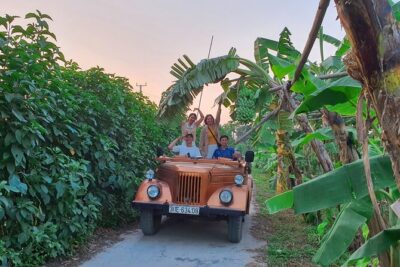
Hanoi Jeep Tour: Red River Countryside+ Backstreet+ Train-street
Read our review →
Hanoi Bicycle Tours: Half Day Bicycle Tours Hanoi Countryside
Read our review →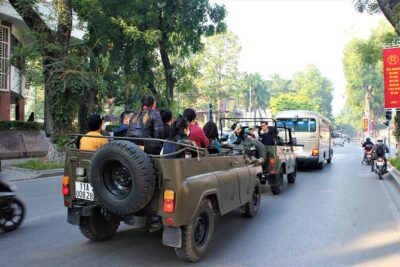
Hanoi Jeep Tours Led By Women: City & Red River Half Day
Read our review →
Hanoi Motorbike Tours Led By Women: Hanoi Outskirts & Rural Life
Read our review →Browse the lists this tour appears in