
Reviewed · HIKING & TREKKING
3 Day 2 Night Trek
Sapa’s best moments often come away from the main roads, and this three-day trek takes you through rice terraces, bamboo forests, and villages where daily life still centers on family, farming, and shared meals. You sleep in homestays, not hotels, and walk roughly 12 kilometers on the first day alone.
I like the close contact with local families, especially the chance to eat, cook, or help with simple farm tasks. I also like the personal touch from guides such as Giang, who has helped arrange practical details such as getting from Hanoi to Sapa, taxi pickup from the bus office, and luggage storage. The main caution is the physical effort: steep paths, uneven ground, and changing weather call for moderate fitness and good footwear.
In This Review
- Key points at a glance
- Why this Sapa trek feels different
- Day one: Y Linh Ho to Ta Van
- Day two: Bamboo forests and the road to Ban Ho
- Day three: Sunrise, Nam Toong, and the return to Sapa
- The guides and the family connection
- What the $180 price really covers
- Fitness, weather, and what to pack
- Who should book this experience
- Should you book the Sapa Tribal Trekking tour?
- FAQ
- Where does the trek start?
- What time does the tour begin?
- Where does the tour end?
- How long is the trek?
- How far do you walk on the first day?
- Which ethnic communities may I encounter?
- Are meals included?
- Is this a private tour?
- Can I cancel for a full refund?
Key points at a glance
- Three days of village-to-village walking: The route links Y Linh Ho, Lao Chai, Ta Van, Giang Ta Chai, Su Pan, Ban Ho, and Nam Toong.
- Two nights with local families: You stay with Dzay and Tay families, with the chance to share meals and learn about home life.
- Many ethnic cultures in one trip: You may encounter H’mong, Dzao, Tay, Dzay, Zay, and Xa Pho traditions and clothing.
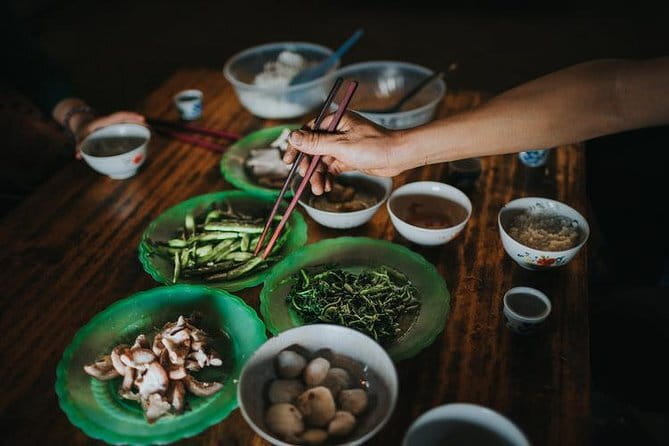
- Meals are built in: Two breakfasts, three lunches, and two dinners are included.
- Private group format: Only your own group takes part, with one or more English-speaking local guides.
- A strong local benefit: Booking supports H’mong guides and local residents in a region where about 70 percent of the population lives below the poverty line.
Why this Sapa trek feels different
Sapa is famous for mountain views, but the town itself can feel busy and tour-focused. This route takes you beyond that center and into the Muong Hoa Valley, where the walking is the main event.
You are not simply stopping for a photograph and moving on. The route gives you time to see how villages connect to fields, streams, bamboo groves, and mountain paths. You may meet people in traditional clothing from several ethnic groups, but the more valuable part is the slower pace. You have time to sit down, eat, and talk with the family hosting you.
The trip costs $180 per person. That is a fair amount for three days when you count two nights of lodging, five meals, guiding, and a private group setup. The price also supports local guides and families directly. Still, you should compare it with your own priorities. This is not a polished resort experience, and it is not designed for someone who wants private bathrooms, fixed hotel comforts, or easy transport at every stage.
The experience has a 5 out of 5 rating from 18 reviews, with 100 percent recommending it. Giang receives particular praise for her warmth, route planning, and help with the practical side of a Sapa visit. Her family also plays a role in the experience, with her nieces Zo and Ma guiding parts of the trek.
More treks within reach of Hanoi:
- Halong Bay Full Day with Kayaking, Hiking viewpoint, Cave – Deluxe To Luxury
★ 5.0 · 884 reviews - Sa Pa: Muong Hoa Valley Trek and Local Ethnic Villages
★ 4.6 · 864 reviews - From Hanoi: 2-Day Sapa Trekking Trip with Homestay & Meals
★ 4.8 · 704 reviews
Day one: Y Linh Ho to Ta Van
The first day begins at 9:00 am from 690 Duong Dien Bien Phu in Sapa. Pickup is offered, but confirm the exact arrangement when you book, since the stated meeting point is the Sapa address.
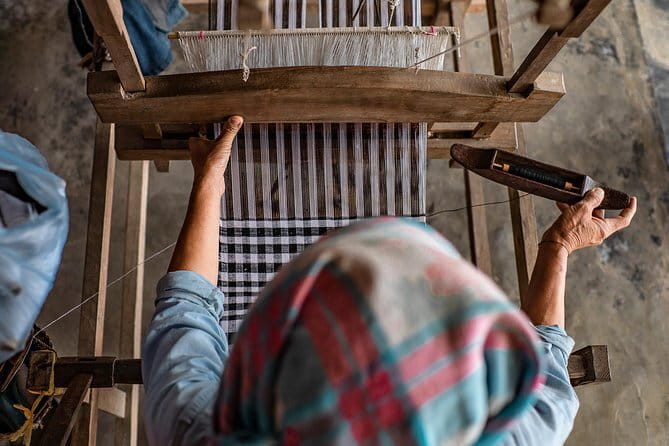
Your first part of the day introduces the area’s ethnic cultures. You may see the traditional clothing of H’mong, Dzao, Tay, Dzay, and Xa Pho people. This is more than a quick cultural display. Your guide can explain how village life and craft traditions differ between communities, giving the walk a stronger sense of place.
Lunch is served at a restaurant or with a local family. The family option is the better choice if available, since food becomes a natural way to meet people and see how a household works. If you prefer a quieter meal, the restaurant option gives you a simple break before the afternoon walk.
From Y Linh Ho, you trek through rice terraces and follow the Muong Hoa Stream toward Lao Chai, a Black H’mong village. The route covers about 12 kilometers and takes roughly three and a half hours, though terrain and weather can affect the pace.
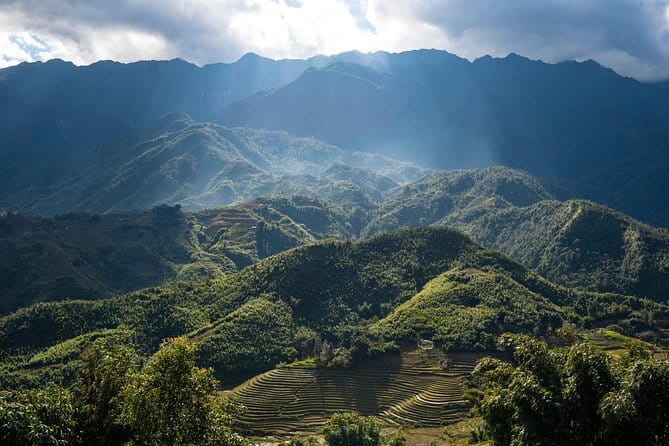
The scenery is the star here. Hoang Lien Son Mountain rises around the valley, while the terraces create broad patterns across the slopes. Depending on the season, the fields may be green, muddy, or golden. The route is beautiful, but it is not a flat stroll. Expect uneven surfaces and sections that require careful footing.
You reach Ta Van in the late afternoon, home of Dzay people. Checking in at a local homestay gives the day a gentle finish. You can watch the sunset, meet your host family, and have dinner either with them or separately.
The homestay arrangement can vary. One option offers Wi-Fi and hot showers. Another may be a more basic local house where you sit near an open fire, share rice wine, and eat local food. That difference matters. You should ask what kind of accommodation is planned if hot water and internet are important to you.
Day two: Bamboo forests and the road to Ban Ho
After breakfast prepared by your host family, you start another full day on foot. The path runs through rice fields and bamboo forest, with views over Ta Van and Giang Ta Chai.
Giang Ta Chai is associated with Red Dzao people. The route gives you a chance to understand the area through its villages rather than through a museum or staged performance. Your guide can point out local customs, clothing, and the way each community relates to the surrounding land.
The bamboo forest adds variety to the day. You are no longer walking only along open terraces. Shade, narrow paths, and changing views make this section feel more enclosed, followed by a wide panorama over the valley.
You continue toward Su Pan, where lunch is served at the home of a H’mong or Dzao family. This is one of the strongest parts of the trip for anyone who wants personal contact rather than a quick sightseeing stop. Sitting down in a family home slows the schedule and lets you see the social side of the region.
After lunch, the walk continues through terraces and along the valley. The route is described as peaceful, with few other tourists. That can be a major benefit, but it also means the day may feel quiet and physically demanding. You should not book this trip expecting constant entertainment or a string of formal attractions. Much of the pleasure comes from walking, looking, and listening.
You reach Ban Ho in the afternoon and stay with a Tay family. You may be able to help with farming or cooking local food. If you would rather rest, you can enjoy dinner quietly. That flexibility is useful after two long days, especially if your legs are tired.
The second night is another reminder that this is a cultural stay as much as a hiking trip. You are close to village life, not separated from it by a hotel lobby. The trade-off is less control over your surroundings and facilities. A homestay may be simple, and you should pack with that in mind.
Day three: Sunrise, Nam Toong, and the return to Sapa

The final day starts with sunrise in Ban Ho and breakfast prepared by the family. The early start makes sense here. Morning light can change the appearance of the valley quickly, and the quiet hour gives you one last chance to enjoy the village before walking on.
You trek through Nam Toong village, where Tay and Red Dzao people live. Lunch is served at a restaurant or local house. As on the earlier days, the family meal offers more contact, while the restaurant may feel easier if you need a faster or more private break.
The remaining time is spent meeting local people, learning about their way of life, and returning to Sapa after lunch. The tour ends back at the original meeting point.
Day three is shorter in feeling because the return is already in sight, but do not treat it as a token final walk. You still need enough energy for village paths and uneven ground. The reward is a gradual finish rather than a sudden drive away from the countryside.
A few more Hanoi departures worth weighing up
- Sapa 2 Days 1 Night From Hanoi – Overnight in Ta Van Village
★ 5.0 · 2,669 reviews - Hanoi Motorbike Tours Led By Women: Hanoi By Night Foodie Motorbike Tours
★ 5.0 · 1,734 reviews - 2-Days, 1-Night Halong Bay Discovery Cruise from Hanoi
★ 5.0 · 1,156 reviews - From Hanoi: Ha Long – Bai Tu Long Bay 2-Day 1-Night Cruise
★ 4.6 · 1,113 reviews
The guides and the family connection
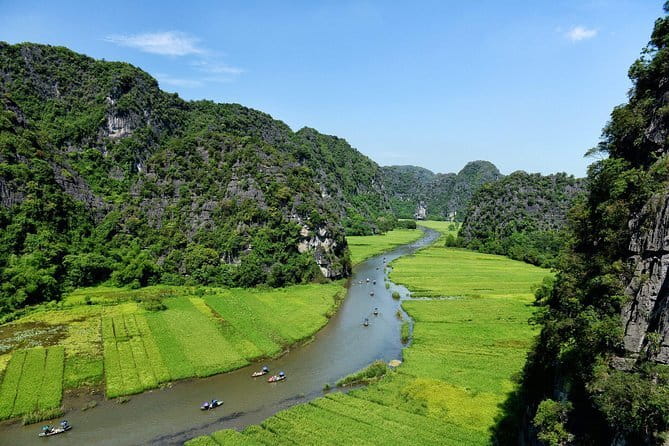
The quality of a trek like this depends heavily on the guide. Routes through terraces and villages are far more meaningful when someone can explain who lives there, how the communities differ, and what you are seeing.
Giang is a central name connected with this experience. She is described as friendly, helpful, and good at adjusting routes and timing to suit the group. Her help may extend beyond the trek itself. If you are arriving from Hanoi, she has helped with suggestions for reaching Sapa, taxi pickup from a bus office, and luggage storage.
Her family also adds a personal layer. Zo and Ma have guided parts of the route, giving you more contact with local people rather than relying only on an outside guide. The tour uses one or more English-speaking local guides, and because it is private, the pace can be shaped around your group.
Do not assume that private means effortless. It means your group is the only group taking part, not that the trail is easy or that every comfort is provided. Ask questions about the route, accommodation, and pickup before setting out.
What the $180 price really covers

At $180 per person, this trip offers solid value if you want a three-day cultural walk. The included services are:
- Two breakfasts
- Three lunches
- Two dinners
- Two nights in homestays or local houses
- English-speaking local guiding
- A private group experience
The strongest value comes from the combination of guiding and local stays. Booking supports H’mong guides and local residents in an area where about 70 percent of the population is below the poverty line. Your money is not only paying for a walk. It helps create paid work for people who live along the route.
The price does not include travel insurance. You should arrange full coverage before booking, especially since the trip involves several days of walking and depends on good weather. Any extra transport connected with getting to Sapa should also be confirmed, since the experience begins in Sapa rather than clearly including a Hanoi to Sapa transfer.
Fitness, weather, and what to pack
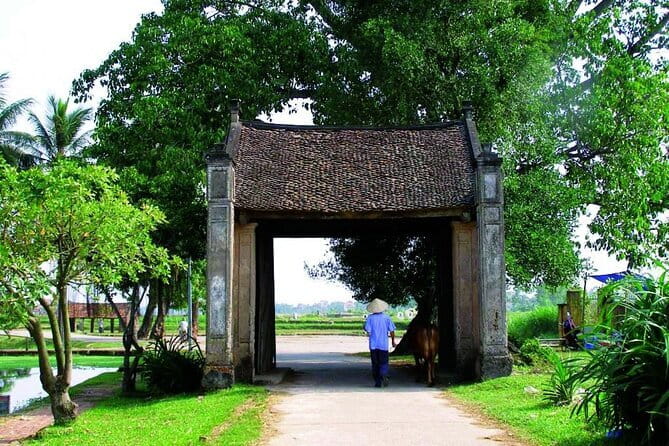
You need a moderate level of physical fitness. The first day alone covers about 12 kilometers, and the route includes rice terraces, streamside paths, bamboo forest, and village trails. Even if the daily distances vary, you should expect several hours of walking each day.
Good shoes matter more than stylish clothes. Bring footwear with reliable grip, along with clothing that can handle mud, rain, and cooler mountain conditions. Pack light, but include a change of clothes and personal items for two nights in a basic homestay.
Weather can cancel the trip. If poor conditions make the trek unsafe, you are offered a different date or a full refund. This is useful protection, but it also means you should leave some flexibility in your Sapa schedule.
The homestays may provide Wi-Fi and hot showers, but the description also allows for an authentic local house with a family. Treat hot water and internet as possible rather than guaranteed at every stay. If you have medical conditions, consult your doctor before booking.
Who should book this experience
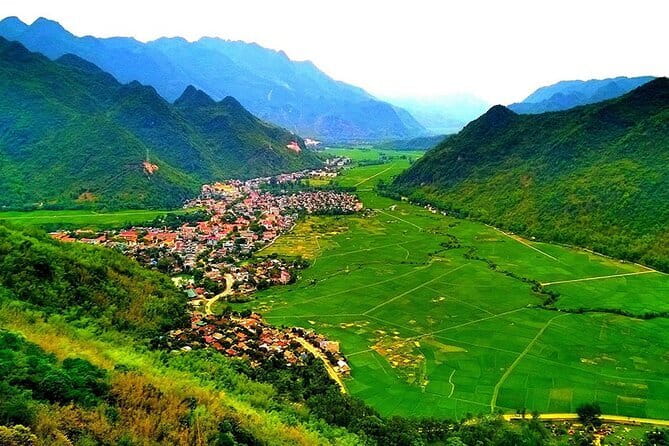
I would recommend this trek to you if you want mountain scenery tied to real village life. It suits people who enjoy walking for several hours, sharing meals, and giving up some hotel comforts in exchange for direct contact with local families.
It is also a good fit for couples, families with active older children, and small private groups that want a flexible pace. The private format removes the strain of keeping up with strangers and gives the guide more room to respond to your interests.
I would hesitate to recommend it if you want a relaxed sightseeing holiday with short walks. The route is not designed for travelers who need guaranteed modern facilities, and the weather can change plans. Ask about the homestay setup before booking if you have strict accommodation needs.
Should you book the Sapa Tribal Trekking tour?
Book it if your ideal Sapa visit includes terraced fields, local food, mountain villages, and evenings with host families. The guide support, private format, included meals, and local benefit make the $180 price reasonable for a three-day trip.
Skip it if you want a hotel-based stay or easy access throughout the route. For everyone else, this is a strong way to see Sapa at walking pace, with enough time to notice the people and places between the famous viewpoints.
FAQ
Where does the trek start?
The trek starts at 690 Duong Dien Phu, TT. Sa Pa, Sa Pa, Lao Cai, Vietnam.
What time does the tour begin?
The start time is 9:00 am.
Where does the tour end?
The activity ends back at the meeting point in Sapa.
How long is the trek?
The experience lasts about three days and includes two nights.
How far do you walk on the first day?
The first day covers about 12 kilometers and lasts roughly three and a half hours.
Which ethnic communities may I encounter?
The route includes villages and communities associated with H’mong, Black H’mong, Red Dzao, Tay, Dzay, Zay, and Xa Pho people.
Are meals included?
Yes. The tour includes two breakfasts, three lunches, and two dinners.
Is this a private tour?
Yes. Only your group participates, with one or more English-speaking local guides.
Can I cancel for a full refund?
Yes. You can cancel at least 24 hours before the experience starts for a full refund. If poor weather cancels the trek, you are offered another date or a full refund.
More 3-Day Experiences in Hanoi
- Amanda Cruise – Ha Long, Lan Ha Bay – All Inclusive 2D1N & 3D2N
★ 5.0 · 4,358 reviews - Halong Bay – Le Journey Cruises – All Inclusive 2D1N and 3D2N
★ 5.0 · 2,500 reviews - Hanoi: 3-Day Ninh Binh, Ha Long, & Lan Ha Bay 5-Star Cruise
★ 4.8 · 1,401 reviews - Mon Chéri Cruises 5 star: Amazing 3 days exploring Halong & Cat Ba island
★ 5.0 · 1,280 reviews
Just added around Hanoi
- Cat Ba National Park, Lan Ha Bay 2 Days 1 Night Adventure★ 4.8 · 9 reviews
- Full day Boat Tour Lan Ha Bay – Ha Long Bay: Kayak, Beach Hopping★ 5.0 · 9 reviews
- Ha Giang Loop 2 Days High quality Small Group +Private Room★ 5.0 · 9 reviews
- Half Day Sapa Cat Cat Explore Waterfall, Workshop, H’mong Local★ 5.0 · 9 reviews
- Sapa 1 Day Trekking★ 5.0 · 9 reviews
- Sapa Open Air Jeep Half Days Off the Beaten Track, Backroad★ 4.9 · 9 reviews
- Halong 2 days 1 night with Cozy Classic Cruise from Hanoi★ 4.5 · 9 reviews
- Fansipan Mount Trekking 1 Day★ 5.0 · 9 reviews
Hiking & Trekking, compared.

Halong Bay Full Day with Kayaking, Hiking viewpoint, Cave – Deluxe To Luxury
Read our review →
Muong Hoa Valley Trek and Local Ethnic Villages
Read our review →

Sapa 3 Days 2 Nights Trekking Tour (1 Night In Ta Van Village, 1 Night In Hotel)
Read our review →
Eco Adventure Terrace Fields and Local Villages Trek
Read our review →
3-Day Trekking Adventure of Sapa from Hanoi – Stay Ta Van Village
Read our review →
3D and 2N Lan Ha Bay Cat Ba Island Kayaking & Trekking with Vega
Read our review →
Number one top rated ethical cultural trekking and homestay by ETHOS
Read our review →Browse the lists this tour appears in