
Reviewed · TREKKING TOURS IN SAPA
3-Day Trek in Amazing Muong Hoa Valley & ethnic Homestay
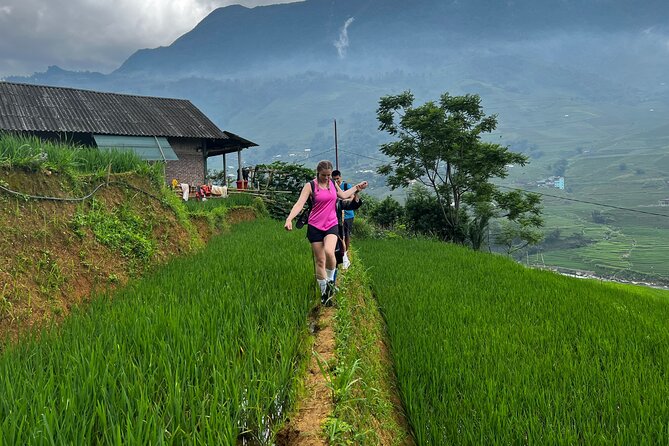
Muong Hoa Valley is the reason to come to Sapa, and this three-day trek gives you time to see it on foot rather than from a vehicle window. You walk through rice terraces, bamboo forest, and mountain villages while meeting Hmong and Red Dzao people along the way.
I like the three-day pace, which lets you reach villages beyond the usual short Sapa walk. I also like the chance to stay in ethnic homestays, with two breakfasts, three lunches, and two dinners included. The main catch is physical: the walks last up to seven hours, and muddy or uneven trails could make the route demanding.
In This Review
- Key points to know before booking
- Why three days is the right length for Muong Hoa Valley
- Starting from Sapa at 9:00 in the morning
- Day one: walking from Sapa toward Lao Chai
- Ta Van and the first ethnic homestay
- Day two: bamboo forest and Giang Ta Chai
- Day three: sunrise in Ban Ho and Nam Tong
- What you are really paying for at $109
- The cultural side of the walk
- Walking conditions and practical preparation
- Who will enjoy this Sapa trek most
- Should you book the three-day route?
- FAQ
- Where does the trek start?
- How long does the tour last?
- What villages does the trek visit?
- Which ethnic communities are included?
- Are meals included?
- Is accommodation included?
- How fit do I need to be?
- How many people can join the group?
- What happens if bad weather cancels the trek?
Key points to know before booking
- Six to seven hours of walking on the first two days: This is a proper trek, not a gentle village stroll.
- Hmong and Red Dzao communities: You visit Lao Chai, Ta Van, Giang Ta Chai, Ban Ho, and Nam Tong.
- Two nights with local hospitality: The experience is built around ethnic homestays rather than standard hotel accommodation.
- Guide Lang may lead your group: The available tour information identifies Lang as a guide for at least one three-day departure.
- Small group size: The tour accepts a maximum of 14 people, with group discounts available.
- Good value at $109 per person: Meals, guiding, transport, and the three-day route are included, while insurance and personal expenses are not.
Why three days is the right length for Muong Hoa Valley
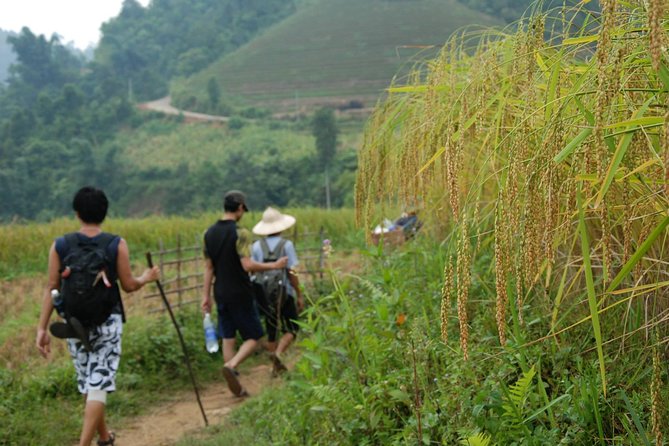
Many Sapa outings give you only a few hours among the rice terraces. This one gives you three days and two nights, so you can go farther into the valley and spend time in villages that are not just quick photo stops.
The first two days are the demanding ones. Day one lasts about six hours, and day two lasts about seven. Day three is shorter at roughly four hours, giving you a more relaxed finish after the longer walks.
I like this rhythm because the route has room for both scenery and cultural visits. You are not simply walking to one viewpoint, taking a photo, and returning to town. You move from one community to another, with meals and overnight stays forming part of the experience.
Still, you should take the word trek seriously. The tour asks for moderate physical fitness, and the supplied details do not promise paved paths or easy walking. Sapa’s trails can be steep, uneven, and affected by weather, so comfortable walking shoes and a willingness to handle a long day are important.
More Trekking Tours in Sapa
- Sa Pa: Muong Hoa Valley Trek and Local Ethnic Villages
★ 4.6 · 864 reviews - From Hanoi: 2-Day Sapa Trekking Trip with Homestay & Meals
★ 4.8 · 704 reviews - Sapa 3 Days 2 Nights Trekking Tour (1 Night In Ta Van Village, 1 Night In Hotel)
★ 5.0 · 699 reviews
Starting from Sapa at 9:00 in the morning
The meeting point is at 15 Tue Tinh in Sapa, with a listed start time of 9:00 a.m. The guide may also pick you up from your Sapa Town hotel at about 9:15 a.m., so confirm the exact arrangement when you book.
An air-conditioned vehicle is included. That matters most at the start and end of the route, when you want to avoid adding extra road travel to an already active day.
The group limit is 14 people. That is small enough for the guide to keep the party together on village paths, though the actual group can still feel mixed in pace and experience. One useful detail from a three-day departure is that some people joined only for one or two days, while others continued for all three. If your group is arranged in that way, you may see people come and go as the longer route continues.
Guide Lang led one such three-day trek. If you are able to request or confirm Lang when booking, that may help you know who will be leading your walk, but guide assignment should not be assumed for every departure.
Day one: walking from Sapa toward Lao Chai
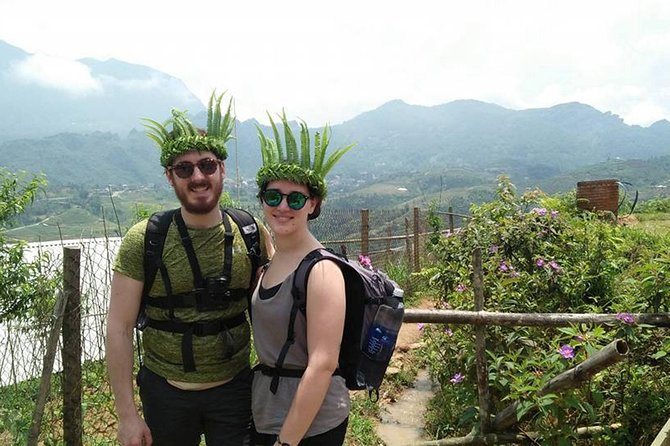
The trek begins in the Muong Hoa Valley area and heads toward Lao Chai, a village associated with the Hmong ethnic minority. The route also passes through Y Li, according to the available schedule.
This first day gives you your first sustained look at Sapa’s famous rice terraces. The value of walking here is simple: your view changes slowly, and you have time to stop for photographs without treating the entire valley as a quick roadside scene.
Lao Chai is also an important cultural start to the trip. Rather than seeing only Sapa’s town center, you enter a community where Hmong traditions and daily life are part of the setting. The tour is designed to give you a chance to learn about customs and culture directly through the villages you visit.
The six-hour duration makes this more than a short introduction. You should expect the first day to use a fair amount of energy, especially if you are not accustomed to walking on mountain paths. The guide’s role matters here, since keeping the group moving while allowing time for views and village visits is part of making the day work.
Meals included on the first day form part of the tour package, though the supplied details do not specify the exact menu or meal locations. You receive three lunches and two dinners across the tour, so you should not need to arrange those main meals separately.
Ta Van and the first ethnic homestay
Ta Van is part of the route and serves as an important village stop before the trek continues the next morning. The experience is built around an ethnic homestay, giving you a more local overnight setting than a hotel in Sapa.
A homestay is valuable here because it keeps the focus on village life. You are not returning to town each evening, and the schedule has more room for the valley communities themselves. At the same time, you should choose this trip for the setting and cultural contact, not for hotel-style comforts. The information provided does not list private rooms, bathrooms, or other accommodation details, so ask the provider if those points matter to you.
Two dinners and two breakfasts are included. On day two, you have a local breakfast before leaving Ta Van. That small detail helps the morning feel connected to the place where you stayed, rather than beginning with a standard meal back in Sapa.
More Sapa escapes from Sapa:
- Sapa 2 Days 1 Night From Hanoi – Overnight in Ta Van Village
★ 5.0 · 2,669 reviews - Hanoi – Sapa 2 Days 1 Night Overnight At Homestay
★ 5.0 · 899 reviews - Sapa: Fansipan Cable, Cat Cat Village & Moana Instagram Tour
★ 5.0 · 777 reviews - Sapa: Eco Adventure Terrace Fields and Local Villages Trek
★ 4.9 · 636 reviews
Day two: bamboo forest and Giang Ta Chai
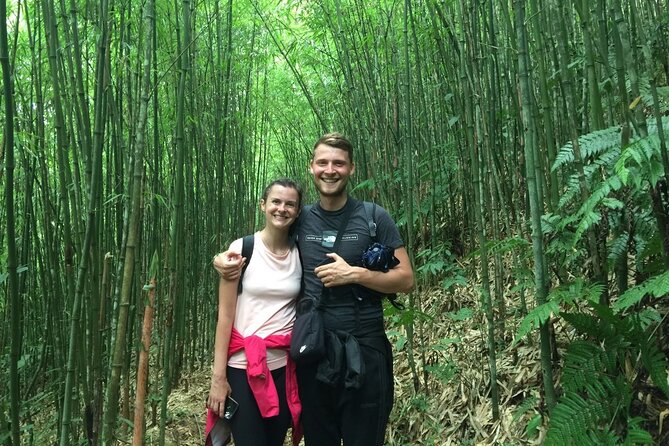
Day two is the longest walking day, at about seven hours. After breakfast in Ta Van, you head through bamboo forest toward Giang Ta Chai, where the Red Dzao ethnic minority community lives.
The bamboo section gives the day a different feel from the open rice terraces. You trade broad views for a more enclosed trail, with the forest forming part of the walk itself. This variety is one of the strongest reasons to choose three days. The route does not repeat the same kind of scenery all day.
Giang Ta Chai offers another cultural shift. The Hmong community from the first day is followed by a Red Dzao village, so you have a chance to notice that Sapa’s ethnic communities are not all the same. The trip is not just a scenic walk with a village label attached. Its best feature is the movement between different communities and traditions.
The seven-hour schedule is also the clearest warning about fitness. You may enjoy this day most if you are comfortable with long walks and do not need every section to be easy. If your main goal is a brief scenic outing, a shorter Sapa tour would be a better fit.
Lunch is included on this day, along with dinner. The exact food is not specified, so do not book this expecting a particular menu. The useful point is that the package covers the main meals during the trek.
Day three: sunrise in Ban Ho and Nam Tong
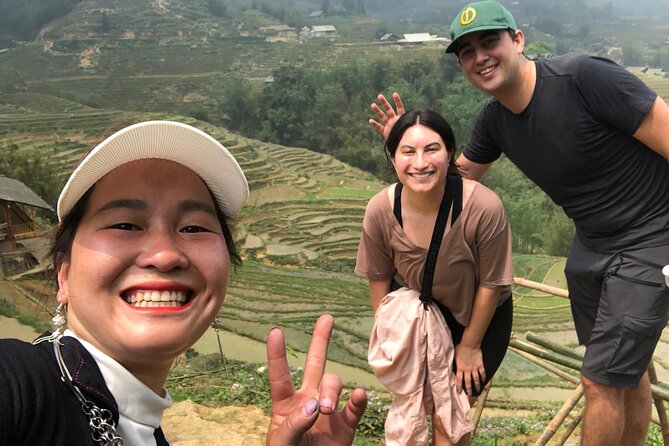
The final morning begins with breakfast and an opportunity to see sunrise in Ban Ho Valley. This is one of the most appealing details in the plan because it gives you a quiet start before the last walking section.
You then make a short trek to Nam Tong village, home to the Red Dzao tribe. The stated purpose is to learn more about local culture and traditions, so this morning has a stronger cultural focus than a simple return walk.
The day lasts about four hours, making it considerably shorter than the first two. That is a sensible finish. You still get another village visit and more time on foot, but you are not facing a full day of walking after two longer stages.
After Nam Tong, you return to Ban Ho for lunch. The tour then ends back at the meeting point in Sapa. The schedule does not provide an exact return time, so avoid booking a tight onward connection on the final day.
What you are really paying for at $109
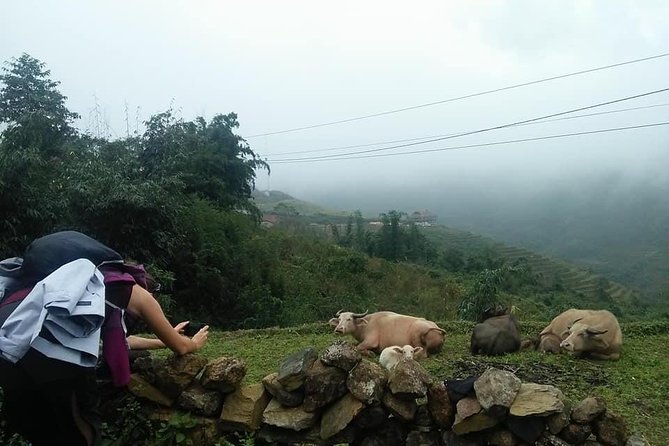
At $109 per person, this tour offers solid value if you plan to use the full three days. The price includes an English-speaking guide, air-conditioned transport, two breakfasts, three lunches, and two dinners. It also covers the guiding and organization needed to connect several villages across a longer route.
The cost looks less attractive if you compare it with a half-day walk around Sapa, but that is not the right comparison. You are paying for two nights, multiple meals, a three-day route, and access to villages beyond the usual short outing.
You still need to budget for travel insurance and personal expenses. Those are not included. The details also do not list drinks, extra snacks, equipment, or any personal purchases, so bring some money for needs that fall outside the included meals.
Group discounts may lower the per-person cost if you are booking with companions. Since the maximum group size is 14, this is not a private tour by default. If you want a custom pace or a fully private guide, confirm the arrangement before paying.
The cultural side of the walk
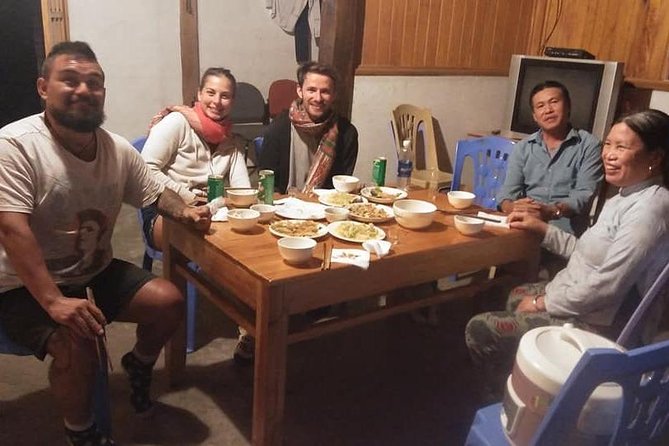
The tour’s strongest cultural feature is its range of communities. Lao Chai introduces you to the Hmong, while Giang Ta Chai and Nam Tong bring you into Red Dzao areas. You also spend time in Ta Van and Ban Ho, rather than passing through the valley in a single afternoon.
You should approach these visits with respect and patience. The supplied details promise opportunities to learn about customs and traditions, but they do not promise formal workshops, performances, or specific demonstrations. The cultural value comes from the villages, the guide’s explanations, and the time you spend moving through these communities.
The English-speaking guide is important for that reason. A guide can provide context that scenery alone cannot. Lang is the one guide name available for this experience, and a previous three-day group continued the full route under his guidance. Ask who will lead your departure if the guide’s identity matters to you.
Walking conditions and practical preparation
The tour requires moderate physical fitness. Six hours on day one and seven hours on day two can feel very different from walking around Sapa’s streets, even if the pace is not described as strenuous.
Pack light, since you will be moving between villages and homestays. Comfortable walking shoes are essential. You should also bring clothing suited to changing weather, water, sun protection, and personal items that you need each day. These are practical suggestions rather than listed inclusions, since the tour does not provide an equipment list.
Weather matters enough that the experience may be canceled in poor conditions. If that happens, you are offered another date or a full refund. That policy protects you from being sent onto an unsuitable route, but it also means you should keep your schedule flexible.
The tour has free cancellation up to 24 hours before the start time. Changes or cancellations inside that window are not accepted for a refund. The local time in Vietnam controls the cut-off.
Who will enjoy this Sapa trek most
I would choose this tour if you want a genuine walking route through Muong Hoa Valley and have three days available. It suits you if rice terraces, village life, and contact with Hmong and Red Dzao communities matter more than polished accommodation or a tightly timed sightseeing program.
It also suits people who prefer a small group. A maximum of 14 is not private, but it should be easier to manage than a large bus excursion. Group discounts make it worth considering for friends or family traveling together.
I would be cautious if you have limited walking ability, dislike uneven trails, or need a guaranteed return time on day three. The tour asks for moderate fitness, and the longest day runs about seven hours. The accommodation details are also limited, so ask questions before booking if homestay facilities are important to you.
The experience has a 5 out of 5 rating from 49 reviews and is recommended by 100 percent of the people who rated it. That is a strong record, but the best match still depends on your fitness and expectations.
Should you book the three-day route?
Book it if you want more than Sapa’s standard short walk. The combination of rice terraces, bamboo forest, sunrise in Ban Ho, Hmong and Red Dzao villages, local meals, and ethnic homestays gives you a fuller view of the valley.
Skip it if you want an easy outing or prefer a hotel every night. The seven-hour second day is the key decision point. For a fit walker with enough time, $109 is a sensible price for the route and meals included. For anyone unsure about long mountain walks, choose a shorter experience instead.
FAQ
Where does the trek start?
The listed meeting point is 15 Tue Tinh, Sapa, Lao Cai, Vietnam. The start time is 9:00 a.m., and hotel pickup from Sapa Town may take place at about 9:15 a.m.
How long does the tour last?
The experience lasts approximately three days. Day one takes about six hours, day two about seven hours, and day three about four hours.
What villages does the trek visit?
The route includes Lao Chai, Ta Van, Giang Ta Chai, Ban Ho, and Nam Tong. It also passes through Y Li on the first day.
Which ethnic communities are included?
Lao Chai is inhabited by the Hmong ethnic minority. Giang Ta Chai and Nam Tong are associated with the Red Dzao community.
Are meals included?
Yes. The package includes two breakfasts, three lunches, and two dinners.
Is accommodation included?
The experience is described as including ethnic homestays. Specific room and facility details are not provided.
How fit do I need to be?
You should have a moderate level of physical fitness. The first two days involve approximately six and seven hours of trekking.
How many people can join the group?
The maximum group size is 14 people. Group discounts are available.
What happens if bad weather cancels the trek?
If poor weather causes cancellation, you are offered a different date or a full refund. Free cancellation is also available when you cancel at least 24 hours before the start time.
More 3-Day Experiences in Sapa
- Hanoi – Sapa 3 Day 2 Night Trekking With Hotel & Homestay
★ 5.0 · 389 reviews - From Sapa: 3-Day Ha Giang Loop with Safe Rider (max 8 pax)
★ 4.9 · 285 reviews - From Hanoi: Trek and Stay: 3-Day Sapa Highlands Adventure
★ 4.6 · 152 reviews - Sapa 3 Days 2 Nights Trekking Tour From Hanoi (2 Nights in Hotel)
★ 5.0 · 112 reviews
More Treks Within Reach
- 3-Day Trekking Adventure of Sapa from Hanoi – Stay Ta Van Village
★ 5.0 · 611 reviews - Number one top rated ethical cultural trekking and homestay by ETHOS
★ 5.0 · 456 reviews - 2-Day Sa Pa Ethnic Homestay Tour & Trek with Limousine Bus
★ 4.8 · 440 reviews - From Sapa: 1-Day Guided Trek to Lao Chai & Ta Van with Lunch
★ 4.9 · 416 reviews
Just added around Sapa
- Half Day Sapa Cat Cat Explore Waterfall, Workshop, H’mong Local★ 5.0 · 9 reviews
- Sapa 1 Day Trekking★ 5.0 · 9 reviews
- Sapa Open Air Jeep Half Days Off the Beaten Track, Backroad★ 4.9 · 9 reviews
- Fansipan Mount Trekking 1 Day★ 5.0 · 9 reviews
- Sapa: Motorbike Tour to Hidden Villages & Terraced Fields★ 5.0 · 9 reviews
- Sapa 3 Day Trekking with 2 Nights Homestay★ 5.0 · 9 reviews
- SaPa: 2-Day Villages,Rice Fields, Love Waterfall Hiking Tour★ 5.0 · 9 reviews
- 8-Day Discover Northern Vietnam Highlight: Hanoi – Ninh Binh – Sapa – Halong Bay★ 5.0 · 9 reviews
Trekking Tours in Sapa, compared.

Muong Hoa Valley Trek and Local Ethnic Villages
Read our review →

Sapa 3 Days 2 Nights Trekking Tour (1 Night In Ta Van Village, 1 Night In Hotel)
Read our review →
Eco Adventure Terrace Fields and Local Villages Trek
Read our review →
3-Day Trekking Adventure of Sapa from Hanoi – Stay Ta Van Village
Read our review →
Number one top rated ethical cultural trekking and homestay by ETHOS
Read our review →
2-Day Sa Pa Ethnic Homestay Tour & Trek with Limousine Bus
Read our review →
1-Day Guided Trek to Lao Chai & Ta Van with Lunch
Read our review →Browse the lists this tour appears in