

Reviewed · TREKKING TOURS IN SAPA
3-Night Sapa Trek and Homestay with Round Trip Transfer from Hanoi
Sapa’s best moments happen on foot, on narrow mountain paths above the Muong Hoa valley, where rice terraces lead toward Hmong, Zay, and Red Zao villages. I like the overnight train from Hanoi because it saves a hotel night, and I like the one-night stay with a Zay family because it gives the trip a human center instead of making Sapa just a viewpoint stop.
The main caution is physical. The trail can be steep, slippery, rocky, muddy, and uneven, with streams to cross or jump over. The tour is also sold as a three-night Sapa trip but lists about two days of touring, so you should confirm the current train schedule and exact day-by-day plan before paying.
In This Review
- What makes this Sapa trip worth considering
- From Hanoi Station to the mountains by overnight train
- Y Linh Ho and the first mountain trails
- Ta Van village and the Zay homestay
- Giang Ta Chai, bamboo forest, and steep paths
- Meeting Hmong, Zay, and Red Zao communities
- What the $218 price really covers
- Meals, timing, and the gaps to clarify
- Who should book this Sapa trek
- Should you book the Muong Hoa trek?
- FAQ
- Where does the tour start?
- Where does the tour end?
- Is train transportation included?
- How long is the experience?
- How many nights are spent at a homestay?
- Which villages and ethnic communities are included?
- What meals are included?
- How difficult is the trek?
- What happens if the weather is poor?
What makes this Sapa trip worth considering
- An overnight rail journey from Hanoi: You travel in an air-conditioned shared cabin with four soft sleepers instead of spending another night in a Hanoi hotel.
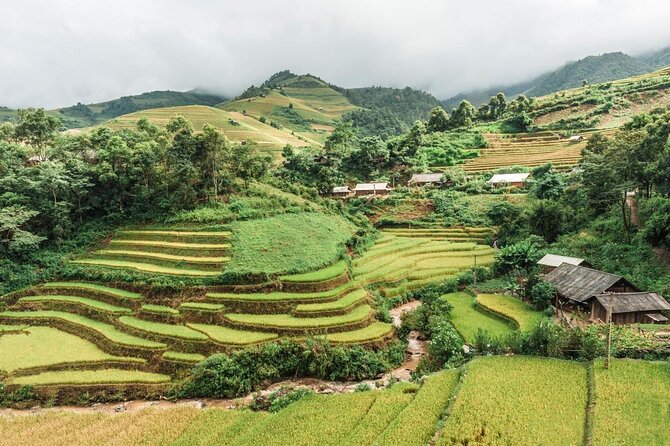
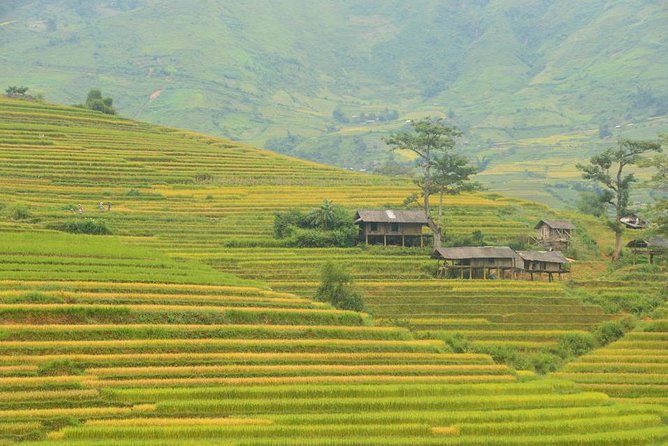
- A real village trek: The route passes rice terraces, small Hmong hamlets, bamboo forest, and mountain villages in Muong Hoa valley.
- A Zay homestay in Ta Van: One night with a local hill-tribe family brings food and hospitality closer than a standard Sapa hotel can.
- Three ethnic communities in one trip: The route introduces you to Hmong, Zay, and Red Zao culture, with a stop at a handicraft center where women exchange skills.
- Meals and transport are covered: Two breakfasts, two lunches, and two dinners are included, along with round-trip train tickets.
- A demanding route in changing conditions: This is not a gentle stroll. Good shoes, balance, and comfort with mud and uneven ground matter.
From Hanoi Station to the mountains by overnight train

Your journey begins at 8:00pm. Pickup is arranged from the stated meeting point at 47 P. Hàng Bông in Hanoi’s Hoàn Kiếm district, followed by a short transfer to Hanoi Railway Station.
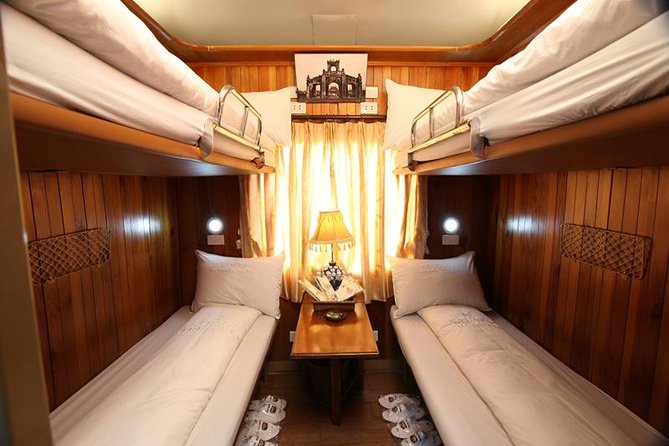
The rail portion is part of the appeal. Two round-trip tickets in a four-person soft-sleeper cabin with air-conditioning are included, giving you a practical way to reach Lao Cai while saving daytime hours. The cabin is shared, so this is not a private sleeper. If you are traveling as a couple or family, ask how cabin assignments work before departure.
The written plan names an overnight train from Hanoi to Lao Cai on the first night. It does not provide a full description of the return-night schedule, and one provider response indicates that train operations may change. That matters here because the title promises three nights, while the listed duration is about two days and the detailed schedule shows only Day 1 and Day 2.
I would treat the rail plan as something to verify, not a minor detail. Ask for the current departure and return arrangements, how many train nights are included, and how the transfer from Lao Cai to Sapa is handled. The supplied information confirms round-trip train tickets and pickup at the start, but the end point is Hanoi Railway Station, where you make your own way back to your hotel.
More Trekking Tours in Sapa
- Sa Pa: Muong Hoa Valley Trek and Local Ethnic Villages
★ 4.6 · 864 reviews - From Hanoi: 2-Day Sapa Trekking Trip with Homestay & Meals
★ 4.8 · 704 reviews - Sapa 3 Days 2 Nights Trekking Tour (1 Night In Ta Van Village, 1 Night In Hotel)
★ 5.0 · 699 reviews
Y Linh Ho and the first mountain trails
The first named trekking stop is Y Linh Ho, a village area associated with the Muong Hoa route. The attraction here is not a single monument. It is the setting: terraced fields, mountain paths, small settlements, and a close look at daily life away from central Sapa.
The route introduces you to the Hmong communities of the valley. You should expect the guide to provide cultural context as you walk, but the supplied plan does not name the guide or give a detailed speaking schedule. One especially memorable feature of the guiding is the local perspective. A guide may be handling ordinary family responsibilities while leading the route, a reminder that this is a working community rather than a stage set for tourists.
This is also where you begin to understand the physical demands. Mountain paths can change quickly with weather and use. A route that looks moderate on paper may include sharp climbs, narrow edges, mud, rocks, and water. The tour requires good weather, and that is sensible: rain can make the footing harder and the walking less comfortable.
Wear shoes with firm grip and clothing you can get dirty. The information does not specify equipment rental, walking poles, or waterproof clothing, so arrange your own basic protection. You should also ask about the expected walking distance and elevation changes, since those details are not supplied.
Ta Van village and the Zay homestay
The homestay is the emotional heart of the trip. You spend one night in Ta Van village with the Zay hill tribe, trading the standard Sapa hotel experience for a more local form of accommodation.
A homestay is valuable because it changes your pace. You are not simply passing through a village with a camera and a guide. You have time to eat, rest, and notice how the village functions. The included dinner and breakfast are part of that exchange, though the exact menu and sleeping arrangements are not stated.
Keep your expectations practical. A homestay is not described as a hotel, and the tour does not specify private rooms, bathroom arrangements, or bedding. If those details affect your decision, ask the operator before booking. The supplied information confirms the one-night stay and meals, but not the level of privacy.
The Zay connection also gives the itinerary a useful balance. You see the Hmong communities around Y Linh Ho and other hamlets, then spend the night with a Zay family. The experience is not trying to reduce the region to one ethnic group. It shows that the Muong Hoa valley includes several communities with different identities and traditions.
Giang Ta Chai, bamboo forest, and steep paths
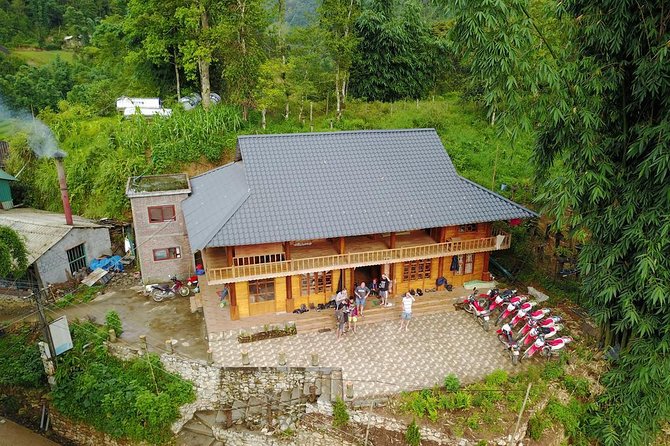
The second day begins with breakfast at the homestay at 7:00am. At 9:00am, you start the day’s tour and take an uphill trail through terraced rice fields and small Hmong hamlets before reaching a bamboo forest.
Giang Ta Chai is a strong stop for anyone who likes walking more than sightseeing from a vehicle. The bamboo section adds variety to the route, while the terraces open the view across the valley. The path itself is part of the experience, but it is also the part that demands the most honesty from the booking decision.
This is not a flat village walk. The trail is described as narrow, slippery, very uneven, rocky, and muddy, with climbs and descents and streams to cross or jump over. I would not book it if you have trouble with balance, steep ground, or wet footing. One poor review specifically warned that the trail was harder than moderate, and that warning deserves more weight than the attractive photographs.
The tour is suitable for most people according to its general participation information, but that broad statement does not cancel the more specific trail warning. Fitness for a city walking tour is not the same as fitness for a mountain trek. If you are unsure, ask whether a shorter route or modified walk is possible. The supplied information does not promise an alternative route.
More Sapa escapes from Hanoi:
- Sapa 2 Days 1 Night From Hanoi – Overnight in Ta Van Village
★ 5.0 · 2,669 reviews - Hanoi – Sapa 2 Days 1 Night Overnight At Homestay
★ 5.0 · 899 reviews - Sapa: Fansipan Cable, Cat Cat Village & Moana Instagram Tour
★ 5.0 · 777 reviews - Sapa: Eco Adventure Terrace Fields and Local Villages Trek
★ 4.9 · 636 reviews
Meeting Hmong, Zay, and Red Zao communities
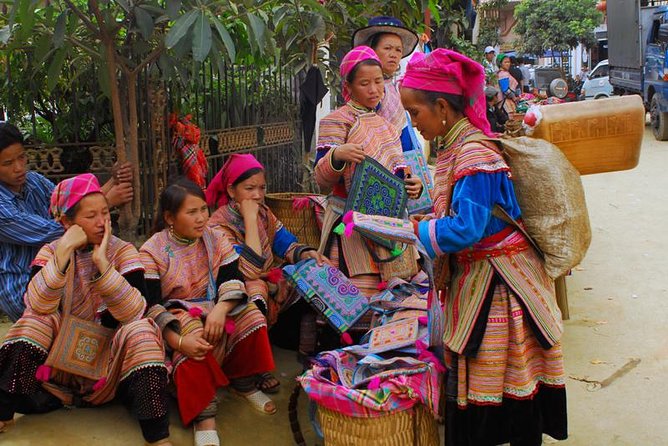
The cultural content is one of the strongest reasons to choose this trip. Over the course of the route, you encounter Hmong, Zay, and Red Zao communities in and around the Muong Hoa valley.
The tour also includes a local handicraft center where women gather to exchange skills. This is more useful than a rushed souvenir stop because it places craft work in a social setting. You can see that handicrafts are tied to community knowledge and cooperation, not only to sales.
Still, the schedule does not say how long you spend at the center or what specific items are made. I would approach it as a chance to learn and buy directly if something appeals to you, not as a guaranteed workshop or formal class. Personal expenses and drinks are not included.
The guide matters greatly on a trip like this. The best parts depend on explanations, introductions, and knowing when a photo is welcome. The supplied details do not provide a guide’s name, so you cannot judge the individual guide in advance. You can, however, ask for the guide’s name and language ability before departure.
What the $218 price really covers
At $218 per person, this is not the cheapest way to reach Sapa. The value comes from combining transport, guiding, meals, trekking, and a homestay in one booking.
Included are round-trip train tickets in shared four-berth soft-sleeper cabins, two breakfasts, two lunches, and two dinners. All fees and taxes are also included. That package removes several common costs and reduces the need to organize separate transfers, train tickets, and village guiding.
The price is less attractive if you want privacy. The train cabin is shared, and the homestay details are not described as private. You are paying for access and coordination, not a luxury travel setup.
Group size can reach 40 people. That is important. A large overall group may feel less personal on the trail, and it can make village visits less quiet. The strongest experiences on this route come from small conversations and unhurried moments, so ask how the group is divided during trekking and whether several local guides accompany the party.
The price works best for you if you value a prearranged route and cultural contact more than independent travel. It is less suited to someone who wants a private guide, flexible timing, or a carefully specified hotel standard.
Meals, timing, and the gaps to clarify
The package includes two breakfasts, two lunches, and two dinners. The schedule specifically places breakfast at the homestay at 7:00am on the second day, with the tour beginning at 9:00am.
That meal coverage is helpful in a rural area, where finding food during a long trek may not be easy. Drinks are not included, and unspecified meals are also your responsibility. Carry money for water and personal expenses.
The timing is early and tightly arranged. An 8:00pm start in Hanoi leads into an overnight rail journey, then the mountain portion begins with breakfast and a morning departure. You should be ready for a change from train travel to active walking without much spare time.
The published detail does not provide the complete second-day finish, the exact return train time, or a full description of the third night suggested by the title. It also lists only two itinerary days despite calling the trip a three-night tour. Before booking, get a written schedule that explains the overnight train nights, the Sapa and Lao Cai transfers, and the final drop-off.
Who should book this Sapa trek
I would choose this trip if you want Sapa’s villages and trails but do not want to arrange the train, guide, homestay, and meals separately. It offers a clear cultural focus and a useful route through several communities.
You should be comfortable with:
- Steep uphill and downhill walking
- Mud, rocks, slippery ground, and uneven paths
- Crossing or jumping over streams
- Sharing a four-person train cabin
- Staying one night in a homestay with unspecified facilities
- A group that may include as many as 40 people
- A schedule that may change with train operations and weather
I would be cautious if you need accessible paths, private transport, hotel-style accommodation, or a relaxed walking pace. The general information says most people can participate, but the detailed trail warning points to a genuinely active outing.
The cancellation terms are straightforward but strict. You can receive a full refund if you cancel at least three full days before the start time. Cancellations or changes inside that window are not refunded or accepted. Poor weather or failure to reach the minimum number of participants can lead to a different date, another experience, or a full refund.
Should you book the Muong Hoa trek?
Book it if your priority is mountain walking, village contact, and a homestay, and if you can handle rough trails without expecting polished accommodation. The overnight train and included meals make the arrangement practical, while the Hmong, Zay, and Red Zao connections give the journey more substance than a quick Sapa photo stop.
Do not book it blindly. First confirm the current train service, the full three-night schedule, the return arrangements, group breakdown, homestay facilities, and the walking difficulty. If those points suit you, $218 can be fair value for a bundled mountain trip. If you want comfort and precise timing, arrange a shorter private Sapa visit instead.
FAQ
Where does the tour start?
The stated meeting point is 47 P. Hàng Bông, Hàng Trống, Hoàn Kiếm, Hanoi. Pickup begins at 8:00pm.
Where does the tour end?
The tour ends at Hanoi Railway Station, 120 Đ. Lê Duẩn. You make your own way back to your hotel from the station.
Is train transportation included?
Yes. The package includes two round-trip train tickets in shared four-person soft-sleeper cabins with air-conditioning.
How long is the experience?
The listed duration is approximately two days, while the title describes it as a three-night tour. Confirm the exact overnight schedule before booking.
How many nights are spent at a homestay?
The plan includes one night at a homestay in Ta Van village with a Zay hill-tribe family.
Which villages and ethnic communities are included?
The route includes areas around Y Linh Ho and Giang Ta Chai and introduces you to Hmong, Zay, and Red Zao communities.
What meals are included?
Two breakfasts, two lunches, and two dinners are included. Drinks and meals not listed in the schedule are not included.
How difficult is the trek?
The route includes steep, narrow, slippery, rocky, muddy, and uneven paths, along with climbs, descents, and stream crossings. Good physical condition is important.
What happens if the weather is poor?
The experience requires good weather. If it is canceled because of poor weather, you are offered another date or a full refund.
More Treks Within Reach
- Halong Bay Full Day with Kayaking, Hiking viewpoint, Cave – Deluxe To Luxury
★ 5.0 · 884 reviews - 3-Day Trekking Adventure of Sapa from Hanoi – Stay Ta Van Village
★ 5.0 · 611 reviews - 3D and 2N Lan Ha Bay Cat Ba Island Kayaking & Trekking with Vega
★ 5.0 · 593 reviews - Number one top rated ethical cultural trekking and homestay by ETHOS
★ 5.0 · 456 reviews
More Transfers in Hanoi
- Halong Bay Cruise 2 days 1 night from Hanoi included transfer
★ 5.0 · 1,061 reviews - Best Halong 5 star Day Trip, inclusive,buffet,cave,kayak,transfer
★ 5.0 · 933 reviews - Private transfer between Hanoi Airport (HAN) and Hanoi Old Quarter
★ 5.0 · 850 reviews - Halong Heritage Luxury Day Cruise-Buffet lunch&Limousine transfer
★ 5.0 · 846 reviews
Just added around Hanoi
- Cat Ba National Park, Lan Ha Bay 2 Days 1 Night Adventure★ 4.8 · 9 reviews
- Full day Boat Tour Lan Ha Bay – Ha Long Bay: Kayak, Beach Hopping★ 5.0 · 9 reviews
- Ha Giang Loop 2 Days High quality Small Group +Private Room★ 5.0 · 9 reviews
- Half Day Sapa Cat Cat Explore Waterfall, Workshop, H’mong Local★ 5.0 · 9 reviews
- Sapa 1 Day Trekking★ 5.0 · 9 reviews
- Fansipan Mount Trekking 1 Day★ 5.0 · 9 reviews
- Sapa Open Air Jeep Half Days Off the Beaten Track, Backroad★ 4.9 · 9 reviews
- Halong 2 days 1 night with Cozy Classic Cruise from Hanoi★ 4.5 · 9 reviews
Trekking Tours in Sapa, compared.

Muong Hoa Valley Trek and Local Ethnic Villages
Read our review →

Sapa 3 Days 2 Nights Trekking Tour (1 Night In Ta Van Village, 1 Night In Hotel)
Read our review →
Eco Adventure Terrace Fields and Local Villages Trek
Read our review →
3-Day Trekking Adventure of Sapa from Hanoi – Stay Ta Van Village
Read our review →
Number one top rated ethical cultural trekking and homestay by ETHOS
Read our review →
2-Day Sa Pa Ethnic Homestay Tour & Trek with Limousine Bus
Read our review →
1-Day Guided Trek to Lao Chai & Ta Van with Lunch
Read our review →Browse the lists this tour appears in