
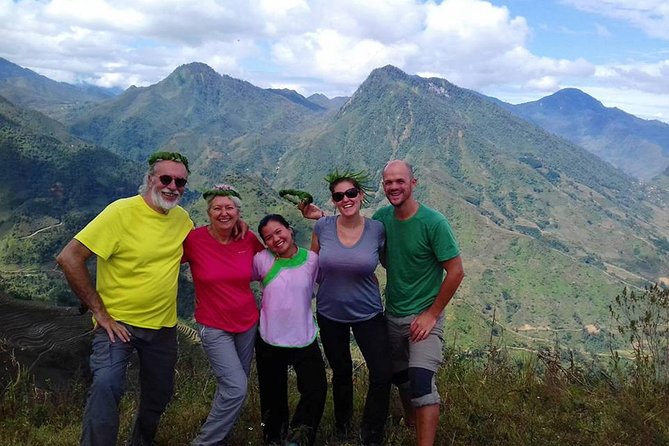
Reviewed · TREKKING TOURS IN SAPA
Daily Tour: Sapa Trekking in Muong Hoa valley, Bamboo forest
Muong Hoa Valley gives you the kind of Sapa scenery that asks for a little effort: steep paths, village trails, rice fields, and mountain views that open up as you walk. This half-day route runs from Lao Chai to Ta Van, with a bamboo forest section and a return through Giang Ta Chai.
I like the small-group limit of 14 because it gives the guide room to answer questions and adjust the walking pace. I also like the simple value: for $29.90, you get an English-speaking guide, lunch, water, and the bus back to Sapa.
The main thing to consider is the trail itself. Recent rain can make sections muddy and hard going, so this is not a gentle stroll. You need moderate fitness, proper trekking shoes, and a willingness to get a little dirty.
In This Review
- Key points to know before you book
- Why Muong Hoa Valley works well for a first Sapa walk
- Starting at 9 a.m. in central Sapa
- Lao Chai: where the walking gets underway
- The path between Lao Chai and Ta Van
- Ta Van lunch: a welcome pause after the first trek
- Bamboo forest and the approach to Giang Ta Chai
- What the $29.90 price really covers
- What to pack for this five-hour trek
- Who should choose this Sapa route
- Should you book the Muong Hoa Valley trek?
- FAQ
- How long does the Sapa trekking tour last?
- What time does the tour start?
- Where does the tour start and finish?
- What is included in the price?
- Do I need to be physically fit for this trek?
- Can I cancel for a full refund?
Key points to know before you book
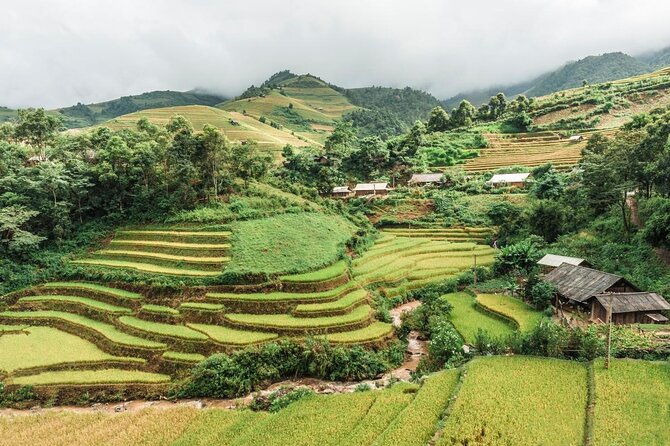
- The route links three village areas: Walk from Lao Chai toward Ta Van, eat lunch there, then continue toward Giang Ta Chai for the ride back.
- The best part is the changing view: Muong Hoa Valley scenery stays in sight for much of the trek, with village paths and a bamboo forest adding variety.
- Lunch is included in Ta Van: This saves you from arranging food during a half-day walk and gives the route a useful pause.
- The group can have up to 14 people: That is small enough for personal contact, though your pace may not be entirely your own.
- Mud is a real possibility: Bring trekking shoes, sun cream, insect repellent, sunglasses, and warm clothes from October through March.
- The price covers the essentials: Pickup, guide service, lunch, bottled water, and the return bus are included, but drinks, insurance, VAT, and personal costs are extra.
Why Muong Hoa Valley works well for a first Sapa walk

Sapa has plenty of scenic routes, but choosing one without local help can be tricky. Paths connect villages, slopes, forest, and fields, and a wrong turn can cost you time or send you onto a harder trail than expected.
This tour keeps the plan straightforward. You leave Sapa in the morning, walk into Muong Hoa Valley, stop for lunch in Ta Van, and return by bus after reaching Giang Ta Chai. It gives you a clear taste of the area without committing to a full-day or overnight trek.
I like that the route is not built around a single viewpoint. You get changing scenery as you move through the valley. One section may put the mountains and valley below you, while another brings you closer to village life, plants, and forest.
The guide adds more than navigation. You can ask about local culture, village life, and the plants along the route. That matters in Sapa, where the walk is as much about seeing how people live as it is about taking mountain photographs.
The published rating is 4.9 from 121 reviews, with 99 percent recommending the experience. That does not mean every departure will feel identical, since weather, group size, and trail conditions can change the day. Still, it points to a tour that has been delivering a strong mix of scenery, guiding, and practical support.
More Trekking Tours in Sapa
- Sa Pa: Muong Hoa Valley Trek and Local Ethnic Villages
★ 4.6 · 864 reviews - From Hanoi: 2-Day Sapa Trekking Trip with Homestay & Meals
★ 4.8 · 704 reviews - Sapa 3 Days 2 Nights Trekking Tour (1 Night In Ta Van Village, 1 Night In Hotel)
★ 5.0 · 699 reviews
Starting at 9 a.m. in central Sapa
The official meeting point is Sapa Church, with the listed office at 13 Tue Tinh Street also used for pickup. Hotel pickup is offered in central Sapa, but you should confirm the exact arrangement when you book. The information gives both options, so do not assume every hotel is covered.
Arrive 15 minutes early. The scheduled start is 9 a.m., and a little spare time helps if you need to find the office or meet the guide near the church.
The route begins with transport away from central Sapa before the walking starts. That is useful because you spend your limited five hours on the valley route rather than walking along town streets.
You need a current valid passport on the day. Keep it with you, along with any booking details on your phone. The mobile ticket and booking confirmation make the start simple, but the passport requirement is easy to overlook.
Lao Chai: where the walking gets underway
The first main walking section runs toward Lao Chai village. This is where the tour begins to feel like a proper countryside trek rather than a scenic drive with short stops.
Expect a mix of village paths and uneven ground. The route is described as a trek, and the physical demand can rise after rain. A recent wet night turned parts of the trail muddy and challenging, so dry weather does not guarantee easy walking, and wet weather may slow the whole group.
This is also a good part of the route for using the guide. You can get context about the villages, plants, and local culture while the valley views unfold around you. The guide’s value is not only in pointing out the route. It is in helping you understand what you are seeing.
A guide named Lang has been especially praised for a warm manner and clear information. Your guide may be different, but the small-group setup gives you a fair chance to ask questions instead of simply following at the back of a large crowd.
The pace can matter here. One private-feeling departure allowed the group to set its own speed, but a full group of 14 may move at a shared pace. If you want a fast workout, this may feel restrained. If you want time for photographs and conversation, that is usually a fair trade.
The path between Lao Chai and Ta Van

The walk from Lao Chai to Ta Van is the heart of the experience. You are not just being taken to a viewpoint. You are connecting two village areas on foot, with the valley providing the setting along the way.
The scenery is the chief reward. You can expect broad views across Muong Hoa Valley, with mountain slopes and cultivated areas forming the backdrop. The exact appearance will depend on the season and weather, so do not book this expecting one fixed postcard view.
This section also brings the practical drawbacks into focus. Uneven and muddy ground can make the trek tiring, especially if you are not used to walking on rural paths. Wear shoes with a firm grip, not casual trainers with smooth soles.
The tour asks for moderate physical fitness. That is a useful description, but it remains a trek rather than an accessible sightseeing outing. You should be comfortable walking for several hours and handling some challenging patches.
Plastic litter has been noticed along parts of the route. It can take the edge off an otherwise beautiful setting, and it is worth being realistic about that before you book. Bring your own rubbish out, use a refillable approach where practical, and treat the villages and paths with care.
More Sapa escapes from Sapa:
- Sapa 2 Days 1 Night From Hanoi – Overnight in Ta Van Village
★ 5.0 · 2,669 reviews - Hanoi – Sapa 2 Days 1 Night Overnight At Homestay
★ 5.0 · 899 reviews - Sapa: Fansipan Cable, Cat Cat Village & Moana Instagram Tour
★ 5.0 · 777 reviews - Sapa: Eco Adventure Terrace Fields and Local Villages Trek
★ 4.9 · 636 reviews
Ta Van lunch: a welcome pause after the first trek
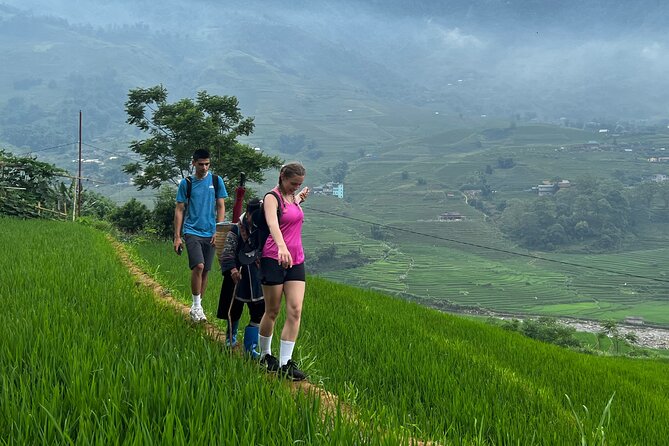
Lunch takes place in Ta Van village and lasts about one hour. The meal is included, which makes the $29.90 price easier to justify and removes the need to search for food during a timed route.
A meal at a homestay has been praised for its taste and setting. The supplied information does not give a fixed menu, so you should state any dietary requirements when booking rather than hoping the day’s meal will suit you.
Ta Van is more than a lunch stop. It breaks the trek into manageable parts and gives you time to sit, drink, and reset before the next section. The stop may feel especially valuable if the trail has been wet or steep.
Drinks beyond the supplied water are not included. If you want coffee, soft drinks, or another beverage with lunch, carry money for that. Personal expenses and VAT are also outside the listed price.
Lunch in a village setting can be one of the more authentic parts of the day, but keep your expectations sensible. This is a practical trekking meal, not a long restaurant experience. The focus remains on the route.
Bamboo forest and the approach to Giang Ta Chai
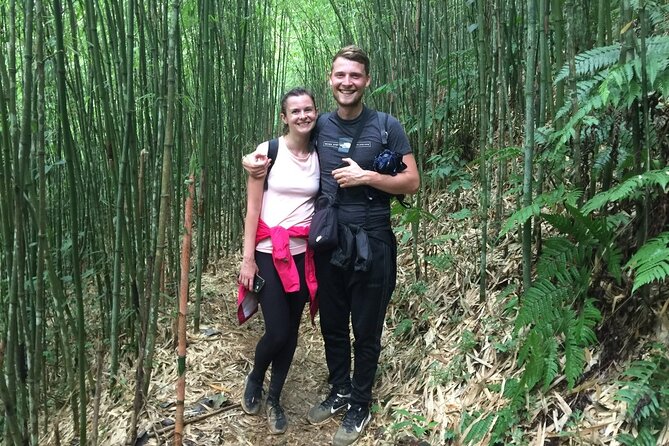
The tour name highlights a bamboo forest section, adding a cooler, more enclosed part to a route that otherwise opens onto valley views. The supplied details do not set out a separate timed stop for the forest, so treat it as part of the walking route rather than a standalone attraction.
From Ta Van, the itinerary continues toward Giang Ta Chai. This gives you another change of scenery before the vehicle collects you. The forest section and village paths help keep the walk varied, instead of repeating the same open view for five hours.
The final walking stretch can feel harder than expected if the ground is slippery or your legs are tired after lunch. Pace yourself early, keep water close, and do not save all your energy for the last section.
At Giang Ta Chai, the bus takes you back to Sapa. Having that return ride included is a real convenience. You do not need to arrange a taxi from a remote village, and you can finish the walk without worrying about finding your way back.
The tour ends at the original meeting point. The total activity lasts about five hours, including the route and return arrangements, although exact timing can vary with trail conditions and the group’s pace.
What the $29.90 price really covers
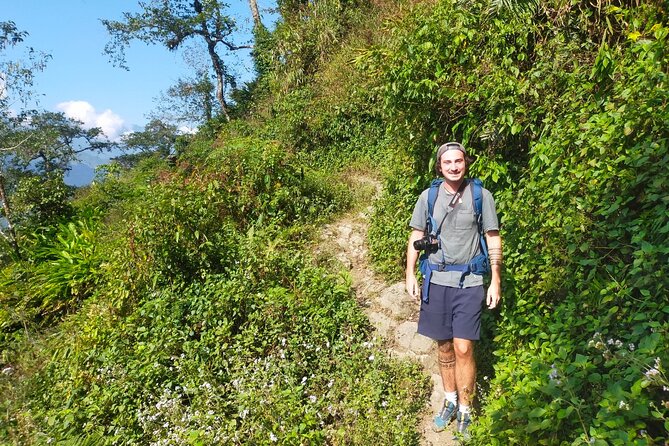
At $29.90 per person, this is a useful middle ground between going alone and booking a more expensive private day. You pay for the parts that are hardest to arrange yourself: local guidance, a planned village route, lunch, and transport back to Sapa.
The included English-speaking guide is the main value. A map will not explain local customs or identify plants, and independent walking can leave you unsure which paths are suitable. The guide also helps keep the group moving when the route becomes unclear or muddy.
Pickup adds another practical benefit, especially if you are staying in central Sapa. You should still verify whether your hotel is within the pickup area, since the listed meeting information points to central locations rather than every address in the wider region.
Mineral water and bottled water are included, which is helpful in a warm or humid climate. Bring extra cash for drinks and personal purchases, since those are not covered.
Travel insurance is not included. That matters on a trek where wet ground and uneven paths can increase the chance of a slip. Arrange your own cover if you want protection for the activity.
What to pack for this five-hour trek
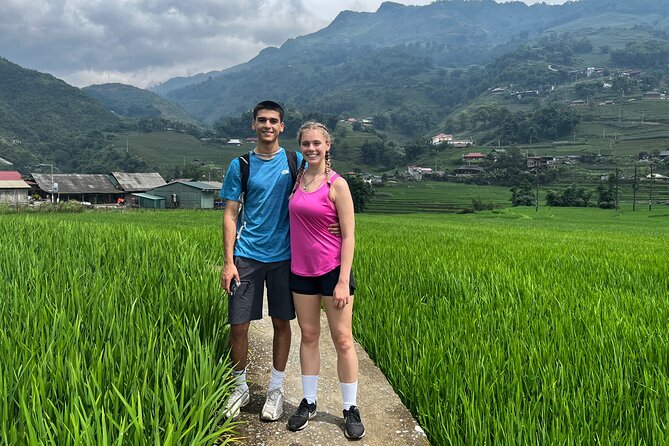
Your packing choices can decide whether the day feels enjoyable or unnecessarily difficult. Keep it simple:
- Trekking shoes with good grip
- Sunglasses and sun cream
- Insect repellent
- Water bottle or small day bag
- Warm clothing from October through March
- Small notes for personal expenses and possible tips
- Your current valid passport
One practical detail is worth noting: a guide and local helpers may assist you on muddy sections. A small tip may be appreciated, so carrying small notes is sensible if you want to thank someone for extra help.
Dress for changeable conditions rather than one forecast. Sapa can feel cool, particularly from October to March, while walking can make you warm. Layers work better than one heavy coat.
Respect local culture throughout the route. Ask before photographing people, follow the guide’s instructions in villages, and avoid leaving rubbish behind. These are small actions, but they help keep the walk pleasant for the communities along it.
Who should choose this Sapa route
I would choose this tour if you have one free morning or afternoon and want a clear introduction to Muong Hoa Valley. It suits first-time visitors who prefer a guide, included transport, and a set route over independent planning.
It also fits anyone who wants a balance of views and local contact. You get village paths, cultural information, lunch in Ta Van, and a bamboo forest section rather than a single lookout and a quick photo stop.
You should think twice if you dislike mud, uneven ground, or shared pacing. This is not designed for a completely easy walk, and wet weather can make it demanding.
It may also be less suitable if you need a highly flexible schedule. The group has a maximum of 14, and the guide must keep the route moving toward the return bus. A private outing would offer more control, but this tour costs less and includes the key logistics.
The free cancellation policy gives you some breathing room. You can cancel up to 24 hours before the local start time for a full refund. Cancellations or changes made inside that window are not accepted for a refund.
Should you book the Muong Hoa Valley trek?
Book it if you want a well-priced half-day introduction to Sapa’s valley villages and are ready for real walking conditions. The strongest reasons are the scenic route, the guide’s cultural insight, the included Ta Van lunch, and the bus back from Giang Ta Chai.
Do not book it expecting a flat nature walk or a fully private experience. Mud, litter in places, and a shared group pace are the trade-offs.
For most reasonably fit first-time visitors, the balance works. Bring the right shoes, arrive early at the Sapa meeting point, confirm hotel pickup, and keep a few small notes with you. At $29.90, the combination of route planning, food, guiding, and transport offers solid value.
FAQ
How long does the Sapa trekking tour last?
The activity lasts approximately five hours. It includes the trek through Muong Hoa Valley, lunch in Ta Van, and the bus return from Giang Ta Chai to Sapa.
What time does the tour start?
The scheduled start time is 9 a.m. You should arrive at the meeting point 15 minutes early.
Where does the tour start and finish?
The listed meeting point is Sapa Church, and the provider also gives 13 Tue Tinh Street as an office and pickup point. Hotel pickup is offered in central Sapa. The activity ends back at the meeting point.
What is included in the price?
The price includes an English-speaking guide, lunch, mineral water, bottled water, and the bus back to Sapa. Beverages, travel insurance, VAT, and personal expenses are not included.
Do I need to be physically fit for this trek?
Yes. A moderate level of physical fitness is recommended. The route can become muddy and challenging after rain, so trekking shoes are strongly advised.
Can I cancel for a full refund?
Yes. You can cancel at least 24 hours before the local start time for a full refund. Cancellations or changes made less than 24 hours before departure are not accepted for a refund.
More Treks Within Reach
- 3-Day Trekking Adventure of Sapa from Hanoi – Stay Ta Van Village
★ 5.0 · 611 reviews - Number one top rated ethical cultural trekking and homestay by ETHOS
★ 5.0 · 456 reviews - 2-Day Sa Pa Ethnic Homestay Tour & Trek with Limousine Bus
★ 4.8 · 440 reviews - From Sapa: 1-Day Guided Trek to Lao Chai & Ta Van with Lunch
★ 4.9 · 416 reviews
Just added around Sapa
- Half Day Sapa Cat Cat Explore Waterfall, Workshop, H’mong Local★ 5.0 · 9 reviews
- Sapa 1 Day Trekking★ 5.0 · 9 reviews
- Sapa Open Air Jeep Half Days Off the Beaten Track, Backroad★ 4.9 · 9 reviews
- Fansipan Mount Trekking 1 Day★ 5.0 · 9 reviews
- Sapa: Motorbike Tour to Hidden Villages & Terraced Fields★ 5.0 · 9 reviews
- Sapa 3 Day Trekking with 2 Nights Homestay★ 5.0 · 9 reviews
- SaPa: 2-Day Villages,Rice Fields, Love Waterfall Hiking Tour★ 5.0 · 9 reviews
- 8-Day Discover Northern Vietnam Highlight: Hanoi – Ninh Binh – Sapa – Halong Bay★ 5.0 · 9 reviews
Trekking Tours in Sapa, compared.

Muong Hoa Valley Trek and Local Ethnic Villages
Read our review →

Sapa 3 Days 2 Nights Trekking Tour (1 Night In Ta Van Village, 1 Night In Hotel)
Read our review →
Eco Adventure Terrace Fields and Local Villages Trek
Read our review →
3-Day Trekking Adventure of Sapa from Hanoi – Stay Ta Van Village
Read our review →
Number one top rated ethical cultural trekking and homestay by ETHOS
Read our review →
2-Day Sa Pa Ethnic Homestay Tour & Trek with Limousine Bus
Read our review →
1-Day Guided Trek to Lao Chai & Ta Van with Lunch
Read our review →Browse the lists this tour appears in