
Reviewed · TREKKING TOURS IN SAPA
From Hanoi: 3-Day Sapa Trekking with Limousine Transfer
Sapa is best seen on foot, and this three-day trip from Hanoi gives you two very different walks: an easy descent to Cat Cat on day one, then a demanding 12 to 15-kilometer trek through rice terraces and remote villages on day two. The ride up and back is by air-conditioned limousine rather than a cramped bus.
I like the mix of local guides and small-group options, since guides such as Me and Trang can explain H’mong, Dzao, and Tay life in a way a solo walk may not. I also like the useful rhythm of the trip: scenic villages and a hard hike, followed by a free morning in Sapa before the long ride home.
The main catch is the second-day trek. It is not a gentle village stroll, and rain can make the route much harder. The schedule also leaves dinner, drinks, and Fansipan tickets to you, so the $199 price is good value for the core experience but not an all-inclusive holiday.
In This Review
- Key points to know before booking
- Why this three-day Sapa trip works well
- The limousine ride from Hanoi to the mountains
- Meeting H’mong, Dzao, and Tay communities
- Cat Cat Village and the first 4-kilometer walk
- The demanding route through Lao Chai and Ta Van
- Y Linh Ho and Ban Ho for a quieter rural view
- Your Sapa morning and the optional Fansipan visit
- Hotel or homestay: choose with care
- What the $199 price really covers
- Who should book this Sapa experience?
- Should you book the three-day Sapa trek?
- FAQ
- Where does the tour start in Hanoi?
- How long is the transfer from Hanoi to Sapa?
- What is the hardest part of the tour?
- Is Fansipan Peak included?
- What accommodation is provided?
- Are meals included?
- Is the tour suitable for children or people with mobility difficulties?
Key points to know before booking
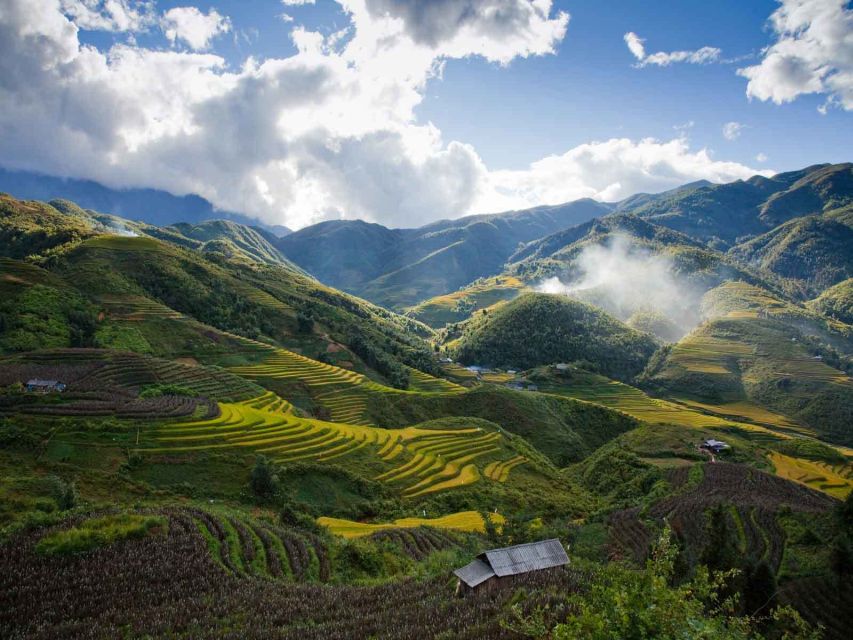
- Two very different treks: Cat Cat is an easy 4-kilometer walk, while day two covers 12 to 15 kilometers and requires real stamina.
- Comfortable road transfers: The modern limousine takes about 5.5 hours each way, with breaks on the journey.
- Three ethnic communities: You meet H’mong, Dzao, and Tay people and visit villages linked to their daily lives.
- A useful hotel choice: You can select a hotel or a more basic homestay, depending on the option available.
- Free time in Sapa: The third morning is open for town, a slow breakfast, or a separate visit to Fansipan Peak.
- Strong guide service: English-speaking guides Me and Trang are especially praised for clear explanations, good humor, and care on the walks.
Why this three-day Sapa trip works well
Many Hanoi to Sapa trips spend too much time on the road and too little time on foot. This one still has long transfers, but once you reach Sapa, the schedule gives you a proper introduction to the area rather than a quick photo stop.
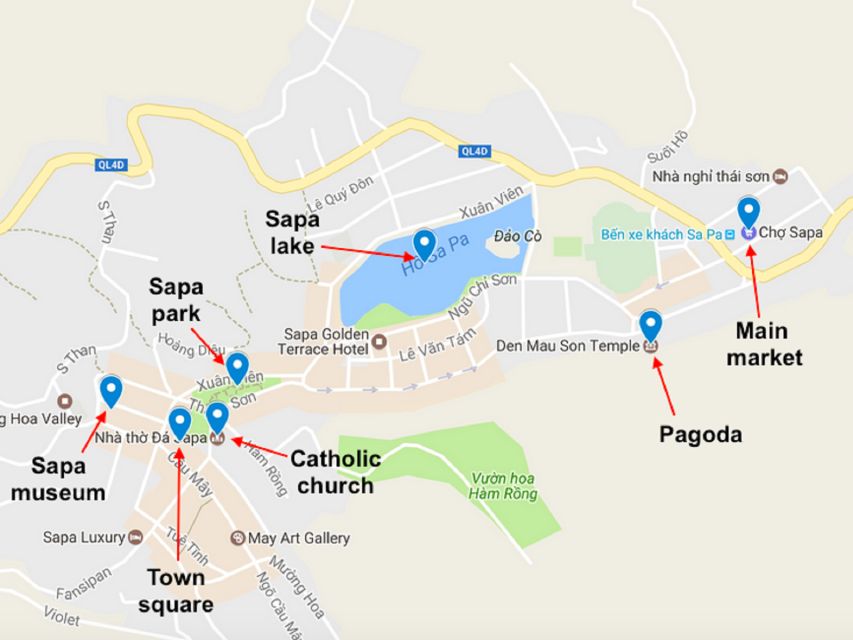
You see the famous side of Sapa at Cat Cat, then move into quieter rural areas on day two. That change matters. Cat Cat is close to town and easy to reach, while the longer route toward Lao Chai, Ta Van, Y Linh Ho, and Ban Ho gives you more time among terraces, mountain valleys, and village communities.
I also like that the trip does not force every hour into a tour activity. You have free time after the first afternoon walk and again on the third morning. Sapa town can be foggy and cool, so a little breathing room is useful.
The tour costs $199 per person. That includes transport from Hanoi and back, two nights, an English-speaking guide, entry tickets to listed sites, two breakfasts, and three lunches. For a three-day trip with a long private-region transfer and guided walks, that is a reasonable package price. Still, remember that you pay separately for both dinners, drinks, and any Fansipan visit.
More Trekking Tours in Sapa
- Sa Pa: Muong Hoa Valley Trek and Local Ethnic Villages
★ 4.6 · 864 reviews - From Hanoi: 2-Day Sapa Trekking Trip with Homestay & Meals
★ 4.8 · 704 reviews - Sapa 3 Days 2 Nights Trekking Tour (1 Night In Ta Van Village, 1 Night In Hotel)
★ 5.0 · 699 reviews
The limousine ride from Hanoi to the mountains
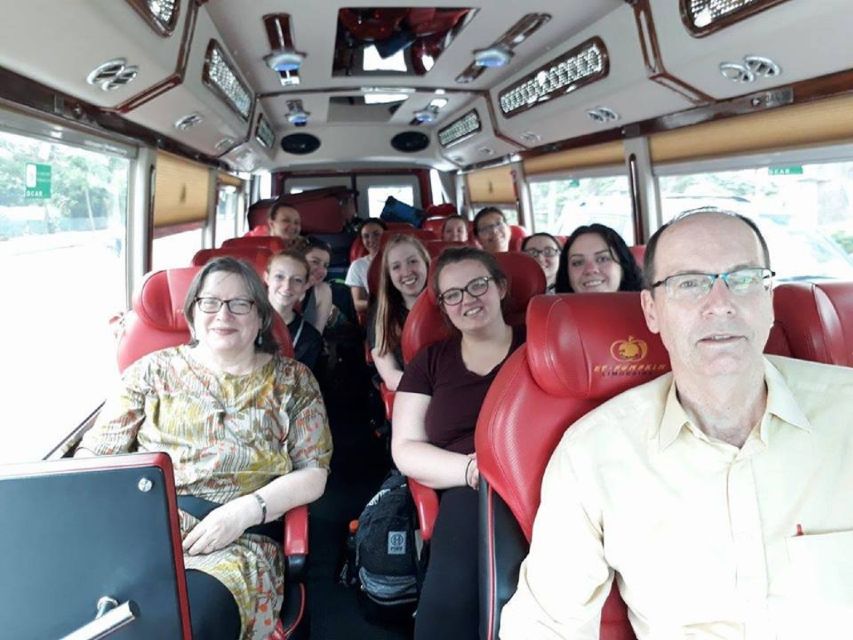
Pickup is available from hotels in Hanoi’s Old Quarter, with the stated meeting point at 31 P. Lò Sũ. The vehicle leaves around 6:45 to 7:00 in the morning, and the ride to Sapa takes about 5.5 hours.
That is a long haul, but the limousine is air-conditioned and makes a couple of breaks. This is a better fit than a basic transfer if you care about a little more comfort on the road. The early departure also gets you to Sapa around 12:30, leaving much of the afternoon for the first walk.
You should still plan for a full travel day. Bring water, sun protection, and something warm within reach. Mountain weather can change quickly, and the temperature in Sapa is often low from September through March. Fog is especially possible in December, January, February, and March.
The return leaves Sapa at about 2:30 in the afternoon and reaches Hanoi around 9:00 in the evening. That timing is useful if you want three days in the region, but it is not ideal if you have a flight or another fixed evening plan in Hanoi.
Meeting H’mong, Dzao, and Tay communities
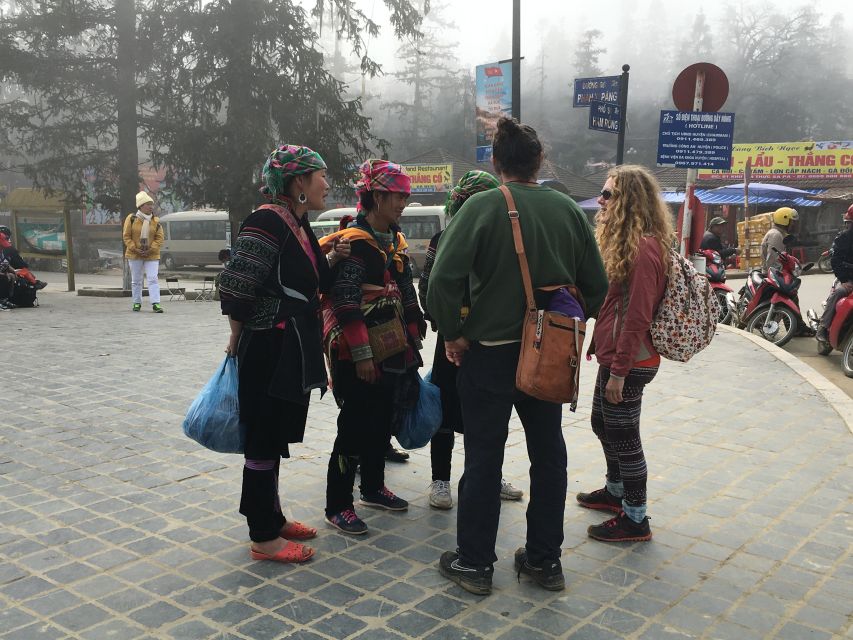
On arrival, you meet local members of the H’mong, Dzao, and Tay communities. Their traditional clothing adds color to the welcome, but the real value is the chance to connect the scenery with the people who live and work in these valleys.
Your guide explains local daily life and the customs of the communities you visit. The English guide is an important part of the experience here. Me is noted for speaking very clear English and explaining the area well, while Trang brings humor and strong local knowledge to the walks.
The names of ethnic groups can be confusing because spellings vary. You may see H’mong written as Hmong, Dzao as Dao or Red Dao, and Tay as Dzay in different travel material. This trip identifies the communities as H’mong, Dzao, and Tay, with Black H’mong connections at Cat Cat and Dzao communities along the longer route.
You should approach these visits with respect. The villages are lived-in places, not stage sets. Ask before taking close-up photographs, listen to the guide, and remember that traditional clothing and handicrafts are part of real community life.
Cat Cat Village and the first 4-kilometer walk

After lunch and hotel check-in, the first walk begins around 2:30. Cat Cat is associated with the Black H’mong and lies at the foot of Mount Fansipan, Vietnam’s highest mountain.
The route covers about 4 kilometers and takes roughly two hours. It is described as easy, but the walk goes downhill into a valley, so your knees may notice the descent. You then return to Sapa by transfer rather than treating this as a long mountain hike.
This is a sensible first afternoon. You have just spent the morning in a vehicle, so a shorter route lets you stretch your legs without using up all your energy before day two. Your guide introduces local daily life along the way, and the scenery gives you an early look at the steep terrain around Sapa.
Cat Cat is also the more accessible village stop. Because it is close to Sapa and included early in the schedule, it can feel more visitor-oriented than the remote villages reached on day two. If your main goal is quiet countryside, the second-day walk will matter more to you.
Dinner is on your own in Sapa that evening. This gives you freedom, but it also means you should budget for the meal and drinks. After dinner, you have free time in town before your first overnight stay.
More Sapa escapes from Hanoi:
- Sapa 2 Days 1 Night From Hanoi – Overnight in Ta Van Village
★ 5.0 · 2,669 reviews - Hanoi – Sapa 2 Days 1 Night Overnight At Homestay
★ 5.0 · 899 reviews - Sapa: Fansipan Cable, Cat Cat Village & Moana Instagram Tour
★ 5.0 · 777 reviews - Sapa: Eco Adventure Terrace Fields and Local Villages Trek
★ 4.9 · 636 reviews
The demanding route through Lao Chai and Ta Van

Day two is the heart of the trip. After breakfast, you set out on a challenging trek of 12 to 15 kilometers.
The first section runs about 5 kilometers along rice terraces to Lao Chai, a Black H’mong village. This is where the tour shifts from a short introduction to a serious walking day. The route involves uneven ground and changing elevation, so comfortable shoes are not optional.
From Lao Chai, you continue toward Ta Van, identified with the Dzao community. The trip includes time for photographs, guided sightseeing, views along the way, and lunch. This is the part of the route where you have the best chance to appreciate how villages, terraces, and mountain slopes fit together.
The distance listed as 12 to 15 kilometers allows for some variation in the exact route. Your pace, weather, trail conditions, and group may affect the total. I would treat the upper end as possible and prepare accordingly.
Rain is the big concern. Mud, slippery paths, and wet shoes can turn a hard trek into a very hard one. Bring trekking shoes with a reliable grip, insect repellent, sunscreen, a hat, and a light layer that can handle changing weather. A scarf and warmer clothing are useful in the cooler months.
Y Linh Ho and Ban Ho for a quieter rural view
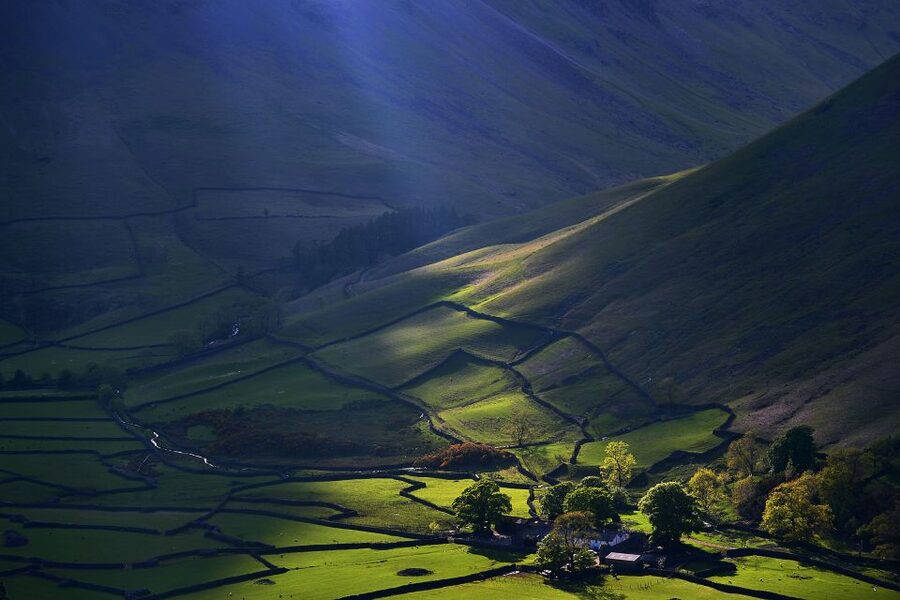
The route continues toward Y Linh Ho and Ban Ho, areas described as less visited and closer to ordinary hill-tribe life. These stops are especially valuable if you want more than the familiar Sapa viewpoint and town center.
You may find fewer visitor facilities in these remote areas, which is part of the appeal and part of the challenge. Do not expect the same easy access, polished paths, or quick escape that you get at Cat Cat. The route takes time and effort because it reaches places that are not built around a short sightseeing visit.
Lunch is included on the walking days, which makes the long route easier to manage. The food is local, and trying regional dishes is one of the pleasures of having a guide who knows where the group is stopping. Dinner remains your own expense, as does any drink beyond the included meals.
After the trek, you return to the hotel for free time. You may be tempted to walk around Sapa, but do not underestimate how tired your legs can feel after 12 to 15 kilometers. A quiet evening may be the smarter choice.
Your Sapa morning and the optional Fansipan visit
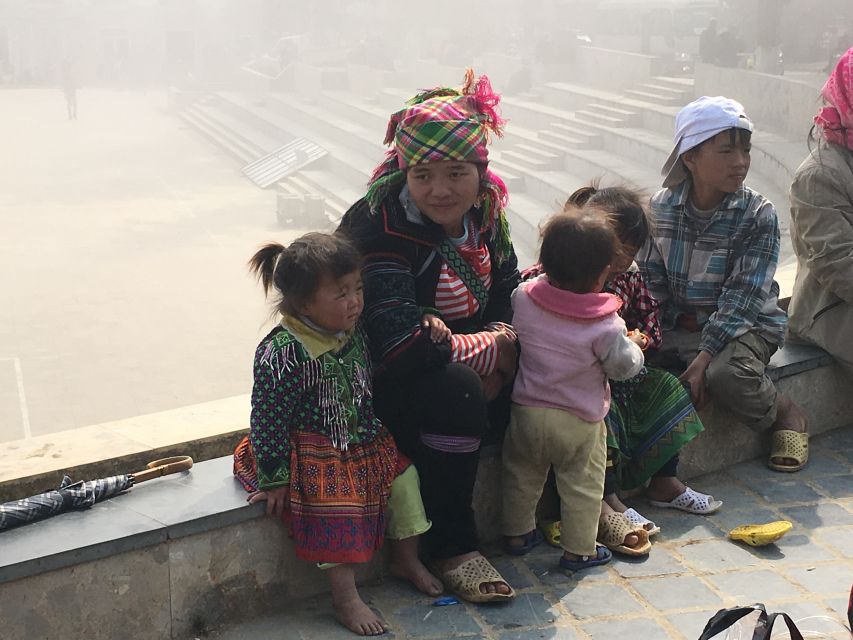
The third morning is free. You can explore Sapa town, have a slow start, or use the time to recover before the journey back to Hanoi.
Fansipan Peak is not included. You can buy a ticket separately, and the hotel receptionist can help with arrangements. This is a useful option if reaching Vietnam’s highest mountain is a priority, but you should not assume the free morning automatically includes enough time for every Fansipan activity.
The schedule calls for check-out at 11:30, followed by lunch. You then leave Sapa at 2:30. That gives you a practical morning, but not an open-ended day. Ask the hotel about the exact timing if you are considering Fansipan, especially during foggy or unsettled weather.
This free morning helps balance the hard second day. You are not rushed straight from the trek into another major hike, and you can choose how much energy to spend before the long drive south.
Hotel or homestay: choose with care
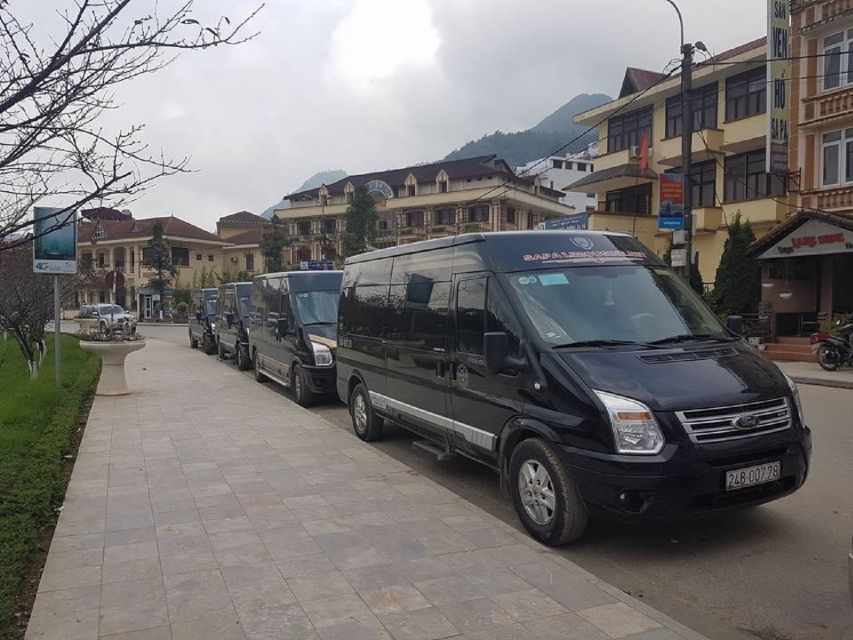
The two-night stay depends on the option you select. A hotel should suit you if you want more standard comfort after long days outside. The homestay option offers a closer connection to local surroundings, but it has only basic amenities.
That distinction matters. A homestay may be the right choice if you value simplicity and local contact more than private comforts. If you need dependable facilities, extra space, or a more predictable room setup, choose the hotel option when available.
One useful strength of the accommodation arrangement is the service level. The hotel option is described as good, and the staff can help with practical matters such as a Fansipan ticket. Still, check the exact accommodation category before paying, since the price and comfort can depend on the option you choose.
What the $199 price really covers
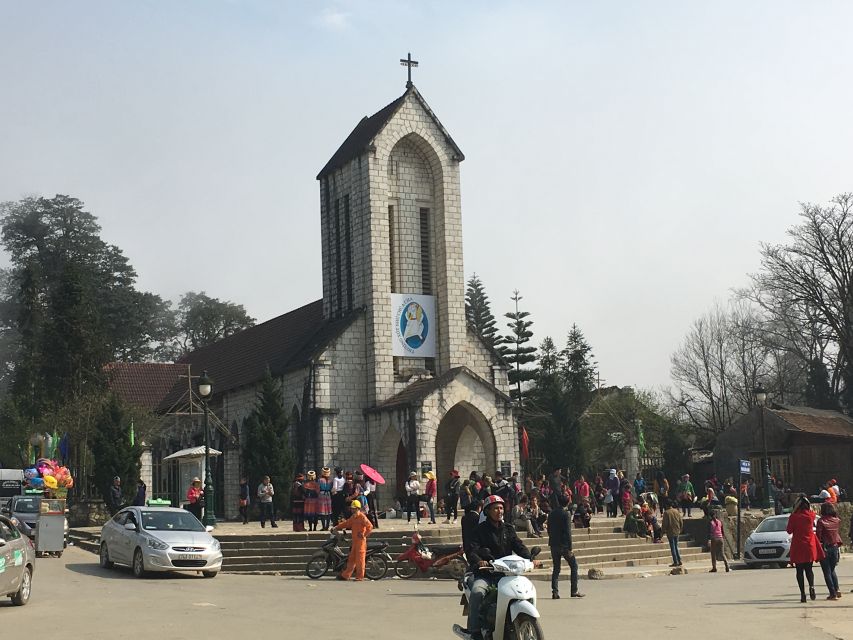
At $199 per person, the trip includes the parts that are expensive and difficult to arrange alone:
- Hanoi Old Quarter pickup and return
- Air-conditioned limousine transport
- Two nights in a hotel or homestay
- An English-speaking local guide
- Entry tickets to the listed sites
- Two breakfasts and three lunches
You still need money for two dinners, drinks, and Fansipan. Bring Vietnamese dong because banking in Sapa can be unpredictable. U.S. dollars, euros, and Australian dollars are also accepted, but local currency is the safer choice for everyday spending.
The value is strongest if you want the whole route handled for you. Organizing a Hanoi transfer, Sapa accommodation, local guide, village entries, and meals separately can take time and may not save much. The price is less attractive if you only want a short Cat Cat visit or prefer to arrange your own walks.
The trip requires at least two people per booking. Small groups are available, but the exact group size should be confirmed when you book.
Who should book this Sapa experience?
This tour suits you if you want a direct introduction to Sapa without planning every transfer and village route yourself. It is a good match for people who enjoy long walks, local food, mountain scenery, and guides who can explain culture in clear English.
You should have a reasonable level of fitness. The first walk is manageable for many people, but day two is different. The 12 to 15-kilometer route can be tiring even in dry weather, and rain may make it much harder.
The trip is not suitable for wheelchair users, people with mobility difficulties, or children under six. It is also a poor fit if you dislike basic accommodation, long road journeys, or uncertain mountain weather.
Bring your passport or ID, trekking shoes, sunglasses, a sun hat, sunscreen, insect repellent, warm clothes, and any medication you need. Pack layers rather than relying on one heavy coat. Sapa can be cold and foggy, but conditions can also shift during the day.
Should you book the three-day Sapa trek?
Book it if you want a well-organized Sapa introduction with a serious countryside hike, comfortable road transport, and a guide who can connect the villages to local culture. The praise for guides Me and Trang is well deserved in practical terms: clear English, humor, and strong explanations make a real difference on a demanding route.
Think twice if you want a soft-paced break or a luxury homestay. The second day is long, the homestay is basic, and the return to Hanoi ends late. For fit walkers who want Cat Cat, remote villages, local meals, and two nights in the mountains, the $199 package offers a useful balance of comfort, structure, and real time on foot.
FAQ
Where does the tour start in Hanoi?
Pickup is available from hotels in Hanoi’s Old Quarter. The stated meeting point is 31 P. Lò Sũ, with pickup scheduled between 6:45 and 7:00 in the morning.
How long is the transfer from Hanoi to Sapa?
The limousine ride takes about 5.5 hours. It includes a couple of breaks before arriving in Sapa around 12:30 on the first day.
What is the hardest part of the tour?
The second-day trek is the hardest section. It covers about 12 to 15 kilometers and includes routes through rice terraces and villages including Lao Chai, Ta Van, Y Linh Ho, and Ban Ho.
Is Fansipan Peak included?
No. Fansipan tickets and the visit are not included. You can use your free time on the third morning to visit Fansipan by purchasing a ticket separately, with help from the hotel receptionist.
What accommodation is provided?
You receive two nights in either a hotel or a homestay, depending on the option selected. The homestay has only basic amenities.
Are meals included?
Two breakfasts and three lunches are included. Dinner and drinks are not included, so you should budget for both evening meals.
Is the tour suitable for children or people with mobility difficulties?
The tour is not suitable for children under six, wheelchair users, or people with mobility difficulties. The trekking can be challenging, especially in rainy weather.
More Treks Within Reach
- Halong Bay Full Day with Kayaking, Hiking viewpoint, Cave – Deluxe To Luxury
★ 5.0 · 884 reviews - 3-Day Trekking Adventure of Sapa from Hanoi – Stay Ta Van Village
★ 5.0 · 611 reviews - 3D and 2N Lan Ha Bay Cat Ba Island Kayaking & Trekking with Vega
★ 5.0 · 593 reviews - Number one top rated ethical cultural trekking and homestay by ETHOS
★ 5.0 · 456 reviews
More Transfers in Hanoi
- Halong Bay Cruise 2 days 1 night from Hanoi included transfer
★ 5.0 · 1,061 reviews - Best Halong 5 star Day Trip, inclusive,buffet,cave,kayak,transfer
★ 5.0 · 933 reviews - Private transfer between Hanoi Airport (HAN) and Hanoi Old Quarter
★ 5.0 · 850 reviews - Halong Heritage Luxury Day Cruise-Buffet lunch&Limousine transfer
★ 5.0 · 846 reviews
Just added around Hanoi
- Cat Ba National Park, Lan Ha Bay 2 Days 1 Night Adventure★ 4.8 · 9 reviews
- Full day Boat Tour Lan Ha Bay – Ha Long Bay: Kayak, Beach Hopping★ 5.0 · 9 reviews
- Ha Giang Loop 2 Days High quality Small Group +Private Room★ 5.0 · 9 reviews
- Half Day Sapa Cat Cat Explore Waterfall, Workshop, H’mong Local★ 5.0 · 9 reviews
- Sapa 1 Day Trekking★ 5.0 · 9 reviews
- Halong 2 days 1 night with Cozy Classic Cruise from Hanoi★ 4.5 · 9 reviews
- Fansipan Mount Trekking 1 Day★ 5.0 · 9 reviews
- Sapa Open Air Jeep Half Days Off the Beaten Track, Backroad★ 4.9 · 9 reviews
Trekking Tours in Sapa, compared.

Muong Hoa Valley Trek and Local Ethnic Villages
Read our review →

Sapa 3 Days 2 Nights Trekking Tour (1 Night In Ta Van Village, 1 Night In Hotel)
Read our review →
Eco Adventure Terrace Fields and Local Villages Trek
Read our review →
3-Day Trekking Adventure of Sapa from Hanoi – Stay Ta Van Village
Read our review →
Number one top rated ethical cultural trekking and homestay by ETHOS
Read our review →
2-Day Sa Pa Ethnic Homestay Tour & Trek with Limousine Bus
Read our review →
1-Day Guided Trek to Lao Chai & Ta Van with Lunch
Read our review →Browse the lists this tour appears in