
Reviewed · TREKKING TOURS IN SAPA
Hanoi- SaPa: 3-Day Homestay Trek to Explore Ethnic cultures
Sapa’s best moments come on foot, where rice terraces, bamboo forest trails, and village homes replace the town’s busy streets. This three-day route takes you through Hmong, Giay, and Red Dzao communities, with two homestay nights that give you a closer look at daily life.
I like the small group size, limited to 14 people, and the local guides who can adjust the pace and explain customs along the way. I also like the practical setup: overnight bus travel, breakfast and a chance to freshen up on arrival, then three days of walking with meals included.
The tradeoff is the transport. The overnight bus from Hanoi leaves around 8:45 PM, reaches Sapa at about 4:00 AM, and can be uncomfortable. The trekking is also demanding, and mist or rain can hide the famous views, especially on the first day.
In This Review
- Key points to know before booking
- From Hanoi’s Old Quarter to Sapa before sunrise
- Day 1: Lao Chai and the walk to Ta Van
- Day 2: Bamboo forest, Rattan Bridge, and Ban Ho
- Day 3: Ban Ho sunrise and Nam Tong
- What the homestays are really like
- The guides can shape the whole trip
- Fitness, weather, and what to pack
- Is $139 a fair price?
- Who should book this Sapa trek?
- FAQ
- Where does the tour start?
- What time is pickup from Hanoi?
- Does the tour start in Hanoi or Sapa?
- What time do you arrive in Sapa?
- Where do you stay overnight?
- Which ethnic communities do you visit?
- Are meals included?
- Is mineral water included?
- Is the tour suitable for children?
- What time does the tour return to Hanoi?
- Should you book it?
Key points to know before booking
- Two nights with local families: Sleep in Ta Van and Ban Ho, where meals and conversation offer more cultural contact than a quick village visit.
- Three ethnic communities along the route: Meet Hmong people in Lao Chai, Giay people in Ta Van, and Red Dzao families in Giang Ta Chai and Nam Tong.
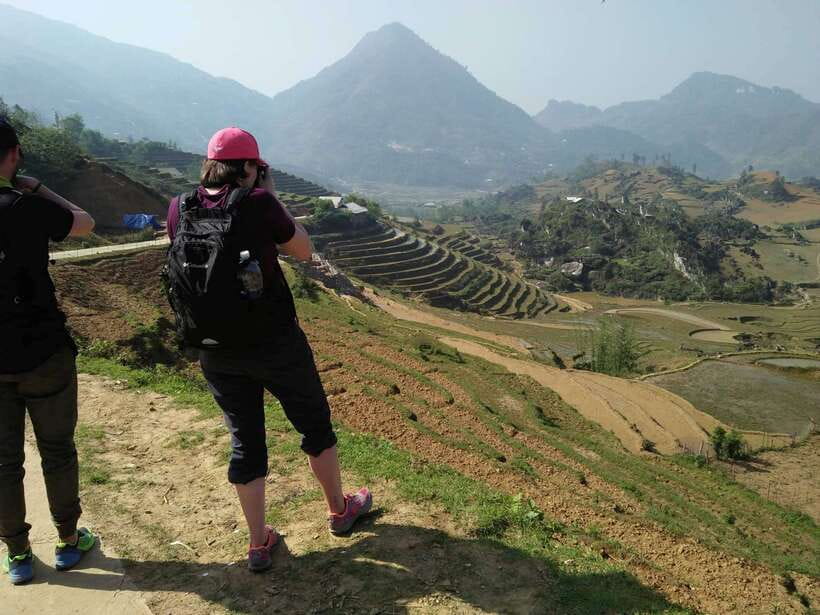
- A real walking trip: Expect trails through rice terraces, countryside, bamboo forest, and valleys rather than short viewpoint stops.
- Helpful local guides: Guides such as Su and Sang have been praised for patience, cultural explanations, and flexibility when walkers needed a slower pace.
- A long travel day at both ends: You leave Hanoi at night and return around 10:00 PM on the third day.
- Good value at $139: Bus transport, a guide, two homestays, seven included meals, and mineral water make the price reasonable, though drinks and personal costs are extra.
From Hanoi’s Old Quarter to Sapa before sunrise
Your trip begins in Hanoi’s Old Quarter, with pickup around 8:45 PM from 30 Hàng Muối in Hoàn Kiếm. The exact activity date refers to this Hanoi departure, not the morning you begin walking in Sapa. That detail matters when planning hotels and flights.
The bus reaches Sapa around 4:00 AM. You can sleep on the bus until approximately 6:00 AM, when you’ll be taken to a boutique hotel for breakfast. This is a useful arrangement after a night on the road, but you should not expect a full hotel night. The chance to eat and freshen up helps, yet the early arrival still leaves you starting the trek with limited sleep.
Pickup is available only in Hanoi’s Old Quarter. If you stay elsewhere, you’ll need to reach the bus station yourself. Pack your warm layer and walking shoes where you can reach them easily, rather than burying them in your luggage.
More Trekking Tours in Sapa
- Sa Pa: Muong Hoa Valley Trek and Local Ethnic Villages
★ 4.6 · 864 reviews - From Hanoi: 2-Day Sapa Trekking Trip with Homestay & Meals
★ 4.8 · 704 reviews - Sapa 3 Days 2 Nights Trekking Tour (1 Night In Ta Van Village, 1 Night In Hotel)
★ 5.0 · 699 reviews
Day 1: Lao Chai and the walk to Ta Van
After breakfast and an introduction to the group, your guide collects you at about 9:00 AM. The first route leads toward Y Linh Ho and Lao Chai, an area associated with the Hmong community.
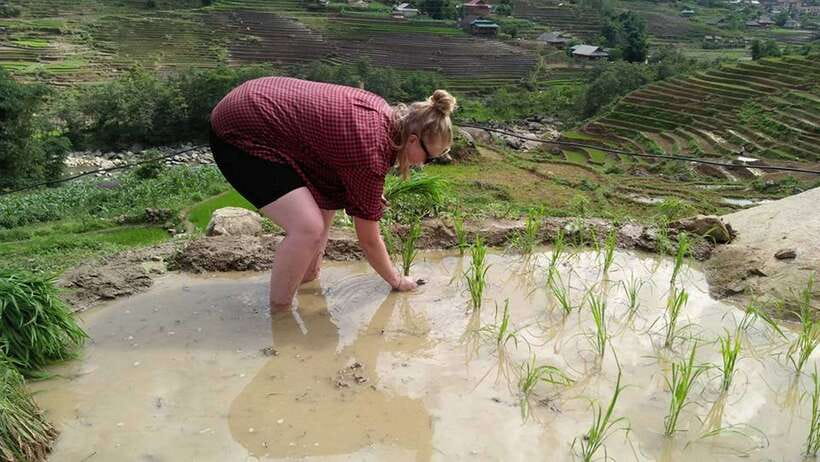
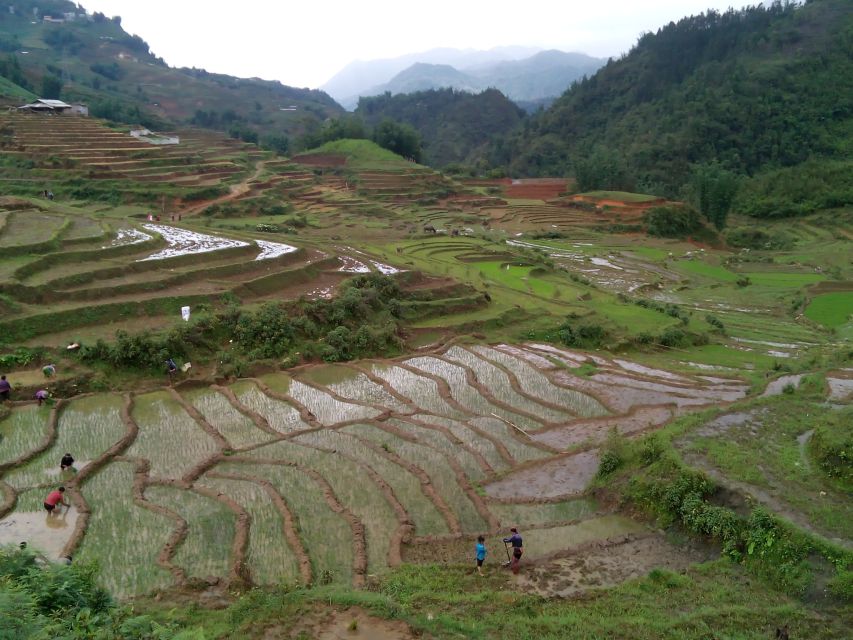
This is where the trip begins to feel different from a standard Sapa sightseeing outing. You are not simply driven to a viewpoint, given ten minutes for photographs, and moved on. You walk through the countryside, with rice terraces and mountain scenery appearing along the route. The views depend heavily on the weather. On a clear day, the terraces are the main attraction. In mist or heavy rain, you may see only a short distance ahead.
Lunch is served at a local family’s home in Lao Chai. Three lunches, two dinners, and three breakfasts are included, which keeps the basic cost under control. The meals are also part of the cultural experience, though beverages are not included. Bring enough cash for drinks and other small purchases.
After lunch, you continue toward Ta Van, home to Giay people. The route is scenic but not effortless. Mud, wet paths, and uneven ground can make the walk harder than the distance suggests. Good trekking shoes are far more useful than casual trainers, especially from October through March, when Sapa can be cold and wet.
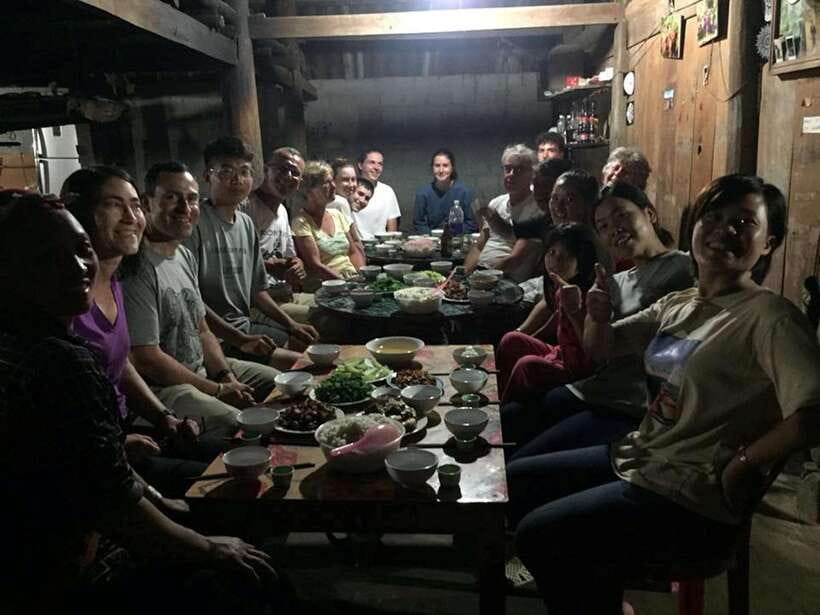
You spend the night in Ta Van. A homestay here is best understood as simple village accommodation rather than a private hotel room. Conditions can vary, but the included stay gives you time with local hosts and a chance to learn about Giay traditions and customs. One especially memorable part of this kind of visit can be ordinary household activity, such as helping prepare a meal in the kitchen.
Day 2: Bamboo forest, Rattan Bridge, and Ban Ho
After a local breakfast, you leave Ta Van and walk through bamboo forest toward Giang Ta Chai. This section brings you into a different cultural setting, connected with the Red Dzao community.
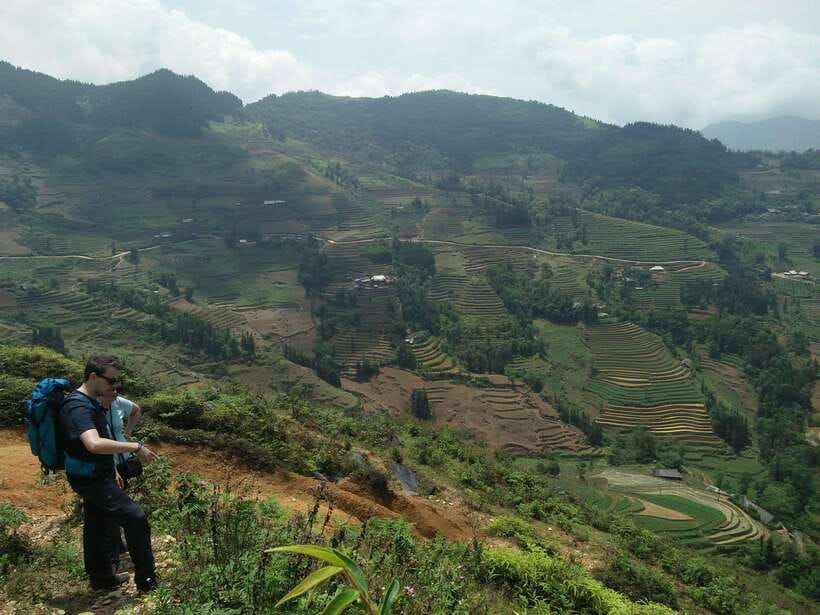
The route is not just a succession of villages. You’ll spend much of the day moving through the countryside, with the trail itself providing the main experience. The bamboo forest gives the walk a cooler, more enclosed feel, while open sections offer wider views across the valley.
A visit to Rattan Bridge and a Red Dzao family home adds variety to the day. Your guide can help explain local customs, though communication with hosts may be limited if they speak little English. The guides are local to the area, and that local connection is useful when explaining village life or finding the way along less obvious paths.
Lunch is eaten along the trail. Then you continue toward Ban Ho, where you have free time to rest or stroll around the village. This pause is welcome because the second day follows a demanding first day. You can use it to look around, enjoy the valley, or simply recover before dinner.
The second homestay is in Ban Ho. Hosts are described as welcoming, and food portions are generally generous. Rice wine may be offered, but you should take care with how much you accept. You still have a morning walk ahead, and the combination of tired legs and a late evening can catch up with you quickly.
Ban Ho is also a good place to appreciate the difference between a cultural visit and a staged show. You are staying in a community, not watching a scheduled performance. That means the experience can feel personal, but it also means your guide and your own respect matter. Dress modestly, ask before photographing people, and follow local customs.
Day 3: Ban Ho sunrise and Nam Tong
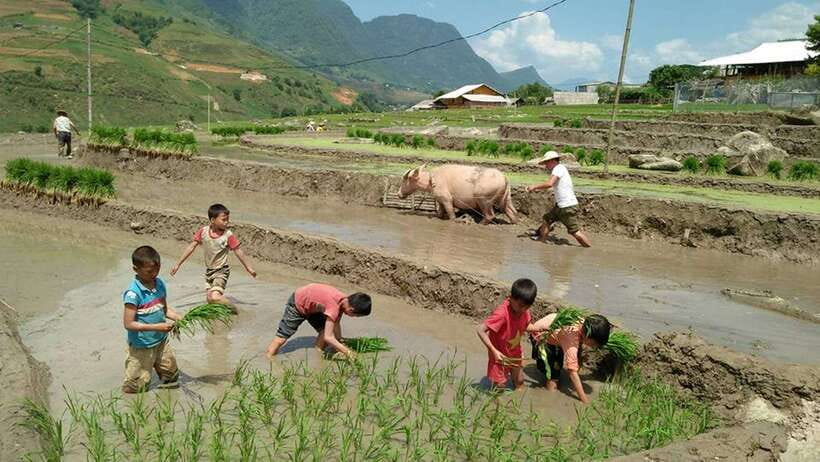
The final morning begins with sunrise in Ban Ho valley. Weather again controls the view. On a clear morning, the valley and surrounding hills provide a strong finish to the trek. In cloud or rain, the atmosphere may be more subdued, but the quiet morning setting still gives you a different side of Sapa.
You then take a short trek to Nam Tong village, associated with the Red Dzao tribe. The visit focuses on culture and traditions before you return to Ban Ho. Compared with the earlier walking days, this section is shorter, making it a manageable final morning after two nights in homestays.
A van collects you in Ban Ho and takes you back to Sapa. You have time to relax at a hotel before boarding the bus to Hanoi at about 4:00 PM. The return journey ends around 10:00 PM, back at the meeting point in Hanoi.
That schedule makes the tour efficient, but not leisurely. You leave Hanoi late at night, walk for three days, then spend another long stretch on the bus. If you want a slow mountain holiday with plenty of hotel rest, this is not the right format. If you have limited time and want to combine transport, trekking, and village stays, it makes good use of three days.
More Sapa escapes from Hanoi:
- Sapa 2 Days 1 Night From Hanoi – Overnight in Ta Van Village
★ 5.0 · 2,669 reviews - Hanoi – Sapa 2 Days 1 Night Overnight At Homestay
★ 5.0 · 899 reviews - Sapa: Fansipan Cable, Cat Cat Village & Moana Instagram Tour
★ 5.0 · 777 reviews - Sapa: Eco Adventure Terrace Fields and Local Villages Trek
★ 4.9 · 636 reviews
What the homestays are really like
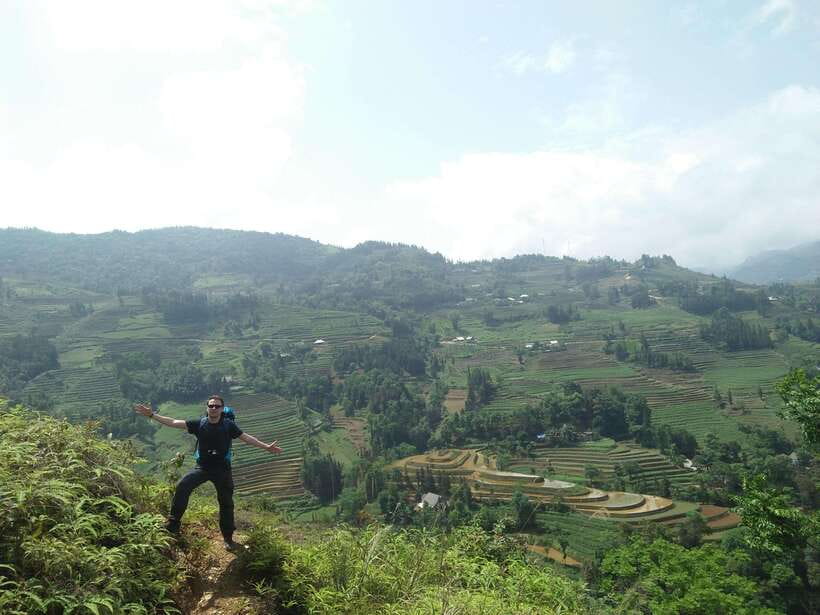
The homestays are central to this experience, so set your expectations correctly. You are choosing a local-style stay for cultural contact, not luxury. Accommodation has been described as clean and suitable, with some visitors comparing it to a simple homey hotel, but standards can vary between homes.
The value comes from the setting and interaction. You can eat with local people, observe household routines, and learn about the communities you have walked through. At one homestay, a family invited walkers into the kitchen to help prepare the meal. Experiences like that are more meaningful than a brief stop at a craft stall.
English may be limited at the homestays. Your guide is the bridge between you and the hosts, but translation will not turn every conversation into a long discussion. Bring patience, curiosity, and a willingness to communicate without relying only on words.
You should also carry a small day bag with your essentials. Keep insect repellent, sunscreen, a hat, sunglasses, and a warm layer close at hand. Mineral water is included, but the amount provided may not last through a full day of walking. Carry extra water or budget to buy more along the way.
The guides can shape the whole trip
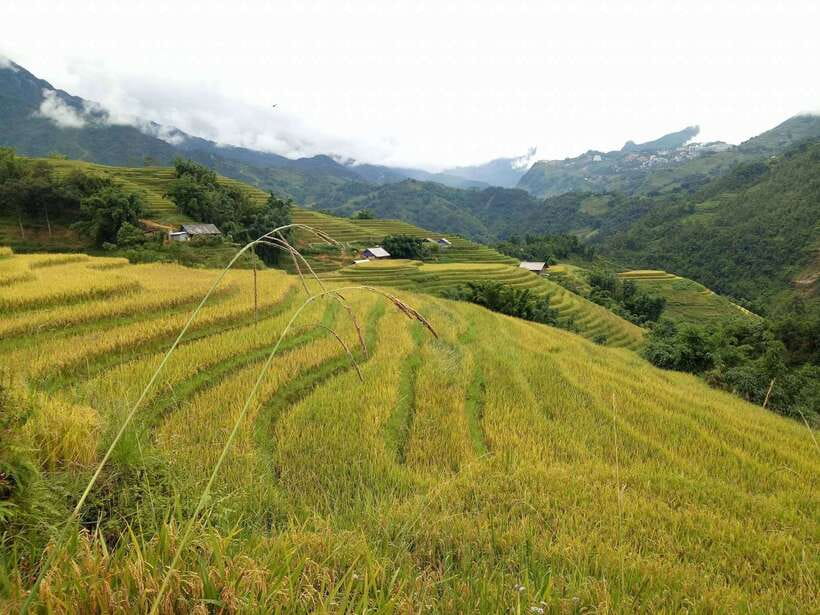
The guide is one of the most important parts of this tour. Local guides know the paths and the communities, and they can explain the customs you would otherwise miss. English is the tour language, but the quality of communication can vary.
Guides named Su and Sang have been particularly praised for being attentive and flexible. Su adjusted plans when walkers were unwell and shared stories about local culture. Another guide adapted a route toward more natural scenery when that better suited the group. That sort of flexibility matters on a trek, where weather, fitness, and energy levels can change quickly.
Do not expect a polished lecture at every stop. You may need to ask clear questions, speak slowly, or use phone translation for more complicated topics. One visitor found that some questions were difficult to communicate even with translation. That is a limitation, but it is also part of the reality of a small village-based tour.
Fitness, weather, and what to pack
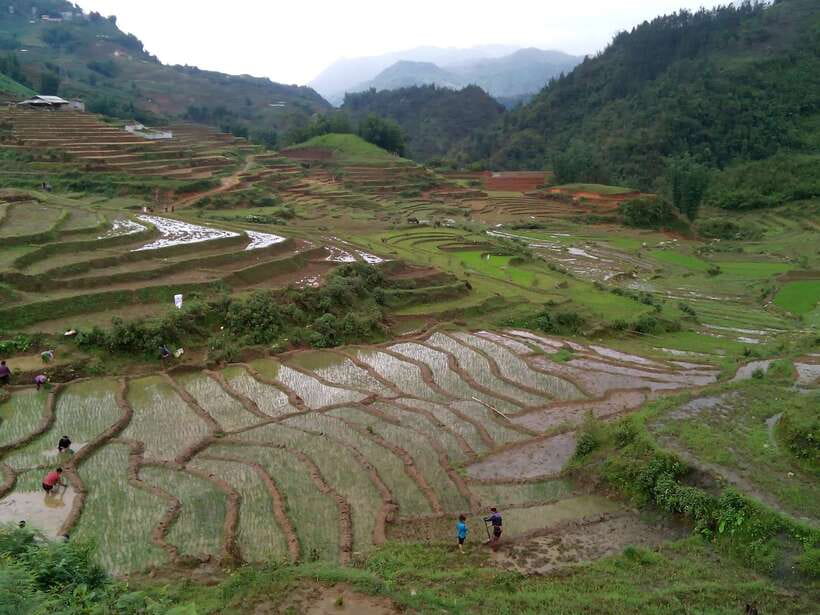
This is not suitable for people with limited mobility, wheelchair users, pregnant women, or children under six. You should be comfortable walking on uneven village paths for several hours at a time. The route may feel challenging, especially in rain or when the ground is muddy.
Pack:
- Trekking shoes with good grip
- Sunglasses and a sun hat
- Sunscreen and insect repellent
- Warm clothing from October through March
- A small bag for water and personal items
- Cash for drinks and personal expenses
Sapa’s weather can change the character of the tour. Cold rain and thick mist may hide the terraces on Day 1. Clearer weather on Days 2 and 3 can reveal spectacular views. You should book this trip for the walking and cultural contact first, with the scenery treated as a welcome bonus rather than a guarantee.
Respect also matters. These are living communities, not outdoor museum displays. Ask permission before taking close-up photographs, avoid treating homes as photo props, and follow your guide’s advice about local behavior.
Is $139 a fair price?
At $139 per person, the price covers the main costs: round-trip bus travel from Hanoi, an English-speaking guide, two nights of homestay accommodation, three breakfasts, three lunches, two dinners, and mineral water.
That is solid value for a three-day trip, especially if you want one booking to handle transport and the walking route. The included meals also reduce the need to arrange food while moving between villages. A small group capped at 14 people gives you a better chance of receiving personal attention than a large coach excursion.
The price does not include drinks, travel insurance, VAT, or personal spending. A $75 per person surcharge applies during Lunar New Year from January 26 through February 2, 2025, payable at the meeting point. Check the date carefully if you are booking around Tet.
The main thing you give up for this price is comfort during transport. The sleeping bus has been described as dirty and uncomfortable, and arrival arrangements may not always feel perfectly clear, especially during the holiday period. The trekking section offers better value than the bus section.
Who should book this Sapa trek?
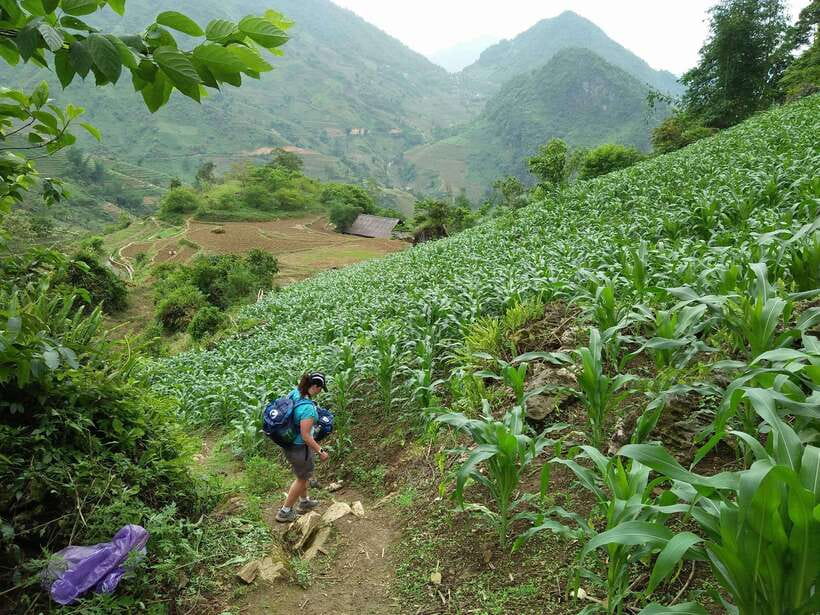
I would choose this tour if you want to meet local families, walk through rural scenery, and learn about several ethnic communities in a short amount of time. It suits active visitors who can handle an early morning, long walks, basic accommodation, and a late return to Hanoi.
It is also a good choice if you want a guide who can adjust the pace. A small group and local leadership make the experience more personal than a fixed coach tour.
I would think twice if you need reliable sleep, private hotel facilities, or exact control over every part of the schedule. The overnight bus is a real compromise, and the homestays are simple. You should also avoid booking it only for perfect rice terrace photographs, since fog and rain can change the views.
Free cancellation up to 24 hours before departure and reserve-now, pay-later terms make planning easier. Still, the practical details matter more than the booking flexibility. Confirm the Hanoi pickup, pack for wet and cold conditions, and arrive ready to walk.
FAQ
Where does the tour start?
It starts at 30 Hàng Muối, Lý Thái Tổ, Hoàn Kiếm, Hanoi, in the Old Quarter area.
What time is pickup from Hanoi?
Pickup is around 8:45 PM from your hotel in Hanoi’s Old Quarter.
Does the tour start in Hanoi or Sapa?
The tour starts in Hanoi with overnight bus travel to Sapa. The date you book refers to the initial Hanoi departure.
What time do you arrive in Sapa?
The bus arrives around 4:00 AM. You can sleep on the bus until about 6:00 AM, then go to a boutique hotel for breakfast.
Where do you stay overnight?
You spend the first night in Ta Van village and the second night in Ban Ho village, both in homestays.
Which ethnic communities do you visit?
The route includes Hmong communities in Lao Chai, Giay people in Ta Van, and Red Dzao communities in Giang Ta Chai and Nam Tong.
Are meals included?
Yes. The tour includes three breakfasts, three lunches, and two dinners. Beverages are not included.
Is mineral water included?
Yes, mineral water is included, but you may need to buy extra water during the trek.
Is the tour suitable for children?
It is not suitable for children under six. It is also not suitable for pregnant women or people with mobility impairments.
What time does the tour return to Hanoi?
You leave Sapa by bus around 4:00 PM on Day 3 and arrive back in Hanoi around 10:00 PM.
Should you book it?
Book this Sapa homestay trek if you want real walking, local meals, and village contact more than polished comfort. The strongest parts are the local guides, the two homestays, and the chance to move through Hmong, Giay, and Red Dzao communities instead of viewing Sapa only from town.
Skip it if the overnight bus, basic accommodation, or uncertain mountain weather would spoil your trip. For an active visitor with three days to spare, $139 is a sensible price for a well-filled cultural trek, provided you pack properly and accept that the road to Sapa is part of the bargain.
More 3-Day Experiences in Hanoi
- Amanda Cruise – Ha Long, Lan Ha Bay – All Inclusive 2D1N & 3D2N
★ 5.0 · 4,358 reviews - Halong Bay – Le Journey Cruises – All Inclusive 2D1N and 3D2N
★ 5.0 · 2,500 reviews - Hanoi: 3-Day Ninh Binh, Ha Long, & Lan Ha Bay 5-Star Cruise
★ 4.8 · 1,401 reviews - Mon Chéri Cruises 5 star: Amazing 3 days exploring Halong & Cat Ba island
★ 5.0 · 1,280 reviews
More Treks Within Reach
- Halong Bay Full Day with Kayaking, Hiking viewpoint, Cave – Deluxe To Luxury
★ 5.0 · 884 reviews - 3-Day Trekking Adventure of Sapa from Hanoi – Stay Ta Van Village
★ 5.0 · 611 reviews - 3D and 2N Lan Ha Bay Cat Ba Island Kayaking & Trekking with Vega
★ 5.0 · 593 reviews - Number one top rated ethical cultural trekking and homestay by ETHOS
★ 5.0 · 456 reviews
Just added around Hanoi
- Full day Boat Tour Lan Ha Bay – Ha Long Bay: Kayak, Beach Hopping★ 5.0 · 9 reviews
- Cat Ba National Park, Lan Ha Bay 2 Days 1 Night Adventure★ 4.8 · 9 reviews
- Ha Giang Loop 2 Days High quality Small Group +Private Room★ 5.0 · 9 reviews
- Half Day Sapa Cat Cat Explore Waterfall, Workshop, H’mong Local★ 5.0 · 9 reviews
- Sapa 1 Day Trekking★ 5.0 · 9 reviews
- Sapa Open Air Jeep Half Days Off the Beaten Track, Backroad★ 4.9 · 9 reviews
- Halong 2 days 1 night with Cozy Classic Cruise from Hanoi★ 4.5 · 9 reviews
- Fansipan Mount Trekking 1 Day★ 5.0 · 9 reviews
Trekking Tours in Sapa, compared.

Muong Hoa Valley Trek and Local Ethnic Villages
Read our review →

Sapa 3 Days 2 Nights Trekking Tour (1 Night In Ta Van Village, 1 Night In Hotel)
Read our review →
Eco Adventure Terrace Fields and Local Villages Trek
Read our review →
3-Day Trekking Adventure of Sapa from Hanoi – Stay Ta Van Village
Read our review →
Number one top rated ethical cultural trekking and homestay by ETHOS
Read our review →
2-Day Sa Pa Ethnic Homestay Tour & Trek with Limousine Bus
Read our review →
1-Day Guided Trek to Lao Chai & Ta Van with Lunch
Read our review →Browse the lists this tour appears in