
Reviewed · TREKKING TOURS IN SAPA
Hanoi – Sapa 3 Days – 2 Nights Trekking with With the locals
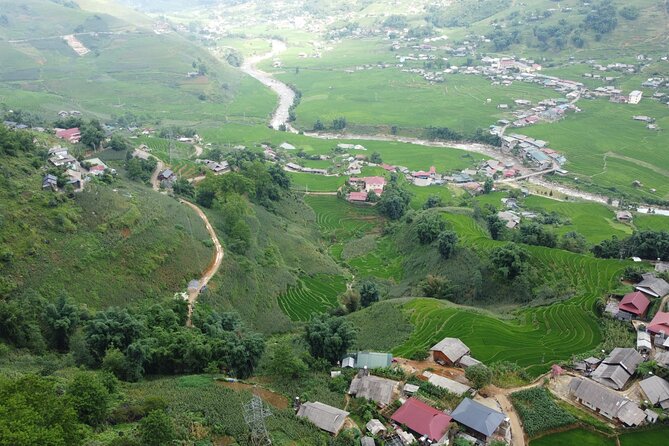
Sapa’s best moments happen on foot, and this three-day H’Mông-guided trek takes you well beyond the town center. You’ll walk through Cat Cat, Y Linh Ho, Lao Chai, Ta Van, Giang Ta Chai, and Su Pan, with rice-growing valleys and mountain villages providing the setting.
I like the small group limit, which gives you room to adjust your pace and ask questions. I also like the useful mix of comfort and local contact: one night in a 3-star hotel, one night in a private homestay room, plus meals and a cooking class. The main catch is the hiking itself. Expect many climbs and descents, with slippery sections, so this is not a gentle sightseeing trip.
In This Review
- Key points to know
- What the $130 price really covers
- The early ride from Hanoi to Sapa
- Cat Cat Village gives you a first taste of H’Mông life
- Y Linh Ho begins the serious walking
- Lao Chai and Ta Van connect scenery with daily life
- Giang Ta Chai and Su Pan finish the mountain route
- Why the local guide matters on this route
- How hard is the hiking?
- Who will get the most from this Sapa trip?
- Final verdict: a strong value for active Sapa visitors
- FAQ
- How long does the Hanoi to Sapa journey take?
- Where does the tour start in Hanoi?
- How many people can join the tour?
- Which villages are visited?
- Where do you sleep?
- Are meals included?
- Is a cooking class included?
- Can you cancel for a full refund?
Key points to know
- A full village-to-village route: Cat Cat, Y Linh Ho, Lao Chai, Ta Van, Giang Ta Chai, and Su Pan all appear across the three days.
- Local H’Mông guiding: Your guide explains ethnic customs, traditions, and daily life while leading the walks.
- Up to 10 people: The smaller group allows some flexibility with pace and stops.
- Comfort after the trail: You spend one night in a 3-star hotel and one night in a private homestay room.
- VIP cabin bus transfers: The Hanoi to Sapa and Sapa to Hanoi journeys take about five hours each way.
- Good package value: Meals, transport, accommodation, a cooking class, and stated entrance fees are included, but drinks are extra.
What the $130 price really covers

At $130 per person, this trip offers a lot for a three-day journey from Hanoi. The package includes round-trip VIP cabin bus transport, one hotel night, one private-room homestay night, a local English-speaking guide, two breakfasts, three lunches, two dinners, and a cooking class.
The stated package also covers entrance fees and travel insurance. Drinks with meals are not included, so keep some Vietnamese dong handy for water, coffee, or soft drinks.
I see the main value in the logistics. Sapa is far enough from Hanoi that arranging buses, village transfers, lodging, food, and guides separately can take time. Here, the major pieces are bundled together. You are paying for a guided route and a simple support system, not just for transport to Sapa.
The price does not make this a luxury tour. The accommodation is practical rather than grand, and the long bus rides take up a fair part of the first and last days. Still, the combination of several walking routes, two types of lodging, and full meals makes the cost reasonable for someone who wants a structured Sapa trip.
The published score is 4.9 out of 5 from 95 ratings, with 97 percent recommending the experience. That points to strong satisfaction overall, especially with the scenery, village visits, and personal feel of the small group. I would still confirm the hotel name before booking, since one written warning specifically says not to stay at Delta Sapa.
More Trekking Tours in Sapa
- Sa Pa: Muong Hoa Valley Trek and Local Ethnic Villages
★ 4.6 · 864 reviews - From Hanoi: 2-Day Sapa Trekking Trip with Homestay & Meals
★ 4.8 · 704 reviews - Sapa 3 Days 2 Nights Trekking Tour (1 Night In Ta Van Village, 1 Night In Hotel)
★ 5.0 · 699 reviews
The early ride from Hanoi to Sapa

Pickup begins around 6:00 to 6:30 in the morning at the G8 Open Tour office on Ly Thai To in Hanoi’s Old Quarter. A small transfer bus takes you to the main departure point, where you board the larger VIP cabin bus.
The trip to Sapa takes about five hours on the highway. That sounds simple, but it makes the first day a long one. You leave early, reach Sapa around 1:00 to 1:30 in the afternoon, transfer from the bus station to the hotel, eat lunch, and check in before the afternoon walk.
You should arrive at the meeting point on time and keep your first-day belongings easy to reach. The bus ride is part of the tour, not an incidental transfer, so anyone who dislikes long road journeys should factor that into the decision.
The return is also lengthy. On the final day, you leave Sapa in the afternoon and reach Hanoi around 10:00 to 10:30 at night. The bus drops you at the station, and you make your own way back to your hotel. That late arrival matters if you have an early flight or another booked activity the next morning.
Cat Cat Village gives you a first taste of H’Mông life
After lunch and check-in, you set out around 2:30 p.m. for Cat Cat Village. The walk lasts about three hours and introduces you to the H’Mông community close to Sapa.
This is a useful first outing because it lets you see how the tour handles cultural visits before the longer trek begins. The guide explains customs and everyday traditions, helping you look beyond the photo stops. The village is also close enough to Sapa that you are not committing to a major hike on the first afternoon.
The trade-off is that Cat Cat is one of the better-known stops in the area. It may feel more organized for visitors than the smaller settlements reached later. I would treat it as an introduction, not the quietest or most remote part of the trip.
You return to the hotel after the walk. That first night gives you a proper bed and a chance to prepare for the harder route on Day 2.
Y Linh Ho begins the serious walking
Day 2 starts with breakfast from 7:00 to 8:00 a.m. You check out, leave your main luggage at the hotel, and carry only a small bag with important items.
That luggage arrangement is practical. You do not want to carry a full suitcase over steep village paths, and leaving larger bags behind makes the walking more manageable. Pack light, but keep water, sun protection, a rain layer, medication, and any personal necessities with you.
Around 8:15 a.m., you begin trekking toward Y Linh Ho. The route is described as roughly two hours for this section, though the full day continues through several villages. This is where the tour shifts from a short cultural walk to a proper mountain trek.
The trail includes plenty of uphill and downhill walking. A written assessment of the route calls out the many climbs and descents and warns that some surfaces can be very slippery. That is the most important practical point in the whole tour description.
Wear shoes with strong grip. Do not choose smooth-soled trainers just because they are comfortable in Hanoi. If rain has passed through, mud and slick ground can make the descent harder than the climb. You can adjust your pace with the guide, but you still need a reasonable level of fitness and balance.
More Sapa escapes from Hanoi:
- Sapa 2 Days 1 Night From Hanoi – Overnight in Ta Van Village
★ 5.0 · 2,669 reviews - Hanoi – Sapa 2 Days 1 Night Overnight At Homestay
★ 5.0 · 899 reviews - Sapa: Fansipan Cable, Cat Cat Village & Moana Instagram Tour
★ 5.0 · 777 reviews - Sapa: Eco Adventure Terrace Fields and Local Villages Trek
★ 4.9 · 636 reviews
Lao Chai and Ta Van connect scenery with daily life
By about 10:30 a.m., you reach Lao Chai, roughly six kilometers from Sapa town. The village is associated with Black H’Mông and Red Dao communities and sits between the Hoang Lien Son mountain range and Ham Rong Mountain.
The value here is the change of scale. In Sapa town, you see shops, hotels, and a busy base for mountain trips. Along this route, the focus shifts to villages, slopes, and the ordinary setting in which people live and work. Your local guide can add context about ethnic customs and traditions rather than leaving you to view the villages as scenery alone.
From Lao Chai, you continue to Ta Van. The route takes you through the Muong Hoa Valley area, one of the signature sights associated with Sapa. Ta Van is set among the Hoang Lien Son range, and the walk lets you reach it as part of a gradual village route instead of a quick vehicle stop.
The schedule allows a long stretch around Ta Van, listed at about 19 hours in the supplied timing. That appears to include the overnight stay rather than 19 hours of walking. In practical terms, expect to arrive around midday, eat, settle into the homestay, and have time for the evening program.
You spend the night in a private room at a homestay. This gives you more contact with local life than another hotel night would, while the private room offers a little personal space. The package also includes dinner and a cooking class. The class is one of the more distinctive inclusions, since it turns the evening meal into an activity rather than simply another restaurant stop.
Do not expect a resort-style stay. A homestay is chosen for local connection and setting, not polished hotel service. If you need a high level of comfort every night, this mixed accommodation may feel basic. If you want one night with a stronger local flavor, it is a good part of the design.
Giang Ta Chai and Su Pan finish the mountain route
Breakfast at the homestay begins around 8:30 a.m., followed by checkout. At about 9:30 a.m., you continue toward Giang Ta Chai and Su Pan.
The morning walking lasts about three hours. Giang Ta Chai provides another village setting and keeps you on the footpath rather than returning immediately to Sapa. The route is meant to show a quieter side of the area, with the guide pointing out local culture and the surrounding mountain environment.
At around 12:30 p.m., you reach Su Pan for lunch at a local restaurant. After eating, a bus takes you back to the hotel in Sapa. You then have about an hour to walk around town before departing for Hanoi at approximately 3:00 p.m.
That final hour is short, but useful. You can collect luggage, buy a few items, or simply sit down before the long ride. Do not plan a major Sapa activity in this gap. The return transfer is the priority, and the trip back to Hanoi is scheduled to end late.
Fansipan is named as one of the iconic destinations associated with the experience, but the detailed daily schedule supplied here focuses on village trekking and does not set out a separate summit visit or cable-car ride. If reaching Fansipan is a must for you, ask the operator exactly how it fits into your dates before booking. Do not assume it is a separate summit excursion.
Why the local guide matters on this route
The tour uses local English-speaking H’Mông guides. That is important in Sapa, where a village walk can either feel like a series of scenic stops or become a more meaningful look at ethnic culture and daily routines.
The guide’s role is not only to keep the group on the route. You can ask about customs, traditions, and the everyday stories of the people who live in the villages. Since the group is capped at 10 people in the additional information, questions are less likely to get lost than they would in a large coach group.
The tour description also says you can adjust your trekking pace and add or remove stops based on interest and fitness. Treat that as flexibility, not a promise that the entire route can be redesigned. The villages and meal times still form the basic structure, and the bus back to Hanoi runs on a schedule.
No guide names are provided, so you cannot request a particular leader in advance based on the supplied information. What you can expect is a local H’Mông guide rather than a guide based only in Hanoi.
How hard is the hiking?
The route is not a casual stroll. You face repeated uphill and downhill sections, and some surfaces may be very slippery. The walking is spread over the second and third days, with Cat Cat providing a shorter introduction on the first afternoon.
I would rate this best for people who are comfortable walking for several hours on uneven ground. You do not need to be a serious mountain hiker based on the information provided, but you should be steady on your feet and prepared for changing trail conditions.
Pack light for the trek, as instructed by the tour, and leave your larger luggage at the Sapa hotel. Bring footwear with good traction. Since drinks are not included, carry money for beverages and ask how much water you should bring before setting out.
The small group helps here. A guide can respond more easily if the pace needs to slow, and you have a better chance of discussing whether an extra stop makes sense. Still, group flexibility cannot remove the basic physical demands of the route.
Who will get the most from this Sapa trip?
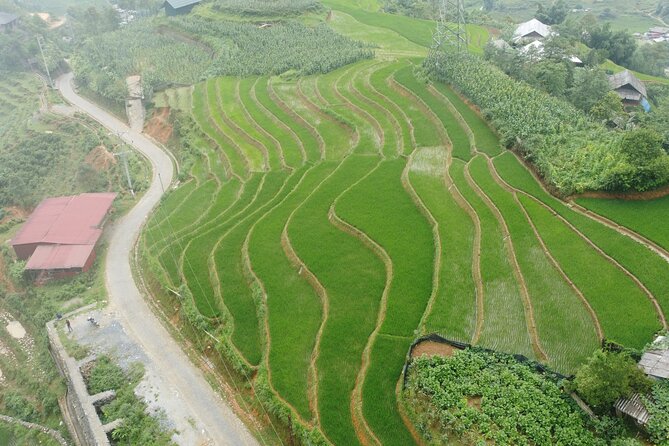
I would choose this tour if you want Sapa’s villages and valley views but prefer not to arrange every transfer yourself. It suits first-time visitors who want a clear schedule, local guidance, meals, and a mix of hotel and homestay accommodation.
It also works well for people who want cultural context alongside walking. The route is not only about taking photographs. The guide, village stops, cooking class, and homestay give the trip more human detail.
You may want another option if you dislike long bus rides, need luxury accommodation, or want a very relaxed hiking schedule. The first and last days involve about five hours on the road, while the middle section has real climbs and slippery ground.
Families and older participants should consider fitness carefully. The data confirms that service animals are allowed, but it does not provide detailed accessibility information for the trails. Ask the operator directly if mobility, medical, or equipment concerns affect your plans.
Final verdict: a strong value for active Sapa visitors
I would book this trip if my priority were a well-organized village trek with local H’Mông guidance and a reasonable price. The route covers many of Sapa’s best-known communities, adds quieter trails, and includes the practical pieces that are easy to mishandle on your own.
I would book with two checks first: confirm the exact hotel, especially because of the warning about Delta Sapa, and ask how Fansipan fits into the actual departure date. Then pack light, bring grippy shoes, and leave room in your schedule for the late Hanoi arrival.
For an active visitor who values local contact more than luxury, the $130 package offers good value. For someone seeking easy walks and polished accommodation, the steep trails and mixed lodging may be a poor match.
FAQ
How long does the Hanoi to Sapa journey take?
The VIP cabin bus takes about five hours from Hanoi to Sapa and about five hours for the return journey.
Where does the tour start in Hanoi?
The meeting point is the G8 Open Tour office on Ly Thai To in Hanoi’s Old Quarter.
How many people can join the tour?
The activity has a maximum of 10 travelers. The tour description also emphasizes a small group of no more than 12 guests.
Which villages are visited?
The route includes Cat Cat, Y Linh Ho, Lao Chai, Ta Van, Giang Ta Chai, and Su Pan.
Where do you sleep?
You spend one night in a 3-star hotel and one night in a private room at a homestay.
Are meals included?
Yes. The package includes two breakfasts, three lunches, and two dinners. Drinks with meals are not included.
Is a cooking class included?
Yes, a cooking class is included in the tour package.
Can you cancel for a full refund?
Yes. You can cancel at least 24 hours before the experience starts for a full refund. Changes or cancellations made less than 24 hours before the start time are not accepted for a refund.
More 3-Day Experiences in Hanoi
- Amanda Cruise – Ha Long, Lan Ha Bay – All Inclusive 2D1N & 3D2N
★ 5.0 · 4,358 reviews - Halong Bay – Le Journey Cruises – All Inclusive 2D1N and 3D2N
★ 5.0 · 2,500 reviews - Hanoi: 3-Day Ninh Binh, Ha Long, & Lan Ha Bay 5-Star Cruise
★ 4.8 · 1,401 reviews - Mon Chéri Cruises 5 star: Amazing 3 days exploring Halong & Cat Ba island
★ 5.0 · 1,280 reviews
More Treks Within Reach
- Halong Bay Full Day with Kayaking, Hiking viewpoint, Cave – Deluxe To Luxury
★ 5.0 · 884 reviews - 3-Day Trekking Adventure of Sapa from Hanoi – Stay Ta Van Village
★ 5.0 · 611 reviews - 3D and 2N Lan Ha Bay Cat Ba Island Kayaking & Trekking with Vega
★ 5.0 · 593 reviews - Number one top rated ethical cultural trekking and homestay by ETHOS
★ 5.0 · 456 reviews
Just added around Hanoi
- Cat Ba National Park, Lan Ha Bay 2 Days 1 Night Adventure★ 4.8 · 9 reviews
- Full day Boat Tour Lan Ha Bay – Ha Long Bay: Kayak, Beach Hopping★ 5.0 · 9 reviews
- Ha Giang Loop 2 Days High quality Small Group +Private Room★ 5.0 · 9 reviews
- Half Day Sapa Cat Cat Explore Waterfall, Workshop, H’mong Local★ 5.0 · 9 reviews
- Sapa 1 Day Trekking★ 5.0 · 9 reviews
- Sapa Open Air Jeep Half Days Off the Beaten Track, Backroad★ 4.9 · 9 reviews
- Halong 2 days 1 night with Cozy Classic Cruise from Hanoi★ 4.5 · 9 reviews
- Fansipan Mount Trekking 1 Day★ 5.0 · 9 reviews
Trekking Tours in Sapa, compared.

Muong Hoa Valley Trek and Local Ethnic Villages
Read our review →

Sapa 3 Days 2 Nights Trekking Tour (1 Night In Ta Van Village, 1 Night In Hotel)
Read our review →
Eco Adventure Terrace Fields and Local Villages Trek
Read our review →
3-Day Trekking Adventure of Sapa from Hanoi – Stay Ta Van Village
Read our review →
Number one top rated ethical cultural trekking and homestay by ETHOS
Read our review →
2-Day Sa Pa Ethnic Homestay Tour & Trek with Limousine Bus
Read our review →
1-Day Guided Trek to Lao Chai & Ta Van with Lunch
Read our review →Browse the lists this tour appears in