
Reviewed · TREKKING TOURS IN SAPA
Mount Fansipan 2 Days Trek – Roof of Indochina
Fansipan is not a casual hill walk. This two-day route takes you from Sapa to Tram Ton Pass, then up through the Hoang Lien Son range toward Vietnam’s highest summit. The climb brings changing vegetation, old pine trees, yellow bamboo, and the chance of seeing mountain goats or langur monkeys. The final push begins before sunrise, when the mountain is quiet and the finish feels properly earned.
I like the local Hmong guides, including Pao, Zhu, Chu, and Phung, who bring both route knowledge and a personal touch. I also like the practical support: a porter shared by three people, meals, transport, water, gloves, and a summit certificate are included. The main drawback is simple: this is a tough trek, and clouds can hide the summit views even after you have done all the hard work.
In This Review
- Key points before you book
- From Sapa Church to Tram Ton Pass
- The first climb: pine, bamboo, and cardamom
- Porter support and the real effort of the route
- Dinner and the overnight stop
- The pre-sunrise push to Fansipan Peak
- Returning to Sapa by about 3:30 PM
- What the $185 price really covers
- Who should choose this Fansipan trek?
- Should you book the two-day Fansipan trek?
- FAQ
- Where does the Fansipan trek start?
- What time does the tour start?
- How long does the tour last?
- How large is the group?
- What level of fitness is required?
- Is a guide included?
- Is porter service included?
- What meals are included?
- Is transport included?
- Is the cable car back to Sapa included?
- What happens if the weather is bad?
- Can I cancel for a full refund?
Key points before you book

- The route begins at Tram Ton Pass: You are transferred from Sapa before the uphill walking starts, saving time and effort on the approach.
- The summit morning starts early: Breakfast is planned for around 6 to 6:30 AM, followed by about 1.5 hours of climbing to Fansipan Peak.
- Hmong guides are part of the experience: Pao, Zhu, Chu, and Phung are named guides associated with this trip, and English-speaking local guidance is included.
- Porter help is built in: One porter is shared by three people, so you should still pack lightly but do not need to carry every group supply.
- Weather matters: Cloud may limit the view from the top, and poor conditions can lead to a changed date or full refund.
- Bring a headlamp and shoes you can get muddy: The summit start may happen in darkness, while wet-season paths can become very muddy.
From Sapa Church to Tram Ton Pass
The day begins in Sapa, with pickup arranged at Sapa Church or your hotel. The meeting information gives 9 AM as the start time, while the day-by-day plan says 8:30 AM, so I would confirm the exact pickup time before setting your alarm.
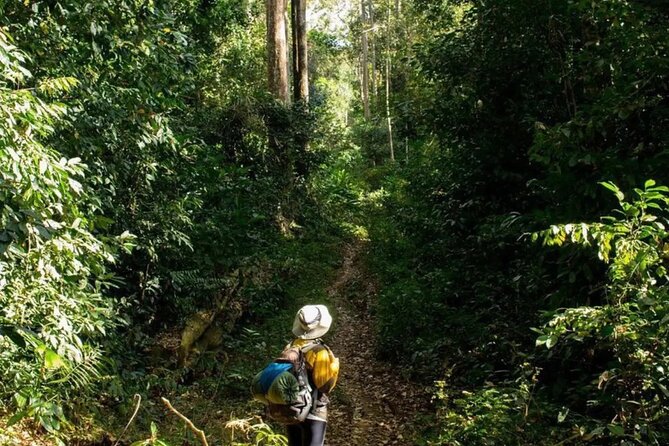
The transfer to Tram Ton Pass is short compared with the trek itself, but it matters. Tram Ton is the practical trailhead for this ascent, allowing you to begin high on the Hoang Lien Son range rather than walking out of Sapa from a much lower elevation.
Your guide gives a short introduction before the climb. This is a useful moment to ask about pace, food, luggage, and the overnight arrangement. Group size is limited to 15 people, which should make it easier for the guide to keep the group together than on a large commercial outing. Still, 15 is not a tiny private group, so you should not expect the pace of a one-to-one mountain guide.
Transport to Tram Ton Pass and back to Sapa is included. That makes the day easier to manage, especially if you have a bus connection after returning. The tour is scheduled to finish in Sapa at about 3:30 PM on the second day, giving you a reasonable chance of booking onward transport, but I would avoid a tight connection.
More 2-Day Trips in Sapa
- Sapa 2 Days 1 Night From Hanoi – Overnight in Ta Van Village
★ 5.0 · 2,669 reviews - Hanoi – Sapa 2 Days 1 Night Overnight At Homestay
★ 5.0 · 899 reviews - From Hanoi: 2-Day Sapa Trekking Trip with Homestay & Meals
★ 4.8 · 704 reviews
The first climb: pine, bamboo, and cardamom
The lower part of the route introduces you to the mountain’s changing plant life. Your guide explains local cardamom plants and how they are used in the area. This is one of the better details of the trip because it gives the walk a local purpose beyond simply gaining height.
As you climb toward roughly 2,200 meters, the vegetation changes. Giant, centuries-old pine trees and broad areas of yellow bamboo mark the higher sections. The route is part of the Hoang Lien National Park, a protected area known for its plant and animal variety, including more than 100 types of orchids.
You might see mountain goats or langur monkeys, but wildlife is never guaranteed. The sensible reason to choose this route is the steady change in the mountain environment, not a promise of animal sightings.
The plan allows about two hours at Tram Ton Pass and includes a one-hour picnic lunch during the climb to around 2,200 meters. Lunch is included, as are two lunches across the trip, dinner, and breakfast. Meals are a practical advantage on a remote hike, though you should bring money for extra drinks, since bottled water or beer at the overnight stop costs extra.
Each person receives one large bottle of water. That is helpful, but it is not a complete hydration plan for a demanding two-day climb. Carry enough personal water if you know you drink heavily during exercise, and ask the guide how much additional water can be obtained.
Porter support and the real effort of the route
A porter is provided for every three people. This does not mean you can bring a large suitcase. You should still carry a small daypack with clothing, rain protection, personal items, and anything you need overnight.
The porter arrangement is valuable because a steep mountain route feels very different when you are carrying only the essentials. It also gives the group a shared support system. The tradeoff is that your belongings may be distributed among the group rather than kept entirely in your own bag, so pack items in a compact, secure way.
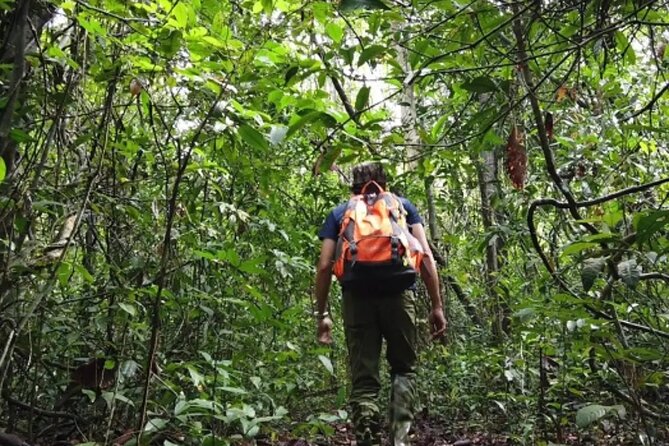
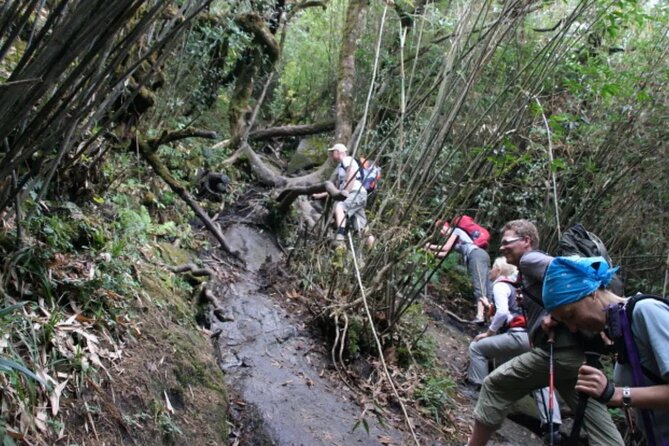
The tour asks for a moderate level of physical fitness. That phrase should be taken seriously. The path rises steadily, the second morning begins early, and the route can be muddy in wet weather. One useful piece of advice is to bring a headlamp, since the final ascent starts while it may still be dark.
Shoes matter just as much. Muddy conditions have been reported in August, and sandals or shoes you do not want to keep are poor choices. Use sturdy footwear with a good grip. Gloves are included, but you may prefer to bring your own if you have a favorite pair for cold or wet weather.
Dinner and the overnight stop
Dinner and breakfast are included, along with an overnight stay connected with the trekking arrangement. The supplied schedule does not give a full description of the sleeping facilities, so confirm whether your departure date uses a homestay or another local overnight setup.
That uncertainty is worth clearing up before payment, especially if you care about bedding, bathrooms, privacy, or luggage access. The trip is built around a simple mountain night rather than a polished hotel stay. That can be part of its appeal, but it is best to arrive with realistic expectations.
The food has been a strong part of the experience for several people, with dinner, breakfast, and lunches prepared as part of the trek. Do not expect a restaurant menu at altitude. You are paying for hot, useful meals in the middle of a strenuous route, which is more important than culinary choice here.
The local element also matters. The operator describes itself as a small Sapa group of local Hmong people. Your guide may be able to explain plants, villages, and daily life in ways a guide from outside the area could not. Names connected with this trek include Pao, Zhu, Chu, and Phung. Zhu is especially noted for clear English and a warm, accommodating manner, while Chu is described as patient and quiet. Pao is associated with strong route explanations and careful attention to the group.
Guide assignment can change, so you should not book expecting one particular person unless the company confirms it.
More Trekking Tours in Sapa
- Sa Pa: Muong Hoa Valley Trek and Local Ethnic Villages
★ 4.6 · 864 reviews - Sapa 3 Days 2 Nights Trekking Tour (1 Night In Ta Van Village, 1 Night In Hotel)
★ 5.0 · 699 reviews - Sapa: Eco Adventure Terrace Fields and Local Villages Trek
★ 4.9 · 636 reviews - 3-Day Trekking Adventure of Sapa from Hanoi – Stay Ta Van Village
★ 5.0 · 611 reviews
The pre-sunrise push to Fansipan Peak
Breakfast is planned for around 6 to 6:30 AM. After eating, you begin the final stage toward the summit. The schedule allows about 1.5 hours to reach Fansipan Peak, followed by roughly an hour at the summit area.
This timing is one of the most memorable features of the route. You are climbing before the day fully begins, with the main goal ahead and the mountain around you. It also explains why a headlamp is such a useful addition, even though one is not included.
At the top, you can take in the summit area and enjoy the achievement before descending. The view depends heavily on the weather. Cloud can cover the surrounding mountains, and a summit reached in mist may offer little long-distance scenery. That is not a flaw unique to this tour. It is the basic gamble of a high mountain.
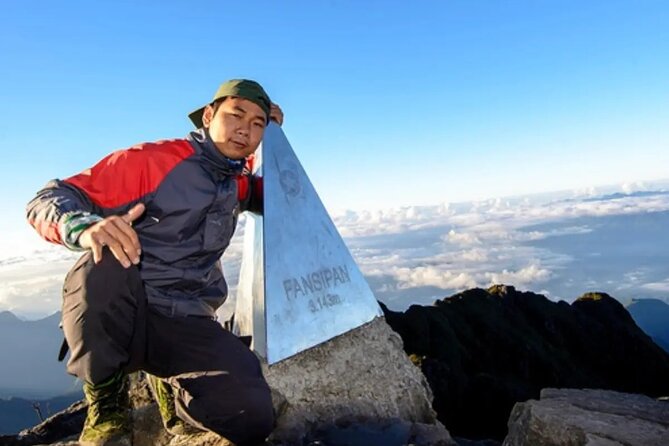
The summit itself remains worthwhile even when the view is poor. You have crossed a difficult route on foot and reached the highest point in Vietnam, commonly known as the Roof of Indochina. A Fansipan summiting certificate is included, giving you a small but fitting reminder of the effort.
There is also an optional return by cable car, at extra cost. The supplied information does not state the price or exact arrangement, so ask the operator before the trip if you think your knees may prefer a quicker descent. The cable car option can be useful after a hard climb, but taking it may reduce the sense of completing the full route on foot.
Returning to Sapa by about 3:30 PM
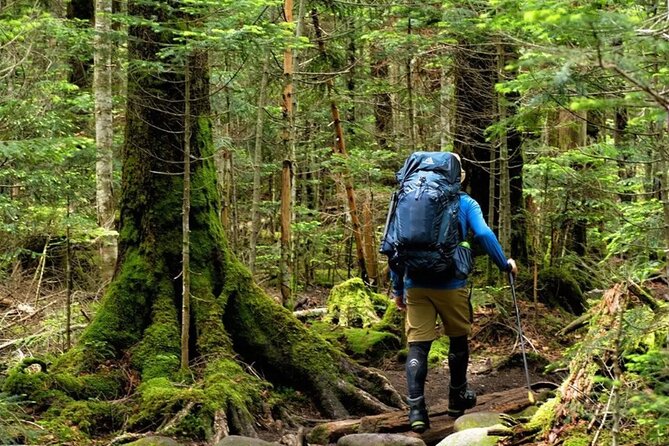
After the summit stop, you continue back to Tram Ton Pass. The planned arrival is around 3 PM, when your driver collects you for the ride back to Sapa. The tour ends in town at about 3:30 PM.
This return time is important if you are using Sapa as a short stop between buses or trains. I would leave a safety margin, since mountain weather, group pace, and trail conditions can all affect the schedule. The tour includes return transport, but it does not cover your onward ticket.
Because the route is demanding, the descent may not feel like an easy afterthought. Tired legs can make steep or muddy sections awkward. Take your time, listen to the guide, and do not treat the final hours as a race.
What the $185 price really covers
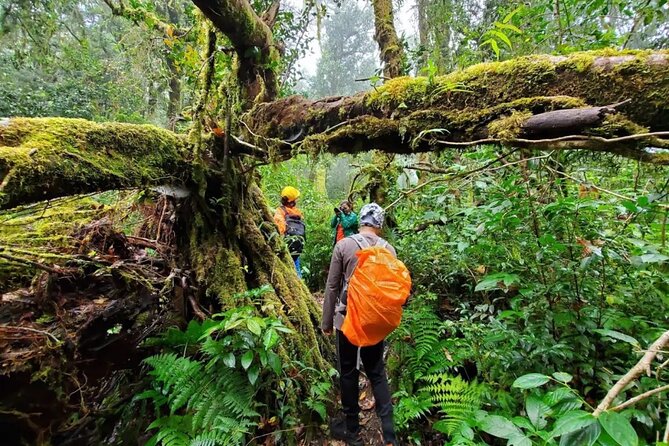
At $185 per person, the price is not just a guiding fee. It covers national park entry, transport from Sapa to Tram Ton Pass and back, an English-speaking local guide, porter service, two lunches, dinner, breakfast, water, gloves, and a summit certificate.
That package makes the price reasonable for someone who wants the difficult parts organized. You are not arranging a trailhead transfer, finding a porter, sorting out park access, or carrying all group provisions yourself. The local guide is also a major part of the value, particularly on a route where weather and pace matter.
You still pay for personal travel insurance, extra drinks, tips, the optional cable-car return, and expenses outside the program. Tips for the guide, porter, and driver are not included, so budget for them separately.
The trip is booked an average of 41 days ahead, which suggests you should not leave planning until the last moment if your dates are fixed. Confirmation is received at booking, and mobile tickets are supported.
Who should choose this Fansipan trek?
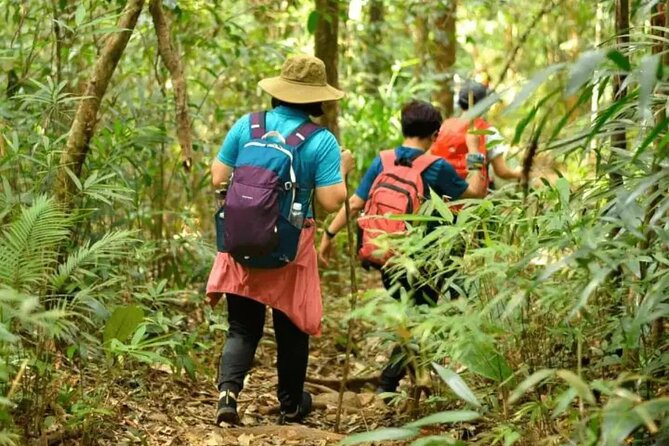
I would choose this trip if you want to reach Fansipan under your own power but prefer not to organize every moving part yourself. It suits people who can handle a sustained mountain walk, early starts, basic overnight conditions, and changing weather.
It is a good fit for:
- Hikers with moderate fitness who want a serious two-day challenge
- People who value local Hmong guides and explanations of plants and village life
- Small groups, couples, and families with older children who can manage the route
- Visitors who want meals, park entry, transport, and porter support bundled together
- Anyone who wants the option of a cable-car descent after the summit
I would think twice if you want a relaxed sightseeing trip, a guaranteed clear view, or a fixed luxury standard at the overnight stop. The mountain may be cloudy, the path may be muddy, and the early start is part of the deal.
Free cancellation is available up to 24 hours before the local start time. Poor weather or an insufficient number of bookings can cause the operator to cancel, in which case you are offered another date or a full refund.
Should you book the two-day Fansipan trek?
Book it if the achievement matters more to you than comfort. The best parts are the changing mountain vegetation, the local Hmong guidance, the practical porter help, and the feeling of earning the summit rather than simply arriving by cable car.
Go in prepared. Confirm the pickup time, ask about the overnight accommodation, bring a headlamp, wear shoes that can handle mud, and leave room in your schedule after the 3:30 PM return. If you accept the weather risk and arrive reasonably fit, this is a well-supported way to tackle Fansipan without turning the planning into a second expedition.
FAQ
Where does the Fansipan trek start?
The meeting point is Sapa Church on Ham Rong Street, or pickup can be arranged from your hotel in Sapa.
What time does the tour start?
The meeting information lists 9 AM, while the day plan gives an 8:30 AM meeting time. Confirm the exact pickup time with the operator before departure.
How long does the tour last?
The experience lasts approximately two days and is scheduled to finish back in Sapa at about 3:30 PM on the second day.
How large is the group?
The maximum group size is 15 people.
What level of fitness is required?
You should have a moderate level of physical fitness. The route is a challenging mountain trek with an early final ascent.
Is a guide included?
Yes. An English-speaking local guide is included. Guides associated with this trek include Pao, Zhu, Chu, and Phung, though assignment may vary.
Is porter service included?
Yes. One porter is shared by three people.
What meals are included?
The package includes two lunches, dinner, and breakfast.
Is transport included?
Yes. Transport from Sapa to Tram Ton Pass and back to Sapa is included.
Is the cable car back to Sapa included?
No. A return by cable car is optional and costs extra.
What happens if the weather is bad?
If poor weather causes cancellation, you are offered a different date or a full refund.
Can I cancel for a full refund?
Yes. You can cancel at least 24 hours before the experience start time for a full refund. Changes or cancellations made less than 24 hours before the start are not accepted for a refund.
More 2-Day Experiences in Sapa
- Sapa 2 Days 1 Night From Hanoi – Overnight in Hotel
★ 5.0 · 440 reviews - From Hanoi: 2-Day Sapa Limo Bus Tour & Fansipan Peak Visit
★ 4.6 · 277 reviews - From Hanoi: 2-Day Sapa Trek Tour – Luxury Limousine Transfer
★ 4.1 · 249 reviews - 2-Day Sapa Guided Tour Slipping in Homestay From Hanoi
★ 5.0 · 243 reviews
More Treks Within Reach
- Number one top rated ethical cultural trekking and homestay by ETHOS
★ 5.0 · 456 reviews - 2-Day Sa Pa Ethnic Homestay Tour & Trek with Limousine Bus
★ 4.8 · 440 reviews - From Sapa: 1-Day Guided Trek to Lao Chai & Ta Van with Lunch
★ 4.9 · 416 reviews - Sa Pa Full Day Trekking Tour
★ 5.0 · 414 reviews
Just added around Sapa
- Sapa 1 Day Trekking★ 5.0 · 9 reviews
- Half Day Sapa Cat Cat Explore Waterfall, Workshop, H’mong Local★ 5.0 · 9 reviews
- Sapa Open Air Jeep Half Days Off the Beaten Track, Backroad★ 4.9 · 9 reviews
- Fansipan Mount Trekking 1 Day★ 5.0 · 9 reviews
- Sapa: Motorbike Tour to Hidden Villages & Terraced Fields★ 5.0 · 9 reviews
- Sapa 3 Day Trekking with 2 Nights Homestay★ 5.0 · 9 reviews
- 8-Day Discover Northern Vietnam Highlight: Hanoi – Ninh Binh – Sapa – Halong Bay★ 5.0 · 9 reviews
- SaPa: 2-Day Villages,Rice Fields, Love Waterfall Hiking Tour★ 5.0 · 9 reviews
Trekking Tours in Sapa, compared.

Muong Hoa Valley Trek and Local Ethnic Villages
Read our review →

Sapa 3 Days 2 Nights Trekking Tour (1 Night In Ta Van Village, 1 Night In Hotel)
Read our review →
Eco Adventure Terrace Fields and Local Villages Trek
Read our review →
3-Day Trekking Adventure of Sapa from Hanoi – Stay Ta Van Village
Read our review →
Number one top rated ethical cultural trekking and homestay by ETHOS
Read our review →
2-Day Sa Pa Ethnic Homestay Tour & Trek with Limousine Bus
Read our review →
1-Day Guided Trek to Lao Chai & Ta Van with Lunch
Read our review →Browse the lists this tour appears in