
Reviewed · TREKKING TOURS IN SAPA
Mountain views & Rice Terraced Fields Hiking – 2D 1N
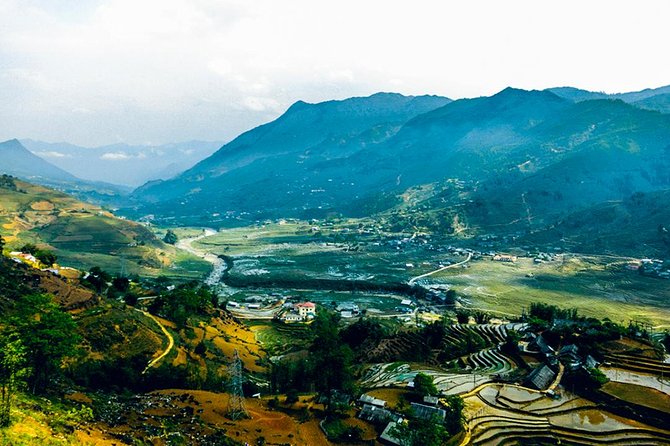
Sapa’s best views come when you leave the town behind, and this two-day trek does exactly that. You walk through rice terraces, mountain valleys, and villages connected by small paths, with time to see how Hmong, Giay, and Red Dao communities live and work.
I like the small maximum group of 10, which should make the walking and village visits more personal. I also like the practical value: two lunches, dinner, breakfast, a homestay, village fees, water, a guide, and transport back to Sapa are included for $90.
The main thing to consider is the physical effort. You need moderate fitness, and the route includes uphill and downhill walking on uneven trails. Rain can also change the plan, so this is not the right pick if you want a weather-proof sightseeing day.
In This Review
- Key points to know before you book
- Why this Sapa trek is different from a town-based outing
- Day one starts with Hang Da’s wide mountain views
- Hau Thao brings the overnight stay and village life
- Day two follows the path to Giang Ta Chai
- Ta Van shows the meeting of Giay and Black Hmong cultures
- What the $90 price really covers
- Fitness, weather, and what to pack
- Who will enjoy this two-day route
- Should you book the Mountain Views and Rice Terraced Fields Hiking tour?
- FAQ
- How long does the tour last?
- Where does the tour start?
- What time does the trek begin?
- Which ethnic communities do you see?
- Is accommodation included?
- Are meals included?
- Can I cancel for a full refund?
Key points to know before you book
- Five ethnic-minority villages: The route introduces you to Hmong, Giay, and Red Dao communities around Sapa.
- Hang Da’s mountain outlook: The first morning begins with a short uphill walk to broad views over the surrounding valleys.
- One night in a homestay: You spend the night in Hau Thao rather than returning to Sapa.
- Giang Ta Chai waterfall: Day two includes a descent to the village and a waterfall stop.
- Meals and return transport included: Lunches, dinner, breakfast, village fees, water, and the ride back to Sapa are covered.
- A compact group: The tour accepts no more than 10 people, a useful size for a guided village walk.
Why this Sapa trek is different from a town-based outing
Sapa is easy to enjoy from a café or hotel terrace, but the town itself gives you only a small piece of the region. The real appeal of this trip is the move into the valleys, where terraced fields and village paths replace hotel streets.
The tour visits five villages connected with Hmong, Giay, and Red Dao ethnic minorities. The named stops are Hang Da, Hau Thao, Giang Ta Chai, and Ta Van, with the route reaching additional village areas along the way. That mix gives the trip more cultural range than a simple walk to one nearby village.
Your guide is not just there to point out a waterfall or tell you where to walk. The tour focuses on customs, work, house-building methods, rice cultivation, and Hmong marriage traditions. Those subjects matter because they help you read what you see instead of treating the villages as scenery alone.
A local Hmong guide is part of the experience, and San is one guide associated with this trek. If San leads your walk, you can expect a guide who has been especially praised for explaining local life clearly and for taking the group beyond the busiest paths.
More 2-Day Trips in Sapa
- Sapa 2 Days 1 Night From Hanoi – Overnight in Ta Van Village
★ 5.0 · 2,669 reviews - Hanoi – Sapa 2 Days 1 Night Overnight At Homestay
★ 5.0 · 899 reviews - From Hanoi: 2-Day Sapa Trekking Trip with Homestay & Meals
★ 4.8 · 704 reviews
Day one starts with Hang Da’s wide mountain views
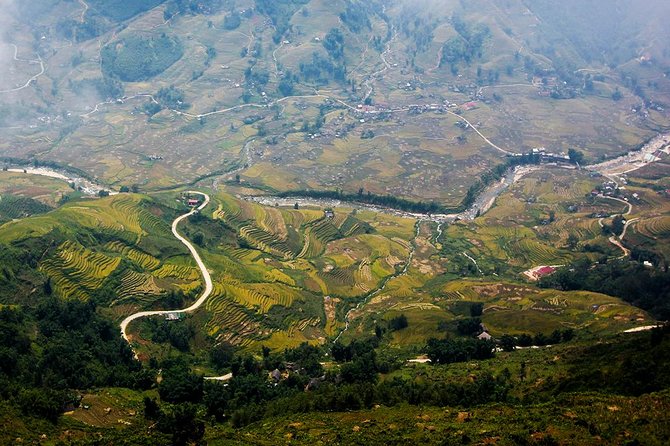
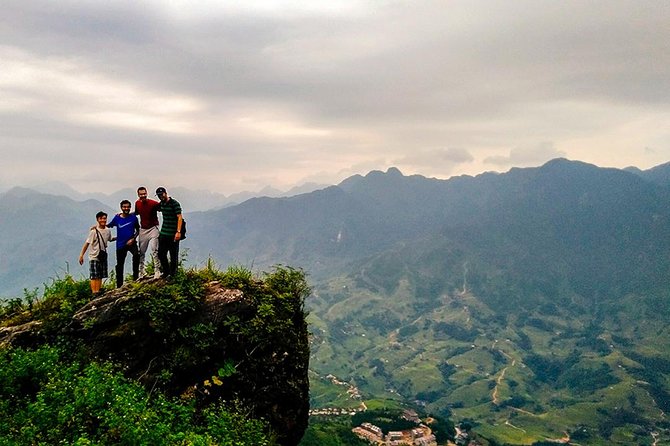
The meeting time is 9 am at your hotel in Sapa or at Sapa’s main church on Ham Rong Street. After a short introduction, you walk about 1 kilometer uphill on a small trail toward the mountain viewpoints near Hang Da.
This first section sets the tone. It is not a long hike by itself, but it gives you an early look at the slopes, valleys, and cultivated terraces around Sapa. I like starting with a viewpoint because it helps you understand the route before you enter the villages below.
The path is uphill, so do not treat the opening hour as a casual stroll. Wear shoes with a firm grip and bring clothes that can handle changing mountain weather. The tour includes one large bottle of water per person, but you should still arrive ready for a day on foot.
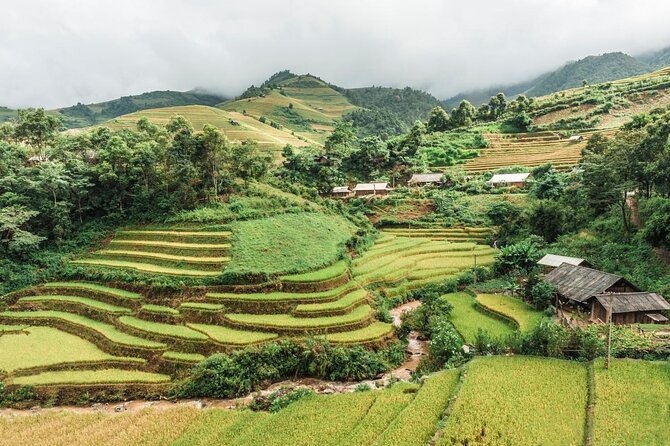
Hang Da is also a good place to slow down and look at the way rice fields follow the contours of the hills. The terraces are not decoration. They are working farmland, shaped over time to make steep ground useful for rice growing.
Hau Thao brings the overnight stay and village life
After the morning walk, lunch is part of the day’s plan before the route continues toward Hau Thao. You head down a smaller road into a Black Hmong village, where the focus shifts from viewpoints to daily life.
Hau Thao is where you stay overnight in a local homestay. That makes a real difference to the pace of the trip. Instead of rushing through a village and returning to Sapa, you have a place in the valley for the night and can experience the route as a two-day journey.
The cultural explanations are one of the strongest reasons to choose this tour. Your guide can discuss Hmong marriage traditions, rice-field work, and house-building techniques, along with other customs. These details give meaning to the homes, fields, paths, and working areas you pass.
The homestay is simple rather than hotel-like. Dinner is included, as is breakfast the next morning, but extra drinks such as beer or bottled water cost more. Bring a modest attitude about comfort. The point is local accommodation and a closer connection to village life, not resort service.
The itinerary gives only a short stated stop time for Hau Thao, but the village also serves as the overnight base. That means the actual feel of the stop depends on the walking pace, meal timing, and what your guide shows you. If you want long, formal visits inside homes, confirm the details before booking.
Day two follows the path to Giang Ta Chai
After breakfast at the homestay, the second day begins with a trek from Hau Thao toward Giang Ta Chai. The path leads downhill, and you get a different view of the area than on day one.
Giang Ta Chai is associated with the Red Dao community, and the stop includes a waterfall. This is a welcome change from the open rice terraces. The sound and movement of falling water give you a natural pause during a day that otherwise centers on trails, slopes, and village life.
The descent is part of the attraction, but it is also the section to take seriously. Downhill paths can put more strain on your knees than a steady flat walk, especially after the first day. Use the time given by your guide, watch your footing, and do not assume the route will be paved.
The tour description gives about an hour for this stop. That should allow time to see the waterfall and take photographs, though conditions and walking speed can affect the schedule. Sapa’s weather can change quickly, and wet ground may make the route slower.
More Trekking Tours in Sapa
- Sa Pa: Muong Hoa Valley Trek and Local Ethnic Villages
★ 4.6 · 864 reviews - Sapa 3 Days 2 Nights Trekking Tour (1 Night In Ta Van Village, 1 Night In Hotel)
★ 5.0 · 699 reviews - Sapa: Eco Adventure Terrace Fields and Local Villages Trek
★ 4.9 · 636 reviews - 3-Day Trekking Adventure of Sapa from Hanoi – Stay Ta Van Village
★ 5.0 · 611 reviews
Ta Van shows the meeting of Giay and Black Hmong cultures
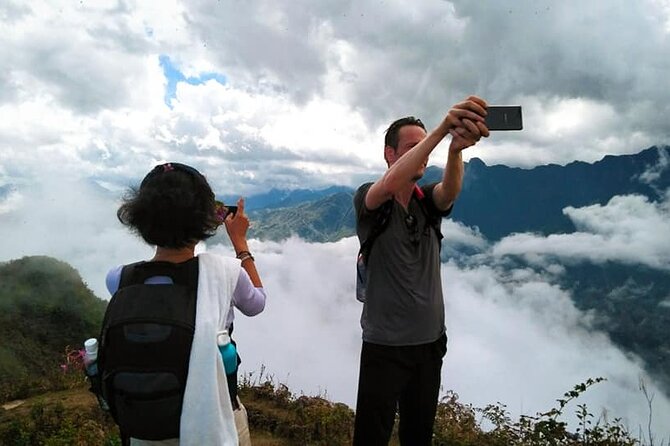
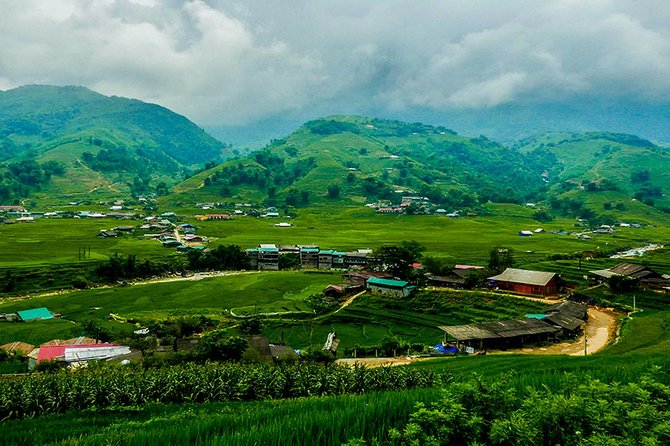
From Giang Ta Chai, you continue downhill to Ta Van village. Here you see both Giay and Black Hmong communities, giving the final part of the trek another cultural layer.
Ta Van is useful as a closing stop because it brings together groups you have been learning about separately. Instead of hearing about ethnic identity as a simple label, you can compare the villages, homes, farming areas, and customs your guide has explained along the way.
The route is not built around a long list of formal attractions. Its value comes from walking through the area and seeing how the villages fit into the valley. You should choose it for the combination of mountain views, fields, village life, and explanations, not for a packed schedule of ticketed sights.
Once the village portion ends, transport back to Sapa is included. This is an important practical benefit. After two days of walking, you do not need to arrange your own ride from the valley.
What the $90 price really covers
At $90 per person, the tour offers solid value if you want an overnight trek rather than a short half-day walk. The price includes:
- Two lunches
- One dinner
- One breakfast
- One night in a homestay
- Village entry fees
- A local guide
- One large bottle of water
- Transport back to Sapa after the trek
The meals and accommodation are the biggest cost advantages. A separate one-night village stay would require its own planning, and you would still need to arrange a guide and return transport. Here, those pieces are combined in one booking.
The price does not include travel insurance, extra drinks at the homestay, or tips. Those exclusions are easy to manage, but you should know about them before setting your budget. The lack of included drinks beyond the supplied water is especially worth noting if you normally buy beverages with dinner.
The group limit of 10 also helps the value. This is not a private trip, but it is small enough to avoid the feel of a large procession on narrow village paths. A smaller group can also make it easier to hear the guide and ask about local customs.
Fitness, weather, and what to pack

You need a moderate level of physical fitness. The route includes a 1-kilometer uphill start, downhill sections, village trails, and a second day of walking after an overnight stay.
You do not need to be a serious hiker based on the information provided, but you should be comfortable walking on uneven ground for much of the day. If hills are difficult for you, ask the provider about current trail conditions before you pay.
Pack light. A small day bag is easier to carry than a large suitcase, especially on narrow paths. Good walking shoes are more important than stylish clothes, and quick-drying layers make sense for mountain weather.
The tour requires good weather. If poor conditions force cancellation, you are offered another date or a full refund. The same applies if the minimum group size is not reached. You can cancel for a full refund if you do so at least 24 hours before the 9 am start time.
Pickup is offered from your Sapa hotel, or you can meet in front of the main church. The activity begins at 9 am and ends back at the meeting point after transport from the villages.
Who will enjoy this two-day route
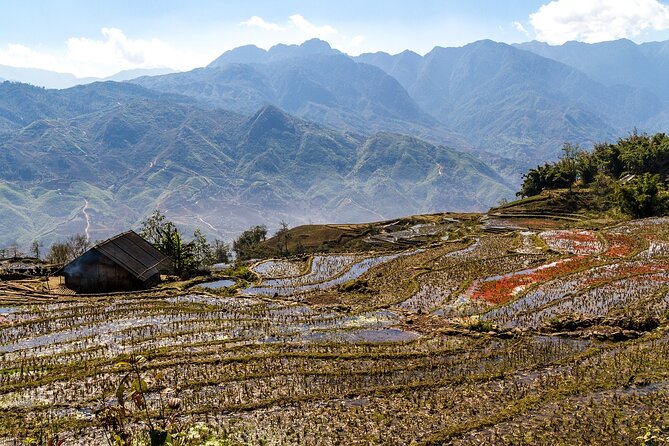
I would choose this trek if you want Sapa’s famous rice terraces but also want time with a local guide and an overnight stay outside town. It suits people who prefer walking and conversation to a fast bus tour.
It is a particularly good fit for you if:
- You want to see more than one ethnic community
- You like learning about customs and working life
- You are comfortable with a basic homestay
- You want meals and return transport arranged
- You prefer a group of 10 or fewer
- You have moderate fitness and can handle hills
It may not suit you if you want private rooms, a fixed luxury standard, or a fully paved route. It is also less suitable if you have only one free afternoon in Sapa, since the overnight stay is central to the experience.
The tour has a very high rating of 4.9 from 99 reviews and a 100 percent recommendation rate. The most repeated strengths are the guide, the food, the homestay, and the route’s quieter feel. One guide named San received particular praise for being helpful and explaining the area well. Those details point to the human side of the trip as its strongest feature.
Should you book the Mountain Views and Rice Terraced Fields Hiking tour?
Book it if you want a well-priced, active introduction to Sapa’s valleys and ethnic communities. The combination of Hang Da viewpoints, Hau Thao’s homestay, Giang Ta Chai waterfall, Ta Van village, included meals, and return transport makes the $90 fare reasonable.
Before booking, be honest about your fitness and comfort with simple accommodation. Also check the weather forecast and confirm who will guide your group, especially if you are hoping for San.
For an authentic-feeling, practical two-day trek with a small group, this is a strong choice. If you prefer comfort over contact with local life, spend your Sapa budget on a hotel-based tour instead.
FAQ
How long does the tour last?
The experience lasts approximately two days and includes one night in a homestay.
Where does the tour start?
You can be picked up at your hotel in Sapa, or meet the guide in front of Sapa’s main church on Ham Rong Street.
What time does the trek begin?
The start time is 9 am.
Which ethnic communities do you see?
The route introduces you to Hmong, Giay, and Red Dao communities in and around Sapa.
Is accommodation included?
Yes. One night in a homestay is included.
Are meals included?
Yes. The tour includes two lunches, one dinner, and one breakfast. Extra drinks at the homestay are not included.
Can I cancel for a full refund?
Yes. You can cancel at least 24 hours before the start time for a full refund. Cancellations or changes made less than 24 hours before the start are not refunded or accepted.
More 2-Day Experiences in Sapa
- Sapa 2 Days 1 Night From Hanoi – Overnight in Hotel
★ 5.0 · 440 reviews - From Hanoi: 2-Day Sapa Limo Bus Tour & Fansipan Peak Visit
★ 4.6 · 277 reviews - From Hanoi: 2-Day Sapa Trek Tour – Luxury Limousine Transfer
★ 4.1 · 249 reviews - 2-Day Sapa Guided Tour Slipping in Homestay From Hanoi
★ 5.0 · 243 reviews
More Treks Within Reach
- Number one top rated ethical cultural trekking and homestay by ETHOS
★ 5.0 · 456 reviews - 2-Day Sa Pa Ethnic Homestay Tour & Trek with Limousine Bus
★ 4.8 · 440 reviews - From Sapa: 1-Day Guided Trek to Lao Chai & Ta Van with Lunch
★ 4.9 · 416 reviews - Sa Pa Full Day Trekking Tour
★ 5.0 · 414 reviews
Just added around Sapa
- Sapa 1 Day Trekking★ 5.0 · 9 reviews
- Half Day Sapa Cat Cat Explore Waterfall, Workshop, H’mong Local★ 5.0 · 9 reviews
- Sapa Open Air Jeep Half Days Off the Beaten Track, Backroad★ 4.9 · 9 reviews
- Fansipan Mount Trekking 1 Day★ 5.0 · 9 reviews
- Sapa: Motorbike Tour to Hidden Villages & Terraced Fields★ 5.0 · 9 reviews
- Sapa 3 Day Trekking with 2 Nights Homestay★ 5.0 · 9 reviews
- 8-Day Discover Northern Vietnam Highlight: Hanoi – Ninh Binh – Sapa – Halong Bay★ 5.0 · 9 reviews
- SaPa: 2-Day Villages,Rice Fields, Love Waterfall Hiking Tour★ 5.0 · 9 reviews
Trekking Tours in Sapa, compared.

Muong Hoa Valley Trek and Local Ethnic Villages
Read our review →

Sapa 3 Days 2 Nights Trekking Tour (1 Night In Ta Van Village, 1 Night In Hotel)
Read our review →
Eco Adventure Terrace Fields and Local Villages Trek
Read our review →
3-Day Trekking Adventure of Sapa from Hanoi – Stay Ta Van Village
Read our review →
Number one top rated ethical cultural trekking and homestay by ETHOS
Read our review →
2-Day Sa Pa Ethnic Homestay Tour & Trek with Limousine Bus
Read our review →
1-Day Guided Trek to Lao Chai & Ta Van with Lunch
Read our review →Browse the lists this tour appears in