
Reviewed · TREKKING TOURS IN SAPA
Muong Hoa Valley Trek & Homestay Experience – 4D3N
Muong Hoa Valley is best seen on foot, where rice terraces rise above narrow paths and village homes sit far below Sapa’s busy center. This four-day route visits five Hmong, Giay, and Red Dao villages, with time to learn about farming, house building, marriage customs, and daily work.
I like the steady change of scenery, from the terraces around Y Linh Ho and Ta Van to the waterfalls at Giang Ta Chai and the Muong Hoa River near Ban Ho. I also like the local focus: meals, village entry fees, a guide, and transport back to Sapa are included, so you can spend more attention on the people and places.
The main thing to consider is the physical demand and wet-season heat. A June trek can feel much warmer in the valley than in Sapa Town, with one report noting valley temperatures around 31 to 32 C despite cooler weather in town. Paths can also become slippery after rain.
In This Review
- Key things to know before booking
- Why four days makes sense in Muong Hoa Valley
- Day one, from Y Linh Ho to Ta Van
- Day two, Giang Ta Chai and the Red Dao area
- Day three, Ban Ho and Nam Toong
- Day four, following the Muong Hoa River
- What the cultural side adds
- Weather, fitness, and what to bring
- Price, group size, and the practical details
- Who should choose this four-day route?
- Should you book Muong Hoa Valley Trek and Homestay Experience?
- FAQ
- Where does the trek start?
- Where does the experience end?
- How long does the experience last?
- Which villages are included?
- Which ethnic communities will I learn about?
- Are meals included?
- Is water included?
- How fit do I need to be?
- What happens if the weather is poor?
Key things to know before booking
- Five ethnic villages in four days: The route connects Hmong, Giay, and Red Dao communities rather than stopping at one easy-to-reach village.
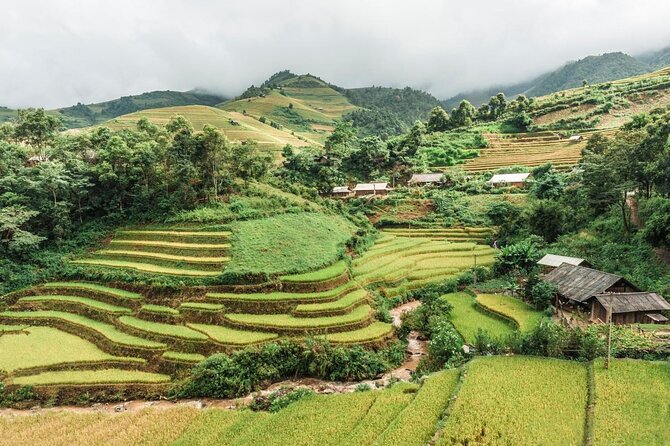
- Rice terraces are a major feature: Y Linh Ho and Ta Van offer some of the trip’s broadest mountain views and most impressive farming scenery.
- A local guide adds cultural context: You learn about Hmong marriage traditions, rice cultivation, home building, and the customs of Red Dao communities.
- The route changes pace on the final day: The walk from Thanh Phu back to Ban Ho follows the Muong Hoa River and is described as an easier finish.
- Meals are built into the price: Three dinners, four lunches, and three breakfasts are included, along with one large bottle of water per person.
- It is a small-group experience: The maximum group size is 15, and you need a moderate level of fitness.
Why four days makes sense in Muong Hoa Valley
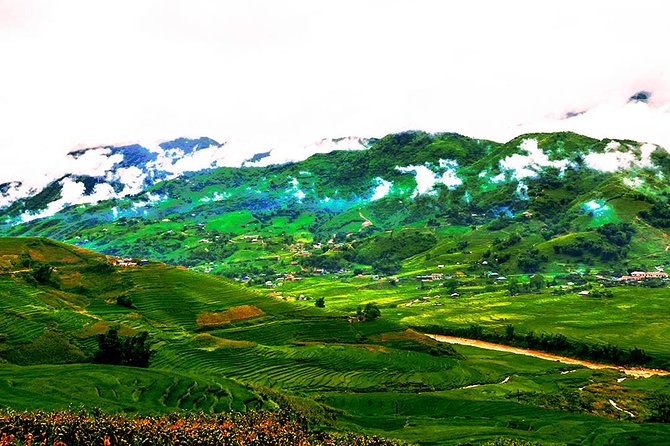
Many Sapa walks are quick trips from town, with a village visit and a return before the day is over. This route takes a different approach. You spend several days moving through the valley, which gives the scenery time to change and lets village visits feel less rushed.
The route also creates a useful contrast. Hmong villages appear early, then the focus shifts toward Red Dao communities around Giang Ta Chai, Nam Toong, and Ban Ho. You are not simply looking at rice terraces from a viewpoint. You are learning how people work the fields, build homes, and maintain local customs.
At $190 per person, the price is not a bargain-basement day walk. But it covers four days of guiding, meals, village entrance fees, accommodation, water, and transport back to Sapa. That makes the value easier to judge: this is aimed at someone who wants a supported multi-day walk, not someone looking for the cheapest way to see Muong Hoa Valley.
The accommodation details deserve a close look before you pay. The inclusions specify one night of homestay accommodation, while the four-day schedule includes overnight village stops. Ask the provider to confirm exactly where each night is spent and what sleeping arrangements apply. That small check can prevent confusion later.
More Trekking Tours in Sapa
- Sa Pa: Muong Hoa Valley Trek and Local Ethnic Villages
★ 4.6 · 864 reviews - From Hanoi: 2-Day Sapa Trekking Trip with Homestay & Meals
★ 4.8 · 704 reviews - Sapa 3 Days 2 Nights Trekking Tour (1 Night In Ta Van Village, 1 Night In Hotel)
★ 5.0 · 699 reviews
Day one, from Y Linh Ho to Ta Van
The first morning begins at 9 am. Your guide meets you at your hotel in Sapa Town or at the main church, then takes you about 2 kilometers down the road toward Cat Cat before the walking portion develops into the valley route.
Y Linh Ho is an excellent opening stop because it puts the terraces and mountain setting in front of you early. The views are not the polished kind you get from a marked lookout. You are moving through working countryside, with paths, slopes, and fields shaping the day.
The walk toward Ta Van is where the route begins to feel like a real trek rather than a village excursion. You can expect large rice terraces and views toward the Hoang Lien mountain range. The scenery is the main reward, but the terrain asks something from you. Moderate fitness is required, and warm valley weather can make this first day harder than the temperature in Sapa suggests.
Ta Van is also important for cultural reasons. The wider route introduces Hmong, Giay, and Red Dao traditions, and Ta Van is one of the places where you begin to see how village life fits into the valley. Your guide can explain the work behind the rice fields and the construction of local homes, giving the views more meaning than a quick photo stop would.
Bring shoes with dependable grip. The route can be wet, and rain may turn packed earth into mud. You also need room in your day for a slower walking pace. The published stop descriptions give only brief time estimates, but the experience is sold as a multi-day trek, not a series of timed museum visits.
Day two, Giang Ta Chai and the Red Dao area
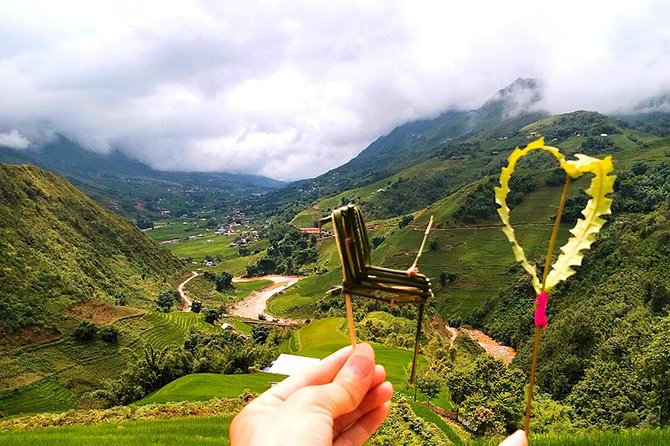
After breakfast, the route climbs toward Giang Ta Chai and its waterfalls. This is a useful change from the open terrace views of day one. Water, forested slopes, and uphill walking shape the morning, so you should expect your legs to work harder.
Giang Ta Chai brings you into a Red Dao area. The cultural discussion here is one of the stronger reasons to choose this route over a standard scenic walk. Your guide explains Red Dao customs and traditions, helping you understand the community rather than treating it as a backdrop.
The provider describes its guides as local Hmong people from Sapa, and the response to one guest was signed by Sinh. If having a particular guide matters to you, ask at booking if Sinh will lead your departure. A local guide can help you read the setting in ways a generic route guide may not, especially when the subject turns to marriage traditions, farming, and village life.
The waterfall stop gives the day a natural focal point, but do not assume it is a gentle stroll. The route includes an uphill section, and wet conditions are possible. A one-liter bottle is not specifically promised, only one large bottle of water per person, so carry additional water if you know you drink heavily in warm weather. Extra drinks at the homestay are not included.
Day three, Ban Ho and Nam Toong
Day three centers on Ban Ho, followed by a walk of about 3 kilometers to Nam Toong. The shorter distance does not automatically make this an easy day. Valley routes can include uneven ground and slopes, and your overall tiredness matters by this point.
Nam Toong is a Red Dao village where the guide provides more detail about the community. This is a good part of the schedule for you if cultural contact matters as much as mountain scenery. The route gives the guide time to discuss Red Dao life in a specific place, rather than offering a broad explanation while you are hurrying past.
Ban Ho also serves as an overnight-area base in the schedule, with breakfast mentioned before the walk to Nam Toong. The exact accommodation plan should be confirmed because the published inclusions list only one homestay night. Do not assume every night has identical facilities, bedding, or meal arrangements.
Homestay travel is simple by design. You are paying for a local stay and a supported route, not hotel-style privacy. Extra drinks, including bottled water or beer at the homestay, cost more. Personal travel insurance and tips are also outside the price.
The meal plan is generous enough to reduce daily planning: three dinners, four lunches, and three breakfasts are included. That matters on a walking trip. You do not need to spend each evening finding a restaurant, though you should tell the provider about any dietary needs before departure because no special meal information is provided.
More Sapa escapes from Sapa:
- Sapa 2 Days 1 Night From Hanoi – Overnight in Ta Van Village
★ 5.0 · 2,669 reviews - Hanoi – Sapa 2 Days 1 Night Overnight At Homestay
★ 5.0 · 899 reviews - Sapa: Fansipan Cable, Cat Cat Village & Moana Instagram Tour
★ 5.0 · 777 reviews - Sapa: Eco Adventure Terrace Fields and Local Villages Trek
★ 4.9 · 636 reviews
Day four, following the Muong Hoa River
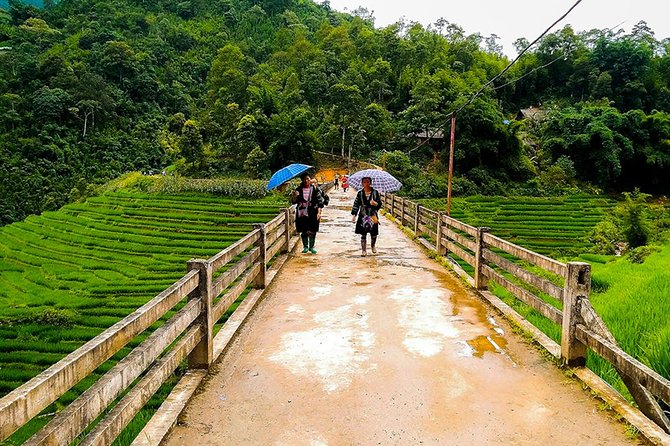
The final morning begins with breakfast in the Ban Ho area. You then walk from Thanh Phu back to Ban Ho by a different route, following the Muong Hoa River.
This is described as an easier walk, which makes good sense after three days on mountain paths. The river route gives you a calmer finish, with water and valley scenery replacing the more demanding climbs. It is still a walk, not a free morning, so keep your walking shoes on and leave enough energy for the return.
Transport takes you back to Sapa after the village portion ends. The activity ends at the original meeting point near Sapa Church, which keeps the return simple if you are staying in town or connecting to another Sapa plan.
The final day is also a practical reason to choose four days instead of compressing the same area into a rushed excursion. You get a proper ending rather than finishing at the height of the hardest section.
What the cultural side adds
The strongest part of this experience is the link between scenery and everyday work. Rice terraces are beautiful, but they are also labor-intensive farming systems. A guide who explains planting, field work, and local house building helps you see why the valley looks the way it does.
The route also introduces different communities without suggesting that they are all the same. Hmong, Giay, and Red Dao villages have distinct customs, and the guide discusses subjects such as Hmong marriage traditions and Red Dao culture. That variety gives the four days a clear purpose beyond collecting village names.
You should approach these places with the usual care. Follow your guide’s advice about where to walk and what to photograph. The experience is built around local communities, so patience and respect matter more than trying to turn every moment into a photo opportunity.
The small maximum group of 15 helps here. It is not a private walk, but it is more manageable than a large coach group. A smaller party also makes it easier to hear the guide and keep a shared pace on narrow paths.
Weather, fitness, and what to bring
The tour requires moderate physical fitness. That phrase should be taken seriously. You will walk for several days, climb toward Giang Ta Chai, and cover about 3 kilometers between Ban Ho and Nam Toong before the return route on day four.
Weather can change the character of the walk. The June experience described in the information took place during the summer wet season. Sapa was around 23 C, but much of the valley was 31 to 32 C. Rain did not arrive during that particular walk, yet wet-season conditions remain a real consideration.
Pack light, but prepare for both heat and rain:
- Shoes with good grip
- Lightweight clothing that dries quickly
- Rain protection
- Extra drinking water money or supplies
- A small bag for several days of walking
- Personal travel insurance details
The tour provides one large bottle of water per person. That is useful for the start, but it may not be enough for every person across a warm walking day. Extra drinks are not included, so plan accordingly.
The activity requires good weather and may be canceled if conditions are poor. In that case, you are offered another date or a full refund. The minimum number of participants also needs to be met.
Price, group size, and the practical details
The $190 price includes a lot of the costs that can quietly build up on a multi-day trip. Village entrance fees, guiding, meals, one homestay night, water, and transport back to Sapa are all covered. For someone who wants one booking to handle the main route costs, that is a fair package.
It is less attractive if you already have village accommodation or prefer to arrange meals independently. You are paying for structure and local support. Groups booking together may receive a discount, so larger parties should ask for the current group price.
Pickup is offered in Sapa Town, either from your hotel or near the main church. The meeting point is Sapa Church, on P. Ham Rong, and the start time is 9 am. Confirmation is provided at booking, and the activity is near public transportation.
Free cancellation is available up to 24 hours before the start time. Cancellations inside that window are not refunded, and changes are not accepted. Since the route depends on weather and a minimum group size, check your plans before that deadline.
Who should choose this four-day route?
I would choose this experience if you want to walk through the valley rather than view it from a cable car, road, or short lookout visit. It suits you if cultural explanation matters, you are comfortable with basic homestay travel, and you want meals and return transport arranged in advance.
It is also a good match for someone who prefers a small group but does not need a private guide. The maximum of 15 keeps the experience social while avoiding the scale of a big bus excursion.
I would hesitate if you want luxury accommodation, a fixed indoor schedule, or very short walking days. The route includes uphill sections, several days on foot, and changing weather. The homestay information should also be clarified before booking, since only one night is explicitly included in the accommodation details.
The 98 percent recommendation rate and five-star score from 42 ratings point to a well-liked experience, but the most useful takeaway is practical: the route works best when you come prepared for heat, rain, and simple village accommodation.
Should you book Muong Hoa Valley Trek and Homestay Experience?
Book it if you want a four-day cultural trek with rice terraces, waterfalls, river paths, and visits to five ethnic villages. The combination of local guiding, included meals, and transport back to Sapa makes the $190 price reasonable for a supported trip.
Before paying, confirm the exact homestay nights, sleeping arrangements, daily walking expectations, and whether Sinh will be your guide. If you are comfortable with moderate exertion and basic facilities, this route gives you a fuller view of Sapa than a one-day village outing. If comfort and easy walking come first, choose a shorter excursion instead.
FAQ
Where does the trek start?
It starts at 9 am from Sapa Church on P. Ham Rong in Sapa Town. Pickup from your Sapa hotel is also offered.
Where does the experience end?
The activity ends back at the meeting point in Sapa after transport returns you from the villages.
How long does the experience last?
It lasts approximately four days and includes three nights of meals. The accommodation details specify one homestay night, so confirm the full overnight plan before booking.
Which villages are included?
The route visits Y Linh Ho, Ta Van, Giang Ta Chai, Ban Ho, and Nam Toong.
Which ethnic communities will I learn about?
The experience introduces Hmong, Giay, and Red Dao communities and covers their customs, traditions, farming, house building, and other aspects of daily life.
Are meals included?
Yes. The package includes three dinners, four lunches, and three breakfasts.
Is water included?
One large bottle of water per person is included. Extra drinks, such as bottled water or beer at the homestay, are not included.
How fit do I need to be?
You should have a moderate level of physical fitness. The route includes several days of walking, an uphill section toward the Giang Ta Chai waterfalls, and a walk of about 3 kilometers from Ban Ho to Nam Toong.
What happens if the weather is poor?
The experience may be canceled in bad weather. You will then be offered a different date or a full refund. Free cancellation for personal reasons is available up to 24 hours before the start time.
More 4-Day Experiences in Sapa
- From SaPa: 4 Day Ha Giang Loop Motorbike Tour With Rider
★ 4.8 · 17 reviews - Ha Giang Loop 4 Days 3 Nights Motorbike Tour with easy Rider
★ 5.0 · 972 reviews - Ha Giang Loop Tour 4 Days 3 Nights with Ha Giang Vision Tour
★ 5.0 · 675 reviews - Ha Giang Tour 4 Day-3-Night, English Speaking Guide, Small Group
★ 5.0 · 562 reviews
More Treks Within Reach
- 3-Day Trekking Adventure of Sapa from Hanoi – Stay Ta Van Village
★ 5.0 · 611 reviews - Number one top rated ethical cultural trekking and homestay by ETHOS
★ 5.0 · 456 reviews - 2-Day Sa Pa Ethnic Homestay Tour & Trek with Limousine Bus
★ 4.8 · 440 reviews - From Sapa: 1-Day Guided Trek to Lao Chai & Ta Van with Lunch
★ 4.9 · 416 reviews
Just added around Sapa
- Half Day Sapa Cat Cat Explore Waterfall, Workshop, H’mong Local★ 5.0 · 9 reviews
- Sapa 1 Day Trekking★ 5.0 · 9 reviews
- Sapa Open Air Jeep Half Days Off the Beaten Track, Backroad★ 4.9 · 9 reviews
- Fansipan Mount Trekking 1 Day★ 5.0 · 9 reviews
- Sapa: Motorbike Tour to Hidden Villages & Terraced Fields★ 5.0 · 9 reviews
- Sapa 3 Day Trekking with 2 Nights Homestay★ 5.0 · 9 reviews
- SaPa: 2-Day Villages,Rice Fields, Love Waterfall Hiking Tour★ 5.0 · 9 reviews
- 8-Day Discover Northern Vietnam Highlight: Hanoi – Ninh Binh – Sapa – Halong Bay★ 5.0 · 9 reviews
Trekking Tours in Sapa, compared.

Muong Hoa Valley Trek and Local Ethnic Villages
Read our review →

Sapa 3 Days 2 Nights Trekking Tour (1 Night In Ta Van Village, 1 Night In Hotel)
Read our review →
Eco Adventure Terrace Fields and Local Villages Trek
Read our review →
3-Day Trekking Adventure of Sapa from Hanoi – Stay Ta Van Village
Read our review →
Number one top rated ethical cultural trekking and homestay by ETHOS
Read our review →
2-Day Sa Pa Ethnic Homestay Tour & Trek with Limousine Bus
Read our review →
1-Day Guided Trek to Lao Chai & Ta Van with Lunch
Read our review →Browse the lists this tour appears in