

Reviewed · TREKKING TOURS IN SAPA
Sapa: 3-Day, 3-Night Trek and Hotel with Overnight Train
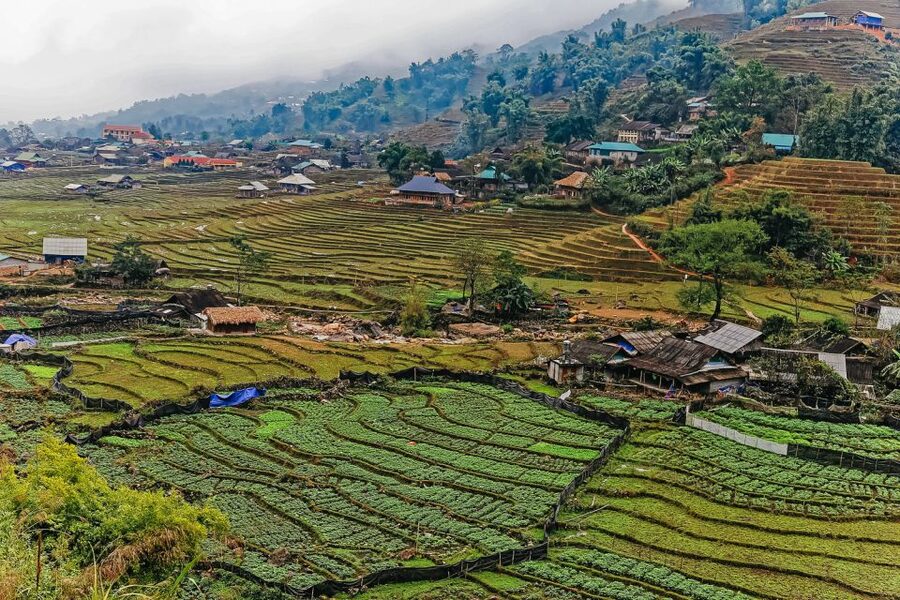
Sapa’s best moments happen on foot, far below the town center. This three-day trek through Muong Hoa Valley leads past Black Hmong villages, rice terraces, bamboo forest, and a Dzay homestay in Ta Van. I like the overnight train because it saves a hotel night, and I like the mix of a comfortable Sapa hotel with one more basic village stay. The main catch is the pace: one trek covers about 9 kilometers and includes steep, muddy sections.
I also like that the route includes more than photo stops. You visit a handicraft center where local women exchange skills, walk through Sin Chai, Lao Chai, and Ta Van, and meet Hmong, Dzay, and Red Dao communities. Guides such as Su Su, Ai, Mai, and Chu have been singled out for friendly conversation and local insight. Just prepare for persistent sellers along the trail, noisy train travel, and a long return to Hanoi.
In This Review
- Key points to know before booking
- From Hanoi station to the Lao Cai mountains
- Day 1: Sin Chai and the quieter edge of Sapa
- Day 2: Y Linh Ho, Lao Chai, and Ta Van
- Day 3: Red Dao villages, bamboo, and the rattan bridge
- What the homestay adds to the trip
- Guides, sellers, and the cultural side of Sapa
- Is $212 good value?
- Who should book this Sapa trek?
- Should you book it?
- FAQ
- How long does the Sapa trek and train experience last?
- Where does the trip begin?
- Can I get picked up from my Hanoi hotel?
- What type of train accommodation is included?
- Where do I sleep in Sapa?
- Which ethnic communities does the trek visit?
- Are meals included?
- What should I bring for the trek?
- Is the trek suitable for children or people with mobility limitations?
Key points to know before booking
- The overnight train saves time: You leave Hanoi at about 10 PM and arrive in Lao Cai the next morning in a shared four-bed air-conditioned cabin.
- The trek covers several communities: Sin Chai, Y Linh Ho, Lao Chai, Ta Van, Giang Ta Chai, and Su Pan each offer a different setting and village experience.
- Ta Van is the heart of the trip: You spend one night with the Dzay people, sharing a simple local stay rather than returning to town.
- You get both comfort and contact: The plan includes one night in a three-star hotel in Sapa and one night at a homestay.
- The route needs sturdy shoes: Mud, rain, hills, and uneven paths can make the 9-kilometer day tiring.
- The price includes the big pieces: At $212 per person, transport, lodging, meals, guide services, entrance fees, and tax are covered, but drinks and personal costs are not.
From Hanoi station to the Lao Cai mountains
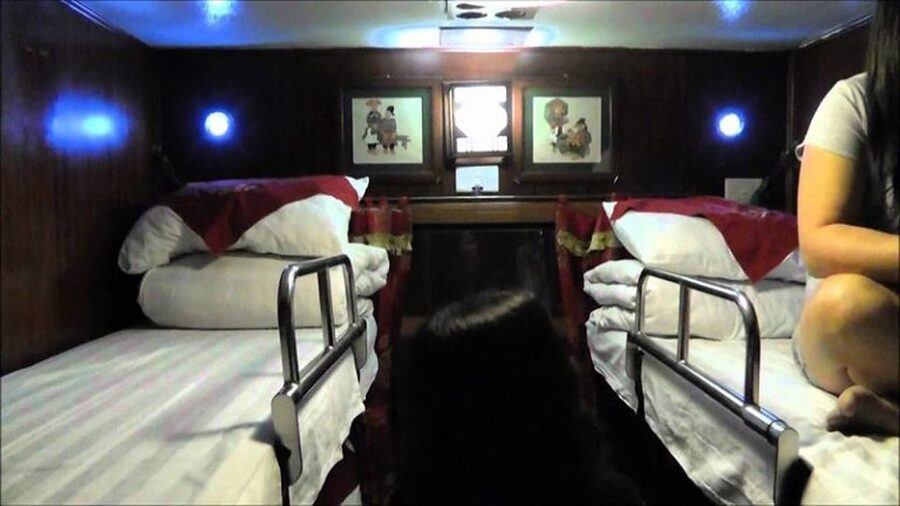
The trip begins in Hanoi, usually with a meeting at the railway station by about 9 PM. You board around 10 PM and spend the night in a shared four-bed air-conditioned cabin. Pickup from a hotel in Hanoi’s Old Quarter is available, though the instructions also tell you to meet at the station and collect your tickets there.
The train is part of the experience, not just a transfer. The berths have soft bedding and air conditioning, but the ride can be noisy and bumpy. The toilet is basic, and you may not be able to choose a top or bottom berth. If you need a lower berth, ask before departure, but do not assume it is guaranteed.
You reach Lao Cai in the early morning, then transfer by shared minibus to Sapa. The ride takes you from the railway town up into the hills, where the air is cooler and the town sits at a much higher altitude than Hanoi. On arrival, the guide takes you to the Sapa hotel so you can leave your luggage and have breakfast.
The timetable is efficient but not gentle. You travel overnight, begin activities soon after arriving, and return to Hanoi late on the final day. Pack a small bag for the trek and keep valuables, medication, warm clothing, and water easy to reach.
More Trekking Tours in Sapa
- Sa Pa: Muong Hoa Valley Trek and Local Ethnic Villages
★ 4.6 · 864 reviews - From Hanoi: 2-Day Sapa Trekking Trip with Homestay & Meals
★ 4.8 · 704 reviews - Sapa 3 Days 2 Nights Trekking Tour (1 Night In Ta Van Village, 1 Night In Hotel)
★ 5.0 · 699 reviews
Day 1: Sin Chai and the quieter edge of Sapa
After breakfast, you walk southwest from Sapa toward Sin Chai, a Black Hmong village more than 2 kilometers from the town center. This is a useful first outing because it gets you away from the cafes, hotels, and tour shops without immediately throwing you into the longest walking day.
Sin Chai is described as simple and rustic, with a slower village rhythm than central Sapa. You may see ordinary highland life rather than a carefully staged cultural show. That is the value of this stop. The visit gives you a first look at how different the nearby villages feel from Sapa town.
The walking is not as demanding as the next day, but the route still has uneven ground. Comfortable shoes are essential. If the weather is wet, expect slippery sections. Sapa can be cold from September through March, while fog is common in December, January, February, and March. Bring a scarf, hat, and a light waterproof layer even if Hanoi feels warm.
After Sin Chai, you return to the hotel for lunch and free time. This break matters. You can rest, walk around Sapa, or simply recover before dinner. Hotel rooms are normally available for check-in at 2 PM, so early access may cost extra. Ask about this when booking if you want a proper shower or a nap after the train.
Dinner is scheduled for 6 PM. The evening is free for exploring Sapa, including simple street snacks such as roasted corn and baked eggs beside charcoal fires. You sleep in a three-star hotel in the center, which gives you a clean and more private night before the homestay.
Day 2: Y Linh Ho, Lao Chai, and Ta Van

This is the trip’s main walking day. After breakfast, you follow the side of Muong Hoa Valley toward Y Linh Ho, a Black Hmong village. The route then continues to Lao Chai, another Hmong community, before crossing rice fields toward Ta Van.
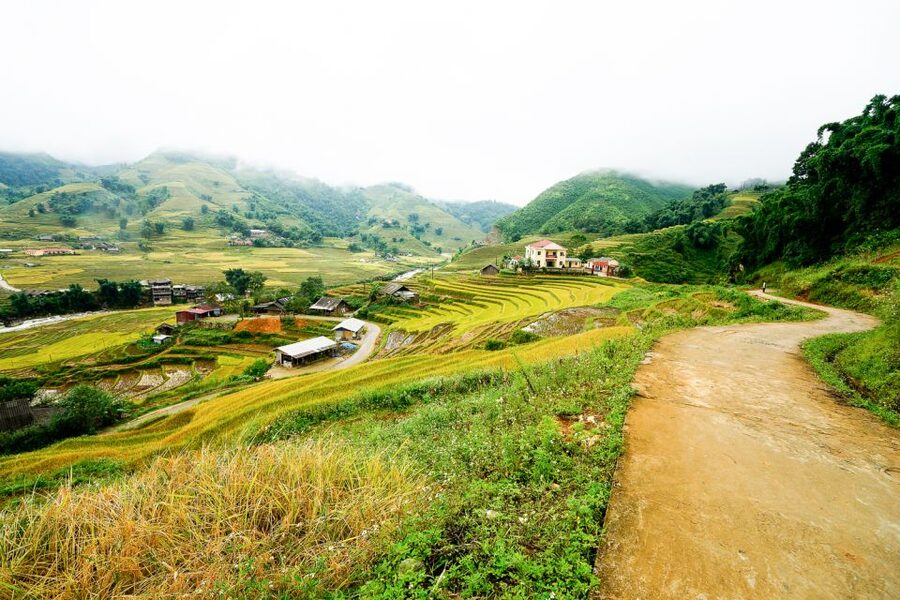
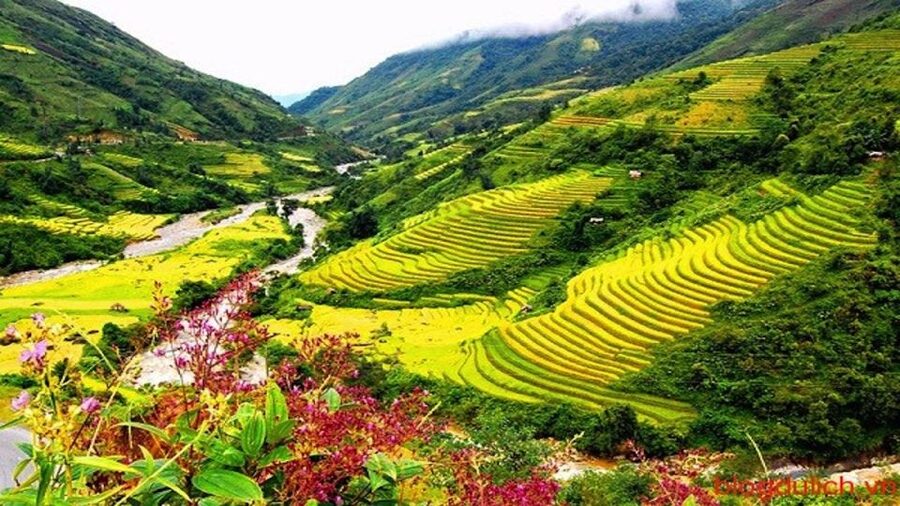
The views are the reason to accept the effort. Muong Hoa Valley opens into broad hills and terraced fields, with villages spread along the slopes. The terraces change character with the season. In May, rice planting can let you see how the fields are prepared, and you may have a chance to try part of the work if conditions allow.
Lao Chai and Y Linh Ho are not identical stops. The route gives you time to notice houses, clothing, farm work, and village paths rather than simply stopping at one lookout. Your guide is important here. A good guide can explain which people are Hmong or Dzay, describe local customs, and help you move through private village areas with respect.
Lunch comes during the route, followed by the walk to Ta Van. The path through the rice terraces can be demanding, especially after rain. A 9-kilometer trek is not recommended for older people or children, and the tour is not suitable for anyone with mobility limitations or wheelchair users. You should be comfortable walking for several hours on uneven ground before booking.
Ta Van is home to the Dzay people and provides the trip’s main homestay experience. The accommodation is simpler than the Sapa hotel, though it is described as clean and welcoming. You stay one night with the Dzay Hill Tribe, eat the included dinner, and get a closer view of village life than a short roadside stop can provide.
Do not expect a resort. The point is the setting and the contact, not polished facilities. Bring only what you need for the night and keep your larger luggage at the Sapa hotel or in the arranged transport, according to your guide’s instructions.
Day 3: Red Dao villages, bamboo, and the rattan bridge
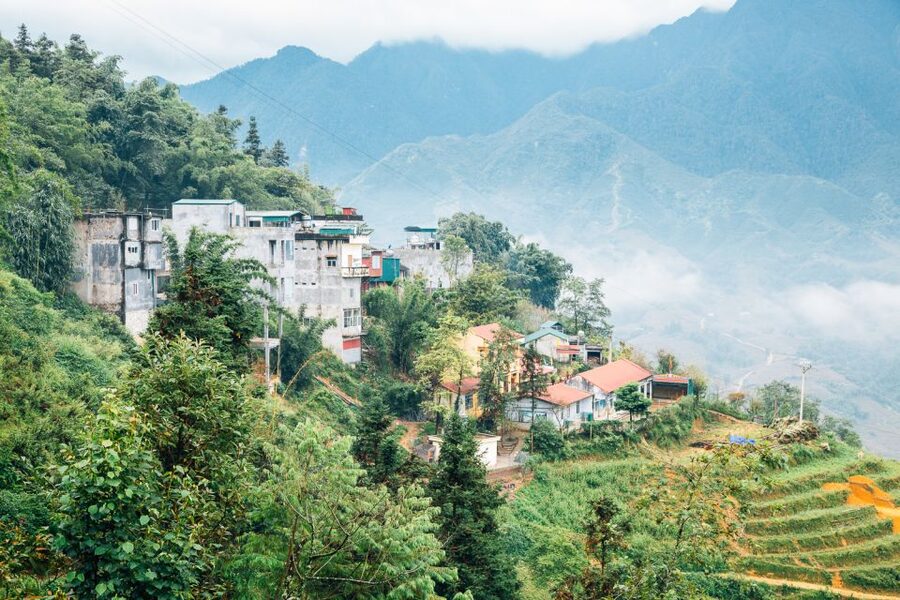
After breakfast in Ta Van, the route continues toward Giang Ta Chai and Su Pan. These stops bring in Red Dao and Hmong communities, giving the trek another cultural layer instead of repeating the same village visit.
The day includes a waterfall, a rattan bridge, and views through bamboo forest. These details make the walking feel varied. You are not simply following a road between villages. You move through forest and hillside paths, with short stops for photographs and explanation.
Conditions will shape the day. In dry weather, the route can be comfortable and scenic. In heavy rain, it becomes much harder, and the trek can feel demanding even for fit walkers. Wear shoes with good grip, carry insect repellent and sunscreen, and protect your phone from rain. Sunglasses are useful when the fog lifts and the sun reaches the open terraces.
Eventually, you reach the main road and take a car back to Sapa. The planned timing allows you to pack and prepare to leave around 2 PM. You then board a limousine minibus toward Hanoi, arriving at roughly 8 or 9 PM.
Check the final drop-off details carefully. The package information describes Hanoi Old Quarter pickup and drop-off, while the meeting-point notes say the activity ends back at the meeting point. One account also reported arriving without a return hotel transfer and facing aggressive taxi offers. Confirm where the limousine will leave you before the return journey, especially if you arrive late at night.
More Sapa escapes from Hanoi:
- Sapa 2 Days 1 Night From Hanoi – Overnight in Ta Van Village
★ 5.0 · 2,669 reviews - Hanoi – Sapa 2 Days 1 Night Overnight At Homestay
★ 5.0 · 899 reviews - Sapa: Fansipan Cable, Cat Cat Village & Moana Instagram Tour
★ 5.0 · 777 reviews - Sapa: Eco Adventure Terrace Fields and Local Villages Trek
★ 4.9 · 636 reviews
What the homestay adds to the trip

The night in Ta Van is more than a cheaper alternative to a hotel. It changes the pace. After walking through several villages, you stay in one of them rather than leaving the valley before dinner.
You can expect a basic local stay with a shared atmosphere. Meals are included, and the food has been praised for being tasty. Drinks are not included, so carry Vietnamese dong for water, coffee, soft drinks, and small purchases.
The homestay is also the part most likely to test your comfort zone. You trade hotel privacy for a closer look at village life. If you need a private bathroom, quiet air conditioning, or a predictable room, this may not be your favorite night. If you want a direct cultural encounter and can accept simple facilities, it is the strongest part of the itinerary.
Guides, sellers, and the cultural side of Sapa
The English-speaking guide can make or break this trip. Names associated with strong guiding experiences include Su Su, Ai, Mai, and Chu. The most useful guides do more than lead the way. They explain the differences between the Black Hmong, Dzay, and Red Dao communities, answer questions about daily work, and allow time for photographs and short stops.
You should also know about the sellers. Local women and children may walk beside you, offer handicrafts, or follow the group for part of the route. The tour operator advises you to ignore them and stay with the guide, but the situation is more complicated than that instruction suggests. These sellers are working for income, and you may have a friendly conversation with them even if you buy nothing.
The practical rule is simple: decide your buying limits before the trek. If you want a souvenir, agree on a price before accepting an item. Do not feel pressured to buy from everyone who approaches you, and do not blame the guide for a problem local authorities have not solved. A calm, polite refusal usually works better than an argument.
The handicraft center adds useful context. It is a place where women gather to exchange skills, so you see craft as part of community life rather than only as a sales display. Still, expect commercial pressure in parts of Sapa and along popular routes.
Is $212 good value?
At $212 per person, the package covers a lot: the overnight train, Lao Cai to Sapa transfers, one hotel night, one homestay night, meals listed in the schedule, an English-speaking guide, sightseeing fees, tax, and service charges. It also includes the limousine ride from Sapa toward Hanoi.
The value is strongest if you want the main arrangements handled for you. Booking each part separately could require coordinating train tickets, early-morning Lao Cai transfers, Sapa accommodation, village access, meals, and a return vehicle. Here, the route is organized into one continuous trip.
The price is less attractive if you want full independence or a slower stay. You have limited free time in Sapa, and the schedule compresses a long journey into three days and three nights. Drinks cost extra, personal spending is extra, and solo visitors may pay a single supplement for two nights of accommodation, including the hotel and a private bungalow arrangement.
Ask about the group size and final transport details before paying. A private group is available, but the standard arrangement may place you with a small group that changes between days. Solo guests have sometimes found the guide and meeting arrangements less clear when they are the only person starting on a particular date.
Who should book this Sapa trek?
I would choose this trip if you want a practical first visit to Sapa and prefer a planned route to independent transport. It suits active adults who can walk 9 kilometers on uneven ground, tolerate changing weather, and enjoy a simple overnight stay.
It is a good fit if you want three things in one booking: ethnic minority villages, mountain walking, and the classic Hanoi to Lao Cai train. The combination of a hotel and homestay also works well for first-time visitors who want cultural contact without giving up every comfort.
I would look elsewhere if you need wheelchair access, have limited mobility, dislike overnight trains, or want long, quiet time in one village. Families with young children should pay close attention to the walking warning. If your main goal is Fansipan Mountain, note that the tour does not include it, though one party added a Fansipan visit separately.
The best months depend on your priorities, but the stated conditions matter more than the calendar. From September to March, bring warm layers. In December through March, fog can limit views. Rain can make the trail tough at any time, so book only if you can accept a changeable mountain day.
Should you book it?

Book this Sapa trekking tour if you want an active, well-filled introduction to the Muong Hoa Valley, with the major transport and lodging arranged in advance. The standout combination is the overnight train, the Dzay homestay in Ta Van, and a route that includes Hmong, Dzay, and Red Dao villages rather than one quick village visit.
Skip it if you want a gentle holiday or polished accommodation throughout. Before booking, confirm the solo supplement, the exact Hanoi drop-off, your train berth preference, and whether early hotel check-in is important to you. With those points settled, $212 is a fair price for the amount of transport, food, guiding, and accommodation included.
FAQ
How long does the Sapa trek and train experience last?
The activity lasts about three to three and a half days, including three nights of travel and accommodation.
Where does the trip begin?
The trip begins at Hanoi Railway Station. You normally meet staff there around 9 PM, collect your train tickets, and proceed to gate 2A on the second floor.
Can I get picked up from my Hanoi hotel?
Optional pickup is available for hotels in Hanoi’s Old Quarter. If your hotel is outside the Old Quarter, choose the appropriate meeting-point option.
What type of train accommodation is included?
You receive one night in a shared four-bed, air-conditioned cabin on the overnight train from Hanoi to Lao Cai.
Where do I sleep in Sapa?
You spend one night in a three-star hotel in central Sapa and one night at a homestay in Ta Van Village.
Which ethnic communities does the trek visit?
The route visits villages associated with the Black Hmong, Dzay, Red Dao, and Hmong peoples, including Sin Chai, Y Linh Ho, Lao Chai, Ta Van, Giang Ta Chai, and Su Pan.
Are meals included?
Breakfast, lunch, and dinner listed in the schedule are included. Drinks and meals not listed are extra.
What should I bring for the trek?
Bring comfortable trekking shoes, warm clothing, a scarf, hat or cap, sunglasses, sunscreen, insect repellent, and any medicine you may need. Carry Vietnamese dong because banking services in Sapa may not work reliably.
Is the trek suitable for children or people with mobility limitations?
The 9-kilometer trek is not recommended for older visitors or children. The activity is also not suitable for people with mobility impairments or wheelchair users.
More Train Experiences in Hanoi
- Hanoi Walking Street Food Tour with Train-Street Visit
★ 5.0 · 857 reviews - Hanoi Jeep Tour: Red River Countryside+ Backstreet+ Train-street
★ 5.0 · 338 reviews - Hanoi Jeep Tour: Train-street, Highlights and Hidden Gems
★ 5.0 · 243 reviews - Hanoi Jeep Tour: City Highlights, Train St & Hidden Gems
★ 5.0 · 144 reviews
More Treks Within Reach
- Halong Bay Full Day with Kayaking, Hiking viewpoint, Cave – Deluxe To Luxury
★ 5.0 · 884 reviews - 3-Day Trekking Adventure of Sapa from Hanoi – Stay Ta Van Village
★ 5.0 · 611 reviews - 3D and 2N Lan Ha Bay Cat Ba Island Kayaking & Trekking with Vega
★ 5.0 · 593 reviews - Number one top rated ethical cultural trekking and homestay by ETHOS
★ 5.0 · 456 reviews
Just added around Hanoi
- Cat Ba National Park, Lan Ha Bay 2 Days 1 Night Adventure★ 4.8 · 9 reviews
- Full day Boat Tour Lan Ha Bay – Ha Long Bay: Kayak, Beach Hopping★ 5.0 · 9 reviews
- Ha Giang Loop 2 Days High quality Small Group +Private Room★ 5.0 · 9 reviews
- Half Day Sapa Cat Cat Explore Waterfall, Workshop, H’mong Local★ 5.0 · 9 reviews
- Sapa 1 Day Trekking★ 5.0 · 9 reviews
- Halong 2 days 1 night with Cozy Classic Cruise from Hanoi★ 4.5 · 9 reviews
- Fansipan Mount Trekking 1 Day★ 5.0 · 9 reviews
- Sapa Open Air Jeep Half Days Off the Beaten Track, Backroad★ 4.9 · 9 reviews
Trekking Tours in Sapa, compared.

Muong Hoa Valley Trek and Local Ethnic Villages
Read our review →

Sapa 3 Days 2 Nights Trekking Tour (1 Night In Ta Van Village, 1 Night In Hotel)
Read our review →
Eco Adventure Terrace Fields and Local Villages Trek
Read our review →
3-Day Trekking Adventure of Sapa from Hanoi – Stay Ta Van Village
Read our review →
Number one top rated ethical cultural trekking and homestay by ETHOS
Read our review →
2-Day Sa Pa Ethnic Homestay Tour & Trek with Limousine Bus
Read our review →
1-Day Guided Trek to Lao Chai & Ta Van with Lunch
Read our review →Browse the lists this tour appears in