
Reviewed · TREKKING TOURS IN SAPA
Sapa hard trekking villages homestay 3days/ 2nights tour – amazing culture
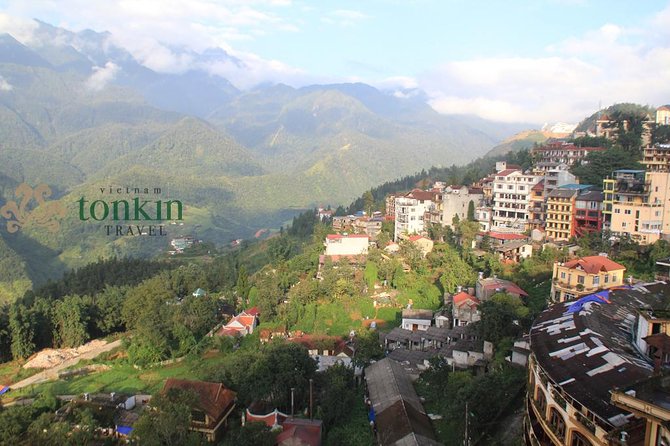
The best part of this Sapa tour is the shift from town to countryside. Within hours, you are walking past old rice terraces, Hmong villages, bamboo forest, waterfalls, and homes where local families prepare dinner. I like the two-night homestay and the chance to meet several ethnic communities, not just take photographs from a roadside viewpoint.
I also like that the price includes transport, an English-speaking guide, entrance fees, and seven meals. Guides such as Tran, Ha, Dinh, Lu, Hung, and Dem have been praised for clear English, humor, and explanations of village life. The main catch is the hard trekking: muddy paths, steep sections, changing weather, and basic rooms with shared bathrooms require a fair level of fitness.
In This Review
- Key points to know before booking
- Why this route gives you more than a Sapa viewpoint
- Day one: Y Linh Ho, Lao Chai, and a Giay homestay
- Day two: bamboo forest, Silk Waterfall, and Ban Ho
- Day three: Nam Toong and a swim near Lavie Waterfall
- Homestays, food, and the comfort trade-off
- What $110 includes, and where costs can rise
- The guides can shape the whole experience
- Who should book this Sapa trek?
- Should you book the three-day homestay trek?
- FAQ
- Where does the tour start?
- How many nights are spent in homestays?
- Which villages are included?
- What meals are included?
- Does the tour return to Sapa?
- What happens if the weather is poor?
Key points to know before booking
- Walk through six mountain villages: The route includes Y Linh Ho, Lao Chai, Ta Van, Giang Ta Chai, Ban Ho, and Nam Toong.
- Sleep with local families: Nights are spent in basic homestay rooms in Ta Van and Ban Ho, with shared bathrooms.
- Meet several ethnic communities: The route introduces you to Hmong, Giay, Tay, and Red Dao villages.
- Expect active days: The first afternoon lasts about seven hours, while the second day is listed as 15 hours, so this is not a gentle sightseeing tour.
- Meals are built in: You receive two breakfasts, three lunches, and two dinners, but drinks cost extra.
- Small-group format: The maximum group size is 15, giving you a better chance to ask questions and set a sensible walking pace.
Why this route gives you more than a Sapa viewpoint
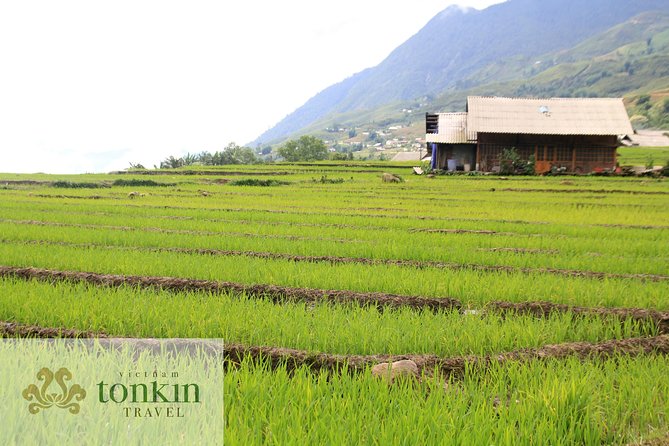
Sapa is famous for rice terraces, but the town itself can feel busy and built for visitors. This trip gets you down into the valleys, where paths connect villages and farming still shapes the day.
The scenery is the main draw. From Y Linh Ho and Lao Chai, you look across terraces said to be around 100 years old. Weather can change quickly. One moment may bring clear views, and the next may bring mist across the hills. That is not a flaw in the route, but you should pack for both sun and rain.
The cultural side gives the walk more purpose. You pass through Hmong, Giay, Tay, and Red Dao communities, with the guide explaining local customs and village life. The strongest guiding experiences have come from people such as Tran, Dinh, Dem, Lu, Hung, and Ha, who have been praised for good English, humor, and useful background about the area.
I would not book this simply as a scenic walk. The value comes from combining exercise, village visits, meals, and overnight stays. You get more contact with rural Sapa than you would on a short day trip, but you give up hotel comfort and flexible timing.
More Trekking Tours in Sapa
- Sa Pa: Muong Hoa Valley Trek and Local Ethnic Villages
★ 4.6 · 864 reviews - From Hanoi: 2-Day Sapa Trekking Trip with Homestay & Meals
★ 4.8 · 704 reviews - Sapa 3 Days 2 Nights Trekking Tour (1 Night In Ta Van Village, 1 Night In Hotel)
★ 5.0 · 699 reviews
Day one: Y Linh Ho, Lao Chai, and a Giay homestay
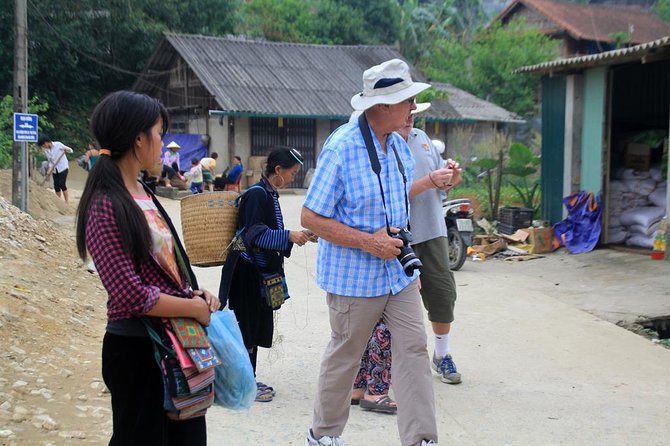
The tour begins around 1:00 p.m. at Delta Sapa Hotel, at Ngõ Cầu Mây in central Sapa. Pickup is also offered from Sapa hotels or the bus station, although the schedule gives both noon and 1:00 p.m. as possible pickup times. Confirm the exact meeting arrangement before you arrive.
You first go to the tour office and have lunch at the hotel. The walking portion begins around 2:30 p.m., heading down toward Y Linh Ho. This timing matters because you are not starting at dawn, yet the afternoon is still long. Keep your daypack light and carry water, rain protection, and a phone or camera that can handle wet conditions.
Y Linh Ho is inhabited by Hmong people and offers some of the first strong views of the terraced fields. The route is made for walking rather than quick photo stops. You have time to look across the valley, notice how the terraces follow the slopes, and ask the guide about the farming communities below.
From there, you continue to Lao Chai, described as a Hmong hometown. It is a useful pause in the route, with time for drinks and views before the next section. Drinks are not included in the tour price, so bring some Vietnamese cash if you want to buy refreshments.
The path then continues to Ta Van, a village associated with Hmong and Giay communities. This is where the first night feels different from a normal hotel stay. A local Giay family welcomes you into the homestay, and you help with cooking and share dinner.
The homestay is basic. You should expect a local house, simple sleeping arrangements, and a shared bathroom rather than private hotel facilities. That simplicity is part of the point, but standards can vary. Most experiences describe the homestays as clean, cozy, and comfortable enough, while one account raised concerns about poor cleanliness and an unpleasant hotel room. If clean bedding is especially important to you, ask the operator about the specific accommodation before departure.
The first day is listed as roughly seven hours, including the transfer, meal, stops, and trek. Do not treat it as seven hours of nonstop walking, but do expect a serious afternoon on your feet. The route can be demanding, especially in wet weather.
Day two: bamboo forest, Silk Waterfall, and Ban Ho
Day two begins with breakfast at the homestay. The schedule describes pancakes, hot tea, or hot coffee outdoors, with views across the terraces. Breakfast is included, and this is one of the simple pleasures of staying with a family rather than returning to Sapa after each walk.
After saying goodbye, you trek through a bamboo forest toward Giang Ta Chai. The route also passes Silk Waterfall. The forest changes the feel of the walk after the open terraces of day one. You get shade, narrower paths, and a more enclosed setting before the route opens again around the villages.
After several hours, you stop for a picnic lunch with mountain views. Lunch is included, as are all three midday meals on the trip. Still, I would carry snacks. The supplied schedule calls this the longest day and lists it as 15 hours, though the detailed timings do not clearly explain whether that figure includes the full day from waking to dinner or is a scheduling error. Ask for the expected walking time and distance before booking.
The route continues to Ban Ho, where a Tay community welcomes you. Ban Ho is not just another photo stop. It becomes your base for the second night, giving you another chance to eat with a local family and see how homestay life differs from the first night in Ta Van.
This is the point where the tour earns its hard trekking label. The route links villages rather than following a simple paved road, and the changing surface can make the walk more tiring than the distance suggests. Mud, wet stones, and steep sections are possible considerations based on the mountain setting and the tour’s own description.
You should be comfortable walking for several hours and managing uneven ground. The tour says most people can participate, but that does not mean it suits every fitness level. If you rarely hike, a shorter Sapa village walk would be a safer choice.
Day three: Nam Toong and a swim near Lavie Waterfall

The final morning starts with breakfast at the Ban Ho homestay. You then take a short walk beside the river toward Nam Toong, a village associated with the Red Dao minority.
The river walk gives the final day a slower rhythm. After two demanding days, you are no longer trying to cover a long chain of villages. You have time to enjoy the scenery and see another community before returning to Ban Ho.
The route also gives you the chance to dip into fresh water near Lavie Waterfall. Treat this as an optional moment rather than the central attraction. Conditions can vary, and the tour information does not promise swimming facilities or changing rooms, so bring a small towel and wear practical clothing if you want to take part.
After returning to the homestay, you have lunch before boarding the vehicle back to Sapa. The tour expects to reach Sapa around 2:00 p.m. One useful extra is a shower at the hotel before your onward journey. At about 3:00 p.m., a shuttle takes you to the bus office, where staff help you check in for the bus to Hanoi. Sandwiches are prepared for the journey.
That final transfer support adds real value. You do not have to find your way from a rural village to the bus office with muddy boots and luggage. The timing is still worth checking if you have a separate evening booking in Hanoi, since mountain roads and group transfers can run late.
More Sapa escapes from Sapa:
- Sapa 2 Days 1 Night From Hanoi – Overnight in Ta Van Village
★ 5.0 · 2,669 reviews - Hanoi – Sapa 2 Days 1 Night Overnight At Homestay
★ 5.0 · 899 reviews - Sapa: Fansipan Cable, Cat Cat Village & Moana Instagram Tour
★ 5.0 · 777 reviews - Sapa: Eco Adventure Terrace Fields and Local Villages Trek
★ 4.9 · 636 reviews
Homestays, food, and the comfort trade-off
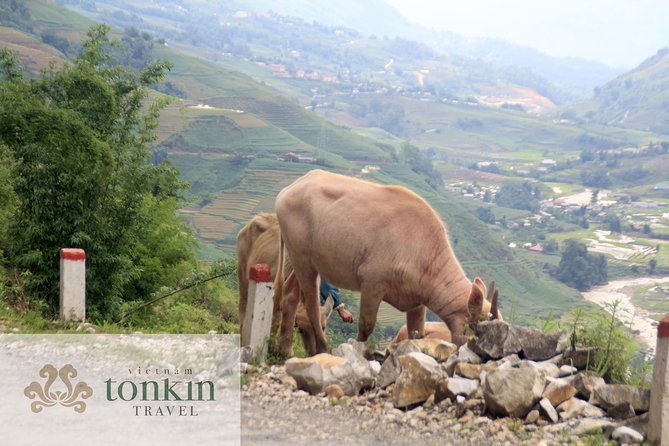
Two nights of local accommodation are included. Rooms are described as basic, with shared bathrooms. This is a cultural choice as much as a budget choice.
At Ta Van and Ban Ho, you can expect meals with local families rather than restaurant dining. The food has been one of the most consistently praised parts of the experience, with home-cooked dinners and local dishes often remembered as highlights. Exact menus are not provided, so tell the operator about dietary needs when booking rather than assuming alternatives will be available.
The homestays are also where the social side of the trip works best. You may have time to cook, eat, play games with children, and see handicrafts. Those moments cannot be guaranteed on a fixed schedule, but the tour is designed to create them.
Do not pack as if you are staying in a Sapa hotel. You need practical walking clothes, sturdy shoes, a waterproof layer, a change of dry clothes, and toiletries. The tour provides accommodation and meals, but it does not include beverages or drinks.
What $110 includes, and where costs can rise
At $110 per person, the price is strong for a three-day trip that includes:
- Two nights in local homes
- Two breakfasts
- Three lunches
- Two dinners
- An English-speaking guide
- Trekking and sightseeing fees
- Entrance fees
- Air-conditioned transport
- Return transfer to Sapa
- Hotel shower before the onward bus
- A takeaway sandwich for the journey
The value is best if you would otherwise pay separately for village transport, a guide, meals, accommodation, and a transfer back to the bus office. Planning this route alone could be awkward because the villages are spread through the valleys and the trip ends with a coordinated bus connection.
The price does not include drinks. There is also a $50 per-person surcharge during the listed Lunar New Year dates in February 2026. Free cancellation is available if you cancel at least 24 hours before the start time. Poor weather or failure to reach the minimum group size can lead to a new date, a different experience, or a full refund.
The group maximum is 15. That is small enough for a more personal feel, though not necessarily private. If you want a private guide or a slower custom route, ask before booking.
The guides can shape the whole experience
The route matters, but the guide may matter more. Several guide names appear in the feedback connected with this tour, including Tran, Ha, Dinh, Lu, Hung, Dem, and Jack. Tran is praised for clear explanations and good English, while Ha is described as friendly and funny. Dinh is singled out for answering questions, and Dem is valued for his explanations of local history and culture.
These comments point to what you should want from the guide: help on difficult sections, clear timing, and context about the communities you visit. A guide who simply leads the way would leave much of the cultural value unused.
Guide assignments can change, so do not assume you will receive a particular person unless the company confirms it. You can request a guide by name, especially if you have a prior connection, but it is not presented as guaranteed.
Who should book this Sapa trek?
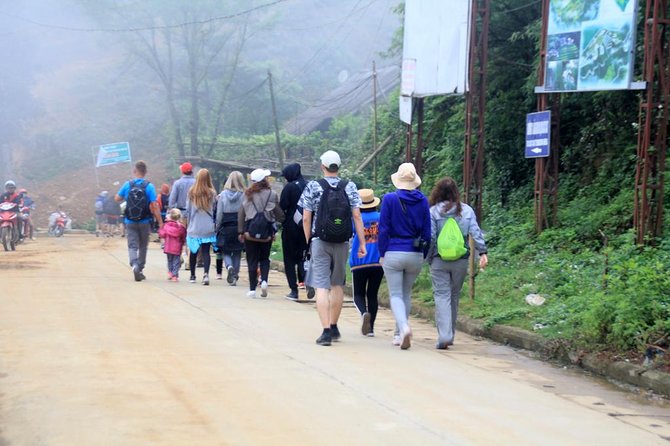
This suits you if you want active days, mountain scenery, and direct contact with local families. It is especially good for people who prefer a village homestay to a standard hotel and who want more than a quick photograph of the rice terraces.
It also works well for solo visitors who like meeting people. The group size of up to 15 gives you company on the trail without the scale of a large coach tour.
Think twice if you need private bathrooms, predictable weather, short walks, or strict control over meals. The route is called hard trekking for a reason, and the accommodation is basic. Sapa’s rain and mist can affect the views, though even cloudy conditions can give the hills a striking look.
Should you book the three-day homestay trek?
I would book this tour if your priority is rural Sapa rather than town sightseeing. The combination of terraces, village paths, family meals, two homestays, and several ethnic communities gives you a fuller picture of the area than a short excursion.
I would not book it without asking two questions first: How many hours and kilometers will we walk on day two, and which accommodation will be used for each night? Those answers will help you judge the physical challenge and comfort level.
For active people who accept simple rooms and changing weather, $110 is good value. For anyone seeking a soft, polished holiday, choose a less demanding Sapa outing.
FAQ
Where does the tour start?
The meeting point is Delta Sapa Hotel, 031 Ngõ Cầu Mây, Sa Pa, Lao Cai. Pickup is offered from Sapa hotels or the bus station, with the stated start time at 1:00 p.m.
How many nights are spent in homestays?
You spend two nights in local houses, one in Ta Van and one in Ban Ho. Rooms are basic and bathrooms are shared.
Which villages are included?
The route includes Y Linh Ho, Lao Chai, Ta Van, Giang Ta Chai, Ban Ho, and Nam Toong.
What meals are included?
The tour includes two breakfasts, three lunches, and two dinners. Drinks and beverages are not included.
Does the tour return to Sapa?
Yes. You return to Sapa at about 2:00 p.m. on day three, have a shower at the hotel, and are then taken to the bus office around 3:00 p.m. for the bus to Hanoi.
What happens if the weather is poor?
The experience requires good weather. If the operator cancels because of poor weather, you can choose a different date or receive a full refund.
More 3-Day Experiences in Sapa
- Hanoi – Sapa 3 Day 2 Night Trekking With Hotel & Homestay
★ 5.0 · 389 reviews - From Sapa: 3-Day Ha Giang Loop with Safe Rider (max 8 pax)
★ 4.9 · 285 reviews - From Hanoi: Trek and Stay: 3-Day Sapa Highlands Adventure
★ 4.6 · 152 reviews - Sapa 3 Days 2 Nights Trekking Tour From Hanoi (2 Nights in Hotel)
★ 5.0 · 112 reviews
More Treks Within Reach
- 3-Day Trekking Adventure of Sapa from Hanoi – Stay Ta Van Village
★ 5.0 · 611 reviews - Number one top rated ethical cultural trekking and homestay by ETHOS
★ 5.0 · 456 reviews - 2-Day Sa Pa Ethnic Homestay Tour & Trek with Limousine Bus
★ 4.8 · 440 reviews - From Sapa: 1-Day Guided Trek to Lao Chai & Ta Van with Lunch
★ 4.9 · 416 reviews
Just added around Sapa
- Half Day Sapa Cat Cat Explore Waterfall, Workshop, H’mong Local★ 5.0 · 9 reviews
- Sapa 1 Day Trekking★ 5.0 · 9 reviews
- Sapa Open Air Jeep Half Days Off the Beaten Track, Backroad★ 4.9 · 9 reviews
- Fansipan Mount Trekking 1 Day★ 5.0 · 9 reviews
- Sapa: Motorbike Tour to Hidden Villages & Terraced Fields★ 5.0 · 9 reviews
- Sapa 3 Day Trekking with 2 Nights Homestay★ 5.0 · 9 reviews
- SaPa: 2-Day Villages,Rice Fields, Love Waterfall Hiking Tour★ 5.0 · 9 reviews
- 8-Day Discover Northern Vietnam Highlight: Hanoi – Ninh Binh – Sapa – Halong Bay★ 5.0 · 9 reviews
Trekking Tours in Sapa, compared.

Muong Hoa Valley Trek and Local Ethnic Villages
Read our review →

Sapa 3 Days 2 Nights Trekking Tour (1 Night In Ta Van Village, 1 Night In Hotel)
Read our review →
Eco Adventure Terrace Fields and Local Villages Trek
Read our review →
3-Day Trekking Adventure of Sapa from Hanoi – Stay Ta Van Village
Read our review →
Number one top rated ethical cultural trekking and homestay by ETHOS
Read our review →
2-Day Sa Pa Ethnic Homestay Tour & Trek with Limousine Bus
Read our review →
1-Day Guided Trek to Lao Chai & Ta Van with Lunch
Read our review →Browse the lists this tour appears in