
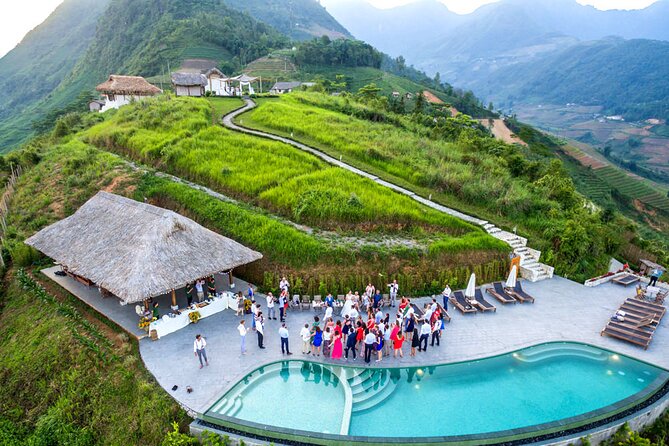
Reviewed · TREKKING TOURS IN SAPA
Sapa Local Trekking Adventures
The best part of Sapa Local Trekking Adventures is the way a short walk can turn into a close look at northern Vietnam’s village life. You move through rice fields and mountain valleys, stop in places such as Y Linh Ho, Ta Van, and Giang Ta Chai, and can spend the night in a local homestay. I like the small groups of no more than eight and the choice of one, two, or three days. The main concern is simple: wet weather can make the paths very muddy and slippery, and guide quality may vary.
I also like that the price covers meals, valley admission, homestay nights on the longer options, and transport back to Sapa. Guide Nhu has earned particular praise for answering questions and adjusting the walk to people’s needs. Still, you should confirm the guide’s English ability before paying, since one account describes a guide who could offer only very basic explanations.
In This Review
- Key things to know before you book
- Walking into the Moa Huong Valley
- Y Linh Ho: the one-day introduction
- Ta Van Village and the first homestay night
- Giang Ta Chai and the three-day choice
- What the guide adds, and where the experience can fall short
- Is $66.67 good value?
- Weather, footwear, and the real effort involved
- Who should choose this Sapa trek?
- Practical details before you pay
- Should you book Sapa Local Trekking Adventures?
- FAQ
- Where does the Sapa trekking experience start?
- Where does the activity finish?
- How long does the trek last?
- What does the one-day option include?
- What does the two-day option include?
- What does the three-day option include?
- How many people can join the group?
- Is pickup available?
- Is the tour suitable for most people?
- What is the cancellation policy?
Key things to know before you book
- The one-day walk starts at Y Linh Ho: You get a valley walk, lunch, admission, and transport back to Sapa from 9 a.m. to about 3 p.m.
- The two-day route includes Ta Van Village: It adds one homestay night, two lunches, dinner, breakfast, and a longer look at village life.
- The three-day choice reaches Giang Ta Chai Village: Two nights in homestays and a fuller schedule make this the best fit if you want more time on foot.
- Groups are limited to eight people: That matters on narrow paths and gives you a better chance to ask questions.
- Rain changes the experience: Mud, slick ground, and steep sections can be hard for anyone who feels unsteady.
- The advertised price is $66.67 per person: Its value depends on which duration you choose and how much you value included meals, transport, and accommodation.
Walking into the Moa Huong Valley
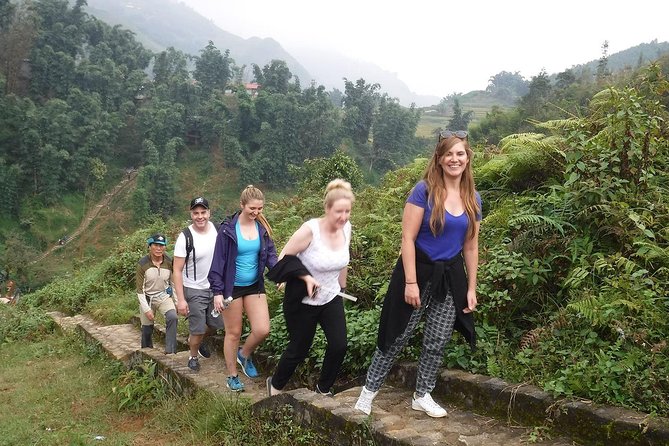
Sapa can feel busy around town, but the walk quickly takes you into a quieter setting of fields, village paths, and mountain views. The Moa Huong Valley is the main draw here. You are not simply checking off a viewpoint. You are walking through working countryside where rice planting, local crafts, and village homes form part of the experience.
The scenery changes with weather and season. On a clear day, you might see broad views across the valley and rice terraces. In rain or low cloud, the mountains can disappear, but the wet paths and village scenes still give the day a very different character. One useful lesson from the experience is that bad weather does not always ruin the walk, but it does change how much effort and care you need.
The route is described as a trek, though the exact difficulty can vary. Some sections are pleasant and fairly easy once the path flattens out. Other parts can be slippery, especially after rain. I would not choose this as a casual stroll in city shoes. If you are unsteady on your feet, rainy conditions deserve serious thought.
The 9 a.m. start is practical. It gives you a full day without forcing an extremely early departure, and the activity ends around 3 p.m. on the shorter options. You begin and finish in Sa Pa, Lao Cai, with the return transport included after the walk.
More Trekking Tours in Sapa
- Sa Pa: Muong Hoa Valley Trek and Local Ethnic Villages
★ 4.6 · 864 reviews - From Hanoi: 2-Day Sapa Trekking Trip with Homestay & Meals
★ 4.8 · 704 reviews - Sapa 3 Days 2 Nights Trekking Tour (1 Night In Ta Van Village, 1 Night In Hotel)
★ 5.0 · 699 reviews
Y Linh Ho: the one-day introduction
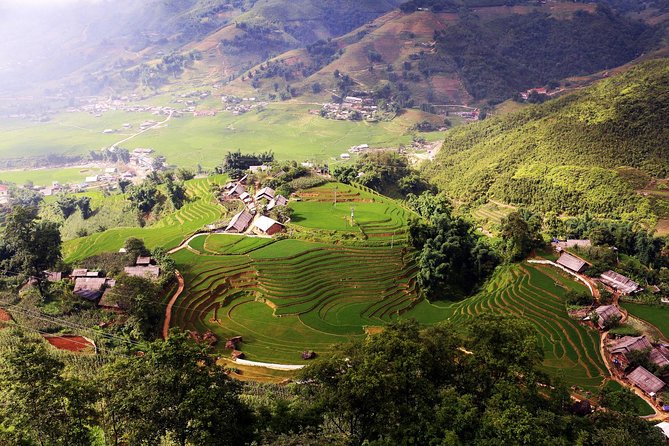
The one-day option centers on Y Linh Ho and runs from 9 a.m. to 3 p.m. It is the clearest choice if Sapa is one stop on a busy Vietnam trip or if you want to test your legs before committing to an overnight walk.
You can expect a valley walk with views of fields and village surroundings, followed by lunch at a local restaurant. The price includes the valley admission fee and transportation back to Sapa, which removes two small but useful tasks from your day. You do not need to work out how to leave the valley after walking.
The appeal of Y Linh Ho is its balance. You get a taste of the scenery and rural life without committing to bedding down away from town. This option also leaves you with an evening in Sapa, useful if you have a hotel reservation there or prefer not to carry overnight belongings.
The tradeoff is time. A one-day walk can show you the valley, but it gives you less chance to see how village life changes after the day’s sightseeing ends. If you want the homestay part of the experience, choose at least two days.
Rain is the key issue here. A wet morning can turn the route into a mud exercise, with slips and falls possible. Bring proper rain protection and shoes with a strong grip. The walk may still be beautiful, but your attention will shift from the views to where you place your feet.
Ta Van Village and the first homestay night
The two-day, one-night option runs from 9 a.m. to 3 p.m. and includes Ta Van Village. This is a better fit for you if the cultural side matters as much as the walking.
The package includes two lunches, one dinner, one breakfast, and an overnight homestay. Those meals make the extra day easier to manage, particularly in a rural area where arranging food independently may be awkward. You also receive valley admission and transport back to Sapa at the end.
A homestay changes the pace. Instead of seeing villages only as places along a path, you spend the night in one. That gives you more time to notice ordinary details and ask questions, though the quality of that cultural exchange depends heavily on your guide’s language skills and interest in explaining local life.
Guide Nhu is a good example of what you should hope for. She paid close attention to the group’s needs, answered questions, and explained the villages visited along the route. That kind of guidance turns a scenic walk into something more useful. You can learn about traditions, daily work, and the people who live in the valley rather than simply taking photographs and moving on.
There is also a hands-on side to the experience. Rice planting has been part of the day for at least some participants, and it can be a memorable way to understand how much work sits behind the neat terraces you see from a distance. Do not assume this is guaranteed every time, but the possibility is one reason the longer option has more depth.
Giang Ta Chai and the three-day choice
The three-day, two-night option adds Giang Ta Chai Village and includes three lunches, two dinners, two breakfasts, and two homestay nights. It is the most complete version of the experience and the best match for you if you have time to slow down.
The extra night gives the route more breathing room. You are less tied to a single long day, and you have more room for village stops and conversation. A small group also helps here. With a maximum of eight people, the guide can keep an eye on the pace and respond to different needs more easily than on a large coach-style excursion.
The three-day choice is not automatically the right one for every person. If you dislike basic overnight accommodation or are mainly interested in seeing the valley from Sapa, the one-day route may be enough. The information provided does not specify the exact homestay facilities, so you should ask what is supplied before booking if comfort matters to you.
The longer route also means more exposure to changing weather. Two nights away from Sapa can be rewarding in clear conditions, but rain may make the paths harder each day. Pack for wet ground and keep your belongings protected. The experience is more demanding than the price and the friendly tone of the description might suggest.
More Sapa escapes from Sapa:
- Sapa 2 Days 1 Night From Hanoi – Overnight in Ta Van Village
★ 5.0 · 2,669 reviews - Hanoi – Sapa 2 Days 1 Night Overnight At Homestay
★ 5.0 · 899 reviews - Sapa: Fansipan Cable, Cat Cat Village & Moana Instagram Tour
★ 5.0 · 777 reviews - Sapa: Eco Adventure Terrace Fields and Local Villages Trek
★ 4.9 · 636 reviews
What the guide adds, and where the experience can fall short
This tour rises or falls on the guide. The strongest account comes from the time with Nhu, who adjusted her attention to the group, answered questions, and shared information about the villages. That is exactly what you want in Sapa, where a local guide can explain details that are easy to miss on your own.
You may learn about local minority communities, village traditions, rice cultivation, and the way rural areas are changing. The valley is not frozen in time. Modern touches, including Wi-Fi signs in villages, appear alongside older customs and farming practices. That contrast makes the walk more interesting than a simple nature outing.
But you should not assume every guide will offer the same level of explanation. One account describes a guide whose English was limited to a few basic words, making questions difficult to answer. If cultural interpretation is central to your decision, contact the provider before booking and ask about the language ability of the guide assigned to you.
This is also why the group limit matters. Eight people is not a private tour, but it is small enough for conversation when the guide is communicative. It also helps avoid the slow shuffle and noise of a large group on narrow village paths.
The tour is designed to handle practical matters for you. Meals, valley admission, navigation, and return transport are included according to the selected duration. That convenience has real value in a mountainous area. Still, the lack of a published breakdown for each duration means you should confirm exactly what your $66.67 covers.
Is $66.67 good value?
At $66.67 per person, the experience can be a sensible buy if you choose the two or three-day option. Meals, transport, admission, and homestay accommodation are bundled into the longer routes, so you are paying for more than a guide and a walk.
The one-day option is harder to judge without a separate price for that choice. It includes lunch, the valley entrance fee, and transport back to Sapa, but you should compare it with local alternatives before deciding. The price may feel high if your day consists mostly of walking without much explanation.
For the longer routes, value depends on what you want. If you prefer to have meals arranged, stay in a village, and avoid navigating unfamiliar paths, the package is convenient. If you are comfortable organizing food and transport yourself, you may find the cost less compelling.
The experience is booked an average of 18 days ahead, which suggests you should not leave it until the last minute during a popular travel period. Since the booking is non-refundable and cannot be changed, make sure your dates, fitness level, and chosen duration are right before you commit.
Weather, footwear, and the real effort involved
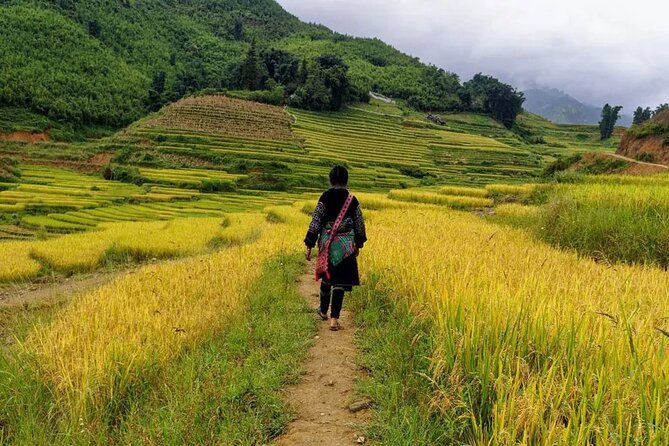
Sapa’s mountain weather deserves more attention than it often receives. Rain can arrive when the forecast looks manageable, and wet ground can make an otherwise pleasant path much tougher. A rainy trek has led to falls, so you should take the conditions seriously.
Pack a proper rain jacket, waterproof protection for your bag, and shoes with reliable traction. The supplied information does not specify equipment rental or spare clothing, so do not count on those being provided. Keep electronics and extra layers protected.
You may find stretches of flatter walking that feel easy and scenic. The difficulty is less about constant exertion and more about uneven or muddy ground. If you feel unsure on steep or slippery paths, tell the guide early. A small group gives the guide a better chance to adjust the pace, but it cannot remove the terrain.
Most people can participate according to the published guidance, and service animals are allowed. That broad statement should not replace an honest assessment of your own balance and comfort on wet paths. This is a real outdoor walk, not a paved sightseeing route.
Who should choose this Sapa trek?
I would point this experience toward you if you want to combine scenery with local culture and prefer having the practical details handled. It suits people who enjoy walking at a moderate pace, asking questions, and seeing villages beyond Sapa town.
The one-day route works well for:
- A first look at the Moa Huong Valley
- People with limited time in Sapa
- Anyone who wants to return to a Sapa hotel the same day
- Hikers who want scenery without a homestay
The two-day route suits you if you want the added cultural value of one night in a village. The three-day route is best if you want the fullest version, with two homestays and extra time for village visits.
I would be cautious if you dislike mud, have poor balance, or need fully predictable weather. I would also ask direct questions about the guide before booking if you need detailed English explanations. The difference between a guide like Nhu and a guide with only basic English could change the whole character of the tour.
Practical details before you pay
The meeting point is in Sa Pa, and the activity begins at 9 a.m. It ends back at the meeting point after the included return transport. Pickup is offered, but the supplied details do not state the exact pickup area or whether every hotel qualifies, so confirm that point when booking.
The maximum group size is eight people. Confirmation arrives when you book, and the activity is near public transportation. Group discounts may be available, though no discount amount is given.
You can select from one, two, or three days, but check the exact option carefully. The day descriptions list Y Linh Ho for one day, Ta Van Village for two days and one night, and Giang Ta Chai Village for three days and two nights. The overall product is described as approximately three days, so it is especially important to verify which duration the displayed price applies to.
The cancellation terms are strict. This experience is non-refundable and cannot be amended for any reason, so check your schedule and the weather outlook as closely as possible before final payment.
Should you book Sapa Local Trekking Adventures?
Book it if you want a small-group walk with village stays, included meals, and a route that reaches beyond Sapa’s central streets. The strongest version is the two or three-day choice, especially if a guide like Nhu is available to explain local life and adjust the pace.
Choose the one-day walk if you mainly want the Moa Huong Valley and Y Linh Ho, or if you prefer to sleep in Sapa. Think twice if you are unsteady on muddy ground, and ask about the guide’s English before paying.
The 4.5 rating from 14 available ratings points to a generally good experience, but the mixed accounts show why expectations matter. You are paying for access, food, transport, and local guidance, not guaranteed sunshine or a uniform level of interpretation. With sensible footwear, rain gear, and the right duration, this can be one of the more meaningful ways to see Sapa.
FAQ
Where does the Sapa trekking experience start?
It starts in Sa Pa, Lao Cai, Vietnam, at 9 a.m.
Where does the activity finish?
The activity ends back at the meeting point in Sa Pa after the included transportation from the valley.
How long does the trek last?
You can choose a one-day trek, a two-day and one-night trek, or a three-day and two-night trek. Each daily activity is listed as running from 9 a.m. to 3 p.m.
What does the one-day option include?
The one-day option includes a walk at Y Linh Ho, lunch at a local restaurant, the valley entrance fee, and transportation back to Sapa Town.
What does the two-day option include?
The two-day option includes Ta Van Village, two lunches, one dinner, one breakfast, one homestay night, the valley entrance fee, and transportation back to Sapa Town.
What does the three-day option include?
The three-day option includes Giang Ta Chai Village, three lunches, two dinners, two breakfasts, two homestay nights, the valley entrance fee, and transportation back to Sapa Town.
How many people can join the group?
The group has a maximum of eight people.
Is pickup available?
Pickup is offered, but the exact pickup arrangements are not specified in the available information. Confirm the pickup point when booking.
Is the tour suitable for most people?
The published information says most people can participate. However, rainy conditions can make the paths muddy and slippery, so anyone unsteady on their feet should consider that carefully.
What is the cancellation policy?
The experience is non-refundable and cannot be changed for any reason. If you cancel or request an amendment, the amount paid will not be refunded.
More Treks Within Reach
- 3-Day Trekking Adventure of Sapa from Hanoi – Stay Ta Van Village
★ 5.0 · 611 reviews - Number one top rated ethical cultural trekking and homestay by ETHOS
★ 5.0 · 456 reviews - 2-Day Sa Pa Ethnic Homestay Tour & Trek with Limousine Bus
★ 4.8 · 440 reviews - From Sapa: 1-Day Guided Trek to Lao Chai & Ta Van with Lunch
★ 4.9 · 416 reviews
Just added around Sapa
- Half Day Sapa Cat Cat Explore Waterfall, Workshop, H’mong Local★ 5.0 · 9 reviews
- Sapa 1 Day Trekking★ 5.0 · 9 reviews
- Sapa Open Air Jeep Half Days Off the Beaten Track, Backroad★ 4.9 · 9 reviews
- Fansipan Mount Trekking 1 Day★ 5.0 · 9 reviews
- Sapa: Motorbike Tour to Hidden Villages & Terraced Fields★ 5.0 · 9 reviews
- Sapa 3 Day Trekking with 2 Nights Homestay★ 5.0 · 9 reviews
- SaPa: 2-Day Villages,Rice Fields, Love Waterfall Hiking Tour★ 5.0 · 9 reviews
- 8-Day Discover Northern Vietnam Highlight: Hanoi – Ninh Binh – Sapa – Halong Bay★ 5.0 · 9 reviews
Trekking Tours in Sapa, compared.

Muong Hoa Valley Trek and Local Ethnic Villages
Read our review →

Sapa 3 Days 2 Nights Trekking Tour (1 Night In Ta Van Village, 1 Night In Hotel)
Read our review →
Eco Adventure Terrace Fields and Local Villages Trek
Read our review →
3-Day Trekking Adventure of Sapa from Hanoi – Stay Ta Van Village
Read our review →
Number one top rated ethical cultural trekking and homestay by ETHOS
Read our review →
2-Day Sa Pa Ethnic Homestay Tour & Trek with Limousine Bus
Read our review →
1-Day Guided Trek to Lao Chai & Ta Van with Lunch
Read our review →Browse the lists this tour appears in