
Reviewed · TREKKING TOURS IN SAPA
Sapa Mountain Escape: 2-Day Trekking, Rice Terraces & Homestay
Sapa’s best moments come after you leave town, and this trip gets you there on foot. You’ll cross rice terraces, bamboo forests, and village paths, then spend the night in a Hmong family homestay rather than returning to a hotel.
I like two things here: the private format lets your guide adjust the pace and route, and the homestay gives you a closer look at daily life, food, and local customs. Guide Nhu has been especially good at finding quieter paths for sporty hikers who want fewer groups around.
The main catch is the terrain. This is a real mountain trek with descents, uneven paths, and a moderate fitness requirement, not a gentle sightseeing walk. Weather can also change the feel of the terraces and trails quickly.
In This Review
- Key points to know before you book
- Why the Giang Ta Chai homestay matters
- Day one: Ham Rong Mountain to Hang Da Village
- Hau Thao and the bamboo forest descent
- Arriving at Giang Ta Chai before sunset
- Day two: Morning terraces and Ta Van Village
- Lao Chai and the final rice terrace views
- How the private format changes the experience
- What the $80 price really covers
- Who will enjoy this Sapa trek most
- Practical advice for a smoother two days
- Should you book the Sapa Mountain Escape?
- FAQ
- How long is the Sapa Mountain Escape?
- Where does the tour start?
- What time does the tour begin?
- Where do you stay overnight?
- What meals are included?
- Can dietary restrictions be accommodated?
- Is this a private tour?
- How fit do you need to be?
Key points to know before you book
- A Hmong homestay is the heart of the trip: You eat dinner and breakfast with a local family and see a side of Sapa that a day tour cannot provide.
- The route links several northern villages: Hang Da, Hau Thao, Giang Ta Chai, Ta Van, and Lao Chai each offer a different setting and cultural focus.
- Private touring gives you room to set the pace: Your group travels alone, and the guide can adapt the route to your interests and energy.
- Day one is the tougher walking day: Expect mountain paths, bamboo forest trails, and a descent toward Giang Ta Chai before the overnight stay.
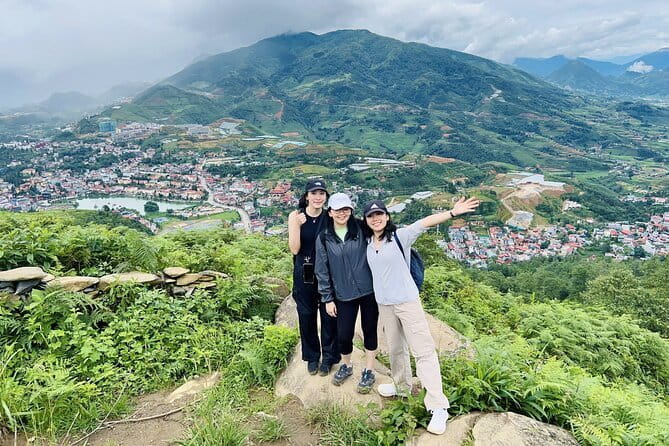
- The scenery changes often: You move from views over Sapa town to terraces, rock formations, forests, and village lanes.
- The $80 price covers the main costs: Meals, water, transport, entrance fees, and the homestay are included, though tips and personal expenses are extra.
Why the Giang Ta Chai homestay matters
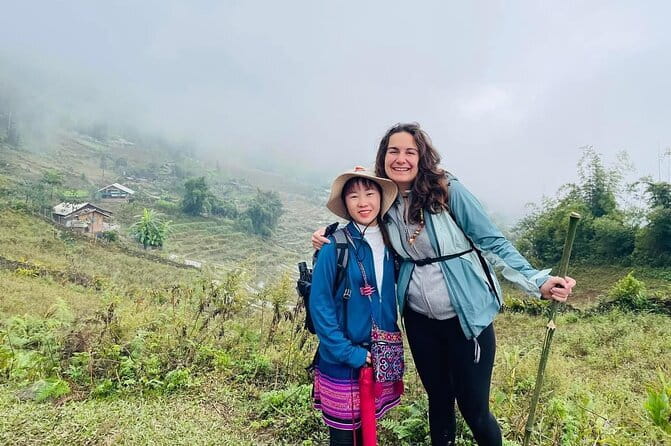
The overnight stay is more than a place to sleep. Around 3:30 or 4:00 p.m. on day one, you reach a Hmong family home in Giang Ta Chai, where the hosts offer tea before you settle in and take a shower.
You’ll have the chance to see ordinary routines that are easy to miss from a roadside viewpoint. The experience may include watching or helping with cooking, seeing how animals are cared for, and learning about family life in the hills. The exact rhythm depends on the household, but that is part of the point: this is a lived-in home, not a staged cultural show.
Dinner and breakfast are included, along with water and two lunches. Dietary needs such as vegetarian, vegan, and gluten-free meals can be accommodated if you note them when booking. That is useful in a rural setting, where advance notice matters.
A homestay also means giving up some hotel comforts. The information provided does not promise a particular room setup or private bathroom, so you should be ready for a simple stay. Pack light, bring basic toiletries, and think of the overnight stop as part of the cultural experience rather than a luxury break.
More 2-Day Trips in Sapa
- Sapa 2 Days 1 Night From Hanoi – Overnight in Ta Van Village
★ 5.0 · 2,669 reviews - Hanoi – Sapa 2 Days 1 Night Overnight At Homestay
★ 5.0 · 899 reviews - From Hanoi: 2-Day Sapa Trekking Trip with Homestay & Meals
★ 4.8 · 704 reviews
Day one: Ham Rong Mountain to Hang Da Village
Your guide meets you at 9:00 a.m. at your hotel or at Sa Pa Stone Church. The church is the official meeting point, on Ham Rong Street in central Sapa, so it is a practical landmark if you are staying nearby.
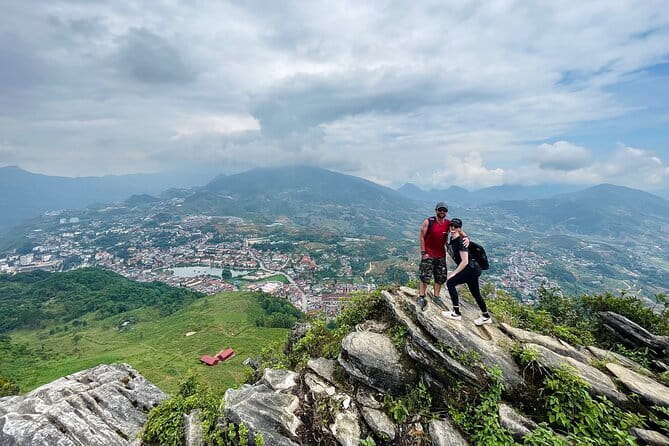
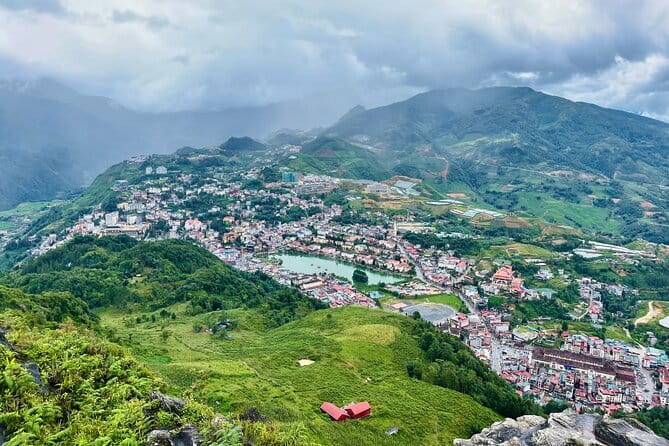
The day begins around Ham Rong Mountain, with views over Sapa town and the surrounding valleys. This opening section lasts about three hours, which gives you time to get used to the pace and the climb. You are not being whisked from one lookout to another. The mountain setting forms the first part of the walk.
From town, the route continues toward Hang Da Village. This Hmong village is known for its large rock formations, rural setting, and views across the hills. The stop lasts about an hour, so expect a short village visit within a longer walking day rather than a full museum-style cultural presentation.
Hang Da is a good early introduction to the way scenery and settlement fit together in Sapa. The rocks give the village a distinct character, while the paths offer a closer look at the local environment. If you prefer polished attractions with signs and formal displays, this may feel understated. The appeal lies in walking through the place with a guide who can explain what you are seeing.
Hau Thao and the bamboo forest descent
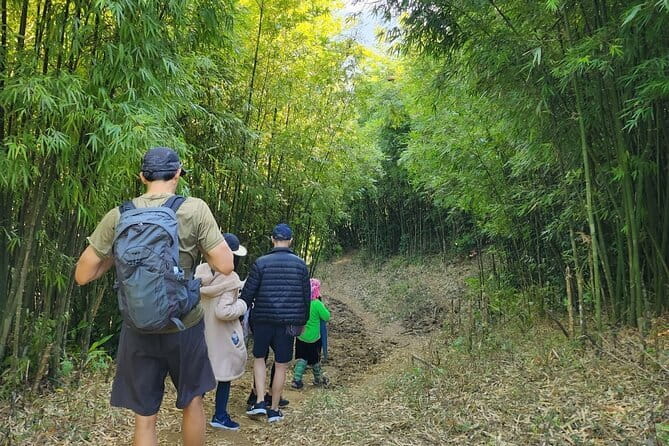
After lunch, the walking becomes more about village paths and forest trails. The route heads toward Hau Chu Ngai village through bamboo forest, then descends toward Giang Ta Chai.
This section lasts about an hour and a half. The descent is important to note because downhill walking can be harder on knees and balance than a steady flat path. You should wear shoes with a firm grip and bring enough personal water, even though water is included.
The bamboo forest gives the afternoon a quieter feel than the open viewpoints near Sapa. You’ll also pass through smaller paths rather than staying on a single broad road. That makes the trip feel more connected to local life, but it also means you should expect uneven ground and changing conditions underfoot.
Private touring helps here. If your group is moving quickly, the guide may be able to keep the walk flowing. If the trail is wet or you need more time, you can communicate directly with the guide instead of waiting for a large group.
Arriving at Giang Ta Chai before sunset
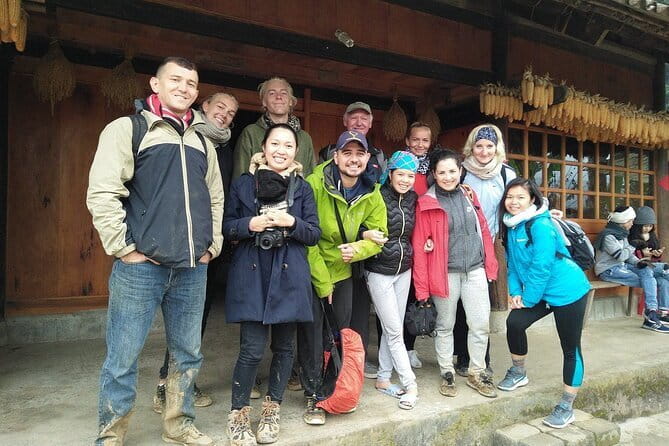
Reaching Giang Ta Chai around 3:30 or 4:00 p.m. gives you a useful pause at the end of the first day. You check in, have tea, refresh with a shower, and settle before dinner.
Giang Ta Chai is surrounded by terraces and forest, so the setting feels quite different from Sapa town. The overnight stop also divides the trip sensibly. You get a full day on the trail, then time to rest before the second morning.
The listed schedule does not promise a formal evening performance or a fixed cooking lesson. Instead, it points to a more ordinary homestay experience, with local food and time around the household. That is better for anyone who wants conversation and a look at daily routines, but less suitable if you expect a tightly programmed cultural show.
More Trekking Tours in Sapa
- Sa Pa: Muong Hoa Valley Trek and Local Ethnic Villages
★ 4.6 · 864 reviews - Sapa 3 Days 2 Nights Trekking Tour (1 Night In Ta Van Village, 1 Night In Hotel)
★ 5.0 · 699 reviews - Sapa: Eco Adventure Terrace Fields and Local Villages Trek
★ 4.9 · 636 reviews - 3-Day Trekking Adventure of Sapa from Hanoi – Stay Ta Van Village
★ 5.0 · 611 reviews
Day two: Morning terraces and Ta Van Village
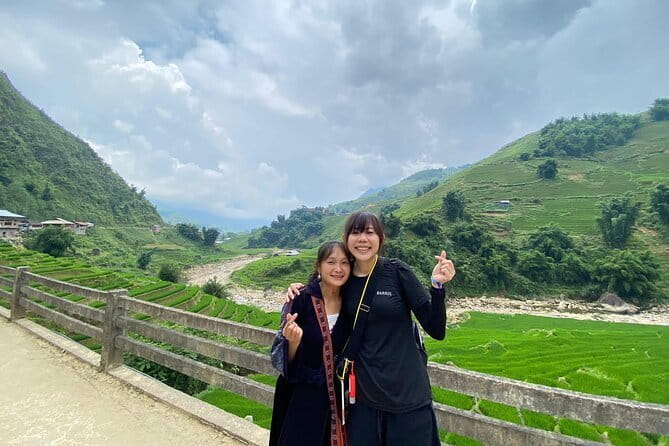
The second morning starts with coffee and views over the terraced fields. Breakfast is served at 8:00 a.m., followed by packing and farewells to your hosts.
That timing gives you a slower start than day one. I like this part because the terraces are not just scenery on a checklist. Seeing them from the homestay in the morning helps you understand how closely the homes, paths, fields, and hills are linked.
You then walk through bamboo forest toward Ta Van Village. Once you come out of the forest, Ta Van introduces two local communities, the Black Hmong and the Giay. Your guide explains the differences between the groups, including their cultural traditions and ways of life.
The cultural explanation is one of the reasons a local guide adds value. Without context, villages can blur into a series of attractive views. With a guide, you can place what you see in a wider picture of Sapa, an area home to six ethnic minority groups.
Lao Chai and the final rice terrace views
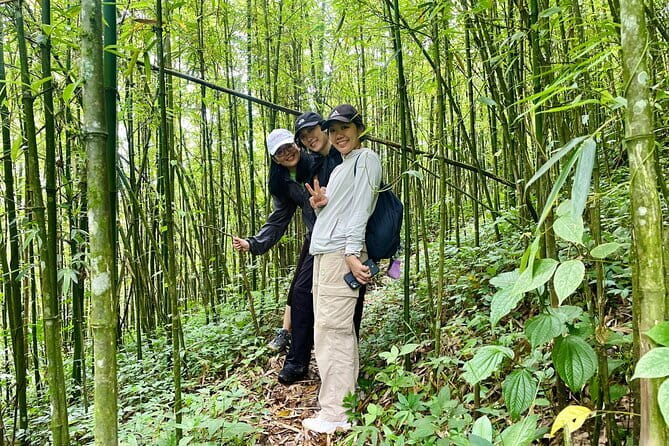
The route continues to Lao Chai, known for broad rice terraces and its Black Hmong community. You can explore village areas, see traditional houses, and take in some of the most recognizable scenery in the Sapa region.
This stop lasts about two hours, making it one of the longer visits on day two. It is a good final section because the journey has moved from mountain paths and forest to open terraces and village life.
Lao Chai is also likely to feel more familiar to people who have seen photographs of Sapa. That does not make it less worthwhile, but the experience depends on how much time you spend looking beyond the main views. Ask your guide about the homes, farming, and community traditions instead of treating the terraces as a photo stop.
The activity ends back at the meeting point, although the supplied schedule does not give a precise return time. Keep that uncertainty in mind if you have a train, bus, or fixed dinner reservation on the second evening.
How the private format changes the experience
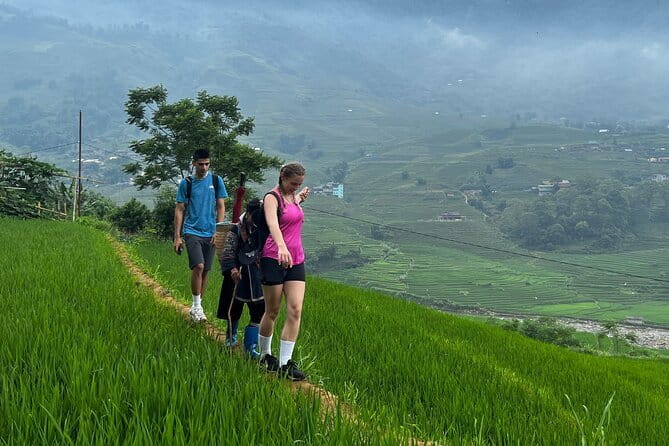
This is a private activity, so only your group participates. That matters in Sapa, where narrow village trails can feel crowded when several tour groups arrive together.
One recent departure was led by Nhu, who adjusted the route after learning that the group was fit and wanted to avoid busy paths. That is a useful example of what private guiding can offer. It does not guarantee that Nhu will lead your trip, but it shows the type of flexibility you should ask about when booking.
You should tell the guide early if you care most about quiet trails, cultural explanations, photography, or a faster walking pace. The private format gives you a better chance of shaping the day, though the route still needs to fit the terrain and the planned homestay.
The group discount feature may also help if you are traveling with family or friends. Since the tour is already private, a larger group can share the guide and transport while keeping the experience within your own party.
What the $80 price really covers
At $80 per person, the price is strong for a two-day private trip if you use the included services. You are paying for a guide, private transportation, entrance fees, a homestay, breakfast, dinner, two lunches, and water.
The value is not only in the number of inclusions. The homestay and local guiding are the parts that would be harder to arrange smoothly on your own, especially if you do not speak Vietnamese or know which village routes connect.
Tips, travel insurance, and personal expenses are not included. You should also allow for anything extra you choose to buy along the way. The price does not appear to cover a hotel in Sapa before or after the trek.
Confirmation is provided at booking, and free cancellation is available up to 24 hours before the start time. Changes or cancellations inside that window are not accepted for a refund, so keep the local start time in mind.
Who will enjoy this Sapa trek most
This trip suits you if you want scenery and local contact in equal measure. It works especially well for:
- Hikers who want two days rather than a quick village visit
- Couples, families, or friends who value a private guide
- Active visitors comfortable with mountain paths and descents
- People who prefer a homestay to a standard hotel night
- Anyone interested in Black Hmong, Giay, and other local communities
- Vegetarian, vegan, or gluten-free guests who can state dietary needs in advance
It is less suitable if you need an easy, flat walk or dislike simple accommodation. You should have moderate physical fitness, and the combination of terraces, forest trails, and village paths means sturdy footwear is a sensible choice.
Service animals are allowed. The tour information does not provide detailed accessibility information for the trails or homestay, so ask before booking if you have mobility concerns.
Practical advice for a smoother two days
Meet at Sa Pa Stone Church unless hotel pickup has been arranged. The start time is 9:00 a.m., so confirm the exact pickup details rather than assuming the guide will find you anywhere in town.
Carry a small bag, rain protection, sun protection, personal medicine, and a change of clothes. The tour includes water, but you should still be prepared for a full day outside. A walking pole may help on the descent if you normally use one.
Wear shoes with grip. Rice terrace paths and bamboo forest trails can be uneven, and the schedule includes both climbing and downhill sections.
Tell the guide about your preferred pace at the start. If you want time for photos or more cultural discussion, say so early. If you are a strong walker and hope to take quieter paths, mention that too. The experience is private, which makes such communication worthwhile.
Should you book the Sapa Mountain Escape?
Book it if you want Sapa as a place of people, paths, farms, and homes, not only as a set of viewpoints. The Hmong homestay, private format, included meals, and adaptable guiding make this a good-value choice at $80.
I would choose it for an active two-day visit, especially if a guide such as Nhu is available and you want to avoid crowded routes. I would skip it if you want hotel-level comfort, a short walk, or a fixed return time on day two.
For most reasonably fit visitors, this is a well-balanced way to see the terraces and meet local families. Just pack for changeable mountain conditions and approach the homestay with an open mind.
FAQ
How long is the Sapa Mountain Escape?
The experience lasts two days and includes one overnight stay in a homestay.
Where does the tour start?
The meeting point is Sa Pa Stone Church on Ham Rong Street in central Sapa. Pickup from your hotel is also offered.
What time does the tour begin?
Your guide picks you up or meets you at 9:00 a.m. on day one.
Where do you stay overnight?
You stay at a Hmong family homestay in Giang Ta Chai Village.
What meals are included?
Breakfast, dinner, two lunches, and water are included.
Can dietary restrictions be accommodated?
Yes. Vegetarian, vegan, gluten-free, and other dietary requirements can be accommodated if you include them in the special requirements when booking.
Is this a private tour?
Yes. Only your group participates in the activity.
How fit do you need to be?
A moderate level of physical fitness is recommended. The tour includes mountain trekking, terraced fields, bamboo forests, village paths, and a descent toward Giang Ta Chai.
More 2-Day Experiences in Sapa
- Sapa 2 Days 1 Night From Hanoi – Overnight in Hotel
★ 5.0 · 440 reviews - From Hanoi: 2-Day Sapa Limo Bus Tour & Fansipan Peak Visit
★ 4.6 · 277 reviews - From Hanoi: 2-Day Sapa Trek Tour – Luxury Limousine Transfer
★ 4.1 · 249 reviews - 2-Day Sapa Guided Tour Slipping in Homestay From Hanoi
★ 5.0 · 243 reviews
More Treks Within Reach
- Number one top rated ethical cultural trekking and homestay by ETHOS
★ 5.0 · 456 reviews - 2-Day Sa Pa Ethnic Homestay Tour & Trek with Limousine Bus
★ 4.8 · 440 reviews - From Sapa: 1-Day Guided Trek to Lao Chai & Ta Van with Lunch
★ 4.9 · 416 reviews - Sa Pa Full Day Trekking Tour
★ 5.0 · 414 reviews
Just added around Sapa
- Half Day Sapa Cat Cat Explore Waterfall, Workshop, H’mong Local★ 5.0 · 9 reviews
- Sapa 1 Day Trekking★ 5.0 · 9 reviews
- Sapa Open Air Jeep Half Days Off the Beaten Track, Backroad★ 4.9 · 9 reviews
- Fansipan Mount Trekking 1 Day★ 5.0 · 9 reviews
- Sapa: Motorbike Tour to Hidden Villages & Terraced Fields★ 5.0 · 9 reviews
- Sapa 3 Day Trekking with 2 Nights Homestay★ 5.0 · 9 reviews
- SaPa: 2-Day Villages,Rice Fields, Love Waterfall Hiking Tour★ 5.0 · 9 reviews
- 8-Day Discover Northern Vietnam Highlight: Hanoi – Ninh Binh – Sapa – Halong Bay★ 5.0 · 9 reviews
Trekking Tours in Sapa, compared.

Muong Hoa Valley Trek and Local Ethnic Villages
Read our review →

Sapa 3 Days 2 Nights Trekking Tour (1 Night In Ta Van Village, 1 Night In Hotel)
Read our review →
Eco Adventure Terrace Fields and Local Villages Trek
Read our review →
3-Day Trekking Adventure of Sapa from Hanoi – Stay Ta Van Village
Read our review →
Number one top rated ethical cultural trekking and homestay by ETHOS
Read our review →
2-Day Sa Pa Ethnic Homestay Tour & Trek with Limousine Bus
Read our review →
1-Day Guided Trek to Lao Chai & Ta Van with Lunch
Read our review →Browse the lists this tour appears in