
Reviewed · TREKKING TOURS IN SAPA
Sapa Valley Trek and Homestay – 3D2N
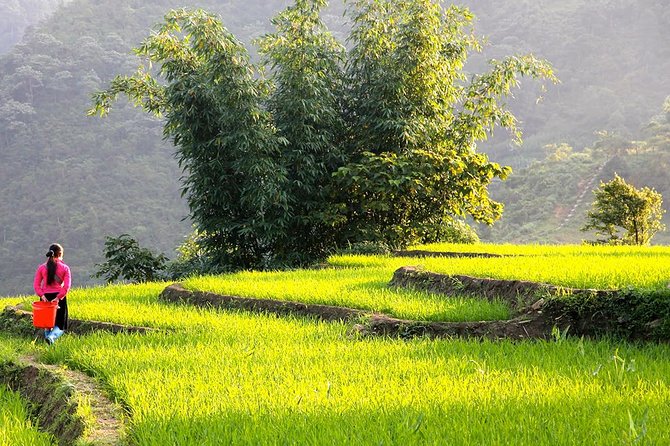
Sapa’s best moments come after the town disappears behind you. This three-day trek leads through rice terraces, mountain paths, waterfalls, and five villages connected with Hmong, Giay, Red Dao, Tay, and Black Hmong communities. The homestay gives the trip a human focus, not just a series of viewpoints.
I like the local guides, especially the named guides Soso, Ly, Mae, May, Dom, and Sush, who adjust the pace, explain village life, and help on slippery sections. I also like the mix of scenery and culture: you are not only looking at rice fields, but learning about marriage customs, farming, house building, and daily work.
The main drawback is the walking. This is not a gentle sightseeing trip, and wet weather can make mountain paths difficult. The accommodation details also need clarifying before booking, since the inclusions list one homestay night while the schedule and guest experiences refer to homestays more broadly.
In This Review
- Key points to know before you book
- Leaving Sapa Town for Y Linh Ho
- Ta Van and the first village evening
- Giang Ta Chai: waterfalls, forest, and a harder morning
- Su Pan and Ban Ho’s mix of communities
- Day 3 in Ban Ho and the route to Nam Tong
- What the $170 price really covers
- Who will enjoy this trek most
- Practical details that can make the trip easier
- Should you book the Sapa Valley Trek and Homestay?
- FAQ
- Where does the tour start?
- How long does the experience last?
- Which villages are included?
- Which ethnic communities do you learn about?
- Is accommodation included?
- What meals are included?
- Is drinking water included?
- How difficult is the trek?
- What is the cancellation policy?
Key points to know before you book
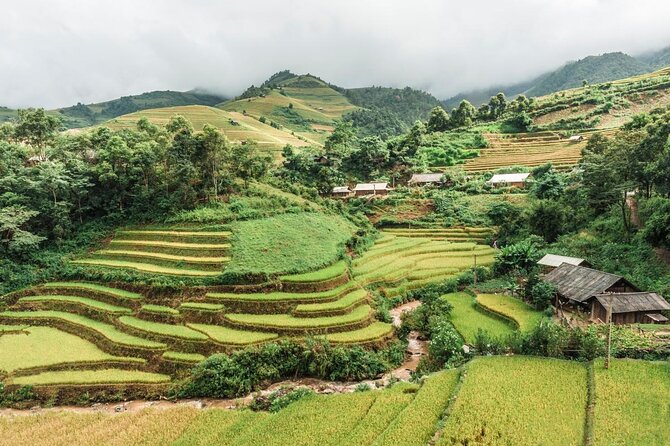
- Five villages in three days: The route connects Y Linh Ho, Ta Van, Giang Ta Chai, Ban Ho, and Nam Tong, with additional time around Su Pan and nearby communities.
- Local guides shape the experience: Guides including Soso, Ly, Mae, May, Dom, and Sush are described as helpful, clear in English, and attentive to walking ability.
- Rice terraces are central: You walk among Sapa’s famous stepped fields rather than seeing them only from a roadside lookout.
- The homestay adds real contact: You can share meals, take part in simple cooking, and learn about village customs in a family setting.
- Expect a moderate physical challenge: The route includes uphill and slippery sections, waterfalls, forest paths, and long walking days.
- The price covers the basics: At $170 per person, you get meals, a guide, village entry fees, water, homestay lodging, and transport back to Sapa.
Leaving Sapa Town for Y Linh Ho
The tour begins at 9 a.m. Your guide meets you at your hotel in Sapa Town or at Sapa Church on Ham Rong Street. After a short introduction, you are taken about 2 kilometers down the road toward Cat Cat before the walking portion unfolds toward Y Linh Ho.
Y Linh Ho is a good opening stop because it puts you among the mountain scenery quickly. The route is built around broad views of the valley and rice terraces, with rural villages spread along the slopes. I would not think of this as a quick photo stop. The value is in seeing how the paths, homes, fields, and waterways fit together.
The route gives you a more grounded view of Sapa than a town-based excursion. You will see the terraces as working agricultural land, not only as a scenic backdrop. Your guide can also explain Hmong work, house building, rice cultivation, and local customs along the way.
The exact walking distance and daily timing are not specified, so ask your guide for the day’s plan at the start. This matters if you are traveling with older family members or children. One family completed longer distances with children aged 12 to 16, but the route can be made more demanding for people who want a stronger trek.
More Trekking Tours in Sapa
- Sa Pa: Muong Hoa Valley Trek and Local Ethnic Villages
★ 4.6 · 864 reviews - From Hanoi: 2-Day Sapa Trekking Trip with Homestay & Meals
★ 4.8 · 704 reviews - Sapa 3 Days 2 Nights Trekking Tour (1 Night In Ta Van Village, 1 Night In Hotel)
★ 5.0 · 699 reviews
Ta Van and the first village evening
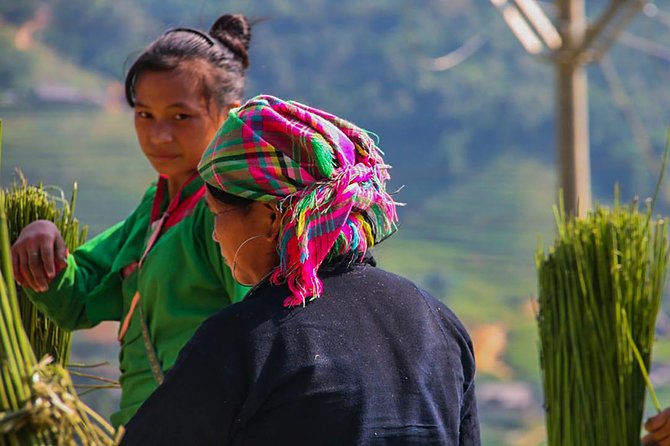
After the first section, you continue toward Ta Van Village, associated with the Giay community. This is where the rural pace becomes more noticeable. Instead of returning to Sapa after a day outdoors, you spend the evening in or around the village and prepare for a shared dinner.
The schedule allows time to rest, take a hot shower, and get ready for the meal. That small pause matters. Three days of walking can be tiring, and a shower plus a warm meal makes the homestay feel like part of the trip rather than simply a place to sleep.
The included meals are two breakfasts, three lunches, and two dinners. Extra drinks, including bottled water or beer at the homestay, cost more. One large bottle of water per person is included, but I would still ask how much additional drinking water you should carry for each day.
The homestay is intended to be comfortable but simple. Descriptions of the accommodation include clean, cozy rooms and friendly family hosts. One particularly appealing activity is helping prepare food, including fried spring rolls. That kind of hands-on moment is more memorable than another formal explanation of local culture.
There is an important practical detail to confirm. The published inclusions say accommodation homestay, one night, while the day-by-day plan and guest accounts refer to homestays in the plural. Ask whether the $170 price includes one night or more than one village stay, and what sleeping arrangements apply to your departure date.
Giang Ta Chai: waterfalls, forest, and a harder morning
Day 2 starts with coffee or tea and time to explore the area around the homestay. After breakfast, you head uphill toward the waterfalls at Giang Ta Chai. This section brings a different setting from the open rice terraces, with forest paths and water adding variety to the route.
The uphill walk is one of the places where fitness matters. The tour calls for a moderate physical level, and the route can include slippery ground. Several guides are praised for helping people over difficult sections and changing the pace when needed. Dom, in particular, is described as adjusting the difficulty to match how the group was feeling.
You should bring shoes with dependable grip and clothing that can handle mud or rain. The supplied information does not promise walking poles, special equipment, or a dry-season-only route, so do not assume those extras will be available. Good weather is required for the tour to operate, and poor weather can lead to a different date or a refund.
Giang Ta Chai is valuable because it breaks up the view-heavy parts of Sapa with a more physical mountain experience. You are not simply being driven to a waterfall. You walk uphill through the countryside to reach it, which makes the stop feel earned without turning the tour into a technical expedition.
Su Pan and Ban Ho’s mix of communities
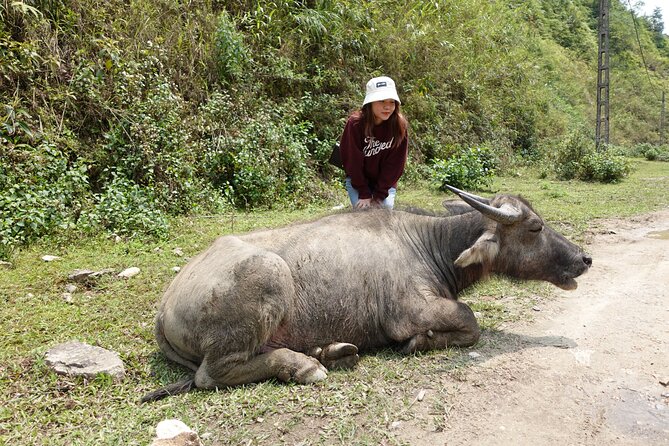
After Giang Ta Chai, the route continues uphill and onward to Su Pan, connected with the Black Hmong community. It then carries on to Ban Ho Village, where you encounter Red Dao and Tay communities as well as other local residents.
This part of the route gives the tour its strongest cultural range. Sapa is not one single ethnic destination, and the chance to compare Hmong, Giay, Red Dao, and Tay traditions adds depth to the scenery. Your guide can explain differences in customs, clothing, homes, farming, and family life.
The tour also focuses on Hmong marriage traditions, rice-field work, and building techniques. These details help you understand the villages as living communities rather than staged cultural stops. I would pay close attention to the guide here, since the quality of the explanations is a major part of what you are paying for.
Guide language ability varies by person, but the named guides are described as communicating clearly in English. Mae is specifically noted for her English and for offering detailed explanations. Soso is praised for being attentive and willing to help with whatever the group needs. Ly is described as both informative and clear when discussing culture and daily life.
Ban Ho is also a good point to judge your energy level. The second day combines a waterfall, uphill walking, and another village transfer. If you are not used to several hours on mountain paths, tell your guide early rather than waiting until you are exhausted.
More Sapa escapes from Sapa:
- Sapa 2 Days 1 Night From Hanoi – Overnight in Ta Van Village
★ 5.0 · 2,669 reviews - Hanoi – Sapa 2 Days 1 Night Overnight At Homestay
★ 5.0 · 899 reviews - Sapa: Fansipan Cable, Cat Cat Village & Moana Instagram Tour
★ 5.0 · 777 reviews - Sapa: Eco Adventure Terrace Fields and Local Villages Trek
★ 4.9 · 636 reviews
Day 3 in Ban Ho and the route to Nam Tong
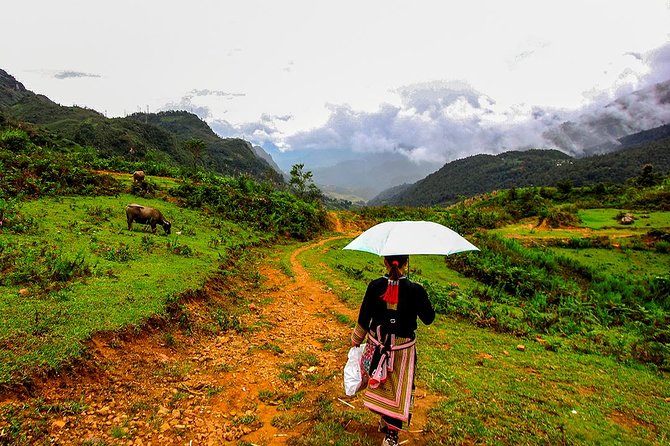
The final morning begins with breakfast in Ban Ho. You visit traditional houses and learn about Tay culture before continuing to Nam Tong Village. This is a quieter finish than a major viewpoint or a rushed return to town.
The traditional homes provide a useful counterpoint to the earlier Hmong and Giay sections. The goal is not just to photograph a building, but to understand how the Tay community uses its homes and how village life is organized. The short itinerary description does not give a precise duration for this visit, so ask your guide how much walking remains after Nam Tong.
At the end of the village route, transport takes you back to Sapa. The meeting information says the activity ends back at the meeting point, while the inclusions specify transport back to Sapa after the village portion. In practical terms, plan on returning to Sapa rather than arranging an independent pickup from a remote village, but confirm the exact drop-off point.
The final day is a good fit for anyone who prefers a gradual finish. You get a last cultural visit, rather than simply waking up and being driven away. Still, the length of the final walk is not clearly stated, so keep your schedule flexible if you have a train or bus to catch.
What the $170 price really covers
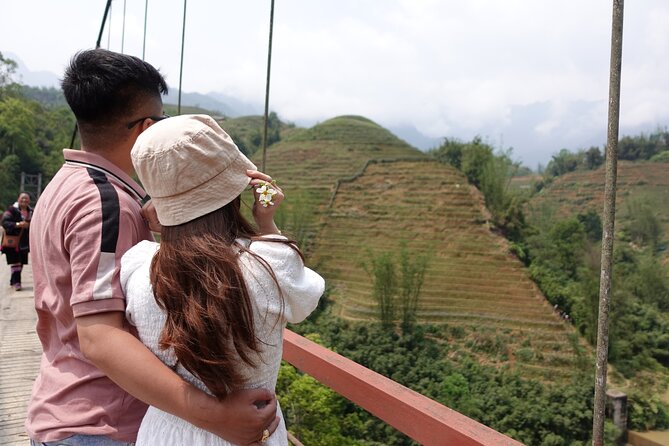
At $170 per person, this is not the cheapest way to see Sapa. You are paying for a three-day route with a local guide, village entry fees, meals, water, accommodation, and return transport. The price makes more sense if you want a planned route and cultural interpretation rather than arranging village walks independently.
The included food is a strong part of the value. You receive three lunches, two breakfasts, and two dinners, which removes most meal planning during the trek. You still pay for personal drinks and extra bottled water, so carry some Vietnamese dong for small purchases.
A maximum group size of 15 keeps this from being a private trek, but it is not a giant bus tour either. The actual feel will depend on the number booked for your date. A smaller group usually makes it easier to ask questions, walk at a steady pace, and speak with the guide.
The local connection is also important. The company describes itself as a small Hmong-run operation in Sapa. That does not guarantee a perfect experience, but it explains why the tour places so much weight on village customs and personal guide stories.
Who will enjoy this trek most
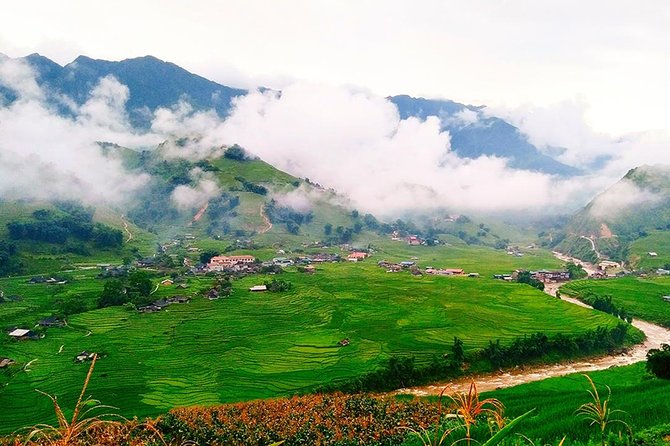
I would choose this tour if you want active village travel and are comfortable walking for much of the day. It suits couples, families with older children, and independent-minded visitors who want more than a short rice-terrace outing.
It may also work well for mixed-ability groups because the guides can adjust the route. That flexibility has limits, though. The trek still includes hills and potentially slippery paths, and the tour requires moderate physical fitness.
This is less suitable if you want luxury lodging, fixed walking times, or a completely predictable route. The homestay is part of the appeal, but it also means rural conditions and a simpler standard than a Sapa hotel.
You should also be comfortable with cultural contact. The point is to learn about ethnic communities and village life, not merely to pass through scenic countryside. A respectful attitude, modest clothing, and patience will improve the experience.
Practical details that can make the trip easier
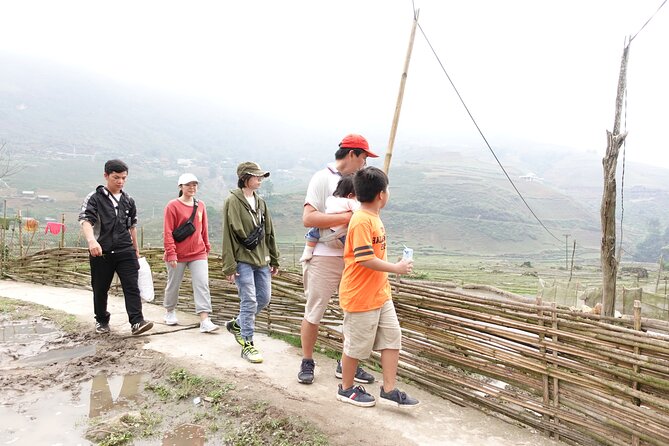
Wear shoes with good grip and bring clothing for changing mountain weather. The tour requires suitable weather, and rain can change the feel of the paths quickly.
Carry a small daypack, personal toiletries, and a little extra water beyond the included bottle. Since drinks at the homestay are not covered, bring cash for those purchases and for tips if you choose to leave one.
Keep your luggage arrangements clear before departure. The supplied details confirm pickup in Sapa and transport back after the village route, but they do not explain whether large bags are carried, stored, or transferred separately.
Use the booking confirmation to verify the homestay nights, expected daily walking time, and return schedule. These are the three details most likely to affect your comfort and onward plans.
Free cancellation is available up to 24 hours before the 9 a.m. start time. Changes made inside that window are not accepted, and a weather or minimum-group cancellation can result in a new date or a full refund.
Should you book the Sapa Valley Trek and Homestay?
Book it if you want a culture-first trek with strong mountain scenery, several ethnic communities, included meals, and a local guide who can help you manage the harder sections. The combination of rice terraces, Giang Ta Chai waterfall, Ban Ho, and a homestay gives you a fuller picture of Sapa than a half-day walk.
Think twice if you dislike uneven paths, rural lodging, or uncertain daily distances. Before paying, confirm the number of homestay nights and the expected walking hours. If those points suit you, $170 is a fair price for three days of guiding, meals, village access, lodging, and transport, especially if you value direct contact with local communities.
FAQ
Where does the tour start?
The tour starts at 9 a.m. at your hotel in Sapa Town or in front of Sapa Church on Ham Rong Street.
How long does the experience last?
The experience lasts approximately three days and two nights.
Which villages are included?
The route includes Y Linh Ho, Ta Van, Giang Ta Chai, Ban Ho, and Nam Tong. It also continues through or near Su Pan and nearby ethnic minority communities.
Which ethnic communities do you learn about?
The tour focuses on Hmong, Giay, Red Dao, Tay, and Black Hmong communities.
Is accommodation included?
Homestay accommodation is included. The inclusions specify one homestay night, while the schedule refers to homestay stays more broadly, so confirm the exact number of nights when booking.
What meals are included?
The price includes three lunches, two breakfasts, and two dinners.
Is drinking water included?
One large bottle of water per person is included. Extra drinks, including bottled water or beer at the homestay, are not included.
How difficult is the trek?
You need a moderate level of physical fitness. The route includes uphill walking, waterfalls, mountain paths, and sections that may be slippery.
What is the cancellation policy?
You can cancel at least 24 hours before the start time for a full refund. Poor weather or failure to reach the minimum group size may lead to a different date or a full refund.
More 3-Day Experiences in Sapa
- Hanoi – Sapa 3 Day 2 Night Trekking With Hotel & Homestay
★ 5.0 · 389 reviews - From Sapa: 3-Day Ha Giang Loop with Safe Rider (max 8 pax)
★ 4.9 · 285 reviews - From Hanoi: Trek and Stay: 3-Day Sapa Highlands Adventure
★ 4.6 · 152 reviews - Sapa 3 Days 2 Nights Trekking Tour From Hanoi (2 Nights in Hotel)
★ 5.0 · 112 reviews
More Treks Within Reach
- 3-Day Trekking Adventure of Sapa from Hanoi – Stay Ta Van Village
★ 5.0 · 611 reviews - Number one top rated ethical cultural trekking and homestay by ETHOS
★ 5.0 · 456 reviews - 2-Day Sa Pa Ethnic Homestay Tour & Trek with Limousine Bus
★ 4.8 · 440 reviews - From Sapa: 1-Day Guided Trek to Lao Chai & Ta Van with Lunch
★ 4.9 · 416 reviews
Just added around Sapa
- Sapa 1 Day Trekking★ 5.0 · 9 reviews
- Half Day Sapa Cat Cat Explore Waterfall, Workshop, H’mong Local★ 5.0 · 9 reviews
- Sapa Open Air Jeep Half Days Off the Beaten Track, Backroad★ 4.9 · 9 reviews
- Fansipan Mount Trekking 1 Day★ 5.0 · 9 reviews
- Sapa: Motorbike Tour to Hidden Villages & Terraced Fields★ 5.0 · 9 reviews
- Sapa 3 Day Trekking with 2 Nights Homestay★ 5.0 · 9 reviews
- 8-Day Discover Northern Vietnam Highlight: Hanoi – Ninh Binh – Sapa – Halong Bay★ 5.0 · 9 reviews
- SaPa: 2-Day Villages,Rice Fields, Love Waterfall Hiking Tour★ 5.0 · 9 reviews
Trekking Tours in Sapa, compared.

Muong Hoa Valley Trek and Local Ethnic Villages
Read our review →

Sapa 3 Days 2 Nights Trekking Tour (1 Night In Ta Van Village, 1 Night In Hotel)
Read our review →
Eco Adventure Terrace Fields and Local Villages Trek
Read our review →
3-Day Trekking Adventure of Sapa from Hanoi – Stay Ta Van Village
Read our review →
Number one top rated ethical cultural trekking and homestay by ETHOS
Read our review →
2-Day Sa Pa Ethnic Homestay Tour & Trek with Limousine Bus
Read our review →
1-Day Guided Trek to Lao Chai & Ta Van with Lunch
Read our review →Browse the lists this tour appears in