
Reviewed · TREKKING TOURS IN SAPA
Trekking Through Rice Terraced Fields – 1Day
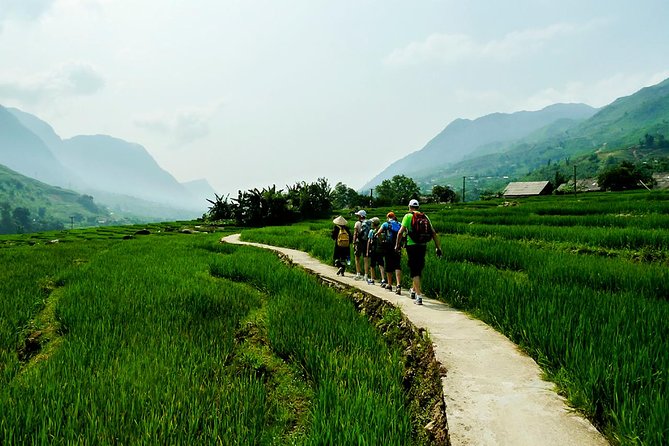
Sapa’s best day walks leave the town behind quickly. This trek drops toward Y Linh Ho, follows rice terraces toward Lao Chai, then reaches Ta Van, where Giay village life adds a second cultural viewpoint. You get mountain scenery, local food, and a guide who can explain farming, homes, marriage customs, and daily work.
I like two things here: the route connects several villages instead of stopping at one viewpoint, and the local guides, including Chu, Sang, Vang, Mai, and Du, often add personal knowledge about Hmong life. The price also covers lunch, village fees, water, and the ride back to Sapa.
The catch is the walking. The route can reach about 11 to 12 kilometers, with steep or muddy sections and a climb through the terraces. This is not a gentle stroll, and the guide’s level of explanation may vary.
In This Review
- Key points to know before booking
- Starting below Sapa and heading toward Y Linh Ho
- Walking the rice terraces around Lao Chai
- Lunch after the hardest walking
- Ta Van and the Giay cultural contrast
- What the guides add to the day
- Is $45 good value for a Sapa trek?
- The right fitness level and what to pack
- Timing, meeting details, and cancellation
- Who should book this walk?
- My call: book it if the walking is the point
- FAQ
- How long does the Sapa rice terrace trek last?
- What time does the tour start?
- Where does the tour begin?
- Which villages are included?
- Which ethnic communities are connected with the route?
- Is lunch included?
- Is bottled water included?
- Is transportation back to Sapa included?
- How difficult is the walk?
- What is the cancellation policy?
Key points to know before booking
- Three village areas in one day: Walk through Y Linh Ho, Lao Chai, and Ta Van, with a focus on Hmong and Giay culture.
- A real mountain walk: Expect about 5 to 6 hours on foot, with steep climbs, uneven ground, and possible mud.
- Local guides make the difference: Guides such as Chu, Sang, Vang, Mai, and Du have been praised for explaining culture, farming, and village life.
- Lunch and return transport are included: You receive a local meal, one small bottle of water, village entry fees, and transportation back to Sapa.
- Small groups help: The maximum group size is 15, though some departures may be much smaller.
- Best for active visitors: You should have moderate physical fitness and wear shoes with strong grip.
Starting below Sapa and heading toward Y Linh Ho
The day begins around 9:00 to 9:30 in the morning. Pickup is offered from your hotel in Sapa Town, or you can meet the guide near Sapa’s main church or the stated meeting point on Thác Bạc street.
After a short introduction, transport takes you about 2 kilometers down the road toward Cat Cat. This is a useful start because it puts you closer to the walking route and avoids making you spend the first part of the day simply leaving town.
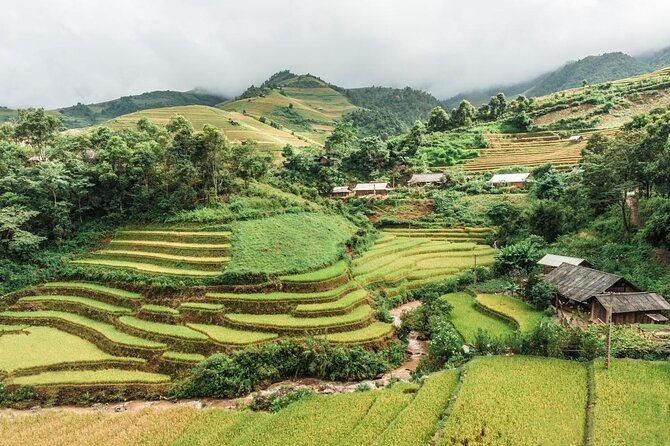
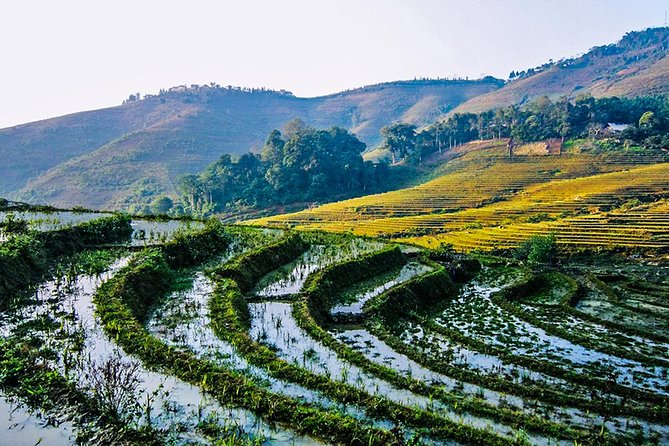
Y Linh Ho is the first major stop, and you spend about two hours in this area. The appeal is the change in scale. Sapa’s streets and hotels fade away, replaced by steep hillsides, narrow paths, mountain views, and rice terraces cut into the slopes.
The terraces are not just scenery. They show how farming works in a region where flat ground is scarce. Your guide may explain rice planting, field work, house building, and the way local families use the land. The best guides, such as Chu and Sang, have been praised for answering questions and connecting what you see with everyday life.
The views depend heavily on weather and season. On a clear day, the hills and valleys can look remarkably open. In wet conditions, the paths become slippery, and low cloud can hide some of the distant views. That is part of the Sapa experience, but it also means you should not book this walk solely for perfect photographs.
More Trekking Tours in Sapa
- Sa Pa: Muong Hoa Valley Trek and Local Ethnic Villages
★ 4.6 · 864 reviews - From Hanoi: 2-Day Sapa Trekking Trip with Homestay & Meals
★ 4.8 · 704 reviews - Sapa 3 Days 2 Nights Trekking Tour (1 Night In Ta Van Village, 1 Night In Hotel)
★ 5.0 · 699 reviews
Walking the rice terraces around Lao Chai
After Y Linh Ho, the route continues toward Lao Chai, a Black Hmong village. The walking here is the heart of the experience. You move through rice-growing country rather than viewing the terraces from a road or a fixed lookout.
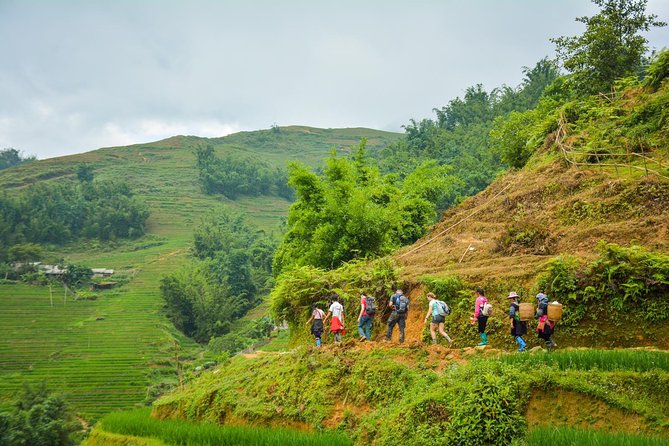
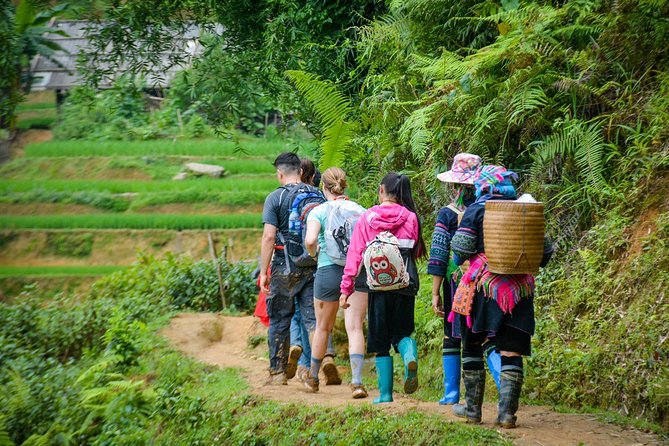
Allow about two hours for this section. The route is often described as moderate, but that word needs a little explanation. You do not need technical climbing skills, yet the walk may include a long climb, sloping paths, uneven ground, and slippery sections. One account described a total route of about 12 kilometers, while another family group walked roughly 6 miles. In practical terms, prepare for a full half-day on your feet.
The climb through a rice paddy can be tiring, especially if you are not used to hills. Sore legs the next day are possible. Good footwear is one of the clearest pieces of advice for this tour. Choose shoes or boots with grippy soles, and expect them to get muddy if the track is wet.
Lao Chai is valuable because the guide can help you notice more than the view. You may learn about Hmong rice cultivation, work routines, traditional homes, and marriage customs. The cultural discussion is one of the main reasons to pay for a guide rather than follow a route with a map.
Still, set your expectations correctly. A guide may be warm and helpful but less talkative unless you ask questions. If you want a detailed explanation of farming or local customs, speak up early and keep asking as you walk. The experience is strongest when you treat it as a conversation, not just a guided transfer from one village to the next.
Lunch after the hardest walking
The tour includes lunch with local food, vegetables, meat, and a vegetarian option. Extra drinks at the restaurant cost more, and the included water is only one small bottle per person.
The meal is well timed because it gives you a proper break after the first long walking sections. It also adds a local food stop to a day that could otherwise feel like a pure exercise outing. The quality may be simple rather than elaborate, so I would view lunch as practical fuel and part of the village visit, not as a separate food tour.
Bring more water than the included bottle if you can. Extra bottled water or beer is not covered, and several hours of walking in the hills can make one small bottle feel inadequate. The tour description does not promise additional refreshments, so plan ahead.
You may also meet local people selling handmade items, including small bags and key rings. You are not required to buy anything. If you do, remember that these goods represent local work, but keep the exchange friendly and avoid feeling pressured to purchase.
Ta Van and the Giay cultural contrast

The final walking section takes about one hour and leads to Ta Van Village. Here you meet the Giay minority, giving the day a second cultural focus after the Black Hmong area around Lao Chai.
This contrast is one of the tour’s most useful features. You are not simply seeing several villages with similar commentary. The guide can explain differences between ethnic groups, including customs, daily life, and village traditions. The activity also refers to Hmong and Red Dao communities in its broader cultural focus, though the listed route specifically names Hmong and Giay villages.
Ta Van is also where the pace changes. After the main rice terrace walk, the final hour gives you time to see another village setting before reaching the vehicle. The ride back to Sapa is included, which matters after a route that may cover 11 or 12 kilometers.
One guest chose not to take the vehicle and instead continued walking with the guide to a homestay, turning the outing into an 11-kilometer round trip. That flexibility sounds appealing, but it should not be assumed as part of the standard tour. If you want a longer walk or a homestay finish, ask the operator before setting out.
More Sapa escapes from Sapa:
- Sapa 2 Days 1 Night From Hanoi – Overnight in Ta Van Village
★ 5.0 · 2,669 reviews - Hanoi – Sapa 2 Days 1 Night Overnight At Homestay
★ 5.0 · 899 reviews - Sapa: Fansipan Cable, Cat Cat Village & Moana Instagram Tour
★ 5.0 · 777 reviews - Sapa: Eco Adventure Terrace Fields and Local Villages Trek
★ 4.9 · 636 reviews
What the guides add to the day
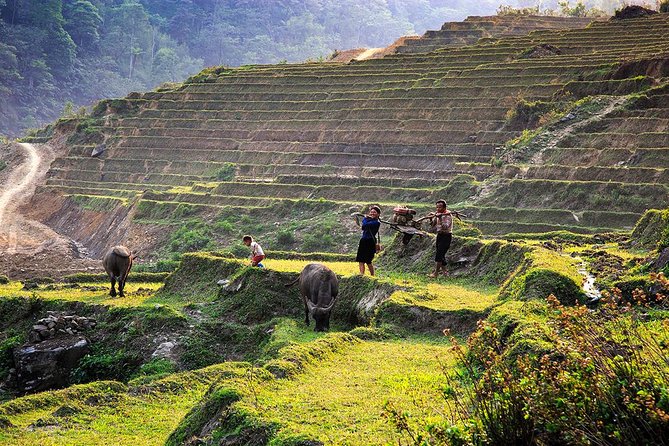
The guide is the main reason to choose this tour over walking alone. The scenery is available to anyone who reaches the valley, but a local guide can explain who lives in each village and how the terraces support families.
Several guides have received especially warm praise. Chu has been described as patient with children and able to share information about culture and nature. Sang has been praised for clear English, humor, and detailed answers. Vang, Mai, Du, Me, Chinh, Lucy, and Mau have also been singled out for friendliness, support, or local insight.
That does not mean every guide will give the same level of commentary. One experience found the guide pleasant but quiet unless asked direct questions. My advice is simple: prepare a few questions about rice planting, marriage traditions, houses, village work, and the differences between Hmong and Giay communities. The conversation will often shape the quality of the cultural side of the tour.
Group size can reach 15 people, but some departures have only two participants or a small handful. A small group lets you walk at a more personal pace and ask more questions. A full group may feel less flexible, especially on narrow or muddy paths.
Is $45 good value for a Sapa trek?
At $45 per person, the price is reasonable if you want a guided route with the main practical costs covered. You receive a local lunch, village entry fees, one small bottle of water, and transport back to Sapa. You also get a local guide for five to six hours, which is the core value of the outing.
The price is less compelling if you only want photographs of rice terraces. You can find scenic walks around Sapa without paying for a tour, though you would lose the included transport, village fees, meal, and cultural interpretation.
I consider the tour good value for visitors with only one day in Sapa. It combines several village areas and avoids the work of arranging transport between the town and the valley. It is also a practical choice if you want an English-speaking local guide, though the amount of explanation can differ by guide.
Budget for extra drinks, possible tips, and suitable walking gear. Tips are not included, and the tour does not cover personal travel insurance.
The right fitness level and what to pack

The operator asks for moderate physical fitness, and that is fair. You should be comfortable walking for several hours and handling hills. The route is not suitable for people with mobility issues, and it may be too demanding for anyone expecting a flat village walk.
Families can do it, but age alone is not the deciding factor. One guide handled a 3-year-old well, while another family with children aged 6 to 12 completed about 6 miles. Those examples show that patient guides can help families, but you still need to judge your group’s stamina and comfort on uneven ground.
Pack light, but bring the basics:
- Shoes or boots with good grip
- Extra water beyond the included bottle
- Clothing that can handle changing mountain weather
- A small bag for personal items
- Rain protection if conditions look wet
- Money for drinks, tips, or optional purchases
There is no need to carry a large pack. The walk itself is the main challenge, and a heavy bag will make the climbs harder.
Timing, meeting details, and cancellation
The published information gives a morning start around 9:00 to 9:30. Pickup is offered from Sapa Town hotels, and the meeting options include Sapa’s main church and the listed Thác Bạc street location. Confirm the exact pickup time when you book, since the information gives both 9:00 and 9:30.
The activity ends back at the meeting point after the return ride. Confirmation is provided at booking, and the area is near public transportation.
You can cancel for a full refund up to 24 hours before the local start time. Cancellations or changes made within 24 hours are not accepted for a refund.
Who should book this walk?
You should book it if you want to see Sapa’s rice terraces on foot and learn about local communities along the way. It suits active visitors who prefer a village route to a short viewpoint stop, and it works well for anyone with only one free day.
It is also a good fit for families with older children or younger children who are used to walking, especially if you request a patient guide. The small maximum group size helps, though you cannot assume every departure will be private or tiny.
You should think twice if your mobility is limited, if you dislike mud and steep ground, or if you want a relaxed outing with little exertion. The route can be long, and the return vehicle comes only after the main walk is finished.
My call: book it if the walking is the point
I would book this trek for the combination of terrace scenery and local explanation. The route through Y Linh Ho, Lao Chai, and Ta Van gives you a fuller picture of the Sapa valley than a quick photo stop, while lunch and the return ride keep the day simple.
Book it with realistic expectations. Bring proper shoes, carry extra water, and ask your guide questions if you want detailed cultural information. If you can handle a moderate 5 to 6-hour mountain walk, this is a strong-value way to spend a day in Sapa. If you want an easy outing, choose something shorter.
FAQ
How long does the Sapa rice terrace trek last?
The activity lasts approximately 5 to 6 hours.
What time does the tour start?
The published start time is 9:30 am, while the tour information also says the guide begins meeting participants around 9:00 am. Confirm your exact pickup time when booking.
Where does the tour begin?
Pickup is offered at hotels in Sapa Town. You may also meet the guide in front of Sapa’s main church or at the stated meeting point on Thác Bạc street.
Which villages are included?
The route includes Y Linh Ho, Lao Chai, and Ta Van Village.
Which ethnic communities are connected with the route?
Lao Chai is identified with the Black Hmong, and Ta Van is associated with the Giay minority. The wider tour description also refers to Hmong, Giay, and Red Dao communities in Sapa.
Is lunch included?
Yes. Lunch includes local food with vegetables and meat, and a vegetarian option is available.
Is bottled water included?
Yes. One small bottle of water per person is included. Extra drinks are not included.
Is transportation back to Sapa included?
Yes. Transport back to Sapa is included after the walking sections.
How difficult is the walk?
The tour requires moderate physical fitness. The route can be about 11 to 12 kilometers and may include steep climbs, uneven paths, and mud. It is not suitable for people with mobility issues.
What is the cancellation policy?
You can receive a full refund if you cancel at least 24 hours before the local start time. Cancellations or changes made within 24 hours are not refunded.
More Treks Within Reach
- 3-Day Trekking Adventure of Sapa from Hanoi – Stay Ta Van Village
★ 5.0 · 611 reviews - Number one top rated ethical cultural trekking and homestay by ETHOS
★ 5.0 · 456 reviews - 2-Day Sa Pa Ethnic Homestay Tour & Trek with Limousine Bus
★ 4.8 · 440 reviews - From Sapa: 1-Day Guided Trek to Lao Chai & Ta Van with Lunch
★ 4.9 · 416 reviews
Just added around Sapa
- Half Day Sapa Cat Cat Explore Waterfall, Workshop, H’mong Local★ 5.0 · 9 reviews
- Sapa 1 Day Trekking★ 5.0 · 9 reviews
- Sapa Open Air Jeep Half Days Off the Beaten Track, Backroad★ 4.9 · 9 reviews
- Fansipan Mount Trekking 1 Day★ 5.0 · 9 reviews
- Sapa: Motorbike Tour to Hidden Villages & Terraced Fields★ 5.0 · 9 reviews
- Sapa 3 Day Trekking with 2 Nights Homestay★ 5.0 · 9 reviews
- SaPa: 2-Day Villages,Rice Fields, Love Waterfall Hiking Tour★ 5.0 · 9 reviews
- 8-Day Discover Northern Vietnam Highlight: Hanoi – Ninh Binh – Sapa – Halong Bay★ 5.0 · 9 reviews
Trekking Tours in Sapa, compared.

Muong Hoa Valley Trek and Local Ethnic Villages
Read our review →

Sapa 3 Days 2 Nights Trekking Tour (1 Night In Ta Van Village, 1 Night In Hotel)
Read our review →
Eco Adventure Terrace Fields and Local Villages Trek
Read our review →
3-Day Trekking Adventure of Sapa from Hanoi – Stay Ta Van Village
Read our review →
Number one top rated ethical cultural trekking and homestay by ETHOS
Read our review →
2-Day Sa Pa Ethnic Homestay Tour & Trek with Limousine Bus
Read our review →
1-Day Guided Trek to Lao Chai & Ta Van with Lunch
Read our review →Browse the lists this tour appears in