
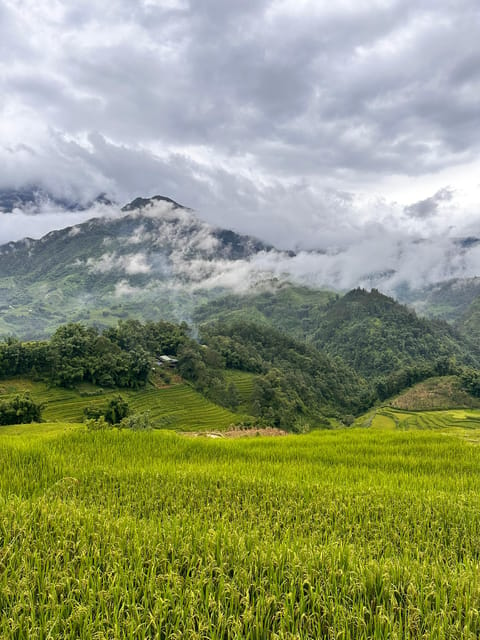
Reviewed · SAPA TOURS
Explore Sapa by TrekkingAdventures, Mountain,Rice fields
Sapa’s best stories are found below town, where footpaths cross rice terraces, buffalo graze near village homes, and local Hmong women explain daily life in their own communities. This five-hour outing follows the route from Sapa to Y Linh Ho, Lao Chai, and Ta Van, with a guide such as Sun, Dinh, or Khu leading the way.
I like two things here: you can choose between an easier and harder route, and your guide is a local Hmong woman with personal stories to share. The lunch is included, the ride back to Sapa is covered, and at $23 this is a strong deal. The catch is that muddy slopes, narrow paths, and winter fog can make the walk much tougher, and local women may repeatedly offer handmade goods for sale.
In This Review
- Quick points about the Sapa trek
- Why this route shows you more than Sapa town
- Y Linh Ho and the first steep descent
- Lao Chai, local food, and Black Hmong life
- From Lao Chai to Ta Van by field paths
- The guides make or break the day
- Mud, fog, and the right time to go
- What the $23 price really covers
- Who should book this Sapa walk?
- Should you book Explore Sapa?
- FAQ
- Where does the Sapa trek start?
- Which villages does the route visit?
- How long is the trek?
- Is lunch included?
- What happens if it rains?
- Is this a private tour?
Quick points about the Sapa trek
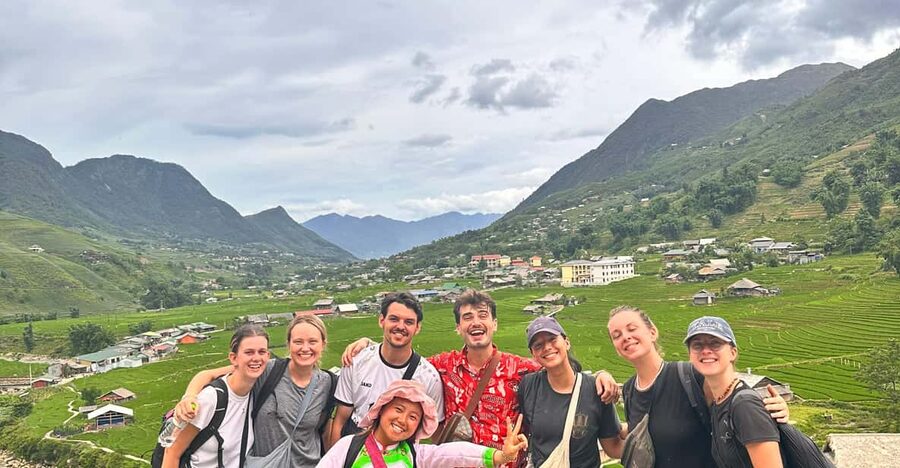
- Three villages in one outing: Walk through Y Linh Ho, Lao Chai, and Ta Van, each linked to a different part of Sapa’s mountain culture.
- Local women lead the way: Guides including Sun, Dinh, Khu, and Chu Chu explain family life, traditions, farming, and the differences between Hmong and Dzay communities.
- A flexible 5 to 11 kilometer route: Pick an easier road section, a harder trail, or a route that begins hard and finishes easy.
- Lunch and return transport included: Eat at a local restaurant in Lao Chai, then ride back to Sapa from Ta Van.
- Weather changes the experience: Clear days reveal broad valley views, while rain brings slippery mud and winter fog can hide the terraces.
- A direct way to support local women: The tour is run by three sisters who use the work to help other Hmong women find jobs and support local children’s schooling.
Why this route shows you more than Sapa town
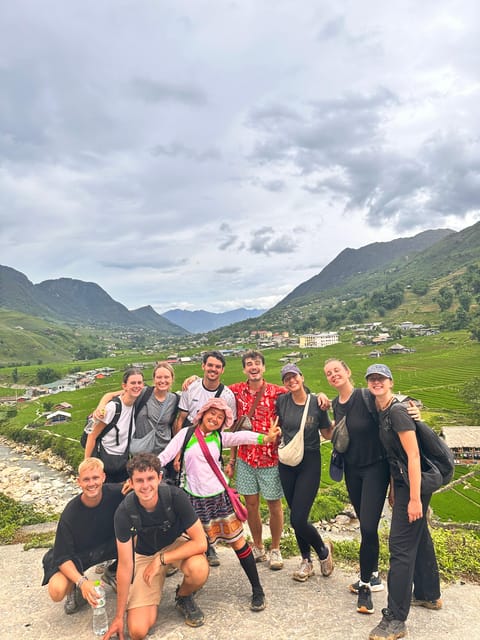
Sapa town is useful for hotels, restaurants, and transport, but it can feel busy and heavily geared toward tourism. The walk takes you into the valleys where farming, livestock, homes, and village paths form the setting for everyday life.
The route begins in Sapa at 9:00 AM, although the start can be adjusted if you arrange it in advance. Pickup is available at your hotel in town or at the main church. From there, the route drops downhill toward Y Linh Ho, so your first major challenge is usually the descent rather than a long uphill climb.
That downhill direction brings quick changes in scenery. Town buildings give way to mountain slopes, terraces, bamboo, small paths, and views across the valley. On the way, you can see buffalo, pigs, and chickens, useful reminders that these villages are working communities rather than open-air museum displays.
I especially like the way the guide’s own life becomes part of the visit. Dinh and her sisters grew up in a mountain village without electricity or regular access to school. Their stories include arranged marriage, raising children, work opportunities for women, and the effort to help local children stay in school.
This personal element gives the walk more meaning, but you should also keep a respectful attitude. You are entering communities where people live and work. Ask before taking close-up photographs, and listen to the guide rather than treating the villages as scenery alone.
More Sapa escapes from Sa Pa:
- Sa Pa: Muong Hoa Valley Trek and Local Ethnic Villages
★ 4.6 · 864 reviews - Sapa: Eco Adventure Terrace Fields and Local Villages Trek
★ 4.9 · 636 reviews - From Sapa: 1-Day Guided Trek to Lao Chai & Ta Van with Lunch
★ 4.9 · 416 reviews
Y Linh Ho and the first steep descent
Y Linh Ho is a Black Hmong village surrounded by some of Sapa’s most striking terraces. The first stretch can be scenic and physically awkward at the same time, especially after rain.
The harder option uses rougher paths through fields and along slopes. You may cross small streams, step over low fences, or scramble on uneven ground. The easier choice follows a road for part of the way, which reduces the risk of slipping but also gives you less of the narrow footpath experience.
Several guides and local women may help groups over tricky sections. That extra support can be useful, particularly when the ground is wet. Still, do not mistake the advertised easy option for a paved promenade. Comfortable shoes, full mobility, and steady footing matter.
The route is usually broken up with short stops. One account describes breaks of five to ten minutes about once an hour, though the exact pace depends on the group, weather, and route selected. You will have time for photographs and questions, but this is still a walking tour, not a series of long sightseeing stops.
Lao Chai, local food, and Black Hmong life
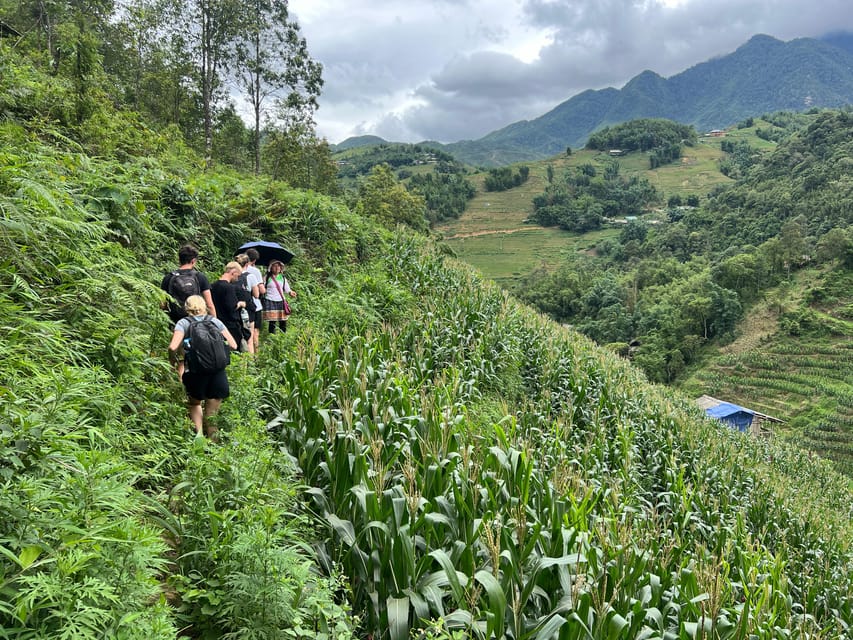
Lao Chai is one of the largest and oldest Hmong communities along the route. It makes a good midpoint because the walk has already taken you through open countryside, and you can pause for lunch before continuing toward Ta Van.
Lunch is served at a local restaurant and is included in the tour price. The food is described as plentiful, and vegetarian and vegan meals have been provided. The setting may include views toward the valley, and the meal gives you a chance to sit with the group and talk with your guide.
Do not expect a formal restaurant meal with a long menu. The value is in eating a local-style meal during a day in the mountains, without having to arrange food yourself. Extra drinks, including bottled water and beer, cost more, so bring cash.
After lunch, you visit a traditional Black Hmong house and learn about domestic life, customs, and work. One particularly useful subject is indigo dyeing, which a guide has shown during the walk. You can ask about clothing, farming, family roles, and how life in the villages compares with life in Sapa town.
The quality of the cultural explanation depends partly on your guide. Sun has received repeated praise for clear English, humor, energy, and detailed explanations. Other named guides include Dinh, Khu, Chu Chu, Mam, Mu, Co, Ze, and Ma Ma Je. You may not be assigned a specific person, but the company’s local women guides are central to the experience.
From Lao Chai to Ta Van by field paths
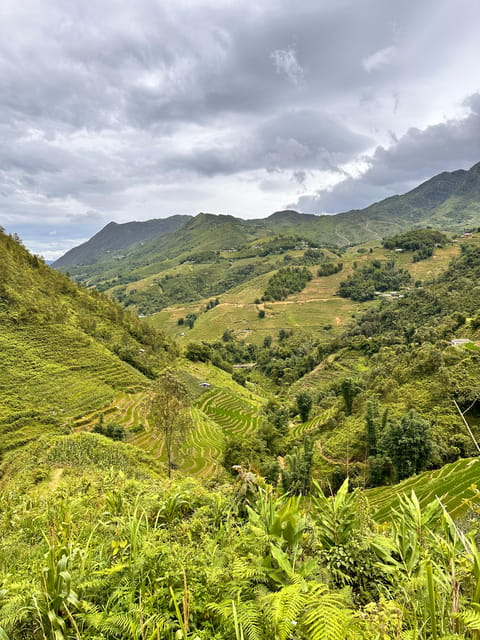
The walk continues toward Ta Van, home to the Dzay people. This section helps explain that Sapa is not defined by one ethnic group. Your guide can point out differences between Black Hmong and Dzay traditions, village life, and local customs.
The route may pass through rice fields, bamboo areas, village lanes, and smaller paths. In planting season, you might see work in the paddies. During harvest, you might see a very different rhythm, with the terraces taking on a more active agricultural role. Timing matters, so do not book solely for a particular farming scene unless you are prepared for seasonal variation.
The final stretch can feel repetitive to some people, especially if the group is walking a longer version of the route. The usual distance is described as 5 to 11 kilometers, but several outings have taken around 10 to 12 kilometers and lasted closer to six hours once stops and lunch were included.
That difference is worth noting. The official duration is five hours, with the tour generally ending around 3:00 PM, but the actual day can run longer depending on route choice, breaks, group pace, and road conditions. If you have a train, bus, or other fixed connection, leave plenty of time after the stated finish.
Ta Van is the endpoint. A private car takes the group back to Sapa Town, usually to the church area or another agreed point. This return ride makes the route practical, since you do not have to retrace the entire walk uphill.
Same part of the north, a completely different day out:
- Sapa 1 Day Long Trek: Trek to Hau Thao and Sa Seng Villages
★ 4.6 · 344 reviews - Sapa: Fansipan Cable, Cat Cat Village, Moana Instagram Tour
★ 4.8 · 294 reviews - From Sapa: 3-Day Ha Giang Loop with Safe Rider (max 8 pax)
★ 4.9 · 285 reviews - EXPLORE SAPA: 2D1N TREKKING & HMONG CULTURE WITH DINH
★ 4.9 · 191 reviews
The guides make or break the day
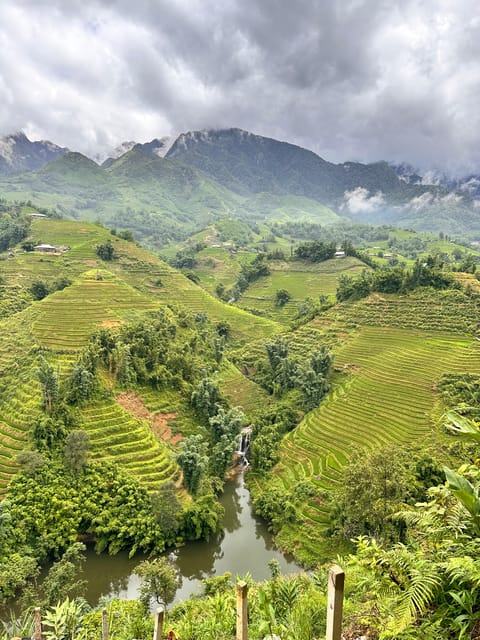
The strongest part of this experience is the guide relationship. A local Hmong woman can explain details that are easy to miss when you walk alone, from the use of indigo to family customs and the different communities along the route.
Sun appears often among the named guides, and her strengths are clear: good English, comic timing, patience, and careful attention on slippery paths. Dinh is also described as energetic and generous with personal stories. Khu is known for a friendly manner, useful information, and a good sense of humor.
Your guide is not simply pointing out mountain views. She may answer questions about marriage, children, school, work, farming, and village traditions. If you want the cultural side to feel substantial, prepare a few questions before you start.
The tour is normally a group outing, and one group may contain around 20 people before being divided into smaller groups. That can be a pleasant way to meet other people, but it also means your pace may be influenced by the slowest walker. Private tours are available for an additional charge.
A small social complication is the presence of women from nearby villages who may walk with the group, offer help on steep sections, and sell handmade goods. Their assistance can be welcome, and buying something can directly support local families. Still, some people find the sales approach persistent. You are not required to buy anything, so decide your budget before the walk and be polite but firm.
Mud, fog, and the right time to go
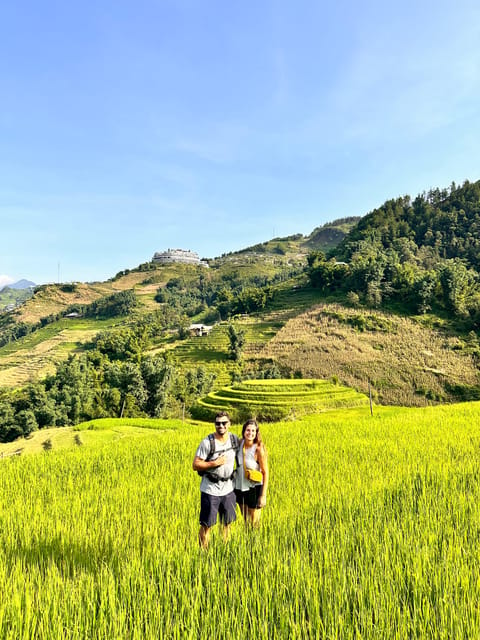
Sapa’s weather can change the entire outing. On a clear day, the terraces and valley views are the main reward. On a foggy winter morning, you may see very little beyond the path, though the walk still provides exercise and village contact.
Rain creates a different problem. The rough sections can become muddy and slippery, particularly on downhill paths. Several people have described the trek as moderate because of footing rather than distance. The walk may not demand constant hard exertion, but balance and confidence matter.
The company says boots and trekking sticks are available in wet weather. That is helpful, but you should still bring a raincoat, insect repellent, sun protection, and layers. Sapa can feel cool, and one outing in December was especially comfortable because the weather stayed clear.
For the best chance of seeing terraces, check the forecast before booking if your schedule allows. Summer can offer greener fields, while planting and harvest periods provide more visible farm activity. Winter may bring mist and bare-looking terraces, but it can still be a worthwhile cultural walk.
What the $23 price really covers
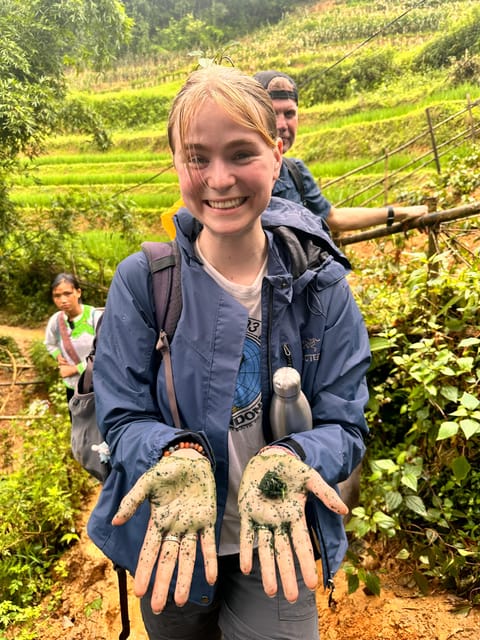
At $23 per person, the price includes a local English-speaking guide, lunch, water, village entry fees, and transportation back to Sapa. That is unusually good value for a half-day outing, especially because the return vehicle saves you from arranging a separate taxi.
You do need to pay for extra drinks and bring cash for personal purchases. A small amount of cash is also useful if you choose to buy textiles or handmade items from local sellers.
The real value is not simply the low price. It is the combination of transport, food, access to village paths, and a guide who can explain local life. Booking also supports a small family operation run by three sisters, with stated efforts to help other Hmong women find work and local children attend school.
The low cost should not lead you to expect a polished luxury excursion. Group sizes, guide assignments, weather, and trail conditions can vary. You are paying for a practical local outing, not a private vehicle and a carefully controlled nature walk.
Who should book this Sapa walk?
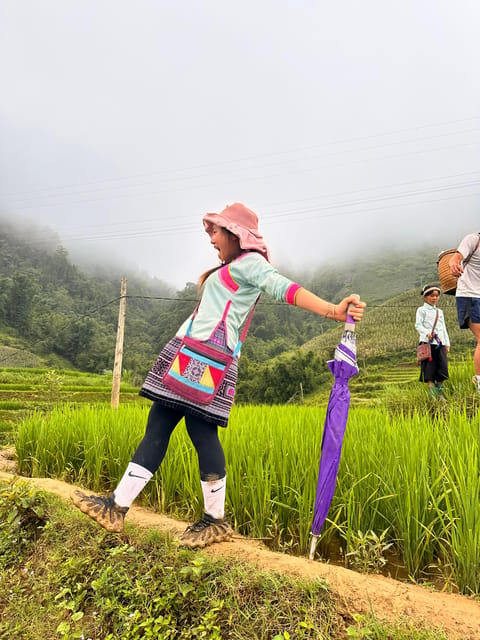
I would choose this tour if you want a close look at rural Sapa and enjoy walking on imperfect paths. It suits people who are comfortable with a few hours outdoors, want cultural conversation, and prefer a local guide to a large commercial operation.
It is also a good fit if you have only one free day. The route covers three villages, includes lunch, and returns you to town by car. The flexible distance helps couples and mixed-ability groups choose a suitable option.
You should think twice if you have limited mobility or poor balance. Narrow paths, stream crossings, low fences, steep drops, and mud are part of the possible route. The activity is not suitable for people over 95, and the information provided does not promise a fully accessible path.
Families with very young children should ask before booking. Children under three can join free, but the uneven terrain may still make carrying or supervising a child difficult.
Bring sturdy walking shoes, a hat, sunglasses, sunscreen, a raincoat, insect repellent, a camera, water, and cash. If the forecast looks wet, accept that the views may be limited and the footing may be the main challenge.
Should you book Explore Sapa?
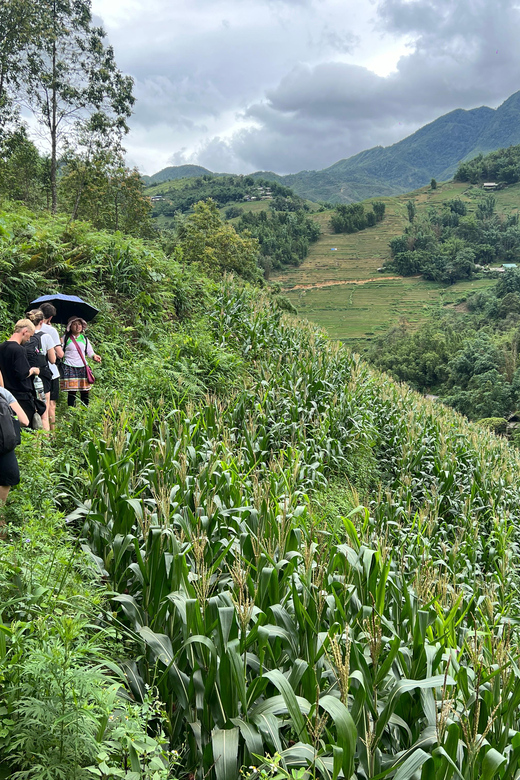
Book it if your priority is local contact, good value, and mountain walking rather than a polished sightseeing loop. The guides, especially Sun and Dinh, are the heart of the day, and the combination of personal stories, rice terraces, village homes, lunch, and return transport is hard to match at $23.
Skip it if you need predictable weather, smooth paths, or a strict finish time. In clear conditions, it can be one of the most rewarding ways to understand Sapa beyond town. In heavy fog, you may get exercise and conversation but few views.
The best choice is to book with realistic expectations: wear shoes you can get muddy, choose the route honestly, keep some cash for the villages, and allow extra time after 3:00 PM. If that sounds like your kind of day, Dinh Sapa Trekking Adventures offers a meaningful and affordable way into the valleys.
FAQ
Where does the Sapa trek start?
The tour starts in Sapa Town. You can meet the guide at your hotel in town or in front of Sapa’s main church.
Which villages does the route visit?
The route runs from Sapa through Y Linh Ho, Lao Chai, and Ta Van. Y Linh Ho and Lao Chai are associated with Black Hmong communities, while Ta Van is home to the Dzay people.
How long is the trek?
You can choose a route of about 5 to 11 kilometers. The stated duration is five hours, although some outings with longer routes, breaks, and lunch have lasted around six hours.
Is lunch included?
Yes. Lunch at a local restaurant in Lao Chai is included. Vegetarian and vegan meals have been provided, but you should mention dietary needs in advance.
What happens if it rains?
The company says boots and trekking sticks are available in rainy conditions. You should still bring a raincoat and wear suitable walking shoes, since muddy paths can become slippery.
Is this a private tour?
It is normally a group tour with other people. A private option is available for an additional payment.
Just added around Sa Pa
- Sapa Open Air Jeep Half Days Off the Beaten Track, Backroad★ 4.9 · 9 reviews
- Sapa: Motorbike Tour to Hidden Villages & Terraced Fields★ 5.0 · 9 reviews
- SaPa: 2-Day Villages,Rice Fields, Love Waterfall Hiking Tour★ 5.0 · 9 reviews
- Sapa: Explore Sa Pa in one Day with local motorcycle Guide★ 4.9 · 9 reviews
- From Sa Pa: One Day Fansipan Mountain Trek★ 4.3 · 10 reviews
- Sa Pa: Half-Day Motorbike Tour with Sunset on O Quy Ho Pass★ 4.8 · 10 reviews
- From Sapa: Glass Bridge and Silver Waterfall Group Tour★ 4.8 · 11 reviews
- From Hanoi: Sapa Discovery Package Tour 2 Days 1 Night★ 4.8 · 11 reviews
Sapa Tours, compared.
Sapa 2 Days 1 Night From Hanoi – Overnight in Ta Van Village
Read our review →

Muong Hoa Valley Trek and Local Ethnic Villages
Read our review →
Fansipan Cable, Cat Cat Village & Moana Instagram Tour
Read our review →

Sapa 3 Days 2 Nights Trekking Tour (1 Night In Ta Van Village, 1 Night In Hotel)
Read our review →
Eco Adventure Terrace Fields and Local Villages Trek
Read our review →
3-Day Trekking Adventure of Sapa from Hanoi – Stay Ta Van Village
Read our review →Browse the lists this tour appears in