
Reviewed · TREKKING TOURS IN SAPA
EXPLORE SAPA: 2D1N TREKKING & HMONG CULTURE WITH DINH
The most meaningful part of this Sapa trek is not simply walking past rice terraces. It is spending the night with Dinh’s family in Ta Van and hearing how she uses her homestay to support local children’s education. Her personal story gives the trip a human center, while her family helps make the stay feel like a visit to a real home rather than a stop at a staged tourist lodge.
I especially like the route through Y Linh Ho, Lao Chai, and Giang Ta Chai, which links mountain scenery with Hmong, Giay, and Red Dao communities. I also like the practical flexibility: guides can offer easier or harder trail options, and large bags can be transported to the homestay instead of riding on your back.
The main consideration is the terrain. This is an 18-kilometer trek over two days, with steep, uneven, muddy, and sometimes soggy sections. The schedule usually ends by 2:00 to 3:30 PM on Day 2, but a large group or slow bag transfer can push the finish later, so leave some space before a bus or train.
In This Review
- Key points to know before booking
- Why Dinh’s homestay changes the experience
- Day 1: Sapa to Y Linh Ho and Lao Chai
- The walking itself: scenic, moderate, and sometimes muddy
- Sleeping in Ta Van with a local family
- Day 2: Bamboo forests, Giang Ta Chai, and the return to Sapa
- Bags, group size, and the small practical details
- What the $43 price really covers
- Who should choose this Sapa trek?
- Should you book Explore Sapa with Dinh?
- FAQ
- How long is the trek?
- Where does the trek begin?
- Where do you stay overnight?
- What meals are included?
- Is transport back to Sapa included?
- Can I leave my large bags behind?
- Is this trek suitable for children?
- What should I bring?
Key points to know before booking
- A real family homestay in Ta Van: Sleep in a private room or bungalow, with basic comforts and mountain views.
- A village-to-village route: Walk from Sapa through Y Linh Ho and Lao Chai before reaching Ta Van, then return via Giang Ta Chai.
- Hmong culture at the center: Dinh explains local traditions and the differences between Hmong, Giay, and Red Dao communities.
- A lively evening at home: Help prepare dinner, meet local children, watch a traditional dance, and sample local rice wine.
- Good value at $43: The price covers a guide for two days, homestay, three main meals plus breakfast, village fees, water, and transport back to Sapa.
- Come ready for real hiking: Comfortable hiking shoes, a daypack, sun protection, mosquito spray, cash, and clothes that can get muddy are sensible choices.
Why Dinh’s homestay changes the experience

Sapa has plenty of short walks and organized village visits. This trip gives you a reason to slow down. Instead of returning to town after a few hours, you spend the night in Ta Van, where Dinh lives with her family.
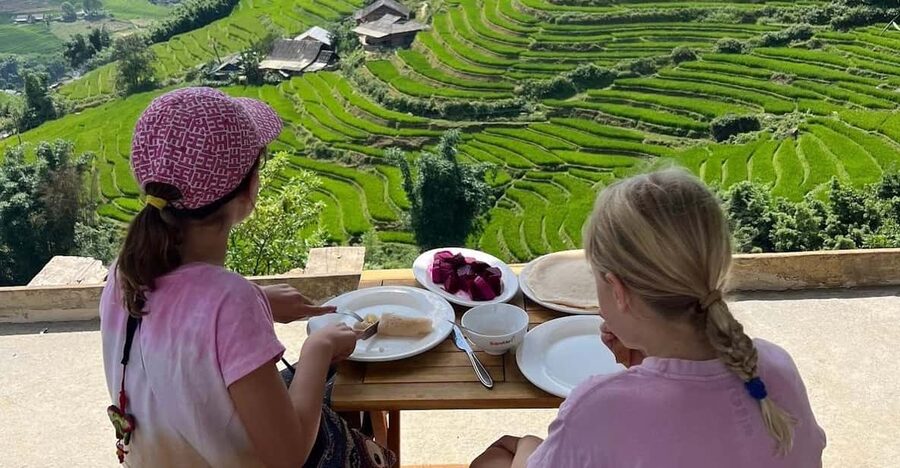
The accommodation is simple, cozy, and practical rather than polished. You can request a private room or a bungalow, and the bungalow is described as having one of the best rice terrace views. Basic amenities include a hot shower, comfortable beds, and, at least at times, heated blankets. You should still think of this as a village home, not a hotel.
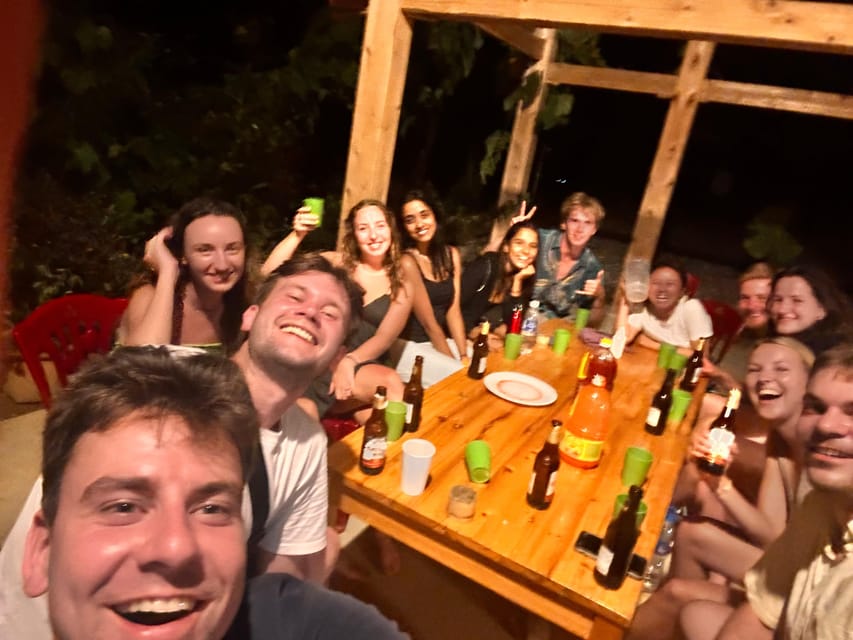
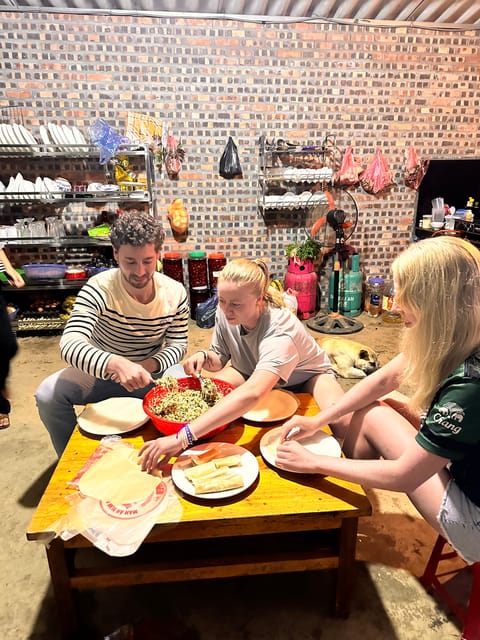
The evening is a key part of the visit. You may help Dinh’s family prepare a traditional meal, then eat together while hearing about Hmong life and Dinh’s own path to learning English and running a homestay. Local children may perform a traditional dance, and you can spend time playing with them.
There is also happy water, the local name for rice wine. It is part of the social welcome, but you do not need to drink more than you want. A friendly evening can quickly become a late evening if you try to keep pace with everyone.
Dinh also talks about supporting the education of 10 local children. The income from these tours helps her work with children and women in nearby communities who have limited access to basic services. If you care about where your money goes, this is an important part of the value.
More 2-Day Trips in Sapa
- Sa Pa: 2-Day Trekking Trip with Ethnic Minority Homestay
★ 4.7 · 145 reviews - From Hanoi: 2-Day 2-Night Sapa Tour by Overnight Train
★ 4.4 · 96 reviews - 2-Day Fansipan Mountain Trek – Indochina’s Highest Peak
★ 4.3 · 42 reviews
Day 1: Sapa to Y Linh Ho and Lao Chai
The trek begins at 9:00 AM, with pickup at your hotel in Sapa Town or a meeting outside the local main church. Dinh gives a short introduction before leading the group out of town.
The first stage heads toward Y Linh Ho. The route leaves the busy center of Sapa behind and opens into mountain scenery, rice fields, and village paths. Your attention shifts from the town’s cafés and hotels to the steep valleys and working farmland that make Sapa famous.
The distance for the first day is about 9 to 11 kilometers, taking roughly five and a half hours. That sounds moderate on paper, but the time includes uneven ground, hills, stops, meals, and the pace of the group. Recent rain can make the trail muddy and slippery.
You stop for lunch at a small restaurant run by a local Hmong family. This is a useful break, not just a meal stop. It lets you eat in a local setting and recharge before the longer walk to Lao Chai.
Lao Chai is one of the oldest and largest Hmong villages in the area. Dinh uses the route to explain how different ethnic groups live, dress, farm, and maintain their traditions. The value here is the explanation. Without a guide, you might see a beautiful rice terrace but miss the reason the fields are shaped as they are, or misunderstand the differences between the communities you pass.
The route continues to Ta Van, home to Hmong and Giay people. Depending on the season, you may see residents planting or harvesting rice. These activities are not arranged as a show for the group. They are part of the farming year, and your guide helps you understand what you are seeing.
The setting is beautiful, but this is also a working environment. Trails pass through farmland and villages, so you should be respectful around homes, people, and fields. Ask before taking close-up photos, and bring some cash if you want to buy local goods along the way.
One small drawback is the presence of sellers near parts of the route. Some people may find repeated offers of local handicrafts tiring. A polite, firm no thank you usually keeps the walk moving.
The walking itself: scenic, moderate, and sometimes muddy
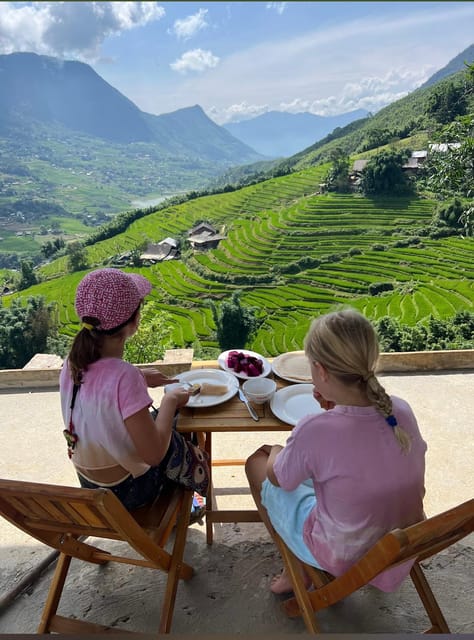
The tour is marked as moderate, with about 18 kilometers spread across two days. That makes it suitable for many people with a reasonable level of fitness, but it is not a flat stroll.
You should expect steep and uneven sections, narrow paths, and muddy ground after rain. The guides can adjust the route and offer easier or harder choices during the day. That flexibility is useful for families and mixed-ability groups, though you should still be prepared to walk for several hours.
Good footwear matters more than stylish footwear. Bring proper hiking shoes with grip, and expect them to get dirty. A sun hat, water, biodegradable sunscreen, mosquito spray, and a small daypack are all sensible. The tour provides one large bottle of water per person per day, but extra drinks are your responsibility.
The supplied packing information also mentions climbing gear. No detailed equipment list is given, so ask Dinh what she means by this before departure if you think you need specialist gear. For most people, the main concern is sturdy footwear and clothing that handles rain and mud.
Families can take part, but the walking distance and trail conditions matter. Children under three join free if you tell Dinh in advance. The experience is not suitable for people over 95, and anyone with limited mobility should ask about the current trail conditions before booking.
Sleeping in Ta Van with a local family
After reaching Dinh’s family home, you have time to rest, shower, and settle in. This pause matters because the first day is long enough to leave you ready for a proper break.
The homestay offers a private room or bungalow, depending on your preference and availability. The rooms are described as comfortable, though the amenities are basic. If you want privacy, state that clearly when booking. If the view matters most, ask about the bungalow overlooking the rice terraces.
Dinner is included and is made with fresh local ingredients. The meals are described as generous, and vegetarian choices are available for breakfast, lunch, and dinner. That makes the tour easier for people who do not eat meat, though you should still share any dietary needs ahead of time.
The family atmosphere is the reason to choose this trip over a standard day hike. You can eat, talk, and join in simple activities instead of treating Ta Van as a quick photo stop. Dinh’s cousins, nieces, and other family members may help with the guiding and hosting, so the exact group of local hosts can vary.
More Trekking Tours in Sapa
- Sa Pa: Muong Hoa Valley Trek and Local Ethnic Villages
★ 4.6 · 864 reviews - Sapa: Eco Adventure Terrace Fields and Local Villages Trek
★ 4.9 · 636 reviews - From Sapa: 1-Day Guided Trek to Lao Chai & Ta Van with Lunch
★ 4.9 · 416 reviews - Sapa 1 Day Long Trek: Trek to Hau Thao and Sa Seng Villages
★ 4.6 · 344 reviews
Day 2: Bamboo forests, Giang Ta Chai, and the return to Sapa
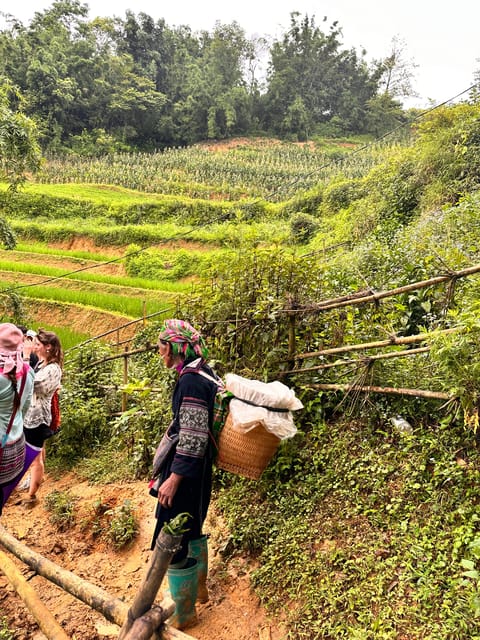
The second morning begins with coffee or tea at the homestay, followed by breakfast. You then walk through bamboo forests and terraced fields toward Giang Ta Chai.
This section has a different feel from the first day. The bamboo forest gives the route shade and a more enclosed setting, while the rice terraces open into wider views. The waterfalls at Giang Ta Chai provide the day’s most refreshing stop.
You may swim in the waterfall if conditions are suitable and you want to. Bring a swimsuit or quick-drying clothing if that appeals to you. Swimming is optional, so you can simply enjoy the stop and the surrounding forest.
After Giang Ta Chai, the route enters a Red Dao ethnic area before reaching the main road. Dinh explains the distinctions between the communities, adding useful context to what might otherwise look like a series of similar mountain villages.
The second day covers about 7 to 8 kilometers and takes around four hours, followed by a final lunch. Transport back to Sapa is included. The tour normally finishes between 2:00 and 3:30 PM.
Do not treat that end time as a guarantee if your onward plans are tight. One larger group finished closer to 4:30 PM because lunch and the movement of bags took extra time. If you have a bus at 5:00 PM, you may still make it, but a later departure is the safer choice.
Bags, group size, and the small practical details
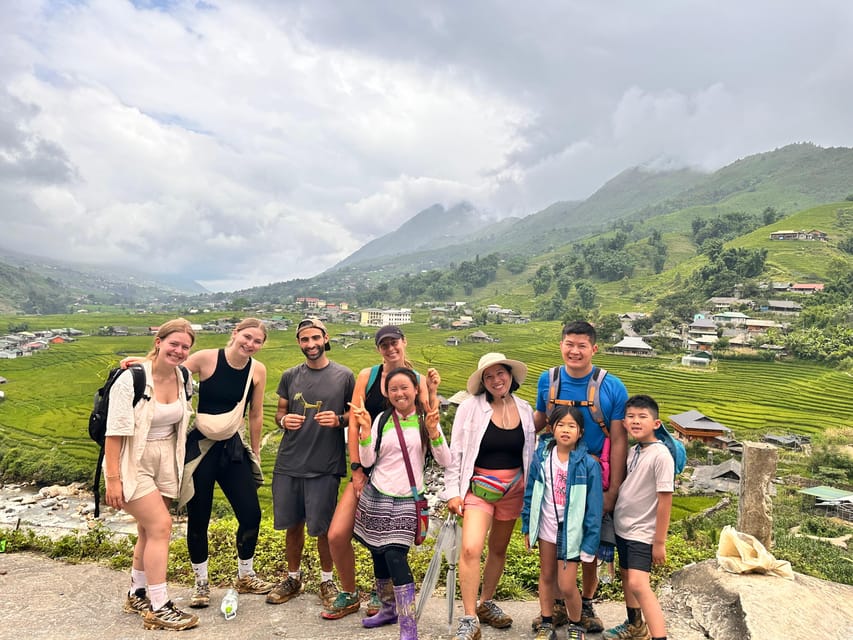
You should carry only what you need for one night. Ask your Sapa hotel or hostel if it can hold your main luggage. If that is not possible, Dinh can help move your large bags to her house, where they will be waiting after the trek.
That arrangement lets you walk with a daypack containing water, sunscreen, mosquito spray, a change of clothes, and other essentials. Keep cash with you for drinks or purchases in the villages.
This is a group tour, so the pace and company are not entirely under your control. Groups can be small, but one group reached 13 people, which affected lunch and bag handling. On the other hand, guides may be able to adjust the difficulty of parts of the route.
Dinh leads the experience, and family members may join her. Guides named in the experience include Su, Zu, Ku, and Mo, depending on the departure. Dinh speaks English and Vietnamese, and the family network gives the tour a warm, informal feel.
What the $43 price really covers
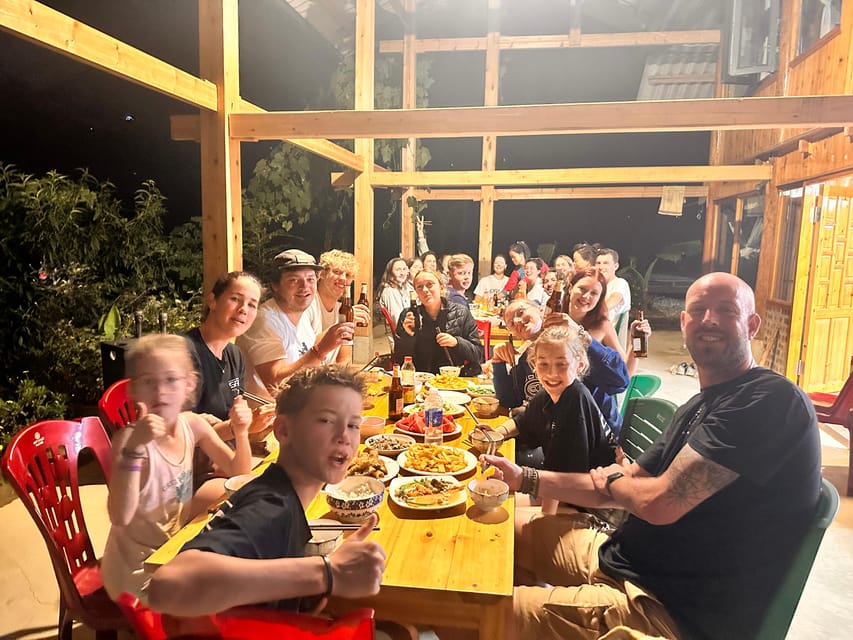
At $43 per person, this is strong value for a two-day, one-night outing. The cost includes a local guide for both days, entry fees for four villages, two lunches, one dinner, one breakfast, the homestay, daily drinking water, and transport back to Sapa.
You are not just paying for a walk. You are also paying for local knowledge, a bed, meals, village access, route planning, and the chance to support Dinh’s community work. Buying meals and transport separately would add up quickly.
The price does not include personal travel insurance or extra drinks during the hike. That includes bottled water and beer, so budget a little cash. The free T-shirt at the end is a pleasant extra, but it is the local hosting and the overnight stay that make the price worthwhile.
The tradeoff is that this is not a luxury package. If you want a private vehicle throughout, a hotel-style room, or a tightly timed private tour, look elsewhere. If you want a low-cost way to connect walking, food, and local life, the arrangement makes sense.
Who should choose this Sapa trek?
I would recommend it most strongly to people who want more than a viewpoint and a quick village visit. Nature lovers get rice terraces, bamboo forests, mountain paths, and a waterfall. People interested in local culture get time with a Hmong family and explanations of Hmong, Giay, and Red Dao life.
It also works well for visitors who value a personal guide. Dinh’s energy is a major part of the experience, and her sense of humor helps keep a long walk light. Her cousins and nieces may also help on the trail, which can be reassuring when the ground turns slick.
Families can consider it, especially because the route can sometimes be made easier and the local family setting gives children more to engage with than a standard sightseeing stop. Still, parents should be honest about the 18-kilometer distance and the muddy sections.
You should think twice if you dislike basic accommodation, group departures, rice wine, village sellers, or uncertain timing. This is a genuine home stay, not a resort, and the final return can run later than planned.
Should you book Explore Sapa with Dinh?
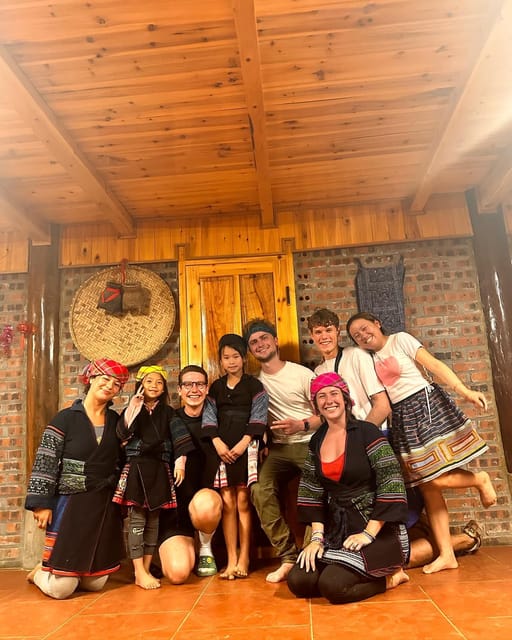
Book this trek if you want Sapa scenery tied to real human contact. The strongest reasons are the route through several villages, the overnight stay in Dinh’s family home, the plentiful local food, and the chance to support her education work.
At $43, the package gives you a lot: two days of guiding, meals, lodging, village fees, water, and a ride back to town. Pack for mud, allow extra time after the tour, and confirm your room preference before going.
Skip it if you need a luxury bed, a private itinerary, or a guaranteed early finish. For everyone else who can handle moderate hiking and wants to see Sapa beyond the main streets, this is a warm, good-value choice.
FAQ
How long is the trek?
The total distance is about 18 kilometers over two days and one night. Day 1 covers about 9 to 11 kilometers in roughly five and a half hours, while Day 2 covers about 7 to 8 kilometers in around four hours.
Where does the trek begin?
The tour starts at 9:00 AM. Dinh meets you at your hotel in Sapa Town or outside the local main church.
Where do you stay overnight?
You stay at Dinh’s family homestay in Ta Van village. You can request a private room or a bungalow, including an option with a mountain and rice terrace view.
What meals are included?
The package includes two lunches, one dinner, and one breakfast. Vegetarian choices are available for all meals.
Is transport back to Sapa included?
Yes. After the Day 2 trek and final lunch, transport back to Sapa is included.
Can I leave my large bags behind?
You can ask your hostel or hotel to store them. If that is not possible, Dinh can help transport the bags to her house so they are waiting for you at the homestay.
Is this trek suitable for children?
Children under three can join free, but you must inform Dinh in advance. The trek is moderate and includes steep and uneven sections, so consider each child’s fitness and comfort with a two-day hike.
What should I bring?
Bring comfortable hiking shoes, a sun hat, water, biodegradable sunscreen, mosquito spray, cash, a daypack, and clothing suitable for muddy conditions. Extra drinks during the hike are not included.
More 2-Day Experiences in Sa Pa
- From Sapa Homestay Hideaway 2-Day Local Life Adventure
★ 4.7 · 26 reviews - From Hanoi: Explore Sapa 2-Day Tour
★ 4.3 · 22 reviews - AUTHENIC 2D1N Trek & Bungalow Retreat with Dinh Hmong Family
★ 5.0 · 19 reviews - Hanoi: Sapa Trekking 2 Days 1 Night – Sleeper Bus from Hanoi
★ 4.6 · 18 reviews
More Treks Within Reach
- Sa Pa: 6-Hours Muong Hoa Valley Trek with Local Ethnic guide
★ 4.5 · 178 reviews - Half Day Sapa Trekking to Visit Lao Chai – Ta Van
★ 4.7 · 126 reviews - Sapa Trekking Bargains With Local Guide
★ 4.9 · 91 reviews - From Sapa: Waterfalls, Trekking and Tribal Villages Tour
★ 4.6 · 91 reviews
Just added around Sa Pa
- Sapa Open Air Jeep Half Days Off the Beaten Track, Backroad★ 4.9 · 9 reviews
- Sapa: Motorbike Tour to Hidden Villages & Terraced Fields★ 5.0 · 9 reviews
- SaPa: 2-Day Villages,Rice Fields, Love Waterfall Hiking Tour★ 5.0 · 9 reviews
- Sapa: Explore Sa Pa in one Day with local motorcycle Guide★ 4.9 · 9 reviews
- From Sa Pa: One Day Fansipan Mountain Trek★ 4.3 · 10 reviews
- Sa Pa: Half-Day Motorbike Tour with Sunset on O Quy Ho Pass★ 4.8 · 10 reviews
- From Sapa: Glass Bridge and Silver Waterfall Group Tour★ 4.8 · 11 reviews
- From Hanoi: Sapa Discovery Package Tour 2 Days 1 Night★ 4.8 · 11 reviews
Trekking Tours in Sapa, compared.

Muong Hoa Valley Trek and Local Ethnic Villages
Read our review →

Sapa 3 Days 2 Nights Trekking Tour (1 Night In Ta Van Village, 1 Night In Hotel)
Read our review →
Eco Adventure Terrace Fields and Local Villages Trek
Read our review →
3-Day Trekking Adventure of Sapa from Hanoi – Stay Ta Van Village
Read our review →
Number one top rated ethical cultural trekking and homestay by ETHOS
Read our review →
2-Day Sa Pa Ethnic Homestay Tour & Trek with Limousine Bus
Read our review →
1-Day Guided Trek to Lao Chai & Ta Van with Lunch
Read our review →Browse the lists this tour appears in