
Reviewed · TREKKING TOURS IN SAPA
Full Day Trekking in Sapa
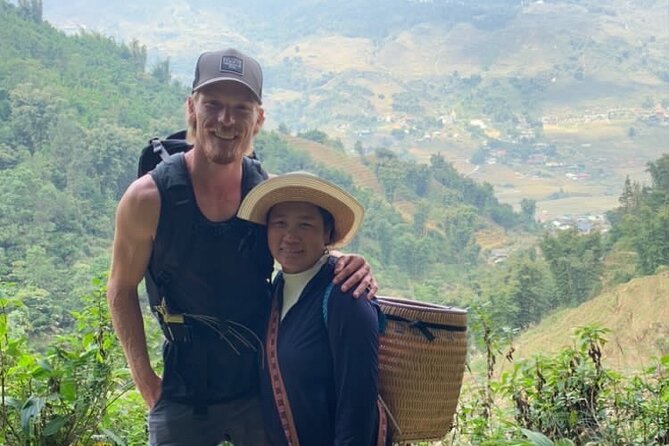
Sapa is best understood on foot, and this private trek takes you beyond the town’s busy center into Lao Chai Village, rice fields, farmyards, and mountain paths. Your local guide, Thào Thikhu, usually called Khu, can adjust the route to suit your group, from a gentle walk to a more demanding mountain trek.
I like the personal scale of this outing and the chance to eat lunch at a local home rather than a standard restaurant. I also like that Khu can leave the main paths and use quieter routes when conditions allow. The tradeoff is that this is real mountain walking, with rough sections, changing weather, and no fixed route to preview in detail.
In This Review
- Key points to know before booking
- Why this Sapa trek feels personal
- Starting from Sapa at 8:00 in the morning
- Lao Chai Village and the first mountain paths
- Quiet trails away from the busiest routes
- The home lunch halfway through the walk
- Conversations with Khu and local culture
- How hard is the trek?
- The return loop to Sapa
- What the $24 price means
- Weather, timing, and cancellation
- Who should book this trek?
- Should you book Full Day Trekking in Sapa?
- FAQ
- What time does the trekking tour start?
- How long does the experience last?
- Where does the trekking route go?
- Can the trek be adjusted for different fitness levels?
- Is the tour private?
- Is lunch included during the trek?
- What happens if bad weather cancels the tour?
Key points to know before booking
- Choose your difficulty: Arrange an easy, moderate, or harder trek with Khu before the day through WhatsApp.
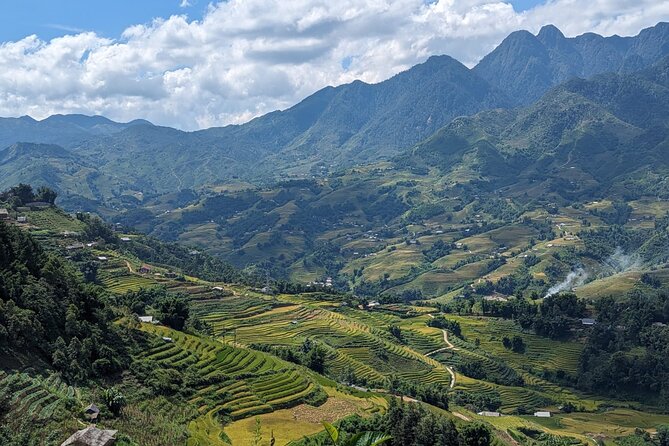
- Walk through Lao Chai: See rice terraces, family plots, farm animals, handicraft work, and village life.
- Expect a private outing: Only your own group participates, with pickup from your hotel or an agreed meeting point.
- Plan for a home-cooked lunch: Midway through the trek, you stop at a local home for a meal.
- Use the quieter paths: Khu knows less-used trails as well as the familiar routes around Sapa.
- Watch the weather: Poor conditions can cancel the trek, but you can receive a full refund or change the date.
Why this Sapa trek feels personal
Many Sapa outings follow a set route at a set pace. This one works differently. You discuss your preferred level with Khu before meeting, then she shapes the day around your group. That matters in Sapa, where a route that feels easy in dry weather can become tiring on wet, uneven ground.
Khu grew up in Lao Chai, one of the villages included in the walk. Her connection to the area gives the day a local focus: you are not simply crossing viewpoints for photographs, but passing through places tied to families, farming, food, and everyday work.
The tour is also private. That means you do not need to match the pace of a large group or wait for people with very different fitness levels. If one person in your party wants a gentler walk, that is worth discussing in advance.
More Trekking Tours in Sapa
- Sa Pa: Muong Hoa Valley Trek and Local Ethnic Villages
★ 4.6 · 864 reviews - From Hanoi: 2-Day Sapa Trekking Trip with Homestay & Meals
★ 4.8 · 704 reviews - Sapa 3 Days 2 Nights Trekking Tour (1 Night In Ta Van Village, 1 Night In Hotel)
★ 5.0 · 699 reviews
Starting from Sapa at 8:00 in the morning
The day begins at 8:00 am, with pickup from your hotel or another agreed meeting point. From Sapa town, you head toward the rural villages and begin walking through the countryside around Lao Chai.
A morning start gives you about six hours for the full outing, including the walk and lunch stop. The exact path is flexible, so the distance and effort depend on the route chosen for your group. Some outings include roughly three hours of walking down through the mountains before lunch, followed by a loop back toward Sapa.
You should treat the six-hour length as a full half-day-plus activity, not a quick stroll. Wear shoes suitable for uneven paths and expect the route to feel more demanding if you select the harder option. The information provided does not specify a particular footwear requirement, but the rougher sections described by guests make practical walking shoes a sensible choice.
Lao Chai Village and the first mountain paths
Lao Chai is more than a stop for a view. It is Khu’s home village, and the walk here connects the scenery with the people who farm and live among it.
You pass rice fields and learn how local families grow rice. If your visit coincides with harvest, you may see work taking place in the fields, adding useful context to the terraces you see from the road or a viewpoint. The experience changes with the season, so the exact activity in the fields cannot be guaranteed.
The paths also lead past small farms and household animals. Buffalo, chickens, ducks, and pigs are all part of the expected village setting. Buffalo are especially memorable against the rice fields, but this is not a wildlife tour in the formal sense. You are seeing working farm animals as part of daily life, not visiting a managed animal attraction.
Handicrafts are another part of the walk. You may have the chance to look at or buy handmade goods from local makers. This can be a pleasant way to support village households, but keep your buying practical. The tour description does not specify the exact products, prices, or number of shops, so you should think of handicrafts as an opportunity along the route rather than a scheduled market visit.
Quiet trails away from the busiest routes
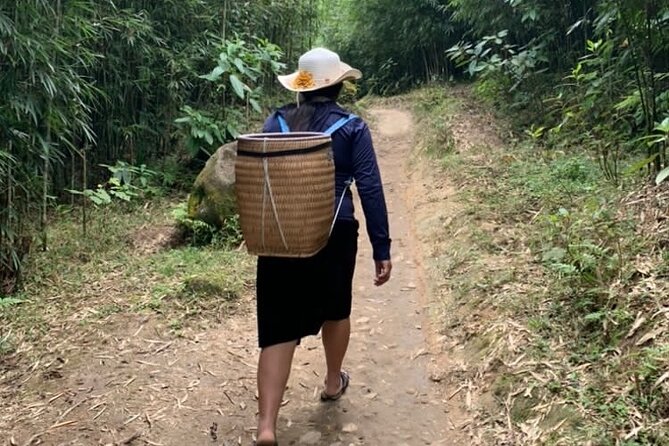
One of the strongest reasons to choose this outing is route flexibility. Khu knows the common paths, but she can also take you along less-used trails. A quieter route can make a major difference in Sapa, especially when several groups gather around the same scenic sections.
Do not expect every moment to be secluded. The usual paths may overlap with other tour groups, particularly near well-known village approaches. The benefit is that your guide can change direction when a less crowded option suits the conditions and your group.
The route may also change because of rain, cloud, or trail conditions. On a clear day, you can expect stronger mountain and valley views. In mist, the views may be partly hidden, but the village walk, farm animals, food, and conversation still give the day purpose.
That flexibility is useful, but it also means you cannot plan every photograph or stop in advance. If your main goal is one exact viewpoint, ask Khu about it before booking. If your priority is a relaxed village walk with local conversation, the open route is an advantage.
More Sapa escapes from Sapa:
- Sapa 2 Days 1 Night From Hanoi – Overnight in Ta Van Village
★ 5.0 · 2,669 reviews - Hanoi – Sapa 2 Days 1 Night Overnight At Homestay
★ 5.0 · 899 reviews - Sapa: Fansipan Cable, Cat Cat Village & Moana Instagram Tour
★ 5.0 · 777 reviews - Sapa: Eco Adventure Terrace Fields and Local Villages Trek
★ 4.9 · 636 reviews
The home lunch halfway through the walk
Lunch is a central part of the experience, not just a short break beside the trail. Halfway through the day, you stop at a local home for a cooked meal before continuing the trek.
The details describe the location as a friend’s house, while accounts of the day also describe lunch at Khu’s home. In practical terms, you should expect a meal connected to the guide’s local circle rather than a tourist restaurant. That gives you a closer look at how food and hospitality fit into village life.
The meal is meant to restore your energy after the first part of the walk. Several accounts highlight the cooking, so food is one of the strongest parts of the day for many people. Still, the tour information does not list the dishes, dietary options, or exact menu. If you have allergies or dietary restrictions, message Khu before the tour.
A home lunch also calls for a little flexibility. This is not a restaurant with a printed menu and timed courses. You are visiting a local household, so the experience may feel informal and personal. That is precisely the point, but it may not suit someone who prefers a predictable dining stop.
Conversations with Khu and local culture
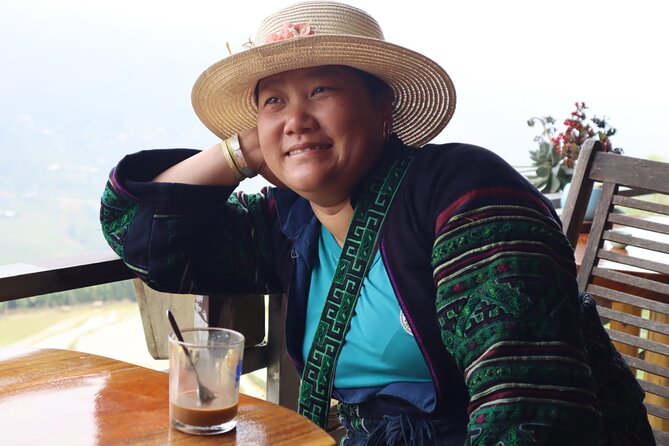
Khu speaks English and learned through conversations with visitors. That makes the walk more than a silent route between viewpoints. You can exchange stories about your own culture while asking about farming, village life, food, and the places you pass.
Her style is described as friendly, funny, caring, and enthusiastic. Those qualities matter on a long walk, particularly when the weather hides the views or the path becomes tiring. A good guide can keep the day interesting even when the scenery is less dramatic than expected.
You can also ask questions as the day unfolds. Why are buffalo kept? How are the rice fields worked? What are the handmade goods used for? The tour description promises a look at family fields and farm animals, while the walking route gives you a natural setting for those questions.
The level of cultural detail will depend on your conversation and interests. This is not presented as a formal lecture or museum visit. You are learning through the places you pass and the guide’s own connection to them.
How hard is the trek?
The most useful feature for many groups is the ability to choose the level of difficulty. You can request something very easy, very hard, or somewhere between. Discuss this before the tour so Khu can plan a route that fits your group.
The harder sections can be genuinely challenging. One account describes rougher paths where Khu helped with footing and pacing. This is a good sign for anyone who wants an active day, but it also shows why you should not book the tour assuming all Sapa walks are gentle.
A useful way to think about the options is:
- An easier route should suit people who want village scenery without pushing for the most demanding paths.
- A moderate route gives you a fuller taste of the rice fields and surrounding villages.
- A harder route may include steeper or rougher mountain sections and require more confidence on foot.
These descriptions are general because the route is customized. The tour does not give a fixed distance, elevation gain, or trail rating. If someone in your group has limited mobility or worries about steep ground, explain that clearly during the planning conversation.
Most people can participate, according to the activity information, but that should not be confused with a promise that the trek is effortless. Your chosen route makes the difference.
The return loop to Sapa

After lunch, you continue through the rural area and make a loop back toward your hotel. The return route keeps the outing from feeling like a simple out-and-back walk, although the exact path depends on the plan for the day.
You may see more farm animals, fields, village homes, and handicraft activity as you go. The changing angle of the mountains can also make familiar views feel different on the way back.
The loop is practical as well as scenic. You finish near your accommodation instead of needing to arrange a separate return transfer. Pickup is offered at the beginning, and the route is designed to bring you back at the end.
Because the full activity lasts about six hours, keep the rest of your day light. A long walk followed by dinner or a quiet evening in Sapa makes more sense than booking another demanding excursion immediately afterward.
What the $24 price means
At $24, this is a low-cost way to spend a substantial part of a day with a private local guide. The value comes from the combination of personal planning, village access, guiding, a full walking route, and lunch at a local home.
The private format is especially important. You are paying for an outing limited to your own group, not for a seat in a large walking party. That gives you more control over speed, rest, conversation, and difficulty.
The price is most attractive if you want a local guide and a flexible route rather than transport between several formal attractions. It is less suited to someone who wants a polished sightseeing circuit with fixed times and guaranteed viewpoints.
The activity information does not spell out every inclusion, such as the exact lunch menu or any extra purchases. Budget separately for handicrafts if you want to buy them, and confirm any special requirements before the tour.
Weather, timing, and cancellation
Sapa’s mountain weather can change the character of the walk. Clear conditions bring the broadest mountain and valley views, while cloud and mist may cover much of the scenery. Even in mist, the village setting and conversation remain important parts of the outing.
The trek requires good weather. If poor conditions force cancellation, you are offered another date or a full refund. For your own cancellation, you receive a full refund when you cancel at least 24 hours before the 8:00 am start time.
Cancellations or changes made within 24 hours are not refunded or accepted. The cut-off follows local time, so check the time carefully if you are booking from another country.
Who should book this trek?
I would choose this for someone who wants Sapa through local villages rather than from a bus window. It suits couples, families, and small private groups who value conversation, flexible pacing, rice fields, farm animals, and a home meal.
It is also a good fit if you want to adjust the difficulty. You do not need to commit to the hardest route simply to see the countryside.
I would be more cautious if you dislike uneven paths, want a fixed itinerary, or need guaranteed clear views. The route is intentionally flexible, and mountain weather can change the day. People with mobility concerns should discuss their needs with Khu before booking rather than relying only on the general statement that most people can participate.
Should you book Full Day Trekking in Sapa?
Book it if your ideal Sapa day includes a local guide, rice terraces, village paths, farm animals, and lunch in a home. The $24 price is strong for a private six-hour outing, especially when you make use of the route customization.
Choose it with realistic expectations. This is not a simple photo stop tour, and the more ambitious paths can be hard. If you are ready for mountain walking and prefer a personal experience over a fixed commercial route, Khu’s local ties, English conversation, and knowledge of quieter paths make this a smart choice.
FAQ
What time does the trekking tour start?
The tour starts at 8:00 am.
How long does the experience last?
The trek lasts approximately six hours.
Where does the trekking route go?
The route begins in Sapa and continues through rural villages, including Lao Chai Village, rice fields, and surrounding mountain paths.
Can the trek be adjusted for different fitness levels?
Yes. The route can be planned as very easy, very hard, or somewhere in between. You discuss the preferred level with the guide before the tour.
Is the tour private?
Yes. Only your group participates in the activity.
Is lunch included during the trek?
The itinerary includes a lunch stop at a local home, described as a friend’s house. The exact menu is not specified.
What happens if bad weather cancels the tour?
You can choose a different date or receive a full refund if poor weather causes the experience to be canceled. You can also cancel for a full refund if you do so at least 24 hours before the start time.
More Full-Day in Sapa
- Sa Pa Full Day Trekking Tour
★ 5.0 · 414 reviews - Private Full Day Tour in Sapa by Car
★ 5.0 · 96 reviews - From Sapa: Guided Full-Day Trekking with Lunch and Drop-Off
★ 4.2 · 86 reviews - Sapa Trekking Tour Full Day
★ 5.0 · 65 reviews
More Treks Within Reach
- 3-Day Trekking Adventure of Sapa from Hanoi – Stay Ta Van Village
★ 5.0 · 611 reviews - Number one top rated ethical cultural trekking and homestay by ETHOS
★ 5.0 · 456 reviews - 2-Day Sa Pa Ethnic Homestay Tour & Trek with Limousine Bus
★ 4.8 · 440 reviews - From Sapa: 1-Day Guided Trek to Lao Chai & Ta Van with Lunch
★ 4.9 · 416 reviews
Just added around Sapa
- Half Day Sapa Cat Cat Explore Waterfall, Workshop, H’mong Local★ 5.0 · 9 reviews
- Sapa 1 Day Trekking★ 5.0 · 9 reviews
- Sapa Open Air Jeep Half Days Off the Beaten Track, Backroad★ 4.9 · 9 reviews
- Fansipan Mount Trekking 1 Day★ 5.0 · 9 reviews
- Sapa: Motorbike Tour to Hidden Villages & Terraced Fields★ 5.0 · 9 reviews
- Sapa 3 Day Trekking with 2 Nights Homestay★ 5.0 · 9 reviews
- SaPa: 2-Day Villages,Rice Fields, Love Waterfall Hiking Tour★ 5.0 · 9 reviews
- 8-Day Discover Northern Vietnam Highlight: Hanoi – Ninh Binh – Sapa – Halong Bay★ 5.0 · 9 reviews
Trekking Tours in Sapa, compared.

Muong Hoa Valley Trek and Local Ethnic Villages
Read our review →

Sapa 3 Days 2 Nights Trekking Tour (1 Night In Ta Van Village, 1 Night In Hotel)
Read our review →
Eco Adventure Terrace Fields and Local Villages Trek
Read our review →
3-Day Trekking Adventure of Sapa from Hanoi – Stay Ta Van Village
Read our review →
Number one top rated ethical cultural trekking and homestay by ETHOS
Read our review →
2-Day Sa Pa Ethnic Homestay Tour & Trek with Limousine Bus
Read our review →
1-Day Guided Trek to Lao Chai & Ta Van with Lunch
Read our review →Browse the lists this tour appears in