
Reviewed · TREKKING TOURS IN SAPA
From Sapa: Guided Full-Day Trekking with Lunch and Drop-Off
The best part of this Sapa trek is the route itself. You leave town on foot and follow rice terraces and the Muong Hoa Stream toward Y Linh Ho, Lao Chai, and Ta Van, with Hoang Lien Son mountain scenery around you. It feels like a real walk through the countryside, not a quick roadside photo stop.
I like two things here: the local guide stays with you, and the return bus saves you from walking the same route back. Lunch is included, too, which makes the $22 price especially fair for a six-hour outing. The main catch is the trail. It covers about 10 kilometers and can become muddy and slippery after rain, so this is not a gentle stroll.
In This Review
- Key points to know before booking
- Walking out of Sapa toward Muong Hoa Valley
- Y Linh Ho and the first rice terraces
- Following the stream to Lao Chai
- Ta Van and the stilt-house village
- Lunch after the morning hike
- The bus back to Sapa
- How difficult is the 10-kilometer route?
- What the guide adds, and where the tour may fall short
- Is $22 a fair price?
- Who should book this Sapa trek?
- Should you book it?
- FAQ
- How long does the Sapa trekking tour last?
- How far do you walk?
- Which villages does the trek visit?
- Is lunch included?
- Is transportation back to Sapa included?
- What should you bring?
- Can children join the trek?
- Is the tour available in English?
Key points to know before booking
- About 10 kilometers on foot: Expect a proper half-day hike, with uneven and muddy sections in wet weather.
- Three village areas on one route: The walk links Y Linh Ho, Lao Chai, and Ta Van through Muong Hoa Valley.
- Black H’mong and Red Dao communities: The route passes villages where these ethnic minority groups live and work.
- Lunch and return transport included: You eat at a local restaurant, then walk about 1 kilometer to the bus.
- Strong value at $22: The price covers an English-speaking guide, entrance ticket, lunch, and the bus back to Sapa.
- Shoes matter: Wear hiking boots or sturdy shoes with good grip, and bring warm clothing from October through March.
Walking out of Sapa toward Muong Hoa Valley
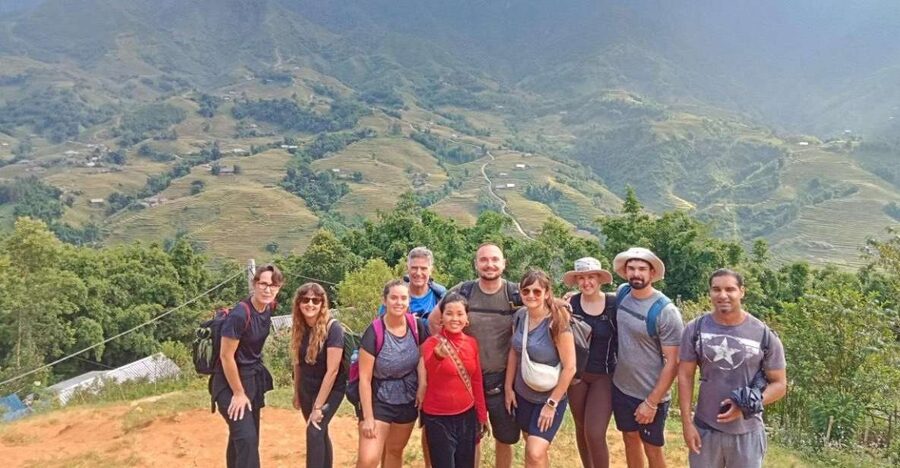
Your morning starts between 8:00 and 8:30, when the guide meets you at your hotel in central Sapa or at the stated meeting point. The guide then walks with you to the departure point near Sapa Retreat Condotel.
That short transfer on foot is worth knowing about. This is not a tour where a vehicle collects you at the hotel and deposits you at a trailhead. You begin walking almost at once, so wear your walking shoes from the moment you leave your room.
At about 9:00, the trek heads from Sapa toward Y Linh Ho. The first stretch is around 1.5 kilometers before the village area, then the route continues through rice terraces beside the Muong Hoa Stream. The views are the reason to book this trip, but the path demands attention. You are walking countryside trails, not a smooth city pavement.
In dry conditions, the walk should be manageable for anyone who is reasonably fit. After rain, the same route can turn muddy and slippery. One useful point from the tour information is that local women may walk along parts of the route and help at difficult spots. They may also offer handmade goods for sale. You are not required to buy anything, though a purchase or small gesture of thanks can be a considerate choice if you accept their help.
More Trekking Tours in Sapa
- Sa Pa: Muong Hoa Valley Trek and Local Ethnic Villages
★ 4.6 · 864 reviews - Sapa: Eco Adventure Terrace Fields and Local Villages Trek
★ 4.9 · 636 reviews - From Sapa: 1-Day Guided Trek to Lao Chai & Ta Van with Lunch
★ 4.9 · 416 reviews
Y Linh Ho and the first rice terraces
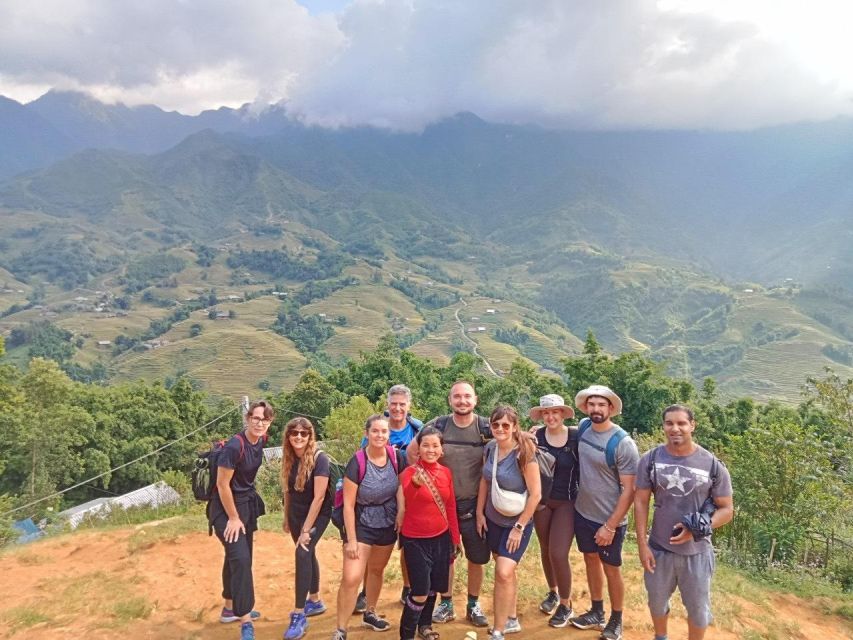
Y Linh Ho is the first major village area and one of the best places for an early photo stop. The route gives you broad views across stepped rice fields, with the stream below and Hoang Lien Son mountain scenery beyond.
The exact appearance of the fields changes with the season. You may see different colors and levels of activity depending on when you visit, but the shape of the terraces remains the central attraction. They show how farming fits into steep mountain terrain, with each level carefully used for cultivation.
The tour schedule gives this area about 1.5 hours, though the walking pace and stops can affect the timing. Your guide leads you onward rather than leaving you to find the route alone. That matters here because a scenic trail can still be confusing, and wet ground makes route-finding less pleasant.
The cultural explanation may vary by guide. The advertised service is an English-speaking local guide, but the experience may lean more toward route assistance and answering questions than toward a formal lecture. If you want details about village customs, farming, clothing, or architecture, ask directly as you walk. One low-rated account specifically found the scenery excellent but wanted more explanation about the villages, so setting your expectations correctly is important.
Following the stream to Lao Chai
From Y Linh Ho, you continue toward Lao Chai, a village associated with the Black H’mong community. This is the longer middle portion of the trek, with rice terraces, stream views, and mountain scenery unfolding along the way.
Lao Chai is not simply a stop for a single photograph. You walk through the village area and see homes, paths, farmland, and daily activity at close range. The route offers a more grounded view of the region than a viewpoint reached by minibus. You are moving through a working rural area, so it is best to be polite, avoid blocking paths, and ask before taking close-up photographs of people.
The tour information also refers to the livelihoods of Black H’mong and Red Dao people. That gives you useful context, but the guide may not deliver a long cultural talk at every stop. I would treat this as a walking tour with local interpretation, not a dedicated anthropology program.
The terrain becomes the main issue here. After roughly three hours and about 8 kilometers, you reach Ta Van. That distance is not a minor detail. If you rarely walk on uneven ground, the route may feel tiring well before lunch. The guide and local helpers can assist on harder sections, but they cannot turn the hike into an easy path.
Ta Van and the stilt-house village
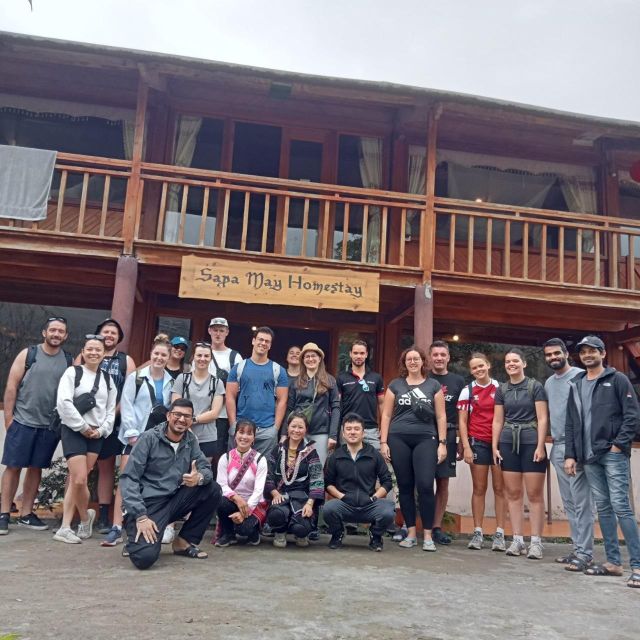
Ta Van is the point where the morning walk comes together. You see more rice terraces and stilt houses with distinctive ethnic architecture, while the mountains remain part of the view.
The village setting is valuable because it shows how homes and agriculture sit together. You get a sense of the settlement rather than only a distant panorama. The schedule allows time for visiting, photographs, walking, and a break, though the overall day still needs to stay on track for lunch and the afternoon bus.
Ta Van is also where the walking portion changes. After lunch, you take a separate walk of about 1 kilometer to reach the bus. That means the hike does not end at the restaurant door. Keep your shoes on and your day bag easy to carry.
The itinerary includes a shopping element in Lao Chai, and local sellers may approach you during the walk. This is common on popular village routes. You can look without buying, and the tour information makes clear that purchases are optional. If you dislike sales pressure, be ready with a friendly but firm no, thank you.
More Sapa escapes from Sa Pa:
- Sapa 1 Day Long Trek: Trek to Hau Thao and Sa Seng Villages
★ 4.6 · 344 reviews - Sapa: Fansipan Cable, Cat Cat Village, Moana Instagram Tour
★ 4.8 · 294 reviews - From Sapa: 3-Day Ha Giang Loop with Safe Rider (max 8 pax)
★ 4.9 · 285 reviews - Explore Sapa by TrekkingAdventures, Mountain,Rice fields
★ 4.9 · 229 reviews
Lunch after the morning hike
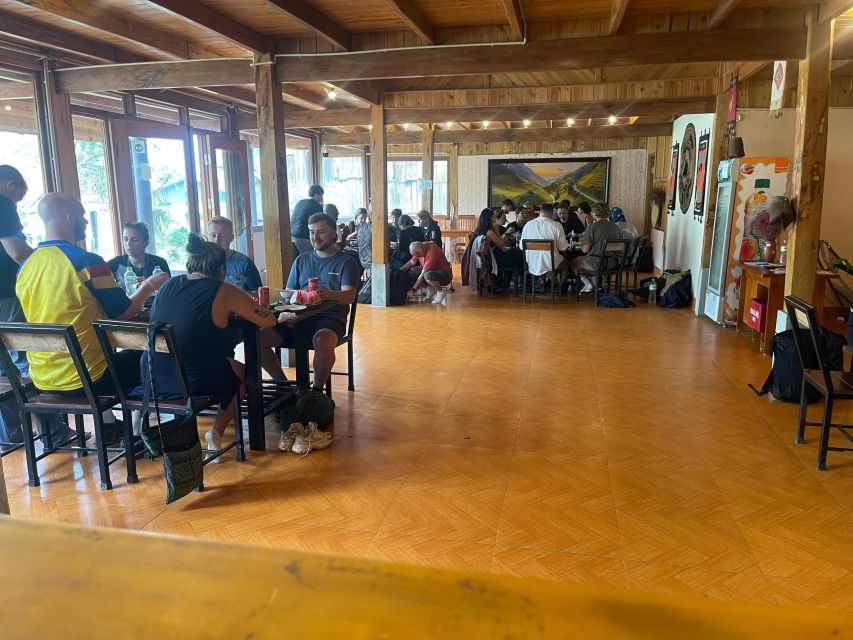
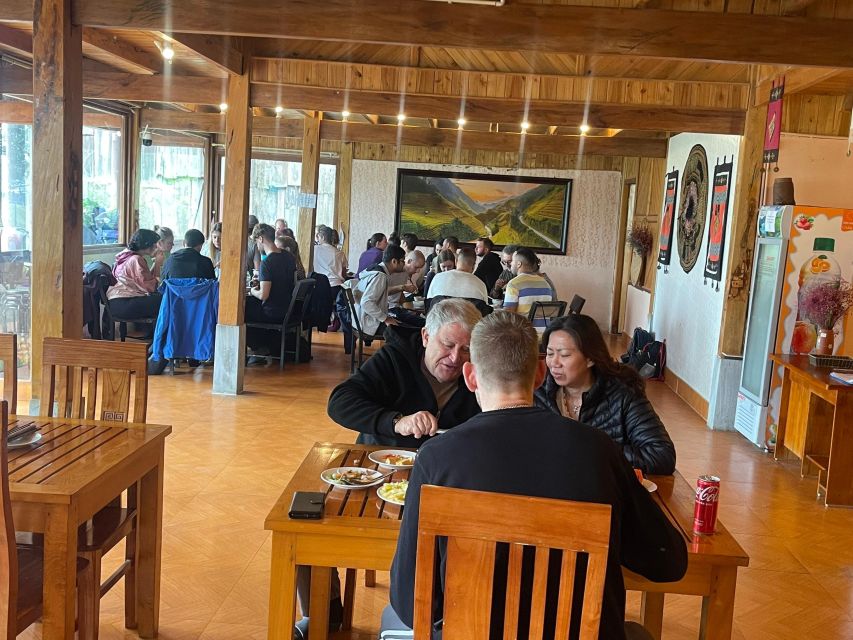
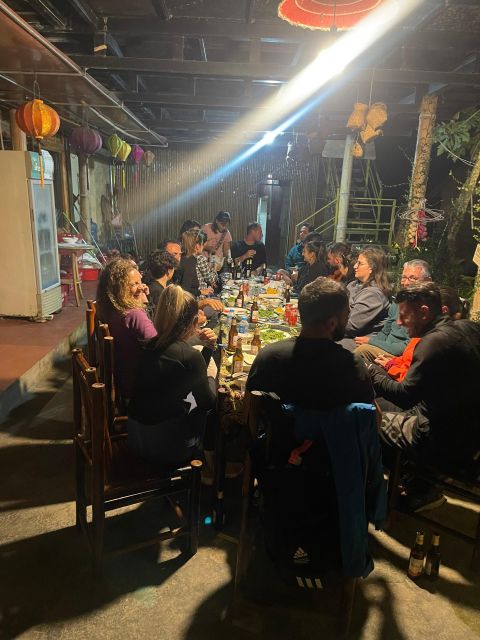
Lunch is served at a local restaurant around 12:30, after the walk to Ta Van. The meal is included, but drinks are not. You need to pay separately for water, beer, wine, or other beverages, so carry some cash or confirm your payment options before sitting down.
A meal at this point is practical rather than decorative. After several hours on the trail, a proper break gives your legs time to recover before the final walk to the bus. A German visitor described the food as good and plentiful, but you should still bring a snack if you know you need extra fuel during a 10-kilometer hike.
Bring water with you. Drinks are excluded, and the tour details do not promise a particular beverage supply. Sunscreen and insect repellent are also sensible additions, especially during warmer months.
The bus back to Sapa
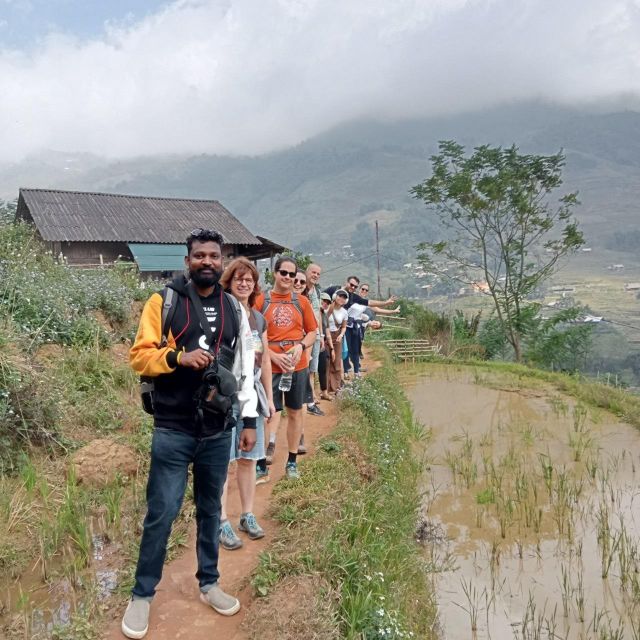
After lunch, the guide takes you on the roughly 1-kilometer walk to the bus. The ride back to Sapa takes about 30 minutes, and the tour ends between 2:00 and 2:30, with drop-off at your hotel or another place in Sapa town.
This return arrangement improves the value of the tour. You get a point-to-point walk through the valley instead of retracing your steps uphill or arranging your own ride from Ta Van. It also leaves part of the afternoon free for another activity, a shower, or a slow meal in Sapa.
The bus is included for one way only, from Ta Van to Sapa. If you leave the group early, need a different pickup arrangement, or want transport outside the stated plan, that would be a personal expense unless confirmed with the provider.
How difficult is the 10-kilometer route?
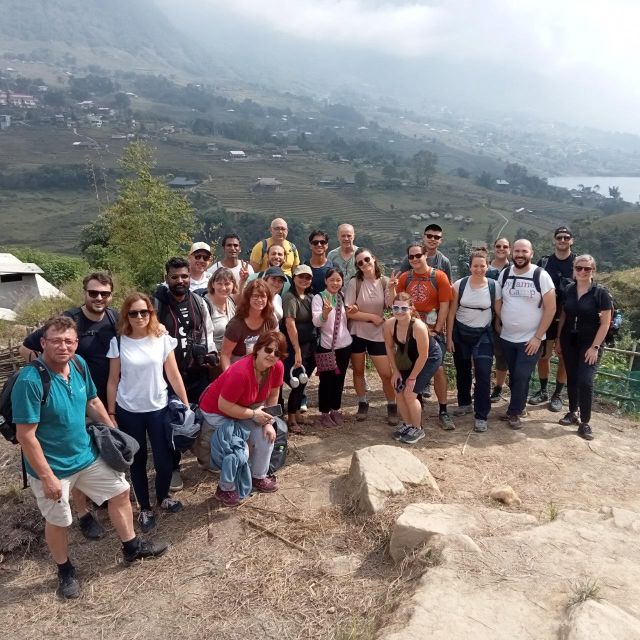
The tour is suitable for people who can walk for several hours on uneven ground. It is not suitable for wheelchair users, people with mobility impairments, children under five, or people over 80. Those restrictions are sensible given the mud, slopes, and uneven paths.
You should be comfortable with:
- Several hours of continuous walking
- Muddy ground after rain
- Slippery sections and rough village paths
- A final 1-kilometer walk after lunch
- Carrying your own water and small personal items
Good footwear is the most important preparation. A visitor who enjoyed the trip still warned that non-slip shoes were needed, especially after rain. Lightweight trainers with worn soles are a poor choice. Hiking boots or sturdy shoes with reliable grip are better.
From October through March, bring warm clothing. Sapa can feel cool, and the mountain setting may be colder than expected. In warmer weather, sunscreen, insect repellent, and a hat are useful. Large luggage and large bags are not allowed, so leave suitcases at your accommodation.
What the guide adds, and where the tour may fall short
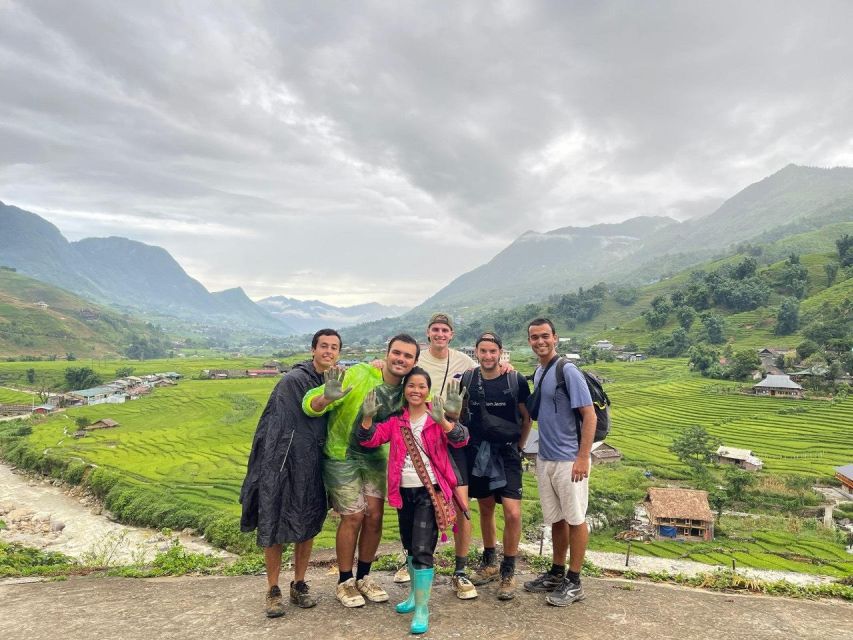
The guide’s main value is practical. You do not have to navigate the route alone, and the guide stays with you from the start through the village walk and onward to the bus. A kind and helpful guide can make a real difference on muddy or confusing sections.
The guide is also meant to provide English commentary. Still, the quality of cultural explanation may depend on the individual guide and on how many questions you ask. One published rating praised the scenery but felt the village history, culture, and local details were not explained in enough depth. That is the clearest limitation to keep in mind.
I would book this tour for the scenery, route, and support rather than for a long, formal cultural lesson. Ask questions about the Black H’mong and Red Dao communities, the terraces, stilt houses, and local livelihoods. You are more likely to get useful information if you show interest than if you simply follow silently.
The overall score of 4.2 from 86 ratings suggests a generally positive experience, but not a flawless one. The strongest praise centers on beautiful views, kind assistance, a helpful guide, and a satisfying meal. The repeated warning is the difficulty of the trail, especially in wet weather.
Is $22 a fair price?
At $22 per person, the tour offers good value if you want a full day of walking without arranging the details yourself. The price includes the local English-speaking guide, entrance ticket, lunch, and one-way bus transport back to Sapa.
You are paying for the route and logistics as much as the meal. Organizing transport from Ta Van, finding the correct trail, and arranging access to the walking areas would take more time and possibly cost more separately. The included drop-off also makes the outing simple for a first visit to Sapa.
The price does not cover drinks or personal expenses. It also does not guarantee a private guide, a particular menu, or a highly detailed cultural presentation. For a low-cost group outing, those limits are reasonable, as long as you know what you are buying.
Free cancellation is available up to 24 hours before the start for a full refund, and you can reserve now and pay later. Those policies make it easier to wait for a favorable weather forecast, which is useful when mud can change the character of the trail.
Who should book this Sapa trek?
I would recommend it to fit visitors who want to see the Muong Hoa Valley on foot and prefer a clear route with a guide. It suits people who enjoy mountain scenery, village paths, rice terraces, and a simple local lunch more than polished sightseeing.
It is also a good choice if you have only one free morning and afternoon in Sapa. The 8:00 to 8:30 pickup, 9:00 start, lunch around 12:30, and return by about 2:00 to 2:30 give you a useful block of the day.
I would not choose it for anyone seeking an easy walk, guaranteed dry paths, extensive historical commentary, or a fully private experience. Families with very young children, anyone with limited mobility, and people carrying large bags should make other plans.
Should you book it?
Book this trek if your priority is terraced fields, village scenery, local assistance, and strong value. The route from Sapa through Y Linh Ho, Lao Chai, and Ta Van gives you a fuller view of the valley than a short photo excursion, and the return bus keeps the day practical.
Skip it if your fitness is uncertain or rain is forecast and you do not have proper shoes. If you do go, wear sturdy footwear, pack light, bring water, and ask the guide questions about the communities and places you pass. With those expectations, this is an inexpensive and rewarding way to spend a morning in the Sapa highlands.
FAQ
How long does the Sapa trekking tour last?
The tour lasts about 6 hours. Pickup is scheduled between 8:00 and 8:30, and the tour usually ends around 2:00 to 2:30 in Sapa.
How far do you walk?
The hiking distance is around 10 kilometers. The route includes a final walk of about 1 kilometer after lunch to reach the return bus.
Which villages does the trek visit?
The route goes through or near Y Linh Ho, Lao Chai, and Ta Van. Lao Chai is associated with the Black H’mong community, and the route also includes information about Black H’mong and Red Dao livelihoods.
Is lunch included?
Yes. One lunch at a local restaurant is included. Drinks such as water, beer, and wine are not included.
Is transportation back to Sapa included?
Yes. A one-way bus from Ta Van back to Sapa is included. Drop-off is at your hotel or another requested stop in Sapa town.
What should you bring?
Bring comfortable clothing, sturdy hiking shoes or boots, sunscreen, insect repellent, and warm clothing from October through March. Large luggage and large bags are not allowed.
Can children join the trek?
Children under five cannot join this activity. The tour is also not suitable for wheelchair users, people with mobility impairments, or people over 80.
Is the tour available in English?
Yes. The tour includes a live English-speaking local guide.
More Lunch Experiences in Sa Pa
- From Sapa: Terrace Fields and Local Villages Trek with Lunch
★ 4.3 · 77 reviews - Sapa: Private Highlights Day Tour with Lunch
★ 4.8 · 61 reviews - Sapa: Muong Hoa Mountain Views and Villages Trek with Lunch
★ 4.3 · 28 reviews - Sapa: Ta Phin Village Trek with Lunch and Bathing Experience
★ 4.7 · 13 reviews
More Treks Within Reach
- EXPLORE SAPA: 2D1N TREKKING & HMONG CULTURE WITH DINH
★ 4.9 · 191 reviews - Sa Pa: 6-Hours Muong Hoa Valley Trek with Local Ethnic guide
★ 4.5 · 178 reviews - Sa Pa: 2-Day Trekking Trip with Ethnic Minority Homestay
★ 4.7 · 145 reviews - Half Day Sapa Trekking to Visit Lao Chai – Ta Van
★ 4.7 · 126 reviews
Just added around Sa Pa
- Sapa Open Air Jeep Half Days Off the Beaten Track, Backroad★ 4.9 · 9 reviews
- Sapa: Motorbike Tour to Hidden Villages & Terraced Fields★ 5.0 · 9 reviews
- SaPa: 2-Day Villages,Rice Fields, Love Waterfall Hiking Tour★ 5.0 · 9 reviews
- Sapa: Explore Sa Pa in one Day with local motorcycle Guide★ 4.9 · 9 reviews
- From Sa Pa: One Day Fansipan Mountain Trek★ 4.3 · 10 reviews
- Sa Pa: Half-Day Motorbike Tour with Sunset on O Quy Ho Pass★ 4.8 · 10 reviews
- From Sapa: Glass Bridge and Silver Waterfall Group Tour★ 4.8 · 11 reviews
- From Hanoi: Sapa Discovery Package Tour 2 Days 1 Night★ 4.8 · 11 reviews
Trekking Tours in Sapa, compared.

Muong Hoa Valley Trek and Local Ethnic Villages
Read our review →

Sapa 3 Days 2 Nights Trekking Tour (1 Night In Ta Van Village, 1 Night In Hotel)
Read our review →
Eco Adventure Terrace Fields and Local Villages Trek
Read our review →
3-Day Trekking Adventure of Sapa from Hanoi – Stay Ta Van Village
Read our review →
Number one top rated ethical cultural trekking and homestay by ETHOS
Read our review →
2-Day Sa Pa Ethnic Homestay Tour & Trek with Limousine Bus
Read our review →
1-Day Guided Trek to Lao Chai & Ta Van with Lunch
Read our review →Browse the lists this tour appears in