
Reviewed · TREKKING TOURS IN SAPA
Mountain views and villages trek – 1 Day
The most appealing part of this Sapa trek is the change of scale: you begin above town with views toward 3,143-meter Fansipan, then walk down into Black Hmong villages where farming, marriage customs, and house building are part of the conversation. I like the small maximum of two people, and I like that lunch, village fees, water, and the ride back are covered. The main catch is the physical demand. This uses local mountain paths, not a gentle town walk, so solid fitness matters.
I also like the efficient route for a short stay in Sapa. In about five and a half hours, you get a viewpoint, rice terraces, village life, and a local meal without arranging several separate outings. Still, mountain weather can spoil the views, and drinks at lunch or a homestay cost extra.
In This Review
- Key points before you book
- Why this short Sapa trek works so well
- Starting at Sapa Church at 9 a.m.
- The 1-kilometer climb to the Fansipan viewpoint
- Muong Hoa Valley and its rice terraces
- Ham Da, a Black Hmong village
- Hau Thao and Giang Ta Chai on the mountain route
- Lunch, water, and what costs extra
- How difficult is the walk?
- What the 99 percent recommendation tells you
- Timing, weather, and cancellation details
- Who should book this Sapa outing?
- Should you book it?
- FAQ
- Where does the tour start?
- Where does the tour end?
- How long does the tour last?
- How many people can join the tour?
- What fitness level is required?
- Is lunch included?
- Are drinks included?
- What happens if the weather is poor?
Key points before you book
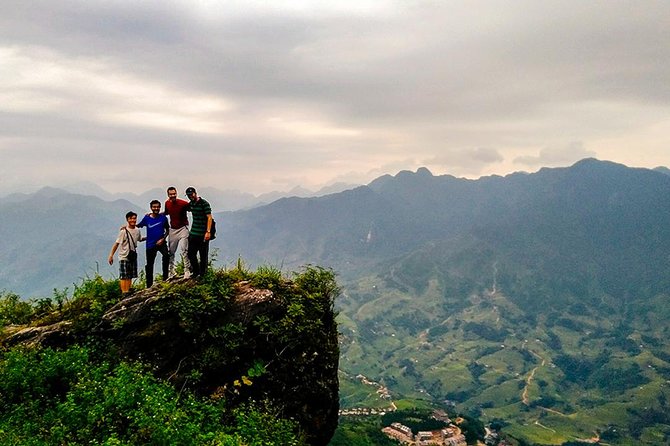
- The walk begins with a 1-kilometer uphill climb to views of Fansipan, Sapa, and the Muong Hoa Valley.
- The group is capped at two people, giving you a more private outing than a large bus-based tour.
- Ham Da offers cultural context, including Hmong farming, marriage traditions, and house-building methods.
- The route links Ham Da, Hau Thao, and Giang Ta Chai, with transport returning you to Sapa.
- Lunch is included, with vegetarian food available, but restaurant and homestay drinks are not.
- A moderate to solid fitness level is needed, since the route follows mountain trails used by local Hmong people.
Why this short Sapa trek works so well
Sapa is easy to admire from a hotel balcony, but the town itself tells only part of the story. The best reason to book this outing is that it takes you away from the main streets and into the hills around the Muong Hoa Valley.
You get a useful mix of scenery and contact with local life. The opening viewpoint gives you the grand picture: Sapa below, Fansipan ahead, and terraces cut into the valley slopes. The village sections then bring the view down to human scale, with farming, homes, animals, and everyday traditions.
At $45 per person, the price is reasonable for a private outing with a local guide. The group limit of two is especially important. You are not paying only for a route and a meal. You are buying a more flexible conversation and a better chance to ask questions as you walk.
The schedule starts at 9 a.m. and lasts about five hours and thirty minutes. The tour is described as a full-day outing, but the published timing makes it closer to a substantial half-day or morning-to-afternoon trip. That distinction matters if you are planning another activity later.
More Trekking Tours in Sapa
- Sa Pa: Muong Hoa Valley Trek and Local Ethnic Villages
★ 4.6 · 864 reviews - From Hanoi: 2-Day Sapa Trekking Trip with Homestay & Meals
★ 4.8 · 704 reviews - Sapa 3 Days 2 Nights Trekking Tour (1 Night In Ta Van Village, 1 Night In Hotel)
★ 5.0 · 699 reviews
Starting at Sapa Church at 9 a.m.
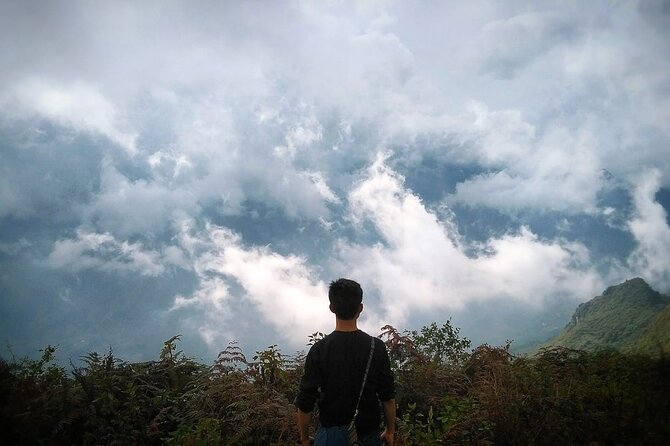
Your meeting point is Sapa Church, on P. Hàm Rồng in central Sa Pa. Pickup is offered from a hotel in Sapa, or you can meet the guide in front of the church. The stated start time is 9 a.m., so I would be ready a little early and confirm the exact pickup arrangement when booking.
The opening introduction is brief, then the walking begins. This is not a long transfer-heavy tour. You move fairly quickly from central Sapa toward the mountain trail, which makes the outing a good choice if you want to spend your limited time outside town.
The maximum of two people can make a real difference here. A private walk lets you ask about what you see instead of waiting for a large group to gather. It also gives you a better chance to discuss your pace and interests with the guide, though the route still has its fixed mountain climbs and descents.
The tour ends back at the starting meeting point. Transport back to Sapa is included, so you do not need to arrange your own return from the villages.
The 1-kilometer climb to the Fansipan viewpoint
The first major section is a roughly 1-kilometer uphill walk on a small trail. This is the part to take seriously. It is short by distance, but uphill mountain walking can feel much harder than a flat kilometer through town.
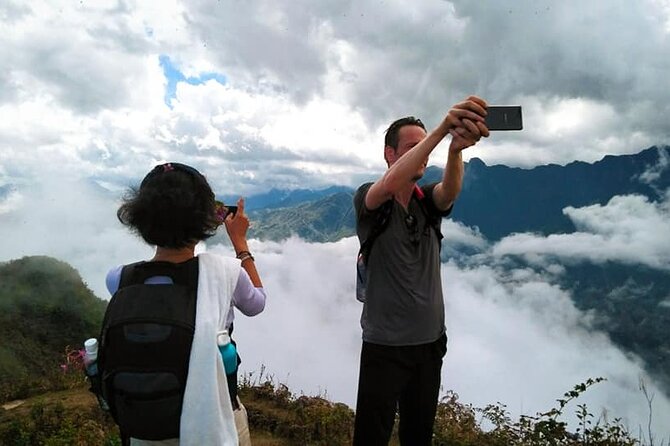
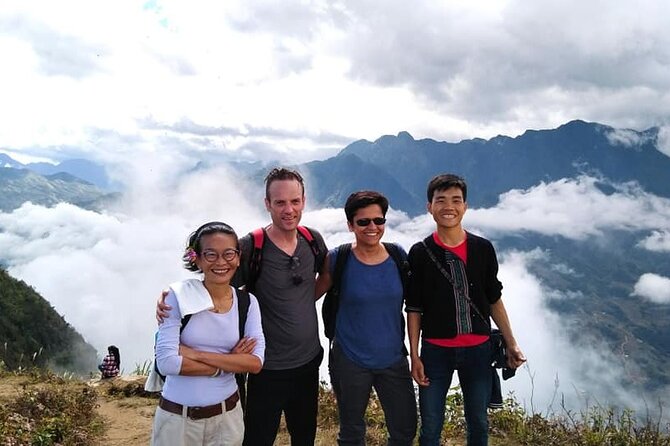
At the viewpoint, you can see Fansipan, listed here at 3,143 meters and described as the highest mountain in Asia. You also get a broad look over Sapa and the Muong Hoa Valley. The appeal is not just the height of Fansipan. It is the way the mountain, town, river, valley, and rice terraces fit together in one view.
Weather will shape this stop. Clear conditions should give you the main reward, while cloud or mist can reduce the long views. The cancellation terms recognize that weather matters: if conditions make the tour unsuitable, you are offered another date or a full refund.
Bring shoes you trust on uneven mountain paths. The supplied details call for moderate physical fitness, while one detailed assessment makes the stronger point that this route suits people accustomed to hiking. I would treat that as the safer guide. You do not need to be an athlete, but you should be comfortable with an uphill trail and a mountainside descent.
Muong Hoa Valley and its rice terraces
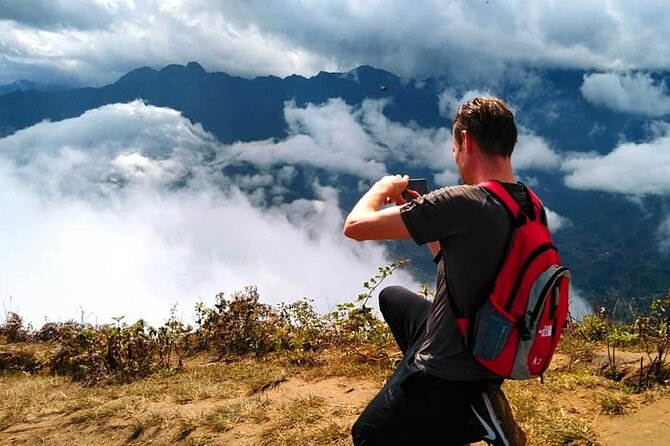
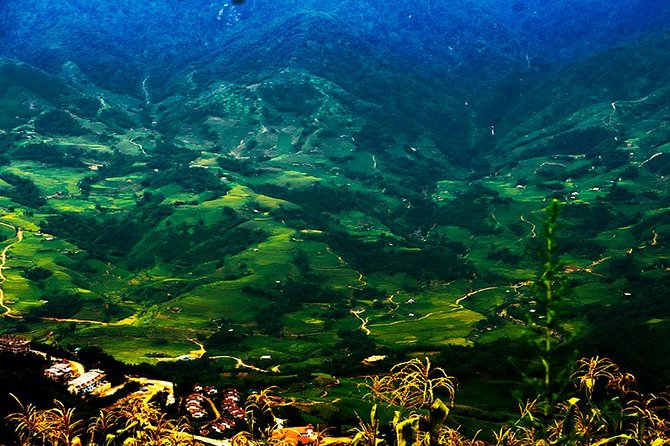
From the viewpoint, the route gives you a look at the rice terraces of Muong Hoa Valley. These fields are one of the defining sights around Sapa, and seeing them from above helps you understand their shape and scale.
The terraces are not a single monument you visit for a few minutes. They are working farmland arranged along steep valley sides. Their appeal changes with weather, season, and farming activity, so the exact colors and amount of water in the fields will vary.
I like that the tour connects the terraces to the villages instead of treating them as a photo stop alone. The valley view shows the result of generations of mountain farming. The village visit gives you a chance to hear how local people use the land and build homes around it.
The route also includes views of Sapa’s largest river and the valley below. Since the walk continues down the mountainside, you will experience a different angle as you leave the viewpoint. That descent may be easier on your breathing than the first climb, but it can still work your knees and ankles.
More Sapa escapes from Sapa:
- Sapa 2 Days 1 Night From Hanoi – Overnight in Ta Van Village
★ 5.0 · 2,669 reviews - Hanoi – Sapa 2 Days 1 Night Overnight At Homestay
★ 5.0 · 899 reviews - Sapa: Fansipan Cable, Cat Cat Village & Moana Instagram Tour
★ 5.0 · 777 reviews - Sapa: Eco Adventure Terrace Fields and Local Villages Trek
★ 4.9 · 636 reviews
Ham Da, a Black Hmong village
The trail continues down to Ham Da, a village of the Black Hmong ethnic minority. This is where the tour shifts from scenic outlook to cultural explanation.
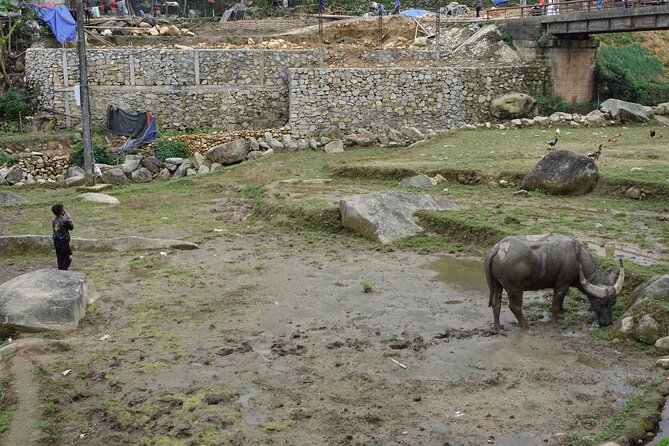
You are meant to learn about Hmong marriage traditions, farming methods, and house-building techniques. You may also see farm animals in the village. These details give the stop a practical focus. Rather than receiving only broad statements about local culture, you can connect the conversation to homes, fields, animals, and family customs around you.
A local guide is particularly useful here. The tour is run by a small local Hmong group in Sapa, and that local connection is a major reason to choose it over a sightseeing transfer with a remote guide. The named guide Zhu received special praise for speaking English well and for being sympathetic and friendly. Guide assignments can change, so you should not assume Zhu will lead every departure, but the feedback gives you a helpful idea of the kind of guiding the operator aims to provide.
Keep your expectations grounded. This is a village visit within an active walking route, not a staged museum presentation. You are there to see and discuss village life while passing through. Be polite with photography and follow your guide’s lead around homes and animals.
Hau Thao and Giang Ta Chai on the mountain route
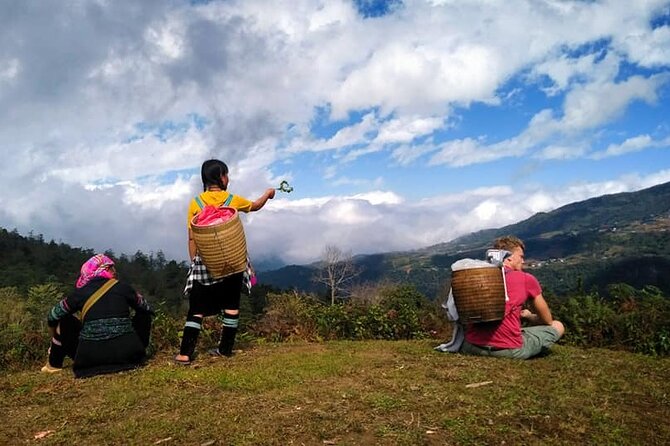
The listed route runs from Sapa to Ham Da, Hau Thao, and Giang Ta Chai before returning to Sapa. The detailed schedule gives the clearest description of the opening viewpoint and Ham Da, while the route name confirms that Hau Thao and Giang Ta Chai are part of the wider outing.
These village names matter because they show that you are not simply walking out to one viewpoint and back. The trek links several communities and mountain sections around the Muong Hoa area. That adds variety to the day, though it also means the exact walking conditions can vary along the route.
Hau Thao is named as the main itinerary stop, and the route description places it between Ham Da and Giang Ta Chai. Giang Ta Chai is the final named village before the return to Sapa. Since the available schedule does not provide a precise time or separate activity list for each village, I would ask the operator how much time is planned in each place if that matters to your decision.
What you can count on is a village-based route rather than a series of indoor attractions. The value comes from walking through the hills and seeing how the communities fit into the valley. If you prefer a tightly timed sightseeing program with a detailed script at every stop, this may feel informal. If you want a local route with room for explanation and scenery, that informality is part of the appeal.
Lunch, water, and what costs extra
Restaurant lunch is included, and vegetarian food can be provided. This is a useful inclusion on a mountain outing. You do not need to pack a full meal or stop your walk to search for a place to eat.
The tour includes one small bottle of water. I would still carry extra water if you normally drink a lot while walking, because additional drinks are not included. Bottled water or beer at a homestay costs extra, as do drinks at the restaurant.
Village entry fees are included, along with transport back to Sapa. Personal travel insurance and tips are not included. These are simple details, but they help explain the $45 price. You are getting the guide, meal, entry fees, water, and return transport in one charge, with only ordinary personal extras left outside the package.
The value is strongest for solo bookers or pairs who want a private route. A large group tour might cost less per person, but this outing limits the party to two. For that price, I would view the meal and transport as useful savings in time rather than luxury additions.
How difficult is the walk?
The official guidance calls for moderate physical fitness. A more demanding assessment describes the route as suitable for people with solid fitness levels and experience hiking on local mountain paths. I would plan for the tougher interpretation.
The route includes a 1-kilometer uphill climb, mountain trails, and a descent toward Ham Da. There is no stated accessibility information, and the setting itself suggests that this is not suitable for anyone who needs smooth, level paths.
You should book this if you can walk uphill for a sustained stretch and remain comfortable on uneven ground. Wear practical walking shoes and clothing that can handle changing mountain conditions. The tour supplies only one small bottle of water, so personal preparation matters.
You should think twice if you have knee, ankle, balance, or breathing problems. The five-and-a-half-hour duration also includes time on your feet, not simply time in a vehicle. If your main goal is an easy Fansipan viewpoint with minimal walking, a vehicle-based sightseeing plan would suit you better.
What the 99 percent recommendation tells you
The experience has a 4.9 rating from 99 reviews, with 99 percent recommending it. The strongest praise focuses on two things: the beauty of the views and the quality of the local guiding.
One detailed account calls the day exceptional but adds the important warning that it is for people with solid fitness and comfort on Hmong mountain routes. That is useful praise because it does not hide the physical side.
Another account singles out guide Zhu, noting clear English, a friendly manner, and impressive views and discoveries. Those are the exact qualities I would want on this kind of outing. Scenery gets you onto the trail, but a guide who can explain what you are seeing makes the village sections much more worthwhile.
The high rating should not make you ignore the route’s limits. A strong rating does not turn a mountain trek into an easy walk, and it cannot guarantee clear weather. Use the praise to judge the guiding and scenery, then use the physical warning to decide if the route fits you.
Timing, weather, and cancellation details
You can cancel for a full refund if you do so at least 24 hours before the 9 a.m. start. Changes or cancellations inside that 24-hour window are not accepted for a refund.
The tour requires good weather. If poor conditions cause cancellation, you are offered a different date or a full refund. A minimum number of people is also required, even though the maximum is two. If the minimum is not met, you are offered another date or experience, or a full refund.
Confirmation is provided at booking, and the meeting point is near public transport. Pickup from a Sapa hotel is offered, while the formal end point is back at Sapa Church. These details make the outing fairly easy to fit into a Sapa stay, but I would leave some buffer around the end of the tour if you have a train, bus, or fixed dinner reservation.
Who should book this Sapa outing?
I would recommend it most strongly to a pair who want a private, active look at the hills around Sapa. It suits you if you care about mountain views but also want to understand how Hmong communities farm, build houses, and organize family life.
It is also a smart choice for a short visit. The route covers several of the area’s key sights in one morning-to-afternoon block, and the included lunch means fewer small arrangements to make.
I would not choose it for a very relaxed day, a visitor uncomfortable with uphill walking, or anyone expecting a fully predictable schedule at every village. The route is local and outdoors, so weather, trail conditions, and the pace of conversation will shape the day.
Should you book it?
Book this trek if you want Fansipan and Muong Hoa views paired with village contact, and if you are ready for real mountain walking. The private limit of two, local Hmong guiding, included lunch, village fees, and return transport make $45 a fair price.
Skip it if your priority is an easy ride, a guaranteed clear panorama, or a long list of formal attractions. For the right walker, this is a compact and practical way to see the Sapa area beyond town, with guide Zhu’s praised English and warm manner as a useful sign of the experience you may receive.
FAQ
Where does the tour start?
The tour starts at 9 a.m. at Sapa Church, P. Hàm Rồng, TT. Sa Pa, Sa Pa, Lào Cai 333100, Vietnam. Pickup from a hotel in Sapa is also offered.
Where does the tour end?
The activity ends back at the meeting point in Sapa.
How long does the tour last?
The stated duration is approximately five hours and thirty minutes.
How many people can join the tour?
The maximum group size is two people.
What fitness level is required?
You should have a moderate physical fitness level. The route includes a 1-kilometer uphill walk and mountain paths, so solid fitness and hiking experience are helpful.
Is lunch included?
Yes. Restaurant lunch is included, and vegetarian food can be provided.
Are drinks included?
No. Restaurant and homestay drinks are not included. The tour does include one small bottle of water.
What happens if the weather is poor?
If the tour is canceled because of poor weather, you are offered a different date or a full refund.
More 1-Day Tours in Sapa
- Sapa 1 Day Long Trek: Trek to Hau Thao and Sa Seng Villages
★ 4.6 · 344 reviews - Sapa Motorbike Tour With Local Guide 1 Day – Waterfalls, Villages
★ 5.0 · 254 reviews - Motorbike 1 Day Off The Beaten Track, Hidden Villages, rice field
★ 5.0 · 203 reviews - 1-day Authentik trek & Panorama valley views
★ 5.0 · 189 reviews
More Treks Within Reach
- 3-Day Trekking Adventure of Sapa from Hanoi – Stay Ta Van Village
★ 5.0 · 611 reviews - Number one top rated ethical cultural trekking and homestay by ETHOS
★ 5.0 · 456 reviews - 2-Day Sa Pa Ethnic Homestay Tour & Trek with Limousine Bus
★ 4.8 · 440 reviews - From Sapa: 1-Day Guided Trek to Lao Chai & Ta Van with Lunch
★ 4.9 · 416 reviews
Just added around Sapa
- Sapa 1 Day Trekking★ 5.0 · 9 reviews
- Half Day Sapa Cat Cat Explore Waterfall, Workshop, H’mong Local★ 5.0 · 9 reviews
- Sapa Open Air Jeep Half Days Off the Beaten Track, Backroad★ 4.9 · 9 reviews
- Fansipan Mount Trekking 1 Day★ 5.0 · 9 reviews
- Sapa: Motorbike Tour to Hidden Villages & Terraced Fields★ 5.0 · 9 reviews
- Sapa 3 Day Trekking with 2 Nights Homestay★ 5.0 · 9 reviews
- 8-Day Discover Northern Vietnam Highlight: Hanoi – Ninh Binh – Sapa – Halong Bay★ 5.0 · 9 reviews
- SaPa: 2-Day Villages,Rice Fields, Love Waterfall Hiking Tour★ 5.0 · 9 reviews
Trekking Tours in Sapa, compared.

Muong Hoa Valley Trek and Local Ethnic Villages
Read our review →

Sapa 3 Days 2 Nights Trekking Tour (1 Night In Ta Van Village, 1 Night In Hotel)
Read our review →
Eco Adventure Terrace Fields and Local Villages Trek
Read our review →
3-Day Trekking Adventure of Sapa from Hanoi – Stay Ta Van Village
Read our review →
Number one top rated ethical cultural trekking and homestay by ETHOS
Read our review →
2-Day Sa Pa Ethnic Homestay Tour & Trek with Limousine Bus
Read our review →
1-Day Guided Trek to Lao Chai & Ta Van with Lunch
Read our review →Browse the lists this tour appears in