
Reviewed · SAPA TOURS
SAPA : Climb up to Fansipan mountain with LOCAL GUIDE
Fansipan is not a casual hill walk. You begin before breakfast at Tram Ton Pass and climb for hours through changing forest, rock, mud, stairs, and thin mountain air. The prize is the summit at 3,143 meters, though clouds may hide the big view.
I like the personal touch here: guides such as Za, Zo, Khu, Mai, and A Già combine mountain help with stories about Black Hmong life. I also like the home-cooked lunch, snacks, tea, photographs, gloves, and transport included in the price. The catch is simple: this is a serious one-day effort, and the return walk can be harder than the climb up.
In This Review
- Key points to know before you book
- Why this Fansipan climb feels different
- The 5:30 AM pickup from Sa Pa
- Starting at Tram Ton Pass at 1,800 meters
- The hard middle hours: rocks, stairs, and scrambling
- Lunch in the mountain, not back in town
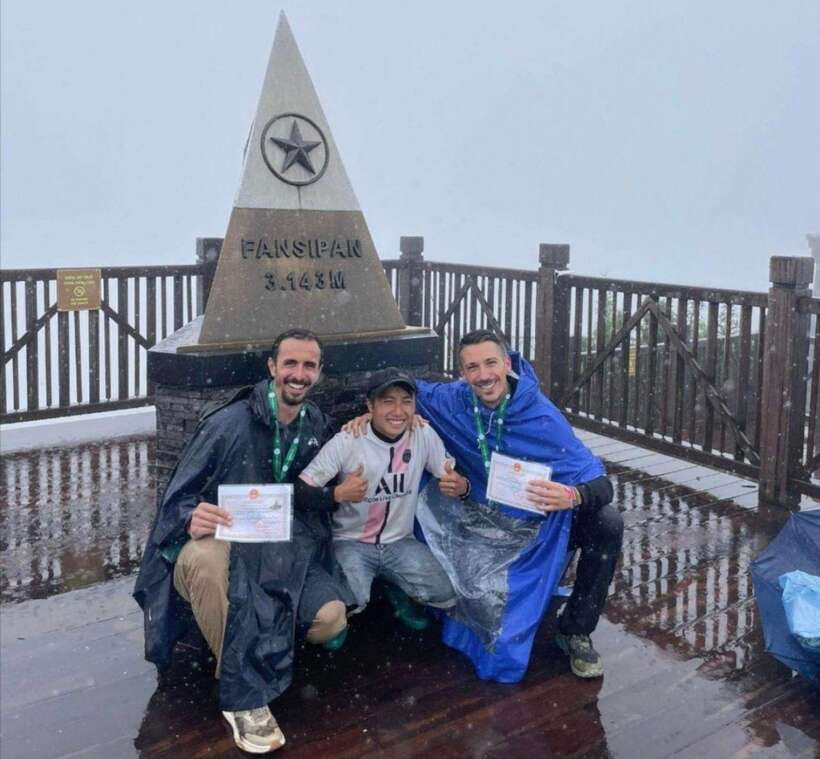
- Reaching the 3,143-meter summit
- The descent: choose your legs or the cable car
- Getting ready for Fansipan’s changing weather
- Who should book this climb?
- Small touches that add real value
- Should you book the Fansipan local-guide climb?
- FAQ
- Where does the Fansipan climb start?
- Where do I meet the guide?
- How long does the climb take?
- Is the cable car included?
- What food and drink are included?
- Is a guide required for the climb?
- What should I bring?
- Is this climb suitable for everyone?
Key points to know before you book
- The climb starts at Tram Ton Pass: You begin around 1,800 meters, not in Sa Pa itself.
- Expect 7 to 10 hours on foot: The advertised day is eight hours, but weather, fitness, and breaks can stretch it.
- Local Black Hmong guides lead the way: Za and his team add useful cultural context as well as practical mountain support.
- Lunch is more than a packaged snack: A picnic meal, often cooked by the guide, is included along with water and sometimes tea or coffee.
- The cable car is your escape valve: You may ride down if your legs give out, but the ticket and onward shuttle cost extra.
- Cloud is part of the Fansipan bargain: You can have a fine climb and reach the summit without getting a clear summit view.
Why this Fansipan climb feels different
The easy way to see Fansipan is by cable car. This trip asks you to earn the summit with your legs. That changes the experience. Instead of stepping from a town or cable-car station into a crowded peak complex, you spend most of the day moving through forest and mountain terrain with a local guide.
I like that the cultural side is not bolted on as a separate village stop. Your guide is from the Black Hmong community around Sa Pa and can explain local life, plants, farming, and mountain customs while you walk. That makes the long hours more interesting, especially when the route gets steep and the scenery turns cloudy.
The tour costs $72 per person. That is a fair price when you count the guide, entrance fee, transport, lunch, 1.5 liters of water, gloves, and the summit certificate. Groups of four or more also receive a porter. You are still paying separately for insurance and any cable-car ride, so budget for those before setting out.
More Sapa escapes from Sa Pa:
- Sa Pa: Muong Hoa Valley Trek and Local Ethnic Villages
★ 4.6 · 864 reviews - Sapa: Eco Adventure Terrace Fields and Local Villages Trek
★ 4.9 · 636 reviews - From Sapa: 1-Day Guided Trek to Lao Chai & Ta Van with Lunch
★ 4.9 · 416 reviews
The 5:30 AM pickup from Sa Pa
The day begins early. Your guide and driver meet you at your hotel if it lies along the route, or at the Stone Church in central Sa Pa. From there, you travel by car or motorbike toward Tram Ton Pass.
The early start matters. It gives you the best chance of completing the climb in daylight and leaves some room for slow sections, photo stops, rain, or tired legs. It also means you should arrange breakfast the night before, unless your guide helps you pick up food for the ride. One guide has done exactly that for an early departure.
Transport is included both ways to the trailhead. The ride itself is part of the setup, taking you out of Sa Pa’s streets and up to the pass at about 1,800 meters. If you go by motorbike, bring a layer that blocks wind and rain. The upper road can feel cool even when Sa Pa town feels mild.
Starting at Tram Ton Pass at 1,800 meters
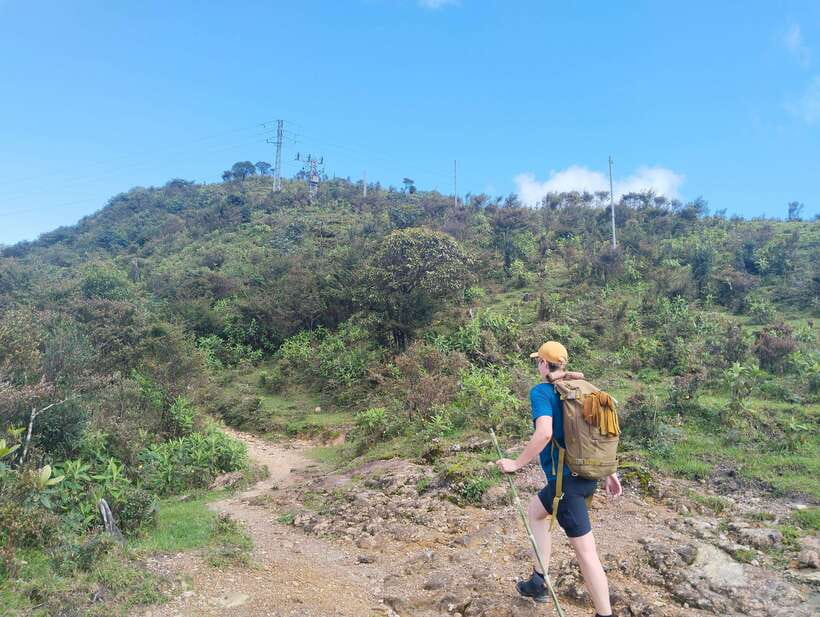
Around 6 AM, you begin walking from Tram Ton Pass. This is an important detail when judging the difficulty. You are not climbing the full height from valley level, but you still gain roughly 1,300 meters before reaching the summit.
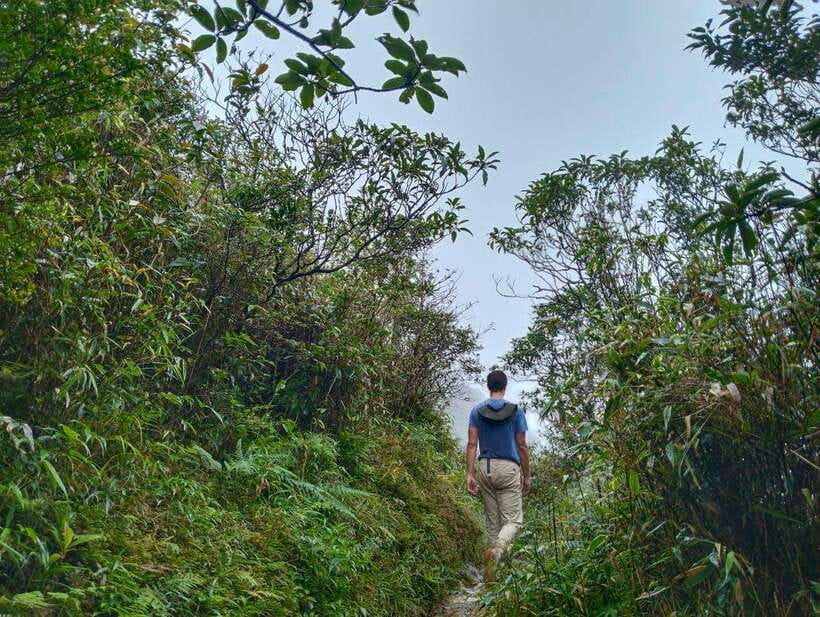
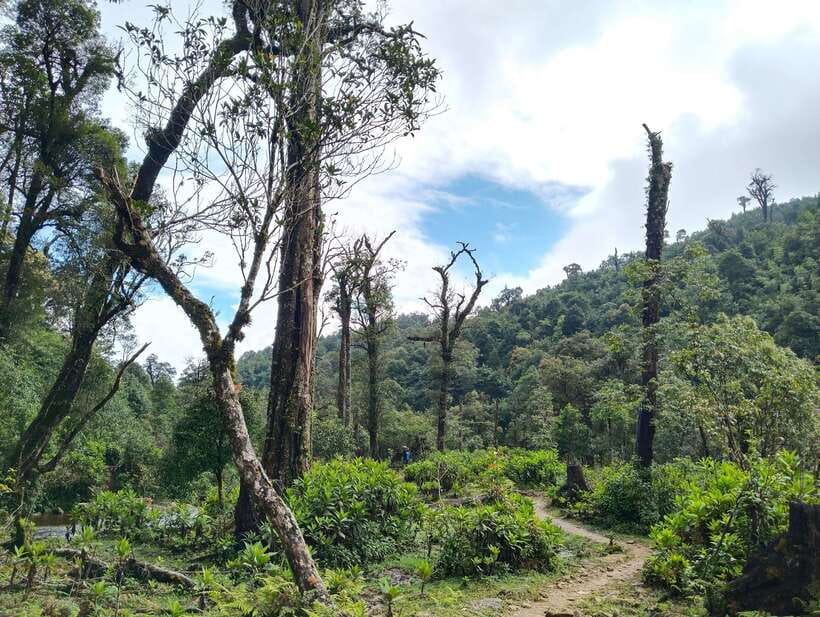
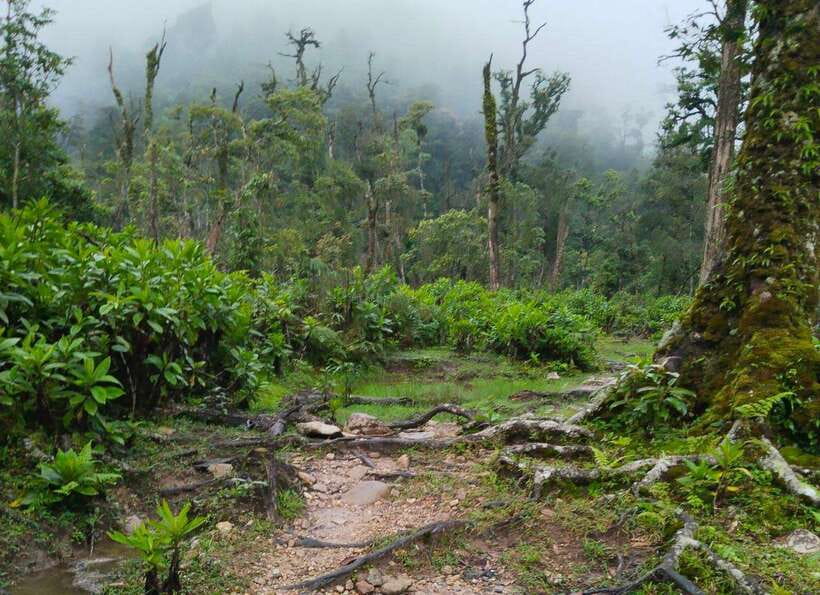
The trail passes through several forest zones as the altitude rises. The ecology around Fansipan includes 2,024 floral varieties and 327 faunal species, and the changing plant life is one of the best reasons to walk rather than take the cable car. You may see cardamom plants, a valuable spice used in local cooking, along with other mountain vegetation.
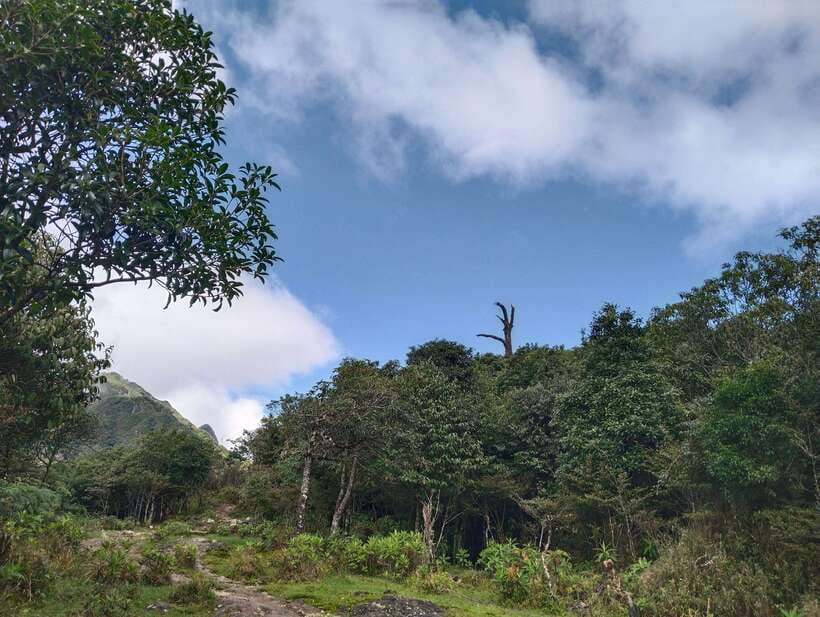
The scenery includes views toward Muong Hoa Valley when cloud and weather allow. On a clear day, the route gives you more than one summit photograph. On a wet or cloudy day, you may see shorter views, mossy forest, mist, and the trail itself. Fansipan does not promise blue skies, so treat the summit view as a bonus rather than the whole reason to go.
The hard middle hours: rocks, stairs, and scrambling
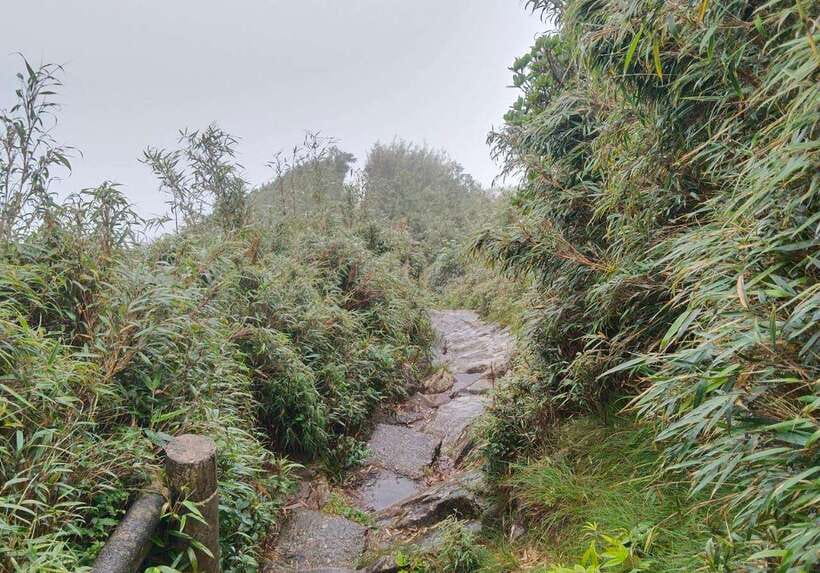
The climb is described as moderate to challenging, and that is a useful warning. You need a good level of fitness, healthy joints, and the ability to keep moving uphill for several hours. Some sections include rocks, stairs, and light scrambling. The route is not described as requiring technical climbing skills, and one account specifically found no frightening cliff exposure, but it is still physically demanding.
The final two or three hours toward the top can feel especially tough. Your guide will set the pace, organize breaks, and check how you are doing. The best guides in this group are praised for patience, encouragement, safety checks, and adjusting speed to the group instead of racing ahead.
That support has real value. A fit guide can make the trail look easy, but your pace is the one that matters. Guides such as Za have stayed with slower climbers into darkness and carried a headlamp for the final stretch. That is not a reason to underestimate the hike. It is a reason to appreciate the safety net while still preparing properly.
A few more Sa Pa departures worth weighing up
- Sa Pa: 6-Hours Muong Hoa Valley Trek with Local Ethnic guide
★ 4.5 · 178 reviews - Sapa Trekking Bargains With Local Guide
★ 4.9 · 91 reviews - From Sapa: Guided Full-Day Trekking with Lunch and Drop-Off
★ 4.2 · 86 reviews - Sapa: Local Exploration on a Guided Motorbike Tour
★ 4.2 · 37 reviews
Lunch in the mountain, not back in town
A picnic lunch is included, and this is one of the tour’s strongest practical features. Guides have prepared banh mi, soup, snacks, coffee, and tea, with meals served at a rest point along the route. Some hikers have eaten as early as 9 AM, while the general plan places lunch around the middle of the day. Exact timing depends on your pace.
A hot meal tastes better after a long climb, but it also saves you from carrying a full day of food. You receive 1.5 liters of water, though I would still ask the operator how much extra water you should bring for your date and group. Hydration needs vary with heat, rain, and effort.
The meal also creates a useful pause. This is when you can ask your guide about the mountain, Black Hmong communities, Sa Pa, or the plants along the trail. Za is especially noted for good English and for sharing local tips and personal stories. That conversation is a major part of the trip’s value.
Reaching the 3,143-meter summit
The summit arrives around noon in the planned schedule, but do not treat that as a guaranteed arrival time. The climb can take seven to nine hours for the ascent and descent combined, and some groups have spent around ten hours on the full outing.
At the top, you can take photographs, celebrate the climb, and enjoy the feeling of reaching the Roof of Indochina. A certificate and medal or summit certificate add a cheerful finish, especially if you are treating this as a personal challenge.
The view is weather-dependent. Fog has covered the summit for some groups, leaving no clear summit photographs. Other groups have had open skies and breathtaking views. The important distinction is this: the route can still be worthwhile in cloud because the forest, changing altitude, local stories, and physical achievement do not disappear when the view does.
The summit area can also be busy because many people arrive by cable car. If you want a quiet mountain experience at the top, this trip may not provide it. The quieter part is the long trail before you reach the summit complex.
The descent: choose your legs or the cable car
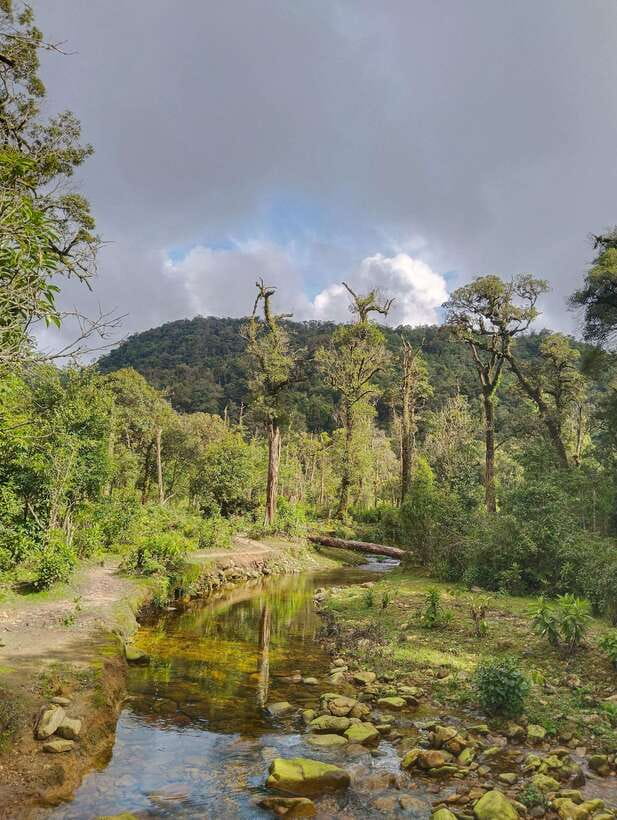
The walk down is not an afterthought. It can take several hours and may be harder on tired knees than the ascent was. Wet rocks and mud make the descent slower, and rain can turn the trail into a more complicated job.
Your guide can remain with you if you walk back to Tram Ton Pass. If you are exhausted, the cable car offers a sensible alternative. The cable-car ticket is not included, and the listed experience does not cover the shuttle from the cable-car station to your accommodation. The price mentioned by one participant was about 800,000 VND per person, and cash may be needed.
I would make this decision based on your energy, weather, and remaining daylight, not pride. Several fit people chose the cable car down after reaching the summit. Others found the descent rewarding because it gave them more time with the scenery. You can decide on the day, but carry money and understand that the cable-car option changes your transport arrangements.
Getting ready for Fansipan’s changing weather
Weather at this altitude is unpredictable. Rain can make the trail muddy, slow, and more tiring. Cloud can arrive quickly, and clear conditions at the trailhead do not guarantee a summit view.
Bring:
- Hiking shoes with solid grip
- Comfortable closed-toe shoes
- Rain gear
- A long-sleeved shirt
- A T-shirt for warmer sections
- Extra layers for changing conditions
The tour provides gloves and water, but you should still pack carefully. Good shoes matter more than stylish clothes here. Avoid relying on ordinary sneakers if rain is forecast. A small dry bag for your phone and spare clothes is also sensible, though the supplied information does not require one.
Altitude can affect some people. One person developed a headache and tiredness and wished they had prepared for altitude symptoms. The activity specifically says you need good physical condition, and you should speak with a medical professional about personal altitude concerns rather than treating this as medical advice.
Who should book this climb?
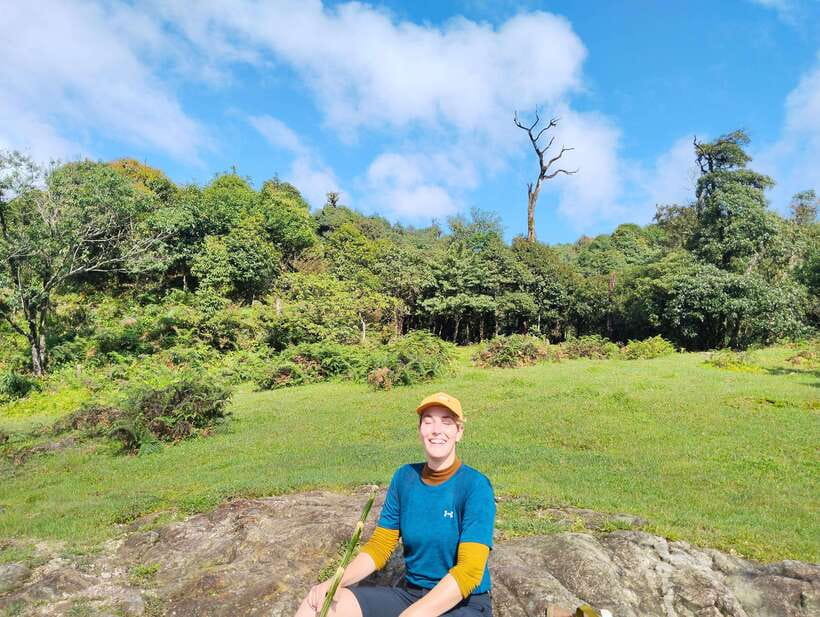
I would choose this trip if you want an active challenge, direct contact with a local guide, and a full day away from the cable-car route. It suits people who already hike, run, or regularly exercise and who are comfortable spending most of a day on uneven ground.
The experience is not suitable for children under 15 or people over 70, according to the stated conditions. It is also a poor fit if you want a gentle sightseeing day, guaranteed views, or a fixed return time. Slow walkers may finish late, and poor weather can stretch the schedule.
The group setup matters. For four or more people, a porter is included. The operator has also matched people with similar fitness levels in some groups, which can help keep the pace comfortable. Ask how your group will be organized before booking if you are concerned about speed.
English is the stated tour language. Za and several other guides are described as speaking very good English, which helps when you need clear instructions on slippery or steep sections. The specific guide may vary, so confirm who will lead your date if choosing a particular person matters to you.
Small touches that add real value
This is not a luxury outing, and it should not be sold as one. Its appeal is practical care. Your guide handles the route, transport coordination, permits, food, photographs, and safety checks while you focus on climbing.
Za has been especially praised for clear pre-trip instructions, steady communication, careful motorbike riding, photography, and local insight. His wife has also guided groups and prepared lunch. Other named guides, including Zo, Khu, Mai, and A Già, have led successful outings, so the quality is not tied to one person alone, though guide assignments can change.
The certificate and medal are small details, but they suit the occasion. After hours of stairs and rock, a physical reminder of the climb feels more satisfying than another digital photograph. The included gloves are useful on rough sections, too.
Cancellation is free up to 24 hours before departure, and you can reserve now and pay later. That flexibility helps because Fansipan weather can change quickly. Still, check the forecast and be honest about your fitness before keeping the booking.
Should you book the Fansipan local-guide climb?
Book it if you want to walk up Fansipan, not simply visit the summit. The $72 price is strong for a guided day that includes transport, entrance, lunch, water, gloves, and a certificate. The local Black Hmong connection gives the climb more meaning than a bare mountain transfer.
Skip it if you want an easy day, dislike mud, or need a guaranteed return by a certain hour. If you are unsure about walking down, bring cash for the optional cable car and confirm how you will get back to Sa Pa afterward.
My practical choice would be to book this for a clear-weather window, pack real hiking shoes and rain gear, and keep the following morning free. With the right preparation, it offers a hard-earned summit, a good meal in the hills, and a useful look at Sa Pa through a local guide’s eyes.
FAQ
Where does the Fansipan climb start?
The activity begins at Tram Ton Pass, about 1,800 meters above sea level. Transport takes you there from Sa Pa.
Where do I meet the guide?
Pickup is available at the Stone Church in Sa Pa or at hotels along the route from Sa Pa to Tram Ton Pass.
How long does the climb take?
The advertised activity lasts about eight hours. The ascent and descent together are expected to take around seven to nine hours, though rain, cloud, breaks, and individual fitness can make the day longer.
Is the cable car included?
No. The optional cable-car ride is not included. The shuttle from the cable-car station to your accommodation is also not included.
What food and drink are included?
The tour includes a picnic lunch and 1.5 liters of water. Guides may also prepare snacks, tea, coffee, banh mi, or soup during the day.
Is a guide required for the climb?
The activity is offered with a live English-speaking guide who leads the climb from Tram Ton Pass to Fansipan and back.
What should I bring?
Bring comfortable hiking shoes, closed-toe shoes, rain gear, a long-sleeved shirt, and a T-shirt. Gloves and 1.5 liters of water are provided.
Is this climb suitable for everyone?
No. You need good physical condition for a one-day climb. The activity is not suitable for children under 15 or people over 70.
Just added around Sa Pa
- Sapa Open Air Jeep Half Days Off the Beaten Track, Backroad★ 4.9 · 9 reviews
- Sapa: Motorbike Tour to Hidden Villages & Terraced Fields★ 5.0 · 9 reviews
- SaPa: 2-Day Villages,Rice Fields, Love Waterfall Hiking Tour★ 5.0 · 9 reviews
- Sapa: Explore Sa Pa in one Day with local motorcycle Guide★ 4.9 · 9 reviews
- From Sa Pa: One Day Fansipan Mountain Trek★ 4.3 · 10 reviews
- Sa Pa: Half-Day Motorbike Tour with Sunset on O Quy Ho Pass★ 4.8 · 10 reviews
- From Sapa: Glass Bridge and Silver Waterfall Group Tour★ 4.8 · 11 reviews
- From Hanoi: Sapa Discovery Package Tour 2 Days 1 Night★ 4.8 · 11 reviews
Sapa Tours, compared.
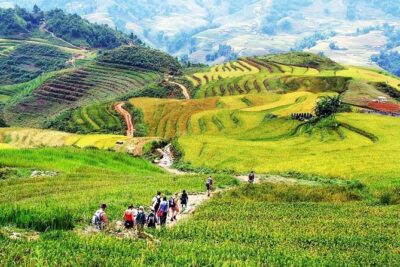
Sapa 2 Days 1 Night From Hanoi – Overnight in Ta Van Village
Read our review →

Muong Hoa Valley Trek and Local Ethnic Villages
Read our review →
Fansipan Cable, Cat Cat Village & Moana Instagram Tour
Read our review →

Sapa 3 Days 2 Nights Trekking Tour (1 Night In Ta Van Village, 1 Night In Hotel)
Read our review →
Eco Adventure Terrace Fields and Local Villages Trek
Read our review →
3-Day Trekking Adventure of Sapa from Hanoi – Stay Ta Van Village
Read our review →Browse the lists this tour appears in