
Reviewed · TREKKING TOURS IN SAPA
Sa Pa: 6-Hours Muong Hoa Valley Trek with Local Ethnic guide
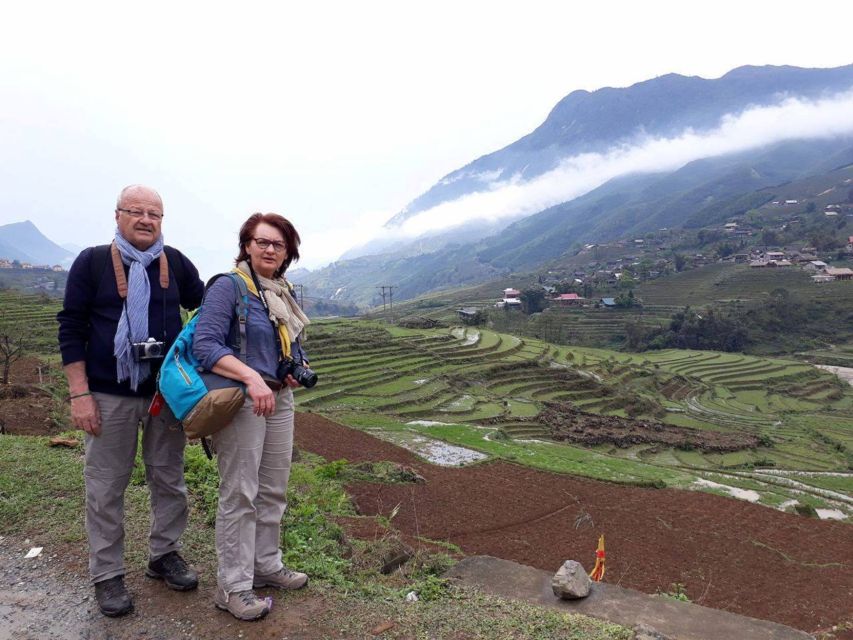
Muong Hoa Valley is where Sa Pa’s famous rice terraces meet everyday village life. This 10-kilometer trek takes you from Y Linh Ho to Lao Chai and Ta Van, with Black Hmong and Dzay communities, forest paths, local homes, and wide mountain views along the way. It is not just a photo stop at a rice field. You spend much of the day walking through the places where people live and work.
I like the local ethnic guides, including guides named Sang, Sai, Su, Bao, and Dong, who explain village life in clear, friendly English. I also like the excellent value: for $18, you get six hours, transport, an English-speaking guide, entrance fees, and water. The catch is the trek itself. Downhill paths can be steep, muddy, and slippery, so this is a real hike, not a gentle village stroll.
In This Review
- Key points to know before you go
- Why the Muong Hoa Valley route works so well
- The first walk to Y Linh Ho village
- Lao Chai and the best terrace views
- Forest paths, bamboo, and the hard parts
- A local lunch with a social complication
- Ta Van and the Dzay village experience
- What $18 really gets you
- Who should book this Sa Pa trek
- Practical preparation for a better day
- Should you book it?
- FAQ
- How long is the Muong Hoa Valley trek?
- Where does the trek go?
- Is lunch included in the price?
- What does the $18 price include?
- Is the trek suitable for children?
- What should I bring?
- Can I be picked up from my hotel?
- Can I cancel the booking?
Key points to know before you go
- A one-way 10-kilometer route: You walk from Sa Pa through Y Linh Ho, Lao Chai, and Ta Van, then return by bus.
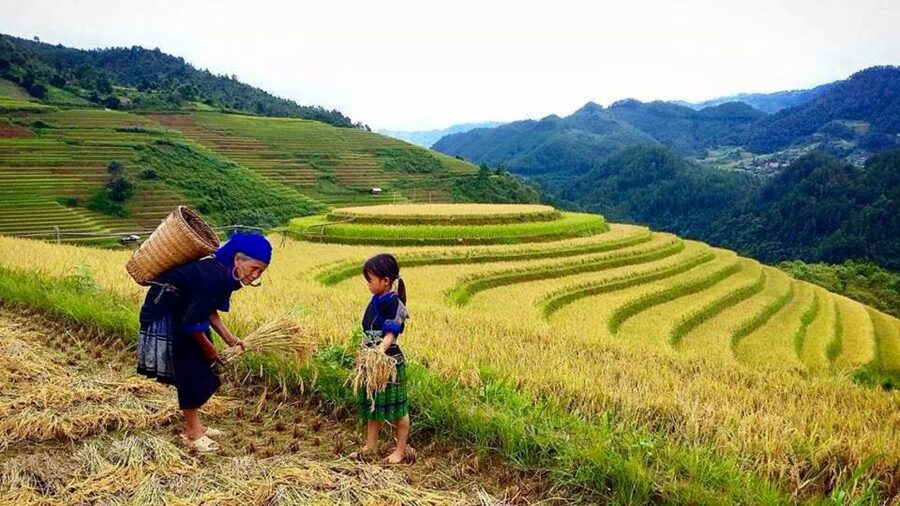
- The rice terraces are the main event: Lao Chai offers some of the best broad views of the Muong Hoa Valley.
- Black Hmong and Dzay culture: Expect village homes, weaving, rice cultivation, indigo dyeing, batik, and hemp work.
- Weather changes the difficulty: Rain can turn narrow paths into slick mud, while heat makes steep sections harder.
- Helpful local women may join the route: They often assist on difficult ground, but may later offer handmade goods for sale.
- Lunch costs extra: You eat at a local restaurant, with food described as plentiful and varied, though one account found it bland.
Why the Muong Hoa Valley route works so well
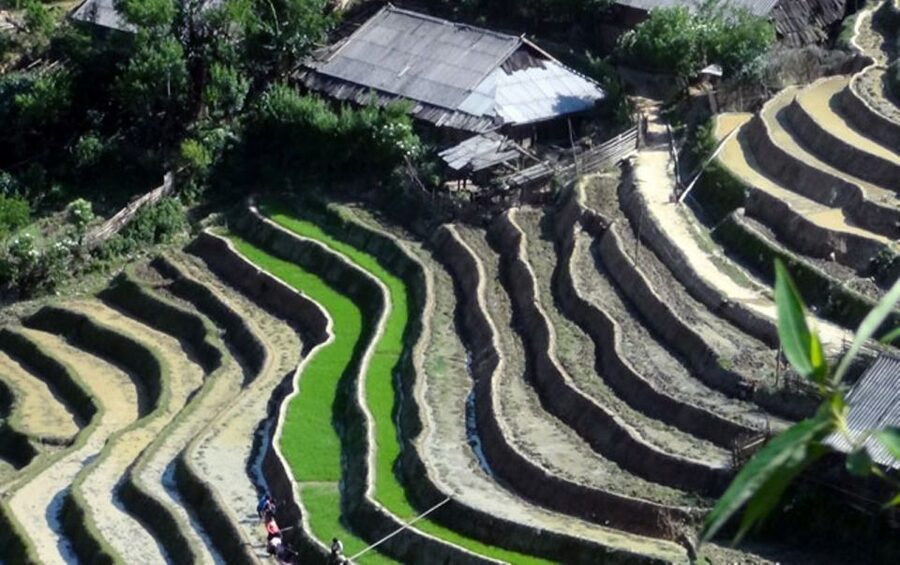
Sa Pa is famous for its mountains and rice terraces, but the most useful way to understand the area is on foot. From a vehicle, the terraces are scenery. On this route, you walk along their edges, cross rough paths, pass through forest, and see how farming fits into village life.
The trip lasts about six hours and covers roughly 10 kilometers. That distance sounds modest until you add steep slopes, uneven ground, heat, and possible mud. I would call it moderate on a dry day and demanding after rain. Several people in their 50s completed it, but the path still calls for reasonable fitness and sure footing.
The group is limited to 11 people, which is a sensible size for narrow village trails. A small group also gives you more time to ask questions and keep a steady pace. Guides are English-speaking, and the named guides Sang, Sai, Su, Bao, and Dong received especially warm praise for their humor, care, and explanations.
Pickup is available from hotels in Sa Pa town, though you need to provide the hotel name and address in advance. If your hotel is outside the pickup area, you may need to go to a meeting point or the local office. Confirm this before the morning of the trek.
More Trekking Tours in Sapa
- Sa Pa: Muong Hoa Valley Trek and Local Ethnic Villages
★ 4.6 · 864 reviews - Sapa: Eco Adventure Terrace Fields and Local Villages Trek
★ 4.9 · 636 reviews - From Sapa: 1-Day Guided Trek to Lao Chai & Ta Van with Lunch
★ 4.9 · 416 reviews
The first walk to Y Linh Ho village
The day begins with a scenic walk of about 20 minutes toward Y Linh Ho. This early section gives you a quick change of pace from Sa Pa’s town streets to open mountain views and village routes.
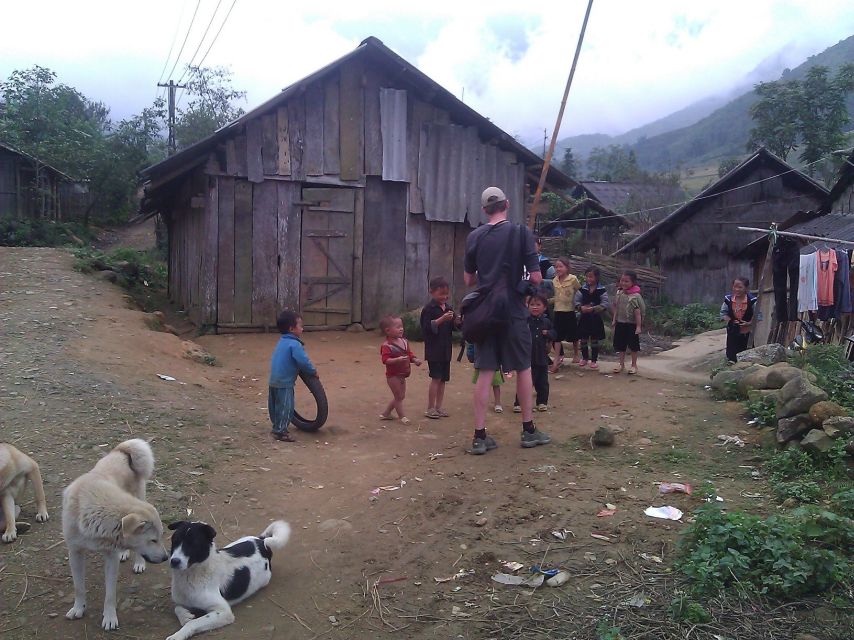
Y Linh Ho is associated with the Black Hmong community. Your guide explains local customs and daily life, while the village setting lets you see more than a staged cultural display. The emphasis is on ordinary work, homes, paths, and conversations.
Respect matters here. Ask before photographing children, and do not touch a child’s head. This is simple courtesy, but it also makes the encounter feel more human and less like a stop on a checklist.
You may be accompanied for part of the walk by local Hmong women. Their help is practical, especially on muddy slopes, rough steps, and slippery descents. They know these paths well and can catch or steady you when your boots lose grip. Their presence is one of the distinctive parts of this trek, but it comes with a social expectation: handmade goods may be offered later.
Lao Chai and the best terrace views
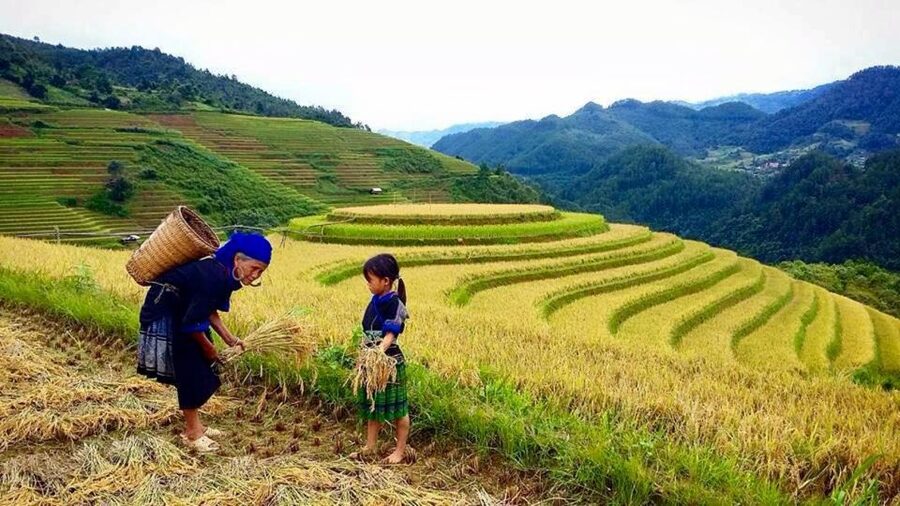
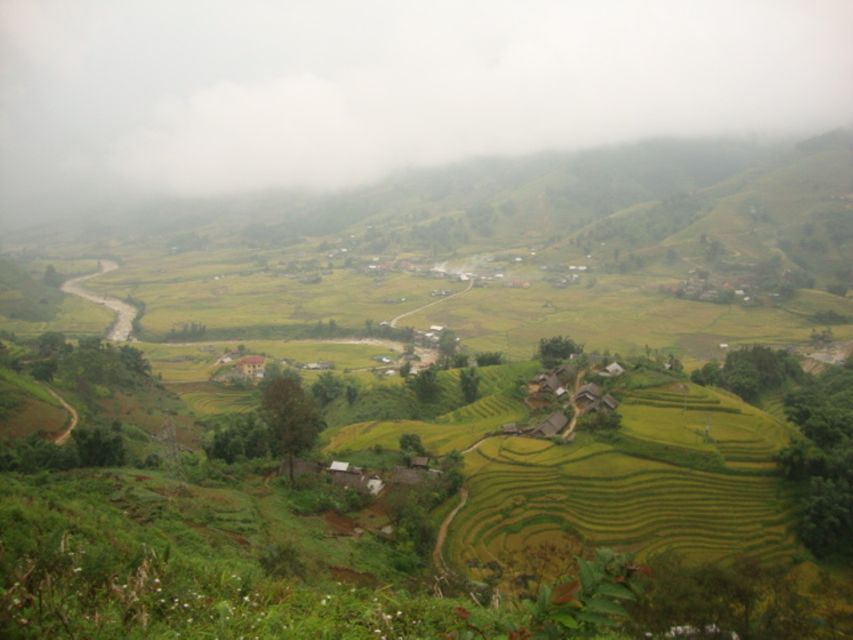
The route continues to Lao Chai, the section most likely to produce the photographs you came for. From here, the Muong Hoa Valley opens into broad views of layered rice terraces, mountain slopes, and scattered villages.
The appearance changes with the season. Between October and March, cold weather and fog can limit visibility, especially in winter. In wet weather, the terraces may look atmospheric, but the trail becomes much harder. Clearer days give you more distant views, while planting and harvest periods can add activity to the fields.
Lao Chai is also where the cultural side of the tour becomes more hands-on. You may learn about Hmong indigo dyeing, batik making, and hemp weaving. These crafts are not just souvenirs. They show how clothing and household materials are produced through patient, skilled work.
The contrast between costumes and customs becomes clearer as the day continues. Your guide can help explain differences between the Black Hmong and Dzay communities without reducing either group to a costume display. That context is one reason a local guide adds real value to this walk.
Forest paths, bamboo, and the hard parts
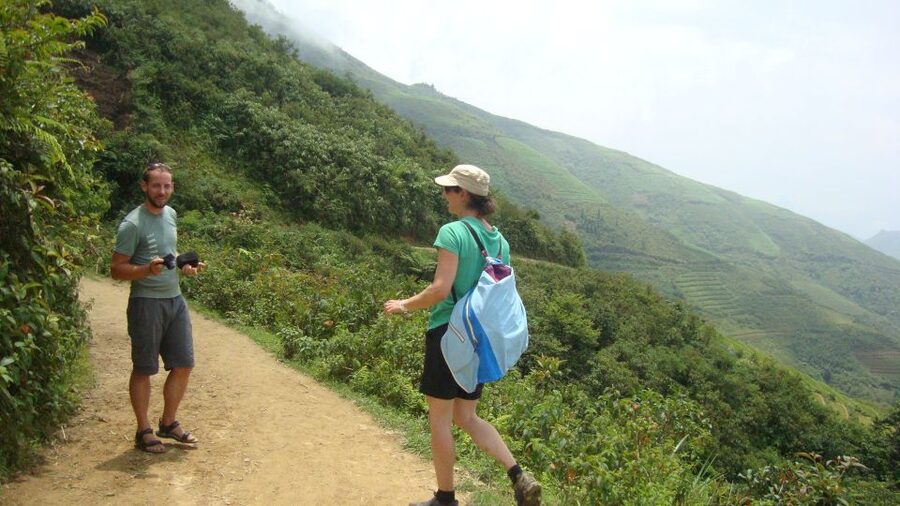
After the main terrace views, the route includes forest and bamboo sections, dirt paths, stone or concrete roads, bridges, and uneven village tracks. Some stretches are easy. Others require careful foot placement and a slow pace.
The most common mistake is treating the tour as a half-day sightseeing walk. You should bring proper trekking shoes, not casual trainers with smooth soles. A spare pair of shoes is useful in the wetter months because thick mud can cover your original pair.
Rain is the biggest factor. Several accounts describe slippery rice-field paths and steep jungle sections where local women offered a hand. Their assistance can make the route manageable, but it does not remove the physical challenge. If you are unsteady on uneven ground, have limited mobility, or dislike steep downhill walking, choose a gentler Sa Pa outing.
Heat matters too. Even when the distance feels reasonable, slopes and direct sun can drain your energy. Bring sunglasses, sun cream, insect repellent, and the included 500-milliliter bottle of water. I would carry additional water if you can, since the provided bottle is modest for six active hours.
More Sapa escapes from Sa Pa:
- Sapa 1 Day Long Trek: Trek to Hau Thao and Sa Seng Villages
★ 4.6 · 344 reviews - Sapa: Fansipan Cable, Cat Cat Village, Moana Instagram Tour
★ 4.8 · 294 reviews - From Sapa: 3-Day Ha Giang Loop with Safe Rider (max 8 pax)
★ 4.9 · 285 reviews - Explore Sapa by TrekkingAdventures, Mountain,Rice fields
★ 4.9 · 229 reviews
A local lunch with a social complication
Lunch is at a local restaurant and is not included in the $18 price. The food has been described as tasty, fresh, varied, and generous. One person found it bland, so keep expectations practical rather than treating lunch as a major culinary event.
The bigger point is the pause. After several hours on foot, sitting down with local food gives you time to rest and talk with the guide. You can ask about farming, houses, clothing, and village routines while your legs recover.
This is also where the sales pressure may be most noticeable. Local women who helped along the trail may offer bags, textiles, or other handmade items. Some people see buying as a fair way to show appreciation for the help. Others have felt uncomfortable when sales became persistent or guilt-based.
You do not need to buy anything. A polite, firm answer is enough. If you are interested in handicrafts, inspect the goods carefully, ask the price before agreeing, and buy because you want the item, not because you feel cornered. This small bit of preparation can make the lunch stop more relaxed.
Ta Van and the Dzay village experience
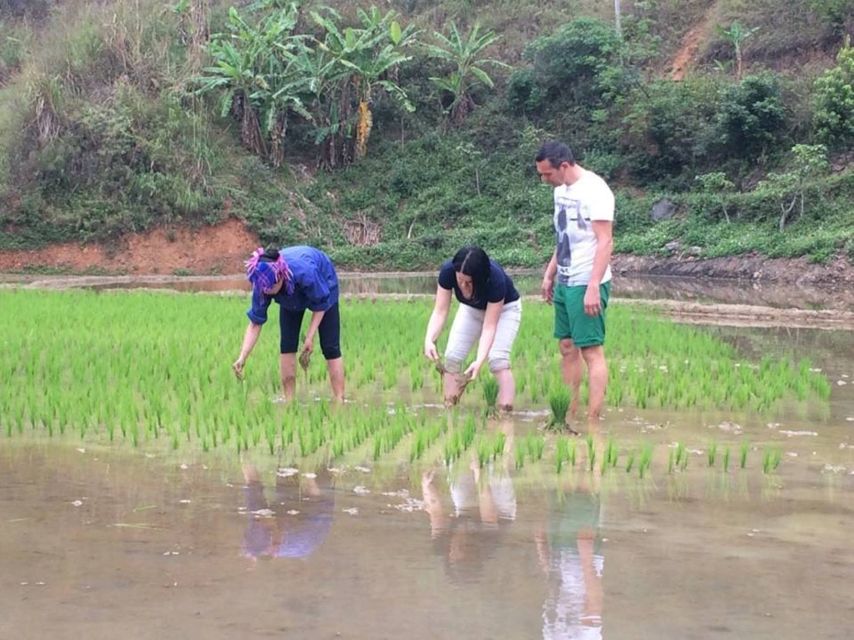
The final village section is Ta Van, home to members of the Dzay community. Here, the focus shifts from sweeping terrace views to homes, crafts, weaving, and rice cultivation.
Visiting traditional houses gives you a closer sense of how the village is organized. Your guide can explain how farming shapes the yearly rhythm and how local materials become clothing or household goods. The value is in the ordinary detail: the route shows rural life as a working system, not only as a backdrop for photographs.
Ta Van also helps you compare Hmong and Dzay customs. Clothing, house styles, and village traditions may look different, and a guide can point out details you might otherwise miss. Guides such as Sang and Sai were praised for speaking strong English and making sure the group understood their explanations.
The route is not a loop. Once you finish in Ta Van, a bus returns you to Sa Pa and drops you at the local office in the town center. That transport is welcome after the final kilometers, particularly in hot or wet weather.
What $18 really gets you
At $18 per person, this is unusually good value if you want a full introduction to the valley and have only one day in Sa Pa. The price includes the guide, bus transport, entrance tickets, and one small bottle of water. It gives you access to several villages and a 10-kilometer route without arranging separate transport.
The low price does not mean every cost is covered. You pay for lunch and soft drinks, and personal expenses are extra. VAT and travel insurance are also excluded. If you want to buy textiles or crafts, set a separate budget.
There are also listed surcharges. A French-speaking guide costs an extra $20 per person, paid directly on the trip. A Lunar New Year surcharge is also listed, but the supplied details show different dates and amounts, including $20 for February 14 to 21, 2025, and an older $30 note for February 9 to 14, 2024. Confirm the current holiday charge before booking if your visit falls near Tet.
Free cancellation is available up to 24 hours before departure, and you can reserve without paying immediately. Those terms are useful when mountain weather or transport plans are uncertain.
Who should book this Sa Pa trek
I would choose this trek if you want three things in one day: terrace scenery, contact with local communities, and a good amount of walking. It suits active couples, families with older children, and people making a short visit to Sa Pa who want more than a viewpoint.
It can also work for older walkers who are fit and comfortable on uneven ground. One couple in their 50s found it manageable, but you should not confuse that with an easy rating. The route is unsuitable for wheelchair users, people with mobility impairments, pregnant women, and children under six.
Senior citizens are specifically advised against the 10-kilometer route, especially in wet weather. That warning is worth taking seriously. If you have knee problems, poor balance, or little hiking experience, the downhill sections may be more troublesome than the distance suggests.
The trek is also a good match for anyone curious about local crafts. Indigo dyeing, batik, hemp weaving, rice cultivation, and traditional homes give the day more substance than a simple countryside walk.
Practical preparation for a better day
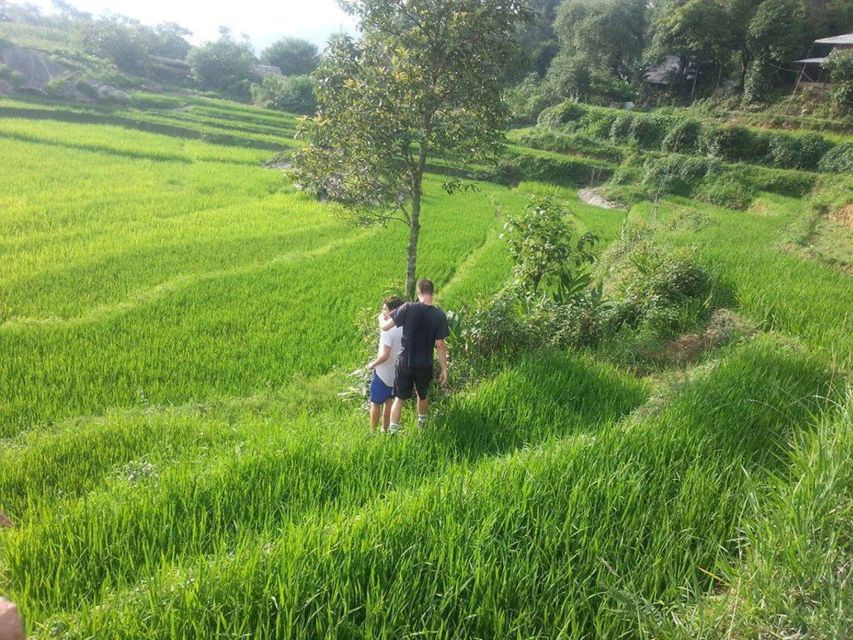
Wear trekking shoes with strong grip. Do not count on dry ground, even if the morning looks fine. In rainy periods, mud can be thick, and an extra pair of shoes is a smart addition.
From October through March, bring warm layers. Winter fog can hide the terraces, but the air may still be cold. In warmer months, sun cream, sunglasses, insect repellent, and extra water will make the route easier.
Keep your camera ready, but ask permission before taking close portraits, especially of children. Respect local homes and avoid treating people as scenery. A few respectful questions through your guide will lead to a better exchange than rushing through with a camera.
Expect the day to run as a group outing. The small-group limit helps, but you still need to keep pace with others. Tell the guide early if you need a short rest or a slower section, particularly before a steep descent.
Should you book it?
Book this Muong Hoa Valley trek if you are reasonably fit, want genuine village contact, and accept that beautiful rice terraces often require muddy shoes. The strongest parts are the local guides, the varied route, the Hmong and Dzay cultural context, and the excellent $18 value.
Think twice if you want a smooth walk, a quiet lunch with no sales activity, or guaranteed clear mountain views. For most active visitors with limited time in Sa Pa, this is a smart choice, provided you arrive prepared for a real trek rather than a casual stroll.
FAQ
How long is the Muong Hoa Valley trek?
The activity lasts about six hours and covers approximately 10 kilometers.
Where does the trek go?
The route begins near Sa Pa and continues through Y Linh Ho, Lao Chai, and Ta Van before returning to Sa Pa by bus.
Is lunch included in the price?
No. Lunch is available at a local restaurant, but food and soft drinks are paid for separately.
What does the $18 price include?
The price includes bus transportation, an English-speaking guide, entrance tickets to the indicated sites, and one 500-milliliter bottle of water per person.
Is the trek suitable for children?
It is not suitable for children under six years old. The route is also not suitable for pregnant women, wheelchair users, or people with mobility impairments.
What should I bring?
Bring trekking shoes, sunglasses, sun cream, insect repellent, and warm clothes between October and March. An extra pair of shoes can help in muddy weather.
Can I be picked up from my hotel?
Pickup is available from hotels in Sa Pa town. You need to provide your hotel name and address so the operator can confirm pickup or direct you to a meeting point.
Can I cancel the booking?
You can cancel up to 24 hours in advance for a full refund. Reserve now and pay later is also available.
More Treks Within Reach
- EXPLORE SAPA: 2D1N TREKKING & HMONG CULTURE WITH DINH
★ 4.9 · 191 reviews - Sa Pa: 2-Day Trekking Trip with Ethnic Minority Homestay
★ 4.7 · 145 reviews - Half Day Sapa Trekking to Visit Lao Chai – Ta Van
★ 4.7 · 126 reviews - Sapa Trekking Bargains With Local Guide
★ 4.9 · 91 reviews
Just added around Sa Pa
- Sapa Open Air Jeep Half Days Off the Beaten Track, Backroad★ 4.9 · 9 reviews
- Sapa: Motorbike Tour to Hidden Villages & Terraced Fields★ 5.0 · 9 reviews
- SaPa: 2-Day Villages,Rice Fields, Love Waterfall Hiking Tour★ 5.0 · 9 reviews
- Sapa: Explore Sa Pa in one Day with local motorcycle Guide★ 4.9 · 9 reviews
- From Sa Pa: One Day Fansipan Mountain Trek★ 4.3 · 10 reviews
- Sa Pa: Half-Day Motorbike Tour with Sunset on O Quy Ho Pass★ 4.8 · 10 reviews
- From Sapa: Glass Bridge and Silver Waterfall Group Tour★ 4.8 · 11 reviews
- From Hanoi: Sapa Discovery Package Tour 2 Days 1 Night★ 4.8 · 11 reviews
Trekking Tours in Sapa, compared.

Muong Hoa Valley Trek and Local Ethnic Villages
Read our review →

Sapa 3 Days 2 Nights Trekking Tour (1 Night In Ta Van Village, 1 Night In Hotel)
Read our review →
Eco Adventure Terrace Fields and Local Villages Trek
Read our review →
3-Day Trekking Adventure of Sapa from Hanoi – Stay Ta Van Village
Read our review →
Number one top rated ethical cultural trekking and homestay by ETHOS
Read our review →
2-Day Sa Pa Ethnic Homestay Tour & Trek with Limousine Bus
Read our review →
1-Day Guided Trek to Lao Chai & Ta Van with Lunch
Read our review →Browse the lists this tour appears in