
Reviewed · TREKKING TOURS IN SAPA
Sapa The Hidden Trail Trek 1 Day – Mountain & Rice Valley
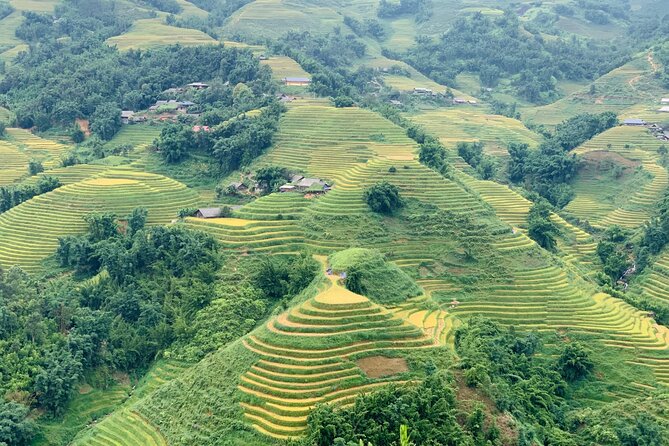
Sapa’s best views often come after a little hard work, and this trek earns them. You climb toward Dragon Jaw Mountain at 1,970 meters, look back across Sapa town, then descend through bamboo, villages, and rice terraces toward the Muong Hoa Valley.
I like two things here: the route brings you into Black H’Mong and Red Dao communities, and the private format lets your guide adjust the pace. Guides such as Nhu, Zo, Chu, and Phenh have helped walkers slow down, change routes, and understand local customs along the way.
The catch is simple: this is not a gentle village stroll. Expect steep slopes, uneven ground, mud after rain, and roughly five to six hours on foot. Some accounts describe closer to six or seven hours, so arrive ready for a serious day outside.
In This Review
- Key points to know before you book
- Climbing above Sapa toward Dragon Jaw Mountain
- Hang Da Village and the H’Mong side of Sapa
- Lunch after the morning climb
- Hau Chu Ngai and the short bamboo forest trail
- Giang Ta Chai Village and the Dao cultural visit
- What the $35 price really covers
- How difficult is the Sapa Hidden Trail Trek?
- Guides are central to the experience
- When the views are best, and when they vanish
- Who should book this mountain and rice valley trek?
- Should you book the Sapa Hidden Trail Trek?
- FAQ
- What time does the trek start?
- Where does the activity begin?
- How long does the trek take?
- Is lunch included?
- What is included in the price?
- Is transportation back to town included?
- How physically demanding is the route?
- Is this a private tour?
Key points to know before you book
- Dragon Jaw Mountain reaches 1,970 meters, with views over Sapa town and the Muong Hoa Valley when the weather is clear.
- The route combines mountain paths, a small bamboo forest, rice terraces, and village roads, rather than sticking to one type of trail.
- Local guides make the cultural side worthwhile, especially when explaining H’Mong and Dao clothing, farming, customs, and family life.
- The terrain is moderate to challenging, with steep climbs, slippery descents, and uneven surfaces.
- Lunch, bottled water, entry fees, and transport back to Sapa are included in the $35 price.
- The tour is private for your group, with pickup at your hotel or a meeting point near Sapa Church at 9:00am.
Climbing above Sapa toward Dragon Jaw Mountain
The day begins at 9:00am with pickup from your hotel, or a meeting point at Sapa Church. Your guide gives you a short briefing before leading you out from the town center and onto the mountain route.
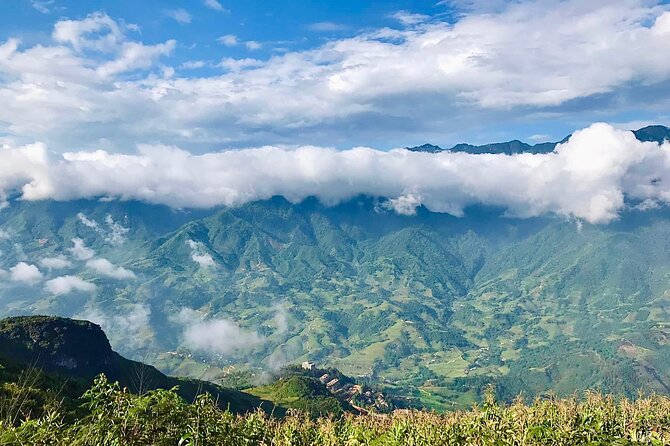
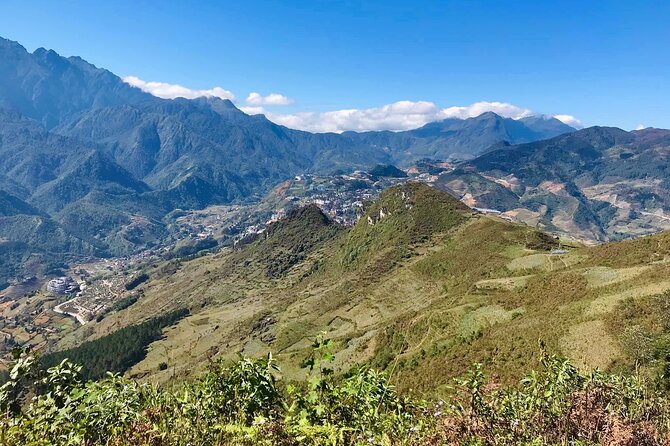
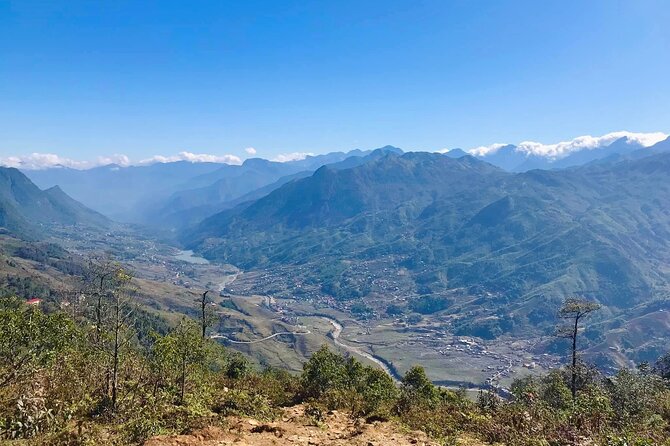
The first section is the heart-pumping part. You gain height toward Ham Rong Mountain and the Dragon Jaw area, with the route eventually reaching about 1,970 meters. The payoff is a wide view back over Sapa and the scattered villages below. On a clear day, this is the sort of high viewpoint that makes the climb feel worthwhile.
Do not judge the trail by the distance alone. The challenge comes from inclines, rough footing, and the change in elevation, not just from the number of hours. One account describes about 20,000 steps, or roughly nine miles, with almost half uphill. That figure is not a fixed promise, but it gives you a useful sense of the effort involved.
The guide’s pace matters here. Nhu, Zo, TJ, Keyni, and other local guides have been praised for waiting on slower walkers and offering help on steep sections. One group changed to an easier route when a novice hiker struggled early in the day. That flexibility is valuable, especially if your group includes people with different fitness levels.
Weather can change the character of the climb. In rain, the ground becomes muddy and slick, and cloud may block the views from the summit. One June outing had plenty of rain, green scenery, and cloud, but no clear view from the top. For the best chance of open mountain views, aim for March to April or September to October, as suggested by the experience details. Even then, mountain weather makes no promises.
More Trekking Tours in Sapa
- Sa Pa: Muong Hoa Valley Trek and Local Ethnic Villages
★ 4.6 · 864 reviews - From Hanoi: 2-Day Sapa Trekking Trip with Homestay & Meals
★ 4.8 · 704 reviews - Sapa 3 Days 2 Nights Trekking Tour (1 Night In Ta Van Village, 1 Night In Hotel)
★ 5.0 · 699 reviews
Hang Da Village and the H’Mong side of Sapa
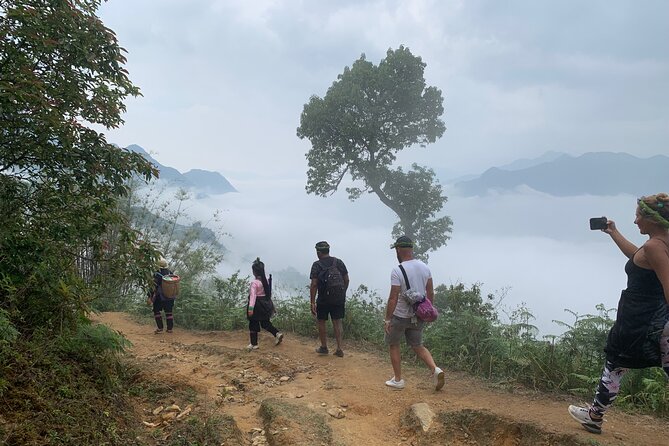
After the higher mountain section, the route continues toward Hang Da Village, a community associated with the H’Mong people. The setting is known for large rocks and open views toward Sapa town and the surrounding valleys.
This is where the trek begins to feel less like a climb to a viewpoint and more like a walk through a lived-in area. You pass village roads, farmland, and mountain homes rather than moving from one formal attraction to another. Your guide can explain local life, family customs, plants, and the differences among ethnic groups in the region.
I like this part because the cultural information is tied to what you are seeing. A guide such as Nhu, Chu, or Zo can turn a passing house, article of clothing, or patch of farmland into a useful detail about life in the highlands. The experience is strongest when you ask questions and take your time.
The trail is still not easy. Mud and uneven surfaces can appear even on village sections, and the route may require careful steps. Bring shoes with firm grip and clothes you do not mind getting dirty. Several people found muddy conditions part of the fun, but you should be comfortable with wet feet and a less polished path.
Lunch after the morning climb
The timing matters: a slower group may reach the lunch stop around 2:00pm. Lunch is included, along with bottled water, so you do not need to arrange a separate meal during the trek.
The food has received mixed reactions. Some people enjoyed local dishes and rice from the Sapa terraces, while another found the meal bland and expected to eat inside a local home rather than at a small restaurant. That is an important distinction. This tour offers local food, but the information does not promise a home-cooked meal in a family house.
I would treat lunch as a practical break rather than the main reason to book. You may get a tasty introduction to regional food, but expectations should stay modest. If you have particular dietary needs, the supplied details do not say how those requests are handled, so ask the operator before booking.
The meal stop also gives your legs a chance to recover before the descent. Do not rush through it. The second half includes more village paths and a bamboo forest trail, and tired legs make downhill ground harder than it first appears.
Hau Chu Ngai and the short bamboo forest trail
After lunch, you continue toward Hau Chu Ngai Village. This section uses attractive village roads and shorter trails through a small bamboo forest before dropping toward Giang Ta Chai.
The bamboo section adds welcome variety. The morning is about height, open views, and exposed mountain paths. Here, the route feels more enclosed and shaded, with a different rhythm under the trees. The walk remains rural, but the forest gives the middle of the afternoon a quieter feel.
The descent deserves respect. Going downhill can be hard on knees and balance, especially after a long climb. One account specifically recommends walking poles for older walkers on the steep parts near the end. Poles are a sensible choice if you already use them, though the tour information does not state that they are provided.
This is also a good place to let the slowest person set the pace. The guides have shown a willingness to stop, answer questions, and adjust the route. You will have a better day if you accept that a private trek is not a race.
More Sapa escapes from Sapa:
- Sapa 2 Days 1 Night From Hanoi – Overnight in Ta Van Village
★ 5.0 · 2,669 reviews - Hanoi – Sapa 2 Days 1 Night Overnight At Homestay
★ 5.0 · 899 reviews - Sapa: Fansipan Cable, Cat Cat Village & Moana Instagram Tour
★ 5.0 · 777 reviews - Sapa: Eco Adventure Terrace Fields and Local Villages Trek
★ 4.9 · 636 reviews
Giang Ta Chai Village and the Dao cultural visit
The final listed stop is Giang Ta Chai Village, associated here with Black H’Mong and Red Dao people. You visit a small museum where the local guide explains traditional clothing, customs, and aspects of local culture.
The museum gives the day a useful ending. After seeing villages and farmland from the trail, you get a more direct explanation of clothing and community traditions. Guides from the area can add personal context, which is why the names matter less than the quality of communication on the day. Nhu, Zo, Chu, Phenh, TJ, and others have been singled out for patient guiding and clear explanations.
The scheduled visit lasts about 30 minutes. That is enough for an introduction, not a full cultural study. You should see it as one part of the day rather than expecting a long museum program.
From Giang Ta Chai, transportation returns you to Sapa. Transport back is included, which is useful after a demanding descent. The activity ends back at the meeting point in Sapa.
What the $35 price really covers
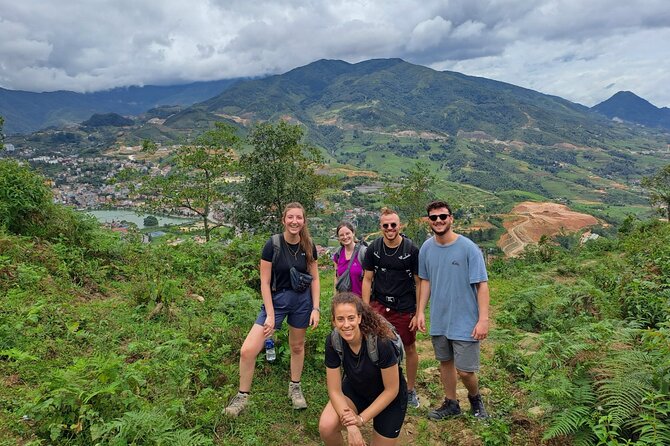
At $35 per person, this is a strong-value outing if you want a full day of walking and local interpretation without arranging several separate services. The price includes a guide, lunch, bottled water, village entry fees, and transportation back to town.
The value comes from the combination. You are not paying only for a viewpoint, and you are not paying only for a transfer to a village. The route links mountain scenery, bamboo, rice-growing areas, community visits, and a cultural stop in one day.
The private format makes the price more useful for couples, families, and small groups. Only your group participates, so the guide can respond to your pace instead of managing a large crowd. Group discounts are also advertised, though the supplied information does not give the discount amount.
There are still extra costs to plan for. Tips and personal expenses are not included, and insurance is also your responsibility. The activity includes entry fees, but not every possible purchase you might make in a village.
How difficult is the Sapa Hidden Trail Trek?
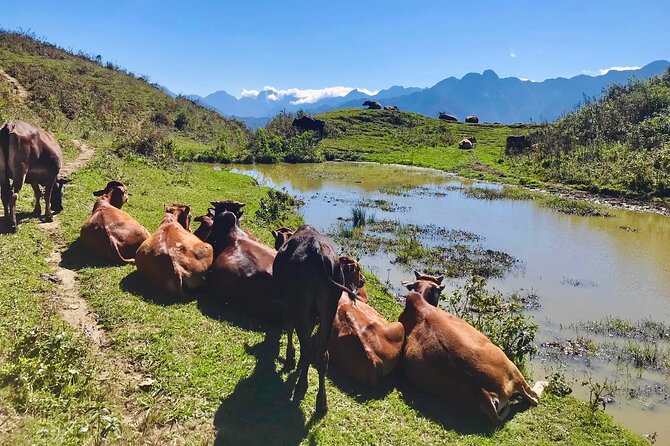
The official guidance calls for moderate physical fitness. In practical terms, I would place it closer to moderate-to-challenging because of the long uphill start, steep sections, slippery ground, and lengthy descent.
You do not need to be an elite hiker. A 15-year-old and a 51-year-old completed the route in rainy conditions, and guides have adapted the walk for beginners. Still, basic stamina is important. If you rarely walk on hills, the climb may feel demanding from the start.
You should be prepared for:
- Steep uphill sections toward the mountain viewpoint
- Uneven village paths and mountain ground
- Mud after rain
- A downhill section toward Giang Ta Chai
- Around five to six hours of activity, with some outings taking six to seven hours
- Breaks, but not a flat walking day
Wear sturdy shoes with good grip. Bring rain protection and a small amount of personal spending money. The provided information confirms bottled water, but carrying any additional drink you normally need is sensible. Walking poles may help on steep or muddy parts.
Guides are central to the experience
The scenery is excellent, but the guide shapes the day. Local guides such as Nhu, Zo, Chu, Phenh, TJ, Keyni, and Jacob have been praised for patience, English communication, cultural explanations, and care on difficult sections.
Nhu appears often in the tour feedback, especially for helping slower walkers and explaining H’Mong life. Zo has been noted for explaining local plants, ethnic groups, and culture while keeping the pace comfortable. Chu is valued for information about the area and H’Mong people, while Phenh has adjusted the experience for a particular group.
Names cannot guarantee who will lead your walk. They do show the kind of guiding this experience aims to provide: personal, local, and flexible rather than a scripted march from one photo stop to another.
Ask questions as you go. The best cultural moments are likely to come from conversation, not from a long formal presentation. You may learn more about farming, clothing, family life, and village customs by stopping beside the right place at the right time.
When the views are best, and when they vanish
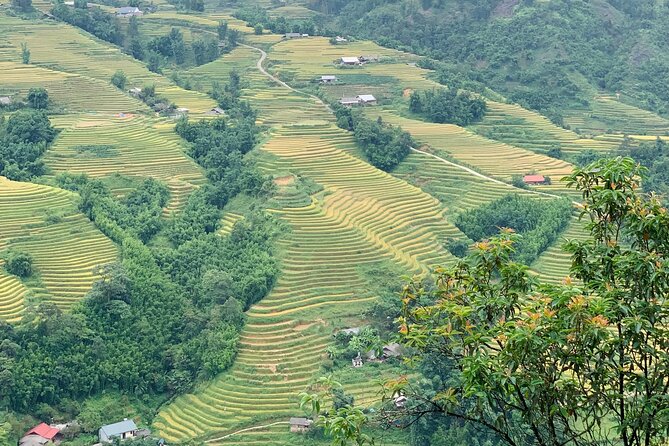
Clear weather is a major part of the value. From Dragon Jaw Mountain, you can see Sapa town, villages scattered through the Muong Hoa Valley, and rice terraces below. The high point can also offer cloud-level views around Hau Thao Mountain.
Rain changes the experience. You may get mist, thick cloud, green forest, and mud instead of broad mountain views. That does not make the walk pointless, but it does make the viewpoint less reliable.
March, April, September, and October are suggested as better periods for trekking conditions. June can be rainy. The experience runs in the mountains, so weather remains a real factor in every season.
If clear scenery is your top priority, check the forecast and keep your expectations flexible. If you enjoy forest paths, village life, and the physical act of walking, the tour still has value in poor weather.
Who should book this mountain and rice valley trek?
I would choose this for you if you want a day of real walking rather than a vehicle-based sightseeing trip. It suits people who care about rice terraces, village roads, mountain views, and conversations with a local guide.
It also works well as an introduction to Sapa. One person suggested doing it early in a three-day stay, since it helps you understand the area before choosing other activities. If you have less than three days, you may need to choose between this trek and Fansipan.
It is less suitable if you want a short, easy stroll, a guaranteed clear summit, or a guaranteed meal inside a local home. The lunch is included, but the exact setting and menu can vary. The route can also be difficult for anyone with limited stamina or discomfort on steep, muddy ground.
Free cancellation is available when you cancel at least 24 hours before the 9:00am start. Changes or cancellations inside that window are not accepted for a refund.
Should you book the Sapa Hidden Trail Trek?
Book it if your ideal Sapa day includes a hard climb, big views, rice terraces, bamboo, and local culture in one route. At $35, the guide, lunch, village fees, water, and return transport make the package good value, especially for a private group.
Skip it if your main goal is an effortless sightseeing day or a guaranteed mountain panorama. The trail is demanding, and rain can hide Dragon Jaw Mountain.
For most reasonably fit visitors who want to meet Sapa on foot, I would book it. Wear proper shoes, allow the full day, and tell your guide early if your group needs a slower or easier route.
FAQ
What time does the trek start?
The trek starts at 9:00am.
Where does the activity begin?
It begins in Sa Pa, Lao Cai, Vietnam. Pickup is offered from your hotel, or your guide can meet you at Sapa Church.
How long does the trek take?
The stated duration is approximately five to six hours. Some outings have taken closer to six or seven hours, especially with rain, muddy ground, or a slower pace.
Is lunch included?
Yes. Lunch is included in the tour price. The available information does not promise that lunch will be served in a local home.
What is included in the price?
The price includes bottled water, village entry fees, a local guide, lunch, and transportation back to Sapa.
Is transportation back to town included?
Yes. Transportation back to town is included, and the activity ends at the meeting point in Sapa.
How physically demanding is the route?
You should have a moderate level of physical fitness. The route includes steep climbs, uneven surfaces, muddy sections, and a descent toward Giang Ta Chai.
Is this a private tour?
Yes. Only your group participates in the activity. Group discounts are also offered, though the discount amount is not specified.
More 1-Day Tours in Sapa
- Sapa 1 Day Long Trek: Trek to Hau Thao and Sa Seng Villages
★ 4.6 · 344 reviews - Sapa Motorbike Tour With Local Guide 1 Day – Waterfalls, Villages
★ 5.0 · 254 reviews - Motorbike 1 Day Off The Beaten Track, Hidden Villages, rice field
★ 5.0 · 203 reviews - 1-day Authentik trek & Panorama valley views
★ 5.0 · 189 reviews
More Treks Within Reach
- 3-Day Trekking Adventure of Sapa from Hanoi – Stay Ta Van Village
★ 5.0 · 611 reviews - Number one top rated ethical cultural trekking and homestay by ETHOS
★ 5.0 · 456 reviews - 2-Day Sa Pa Ethnic Homestay Tour & Trek with Limousine Bus
★ 4.8 · 440 reviews - From Sapa: 1-Day Guided Trek to Lao Chai & Ta Van with Lunch
★ 4.9 · 416 reviews
Just added around Sapa
- Sapa 1 Day Trekking★ 5.0 · 9 reviews
- Half Day Sapa Cat Cat Explore Waterfall, Workshop, H’mong Local★ 5.0 · 9 reviews
- Sapa Open Air Jeep Half Days Off the Beaten Track, Backroad★ 4.9 · 9 reviews
- Fansipan Mount Trekking 1 Day★ 5.0 · 9 reviews
- Sapa: Motorbike Tour to Hidden Villages & Terraced Fields★ 5.0 · 9 reviews
- Sapa 3 Day Trekking with 2 Nights Homestay★ 5.0 · 9 reviews
- 8-Day Discover Northern Vietnam Highlight: Hanoi – Ninh Binh – Sapa – Halong Bay★ 5.0 · 9 reviews
- SaPa: 2-Day Villages,Rice Fields, Love Waterfall Hiking Tour★ 5.0 · 9 reviews
Trekking Tours in Sapa, compared.

Muong Hoa Valley Trek and Local Ethnic Villages
Read our review →

Sapa 3 Days 2 Nights Trekking Tour (1 Night In Ta Van Village, 1 Night In Hotel)
Read our review →
Eco Adventure Terrace Fields and Local Villages Trek
Read our review →
3-Day Trekking Adventure of Sapa from Hanoi – Stay Ta Van Village
Read our review →
Number one top rated ethical cultural trekking and homestay by ETHOS
Read our review →
2-Day Sa Pa Ethnic Homestay Tour & Trek with Limousine Bus
Read our review →
1-Day Guided Trek to Lao Chai & Ta Van with Lunch
Read our review →Browse the lists this tour appears in