
Reviewed · TREKKING TOURS IN SAPA
AUTHENIC 2D1N Trek & Bungalow Retreat with Dinh Hmong Family
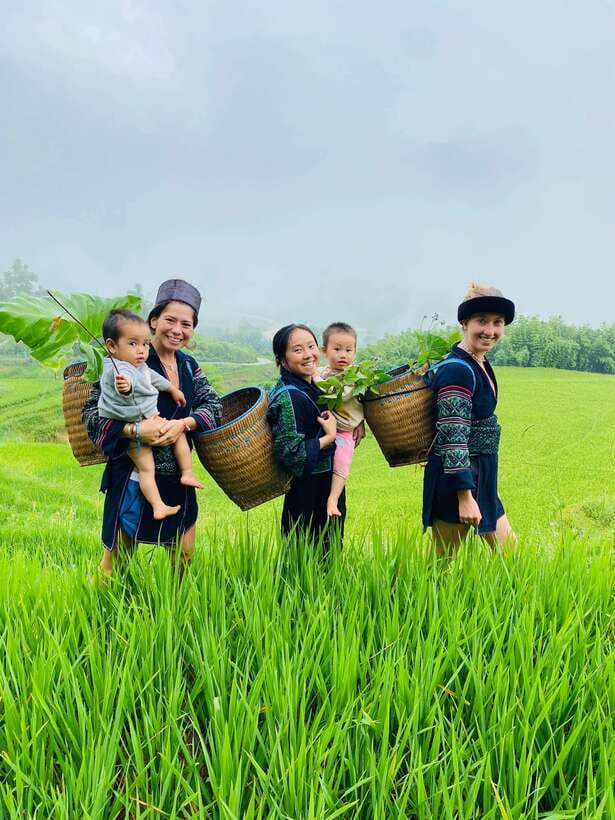
The best part of this Sapa trekking tour is the overnight stay with Dinh’s Hmong family in Ta Van. You do not simply walk past mountain villages, take a few photographs, and return to town. You share a meal, help prepare dinner, hear about Hmong marriage customs, and meet the children Dinh supports through education.
I like the combination of terraced rice fields and real village life, and I like that the tour includes a family-run lunch stop rather than a standard tourist restaurant. The main drawback is the walking: 18 kilometers over two days, with steep and uneven sections. This is moderate hiking, not a gentle village stroll.
In This Review
- Key points
- Why the Ta Van overnight matters
- Day one: Sapa to Y Linh Ho and the Muong Hoa Valley
- Lao Chai gives the route some depth
- Arriving at Dinh’s family homestay
- Cooking, dinner, and an evening with the family
- Day two: Bamboo forest and Giang Ta Chai waterfall
- How demanding is the 18-kilometer trek?
- What is included for $48
- Who will enjoy this Sapa experience most?
- Should you book the Dinh Hmong family trek?
- FAQ
- Where does the trek start?
- How long is the trek?
- Where do you sleep?
- What meals are included?
- Is swimming available?
- What communities do you visit?
- Is this a private tour?
- Is the tour suitable for everyone?
Key points
- Hmong family homestay in Ta Van: Sleep in a simple, cozy bungalow-style home with valley views and basic facilities.
- Two distinct walking days: Day one covers Y Linh Ho, Lao Chai, and Ta Van, while day two reaches bamboo forest, Giang Ta Chai waterfall, and Red Dao areas.
- Dinh and her sister as local guides: Expect English-language guidance with personal stories about Hmong customs, farming, and family life.
- A hands-on evening: Help cook a traditional meal, join a family dinner, and watch a traditional dance performed by local children.
- Good value at $48: The price covers guiding, four village entry fees, four meals, lodging, water, and the return ride to Sapa.
- A proper hike: Bring shoes with grip, prepare for slippery or uneven ground, and do not choose this trip if you have serious mobility limits or vertigo.
Why the Ta Van overnight matters
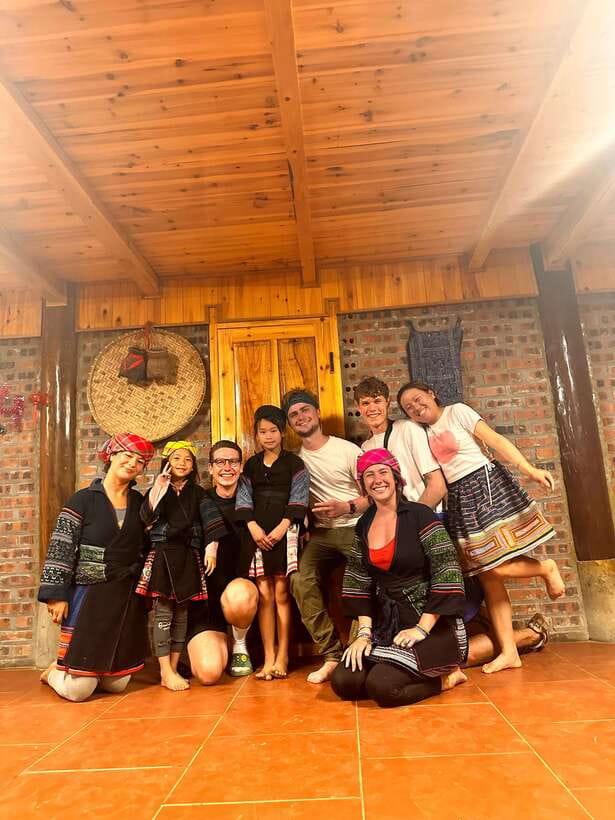
Sapa is famous for its rice terraces, but a day trip can leave you seeing the area from the outside. This two-day route gives you time to slow down in the villages and spend an evening with a Hmong family.
Dinh is a local Hmong guide, and her sister helps with the tour. That matters because the cultural details are not added as a formal lecture. They come up while you walk, eat, cook, and sit together after dinner. You can ask about farming, village life, and the different customs of Hmong, Giay, and Red Dao communities.
The homestay is simple rather than luxurious. You get a hot shower, a bed, meals, and a peaceful setting, but this is not a resort. The bungalow-style accommodation has basic amenities and may suit you perfectly if you value quiet views and family hospitality more than polished facilities.
At $48 per person, the package is strong value. You are paying for two days of a local English-speaking guide, four village entry fees, two lunches, dinner, breakfast, one night with the family, drinking water, and transportation back to Sapa. You still need money for snacks, extra drinks, and souvenirs, but most major costs are covered.
More 2-Day Trips in Sapa
- EXPLORE SAPA: 2D1N TREKKING & HMONG CULTURE WITH DINH
★ 4.9 · 191 reviews - Sa Pa: 2-Day Trekking Trip with Ethnic Minority Homestay
★ 4.7 · 145 reviews - From Hanoi: 2-Day 2-Night Sapa Tour by Overnight Train
★ 4.4 · 96 reviews
Day one: Sapa to Y Linh Ho and the Muong Hoa Valley
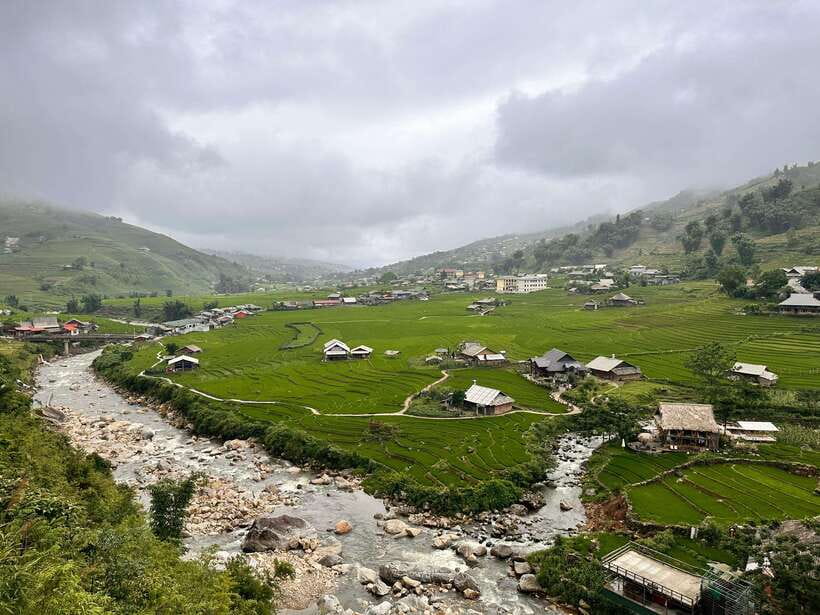
The tour begins at 9:00 AM, with Dinh meeting you at your Sapa hotel or at the town’s main church. Starting in town and walking down toward the valley gives you a clear change of pace. Sapa is busy and practical, while the route quickly opens into rice terraces, mountain air, and village paths.
The first major section leads toward Y Linh Ho. The scenery is the star here, especially when rice is growing in the terraces or when local farmers are planting and harvesting. The exact appearance changes with the season, so do not expect the same view year-round. Green fields, golden terraces, and misty mountain weather each create a different version of Muong Hoa Valley.
You will walk for roughly 9 to 12 kilometers on the first day, taking about five and a half hours. That time includes stops, meals, and the pace of the group. The route is not described as a technical mountain climb, but steep and uneven ground makes sturdy footwear important.
A small restaurant run by a local Hmong family provides lunch. I like this detail because it keeps the meal connected to the place you are visiting. You get a chance to rest, eat local food, and support a family business instead of rushing through a packaged stop.
Carry a snack even though lunch is included. The tour includes one large bottle of drinking water per person per day, but the walking can be warm and tiring. Extra water and drinks are your responsibility, so a refill plan or spare bottle is sensible.
Lao Chai gives the route some depth
After lunch, the trail continues to Lao Chai, described as one of the oldest and largest Hmong villages in the area. The village is more than another viewpoint. It helps you see how the terraces, homes, paths, and working fields fit together as part of daily life.
Dinh explains cultural differences as you move between communities. That is one of the more useful parts of having a local guide. Without context, you may notice clothing, houses, or farming methods but miss what they mean. The walk gives those details a natural setting.
The route then continues toward Ta Van Village, where Giay and Hmong communities live. Depending on the season, you may see people planting rice or harvesting it. This seasonal element is worth keeping in mind when you book. The countryside will always be scenic, but agricultural activity varies.
You may also see buffalo along the route. They are a familiar part of mountain farming and a good reminder that the terraces are working fields, not just a pretty backdrop. Give animals and people space, and follow Dinh’s lead on village etiquette.
Arriving at Dinh’s family homestay
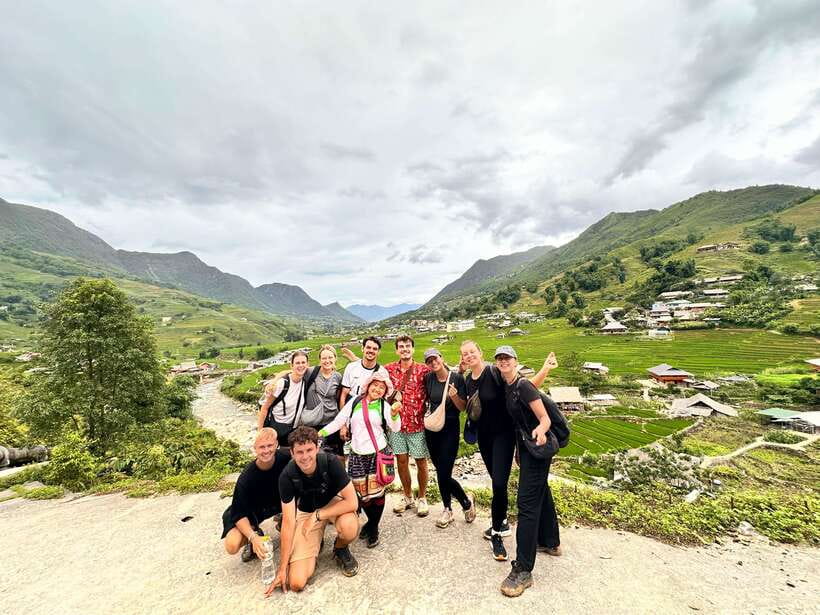
By the time you reach Ta Van, you will probably be ready for a shower and a long sit-down. The homestay provides both, along with time to enjoy the quiet surroundings.
The accommodation is basic, clean, and cozy according to the details provided. Some descriptions call it a bungalow, with views toward the rice fields and valley. That sounds appealing, but keep your expectations grounded: this is a family homestay with simple facilities, not a full-service hotel.
The setting is a major part of the appeal. You can wake to mountain mist, hear the surrounding countryside, and enjoy a warm breakfast without the traffic and noise of Sapa Town. If you need air conditioning, hotel-style service, or private luxury, this may not be your best overnight choice.
More Trekking Tours in Sapa
- Sa Pa: Muong Hoa Valley Trek and Local Ethnic Villages
★ 4.6 · 864 reviews - Sapa: Eco Adventure Terrace Fields and Local Villages Trek
★ 4.9 · 636 reviews - From Sapa: 1-Day Guided Trek to Lao Chai & Ta Van with Lunch
★ 4.9 · 416 reviews - Sapa 1 Day Long Trek: Trek to Hau Thao and Sa Seng Villages
★ 4.6 · 344 reviews
Cooking, dinner, and an evening with the family
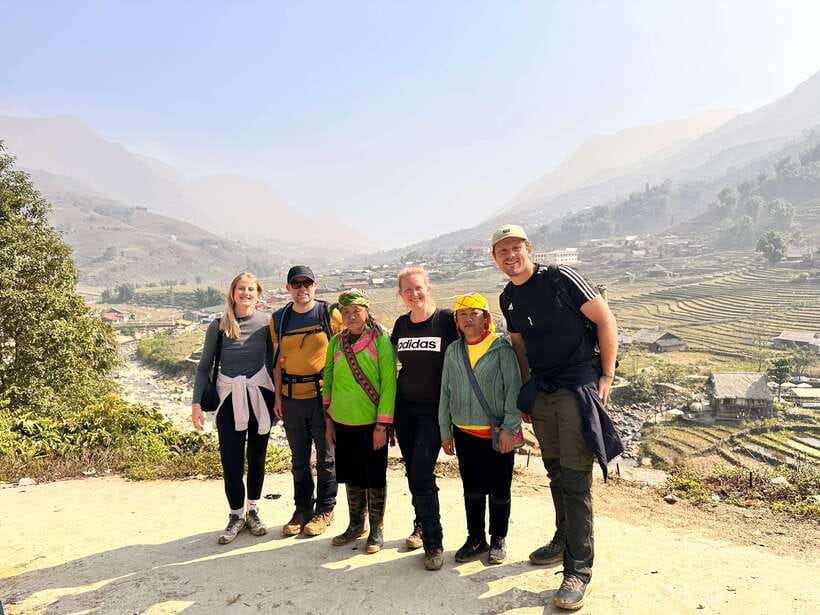
The evening is where this experience moves beyond a standard trek. You can join Dinh’s family for an informal cooking class and help prepare a traditional dinner.
The word informal is important. Do not expect a formal cooking school with printed recipes and a fixed lesson plan. Think of it as learning by doing in a family kitchen. You may pick up more about local food and routine through this relaxed format than through a polished demonstration.
Dinner is also a chance to hear Dinh’s personal story. She supports the education of 10 local children, and the evening includes a traditional dance performed by her students. You can spend time with the children, share a family meal, and take part in local drinking games involving Happy Water, the name commonly used for rice wine.
The rice wine is part of the social welcome, but you do not need to overdo it. Pace yourself, especially after a full day of walking. A warm family evening can quickly become less enjoyable if you treat the drinking games as a challenge.
This is also the part of the tour that asks for the most cultural awareness. You are entering someone’s home, not attending a staged show. Be polite with photographs, listen when people explain customs, and remember that the family’s hospitality is part of their daily life.
Day two: Bamboo forest and Giang Ta Chai waterfall
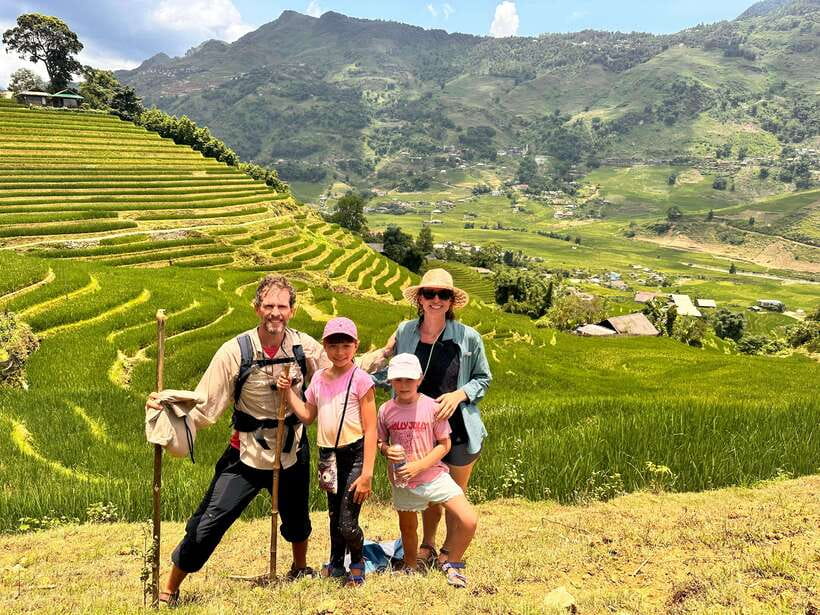
The second morning begins with coffee or tea at the homestay. Breakfast is included, and the slower start gives you time to enjoy the setting before walking again.
The route covers about 7 to 8 kilometers and takes roughly four to five hours. You move through bamboo forest and more terraced fields before reaching the waterfalls of Giang Ta Chai.
The bamboo section changes the feel of the walk. Day one focuses heavily on open terraces and villages, while day two brings more shade and forest. The waterfall offers a refreshing break, and swimming is possible if you want it. Bring a small towel and wear clothing that can handle getting wet if you plan to enter the water.
Water conditions and weather can affect how inviting a swim feels. The tour says you may swim, not that you must, so you can simply enjoy the stop and cool your feet if that suits you better.
From the waterfall, you enter an area associated with the Red Dao ethnic community. This gives the second day a useful cultural contrast with the Hmong and Giay villages visited earlier. Dinh can help explain those differences as the route changes communities.
The walk eventually reaches the main road, where you have lunch with another local family. After lunch, a taxi takes you back to Sapa, with the tour ending between about 2:00 and 3:30 PM.
That return time is useful if you have an evening train, bus, or hotel reservation, but leave some buffer. Mountain roads and group timing can vary, and you should not schedule a tight onward connection.
How demanding is the 18-kilometer trek?
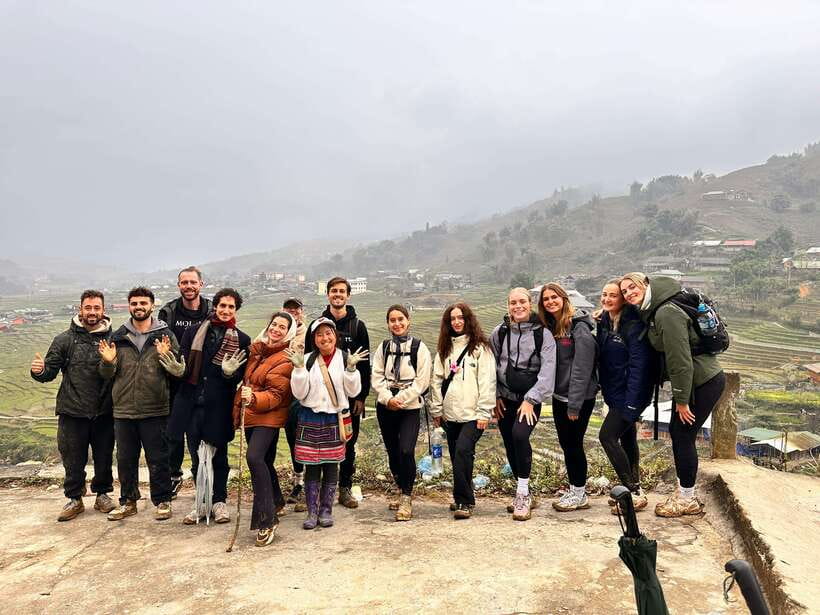
The tour rates itself as moderate, and that is the right way to think about it. The total distance is about 18 kilometers over two days, but distance alone does not tell the whole story. Some parts are steep, uneven, and potentially slippery.
Comfortable shoes are essential. Trainers may work in dry conditions, but shoes with good grip give you more confidence on rough village paths and wet ground. A hat, sunscreen, camera, snacks, and water belong in your day bag.
You do not need to be an experienced trekker, but you should be comfortable walking for several hours at a time. Take the moderate rating seriously if you have knee, back, or balance issues.
The tour is not suitable for pregnant women, people with back problems, people with mobility impairments, people afraid of heights, people with vertigo, or people over 70. Children under three can join free, but the family should be told in advance.
Because this is a group tour, the pace will include other people. Dinh and her sister guide the group, but you should expect a shared experience rather than a private walk built entirely around your own speed.
What is included for $48
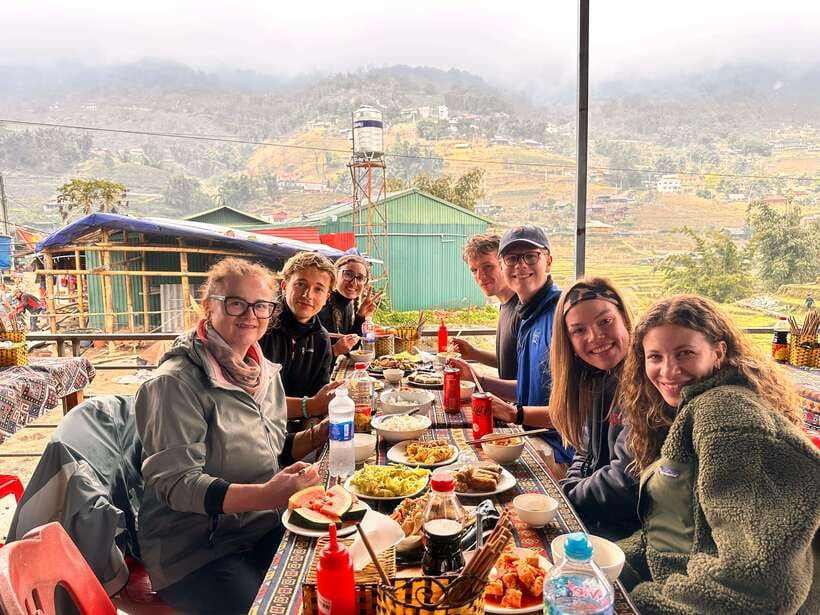
The $48 price covers more than just a guide and a bed. You receive:
- A local English-speaking guide for two days
- Village entry fees for four villages
- Two lunches
- One dinner
- One breakfast
- One night at Dinh’s family homestay
- One large bottle of water per person per day
- Transportation back to Sapa after the trek
- A free T-shirt at the end of the journey
For a two-day outing, that is a sensible bundle. The family meals and personal guiding are the biggest value points for me. You are not paying separate admission at every village or arranging your own ride back from the countryside.
The package does not cover snacks, extra drinks, or souvenirs. Bring some cash for those items. You also need to arrange your own way to Sapa before the start unless you are already staying in town, since the meeting point is your Sapa hotel or the main church.
The tour can be booked at any time, but book before 1:00 PM on the first day if you want the full itinerary. The stated cancellation policy allows a full refund when you cancel at least 24 hours ahead, and you can reserve and pay later.
Who will enjoy this Sapa experience most?
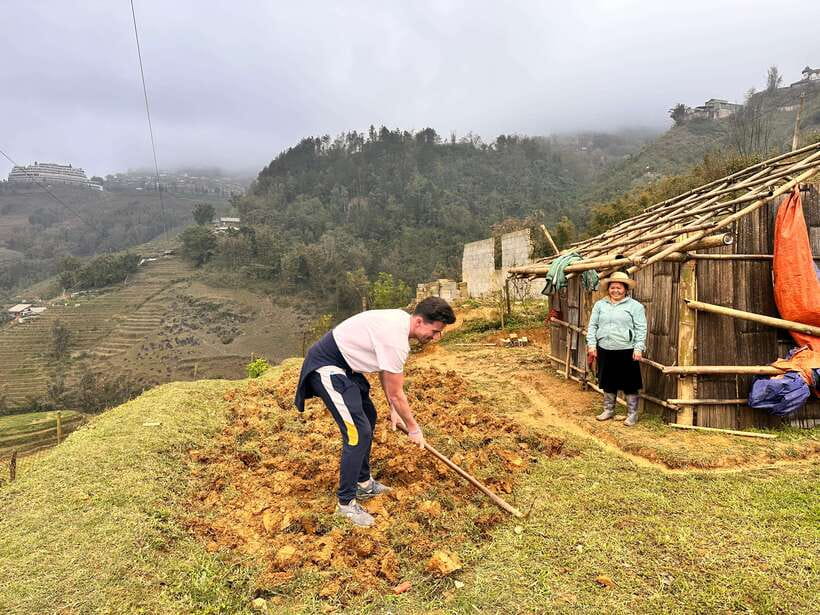
I would choose this trip if you want scenery with a human connection. The route gives you rice terraces and waterfalls, but the best memories are likely to come from cooking, dinner, family stories, and the chance to learn directly from a Hmong guide.
It is also a good fit if you want a short introduction to several ethnic communities in the Sapa area. You visit Hmong and Giay villages, then see a Red Dao area on the second day. That does not make you an expert in local culture, but it gives you a more rounded view than a single viewpoint stop.
The experience is less suitable if your priority is comfort. The homestay is clean and cozy but basic. It is also not ideal if you want complete privacy, a private guide, or an easy walking schedule.
The best packing choice is practical rather than stylish: shoes with grip, light clothing, rain protection if needed, sunscreen, a hat, a snack, and a small bag. The tour provides drinking water, but extra hydration is wise.
Should you book the Dinh Hmong family trek?
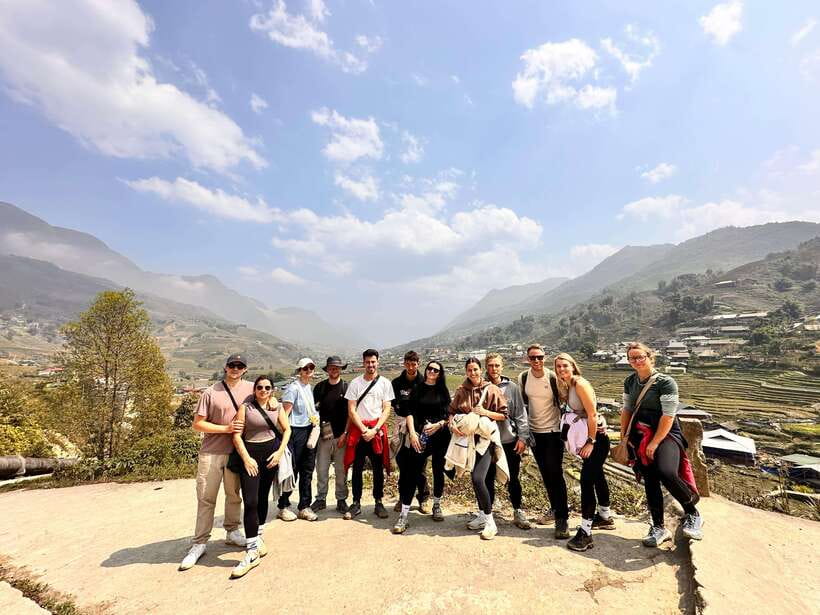
Book it if you want a moderate hike with a genuine family welcome, and if you are happy trading hotel comforts for conversation, local food, and a quiet night in Ta Van. At $48, the included meals, guide, entrance fees, lodging, water, return taxi, and T-shirt make the cost easy to justify.
Skip it if steep paths worry you, if you have a listed medical or mobility limitation, or if a simple homestay sounds uncomfortable. For everyone else, this is a well-focused way to see Muong Hoa Valley and spend enough time in the villages to understand that Sapa is more than a viewpoint.
FAQ
Where does the trek start?
Dinh meets you at your hotel in Sapa Town or in front of the local main church at 9:00 AM on the first day.
How long is the trek?
The total distance is about 18 kilometers over two days and one night. Day one covers about 9 to 12 kilometers, and day two covers about 7 to 8 kilometers.
Where do you sleep?
You spend one night at Dinh’s family homestay in Ta Van. The accommodation is simple, authentic, cozy, and equipped with basic amenities.
What meals are included?
The price includes two lunches, one dinner, and one breakfast. Snacks and drinks besides the provided water are not included.
Is swimming available?
You may swim at the waterfalls of Giang Ta Chai on the second day. Swimming is optional.
What communities do you visit?
The route includes Hmong and Giay villages around Muong Hoa Valley, plus a Red Dao ethnic area on the second day.
Is this a private tour?
No. It is a group tour, so you trek with other travelers.
Is the tour suitable for everyone?
The trek is rated moderate and includes steep, uneven terrain. It is not suitable for pregnant women, people with back problems, mobility impairments, vertigo, or a fear of heights, and it is not recommended for people over 70.
More 2-Day Experiences in Sa Pa
- 2-Day Fansipan Mountain Trek – Indochina’s Highest Peak
★ 4.3 · 42 reviews - From Sapa Homestay Hideaway 2-Day Local Life Adventure
★ 4.7 · 26 reviews - From Hanoi: Explore Sapa 2-Day Tour
★ 4.3 · 22 reviews - Hanoi: Sapa Trekking 2 Days 1 Night – Sleeper Bus from Hanoi
★ 4.6 · 18 reviews
More Treks Within Reach
- Sa Pa: 6-Hours Muong Hoa Valley Trek with Local Ethnic guide
★ 4.5 · 178 reviews - Half Day Sapa Trekking to Visit Lao Chai – Ta Van
★ 4.7 · 126 reviews - Sapa Trekking Bargains With Local Guide
★ 4.9 · 91 reviews - From Sapa: Waterfalls, Trekking and Tribal Villages Tour
★ 4.6 · 91 reviews
Just added around Sa Pa
- Sapa Open Air Jeep Half Days Off the Beaten Track, Backroad★ 4.9 · 9 reviews
- Sapa: Motorbike Tour to Hidden Villages & Terraced Fields★ 5.0 · 9 reviews
- SaPa: 2-Day Villages,Rice Fields, Love Waterfall Hiking Tour★ 5.0 · 9 reviews
- Sapa: Explore Sa Pa in one Day with local motorcycle Guide★ 4.9 · 9 reviews
- From Sa Pa: One Day Fansipan Mountain Trek★ 4.3 · 10 reviews
- Sa Pa: Half-Day Motorbike Tour with Sunset on O Quy Ho Pass★ 4.8 · 10 reviews
- From Sapa: Glass Bridge and Silver Waterfall Group Tour★ 4.8 · 11 reviews
- From Hanoi: Sapa Discovery Package Tour 2 Days 1 Night★ 4.8 · 11 reviews
Trekking Tours in Sapa, compared.

Muong Hoa Valley Trek and Local Ethnic Villages
Read our review →

Sapa 3 Days 2 Nights Trekking Tour (1 Night In Ta Van Village, 1 Night In Hotel)
Read our review →
Eco Adventure Terrace Fields and Local Villages Trek
Read our review →
3-Day Trekking Adventure of Sapa from Hanoi – Stay Ta Van Village
Read our review →
Number one top rated ethical cultural trekking and homestay by ETHOS
Read our review →
2-Day Sa Pa Ethnic Homestay Tour & Trek with Limousine Bus
Read our review →
1-Day Guided Trek to Lao Chai & Ta Van with Lunch
Read our review →Browse the lists this tour appears in