
Reviewed · TREKKING TOURS IN SAPA
Half Day Sapa Trekking to Visit Lao Chai – Ta Van
Sapa’s best half-day outing gets you out of town and into the Muong Hoa Valley, where narrow paths cut through rice terraces and mountain villages. I like the local guides, who explain farming and village life in personal terms, and I like the route’s variety: Y Linh Ho, Lao Chai, and Ta Van each bring a different setting. The roughly 9-kilometer trek also gives you a real walk without taking up a full day.
The catch is the ground. You may face steep, uneven, wet, and slippery sections, especially after rain. Women from nearby villages may walk beside you and offer handmade goods for sale. It is part of the local commercial side of the route, but some people find the repeated sales pressure distracting.
In This Review
- Key points at a glance
- Leaving Sapa for Y Linh Ho
- Walking beside Muong Hoa Stream
- Lao Chai and the Black Hmong valley
- Ta Van and the Dzay community
- The bus back from Ta Van Bridge
- What the $22 price really covers
- How hard is the nine-kilometer walk?
- Handling the village craft sellers
- Best weather, best shoes, and best expectations
- Who should book this Sapa trek?
- Should you book the Lao Chai and Ta Van trek?
- FAQ
- Where does the tour begin?
- How long does the activity last?
- How far will I walk?
- Which villages does the trek visit?
- Which ethnic communities are connected with the route?
- Is transport included?
- Is an English-speaking guide included?
- Are entrance fees included?
- What should I wear?
- Can wheelchair users join?
Key points at a glance
- A true valley trek: Walk from Y Linh Ho through rice terraces and along Muong Hoa Stream rather than simply stopping at roadside viewpoints.
- Three distinct village areas: See Y Linh Ho, Lao Chai, and Ta Van, with Black Hmong and Dzay culture woven into the day.
- Strong local guiding: Guides including Soso, Sua, Song, Tung, Tran, and Ku have been praised for English skills, humor, and personal stories.
- Short in time, not always easy underfoot: The tour lasts about 270 minutes, but the mountain paths can be demanding.
- Good value at $22: Transport, guide, and entrance fees are covered, making this an efficient way to see the valley.
- Prepare for changing weather: Sun, cloud, heat, rain, mud, and cold can all affect the walk, so proper shoes matter.
Leaving Sapa for Y Linh Ho
The morning begins with hotel pickup in Sapa around 8:10 to 8:20. A modern air-conditioned bus takes you toward Y Linh Ho, where the walking portion begins. The transfer matters because it saves your legs for the valley route instead of making you walk out of Sapa’s built-up streets.
The stated walking distance has a small wrinkle. The early plan refers to preparing a light pack for a 5-kilometer trek, while the full route is described as about 9 kilometers and four hours on foot. I would plan for the longer figure. It better reflects the route through the three village areas and gives you a sensible idea of the physical effort.
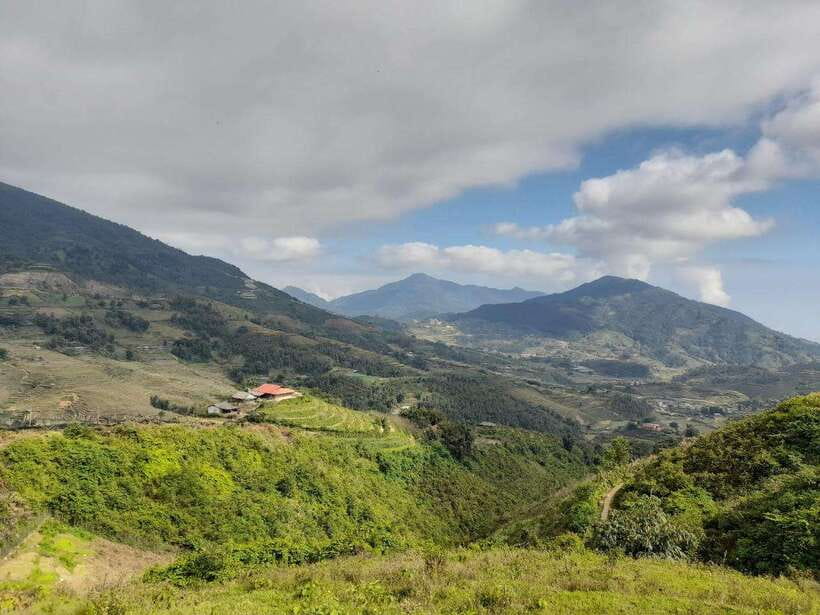
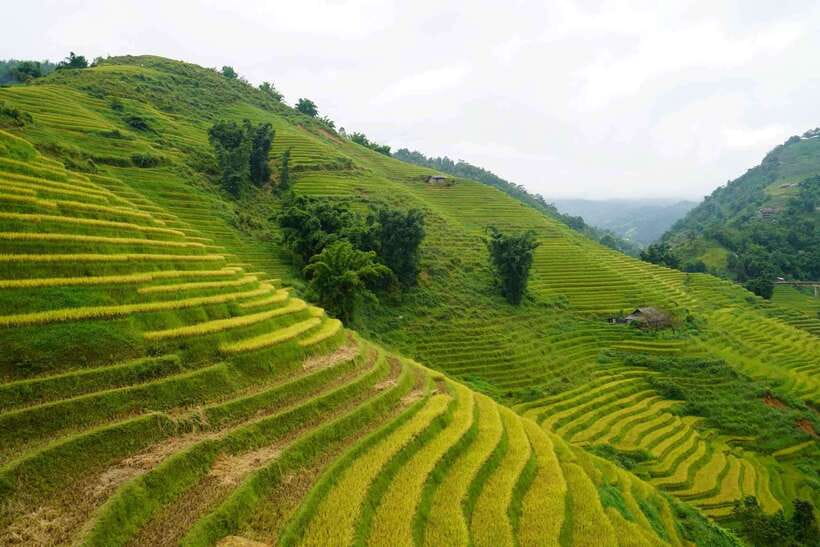
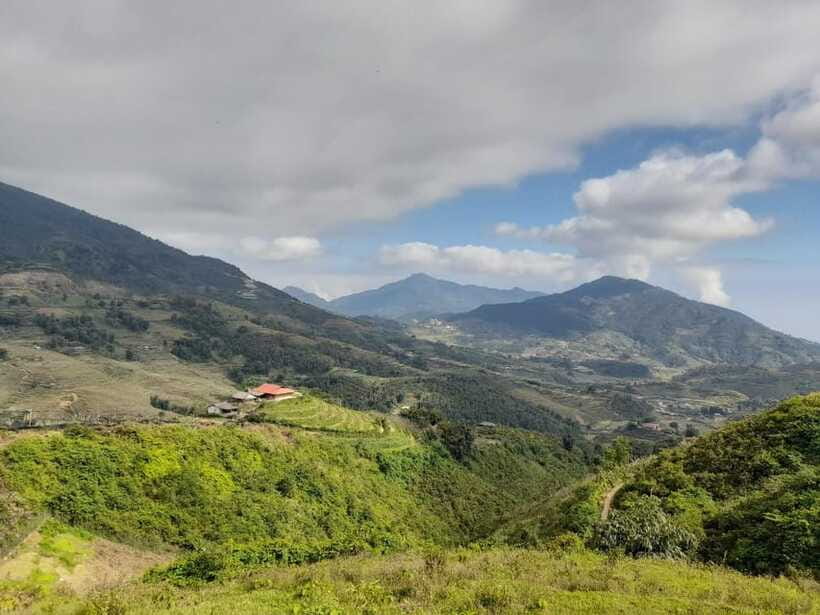
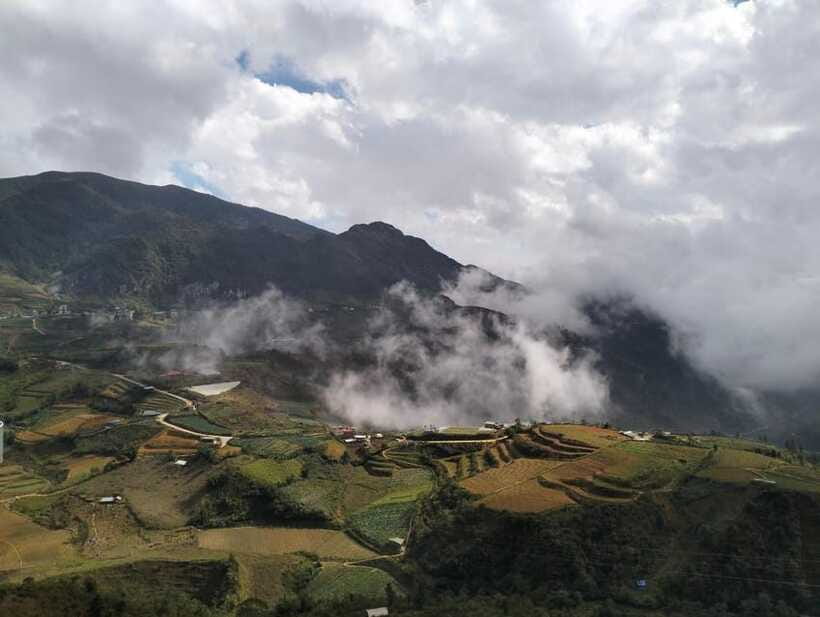
Y Linh Ho is the first proper stop, with about an hour for visiting, guiding, and photographs. From here, you start to see why Sapa is famous. The valley opens around you, with rice terraces running across the hillsides and the Hoang Lien Son mountains rising beyond them. Weather controls the view. Clear mornings can bring sharp mountain scenery, while cloud and rain may turn the hills into layers of gray.
A guide is especially useful at this point. The view is pretty on its own, but explanations about farming make it more meaningful. You learn how fields fit into steep terrain and how village life connects to the seasonal work around you. Guides such as Soso and Sua have been singled out for sharing personal details about their communities and farming practices.
More Trekking Tours in Sapa
- Sa Pa: Muong Hoa Valley Trek and Local Ethnic Villages
★ 4.6 · 864 reviews - Sapa: Eco Adventure Terrace Fields and Local Villages Trek
★ 4.9 · 636 reviews - From Sapa: 1-Day Guided Trek to Lao Chai & Ta Van with Lunch
★ 4.9 · 416 reviews
Walking beside Muong Hoa Stream
After Y Linh Ho, the path continues through terraces and along Muong Hoa Stream. This is not a polished walking trail in the city-park sense. You should expect dirt paths, village lanes, rural roads, and uneven ground. Some sections are steep, and rainy weather can make them slick.
That roughness is part of the appeal. You are not being moved from one prepared viewpoint to another. You walk through working countryside, with the rhythm of the route set by the hills, fields, and village paths. I would not call this a technical hike, but it does require enough balance and stamina to manage several hours on uneven terrain.
Your guide helps with pacing and tricky ground. Several guides have been praised for offering a hand on muddy or slippery sections, and local women sometimes assist with footing. Still, do not treat that help as a substitute for suitable shoes. Wear hiking shoes or sports shoes with a firm grip, and bring a spare option if you have room.
The weather changes the character of this walk. In hot weather, the exposed fields can feel strenuous. In rain, mud becomes the main issue. On cold days, cloud can reduce the views and make the morning feel raw. A sun hat, sunglasses, sunscreen, sportswear, and hiking trousers are sensible in clear weather, while a first aid kit is also listed among the recommended items.
Lao Chai and the Black Hmong valley
Lao Chai is the main cultural and scenic focus of the middle part of the trek. It is home to Black Hmong people, and the guide provides context about local customs and daily life as you walk through the village area.
The value here is the combination of movement and explanation. You are not simply looking at a village from a bus window. You pass through fields and paths while hearing about the people who live and work there. One guide, Sua, has taken visitors through her own fields and explained farming practices, even allowing them to try a little of the work. That sort of contact can make the cultural part feel more direct than a short stop at a souvenir shop.
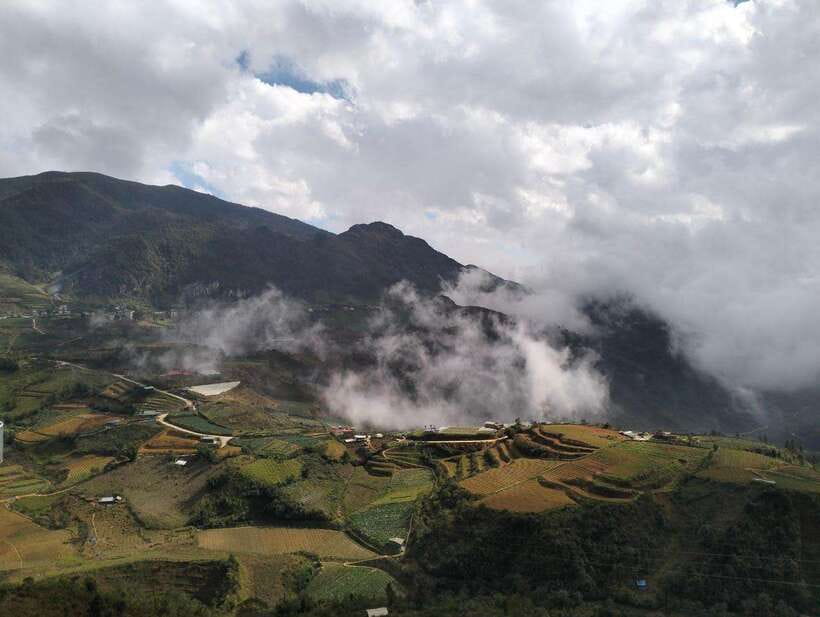
There is also time for photographs. Rice terraces, the stream, mountain slopes, and village homes create plenty of places to pause. The exact views depend heavily on the season and weather. Clear skies can reveal the full sweep of the valley, while fog and rain may limit distant views but give the walk a quieter, more atmospheric feel.
You should also understand the sales activity before you go. Village women may join the group and walk along for part of the route, offering handmade goods. Some people appreciate the chance to buy local crafts. Others find the approach persistent, especially when children also ask them to purchase items. I suggest deciding before the trek how you want to handle it. A polite, firm answer is easier than making a purchase you do not really want.
Ta Van and the Dzay community
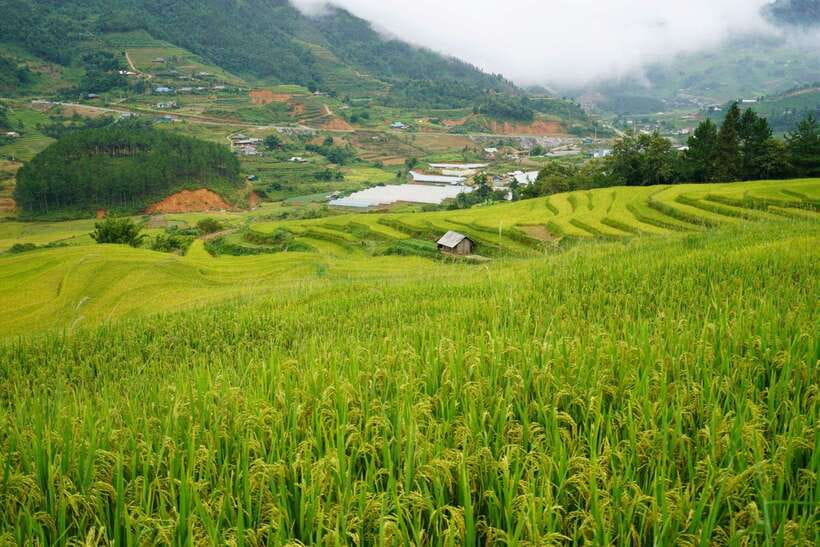
The route continues to Ta Van, a village associated with the Dzay ethnic group. The planned stop lasts about an hour and a half, making it the longest village visit of the day. You have time for photographs, a break, and more guiding before meeting the bus.
Ta Van gives the trek a useful change of pace. After several hours among terraces and rough paths, you can slow down and take in village life without rushing straight back to Sapa. The guide can help you compare the customs and lives of the Black Hmong and Dzay communities, which is one of the most worthwhile reasons to choose this particular route.
Some people have described the trek as a good introduction to Sapa when they had only one night or about 24 hours in town. I agree with that logic. You see rural scenery and two ethnic communities in one morning, then return to Sapa in time for lunch and the rest of your day.
The route is not a restaurant tour, and drinks are not included. One account mentions lunch as a welcome refueling stop, but the supplied schedule ends with transport back to Sapa, and food is not listed among the inclusions. I would bring water and plan your meal in Sapa unless your booking details say otherwise.
More Sapa escapes from Sa Pa:
- Sapa 1 Day Long Trek: Trek to Hau Thao and Sa Seng Villages
★ 4.6 · 344 reviews - Sapa: Fansipan Cable, Cat Cat Village, Moana Instagram Tour
★ 4.8 · 294 reviews - From Sapa: 3-Day Ha Giang Loop with Safe Rider (max 8 pax)
★ 4.9 · 285 reviews - Explore Sapa by TrekkingAdventures, Mountain,Rice fields
★ 4.9 · 229 reviews
The bus back from Ta Van Bridge
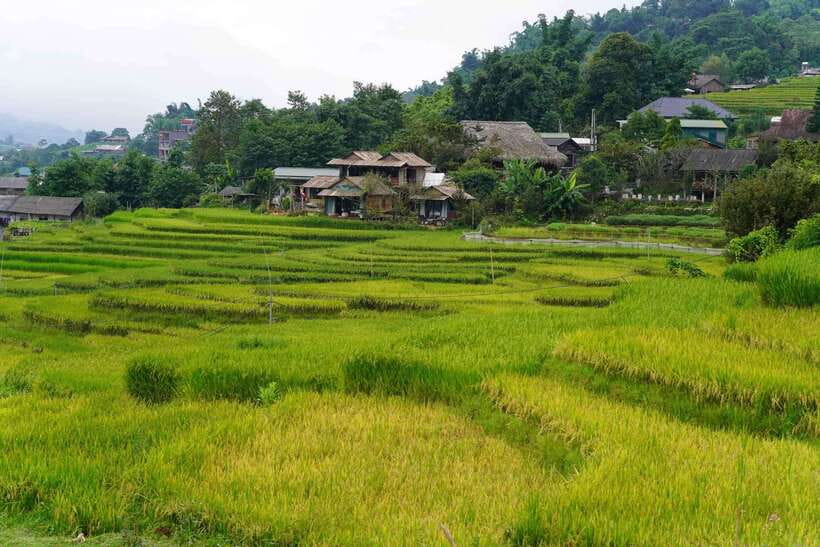
At about 11:30, the bus is scheduled to collect you at Ta Van Bridge. The ride back to Sapa takes around 45 minutes, with the tour ending in town at about noon. In practice, the whole morning is listed as 270 minutes, so allow some flexibility.
One person had a delayed start and could not complete the full planned route. That is a useful warning for anyone with a tight train, bus, or hotel schedule. The pickup is normally prompt, but mountain roads, group timing, and weather can affect the morning. If you need to be somewhere at noon exactly, this may not be the right outing.
The included air-conditioned bus is a real advantage. The route is arranged as a point-to-point walk, with transport to the starting area and a pickup after the trek. You get more walking time and less backtracking, while the experienced driver handles the road between Sapa and the valley.
What the $22 price really covers
At $22 per person, this is a strong-value way to see the Sapa valley. The price includes the bus between Sapa, Y Linh Ho, Ta Van, and Sapa, an English-speaking local guide, and entrance fees for the stated sites. Those are the costly practical pieces of a guided half-day outing, so you are paying mainly for access, transport, and local interpretation rather than a fancy meal or extended facilities.
The value is highest if you have limited time. A private taxi and independent walk may sound simple, but arranging the start and finish points in the valley can be awkward. Here, the transport is built around the route, and the guide adds cultural detail that you would likely miss on your own.
There are limits. Drinks, insurance, VAT, personal spending, and anything not clearly listed are extra. Handmade goods are also your responsibility, and buying them is not part of the tour price. At this cost, I would not expect a private guide or a luxury trekking experience. The attraction is the efficient route and the chance to walk with someone from the area.
The experience has a 4.7 rating from 126 bookings, with especially strong praise for the guides and scenery. Names that come up often include Soso, Sua, Song, Tung, Tran, Ku, and Somg. Do not assume you will receive a particular guide unless the operator confirms it, but the repeated focus on warm, clear local guiding is encouraging.
How hard is the nine-kilometer walk?
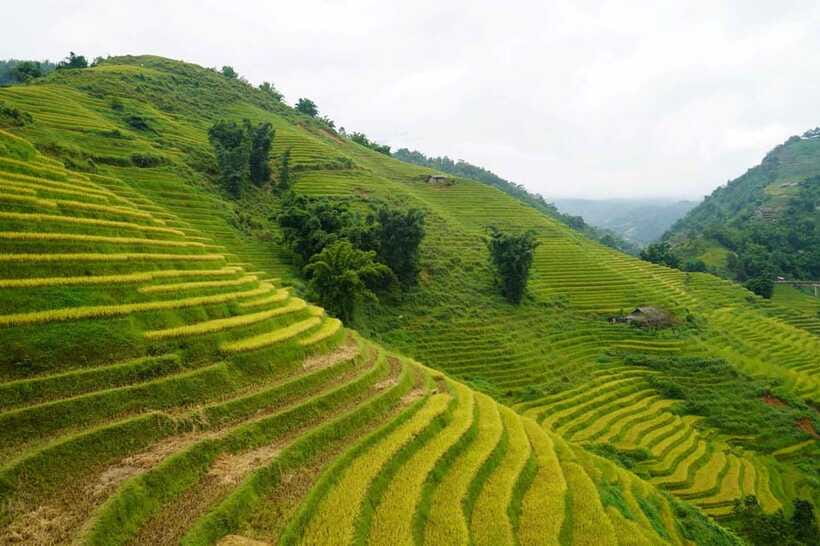
The route suits people with a reasonable level of fitness who are comfortable walking for several hours. You do not need to be an expert hiker, but you should be ready for uneven ground, hills, dirt tracks, and possible mud. Several people found it manageable, while others stressed that steep and slippery sections can make it tiring.
The half-day label can be misleading if you read it as easy. Four hours on mountain paths is different from four hours on a pavement. If you rarely hike, you may need to slow down. A private or smaller group could be a better choice for someone worried about pace, though the provided tour details do not promise a particular group size or private arrangement.
Wheelchair users cannot join this activity. The terrain makes that restriction understandable, but it also means anyone with balance or mobility concerns should think carefully before booking.
Your packing list should be simple:
- Hiking shoes or sports shoes with good grip
- Hiking trousers and comfortable sportswear
- Sun hat, sunglasses, and sunscreen
- Camera
- Water and any personal snacks you need
- A small first aid kit
Do not bring a heavy bag. The morning is long enough without carrying more than necessary.
Handling the village craft sellers
This is the most important social consideration. Women from the villages may walk with the group and offer crafts for sale. At times, they may be helpful on muddy paths, and buying something can be a way to support local households. Yet the approach can feel uncomfortable when several sellers remain beside you or when children repeatedly ask you to buy.
I would set a budget before leaving Sapa and choose one or two items only if you genuinely want them. You can also say no clearly and keep walking. The activity is not designed as a shopping trip, so you should not feel obliged to buy something because someone has accompanied you.
This issue does not erase the value of the cultural contact, but it changes the mood for some people. If you want a completely quiet walk with no sales interaction, this may frustrate you. If you can accept that village tourism includes commerce and handle it politely, the rest of the trek remains a worthwhile experience.
Best weather, best shoes, and best expectations
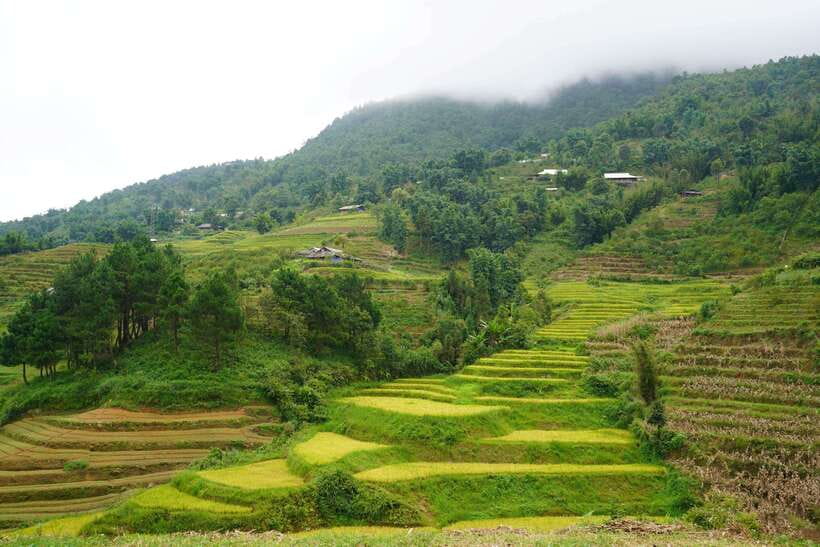
Clear weather gives you the broadest views of the Hoang Lien Son mountains and the terraces. Rain can make the route muddy and cold, while heat can make the exposed sections hard work. Cloud may hide the peaks, but the village and farming experience still gives the morning purpose.
Comfortable footwear is not optional. One person specifically recommended rubber boots after a wet walk, and several accounts describe muddy, slippery tracks. Hiking shoes are the safest general choice, while sports shoes are acceptable only if they have enough grip and you are prepared for dirt.
The tour operates in English and Vietnamese. A local English-speaking guide is included, and the strongest part of the experience is the guide’s ability to explain the area through personal stories. Guides have discussed their own villages, farming methods, local customs, and daily life. That is more useful than a memorized speech because you can ask questions as the route unfolds.
Who should book this Sapa trek?
I would choose this trip if you want a short rural outing that fits around a busy Sapa schedule. It suits first-time visitors who want to see rice terraces and villages without committing to an overnight trek. Families can manage it if everyone is comfortable with a long walk, though hot or wet weather may make it tougher than the distance suggests.
It is also a good fit if cultural contact matters to you. The route gives you time in Black Hmong and Dzay areas, and the local guide can explain more than a viewpoint sign ever could. Photographers will appreciate the terraces, stream, mountain views, and village paths, with enough pauses for pictures.
I would hesitate if you need guaranteed timing, dislike uneven ground, or want a polished trail. I would also think twice if persistent souvenir selling would spoil the day for you. The tour is authentic in the practical sense, which means it includes working villages, rough paths, changing weather, and the less tidy parts of rural tourism.
Cancellation is free up to 24 hours before departure, and you can reserve now and pay later. Those terms help if your Sapa plans depend on weather, but the route itself is best judged by your footwear, fitness, and tolerance for mountain conditions.
Should you book the Lao Chai and Ta Van trek?
Book it if you have one morning, want real valley walking, and value a local guide more than a polished attraction. For $22, the included transport, entrance fees, and four-hour route make it a practical buy. The strongest reasons are the views, the personal cultural explanations, and the chance to reach rural villages without arranging your own transport.
Skip it if you want an easy stroll, private attention, or freedom from sales approaches. Otherwise, bring water, wear shoes you trust in mud, allow extra time after noon, and expect the weather to shape the day. This is a compact but proper Sapa trek, not just a bus ride with photo stops.
FAQ
Where does the tour begin?
Pickup is in Sa Pa, with hotel collection scheduled around 8:10 to 8:20 in the morning.
How long does the activity last?
The total duration is listed as 270 minutes, or about four and a half hours.
How far will I walk?
The trek is described as approximately 9 kilometers and about four hours on foot. An earlier instruction mentions a 5-kilometer light pack, so you should prepare for the longer 9-kilometer route.
Which villages does the trek visit?
The route visits Y Linh Ho, Lao Chai, and Ta Van.
Which ethnic communities are connected with the route?
Lao Chai is identified with the Black Hmong community, while Ta Van is home to Dzay people.
Is transport included?
Yes. An air-conditioned bus transports you from Sapa to Y Linh Ho and returns you from Ta Van to Sapa.
Is an English-speaking guide included?
Yes. The activity includes a live guide in English or Vietnamese.
Are entrance fees included?
Yes. Entrance fees for the indicated sites are included.
What should I wear?
Bring hiking shoes or sports shoes, sportswear, hiking trousers, and sun protection. Muddy and slippery conditions are possible, especially after rain.
Can wheelchair users join?
No. The activity is not suitable for wheelchair users because of the trekking terrain.
More Treks Within Reach
- EXPLORE SAPA: 2D1N TREKKING & HMONG CULTURE WITH DINH
★ 4.9 · 191 reviews - Sa Pa: 6-Hours Muong Hoa Valley Trek with Local Ethnic guide
★ 4.5 · 178 reviews - Sa Pa: 2-Day Trekking Trip with Ethnic Minority Homestay
★ 4.7 · 145 reviews - From Sapa: Waterfalls, Trekking and Tribal Villages Tour
★ 4.6 · 91 reviews
Just added around Sa Pa
- Sapa Open Air Jeep Half Days Off the Beaten Track, Backroad★ 4.9 · 9 reviews
- Sapa: Motorbike Tour to Hidden Villages & Terraced Fields★ 5.0 · 9 reviews
- SaPa: 2-Day Villages,Rice Fields, Love Waterfall Hiking Tour★ 5.0 · 9 reviews
- Sapa: Explore Sa Pa in one Day with local motorcycle Guide★ 4.9 · 9 reviews
- From Sa Pa: One Day Fansipan Mountain Trek★ 4.3 · 10 reviews
- Sa Pa: Half-Day Motorbike Tour with Sunset on O Quy Ho Pass★ 4.8 · 10 reviews
- From Sapa: Glass Bridge and Silver Waterfall Group Tour★ 4.8 · 11 reviews
- From Hanoi: Sapa Discovery Package Tour 2 Days 1 Night★ 4.8 · 11 reviews
Trekking Tours in Sapa, compared.

Muong Hoa Valley Trek and Local Ethnic Villages
Read our review →

Sapa 3 Days 2 Nights Trekking Tour (1 Night In Ta Van Village, 1 Night In Hotel)
Read our review →
Eco Adventure Terrace Fields and Local Villages Trek
Read our review →
3-Day Trekking Adventure of Sapa from Hanoi – Stay Ta Van Village
Read our review →
Number one top rated ethical cultural trekking and homestay by ETHOS
Read our review →
2-Day Sa Pa Ethnic Homestay Tour & Trek with Limousine Bus
Read our review →
1-Day Guided Trek to Lao Chai & Ta Van with Lunch
Read our review →Browse the lists this tour appears in