
Reviewed · TREKKING TOURS IN SAPA
Sa Pa: 2-Day Trekking Trip with Ethnic Minority Homestay
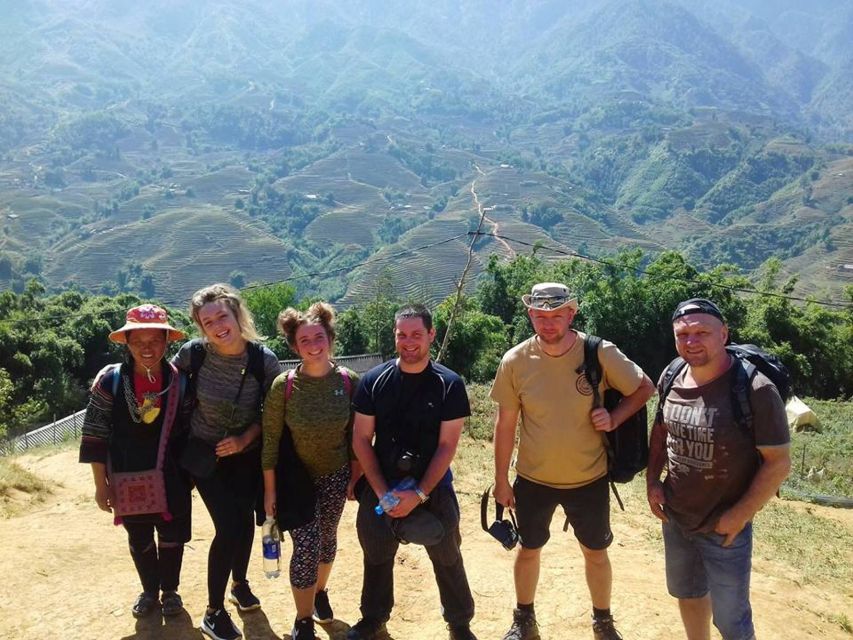
Sa Pa’s best moments come on foot, and this trek takes you down into the Muong Hoa Valley, where rice terraces, mountain paths, and village life replace the town’s busy streets. You’ll meet Black H’mong and Dzay communities, stay overnight in a family homestay, and spend two full days seeing the area at walking pace.
I like the small group size, which makes it easier for guides such as Lan, Khu, Lang, and Nhu to adjust the pace and answer questions. I also like that the price includes transport, meals, entrance fees, water, and the homestay, rather than leaving you to arrange each piece separately.
The main consideration is the trail itself. It is not a technical mountain expedition, but wet paths can become very slippery, especially on the descent into the valley. Local women may walk alongside you and offer help, then expect you to look at their handicrafts, so bring patience as well as sturdy shoes.
In This Review
- Key points to know before you book
- Why this two-day Sa Pa trek works
- Day one: Y Linh Ho and the walk into Ta Van
- The Dzay homestay in Ta Van
- Day two: Bamboo forest, waterfall, and the Muong Hoa River
- What the guide adds to the experience
- Food, comfort, and what to pack
- Weather, culture, and the value of flexibility
- Who should book this Sa Pa trek?
- Should you book it?
- FAQ
- Where does the trek start?
- How long is the trek?
- Where do you sleep?
- What meals are included?
- Is transport included?
- Is an English-speaking guide provided?
- How large is the group?
- What should you bring?
- Is the trek suitable for children and people with mobility limitations?
- What is not included in the price?
Key points to know before you book
- 11 kilometers on day one: Walk from Sa Pa through Y Linh Ho and Lao Chai before reaching Ta Van.
- A real village overnight: Sleep at a Dzay homestay with dinner and breakfast included.
- The second day is gentler in distance: The 8-kilometer route passes a bamboo forest, waterfall, and the Muong Hoa River.
- Guides shape the experience: Past guides including Lan, Khu, Lang, Son, and Nhu have been praised for friendly explanations and flexible pacing.
- Rain changes the trek: Mud can make the first day slippery, but the scenery can be especially dramatic in wet weather.
- Good value at $55: Two lunches, dinner, breakfast, accommodation, entrance fees, water, and return transport are included.
Why this two-day Sa Pa trek works
This is a useful choice if you want more than a short walk from Sa Pa but do not want to plan village transport, meals, and a homestay on your own. The route links several well-known villages in the Muong Hoa Valley, giving you both mountain views and a closer look at daily life among the area’s ethnic communities.
The trip is also built around a sensible rhythm. You walk for most of the day, eat local meals, sleep in Ta Van, then take a shorter route through forest and countryside before returning to Sa Pa. That overnight stop matters. Instead of rushing back to town after the rice terraces, you have an evening meal in the village and a little more time to understand how the community lives.
The advertised price is $55 per person. For a two-day outing, that is strong value because it includes the main costs you would otherwise need to arrange separately: an English-speaking guide, entrance tickets, two restaurant lunches, a hosted dinner, breakfast, one night at a Dzay homestay, mineral water, and return bus transport.
Drinks are extra, and there is a $30 surcharge per person during the stated Lunar New Year period from January 26 to February 2, 2025. Ask about current holiday pricing if your dates fall during Tet, since seasonal charges can change.
More 2-Day Trips in Sapa
- EXPLORE SAPA: 2D1N TREKKING & HMONG CULTURE WITH DINH
★ 4.9 · 191 reviews - From Hanoi: 2-Day 2-Night Sapa Tour by Overnight Train
★ 4.4 · 96 reviews - 2-Day Fansipan Mountain Trek – Indochina’s Highest Peak
★ 4.3 · 42 reviews
Day one: Y Linh Ho and the walk into Ta Van
The first day covers about 11 kilometers from Sa Pa through the valley. The route begins with broad views toward Fansipan and the rice paddies, then moves through smaller paths and village settlements.
Y Linh Ho is associated with the Black H’mong community. Here, your guide can explain local customs and point out traditional wooden homes. Looking inside one of these houses gives the visit more meaning than simply passing through a village for a photo. You get a sense of how local buildings are arranged and how rural life differs from what you see in Sa Pa town.
The rice terraces are the visual star of the day. Their appearance changes with the season, so do not expect one fixed postcard scene. Depending on the time of year, the fields may be green, newly planted, golden, or partly harvested. Weather also has a major effect. Clear skies open up the mountain views, while mist and rain give the valley a darker, more atmospheric look.
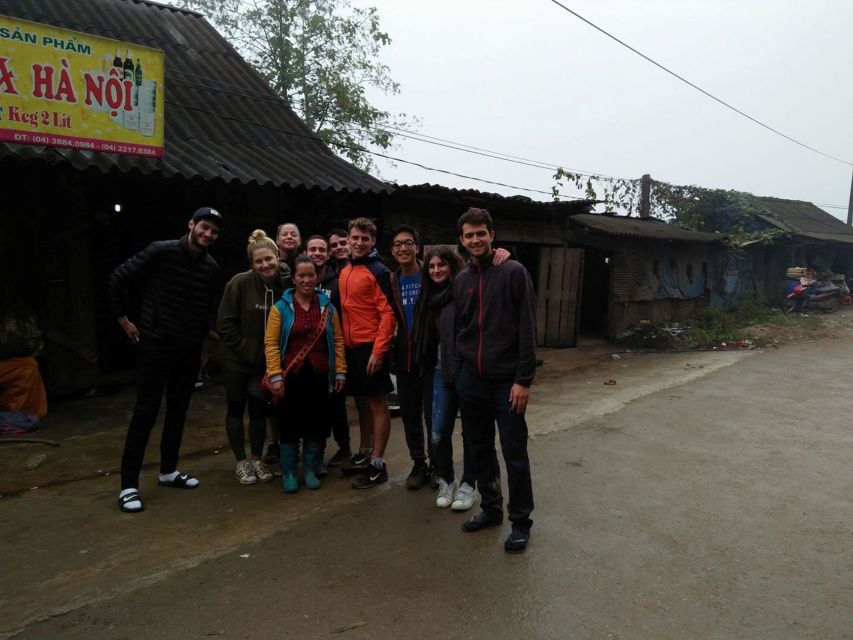
The route continues through Lao Chai before reaching Ta Van. This section is where good footwear becomes important. The path can include dirt and uneven ground, and rain can turn slopes into slick mud. A few people found the trail manageable, while still warning that it is more of a proper trek than a casual village stroll.
Local women sometimes join the group for part of the route, particularly during the first day. They may offer a steadying hand on muddy or steep sections, which can be genuinely useful. The practical catch is that they often hope you will buy something from them afterward. You are not required to make a purchase, but a polite, firm response helps keep the encounter comfortable.
A good guide makes a noticeable difference here. Lan has been praised for clear explanations of H’mong customs, a warm personality, and steady attention to the group. Khu, Lang, Coo, and Nhu have also been described as friendly, helpful, and willing to adjust the route or pace. Guides can vary by departure, so treat these names as examples rather than a guarantee.
The Dzay homestay in Ta Van
Ta Van is the overnight base, and the homestay is the part of the trip that turns the trek into a cultural visit rather than a long hike with a bed at the end. You sleep in a Dzay village home and eat a hosted dinner there.
The accommodation is simple, but the available feedback points to clean and comfortable rooms in most cases. Warm blankets are useful, especially in cooler months. Some homestays have internet and electrical outlets, but you should not book this expecting hotel-style facilities or a full evening of entertainment.
That quiet evening is part of the appeal. After several hours on foot, you will probably be happy to eat, talk with the group, and rest. The meal is home-cooked, and the dinner can include a chance to try locally made rice wine, sometimes called happy water. Drink carefully if you try it, since a long walking day is not the time to overdo alcohol.
There has been one report of bedbugs in some beds, so it is sensible to inspect your sleeping area and keep your belongings organized. This is not a reason to reject the experience outright, but it is a fair reminder that a village homestay is not the same as a polished hotel.
The overnight stay also gives you a more respectful way to approach local culture. You are not just looking at homes from a trail. You are eating in one, sleeping in one, and following the household’s customs for a short time. Follow your guide’s advice, ask before taking photographs, and avoid treating the village as a backdrop.
Day two: Bamboo forest, waterfall, and the Muong Hoa River
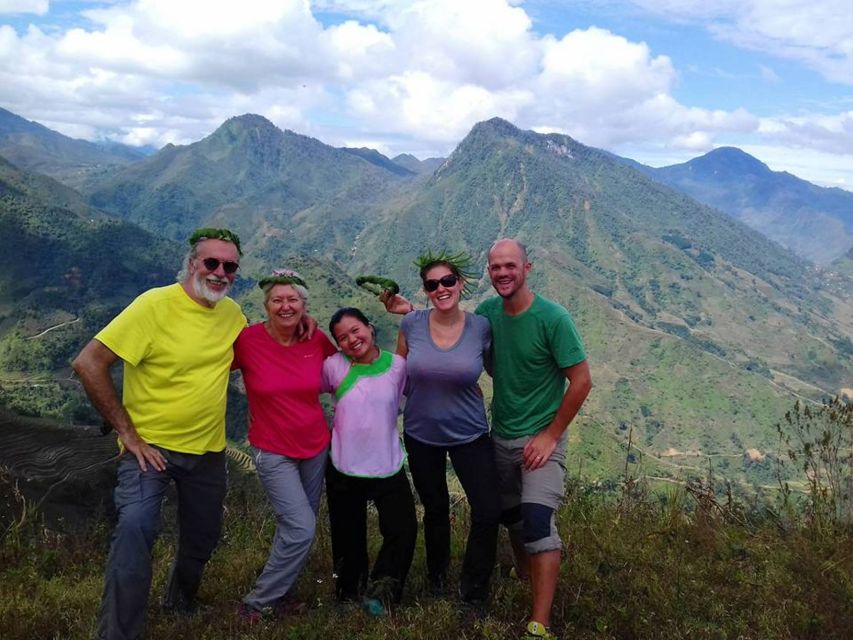
After breakfast at the homestay, day two covers about 8 kilometers on a dirt trail. The route passes another H’mong settlement before reaching a bamboo forest and a waterfall.
The second day is often described as scenic without being overly hard for a healthy person. It is shorter than day one, but the ground can still be uneven. If your first day was wet, expect muddy shoes and a slower pace rather than a quick walk through the countryside.
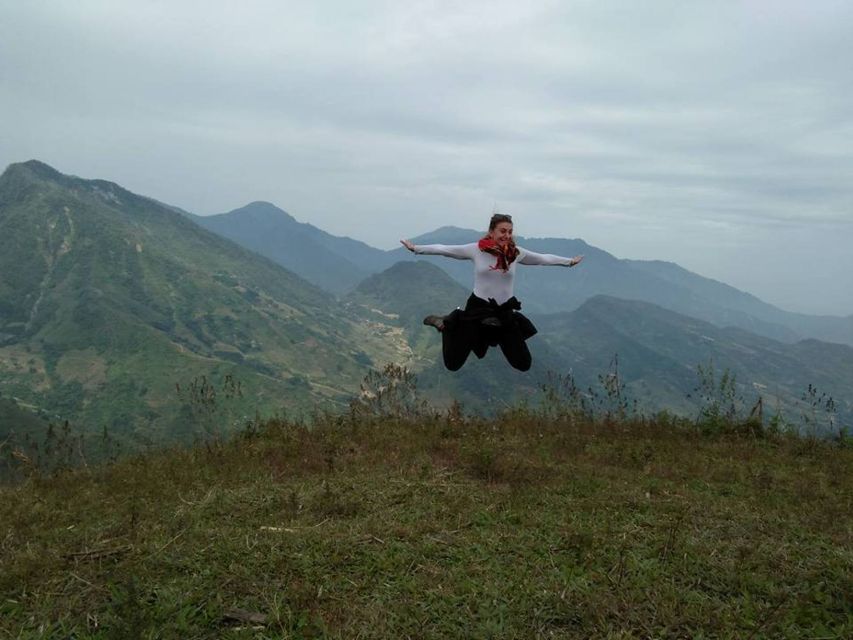
The bamboo forest changes the mood of the trip. After the open terraces and wide mountain views, the trees provide shade and a more enclosed setting. The waterfall offers a natural break, and the plan allows time to cool off with a swim in the Muong Hoa River.
Swimming is weather dependent and should be treated as an optional pleasure, not the main reason to book. Bring a small change of clothes if you want to get in, and keep valuables protected. The supplied information confirms the river stop and swimming opportunity, but not changing facilities, so plan for a simple outdoor break.
Lunch follows at a local restaurant before the drive back to Sa Pa. One practical warning comes from the return transfer: a group once waited about 40 minutes in a van for another party, nearly missing a bus to Hanoi. If you have a tight onward connection, leave a generous buffer after the stated return and tell the operator about your departure time in advance.
More Trekking Tours in Sapa
- Sa Pa: Muong Hoa Valley Trek and Local Ethnic Villages
★ 4.6 · 864 reviews - Sapa: Eco Adventure Terrace Fields and Local Villages Trek
★ 4.9 · 636 reviews - From Sapa: 1-Day Guided Trek to Lao Chai & Ta Van with Lunch
★ 4.9 · 416 reviews - Sapa 1 Day Long Trek: Trek to Hau Thao and Sa Seng Villages
★ 4.6 · 344 reviews
What the guide adds to the experience
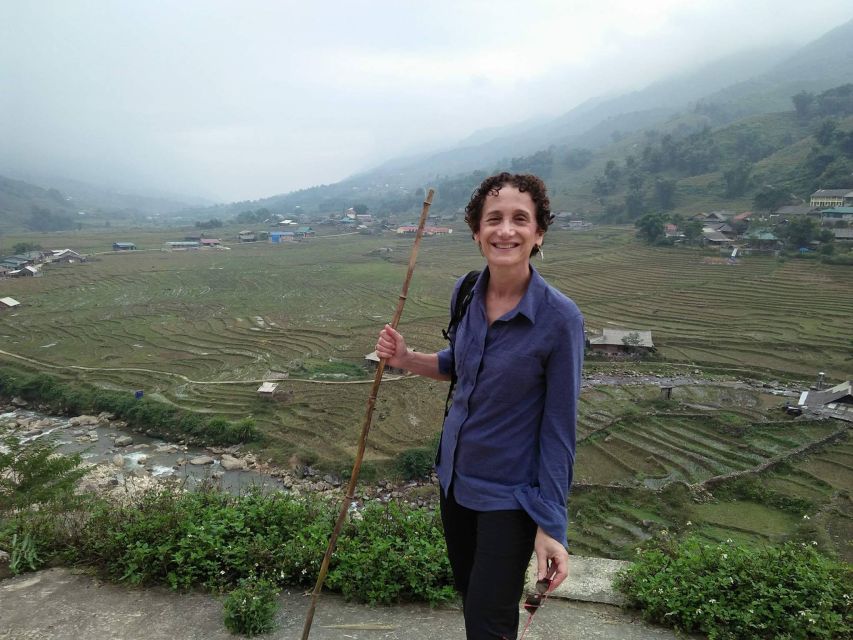
The guide is not simply there to point out the trail. The best part of this outing is the explanation of who lives in each village, how the ethnic groups differ, and why the valley looks and feels the way it does.
Several guides have received especially strong praise. Lan is described as funny, patient, and good at explaining H’mong culture. Khu has been singled out for answering questions, helping with the terrain, and sharing local traditions. Lang has been praised for excellent English and useful cultural explanations, while Nhu has been described as kind and supportive.
One guide even took a group to a local festival, though that is not listed as a standard part of the route and should not be expected on every departure. What you can reasonably expect is an English-speaking guide and a small group, limited to 14 people.
The group size matters on muddy trails. A group of five, for example, allows more conversation and makes it easier to stop for views. A group closer to the maximum will feel less personal, but it is still more manageable than a large coach excursion. Guides have adjusted walking lengths and start or finish times to suit group needs, though the core route remains the two-day plan.
Food, comfort, and what to pack
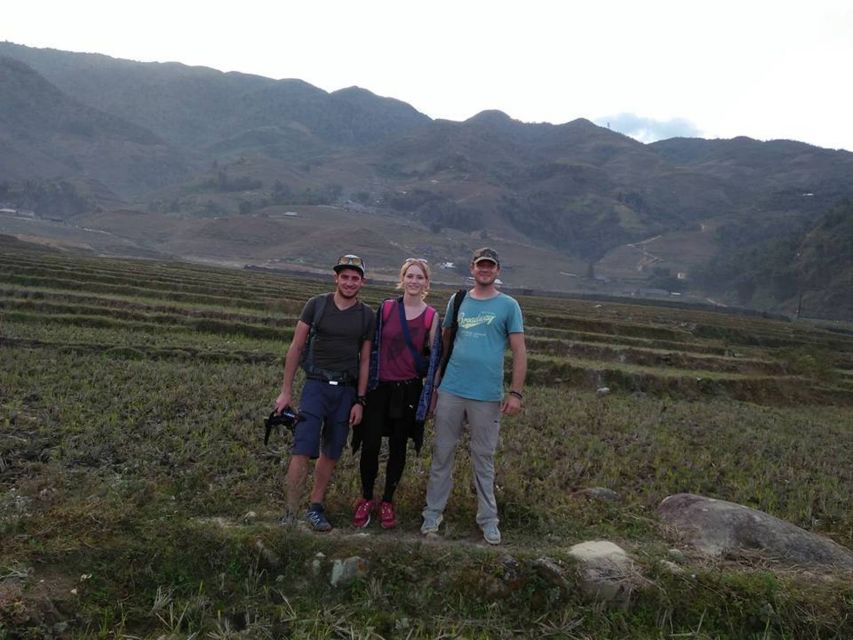
Food is one of the stronger parts of the package. You receive lunch on both days at local restaurants, a hosted dinner at the village homestay, and breakfast the next morning. Meals have been described as tasty and plentiful, with the home-cooked dinner providing the most memorable setting.
Bring comfortable trekking shoes with real grip. Trainers may be fine in dry weather, but muddy slopes are much easier in footwear designed for uneven trails. Pack sunscreen, insect repellent, sunglasses, and a light waterproof layer if rain is possible.
Warm clothing is especially important from October through March. Sa Pa can feel cool, and the homestay is a rural home rather than a centrally heated hotel. Carry only what you need for the overnight stay, since a lighter bag makes the walking easier.
The tour supplies mineral water, but drinks beyond that are not included. A small daypack is the most practical choice. Keep your phone and camera protected from rain, and bring a small towel or extra clothing if you plan to swim in the river.
This trek is not suitable for children under six, pregnant women, people with back problems, people with mobility impairments, or disabled people. It is best for someone who can walk several hours over dirt paths and handle a little mud without turning the trip into a battle.
Weather, culture, and the value of flexibility
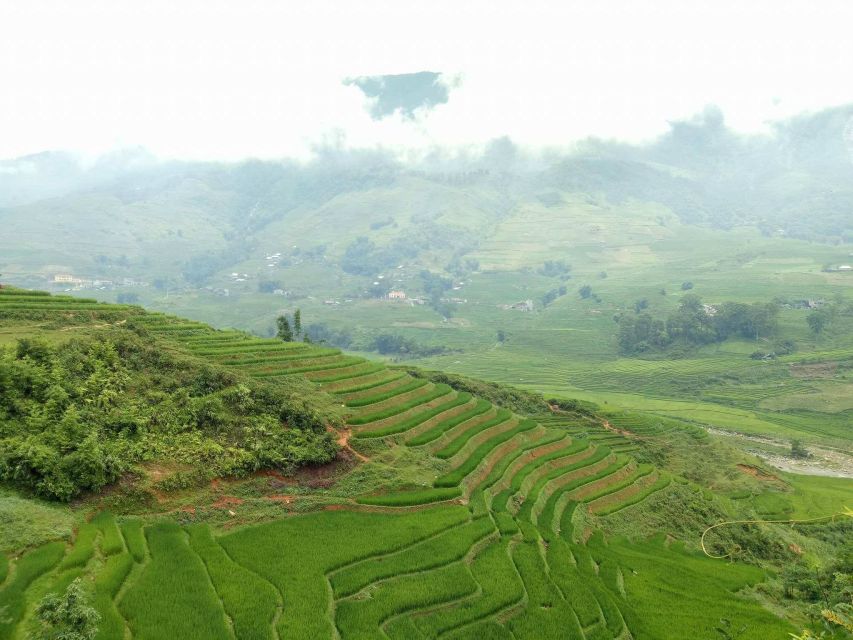
Rain does not automatically ruin this trip. Wet weather can make the paths slippery and less comfortable, but it can also bring out the colors of the terraces and make the valley feel more dramatic. The sensible approach is to accept that conditions may slow the group and dress for them.
You also need to be comfortable with a less polished kind of cultural contact. The villages are working communities, not staged attractions. You may encounter sales pressure from people walking with the group, basic homestay facilities, and a guide who has to balance your interests with local customs.
Respect goes both ways. Dress sensibly, ask before photographing people or homes, and listen when your guide explains local behavior. A flexible attitude will help you get much more from the overnight stay than a demand for resort-level service.
The tour allows free cancellation up to 24 hours before departure for a full refund, and you can reserve while paying later. Pickup is available from hotels in Sa Pa town center. Starting times depend on availability, so check the schedule rather than assuming a fixed departure.
Who should book this Sa Pa trek?
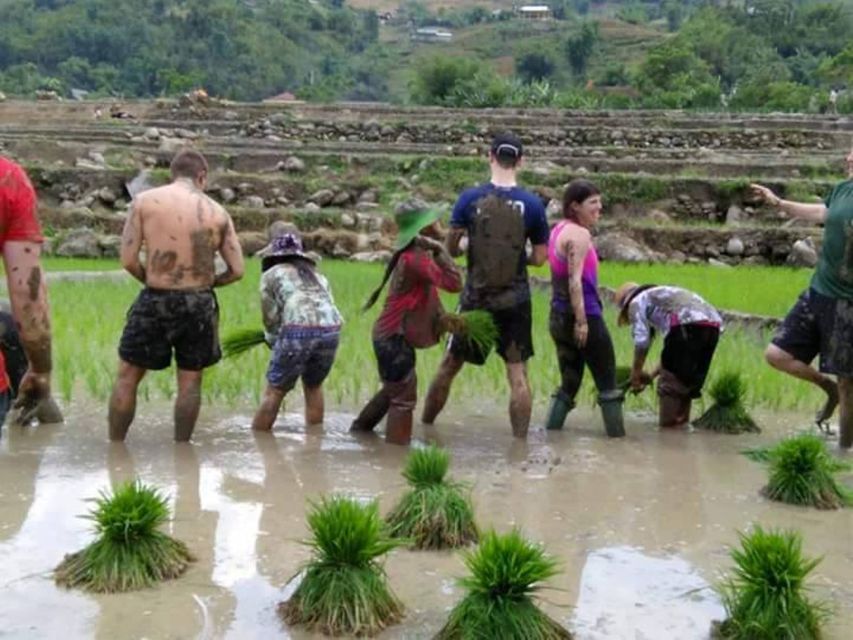
I would choose this trip if you want a well-priced introduction to rural northern Vietnam and prefer walking to sightseeing from a vehicle. It suits reasonably fit adults, couples, solo participants, and small groups who want a shared experience with a local guide.
It is particularly good for you if cultural context matters as much as scenery. The route gives you rice terraces and mountain views, but the village explanations, home visit, family dinner, and Dzay overnight stay provide the real substance.
I would think twice if you need smooth paths, private hotel facilities, a guaranteed dry-weather itinerary, or a tightly timed return to catch transport. The walking is manageable for a healthy person, but muddy slopes can be awkward, and village accommodation has limits.
Should you book it?
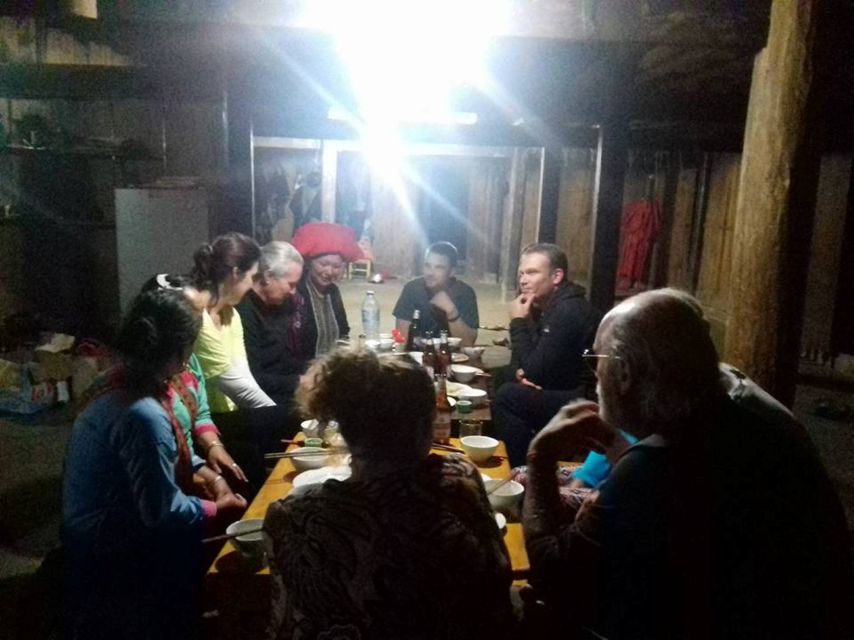
For $55, this is an unusually full two-day package: a guide, village routes, meals, homestay, tickets, water, and return transport are all covered. The strongest reasons to book are the overnight stay, the small group format, and the chance to learn about Black H’mong and Dzay culture while moving through the valley.
Book it if you can handle uneven trails, basic accommodation, and a little sales pressure along the way. Pack proper shoes, allow extra time after the return, and approach the homestay as a local experience rather than a hotel night. If that sounds like your kind of Sa Pa, this trek is a strong choice.
FAQ
Where does the trek start?
Pickup is available from hotels in Sa Pa town center. The experience then heads into the Muong Hoa Valley.
How long is the trek?
Day one covers about 11 kilometers from Sa Pa through Y Linh Ho and Lao Chai to Ta Van. Day two covers about 8 kilometers through the bamboo forest and Giang Ta Chai area before returning to Sa Pa.
Where do you sleep?
You spend one night at a Dzay ethnic minority homestay in Ta Van village.
What meals are included?
The package includes two lunches at local restaurants, one hosted dinner in the village, and breakfast at the homestay.
Is transport included?
Yes. Return transfer by bus between Sa Pa and the trekking area is included.
Is an English-speaking guide provided?
Yes. The tour includes a live English-speaking guide.
How large is the group?
The group is limited to 14 participants.
What should you bring?
Bring comfortable trekking or walking shoes, warm clothing, sunglasses, sunscreen, and insect repellent. Warm clothes are recommended from October through March.
Is the trek suitable for children and people with mobility limitations?
The trek is not suitable for children under six, pregnant women, people with back problems, people with mobility impairments, or disabled people.
What is not included in the price?
Drinks are not included. A $30 per person surcharge applies during the stated Lunar New Year period from January 26 to February 2, 2025, payable at the meeting point.
More 2-Day Experiences in Sa Pa
- From Sapa Homestay Hideaway 2-Day Local Life Adventure
★ 4.7 · 26 reviews - From Hanoi: Explore Sapa 2-Day Tour
★ 4.3 · 22 reviews - AUTHENIC 2D1N Trek & Bungalow Retreat with Dinh Hmong Family
★ 5.0 · 19 reviews - Hanoi: Sapa Trekking 2 Days 1 Night – Sleeper Bus from Hanoi
★ 4.6 · 18 reviews
More Treks Within Reach
- Sa Pa: 6-Hours Muong Hoa Valley Trek with Local Ethnic guide
★ 4.5 · 178 reviews - Half Day Sapa Trekking to Visit Lao Chai – Ta Van
★ 4.7 · 126 reviews - From Sapa: Waterfalls, Trekking and Tribal Villages Tour
★ 4.6 · 91 reviews - Sapa Trekking Bargains With Local Guide
★ 4.9 · 91 reviews
Just added around Sa Pa
- Sapa Open Air Jeep Half Days Off the Beaten Track, Backroad★ 4.9 · 9 reviews
- Sapa: Motorbike Tour to Hidden Villages & Terraced Fields★ 5.0 · 9 reviews
- SaPa: 2-Day Villages,Rice Fields, Love Waterfall Hiking Tour★ 5.0 · 9 reviews
- Sapa: Explore Sa Pa in one Day with local motorcycle Guide★ 4.9 · 9 reviews
- From Sa Pa: One Day Fansipan Mountain Trek★ 4.3 · 10 reviews
- Sa Pa: Half-Day Motorbike Tour with Sunset on O Quy Ho Pass★ 4.8 · 10 reviews
- From Sapa: Glass Bridge and Silver Waterfall Group Tour★ 4.8 · 11 reviews
- From Hanoi: Sapa Discovery Package Tour 2 Days 1 Night★ 4.8 · 11 reviews
Trekking Tours in Sapa, compared.

Muong Hoa Valley Trek and Local Ethnic Villages
Read our review →

Sapa 3 Days 2 Nights Trekking Tour (1 Night In Ta Van Village, 1 Night In Hotel)
Read our review →
Eco Adventure Terrace Fields and Local Villages Trek
Read our review →
3-Day Trekking Adventure of Sapa from Hanoi – Stay Ta Van Village
Read our review →
Number one top rated ethical cultural trekking and homestay by ETHOS
Read our review →
2-Day Sa Pa Ethnic Homestay Tour & Trek with Limousine Bus
Read our review →
1-Day Guided Trek to Lao Chai & Ta Van with Lunch
Read our review →Browse the lists this tour appears in