
Reviewed · TREKKING TOURS IN SAPA
From Hanoi: Sapa 3-Day Medium Trek and Limousine Trip
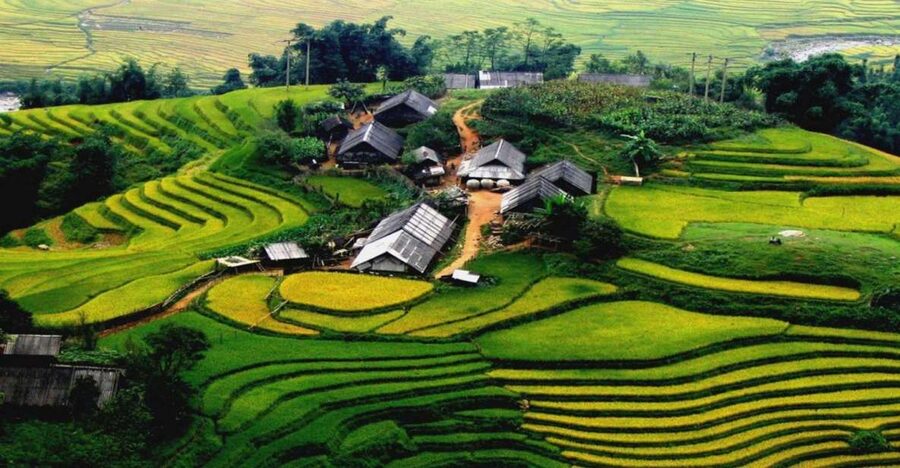
Sapa’s best moments come on foot, far from the town center. This three-day trip takes you through Black Hmong, Hmong, Zay, and Red Dao villages, across rice terraces, along the Muong Hoa River, and into a bamboo forest ending at a waterfall. It is a real village trek, not just a quick viewpoint stop.
I like two things here: the chance to stay with a local family, and the way the route links several villages instead of repeating one short walk. Guides such as Jo, Ai, and May have been praised for adjusting the pace and explaining local life clearly. The main drawback is the long road journey, plus rustic homestay conditions and a trek that can be hard in wet weather.
In This Review
- Key points to know before booking
- Why this Sapa trip is more than a mountain view
- Day 1: Hanoi to Sapa, then Sin Chai village
- Day 2: Muong Hoa Valley, Y Linh Ho, Lao Chai, and Ta Van
- Day 3: Bamboo forest, waterfall, and Giang Ta Chai
- What the $165 price really covers
- The people you meet, and how to handle sales pressure
- Weather, clothing, and the physical demands
- Who will enjoy this trip most
- Should you book the Sapa 3-Day Medium Trek?
- FAQ
- How long is the trek?
- Where does pickup take place in Hanoi?
- Is the homestay comfortable?
- What meals are included?
- What should I bring?
- Is the trek suitable for children or people with mobility problems?
Key points to know before booking
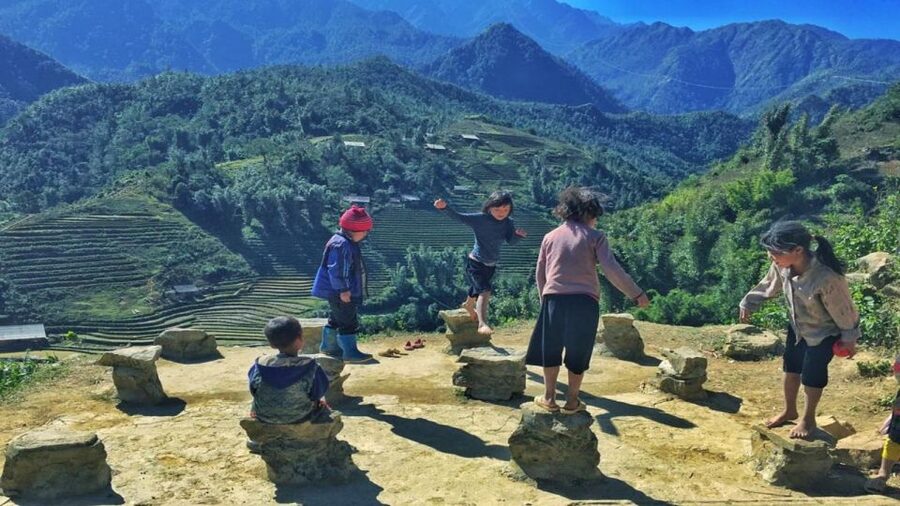
- Four distinct village areas: Walk through Sin Chai, Y Linh Ho, Lao Chai, Ta Van, and Giang Ta Chai, each linked to different ethnic communities.
- A genuine homestay night: Expect shared facilities and simpler conditions than a Sapa hotel, with meals served at the family home.
- About 9 kilometers of trekking: The route includes downhill and uphill sections, river crossings, muddy paths, and uneven ground.
- Six hours each way by road: The limousine from Hanoi is included, but traffic can stretch the return to five or six hours.
- A guide makes a big difference: Local guides can adapt the walking pace and explain customs, farming, and village life.
- Good value at $165: Transport, accommodation, meals, guide services, and entrance fees are bundled into one price.
Why this Sapa trip is more than a mountain view
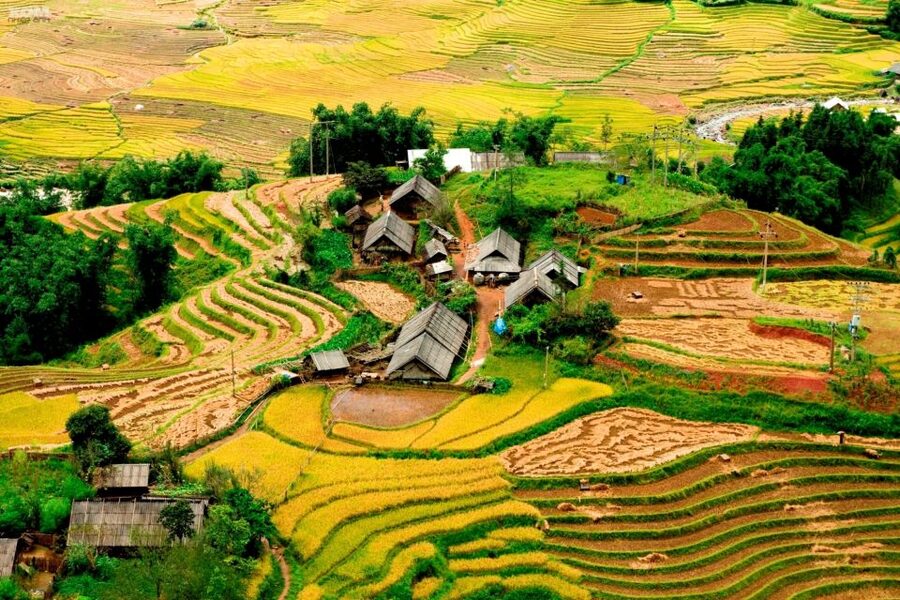
The appeal of this tour is its balance. You get the famous scenery around Sapa, but you also spend time on foot in working villages where people farm, cook, trade, and live in traditional homes. That gives the trip more substance than a bus ride to a photo stop.
The route passes through the Hoang Lien Son mountain range and Muong Hoa Valley, an area known for steep hills and carefully shaped rice terraces. The views change with the weather. In clear conditions, you may see broad terraces and mountain ridges. In rain or mist, the same route feels quieter and more enclosed.
This is not a soft walking tour. The full trek is listed at about 9 kilometers, with a downhill stretch into the valley, a river crossing, hill trails, and an uphill finish on the third day. I would choose it for someone who is comfortable walking for several hours on uneven ground, not for a visitor looking for a gentle sightseeing outing.
More Trekking Tours in Sapa
- Sa Pa: Muong Hoa Valley Trek and Local Ethnic Villages
★ 4.6 · 864 reviews - Sapa: Eco Adventure Terrace Fields and Local Villages Trek
★ 4.9 · 636 reviews - From Sapa: 1-Day Guided Trek to Lao Chai & Ta Van with Lunch
★ 4.9 · 416 reviews
Day 1: Hanoi to Sapa, then Sin Chai village
The day begins early, with pickup at your hotel in Hanoi’s Old Quarter around 6:30 to 7 a.m. The limousine ride takes roughly six hours and includes two stops for snacks and restrooms. That sounds manageable on paper, but road conditions and traffic can affect the timing.
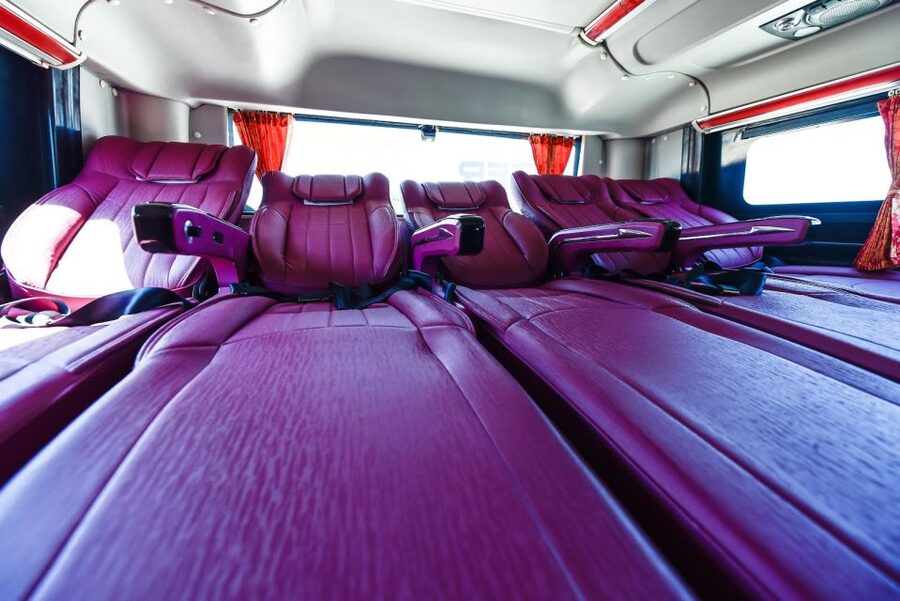
The ride is part of the trade-off. The limousine is described as modern and air-conditioned, and some travelers found the seats comfortable. Still, communication about stops has not always been clear, and one reported pickup ran about an hour late. You should keep your first morning flexible rather than scheduling something tight in Sapa.
After arriving, you have lunch at a local restaurant, check in to your hotel, and rest before the afternoon walk. That pause matters. After a long drive, a short break makes the first trek far more enjoyable.
The afternoon route heads southwest for about 4 kilometers toward Sin Chai village. Sin Chai is more than 2 kilometers from central Sapa and has a simpler, more rural feel than the town. It is home to the Black Hmong, and the visit focuses on ordinary village life rather than a formal show.
You may see traditional homes and local activity as you walk. The appeal is the setting: hills, paths, farm plots, and a quieter pace than central Sapa. The route is also a useful introduction to the kind of terrain that follows on Day 2.
After the walk, you return to the hotel to freshen up before dinner. Later, you can explore Sapa after dark, with roasted corn and baked eggs cooked beside charcoal fires, or browse the shops. These evening details are small, but they give you a taste of Sapa town that the daytime trek does not provide.
The accommodation plan can vary. You may stay at a homestay on the first night and in a Sapa hotel on the second, or the order may be reversed. Confirm the selected option before you pay, especially if sleeping arrangements matter to you.
Day 2: Muong Hoa Valley, Y Linh Ho, Lao Chai, and Ta Van
Day 2 is the main walking day. After breakfast, you check out and begin toward Muong Hoa Valley. The route follows the main road for about an hour before turning onto a footpath downhill.
This change from road to trail is important. The valley walk brings you closer to the terraces and homes, while the higher road offers wider mountain views. You will need shoes with good grip, since downhill paths can become slippery after rain.
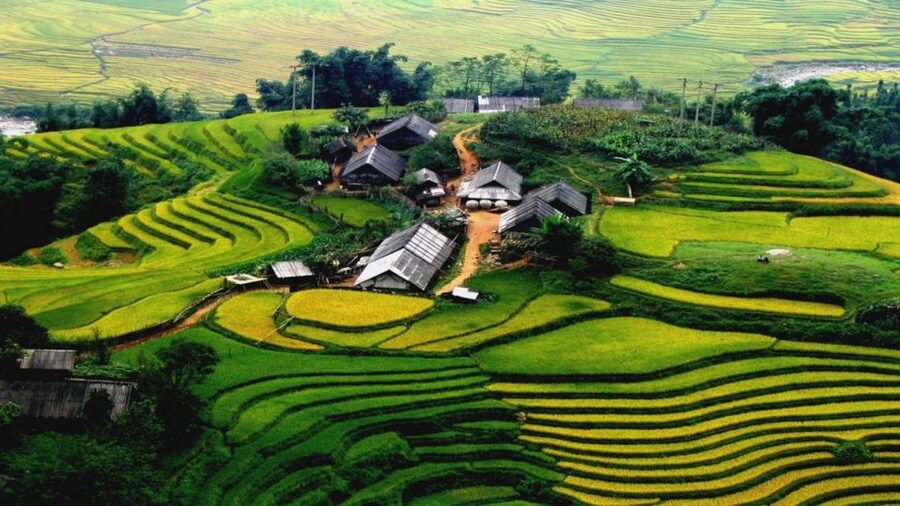
The Hoang Lien Son range provides the backdrop, but the valley itself is the real focus. Terraced fields follow the slopes in broad steps, shaped over time for rice farming. The view is not simply decorative. It shows how local communities have adapted steep land for daily use.
You cross a suspension bridge to reach Y Linh Ho village. Here, you can visit Hmong families and observe people at work. The value of this stop depends partly on your attitude. If you expect a staged cultural performance, you may find it too ordinary. If you are interested in homes, farming, and daily routines, it offers a more direct connection to the area.
Lunch comes during the day, followed by a trail through the hills for about two hours toward Lao Chai. This is the longest and most demanding section for many people. The ground may be uneven, and rain can turn paths into mud. Your guide should set the pace, but you still need to be honest about your fitness.
The guide is one of the most important parts of the trip. Jo has been praised for explaining arrival times, meal schedules, and luggage arrangements while keeping the pace comfortable. Ai has been described as adapting trails to the abilities of the group and helping when a section became difficult. May has led the walk with enthusiasm in rainy, misty conditions. Guides change, but these examples show what good local leadership can add.
From Lao Chai, the trail follows the river bank to Ta Van, home to the Zay people. This final stretch combines valley views with visits to local homes. You get time to see how different communities share the same region while maintaining their own customs and village identity.
The night is spent at a homestay in Ta Van. This is likely to be one of the most memorable parts of the trip, but it is also where expectations need careful handling. A homestay is not simply a hotel with a local name. Facilities may include shared sleeping areas, floor mattresses, and limited bathroom access.
One accommodation arrangement was described as a large shared room with many mattresses and little privacy. Another was found clean, comfortable, and more pleasant than expected. Both experiences can be true because homestays differ, and the selected accommodation option may affect what you receive.
You may share a meal with the host family, and you can sometimes help prepare food if you wish. That kind of evening gives the trip its strongest cultural value. You are not just passing through a village for an hour. You are eating in the same place where you sleep and seeing a small part of local household life.
Bring modest expectations and a warm layer. Sapa can be cold from September through March, and mountain weather can change quickly. December through March may also bring fog, which can hide the views but make the walk feel more atmospheric.
Day 3: Bamboo forest, waterfall, and Giang Ta Chai
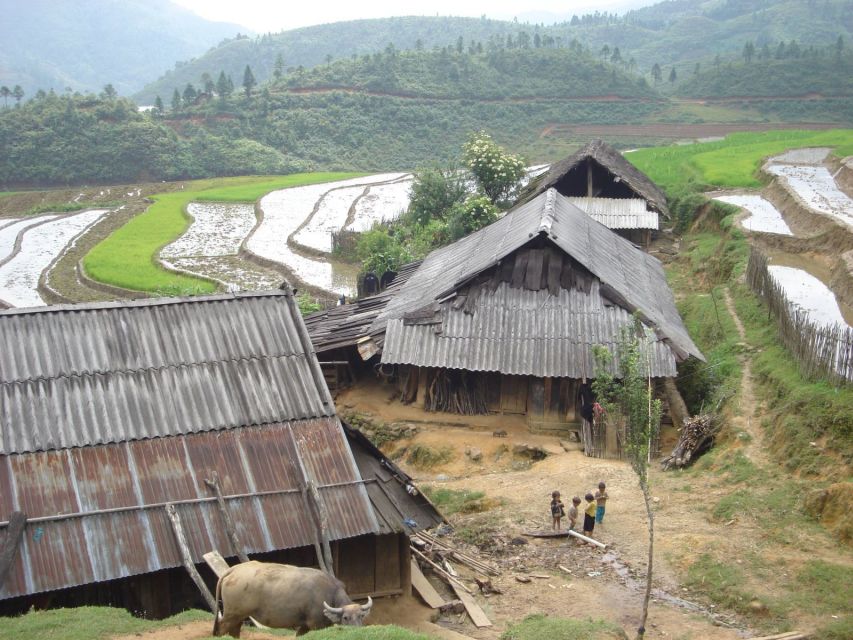
After breakfast, you leave Ta Van by an uphill trail. This is a shorter day in terms of the description, but the climb can still test tired legs after Day 2.
The trail passes rice terraces and small Hmong hamlets before entering a bamboo forest. The change in scenery is welcome. Instead of open valley views, you walk among narrower paths and shaded vegetation, then reach a waterfall where you can stop and rest.
The waterfall provides a natural break before the final 30-minute walk to Giang Ta Chai village. This village is associated with the Red Dao people. The route lets you see another community and another section of the valley without rushing from one attraction to the next.
Lunch is served near the village center. Afterward, you have time to relax, prepare, and collect your belongings before the return journey. The schedule is designed to get you back on the road at about 2 p.m.
The return to Hanoi takes five or six hours, depending on traffic, with arrival expected around 8:30 to 9:30 p.m. That makes this a full final day. I would not book an early flight, train, or important evening appointment in Hanoi unless you have plenty of backup time.
More Sapa escapes from Sa Pa:
- Sapa 1 Day Long Trek: Trek to Hau Thao and Sa Seng Villages
★ 4.6 · 344 reviews - Sapa: Fansipan Cable, Cat Cat Village, Moana Instagram Tour
★ 4.8 · 294 reviews - From Sapa: 3-Day Ha Giang Loop with Safe Rider (max 8 pax)
★ 4.9 · 285 reviews - Explore Sapa by TrekkingAdventures, Mountain,Rice fields
★ 4.9 · 229 reviews
What the $165 price really covers
At $165 per person, the tour is not a bare-bones walking package. The price includes limousine transport from Hanoi and back, local transport in Sapa, an English-speaking guide, two nights of accommodation, two dinners, three lunches, two breakfasts, and entrance fees for the stated sites.
That is a useful bundle for a three-day trip. You do not need to arrange separate transport from Hanoi, find a guide in Sapa, book a homestay, or work out how to connect the villages. The meals also reduce the need to search for food during a busy trekking schedule.
You still pay for drinks and personal expenses. Carry Vietnamese dong, since banking services in Sapa may not work reliably. US dollars, euros, and Australian dollars are accepted in Sapa, but local currency is more practical for small purchases.
The value is strongest if you want structure. Independent visitors may be able to spend less by arranging buses, lodging, and village walks separately, but they will also take on the timing and transport work. Here, the main purchase is convenience plus access to a local guide.
The weak point is the road transport. Some rides have been comfortable, while some passengers felt the driving was too fast or the stop information was poor. Since Hanoi to Sapa takes about six hours each way, transport quality matters. If you are uneasy with long road trips, compare this option with a train or a different transfer arrangement before booking.
The people you meet, and how to handle sales pressure
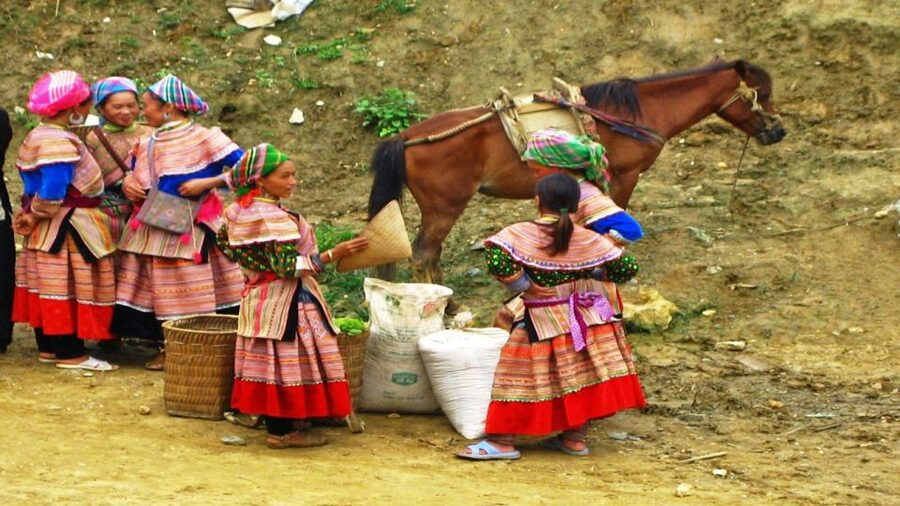
Local ethnic people may approach you during the trek, walk beside you for long stretches, ask for money, or try to sell handicrafts at high prices. This issue is specifically flagged for the route and can affect the feeling of the walk.
The practical approach is simple: stay with your guide, be polite but firm, and do not feel obliged to buy. Agreeing to a long conversation at the start can make it harder to walk at your own pace later. If you want to purchase local items, ask your guide about fair prices and appropriate places to shop.
This is not a reason to dismiss the village visits. It is a reason to understand the social setting before you arrive. You are walking through communities where tourism is now part of daily life, and the interaction can be awkward at times.
Weather, clothing, and the physical demands
Bring trekking shoes, not ordinary city sneakers. You will also want sunglasses, sunscreen, insect repellent, and warm clothing. A scarf, hat, or cap is useful because Sapa can be cold, and the weather is unpredictable.
Rain can change the route from scenic to strenuous. Muddy paths make downhill sections harder, while wet stone and bamboo trails require careful footing. Guides may adjust the route or pace, but you should not assume every section can be made easy.
The tour is not recommended for older people, children, or anyone with mobility impairments. That warning is tied to the 9-kilometer trek and the uneven terrain. If you have doubts, ask about the route before booking rather than relying on the word medium in the title.
Bring any medicine you may need. Food and basic transport are included, but personal medical supplies are not. Pets are not allowed.
Who will enjoy this trip most
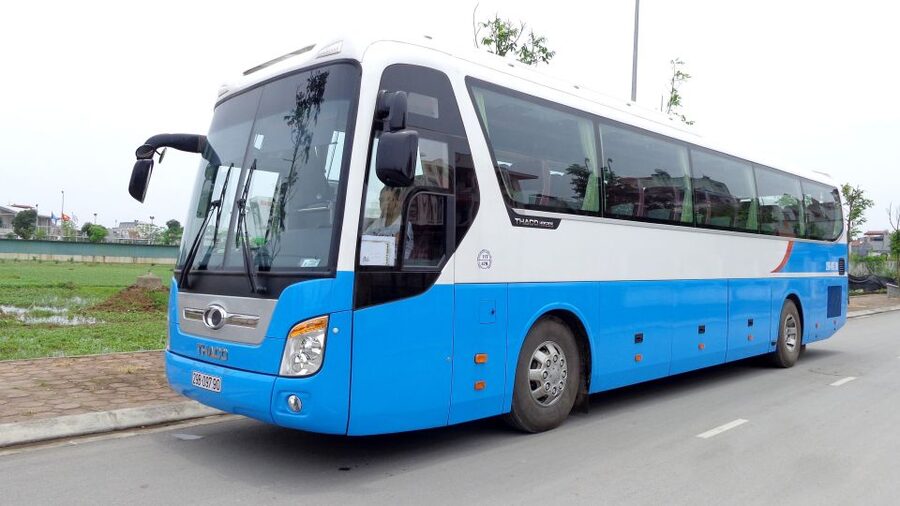
I would choose this tour if you want to combine Sapa’s famous terraces with village walking and a local homestay. It suits adults with reasonable fitness who are happy to walk several hours, sleep simply for one night, and accept that mountain weather may hide the views.
It also works well for first-time visitors to Sapa. The route covers several well-known villages, but the guide and transport remove much of the planning. Families with older children may consider it only if the children are strong walkers and comfortable with basic accommodation.
I would hesitate if you need private hotel rooms every night, dislike long road journeys, or want a carefully controlled schedule. The pickup process can be confusing, the return drive is late, and homestay standards vary. You also need patience with changing weather and the sales pressure along the trail.
Should you book the Sapa 3-Day Medium Trek?
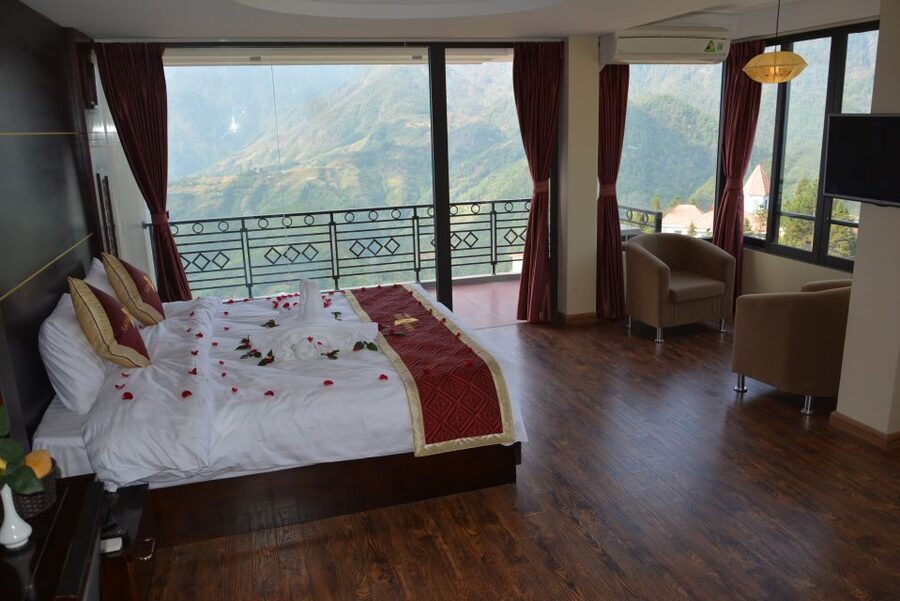
Book it if your priority is village life and walking access to the rice terraces, not luxury. The strongest parts are the local guides, the connected route through Muong Hoa Valley, and the homestay meal and overnight experience.
Before booking, confirm which night is at the homestay, what accommodation category you selected, and the exact pickup details. Pack for rain and cold, carry cash, and leave room in your Hanoi schedule for traffic.
At $165, this is good value for a structured three-day experience with transport, food, lodging, guide service, and entrance fees included. It is not the right choice for a relaxed sightseeing trip, but for a fit visitor who wants to walk through Sapa’s villages and accept a few rough edges, it offers a rewarding look at northern Vietnam.
FAQ
How long is the trek?
The total trek is about 9 kilometers. The route includes downhill and uphill sections, uneven paths, a suspension bridge, a bamboo forest, and a walk to a waterfall.
Where does pickup take place in Hanoi?
Pickup is included from accommodation in Hanoi’s Old Quarter. The scheduled pickup time is around 6:30 to 7 a.m.
Is the homestay comfortable?
Homestay facilities are simpler than hotel facilities in Sapa. Accommodation may include shared sleeping areas and shared bathrooms, and the exact setup can vary by selected option and circumstances.
What meals are included?
The tour includes two dinners, three lunches, and two breakfasts. Beverages and personal expenses are not included.
What should I bring?
Bring comfortable trekking shoes, warm clothes, a scarf, hat or cap, sunglasses, sunscreen, insect repellent, cash in Vietnamese dong, and any medicine you may need.
Is the trek suitable for children or people with mobility problems?
The 9-kilometer trek is not recommended for older people or children, and the activity is not suitable for people with mobility impairments.
More 3-Day Experiences in Sa Pa
- Sapa: 3-Day Ha Giang Loop Motorbike Tour
★ 4.9 · 34 reviews - Amanda Cruise – Ha Long, Lan Ha Bay – All Inclusive 2D1N & 3D2N
★ 5.0 · 4,358 reviews - Halong Bay – Le Journey Cruises – All Inclusive 2D1N and 3D2N
★ 5.0 · 2,500 reviews - Hanoi: 3-Day Ninh Binh, Ha Long, & Lan Ha Bay 5-Star Cruise
★ 4.8 · 1,401 reviews
More Treks Within Reach
- EXPLORE SAPA: 2D1N TREKKING & HMONG CULTURE WITH DINH
★ 4.9 · 191 reviews - Sa Pa: 6-Hours Muong Hoa Valley Trek with Local Ethnic guide
★ 4.5 · 178 reviews - Sa Pa: 2-Day Trekking Trip with Ethnic Minority Homestay
★ 4.7 · 145 reviews - Half Day Sapa Trekking to Visit Lao Chai – Ta Van
★ 4.7 · 126 reviews
Just added around Sa Pa
- Sapa Open Air Jeep Half Days Off the Beaten Track, Backroad★ 4.9 · 9 reviews
- Sapa: Motorbike Tour to Hidden Villages & Terraced Fields★ 5.0 · 9 reviews
- SaPa: 2-Day Villages,Rice Fields, Love Waterfall Hiking Tour★ 5.0 · 9 reviews
- Sapa: Explore Sa Pa in one Day with local motorcycle Guide★ 4.9 · 9 reviews
- From Sa Pa: One Day Fansipan Mountain Trek★ 4.3 · 10 reviews
- Sa Pa: Half-Day Motorbike Tour with Sunset on O Quy Ho Pass★ 4.8 · 10 reviews
- From Sapa: Glass Bridge and Silver Waterfall Group Tour★ 4.8 · 11 reviews
- From Hanoi: Sapa Discovery Package Tour 2 Days 1 Night★ 4.8 · 11 reviews
Trekking Tours in Sapa, compared.

Muong Hoa Valley Trek and Local Ethnic Villages
Read our review →

Sapa 3 Days 2 Nights Trekking Tour (1 Night In Ta Van Village, 1 Night In Hotel)
Read our review →
Eco Adventure Terrace Fields and Local Villages Trek
Read our review →
3-Day Trekking Adventure of Sapa from Hanoi – Stay Ta Van Village
Read our review →
Number one top rated ethical cultural trekking and homestay by ETHOS
Read our review →
2-Day Sa Pa Ethnic Homestay Tour & Trek with Limousine Bus
Read our review →
1-Day Guided Trek to Lao Chai & Ta Van with Lunch
Read our review →Browse the lists this tour appears in